Photo credit: gali/Pexels.com
National forests get lumped in with national parks all the time, but they run on a totally different playbook. They’re public land, yes—but they’re also working land, with rules that change by zone, season, and local plans. If you’ve ever rolled in expecting a quiet “park” experience and instead found cattle, logging trucks, a signed road closure, or a prescribed burn, that wasn’t random. That’s how these places are designed to function.
1) There are 154 national forests, plus 20 national grasslands

Most folks picture big western timber and high country. The system is way broader than that. The U.S. Forest Service says the National Forest System includes 154 national forests and 20 national grasslands, covering 193+ million acres. That means your “national forest hunt” might be pine ridges, hardwood hollows, prairie breaks, swamp edges, or high desert—not just postcard mountains. It also means access and pressure look different depending on where you are. Some forests feel like backcountry. Others feel like patchwork parcels tucked between towns and farms, with a lot of people using the same few entry points.
2) They aren’t managed like national parks

A national forest isn’t set up as a “hands-off” preserve. The Forest Service is required to manage for multiple uses, which is why you’ll see active projects that would never happen inside a national park. That includes things like timber work, grazing, fuels reduction, and road systems that exist for management and access. For hunters, this can be a good thing. Cuts and burns can create feed and edge habitat. New roads can open areas up. The tradeoff is crowding and noise in the places that are easy to reach, especially near maintained road networks and popular trailheads.
3) “Multiple use” is a legal mandate, not a marketing phrase

“Multiple use” gets thrown around like a slogan, but it’s written into how these lands are administered—recreation, timber, range, watershed, and wildlife/fish are all part of the mission. That’s why you can be hunting one drainage while a grazing allotment is active nearby, and why some roads exist for more than just hikers. It also explains why conflicts pop up: different user groups want different outcomes from the same piece of ground. Knowing the mandate helps you predict what you’ll see and where you’ll find pressure.
4) A huge chunk of national forest land is designated wilderness
People assume “wilderness” is mostly national parks. The Forest Service lists about 37 million acres of designated wilderness within the National Forest System. Wilderness rules are a different world: no motorized travel, no bikes, and limited tool use. For hunting, it’s often the best bet for getting away from crowds—but it demands more effort, more planning, and usually more time. It’s also the kind of place where a two-mile hike can feel like five if the terrain is steep and the trail maintenance is rough. If you want solitude, this is where it’s found.
5) National forests include grasslands, not just trees

Those 20 national grasslands aren’t a footnote—they’re real public land with their own access patterns and hunting style. Grassland hunts often mean big visibility, long glassing sessions, wind management, and fewer “hidden” travel corridors than timber country. Pressure can stack differently too, because a lot of people hunt from the same roads and draws when the terrain is open. If you’re used to slipping through cover, grasslands can feel exposed. If you’re good with optics and distance, they can feel like cheating. Either way, they’re still part of the national forest system.
6) The Forest Service manages a massive trail network
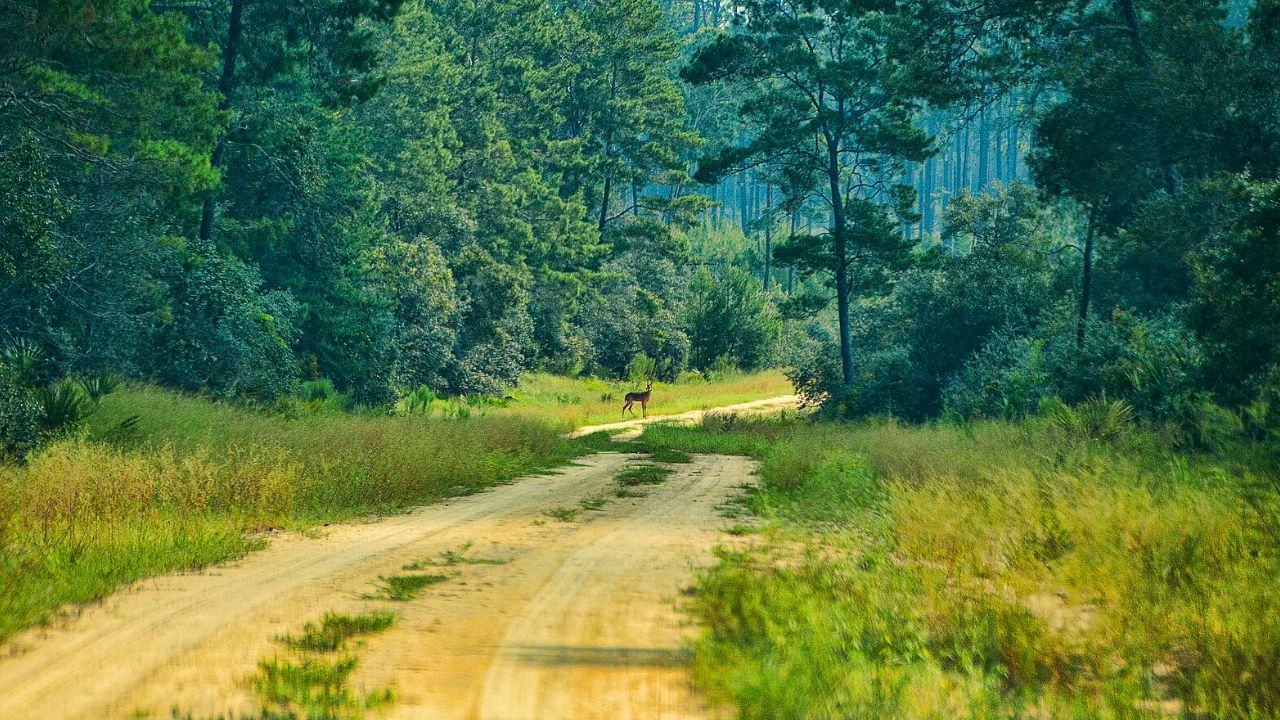
A lot of America’s trail miles run through national forests, and that’s great until you’re hunting a basin that also happens to be a popular hiking route. Recent reporting described the Forest Service as managing about 164,000 miles of trails across its lands. Trails mean access for hunters, but they also mean predictable human traffic patterns you have to work around. Animals learn those patterns too. In many places, the best move is hunting off the trail, not on it—using trails for access, then breaking away to travel lanes people avoid because it’s brushy, steep, or inconvenient.
7) Only part of national forest land is considered suitable for timber production

When people see logging, they assume the whole forest is “open season” for timber. The Forest Service says that based on standards and suitability criteria, roughly 49 million acres (about 25%) are considered suitable for timber production. That matters because it means a lot of national forest land is managed with different priorities—watershed protection, wildlife habitat, recreation, wilderness, roadless values, and more. For hunters, it also means cuts will be concentrated in certain zones, which can help you forecast where regrowth habitat will show up over the next decade.
8) Fire and fuels work drives a ton of what you see on the ground

A lot of what looks like “random closures” or “random smoke” is tied to fuels reduction and fire management. The Forest Service tracks big annual activity in reforestation and restoration work, and those numbers can spike after heavy fire years. For hunters, fire can improve habitat in the long run, but the short run can be chaotic—road closures, changed access, displaced animals, and altered movement patterns. Burn scars can turn into feed zones, then later turn into thick, nasty regrowth that holds animals tight. If you hunt the same forest year after year, you’ll see whole areas cycle through phases.
9) “Roads everywhere” doesn’t mean “access everywhere”

National forests often have huge road systems, but lots of those roads are seasonal, gated, washed out, or closed for resource protection. Add in mixed zones like wilderness and roadless areas, and you can have a road on a map that’s useless on the ground. This is where people get burned: they plan a hunt like the road network is stable, then show up to a locked gate and an extra four miles of walking. Knowing the forest’s travel management plan and checking current conditions matters more than most people want to admit. It’s the difference between hunting and hiking with a rifle.
10) Energy development can exist on some national forest lands

Many people assume national forests are automatically off-limits to oil and gas. In reality, there can be federal leasing and development on some Forest Service lands, often involving coordination and approvals across agencies. Reporting has described rule changes aimed at streamlining decisions and noted the presence of federal oil and gas leases on National Forest System lands. For hunters, the effect isn’t theoretical: you can get new traffic, new roads, noise during certain seasons, and access changes. Sometimes it helps access. Sometimes it concentrates people and pushes animals into quieter pockets.
11) The worst crowding is usually concentrated, not spread evenly

A national forest can feel slammed if you judge it by one trailhead. The truth is most forests have huge areas that don’t see much use because they’re steep, brushy, far from towns, or just hard to navigate. The pressure piles into the obvious places: good roads, good parking, clear signage, and trails everyone can find. This is why smart hunters stop chasing “the famous spot” and start hunting the ugly stuff that doesn’t look convenient on a map. You don’t need a secret honey hole. You need a plan that avoids the easy access funnels that everybody else depends on.
12) One national forest can contain five different “worlds” of rules

You can have wilderness, motorized zones, grazing allotments, timber units, and heavily developed recreation corridors all inside the same forest boundary. That’s the multiple-use mandate in action. It’s also why “a national forest” isn’t one thing. A ridge might be quiet and foot-only. The next drainage might have ATVs and cows. The next might be closed for a habitat project. Hunters who do best learn to treat the forest like a patchwork of zones instead of one big uniform block of public land.
13) Maintenance and staffing issues can change access more than people realize

Trails, bridges, signs, and roads don’t maintain themselves. When capacity gets tight, the practical result is closures, washed-out crossings that don’t get fixed quickly, and routes that become risky. Recent reporting highlighted how trail maintenance strains can affect safety and access on Forest Service lands. For hunters, that means last year’s route might not be passable this year, especially after storms or high runoff. It also means you should always have a backup plan. Getting stuck with one route in rough country is how trips go sideways fast.
14) The best “skill” on national forests is reading people, not animals
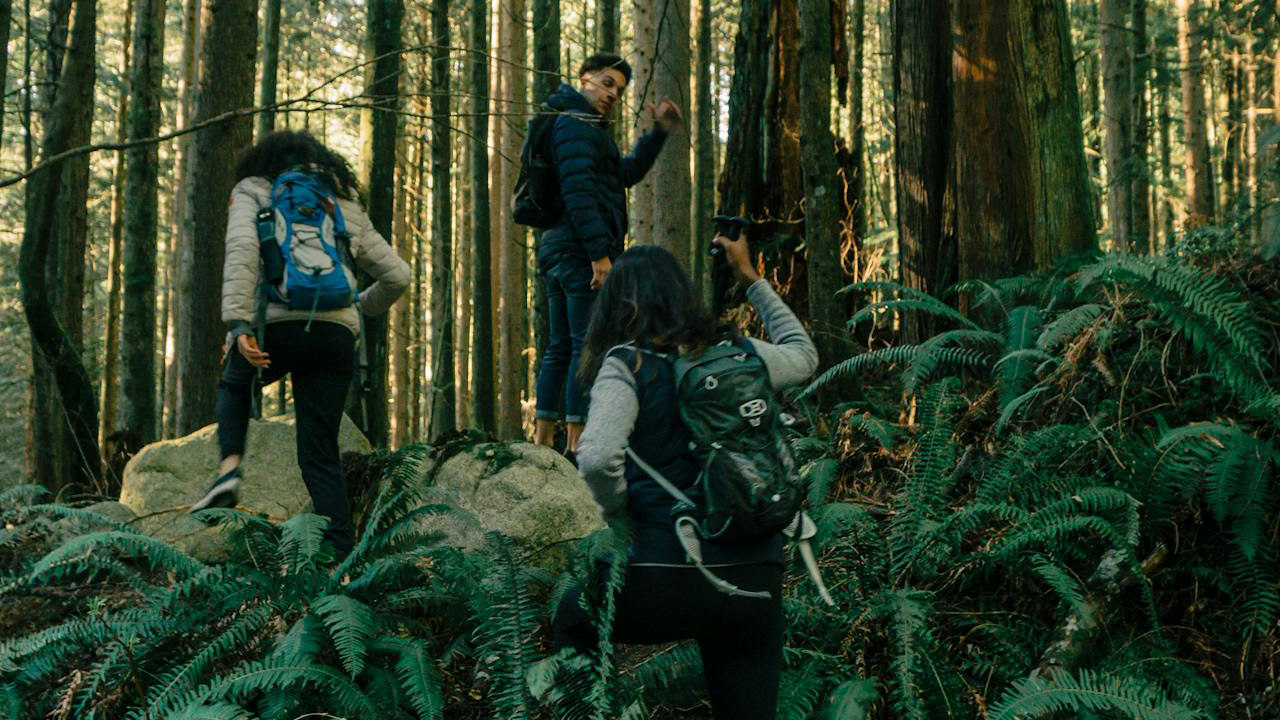
Animals respond to pressure. People create pressure. If you understand where the average hunter will park, walk, glass, and quit, you can predict where animals will hold. National forests are full of patterns: weekend surges, holiday crowds, first-week chaos, and then quiet stretches when everyone goes home. If you plan around that, you’ll see more animals and less orange. This is also why midweek hunting can feel like a different state. Same forest. Same units. Different human behavior. If you ignore the people side, you’ll keep hunting the same crowded spots and wondering why it feels dead.
15) The “best” national forest is often the one nobody brags about
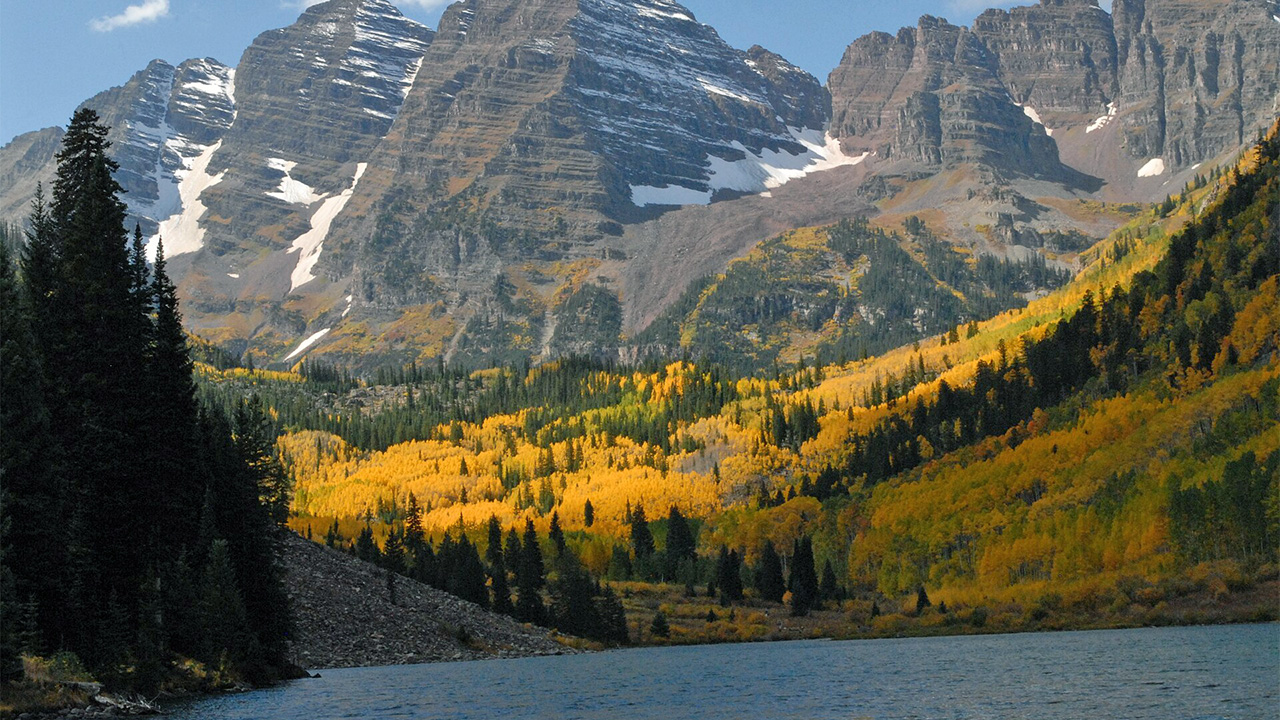
Everyone wants the famous elk forest, the famous deer unit, the famous wilderness name. Those places can be great—and they can be crowded enough to ruin the experience. Meanwhile, a less-hyped national forest with decent habitat and fewer destination hunters can hunt better simply because animals act more normal and pressure is lower. The system is enormous—193+ million acres—so there’s always another option if you’re willing to look. The guys who consistently do well aren’t always the best callers or the best shooters. They’re the ones who pick ground that matches their time, legs, and tolerance for crowds.
Like The Avid Outdoorsman’s content? Subscribe to our newsletter so you never miss an article.
Here’s more from us: