Photo credit: GearSupply
A cheap knife can be the most expensive knife you buy—because it fails when you need it, or it turns every simple chore into a frustrating mess. But “under $75” doesn’t automatically mean junk anymore. The key is buying designs that have proven geometry, decent heat treatment, and handles that actually work when your hands are wet, cold, or tired.
These aren’t collector pieces. They’re knives that cut, carry, and hold up well enough that you don’t feel like you settled. Most of these are commonly found under $75 in real-world pricing, and some sit way under that line without feeling disposable.
Morakniv Companion (stainless)

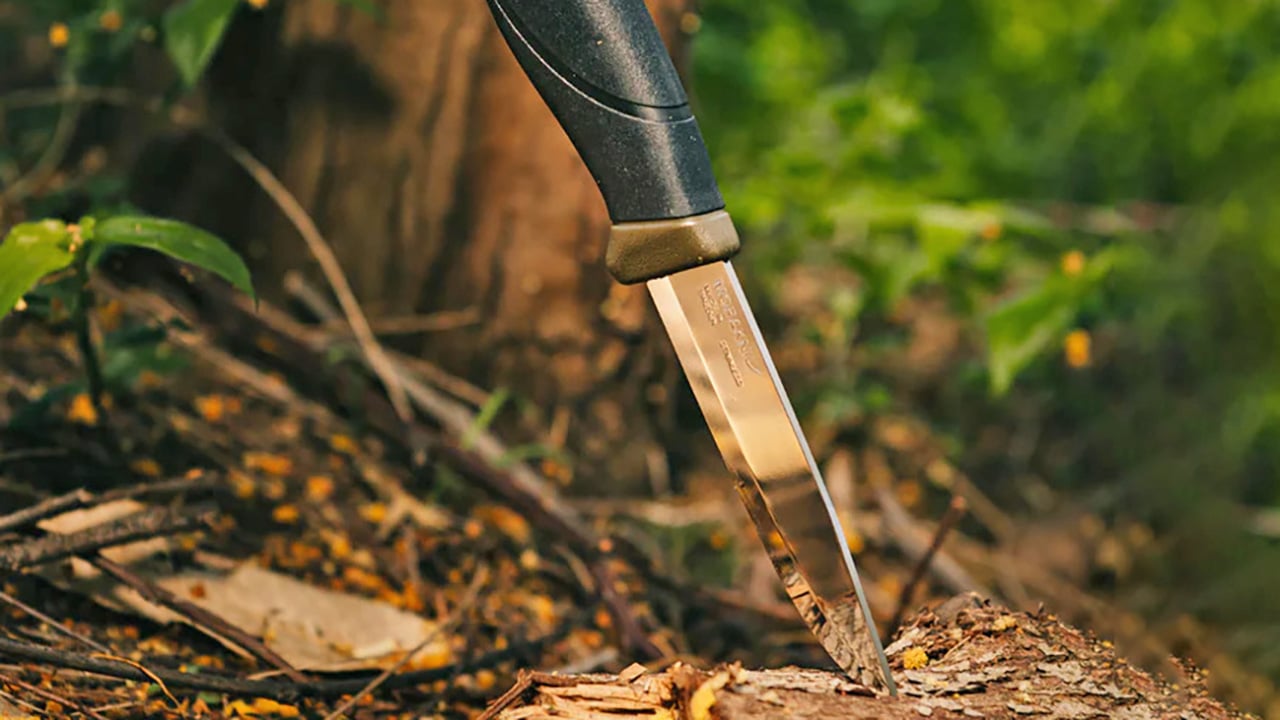
The Mora Companion is one of the most honest knives on the planet. It’s light, it’s simple, and the blade geometry is thin enough to slice like crazy—especially for camp food, rope, cardboard, and general ranch chores. Where it surprises people is how controllable it feels for detail work. If you’ve ever tried to do precise cutting with a thick “tactical” edge, you know how annoying that can be. The Companion just cuts. The handle is comfortable, the sheath works, and the stainless version is a smart pick if you’re around blood, water, or humidity. It’s not a pry bar, and it’s not meant to baton oak logs all day. Treat it like a cutting tool and it’ll run circles around a lot of knives that cost triple.
Morakniv Companion HD (stainless)

The HD version keeps the same “Mora slices better than it should” personality, but with a little more meat where you want it. You still get that clean, efficient cutting feel, but the blade is a bit more confidence-inspiring if you’re doing tougher chores or you tend to be hard on gear. For hunters, it’s a solid option for quick camp tasks and even some basic game processing if you’re disciplined about how you use it. The handle fills the hand well and doesn’t feel slick when things get messy. It’s also one of those knives you don’t baby—because if you lose it, you’re annoyed, not heartbroken. That freedom matters. A knife you’re afraid to use is basically just a pocket decoration.
Morakniv Kansbol
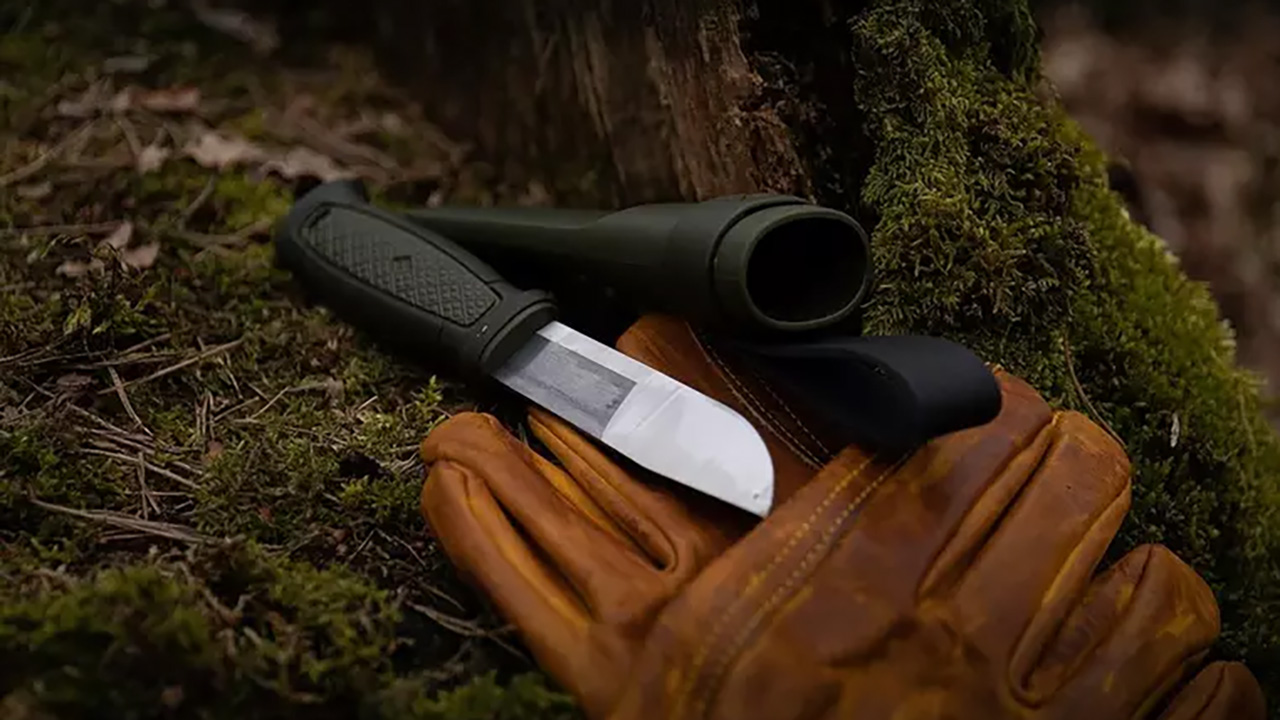
The Kansbol is a good “one knife does most of it” option in the Mora lineup because it gives you a bit more versatility without getting clunky. The blade has a profile that handles food, wood, and general camp work well, and it still slices clean because Mora keeps their grinds practical. This is one of those knives that works great for hunters who want a lightweight belt knife for camp chores, quick processing, and utility cutting without carrying a heavy brick. The handle is comfortable for long use, and the overall feel is controlled—not tip-heavy or awkward. Again, it’s not a pry tool. But if you want a practical fixed blade under the $75 mark that acts like a real tool instead of a fantasy knife, it’s a strong play.
Cold Steel SRK Compact
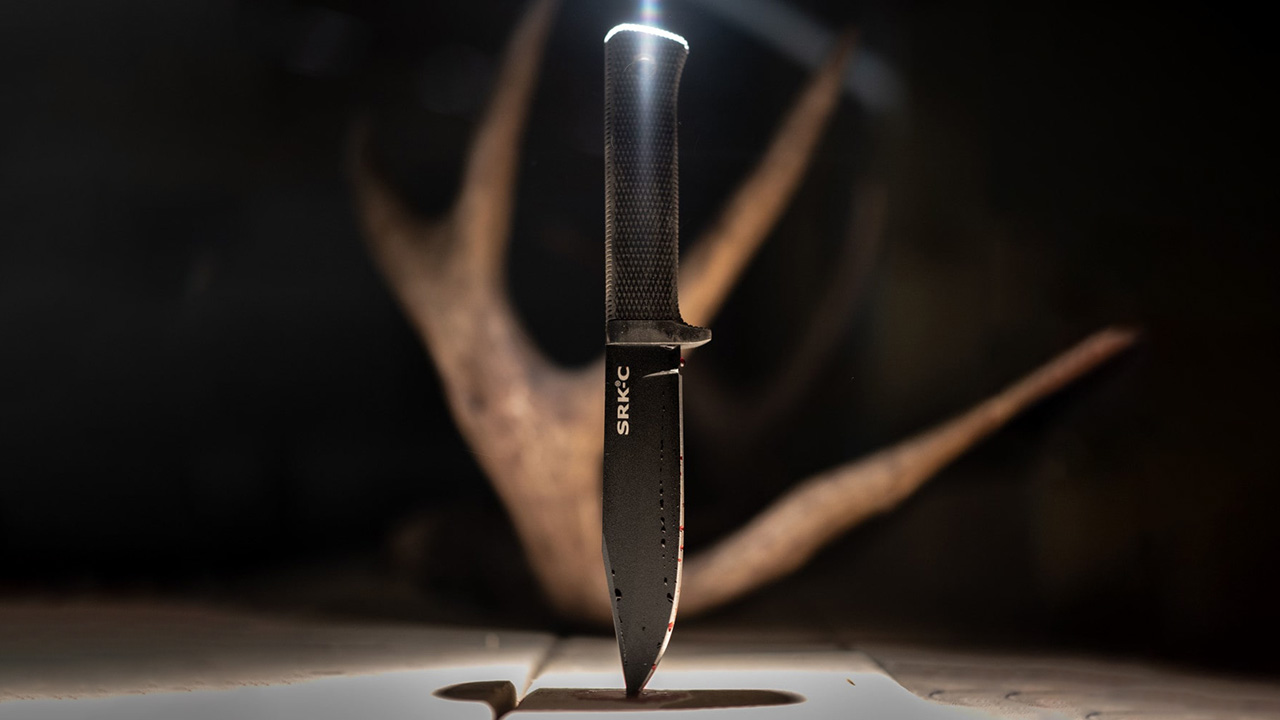
The SRK Compact is what you buy when you want a small fixed blade that still feels “tough” without being ridiculous. It’s thick enough to handle harder use than a thin slicer, and the shape is versatile for camp chores, field work, and general utility. Cold Steel tends to build knives that lean toward durability and grip, and the SRK Compact fits that pattern. It’s also a good knife for guys who want something they can abuse a little without constantly worrying about it. The tradeoff is that thicker geometry won’t slice like a Mora, so it’s not the king of food prep or super fine cutting. But for rough chores—cutting brush, breaking down boxes, cutting rope, and doing the kind of work that punishes fragile edges—it’s a solid budget pick.
CRKT Minimalist Bowie
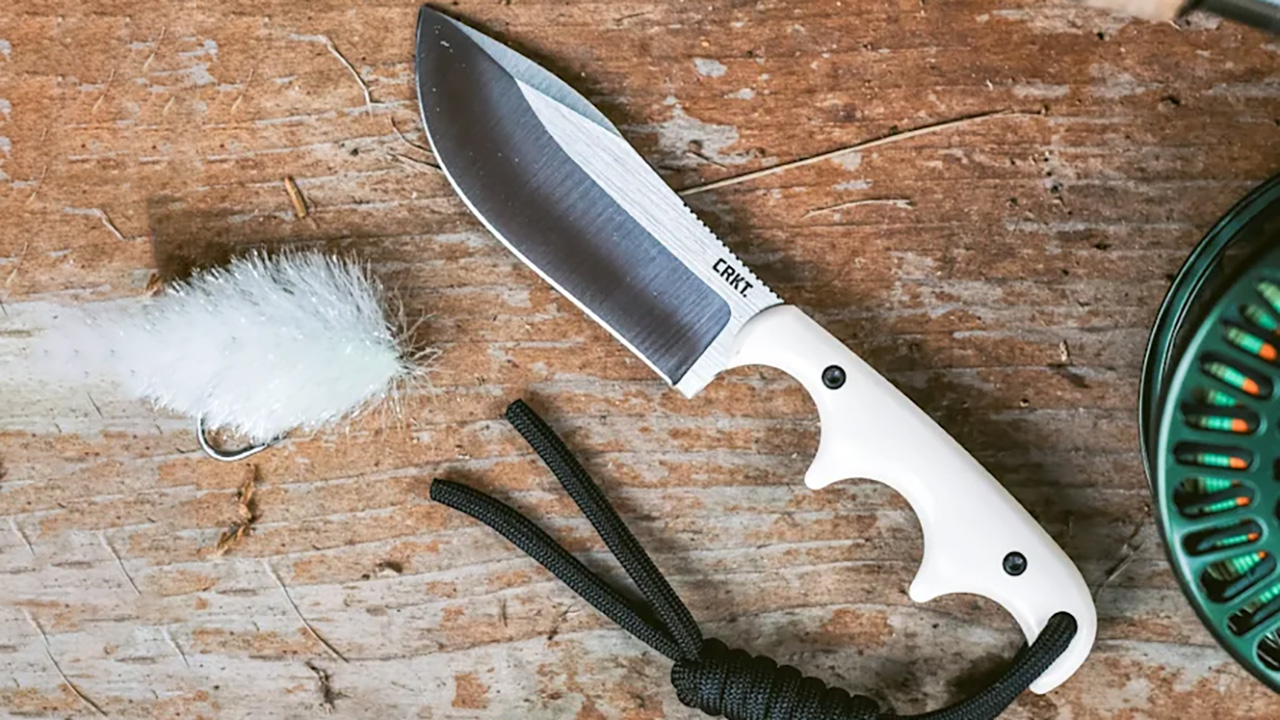
The Minimalist line is popular for a reason: it gives you a small knife that’s actually comfortable to hold. That sounds basic, but a lot of tiny knives feel like you’re pinching a razor blade. The Minimalist gives you a handle you can lock into, and that makes it usable for real chores—opening feed bags, cutting cordage, trimming stuff around the property, and handling quick camp tasks. The Bowie-style version gives you a little more belly and a practical tip. This is a great “always on you” knife because it disappears until you need it. No, it’s not a dedicated field dressing blade for big game. But for day-to-day utility and the kind of small chores that happen constantly, it’s way more capable than its size suggests.
Buck 112 Slim Select

The Buck 112 Slim Select is one of the easiest recommendations for a budget-friendly carry knife that doesn’t feel cheap. It’s a modernized version of a classic pattern—lighter, slimmer, and easier to pocket—but still built around Buck’s straightforward reliability. You’re getting a lockback that’s simple and secure, a blade shape that works for real cutting, and a carry profile that doesn’t feel like a brick. Buck even positions it in their “under $50” lineup, which tells you exactly what it’s meant to be: a usable tool that normal people can afford. If you want a knife you can toss in your pocket every day, beat up, wipe off, and keep moving, the 112 Slim Select is hard to argue with.
Buck 110 Slim Select

Same story as the 112 Slim Select, just a little bigger in the hand and a little more “full-size folder” in use. If you like the Buck lockback feel but you don’t want the old-school weight of the traditional 110, the Slim Select version makes a lot of sense. Buck also puts this in their budget category, which is rare for a brand with as much legacy baggage as Buck has. The blade shape is useful, the lock is simple, and it’s a knife that can live in a truck, a pack, or a pocket without you constantly thinking about it. Some guys like to overcomplicate knives. The Buck Slim Select models are a reminder that simple and proven still wins a lot of the time.
Ontario RAT Model 2

The RAT 2 is one of those budget folders that has earned a reputation because it’s just… solid. It’s a practical size for everyday carry, the blade shape does real work, and the handle gives you enough grip without feeling bulky. It’s also a knife that doesn’t get precious. You use it. It gets scratched. Who cares. That’s what an actual working pocket knife should be. The lockup is typically dependable, and the overall design is straightforward—no weird gimmicks, no complicated nonsense. For guys who want a budget folder that can open feed bags, cut rope, trim zip ties, and handle daily cutting without feeling like it’s going to self-destruct, the RAT 2 keeps showing up for a reason. It’s not fancy. It’s dependable.
QSP Penguin

The Penguin became a budget favorite because it hits that sweet spot: good cutting geometry, comfortable handle, and a blade shape that’s useful for normal chores. The sheepsfoot-ish profile gives you control and a strong tip area for utility work, and it tends to slice well for a budget knife because the grind is practical. It’s also the kind of knife you can hand to someone without giving a safety lecture about some weird lock or a super aggressive tip. It’s simple, predictable, and easy to carry. In the real world, that matters. A lot of knives look cool and then end up annoying you in use. The Penguin is usually the opposite: it looks basic, then you realize you’ve been grabbing it for everything.
Civivi Mini Praxis

Civivi earned their place in the budget conversation by building knives that feel like somebody actually uses them. The Mini Praxis is a good example. It’s compact enough to carry comfortably, but big enough in hand that it doesn’t feel like a toy. The blade shape is friendly for general cutting, and the handle ergonomics tend to be better than you’d expect at the price. It’s a great “first real pocket knife” for someone who’s tired of gas-station junk and wants something that opens smoothly and cuts like a tool. Civivi also has a strong reputation for value in the modern budget market, which is why their models keep getting recommended when people want quality without spending a hundred bucks.
Civivi Elementum (base models)

The Elementum is one of the most common “budget EDC that doesn’t stink” recommendations because it’s simple and it works. It carries well, it has a blade shape that handles real cutting tasks, and it feels smooth without being fragile. The big advantage is that it doesn’t try to be a survival knife in your pocket. It’s just a good cutter that disappears until you need it. A lot of guys end up carrying an Elementum because it’s comfortable and predictable, not because it’s exciting. And honestly, that’s the goal for an everyday knife. You want something you trust to open packages, cut cordage, trim things around the property, and handle whatever small problems pop up. Civivi’s “high value” reputation is a big reason the Elementum keeps showing up in these conversations.
Kershaw Leek

The Leek is a classic budget-to-midrange carry knife because it’s slim, cuts well, and it’s easy to live with. It’s the kind of knife you can drop in your pocket and forget until you need it, and it’s been around long enough that it has real-world credibility. Pricing bounces depending on version and sales, but it’s commonly found in the under-$75 zone—sometimes well under—especially on the standard models. The Leek’s strength is that it does everyday cutting really well. It’s not trying to be a heavy-duty pry tool. It’s a slicey, practical knife for daily chores, and that’s exactly what most people actually need.
ESEE Zancudo
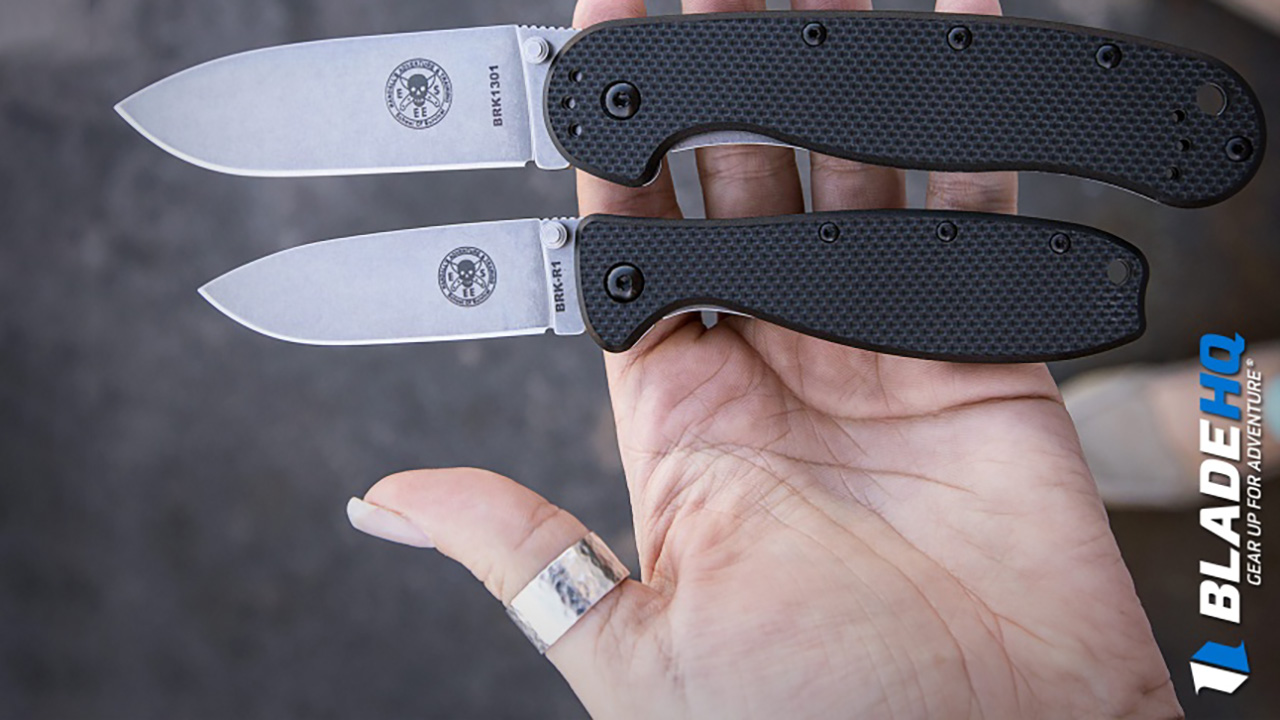
The Zancudo is a budget-friendly ESEE-branded folder that makes sense for people who want simple, usable design without paying full ESEE prices. It’s light, it carries easily, and it’s built around being a practical cutter. The blade shape is a good all-rounder, and the handle has enough grip for real use without feeling chunky. This is also the kind of knife you don’t feel bad about beating up. A lot of people baby expensive knives and then end up carrying junk because they don’t want to scratch their “nice” one. The Zancudo is a good solution to that problem: it’s affordable enough to use hard, but still feels like a real tool. For basic ranch chores and everyday cutting, it’s a solid “work knife” option.
Gerber Principle
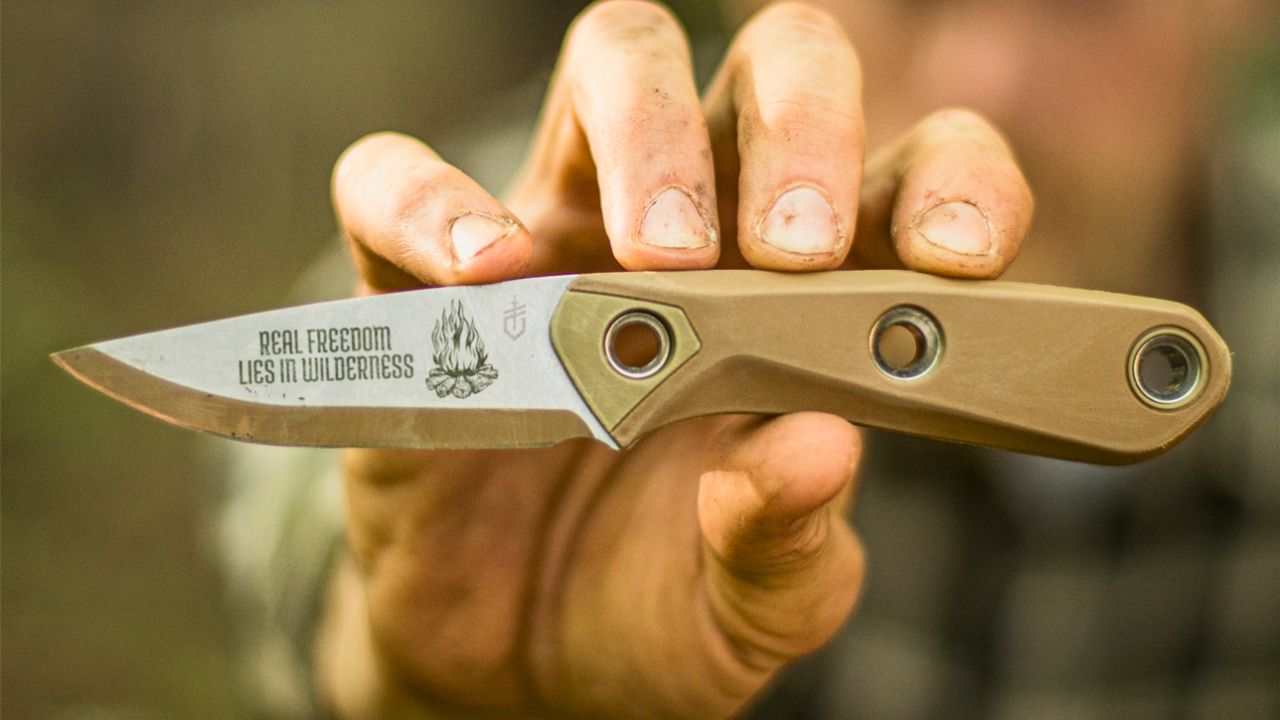
The Gerber Principle is a fixed blade that punches above its price when you want something compact, belt-carry friendly, and easy to clean. It’s a practical little knife for camp chores, property tasks, and utility cutting where a folder sometimes feels annoying. A fixed blade also wins when things get messy—blood, mud, food—because you can rinse it and keep moving. The Principle’s handle ergonomics make it feel more secure than a lot of small fixed blades, and that’s a big deal when you’re doing sustained work. It won’t replace a dedicated skinning knife for everyone, but it’s a strong general-purpose belt knife that doesn’t feel like a compromise. If you want a budget fixed blade that you’ll actually carry and use, it’s one of the better “normal guy” options.
Ka-Bar Becker BK11 (Becker Necker)
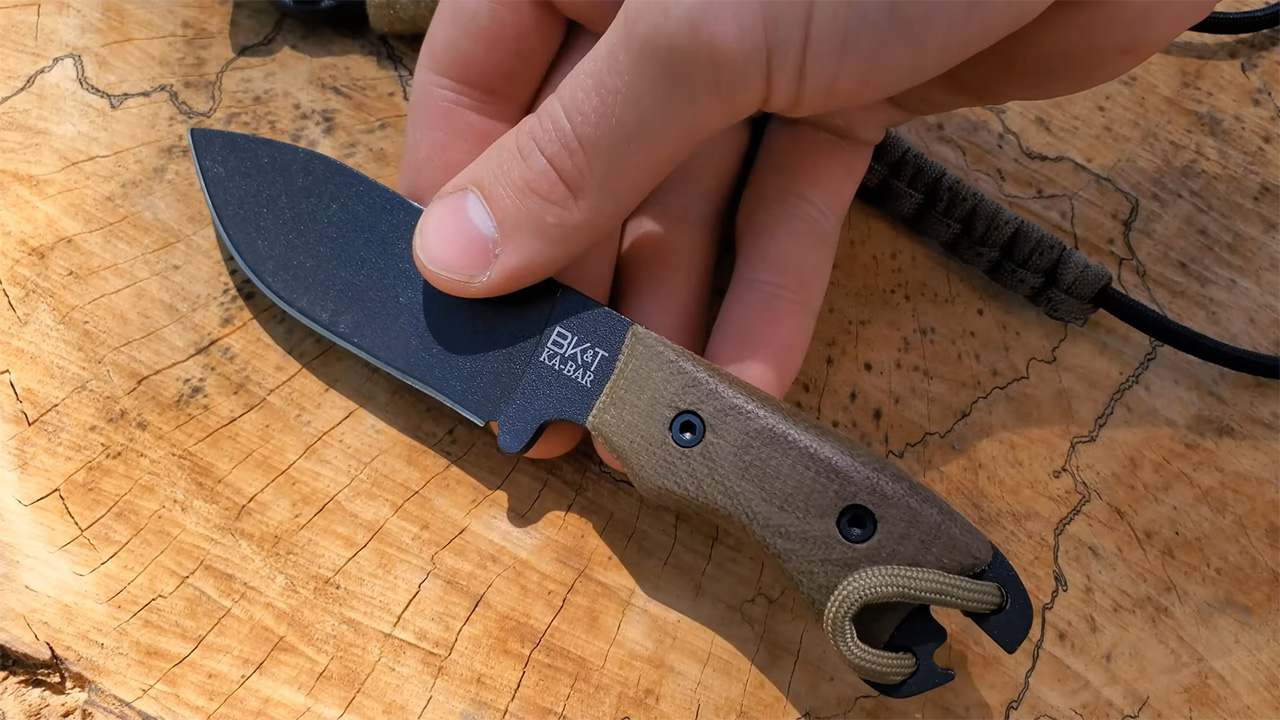
The BK11 is a small fixed blade that’s tougher than it looks, and it’s one of those knives that ends up being more useful than the guys with huge blades want to admit. It’s easy to carry, easy to control, and it handles real cutting tasks without feeling flimsy. The handle is minimal, so some people add scales, but even stock it can do the job if you’re not trying to use it like a crowbar. The BK11 shines as a compact camp and field knife: cutting cordage, doing quick utility work, and handling the kind of chores that happen constantly when you’re outdoors. It’s also easy to clean and doesn’t have moving parts to gum up. For under $75, it’s a solid “hard use small fixed blade” that doesn’t pretend to be anything else.
Like The Avid Outdoorsman’s content? Subscribe to our newsletter so you never miss an article.
Here’s more from us: