Photo credit: Lucky Gunner Ammo/YouTube
The Glock 43 is one of those pistols that almost gets overlooked now because later carry guns got more headlines. The Glock 43 was a big deal when it arrived because it gave Glock fans something they had wanted for years: a truly slim, concealable single-stack 9 mm from a company better known for thicker double-stack pistols. Glock’s own history page places the G43 in the 2014–2015 Slimline rollout, and American Rifleman noted in 2017 that the pistol surprised the market in 2015 as Glock’s first single-stack defensive 9 mm.
That matters because the G43 showed up at a very specific time. The concealed-carry market was already moving hard toward thinner guns, and Glock had been called “late to the party” because other companies were already selling slim 9 mms. Even so, once the G43 landed, it quickly became one of the most popular carry guns in the category.
1. It was Glock’s first single-stack defensive 9 mm

This is probably the most important G43 fact, and it is still the one that best explains why the pistol mattered. American Rifleman said flat-out that the G43 was Glock’s first single-stack defensive 9 mm pistol. For a company whose reputation had been built on double-column service pistols, that was a real shift.
That may not sound huge now, but at the time it really was. Glock had built a loyal following on guns like the G17, G19 and G26, yet a lot of concealed-carry buyers still wanted something flatter and easier to hide. The G43 was Glock finally answering that demand directly instead of asking buyers to settle for the chunkier subcompact route.
2. It was part of Glock’s Slimline family from the start

The G43 was not a random one-off. Glock’s history page groups it with the company’s Slimline pistols, saying that in the 2014–2015 period Glock started production of the G42 in .380 Auto and the G43 in 9 mm Luger as the smallest Glocks so far.
That tells you Glock already understood what lane the pistol belonged in. The G43 was meant to be one of the company’s dedicated deep-concealment answers, not just a shrunk-down side project inside the normal double-stack family.
3. It is very close in size to the G42, but the shooting feel is noticeably different
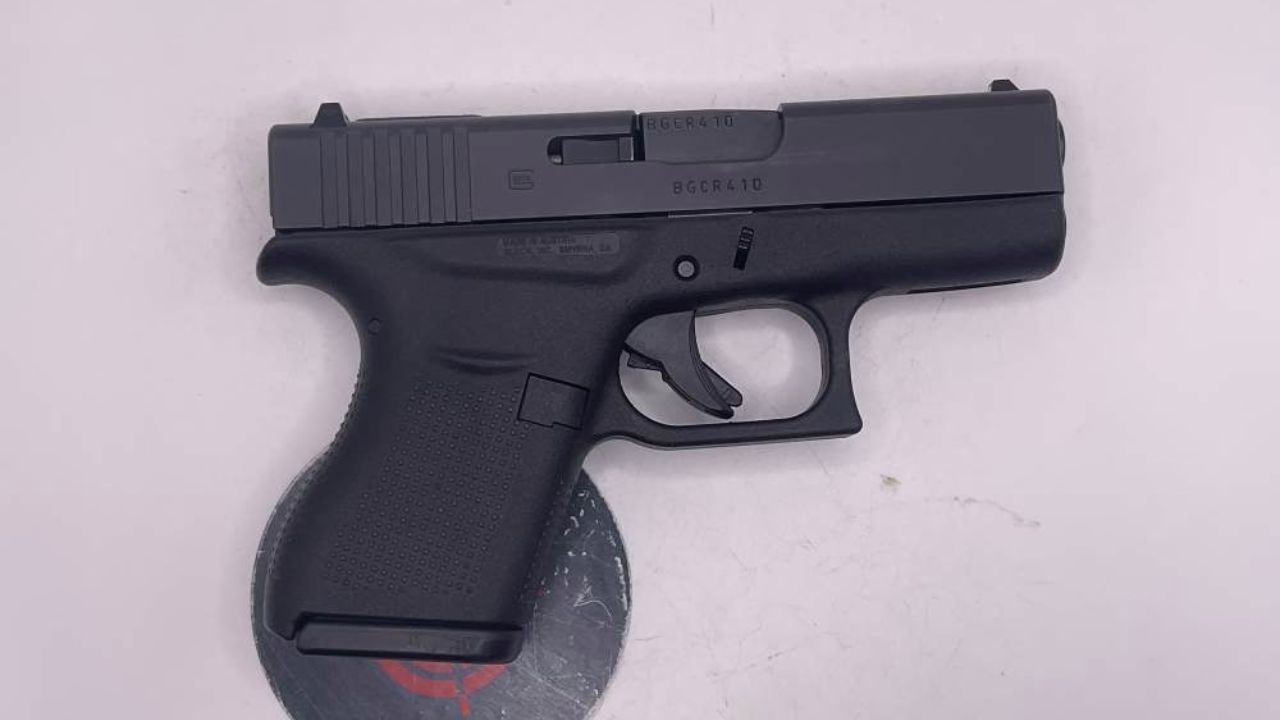
One thing people often miss is how close the G43 is to the G42 dimensionally. Shooting Illustrated says the G43 is very similar in size to the G42, just slightly larger. But it also says the difference in recoil is noticeable because the 9 mm “simply has more juice.”
That is a useful little reality check for people who assume the two guns feel nearly identical because they look alike. They do not. The G43 keeps the slimline concealment appeal, but it pays for the step up to 9 mm with a snappier shooting experience than the .380 sibling.
4. The pistol is slimmer than many people remember

Because the carry market has gotten flooded with tiny pistols, it is easy to forget how slim the G43 felt when it launched. Shooting Illustrated’s 2017 video page lists the G43 at 1.02 inches wide, 6.26 inches long, and 4.25 inches high, while later American Rifleman coverage of the G43 line also emphasizes how narrow it is.
That width was a big part of the gun’s selling point. Glock did not just make a smaller pistol. It made a noticeably thinner one, and for concealed-carry buyers that difference mattered every day.
5. It holds only six rounds in the standard magazine, and that became both a strength and a weakness
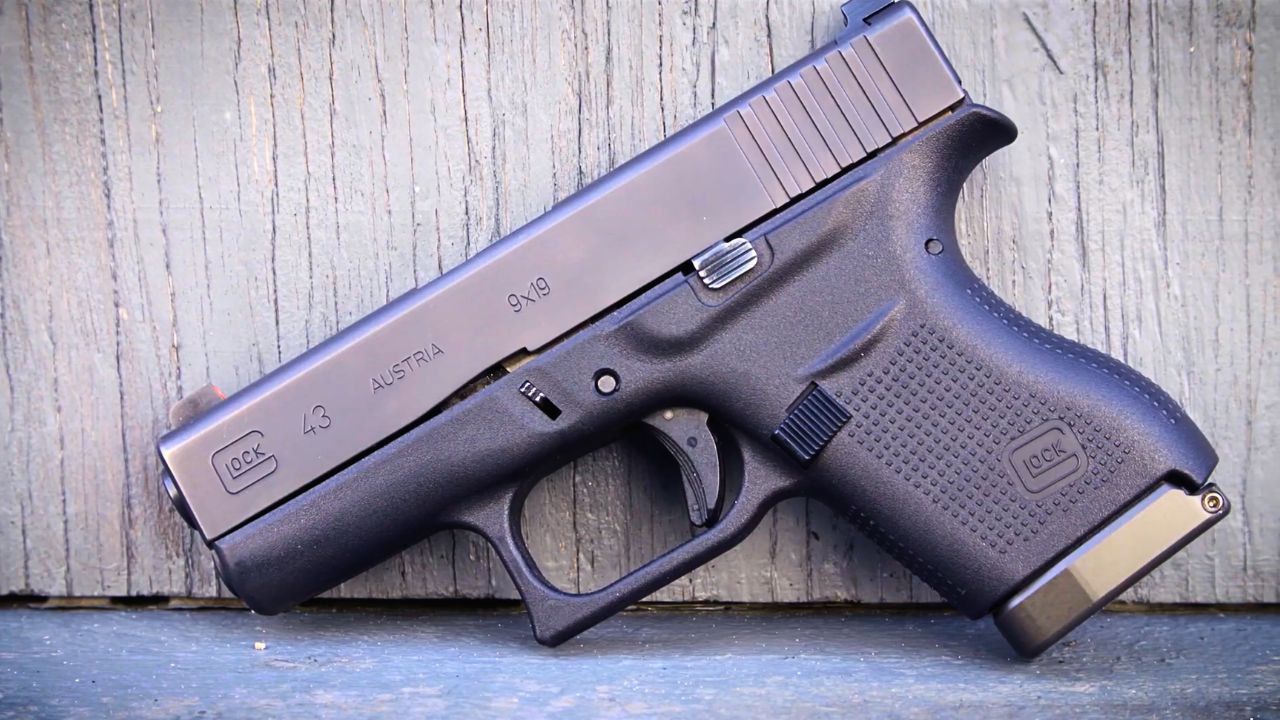
The G43 uses a six-round single-stack magazine. American Rifleman’s Gun of the Week specs list the pistol with a six-round detachable box magazine, and American Rifleman’s later “single-stack nine” article says exactly the same thing.
That low capacity was part of what made the gun so slim and easy to carry. But it also became one of the first big complaints once the market moved further. What looked perfectly acceptable in 2015 started to feel limited once newer carry pistols began offering more rounds in similarly small guns.
6. It was seen as “late,” but buyers did not care for long

The G43 came to market after a lot of other slim carry pistols had already earned followers, and American Rifleman specifically said Glock was “late to the party.” Even so, the same coverage also makes clear that consumer response was strong enough that loyal Glock buyers largely stopped caring about the delayed arrival.
That is one of the more interesting little lessons in the G43 story. Timing matters, but brand trust matters too. Glock showed up late, yet the pistol still became a carry favorite because plenty of buyers wanted a slim 9 mm that still felt unmistakably Glock.
7. It is basically Glock’s answer to the “deep carry, but still 9 mm” problem

The G43 was never meant to replace a duty pistol. American Rifleman and Shooting Illustrated both frame it as a concealable defensive handgun, built for people who wanted something much easier to hide than the larger Glock lineup.
That sounds simple, but it is really the whole point of the gun. The G43 was for those days when a G19 or even a G26 felt like too much bulk, but the buyer still wanted a real 9 mm instead of dropping down to a smaller cartridge.
8. It is smaller than the G26 in a way that made a real difference to carriers
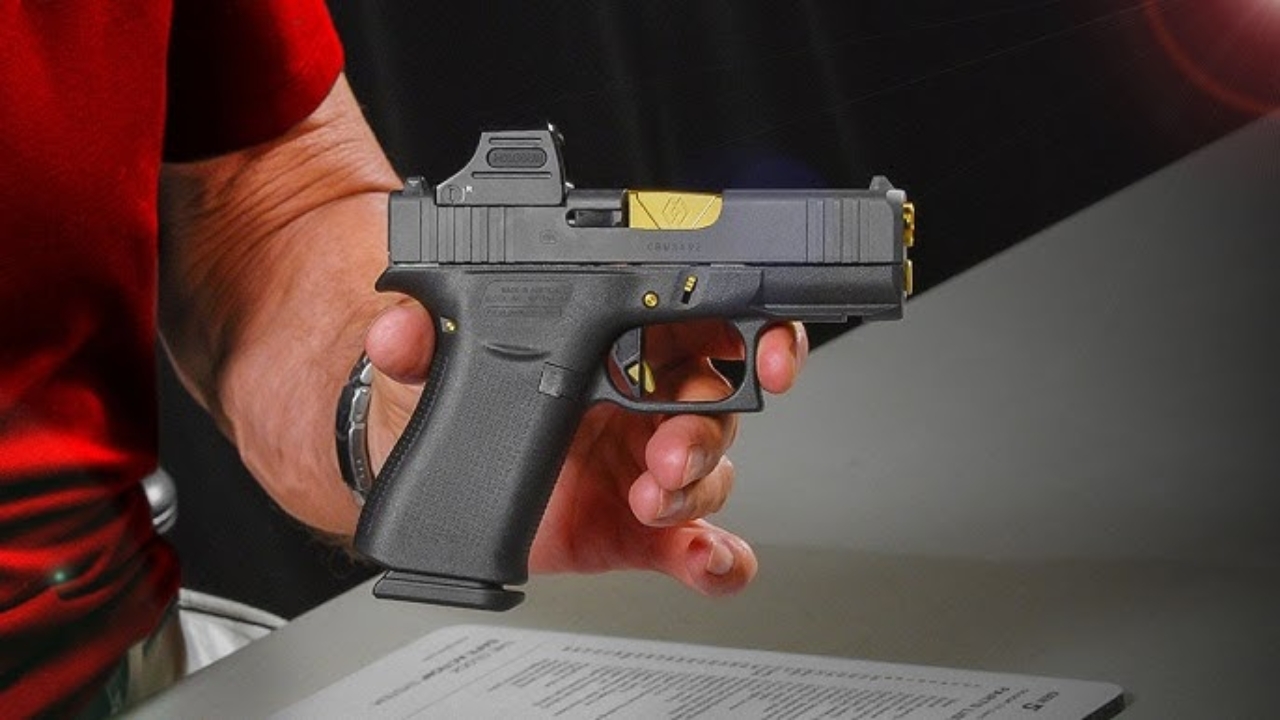
A lot of shooters compare the G43 and G26 because both are Glock 9 mm carry guns. The key difference is that the G43 is far thinner. American Rifleman’s launch-era coverage and several later reviews frame the G43 as the answer for people who liked Glock reliability but wanted something much slimmer than the double-stack subcompact formula.
That is why the G43 mattered even to people who already owned a G26. The two guns did not really compete as exact substitutes. The G43 was for people prioritizing flatness and comfort in concealed carry over the extra ammunition capacity of the thicker model.
9. The G43 stayed popular even after newer high-capacity small guns arrived

A lot of slim single-stack pistols got buried once the higher-capacity micro-compact wave took over. The G43 did not completely disappear. Shooting Illustrated’s 2019 2,000-round test still described it as one of the most popular pistols in the growing class of little single-stack or quasi-single-stack polymer 9 mms.
That says a lot about the pistol’s staying power. Even after guns like the P365 started changing capacity expectations, the G43 still held onto buyers who liked its familiar feel, simple layout and carry-friendly proportions.
10. The built-in beavertail is a small feature that helped the gun shoot better than its size suggests
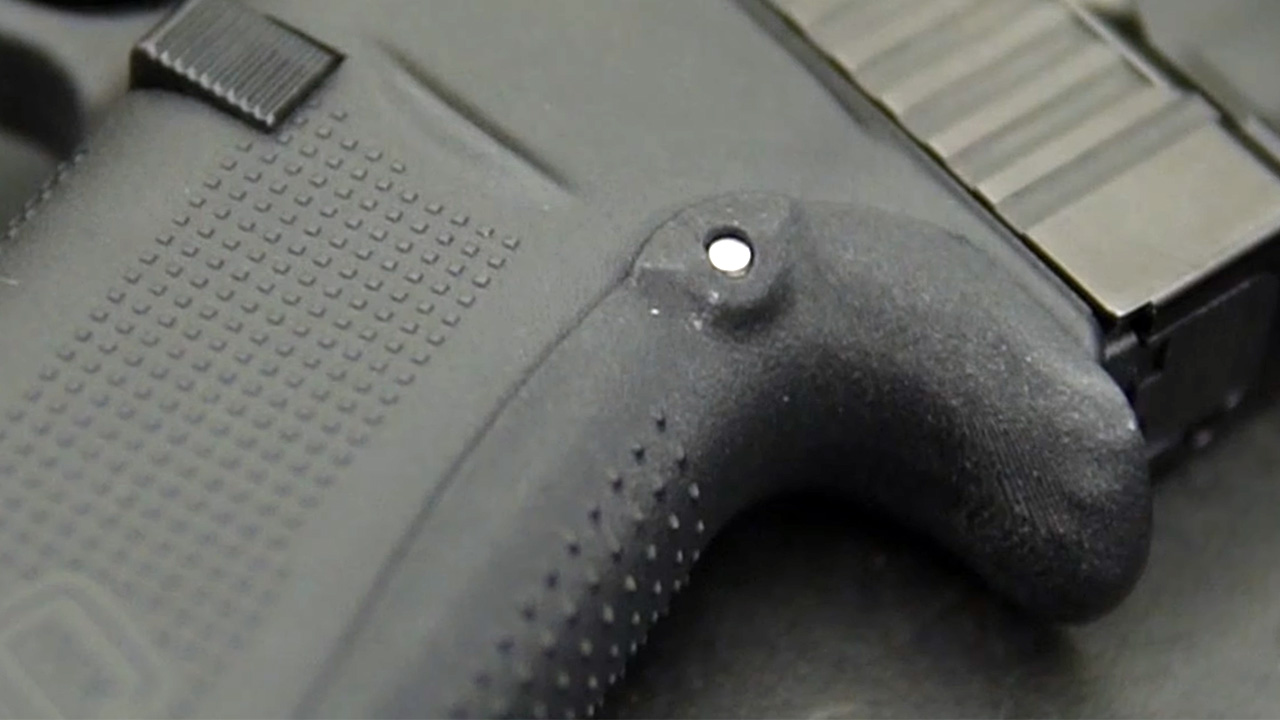
Shooting Illustrated’s 2017 SHOT Show video note specifically points out the G43’s built-in beavertail, saying it improves control and allows for a higher grip. On a pistol this small, details like that matter more than people sometimes realize.
A tiny carry gun can easily feel slippery, cramped or awkward. The G43 was not magically soft-shooting, but Glock clearly paid attention to the small ergonomic touches that helped make it more manageable than a lot of buyers expected.
11. It was more shootable than some buyers expected from something this small

American Rifleman’s 2015 review said the G43 not only met expectations, but often exceeded them at the range, describing it as well-balanced and very shootable for its intended role. Shooting Illustrated said the 9 mm recoil is snappier than the G42, but not punishing.
That is one of the more important parts of the G43’s reputation. The pistol did not become popular only because it was small. It became popular because it stayed manageable enough that people could actually practice with it and trust it, instead of treating it like a miserable emergency-only carry piece.
12. The G43 helped set up later Glock slimline pistols
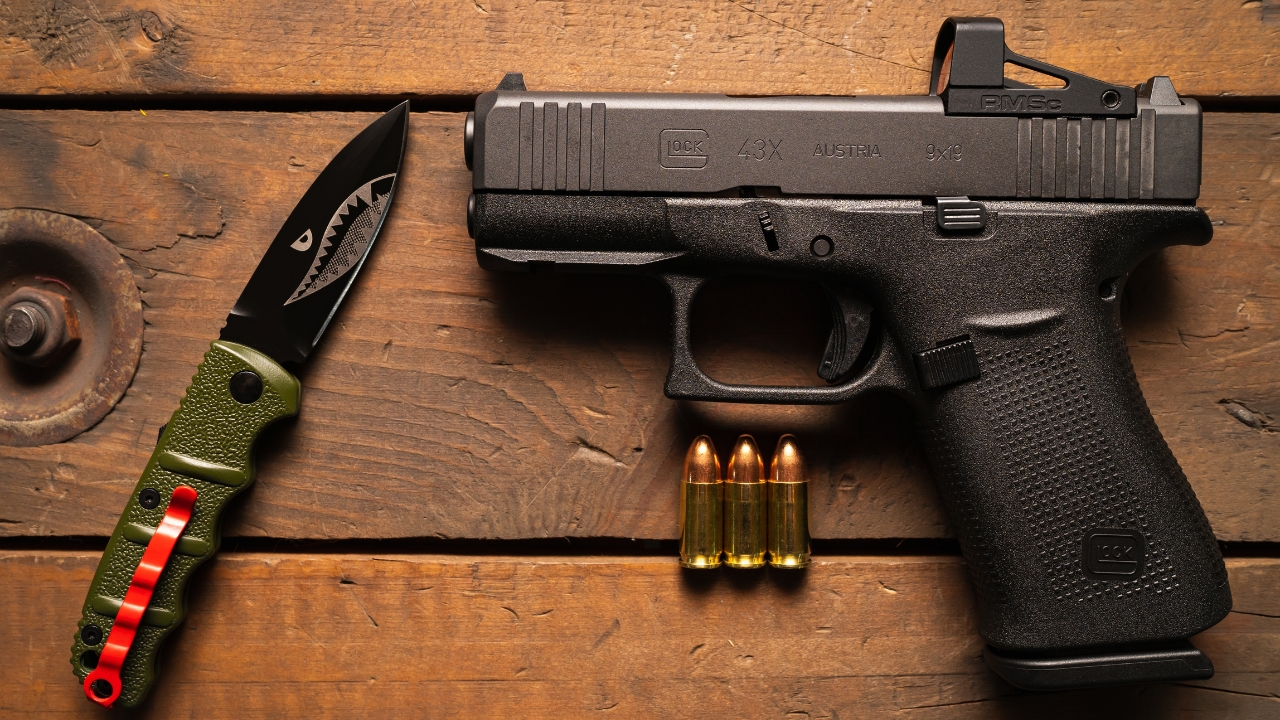
The G43 ended up being more than a single model. American Rifleman’s 2021 G43X article ties the later G43 series directly back to the original 2015 G43 launch, then explains how Glock expanded the slimline idea into pistols with larger grips and greater capacity.
That matters because the G43 was the opening move in a much broader Glock slimline strategy. Without the original G43, the later G43X and related pistols do not make nearly as much sense.
13. The G43X exists partly because the original G43’s capacity limit became impossible to ignore

American Rifleman’s G43X piece says loyal Glock fans had skepticism about the original G43’s modest six-round capacity, and four years later Glock answered with the bigger G43X, using a 10-round magazine in a still-slim pistol.
That is a really telling part of the G43 story. The original gun succeeded, but it also revealed exactly where the market wanted more. Glock listened, and the follow-up models show the company knew the six-round format had real limits in the new carry market.
14. It became one of the defining Glock carry guns of the 2010s

There have been many popular Glock pistols, but the G43 occupies a special place because it signaled Glock finally taking the truly slim concealed-carry category seriously. American Rifleman and Shooting Illustrated both frame it as a major concealed-carry favorite once it hit the market.
That is why the pistol still matters even if later models now get more attention. The G43 was one of the guns that pushed Glock deeper into the everyday-carry conversation for people who wanted something flatter and easier to hide than the older double-stack models.
15. The biggest little-known fact may be that the G43 mattered more as a bridge gun than as an endpoint

The G43 was not the final word in tiny carry pistols, and history has made that obvious. But it was a hugely important bridge. Glock’s own history shows it as part of the original Slimline move, while later coverage of the G43X makes clear it opened the path to a whole new branch of Glock carry pistols.
That is probably the best way to understand the gun now. The G43 was not just a slim Glock. It was the pistol that helped move Glock from the older subcompact/double-stack carry mindset into the slimline concealed-carry era that the company still builds on today.
Like The Avid Outdoorsman’s content? Subscribe to our newsletter so you never miss an article.
Here’s more from us: