Photo credit: Winchester
Whitetails aren’t hard to kill when you use a reasonable cartridge and a bullet that holds together. That’s the part a lot of folks forget. Deer-sized game doesn’t require shoulder-dislocating recoil, and it also doesn’t forgive tiny, fragile bullets that come apart the second they hit bone. Most of the “bad caliber” choices for whitetail fall into one of two camps: too small to be consistent on real angles and real impacts, or wildly overkill in a way that makes you shoot worse and waste more meat.
You can make a lot of cartridges work with perfect shot placement and the right bullet. But hunting isn’t a controlled test. You shoot from awkward positions, in bad light, on moving animals, and sometimes through brush you shouldn’t be shooting through. The calibers below make those normal problems worse, not better.
.17 HMR
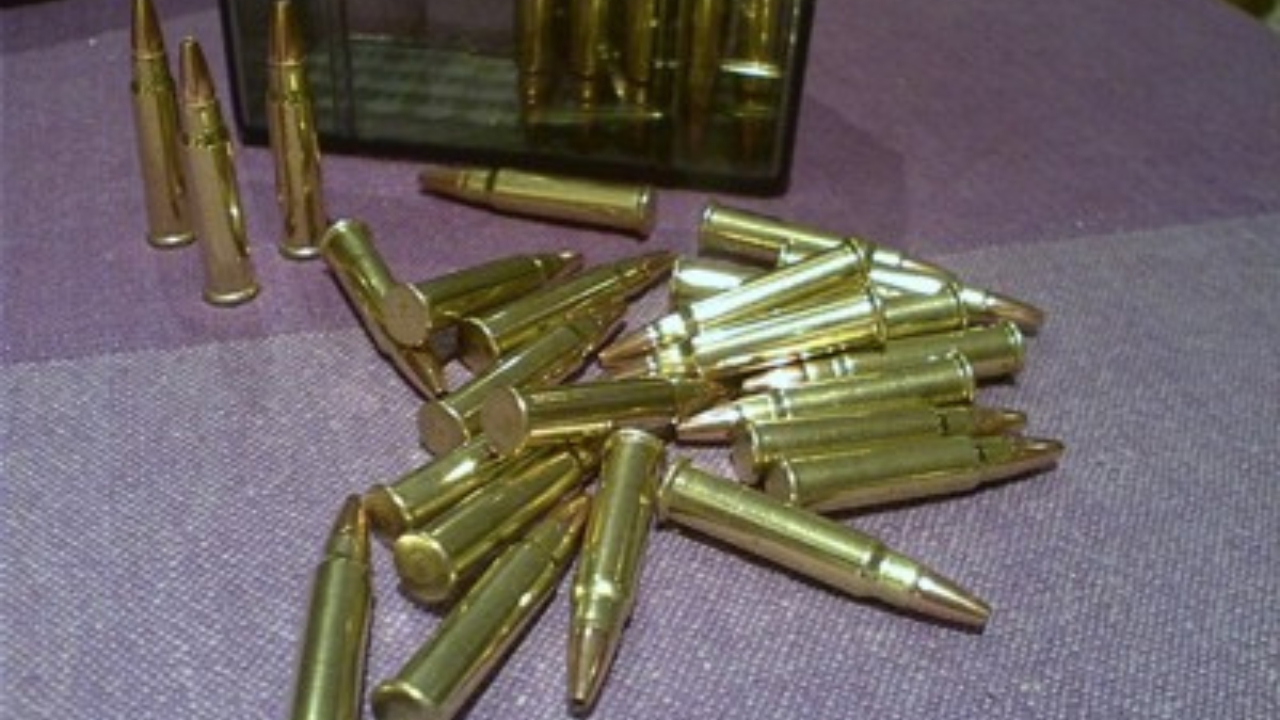
The .17 HMR is a fantastic rimfire for small varmints and paper. For whitetail, it’s the wrong tool. You’re dealing with light bullets designed to expand violently on thin-skinned targets. On a deer, that can mean shallow penetration, erratic performance on bone, and a very real risk of a wounded animal that runs off.
Even in the hands of a careful shooter, it leaves you no margin. A rib hit can look “fine” until it isn’t. A quartering angle, a shoulder clip, or a bad entry point turns into a mess fast. If you care about clean kills, the .17 HMR makes zero sense for deer hunting. It’s not about being tough—it’s about being responsible.
.22 LR
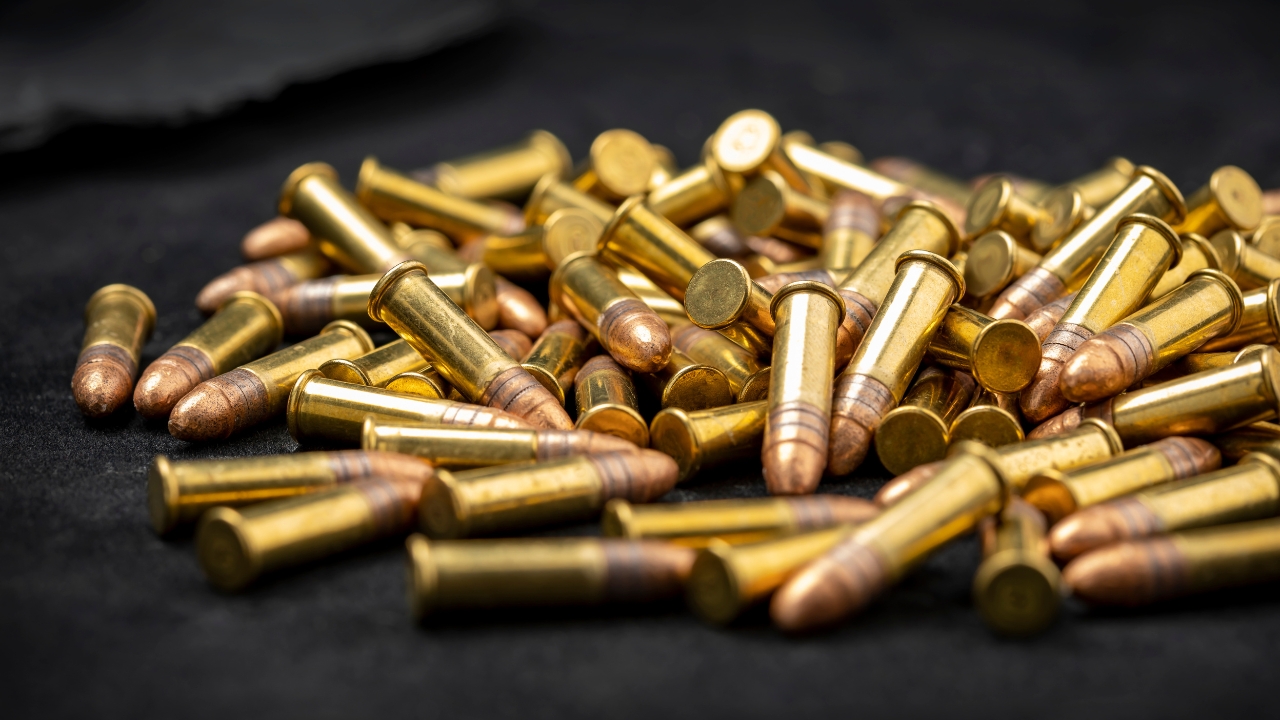
Yes, people have killed deer with a .22 LR. That doesn’t make it a smart choice. The .22 LR was built for small game, not for punching through ribs and reaching vitals consistently on an animal that can weigh well over 150 pounds. It can work with perfect placement at close range, but hunting rarely hands you perfect.
The problem is penetration and reliability. Rimfire ammo varies, expansion is inconsistent, and you’re one small mistake away from a long tracking job that ends badly. A whitetail deserves a cartridge that gives you room for a slightly imperfect angle or a slightly rushed shot. A .22 LR gives you none of that, and the whole point of hunting gear is stacking the odds in your favor.
.22 WMR
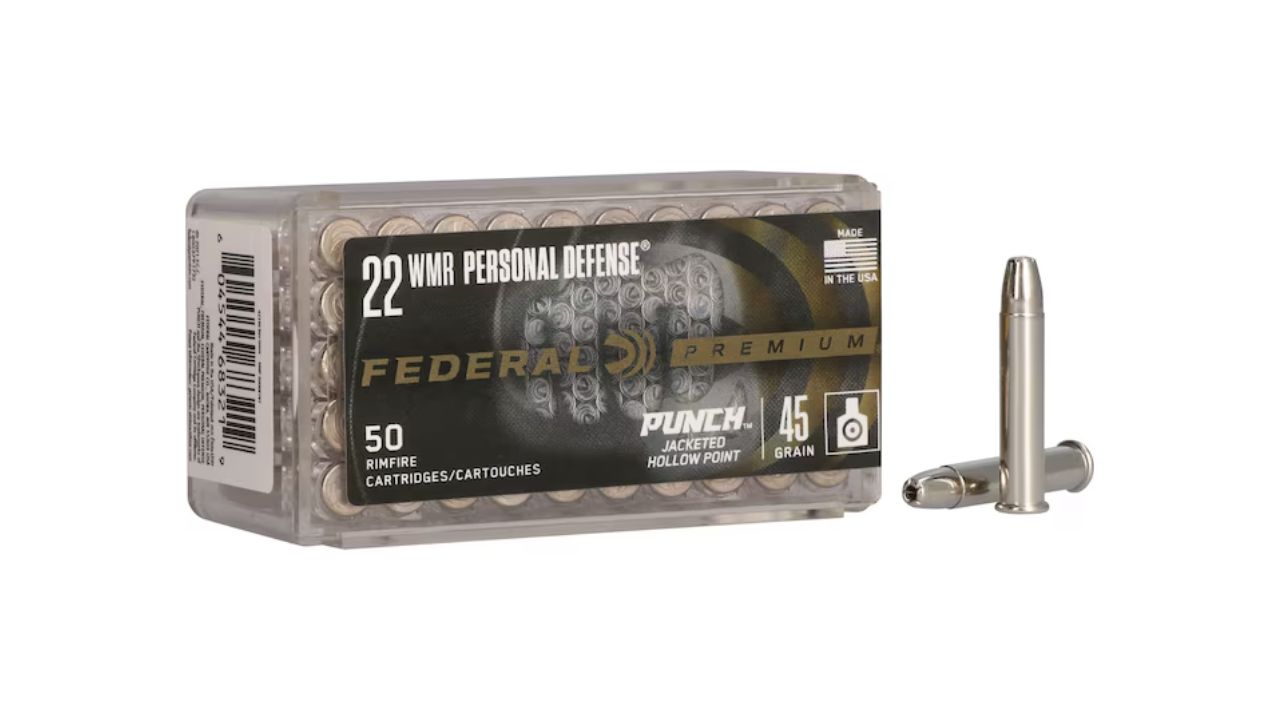
The .22 Magnum sits in a tempting place because it feels “stronger” than .22 LR, and it is. But it still doesn’t make sense for whitetail as a general choice. You’re still working with light bullets and a rimfire ignition system. On deer, that often turns into shallow wounds if you hit anything tougher than ribs.
Even with careful shot selection, it’s too easy to end up with a deer that doesn’t go down quickly. Quartering shots are a bad idea, shoulder impacts are risky, and the performance window is narrow. If you want an easy-shooting deer cartridge, there are centerfires that recoil lightly and deliver far more dependable penetration. The .22 WMR is a great round for pests and small predators. Deer aren’t that.
.22 Hornet
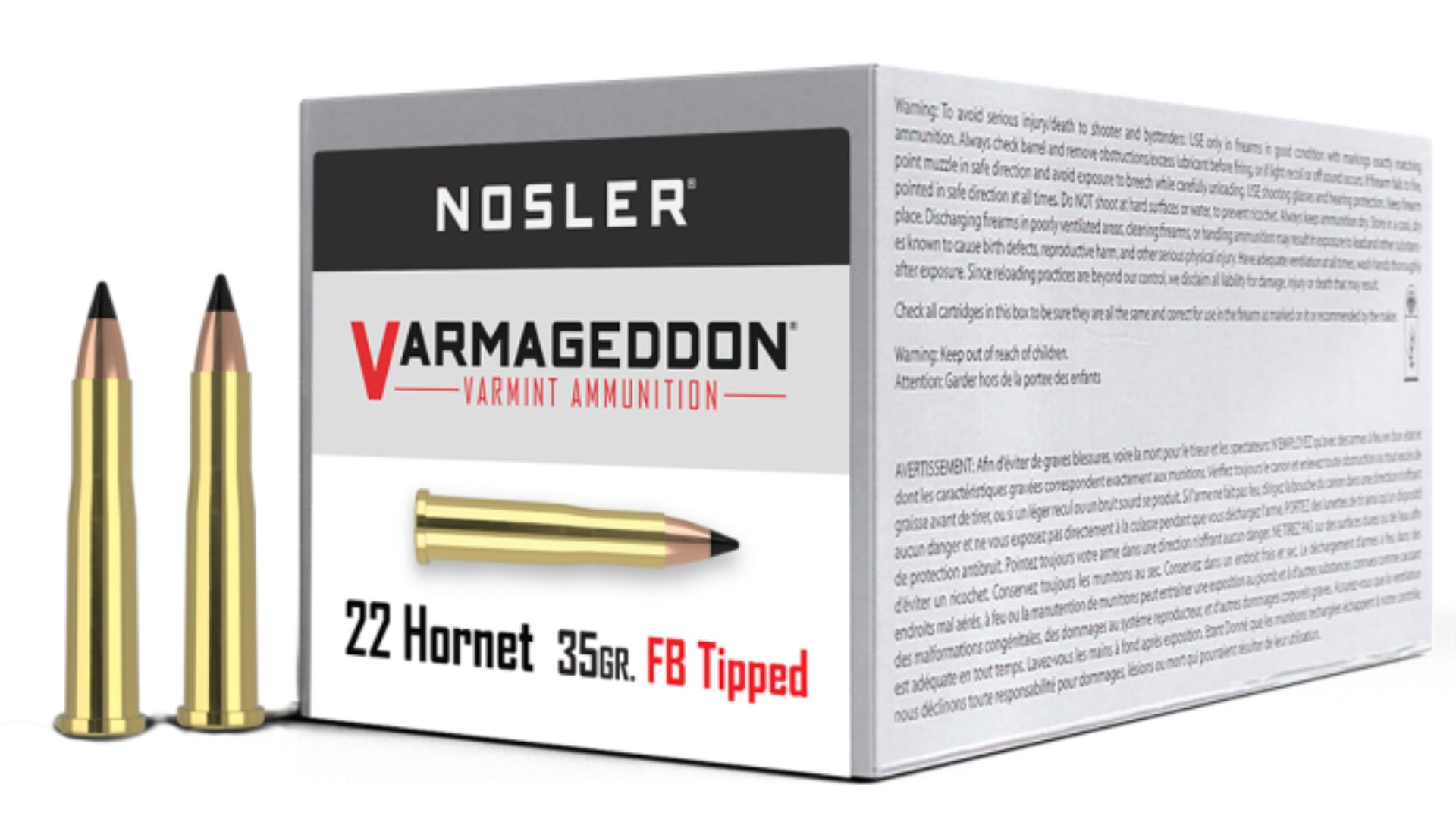
The .22 Hornet has charm and it can be accurate, but it’s a questionable whitetail choice for the same reason many small .22 centerfires are: bullet construction. A lot of common Hornet loads are designed for varmints, meaning rapid expansion and limited penetration. That’s fine on coyotes and groundhogs. On deer, it can turn into surface damage and not much else.
Could you load a tougher bullet and keep shots close and broadside? Sure. Most people don’t, and most people won’t. When you pick a deer caliber, it should be forgiving and widely supported with proper hunting bullets. The Hornet is often neither. It’s not that it can’t kill a deer. It’s that it doesn’t do the job cleanly enough, often enough, to be worth the gamble.
.223 Remington with varmint bullets

.223 Remington can be a legitimate deer cartridge in many places when you use the right bullets and keep your shots smart. The part that makes zero sense is running lightweight varmint bullets and pretending it’s the same thing. Varmint bullets are meant to explode in small animals. On a deer, that can mean a nasty entry wound and poor penetration.
This is where people get into trouble fast. A broadside lung shot might work, but hit shoulder, angle through the chest, or catch heavy bone and you can get shallow fragmentation instead of a clean pass to the vitals. If you’re going to hunt whitetail with .223, it needs controlled-expansion bullets designed for deer. If you aren’t willing to do that, pick something else and stop trying to make a varmint setup do a big-game job.
.220 Swift with light, fast bullets

The .220 Swift is a laser, and that’s exactly why it gets misused. A lot of Swift loads are screaming-fast varmint setups that hit deer with a violent, shallow kind of energy. That may drop a deer sometimes, but it can also create unpredictable performance when the bullet breaks apart early.
High velocity is not the same as reliable penetration. On whitetail, you want a bullet that holds together, drives through, and damages vitals consistently. The Swift can do that only if you choose tougher bullets and keep your impacts reasonable. Most people don’t buy a Swift to shoot heavy, controlled-expansion bullets. They buy it to watch varmints get launched. That mindset is exactly why it makes little sense for deer.
.243 Winchester with fragile varmint loads
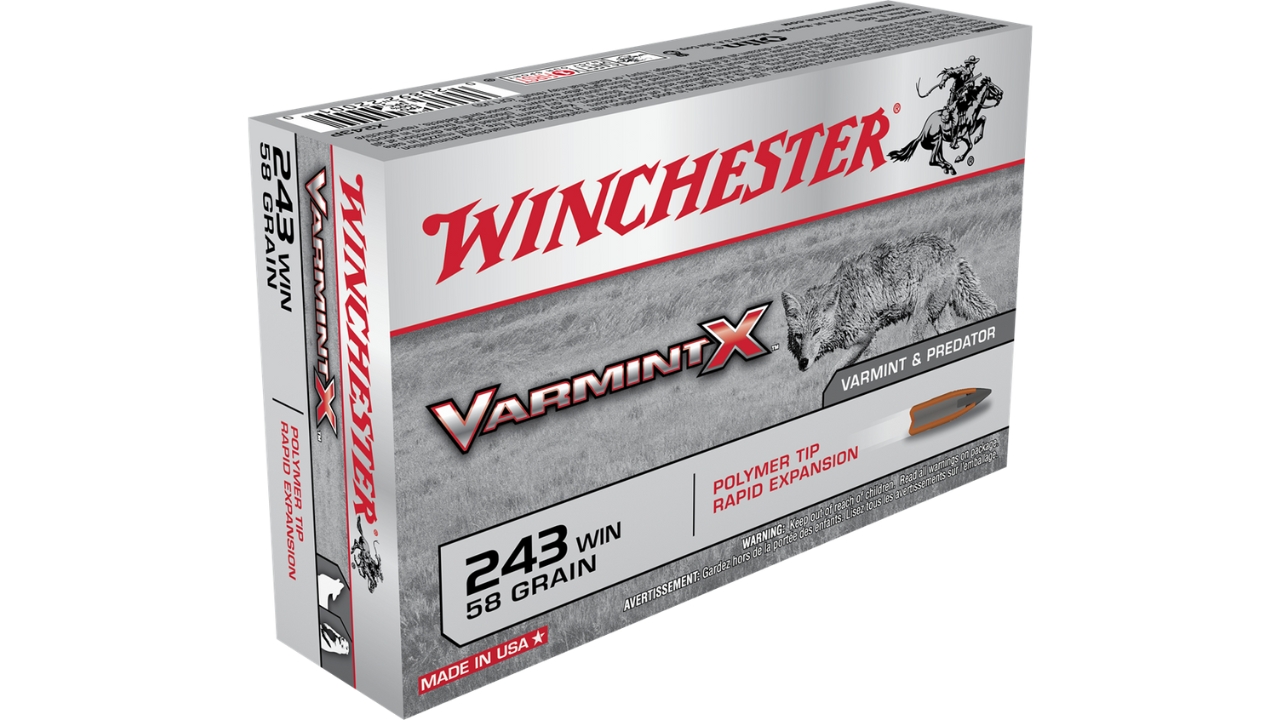
The .243 is one of the best whitetail cartridges ever when you run real deer bullets. The bad choice is hunting deer with fragile varmint loads because “it’s still a .243.” That’s how you end up with surface blowups, shallow penetration, and blood trails that vanish when the deer doesn’t go down quickly.
A .243 is supposed to be your easy-shooting, high-confidence rifle. Varmint bullets turn it into a gamble, especially on close shots where velocity is highest. Hit a shoulder, clip heavy bone, or take a quartering angle and the bullet may not reach what matters. If you like the .243, do it right: use controlled-expansion bullets in sensible weights. If you won’t, a larger caliber with tougher bullets might actually be safer.
.25-06 with ultra-light, high-speed bullets

The .25-06 is a great deer cartridge, but it’s easy to turn it into a meat-wrecker by choosing very light bullets and pushing them as fast as possible. That combo often creates explosive impacts on close shots, especially on shoulder hits. You can end up with dramatic damage that looks impressive and also wastes a bunch of venison.
This is where “more speed” stops helping. Whitetails don’t need a grenade to the ribs. They need a bullet that expands, penetrates, and exits. If you’re running the .25-06, use a bullet built for deer and a weight that holds together. The caliber makes sense. The wrong load choice doesn’t. And if you’re trying to avoid tracking jobs, bullet performance matters more than bragging about velocity.
7mm Remington Magnum in a lightweight rifle

A 7mm Rem. Mag. will absolutely kill whitetails. The part that makes no sense is choosing it in a featherweight rifle when you’re hunting typical deer ranges. That’s how you end up with recoil you don’t need, muzzle blast you don’t enjoy, and a flinch you swear you don’t have until the target tells the truth.
Most whitetails are killed well inside distances where a .308, .30-06, .270, or 6.5 does everything you need with less punishment. The magnum doesn’t buy you much on deer, but it can cost you accuracy when your shooting position is awkward or your adrenaline is high. If you shoot it well, fine. But if you’re honest, most people shoot better with less recoil, and that’s what kills deer clean.
.300 Winchester Magnum for standard whitetail hunting

The .300 Win. Mag. is a hammer, and for whitetails it’s usually a hammer looking for a nail that isn’t there. You’re carrying extra recoil, extra blast, and often extra rifle weight for a job that doesn’t demand it. Plenty of hunters choose it because they want one rifle for everything, then mostly hunt deer and never use the cartridge’s real advantages.
On close and mid-range shots, it can also be harder on meat, especially with fast-expanding bullets. The bigger issue is practical: many people shoot it worse than they think. That shows up when you’re shooting off sticks, twisted around a tree, or trying to thread a shot through a small window. If your only rifle is a .300 Win. Mag., you can make it work. Choosing it purely for whitetail usually makes no sense.
.338 Winchester Magnum

A .338 Win. Mag. is built for bigger animals and tougher angles, and it does that work well. On whitetails, it’s typically unnecessary punishment. The recoil is real, the blast is real, and the benefit is hard to justify unless you’re also hunting elk, moose, or bears regularly. Most deer don’t require that level of cartridge.
Where it gets worse is when a .338 turns into a flinch machine. You might shoot it fine from the bench on a good day, then miss high or pull hard under pressure. If you’re using bullets that expand fast, you can also chew up more shoulder meat than you want. Deer hunting should feel controlled and confident. A .338 Win. Mag. often turns it into “hold on and hope,” and that’s not a good trade.
.375 H&H Magnum

The .375 H&H has a legendary reputation for a reason, but whitetail hunting isn’t that reason. The recoil is heavy enough to change how you shoot, even if you’re tough. Most shooters slow down, start anticipating the hit, and lose the calm trigger press they have with milder rifles. That alone makes it a poor whitetail choice for most people.
It can also be hard on meat if you use fast-opening bullets meant for lighter-skinned game. And while you can pick controlled bullets to minimize damage, you’re still bringing a dangerous-game cartridge to a deer hunt. The only time it makes sense is if you’re practicing for larger game and you’re intentionally carrying it. Otherwise it’s a lot of noise, recoil, and cost for an animal that doesn’t require any of it.
.458 SOCOM
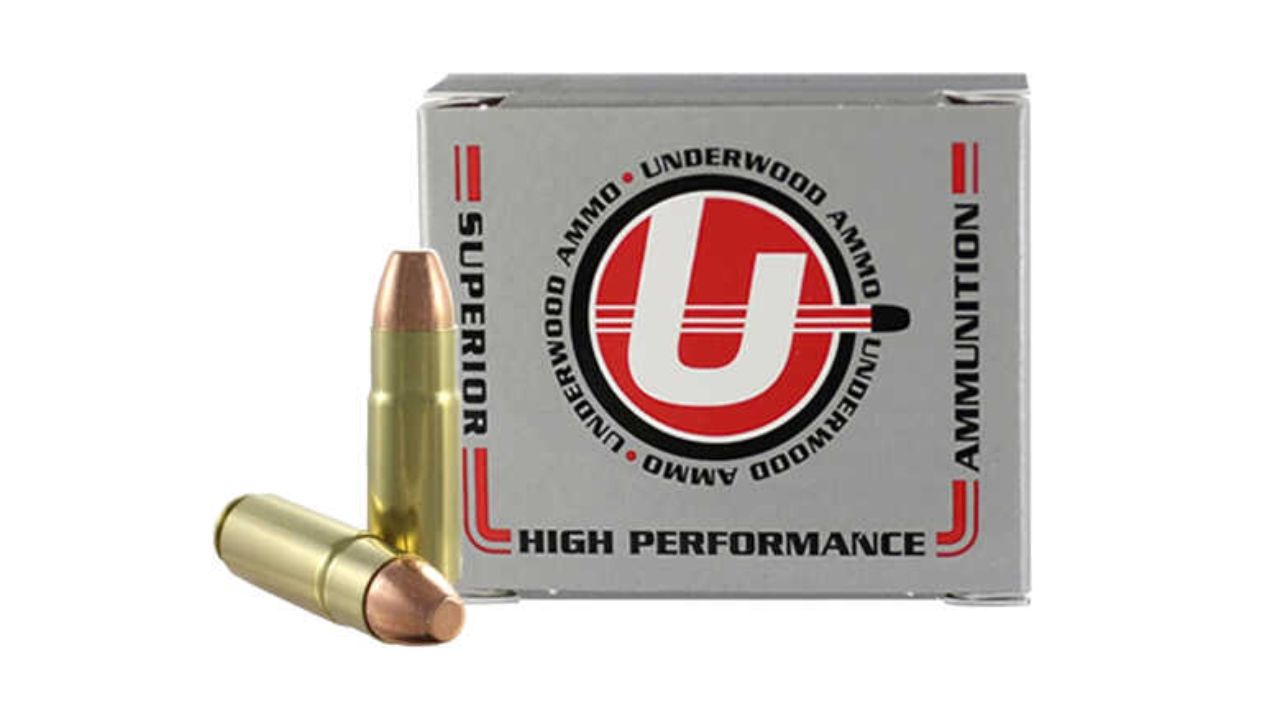
The .458 SOCOM is fun and it hits hard, but it’s a niche tool. For whitetail, it usually doesn’t make sense unless you have a very specific reason—like hunting thick cover at close range with a short AR platform. The trajectory is arched compared to common deer cartridges, and it demands tighter range discipline than many hunters practice.
You can absolutely kill deer with it, but the cartridge doesn’t give you the easy margin that flatter-shooting rounds do. Misjudge distance and your point of impact shifts quickly. Ammo is also more specialized and typically more expensive, which often means less practice. A deer cartridge should encourage time on the range, not make every trigger pull feel like it costs a dollar. The .458 SOCOM is cool. It’s rarely practical as a primary whitetail choice.
.50 Beowulf
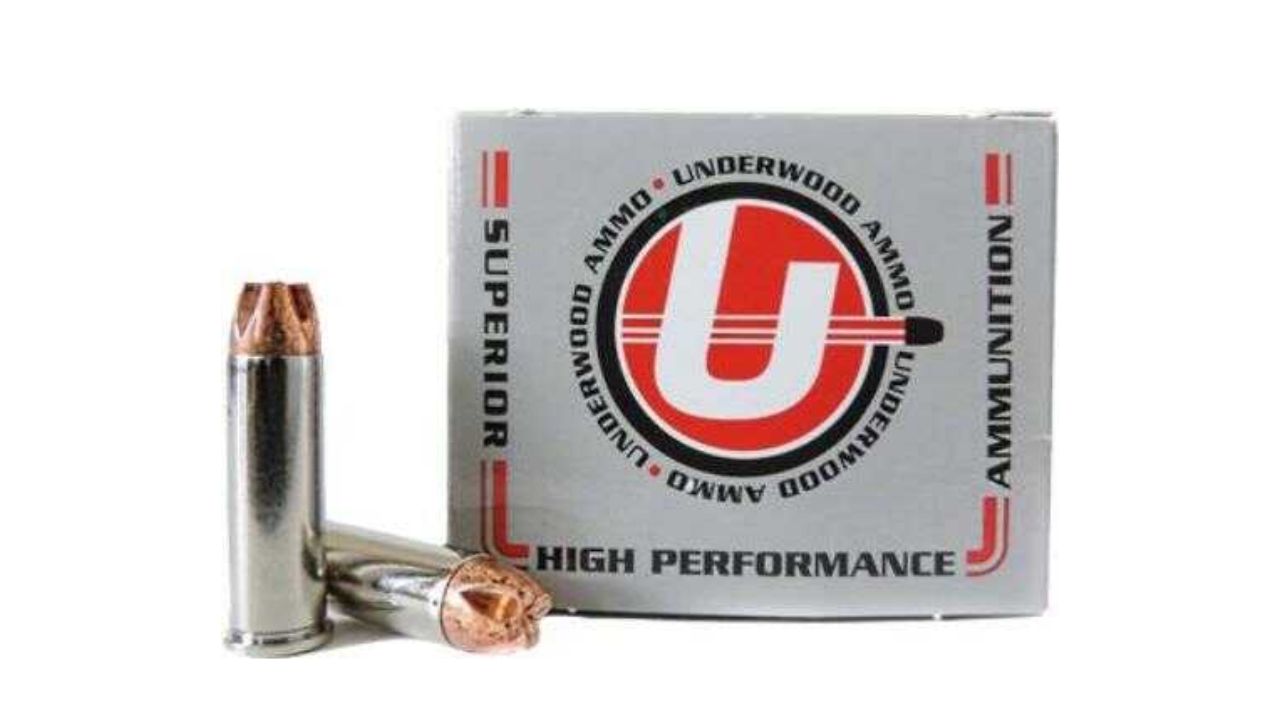
The .50 Beowulf is another big-bore AR cartridge that can work on deer, but it’s built around close-range power, not general whitetail versatility. It drops fast, recoil is stout, and ammo isn’t something you casually grab anywhere. That combination makes it a poor choice for a hunter who wants a straightforward “point, shoot, recover” setup across varying distances.
The other issue is how easy it is to outkick your own confidence. Heavy recoil in a lighter platform can cause flinching, and flinching ruins hits. If you hunt tight timber and you practice a lot, you can run it well. Most people don’t. For most whitetail hunters, a standard deer cartridge gives you flatter trajectory, cheaper practice, and more forgiving shot placement without giving up clean kills.
6.5 Creedmoor with match bullets at hunting speeds

The 6.5 Creedmoor is a strong whitetail cartridge with the right bullets. The mistake is using thin-jacket match bullets and assuming accuracy on paper equals dependable terminal performance. Some match bullets can work, and some can fail badly depending on impact velocity, angle, and bone. That inconsistency is the problem.
Deer hunting isn’t a benchrest match. You need a bullet that expands and penetrates reliably through ribs, shoulder, and odd angles. If you’re running match bullets because they shoot tiny groups, you’re prioritizing the wrong target. The fix is simple: use hunting bullets designed to hold together and perform on game. The caliber makes sense. The wrong bullet choice turns it into a coin flip, and that’s what doesn’t make sense for whitetail.
Like The Avid Outdoorsman’s content? Subscribe to our newsletter so you never miss an article.
Here’s more from us: