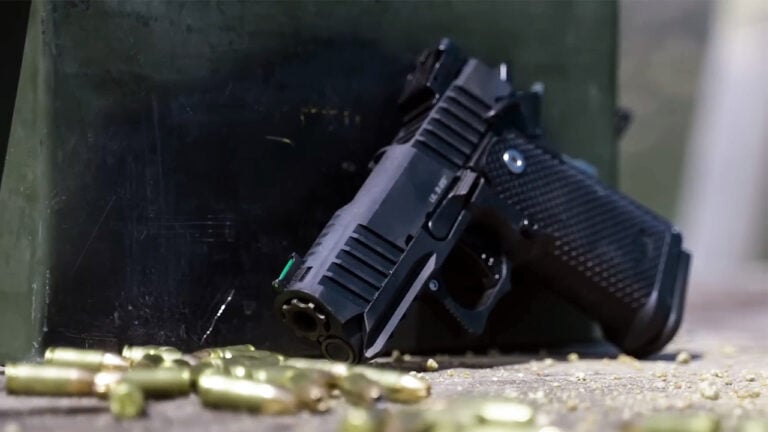
Photo credit: SIG SAUER, Inc/YouTube
The Sig Sauer P365 is one of those pistols that almost feels like it was always there. It is so common in carry conversations now that people forget how much it changed the market when it showed up. When Sig introduced it in January 2018, it was pitching something pretty specific: a high-capacity micro-compact 9 mm that was still small enough to live in the everyday-carry world. Sig’s launch announcement framed it that way from the start, and American Rifleman’s early review made the same point by comparing its size to slim carry guns that held noticeably fewer rounds.
That is why the P365 matters. It was not just another small striker-fired pistol. It helped redraw what people thought a really small carry gun could hold and still shoot like. Over time it grew into a whole family—XL, X, XMacro, Fuse, Legion and more—but the original gun is still the center of the story. Here are 15 surprising facts about the Sig Sauer P365 that most shooters either never learned or do not think about much anymore.
1. It launched in 2018, not as part of some older Sig era

A lot of people talk about the P365 like it has been around forever because it became a carry staple so quickly. It has not. Sig’s own product-launch recap and original announcement make clear the P365 was introduced in 2018, with the public launch landing in January 2018.
That matters because it shows just how fast the pistol took over space in the concealed-carry world. The P365 did not spend a decade slowly building a following. It hit hard almost immediately and stayed there.
2. “365” was meant to signal everyday carry all year long

The name was not random. Sig’s launch language leaned directly into the idea that the pistol was built for carry 365 days a year, and NRA Family’s early review even joked about the “24/7/365” concept as central to the gun’s identity.
That sounds like marketing, and it is, but it also explains the whole point of the pistol. The P365 was not marketed as a range toy or a service gun first. It was very deliberately framed as an everyday-carry answer.
3. The original gun’s biggest trick was capacity, not size alone

Small carry guns already existed. What made the P365 such a big deal was that it packed 10 rounds in a flush-fit magazine into a gun that early reviewers said was dimensionally similar to other slim carry pistols holding notably less. American Rifleman’s launch review pointed directly to that comparison against guns like the Shield, XD-S, LC9s and Glock 43.
That is a huge reason the pistol blew up. If it had only been tiny, it would have been one more pocket-leaning carry gun. The surprise was that it was tiny and still offered real service-pistol-feeling capacity for the size.
4. It helped create the “high-capacity micro-compact” category

This is probably the biggest P365 fact of all. Sig’s recent 2026 overview flat-out says the original P365 “created a new category: the high-capacity micro-compact.” Even if somebody thinks that wording is a little polished, the market shift after the gun arrived is hard to ignore.
That matters because the P365 did not just become a popular model. It changed what competing companies had to chase. Once shooters saw 10 rounds in that size class, the old single-stack expectations started looking dated fast.
5. The standard gun was never stuck at 10+1

The original flush-fit magazine was the headline, but Sig did not leave the gun there. Early coverage noted an available 12-round magazine, and Sig’s current P365 page says the platform now supports a range from 10+1 all the way up through much larger capacities depending on configuration.
That is one reason the pistol lasted instead of fading. The P365 started with one big capacity surprise, then kept expanding what the platform could do without abandoning the basic size philosophy that made the original famous.
6. It won awards almost immediately

The P365 was not one of those guns that needed years to become respected. Sig’s own 2018 and 2019 award announcements say the pistol won Guns & Ammo’s Handgun of the Year, the Industry Choice Award for Handgun of the Year, and later additional editors’ choice recognition.
That matters because it shows how strong the reaction was right away. The pistol did not only sell. It was treated very early as one of the defining handgun launches of its year.
7. It was micro-compact, but it was not really a pocket-pistol in the old sense

A lot of people mentally lump the P365 in with older tiny .380s or minimal-capacity slim guns. But American Rifleman’s early review and NRA Family’s video review both framed it differently: it was micro-compact, but still large enough to give shooters a more serious 9 mm fighting-gun feel than older ultra-small carry pistols.
That is a subtle but important difference. The P365 did not just try to disappear. It tried to balance concealment with actual shootability in a way small carry guns often struggled with.
8. The barrel length stayed short, but the platform was built to stretch

One of the smartest things about the P365 story is that Sig did not trap the gun inside one exact format. The original pistol had a short barrel and small grip, but later versions like the P365 XL and P365X stretched the concept into longer slides, larger grip modules, optics-ready cuts, and flat triggers. Sig’s own XL and X pages make that expansion obvious.
That matters because the P365 became more than one gun very quickly. It started as a category disruptor, then turned into a modular family that let shooters choose how much gun they wanted while staying in the same ecosystem.
9. The pistol’s capacity advantage looked even more dramatic in 2018 than it does now

Today, higher-capacity small carry guns are everywhere. In early 2018, they were not. American Rifleman’s first test made the contrast pretty blunt by noting that similarly sized competitors often held six or seven rounds, while the P365 held 10 in the flush magazine.
That is a useful thing to remember because it keeps the launch in perspective. Modern buyers see the P365 through a market it helped create. At launch, the capacity jump felt more shocking than it does now because the category had not caught up yet.
10. It became a benchmark, not just a product

Once the P365 took off, it stopped being only “Sig’s tiny 9.” It became a measuring stick. Sig’s own 2026 carry-family overview talks about the pistol as the gun that changed the EDC landscape, and the broader market has basically treated it that way ever since.
That is a big difference. Plenty of guns sell well. Far fewer become the answer to the question, “How does it compare to a P365?” The P365 crossed into that benchmark territory very fast.
11. The original idea was strong enough that Sig could keep building on it for years

A weak carry-gun launch usually gets a minor update and disappears. The P365 kept getting expanded because the original idea was good enough to support a whole line. Sig’s P365 series page and its 2026 carry-family piece show how far that line has spread.
That says a lot about the platform. The original pistol was not just a lucky one-off. It was a strong enough foundation that Sig could keep stretching it into new roles without the concept falling apart.
12. The P365 XL was one of the earliest signs that shooters wanted “more P365,” not less
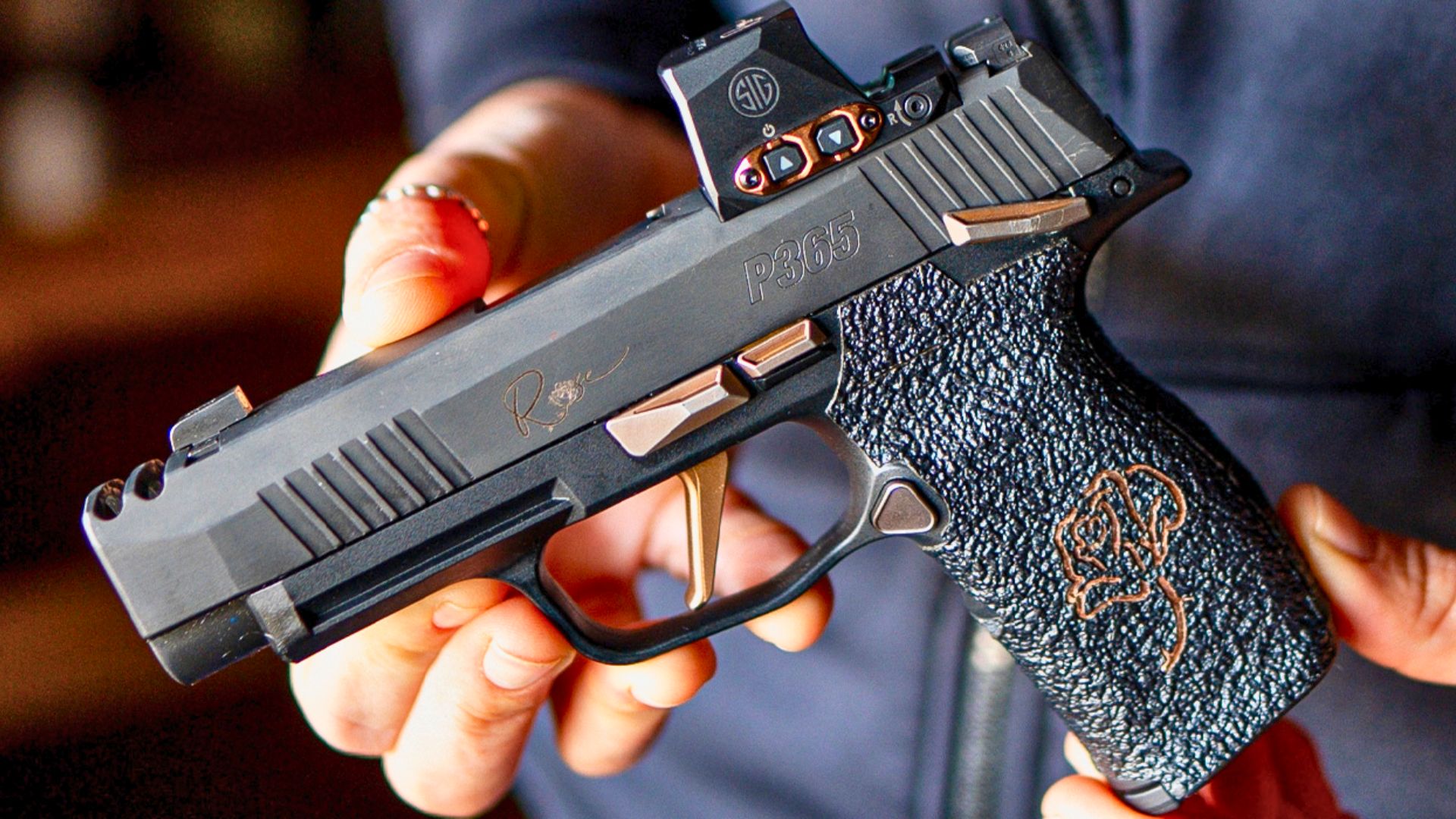
When Sig introduced the P365 XL, it was making a pretty clear statement: buyers did not only want the smallest possible carry gun. Some wanted the P365’s core DNA with a little more shootability, grip, and sight radius. Sig’s own product page says the XL keeps the micro-compact concealability idea while moving toward full-size comfort and control.
That is one of the smartest things Sig did with the line. It recognized early that the winning idea was not just the original size. It was the balance between compactness and practical performance.
13. The P365X helped prove the grip/slide remix idea would work
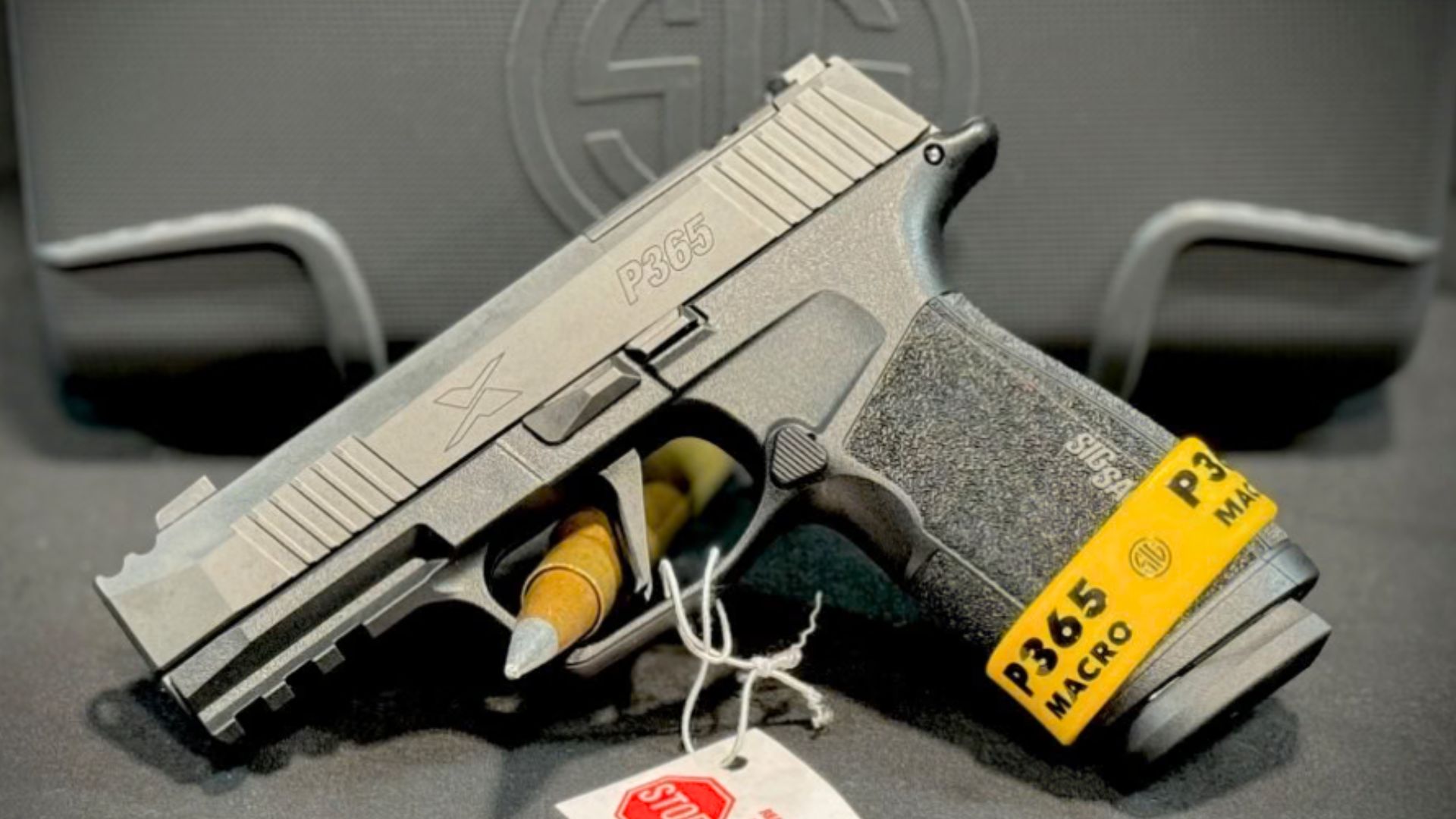
The P365X is another good example of how much platform flexibility got built into the family. Sig says it pairs the 3.1-inch barrel with the X grip module and a 12-round flush-fit magazine, bringing a different balance of concealment and control.
That may sound like ordinary line expansion now, but it reflects something important: the P365 family became successful enough that Sig could start remixing slide length, grip size, optics cuts, and trigger style without losing the identity that made people want the pistol in the first place.
14. The current P365 family goes far beyond the original 10-round idea

Sig’s current P365 series page says the P365 platform now runs from 10+1 through 21+1 capacity depending on model and magazine setup. That is a pretty remarkable expansion from the original flush-fit 10-round gun that shocked the market in 2018.
That matters because it shows how much the “P365” name outgrew one pistol spec sheet. The platform started as a high-capacity micro-compact and evolved into a whole ladder of size-and-capacity options.
15. The biggest surprise may be how fast it changed the carry market

This is probably the most important thing to remember about the P365. In pure time terms, it moved from launch pistol to category-defining carry standard with unusual speed. Sig’s own recent summary says the landscape of everyday carry “changed forever” when the original P365 arrived in 2018, and that language is not really crazy when you look at how the market shifted afterward.
That is what makes the gun more than just a bestseller. The P365 did not only become popular. It changed what a lot of shooters expected from a very small pistol, and once that happened, the rest of the industry had to move.
Like The Avid Outdoorsman’s content? Subscribe to our newsletter so you never miss an article.
Here’s more from us: