Photo credit: Wirestock Creators/Shutterstock.com
There are guns that give you confidence in bear country—and guns that give you false hope. A charging bear doesn’t care about marketing claims, muzzle energy charts, or how light your sidearm feels on your hip. When things turn ugly, you need power, penetration, and control. Anything less is a gamble you’ll probably lose. Too many folks walk into big bear country carrying firearms that look fine in the truck but fall apart when it’s time to perform. Whether it’s underpowered calibers, finicky actions, or guns that take too long to get into play, these are the firearms that have no business being anywhere near grizzlies or big coastal browns.
.380 ACP Pistols
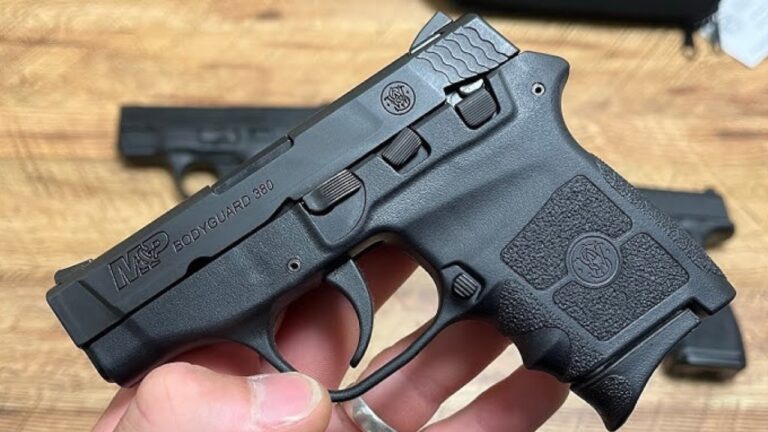
The .380 ACP might stop a mugger, but it won’t stop a bear. The lightweight bullets lack both the velocity and penetration to punch through thick hide, muscle, and bone. Even full-metal-jacket loads barely reach a bear’s vitals.
In a defensive situation, the .380’s mild recoil and small size mean little when your magazine’s dumping rounds that bounce off the shoulder plate. Many carry it because it’s easy and comfortable, but that comfort ends when 600 pounds of fur and teeth are closing the gap. Leave it for the city—it’s not a wilderness companion.
.22 Lr Rifles
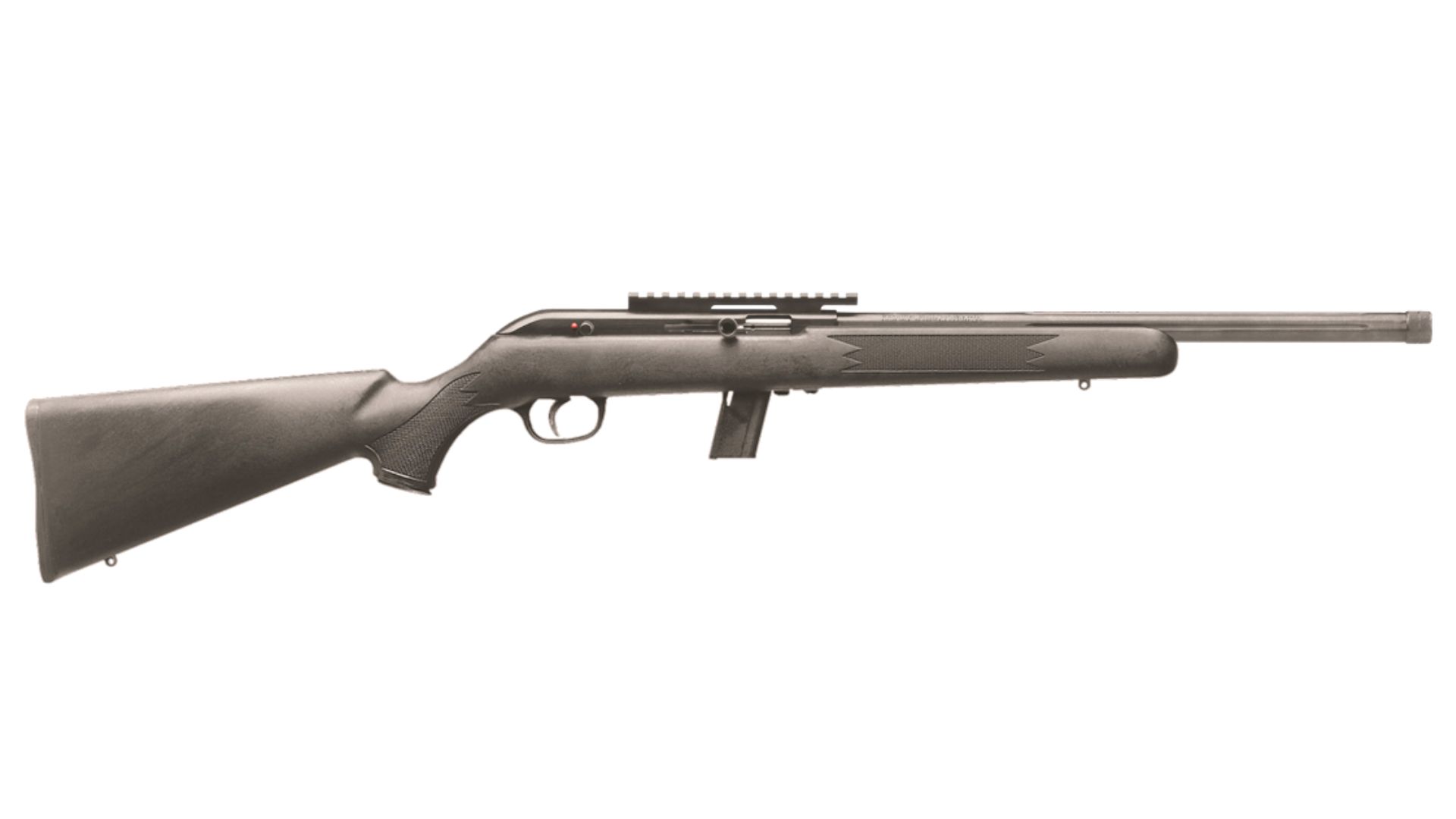
There’s no question the .22 LR is accurate and affordable, but that’s where its usefulness stops when bears are involved. It’s a small-game round that can’t break bone or reach vital organs in a large animal. Even a perfect headshot might not penetrate the skull on a bear.
The .22 is a survival tool for rabbits or grouse—not a defense weapon. You’ll only make a bear angry and more determined to find out what bit it. It’s fine for the trapline but dangerous false security in real bear country.
.410 Bore Shotguns
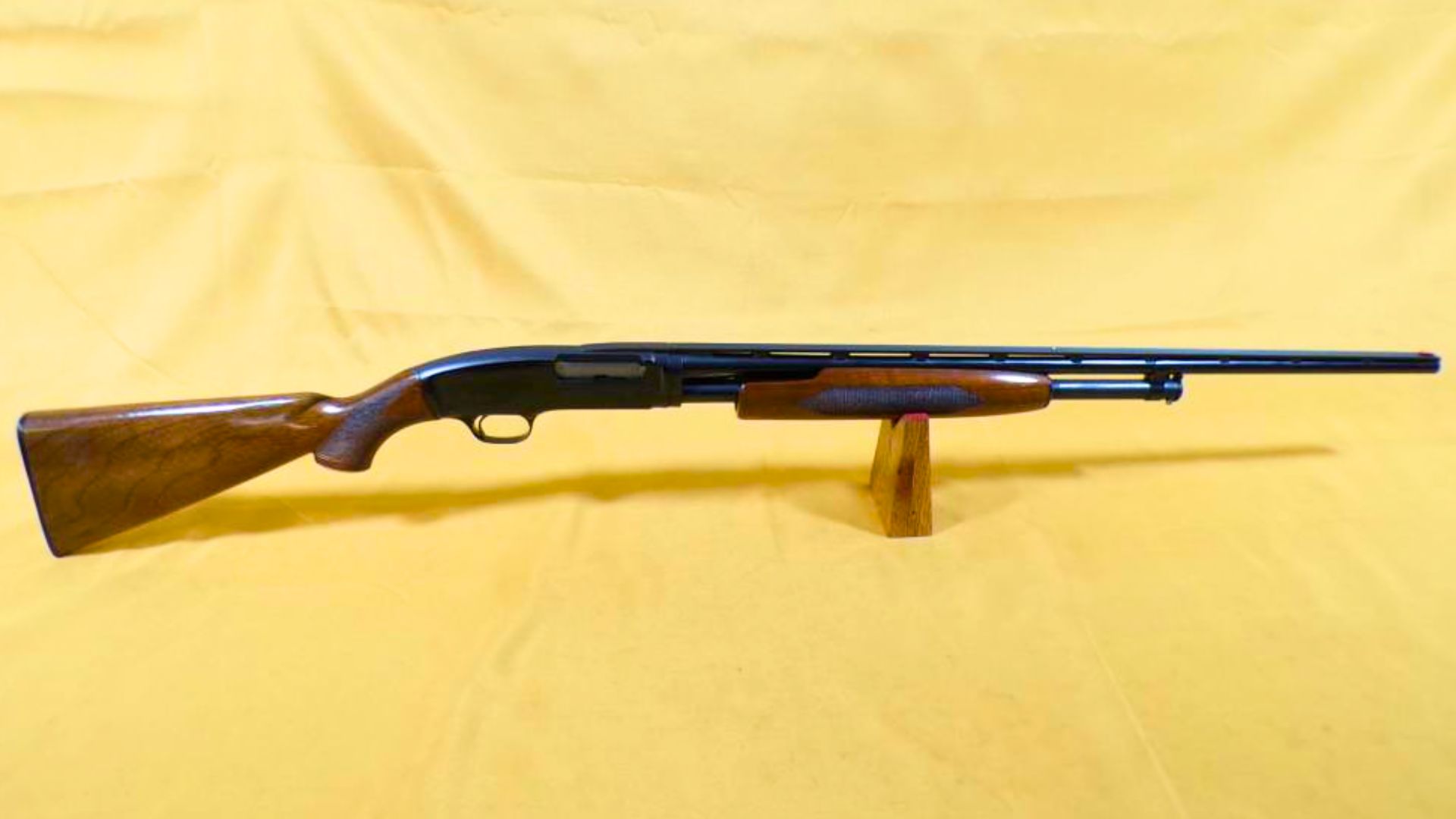
The .410 is a fun gun for kids and small game, but its limited shot payload and weak penetration make it useless against bears. Even buckshot loads don’t carry enough energy to stop a large predator unless fired from point-blank range.
Many underestimate how tough bear muscle and bone are. You’d be lucky to break skin deep enough to matter. If all you’ve got is a .410, your best bet is to load slugs—and then run faster than the guy next to you.
9mm Pistols
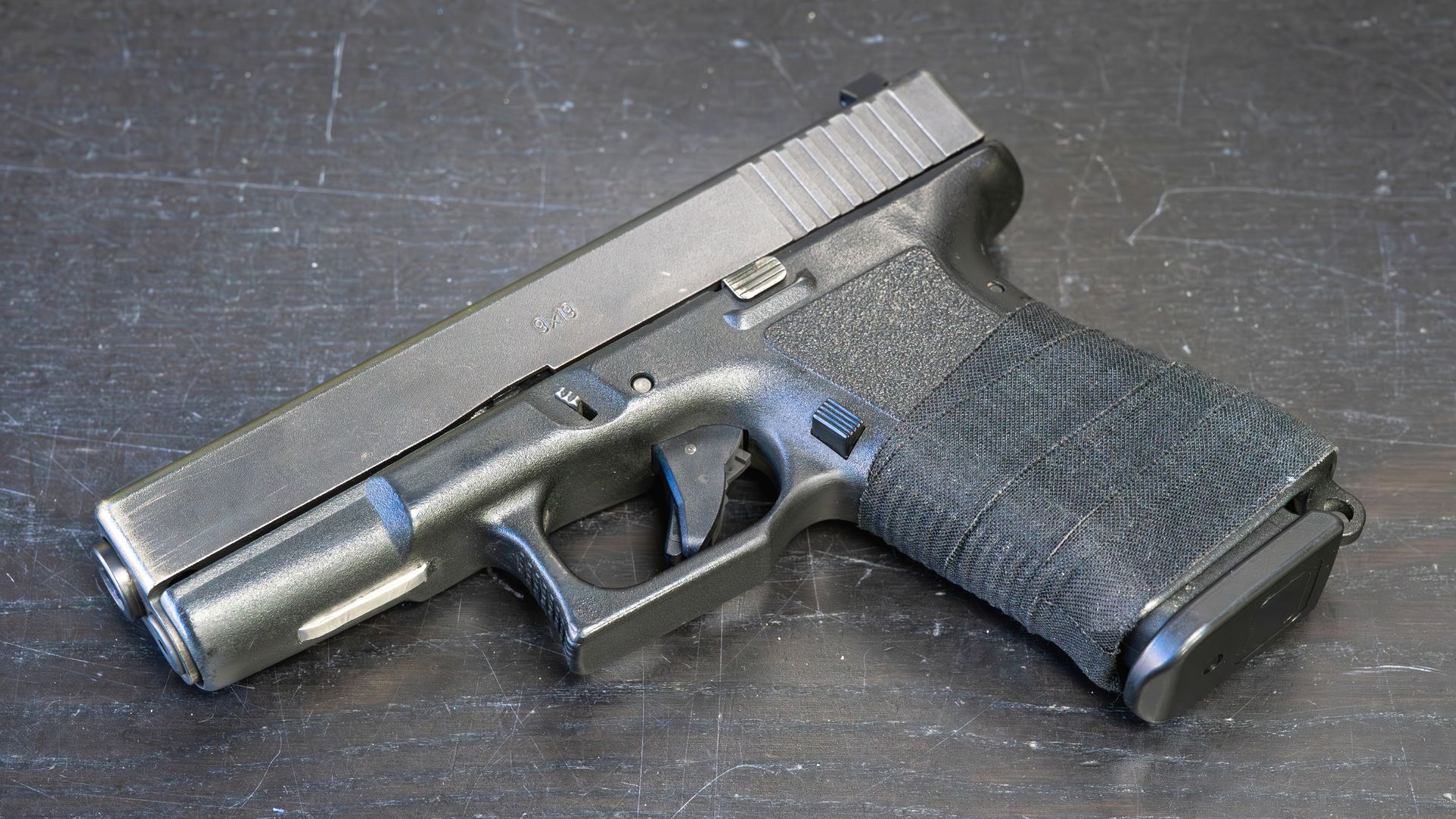
The 9mm is the most common handgun in America, but in bear country, it’s wishful thinking. The cartridge can be lethal with perfect placement, but that’s asking a lot under stress with a charging target that moves like a linebacker.
Even hard-cast loads often fail to penetrate deep enough. The recoil is mild, sure—but so is the power. For black bears, it might scrape by. Against a grizzly, it’s not enough gun. If you’re serious about defense, step up to a 10mm or a big-bore revolver.
.223/5.56 Rifles

A .223 or 5.56 AR might seem like a good all-around rifle, but bears aren’t coyotes. The lightweight bullets fragment or tumble long before they reach the vitals. Even with heavy soft points, it lacks the penetration needed to stop something with that much bulk.
It’s accurate and fast-firing, but all the accuracy in the world won’t matter when each shot barely gets past the shoulder. The .223 is great for varmints and defense, but it’s out of its league when the target can crush your skull with one swat.
.17 HMR
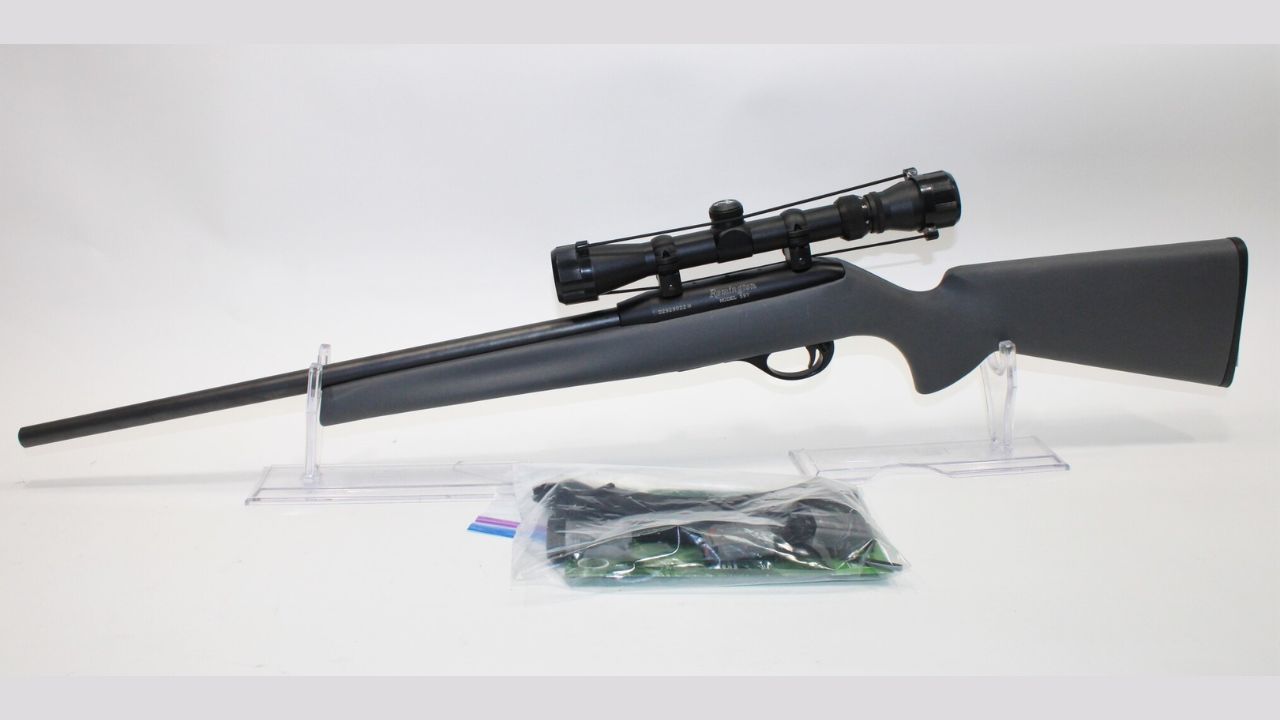
The .17 HMR is an impressive little round for what it’s built to do—but it’s meant for small varmints, not 800-pound predators. Its tiny bullet and explosive impact won’t even reach the muscle layer on a bear’s shoulder.
Even headshots are unreliable; the skull is simply too dense. At best, you’ll inflict a shallow wound and make the animal meaner. It’s a precision cartridge, not a defensive one. Carrying a .17 HMR in bear country isn’t just unwise—it’s dangerous.
.25 ACP Pistols

The .25 ACP is an antique in the self-defense world, and it has no place where bears roam. It’s underpowered, inaccurate beyond short range, and incapable of meaningful penetration. A determined squirrel might be more impressed than a bear would.
People sometimes carry them as backups or curios, but a .25 ACP against a grizzly is little more than noise. It’s better used as a signaling device than as a firearm for protection. When the stakes are life or death, this one isn’t even part of the conversation.
.32 ACP Pistols

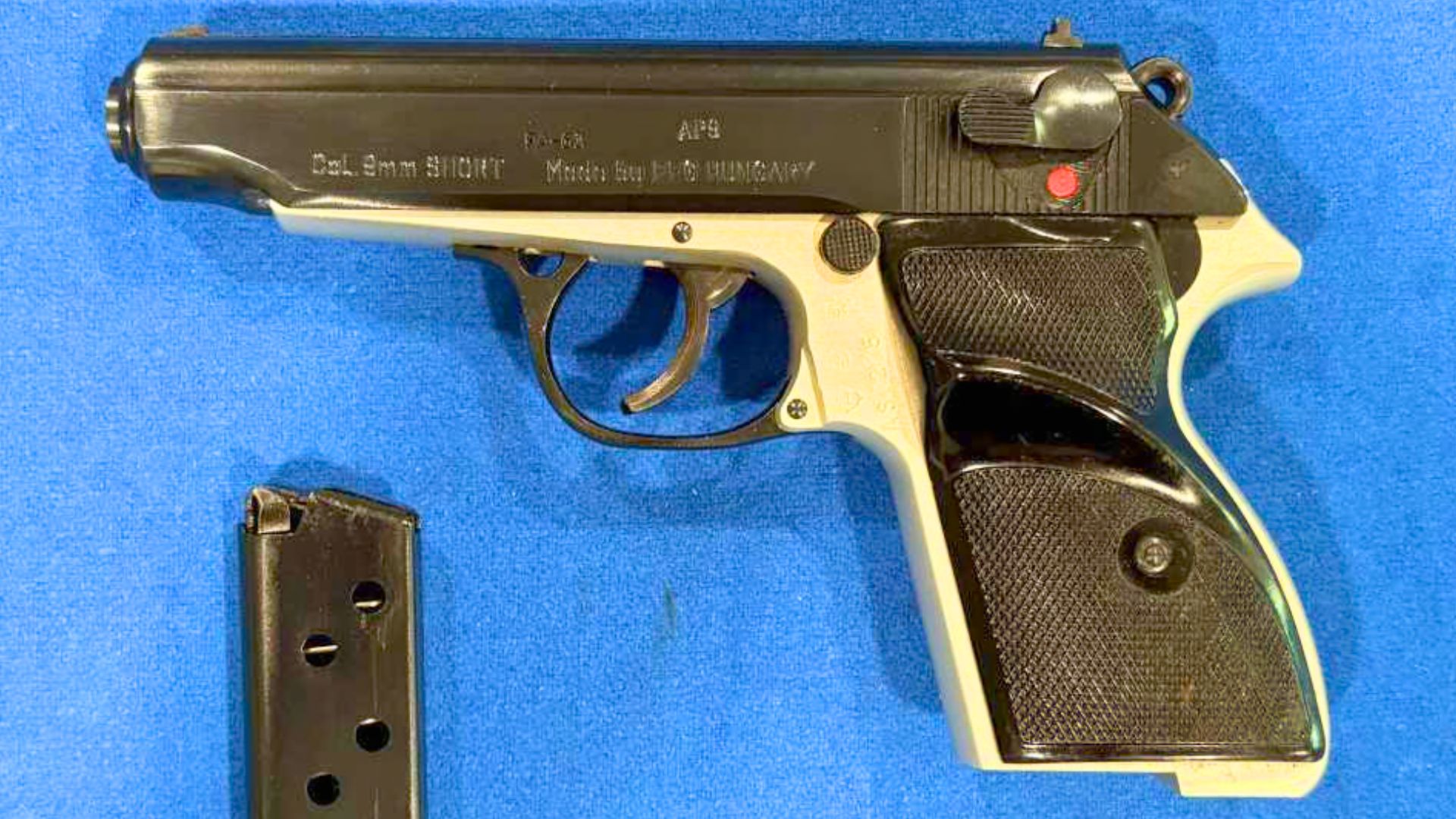
The .32 ACP can take down small threats, but it fails miserably when things get big. Even with solid ammo, it delivers minimal penetration and almost no stopping power. It’s the kind of gun you’d use if you didn’t expect trouble—and bear country is trouble waiting to happen.
A wounded bear will only get angrier, and that’s the last thing you want with a popgun in your hand. The .32 ACP belongs in antique collections or concealed carry for people, not wilderness defense.
.22 Magnum Rifles
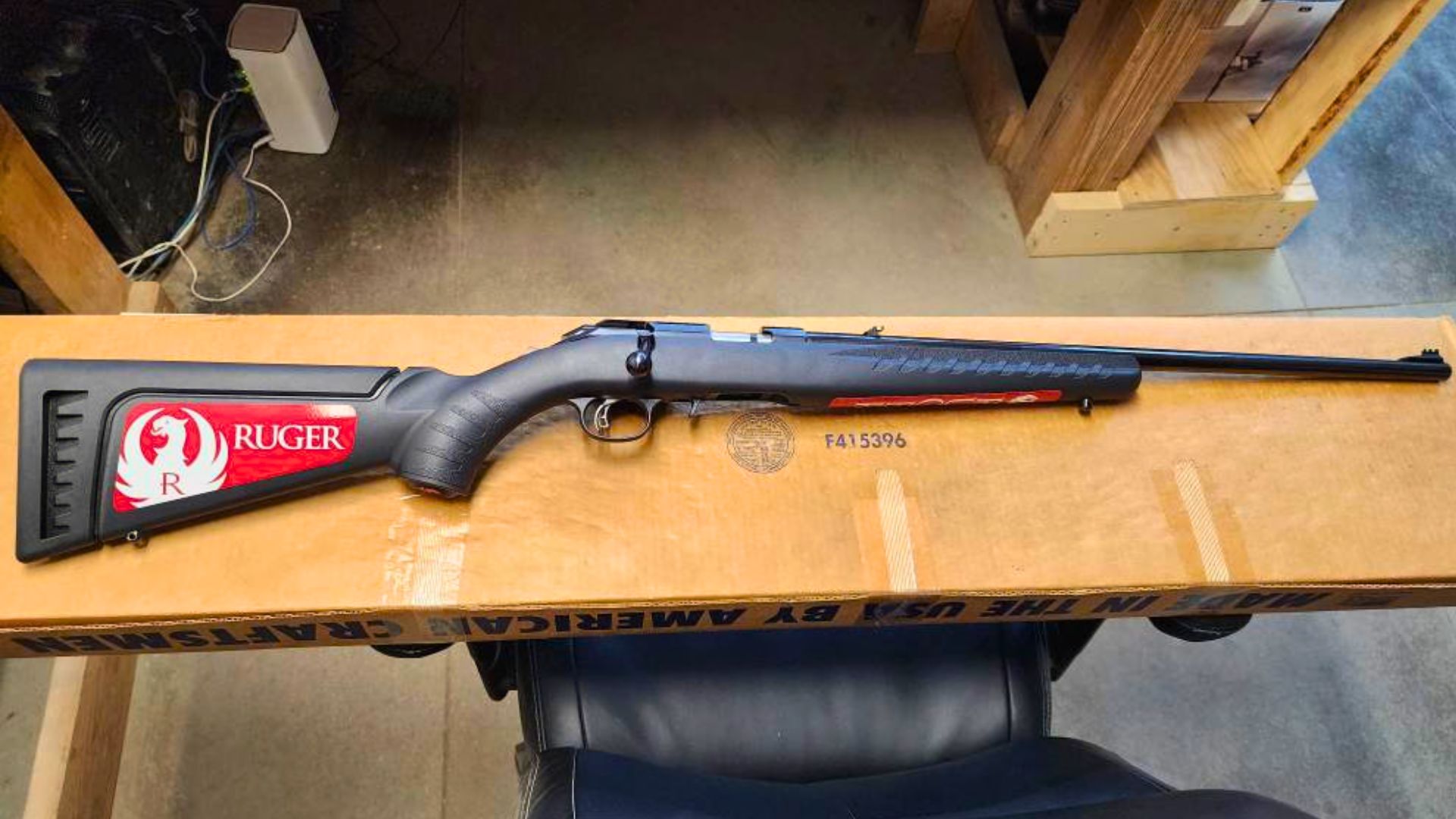
The .22 Magnum can work wonders on fox or coyote, but it’s outmatched by any bear species. The lightweight, high-speed bullet is devastating on small game but too fragile for thick hide or dense bone. Even from a rifle barrel, it won’t penetrate deep enough to reach vitals.
A bear might run off after being hit—but not because it’s down, because it’s angry. If you’re carrying a rimfire rifle in bear country, you’re underprepared for the kind of danger you might meet.
.300 Blackout Subsonic
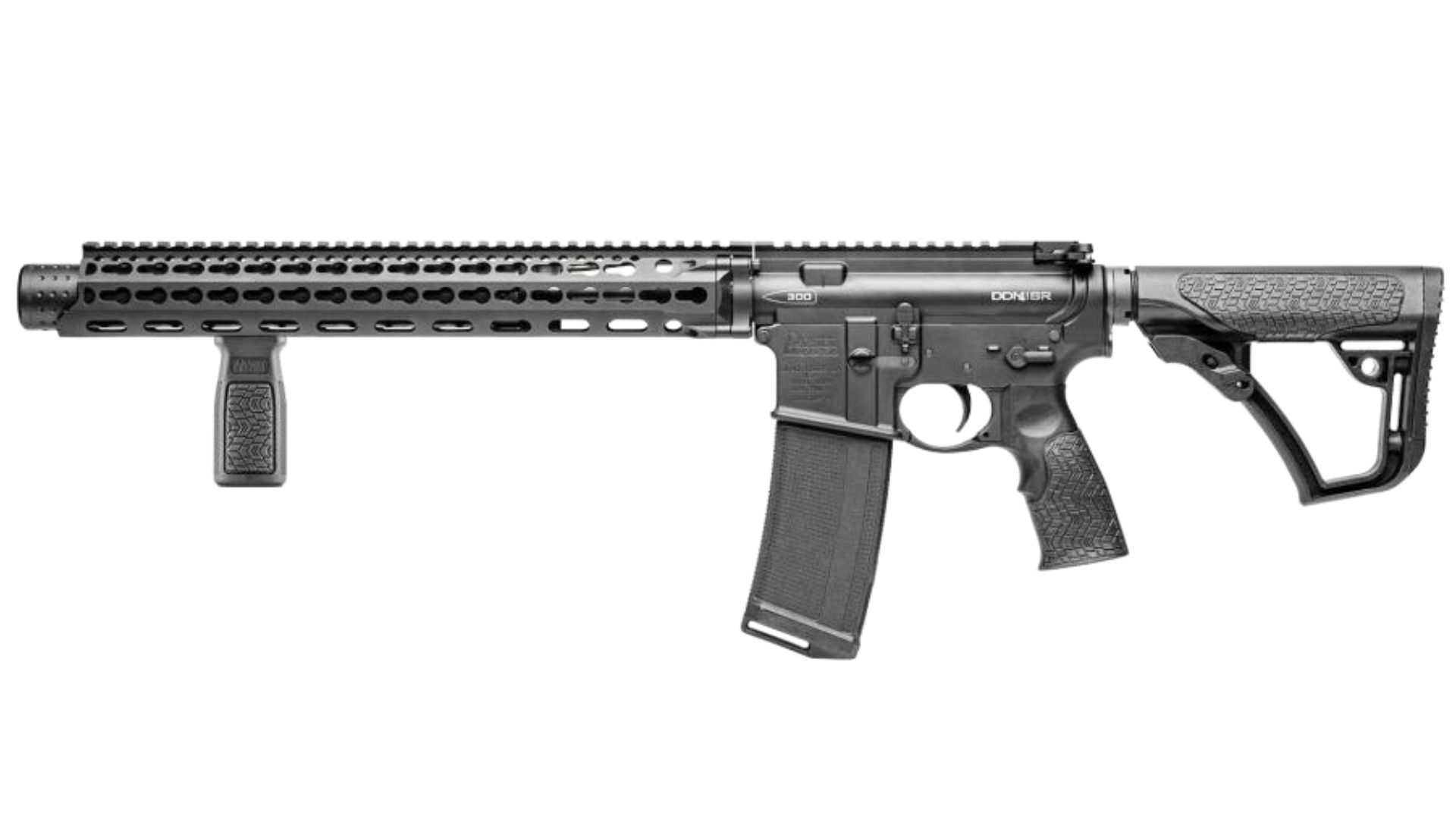
Subsonic .300 Blackout loads are quiet and smooth, but they give up too much velocity to be reliable on big animals. Those heavy, slow bullets drop fast and can struggle to expand or penetrate deep enough to matter.
Supersonic loads fare better, but if you’re running subsonic through a suppressor, you’re asking for trouble. You need speed and shock in bear country, not stealth. Leave the Blackout for range days and hog hunts—it’s no bear stopper.
.380 Revolvers
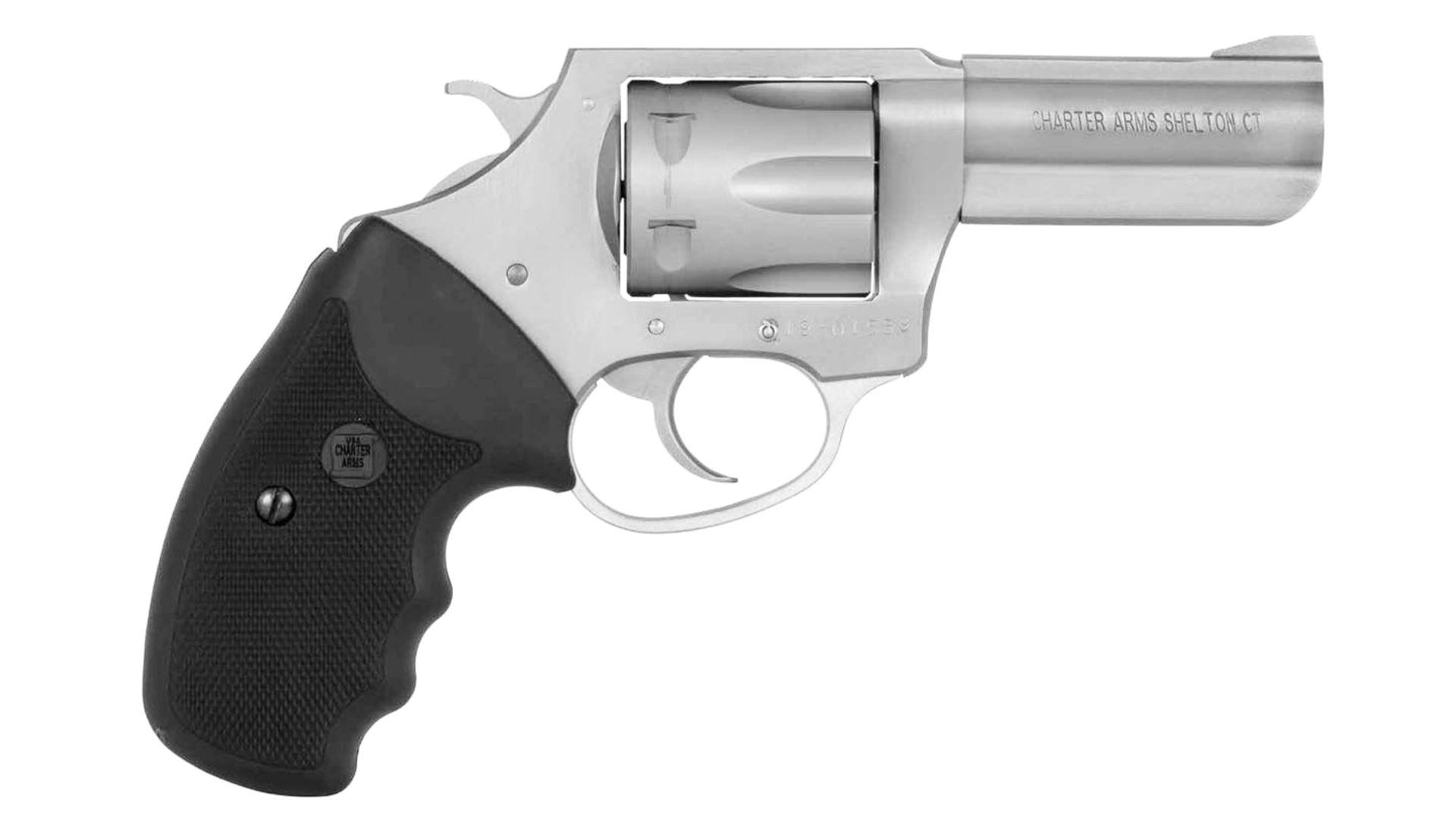
Revolvers chambered in .380 ACP might sound handy, but they’re nearly useless against large predators. The combination of small bullets, light powder charges, and limited cylinder capacity means you’ll likely irritate a bear more than stop it.
They’re built for self-defense, not survival. Even with hard-cast ammo, the results are underwhelming. A revolver’s reliability doesn’t mean much if the cartridge behind it can’t dig deep enough to make a difference.
.410 Revolvers

Revolvers that fire .410 shells, like the Taurus Judge, have a loyal following—but that doesn’t make them bear guns. The short barrel robs velocity, and the pattern spreads too quickly to deliver meaningful power. Even slugs from these handguns struggle to break bone.
They look intimidating and sound convincing in advertisements, but against a charging bear, you’d be better off with a proper shotgun or a big-bore revolver. The .410 revolver is a novelty that gives a false sense of confidence where you can’t afford it.
20-Gauge Shotguns with Birdshot
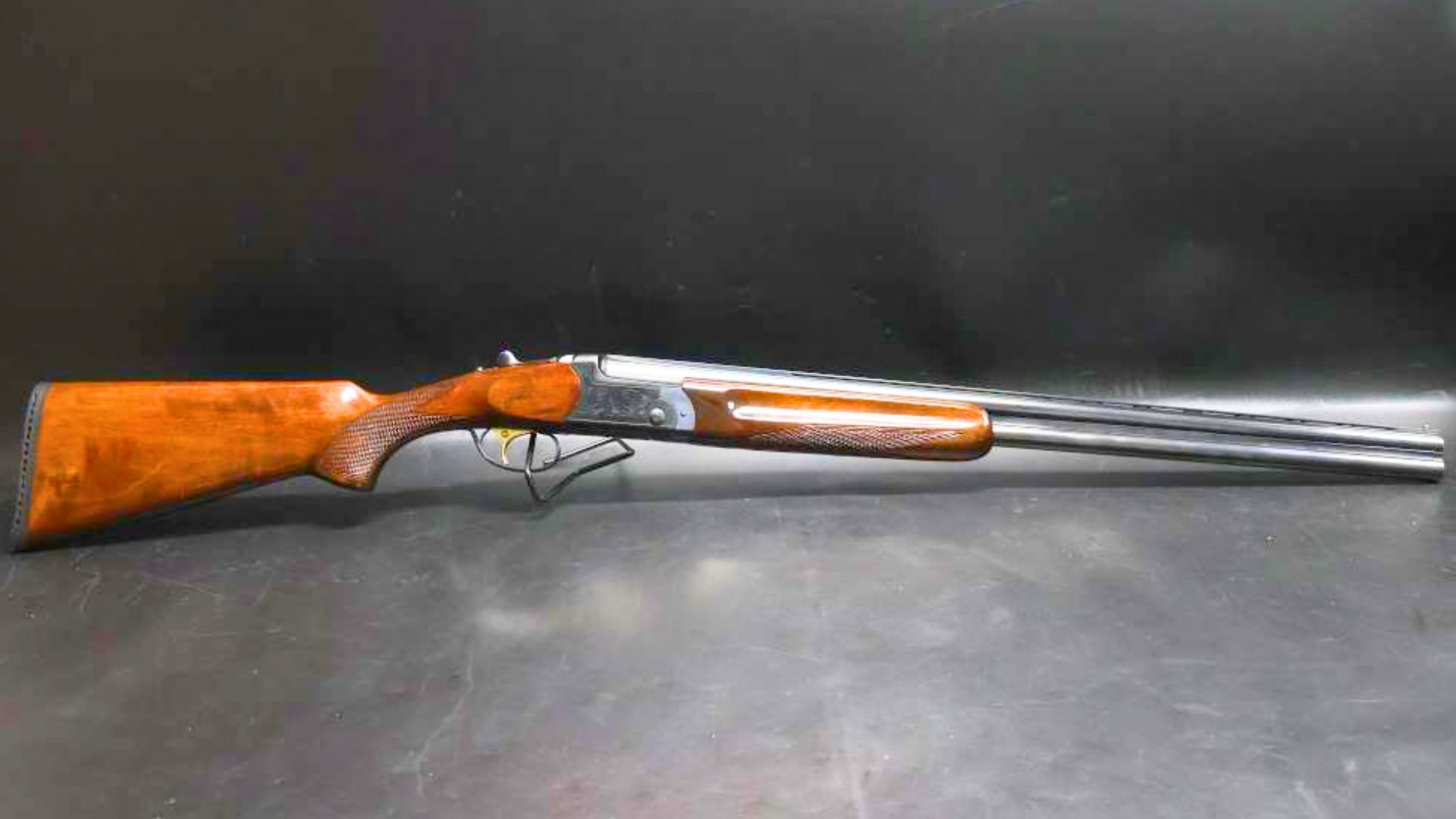
A 20-gauge is manageable, but when loaded with birdshot, it’s nearly worthless on a bear. The small pellets lack the mass to penetrate thick fur and hide. All you’ll do is bruise the animal—and ensure it knows exactly where you are.
With slugs or buckshot, the 20-gauge can do work in a pinch, but birdshot turns it into a loud mistake. If you’re heading into real bear country, leave the bird loads at home and bring something built for business.
.45 ACP Pistols

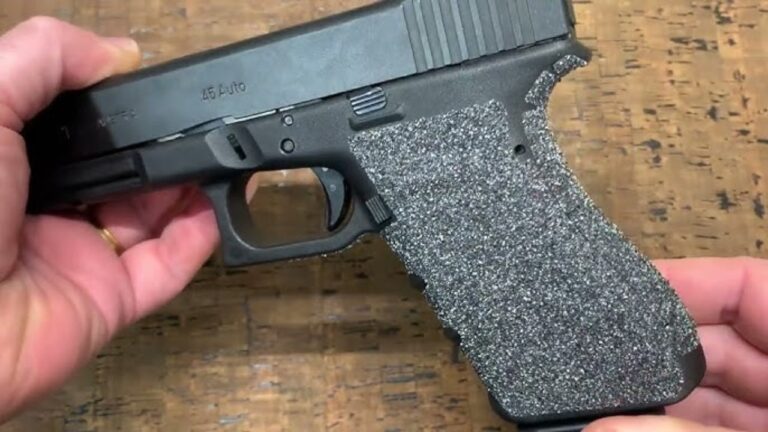
The .45 ACP is a proven man-stopper, but it’s marginal against bears. The slow, heavy bullet doesn’t always penetrate far enough to reach vitals, especially when hitting thick bone or muscle. It’s better than nothing—but not by much.
You might get lucky at close range, but luck isn’t a plan. Bears require deep, controlled penetration, and the .45 ACP runs out of steam before it gets there. It’s a classic round with limits you can’t ignore in the wild.
12-Gauge Shotguns with Light Loads
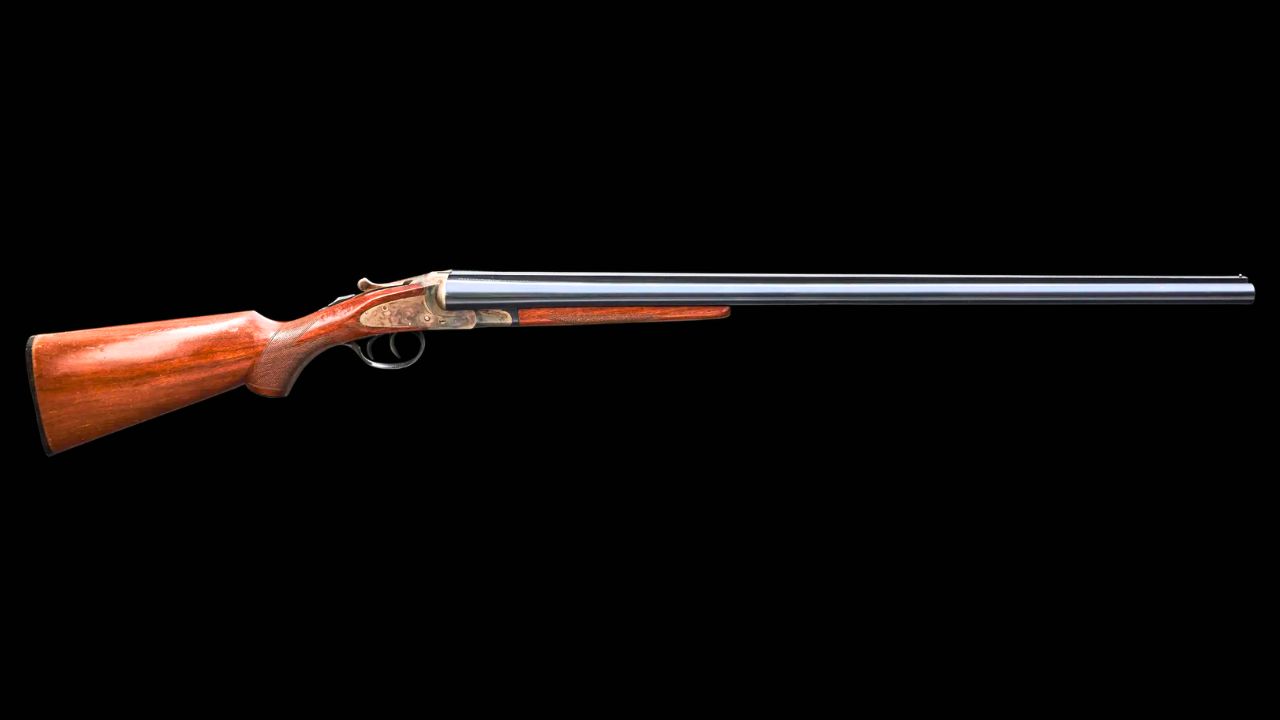
Even a 12-gauge can fail if you feed it the wrong shells. Birdshot and light target loads spread too quickly and hit too soft to stop a bear charging at full speed. They’ll make noise, sure—but noise doesn’t stop teeth and claws.
If you’re carrying a 12-gauge in bear country, it needs to be loaded with heavy slugs or hard-cast buckshot designed for penetration. Anything less is a mistake that could turn fatal. A shotgun’s power comes from what’s inside it—and in bear country, you can’t afford to load it wrong.
Like The Avid Outdoorsman’s content? Be sure to follow us.
Here’s more from us:
The worst deer rifles money can buy
Sidearms That Belong in the Safe — Not Your Belt
*This article was developed with AI-powered tools and has been carefully reviewed by our editors.