Photo credit: West Desert Shooter/YouTube
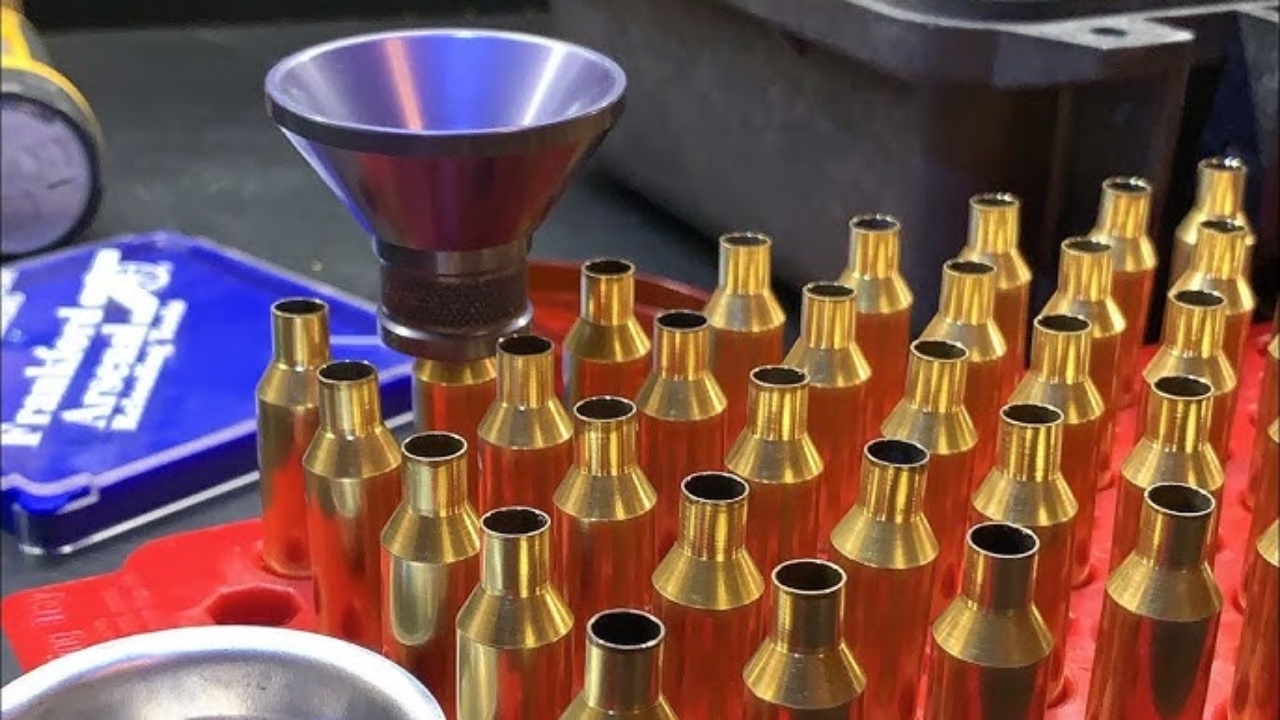
Handloading can turn a decent rifle into a great one. You tune velocity, tighten groups, and build a load that matches your terrain and your patience. But some cartridges fight you the whole way. They eat brass, demand narrow powder windows, burn throats fast, or rely on components that are always out of stock. You’re not learning anything new after the first headache—you’re repeating the same expensive lesson.
The other issue is opportunity cost. Time at the bench should buy you more trigger time and more confidence. If a caliber makes you babysit every step, you end up shooting less and tinkering more. And for most of these, there’s a better alternative that does 95 percent of the job with fewer hassles and cheaper components. If you reload to shoot more, not to collect stress, these are the calibers that often aren’t worth the trouble.
5.7x28mm

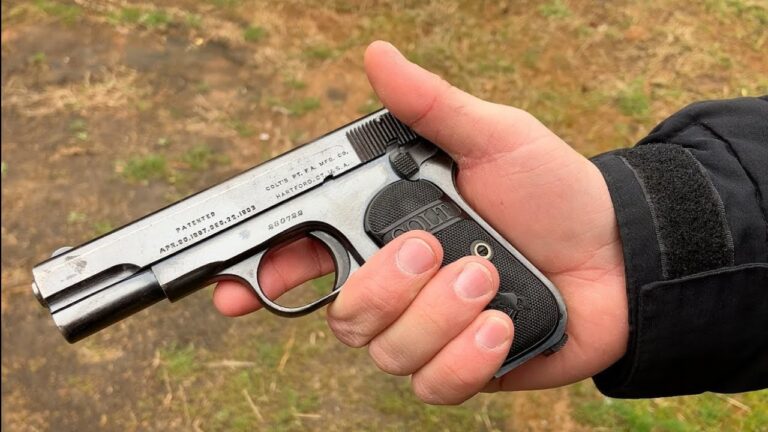
5.7 looks fun on paper, but it can be a finicky cartridge to handload well and safely. The cases are small, the charge weights are tiny, and tiny charge changes can swing pressure fast. You’re also dealing with a case design that doesn’t forgive sloppy setup, and it’s easy to end up with inconsistent results if your process isn’t dialed.
Even when you do everything right, the payoff often isn’t there. Factory ammo is still the baseline for many shooters because it removes the uncertainty, and your savings can be less than you hoped once you factor in time, component hunting, and wasted test batches. If you want a fast, low-recoil range day, 9mm delivers with far fewer headaches.
.277 Fury (6.8×51)
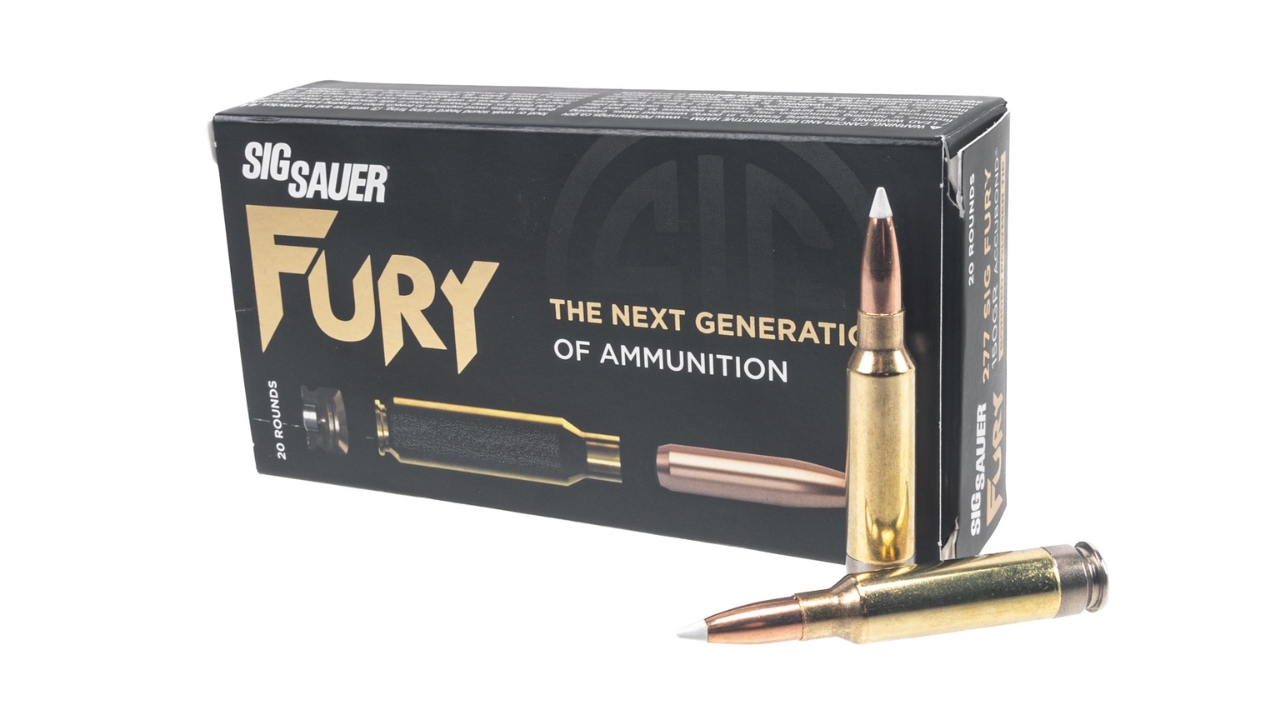
The civilian buzz around .277 Fury makes sense until you look closely at the case. The hybrid construction used in some factory ammo is a different animal than traditional brass, and that alone complicates the “easy reload” dream. Component availability can also be uneven, and load data isn’t as deep as it is for long-established hunting cartridges.
If you do get into it, you’re often paying premium prices across the board—brass, bullets, and powders that make the most sense in that performance range. The return on effort can feel thin when cartridges like .308, .270, or 6.5 Creedmoor give you broad data, easy-to-find brass, and predictable results with less bench drama.
.243 WSSM

The WSSM family has always been a niche, and that’s the first problem. Brass isn’t something you casually grab anywhere, and when it does show up, you tend to pay for it. The short, fat case can also be sensitive to sizing and seating setup, and you may spend more time chasing consistency than you expected.
The bigger issue is what you get for the work. You can reach similar performance with more supported cartridges that have better component flow and far more load history behind them. A .243 Winchester or 6mm Creedmoor can be tuned without fighting scarcity, and they won’t make you feel like every piece of brass is a precious artifact you’re afraid to lose in the grass.
.25 WSSM

.25 WSSM sounds appealing if you like speed in a short action, but you’re stepping into the same component problem as the rest of the WSSM line. Brass availability can be spotty, and you may find yourself babying cases, stretching case life, and treating every range trip like you’re counting pennies.
On top of that, load development can feel like a long walk for a short drink of water. You’re chasing performance that other .25-caliber options can deliver with fewer supply headaches. A .25-06 has a deep load history and easier sourcing, and even if you want short-action efficiency, there are more practical routes than anchoring yourself to a cartridge that never became truly common.
.223 WSSM

.223 WSSM is a classic “cool idea” cartridge that often turns into a component scavenger hunt. Brass can be hard to find, and because it’s not a mainstream round, you’re not benefiting from the steady production that keeps common calibers easy to feed. That alone can slow your whole reloading rhythm.
Then there’s the payoff problem. The performance gain over .223 Remington and .22-250 is real in certain setups, but it rarely matches the hassle for most shooters. If you want speed, a .22-250 is widely supported and straightforward to load for. If you want high-volume practicality, .223 Rem is hard to beat. .223 WSSM sits in the middle and makes you work for the privilege.
.30 Remington AR
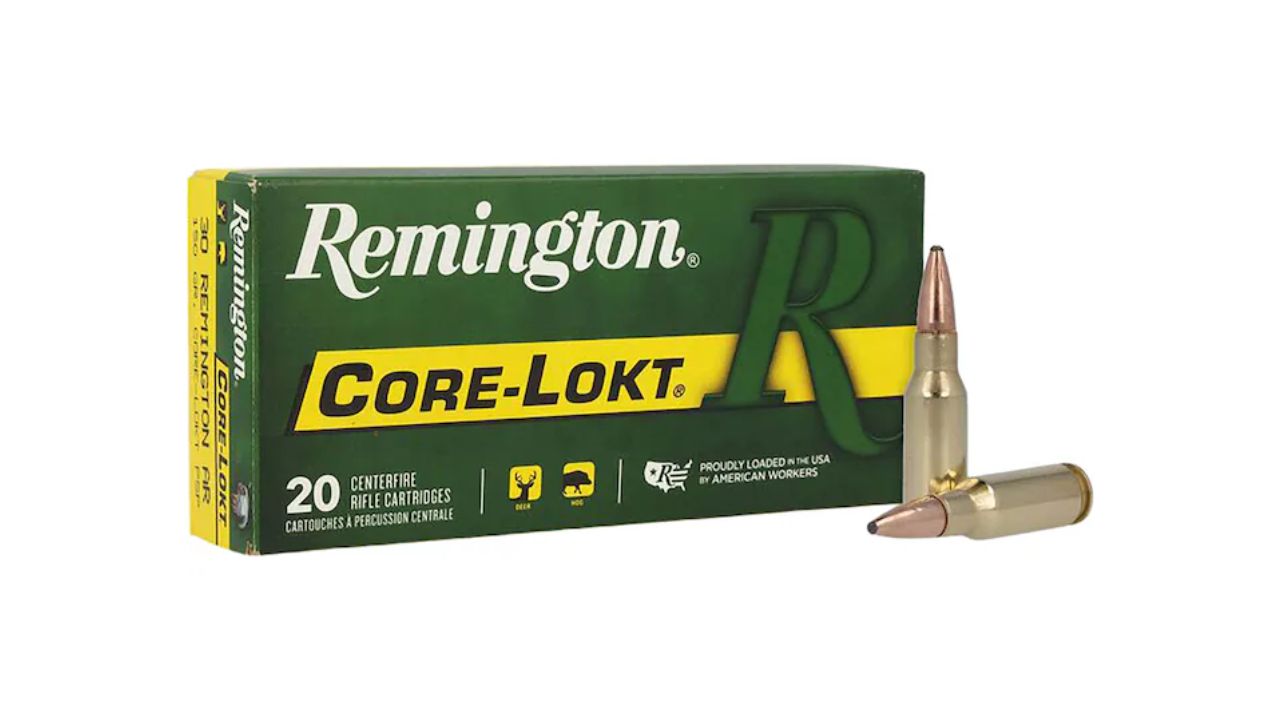
.30 Remington AR had a moment, but it never turned into a stable ecosystem of brass and components. That’s the reloader’s headache: you can’t build a routine around a cartridge when brass shows up rarely and disappears fast. When you can’t count on supply, every load development session feels like you’re spending something you can’t replace.
Even if you love the concept—more punch from an AR-15-sized package—the alternatives are easier to live with. 6.5 Grendel, 6mm ARC, and .300 Blackout all have broader support and more available parts. With .30 Rem AR, you can end up treating reloading like maintenance for an orphaned caliber, and that’s rarely the fun part of the hobby.
.458 SOCOM

.458 SOCOM can be rewarding, but it’s also a caliber where details matter more than many people expect. Component choices and overall length can affect feeding, and not every gun runs the same way with the same bullet profiles. You can spend a lot of time tuning loads to your specific rifle instead of building a load that “works everywhere.”
Cost adds pressure too. Big bullets aren’t cheap, and you can burn money quickly while you’re sorting what your setup prefers. If you want a big-bore AR that you can feed without constant fiddling, you may find yourself wishing you’d picked a more standardized path. For many shooters, this caliber shines only when you enjoy the tinkering as much as the shooting.
.50 Beowulf

.50 Beowulf looks straightforward—big bullet, big impact—but reloading it can be more particular than it seems. You’re working with heavy projectiles and a cartridge that isn’t supported like mainstream big-bore rifle rounds. Getting consistent feeding and consistent ignition can take attention, especially if you’re experimenting with different bullet shapes.
The other reality is cost versus payoff. You’re paying for large bullets and spending time on a caliber most people don’t shoot in high volume anyway. That means every test session feels expensive, and you may not shoot enough to justify the learning curve. If you want big-bore performance without the AR-specific quirks, traditional lever-gun cartridges can be easier to load for and easier to enjoy.
26 Nosler

26 Nosler is fast, flat, and thirsty. It’s also a classic example of a cartridge that can be hard on brass and narrow in what it likes. You’re working in a performance range where small changes can matter, and it’s easy to feel like you’re always balancing speed, pressure, and case life instead of settling into a dependable load.
Then you look at what it costs you over time. Brass isn’t cheap, barrels don’t last forever, and you can burn a lot of powder chasing numbers that you rarely need in the field. If you want a high-performance 6.5 that’s still practical, 6.5 PRC or 6.5 Creedmoor will usually give you a better ratio of effort to results.
28 Nosler

28 Nosler delivers serious velocity, and that’s exactly why it can be a chore to load for long term. High performance often means higher wear, more powder, and more sensitivity to what your rifle wants. You can find a good load, but you may also find yourself constantly thinking about throat wear, brass life, and whether you’re pushing harder than you need to.
For many hunters, the end result doesn’t justify the ongoing expense and attention. A 7mm Rem Mag or 7mm PRC can cover a huge amount of real-world hunting with more forgiving loading behavior and more accessible components. If you love the speed, you’ll tolerate the costs. If you reload to keep things sustainable, 28 Nosler can feel like a treadmill.
6.5-300 Weatherby Magnum

This cartridge is pure performance, and it brings pure maintenance with it. You’re burning a lot of powder through a relatively small bore, and that tends to accelerate throat wear. Load development can feel like you’re always walking a fine line between speed, pressure, and accuracy, and it can be hard to relax into a “set it and forget it” load.
Brass cost and availability add another layer. Weatherby brass isn’t always cheap, and high-performance rounds can be hard on cases if you’re chasing top-end velocities. When you step back, you realize you’re doing a lot of work for benefits that many hunters won’t actually use. For most real hunting distances, 6.5 PRC delivers plenty with far less bench stress.
.257 Weatherby Magnum
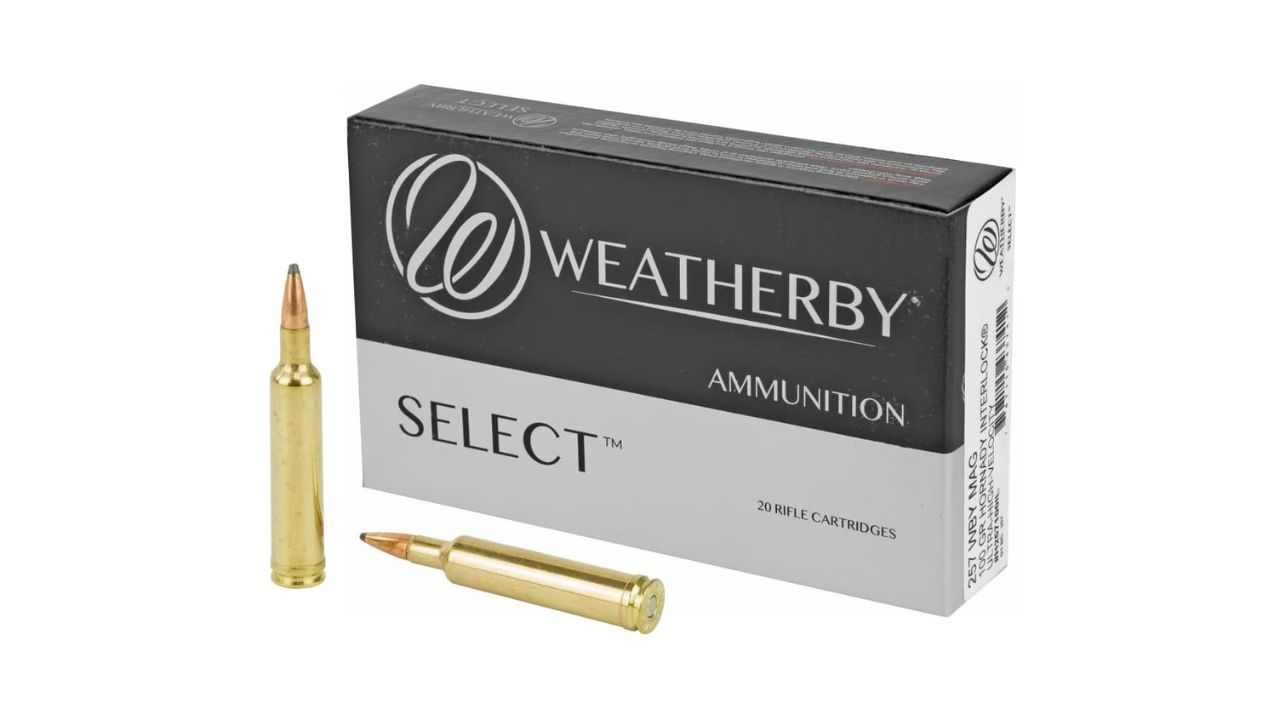
.257 Weatherby has a loyal following because it shoots flat and hits deer-sized game with authority. Handloading it can be less friendly than people expect, mainly because you’re again dealing with high performance and the wear-and-tear that comes with it. You may find it picky about powders and seating depth, and it can punish brass when you push it hard.
The bigger question is what you’re trying to gain. If you want a fast .25-caliber, a .25-06 is far easier to feed and has a deeper, more common component pool. The .257 Weatherby can be great, but it often turns into a cartridge you shoot sparingly because every trigger pull feels expensive in powder, brass, and long-term barrel life.
.264 Winchester Magnum

The .264 Win Mag has history and real capability, but it also has the reputation that comes with overbore speed. It can be demanding on barrels, and handloaders often end up balancing performance against practical longevity. When a cartridge pushes hard, you pay in throat wear and, at times, finicky behavior during load development.
Components aren’t impossible, but they’re not as convenient as what you’ll find for modern, widely adopted 6.5s. The end result is that you can spend time and money maintaining a classic that still gets outclassed in convenience by newer options. If you want a 6.5 that you can load for without feeling like you’re preserving a vintage race engine, Creedmoor and PRC are easier roads.
.22 Creedmoor
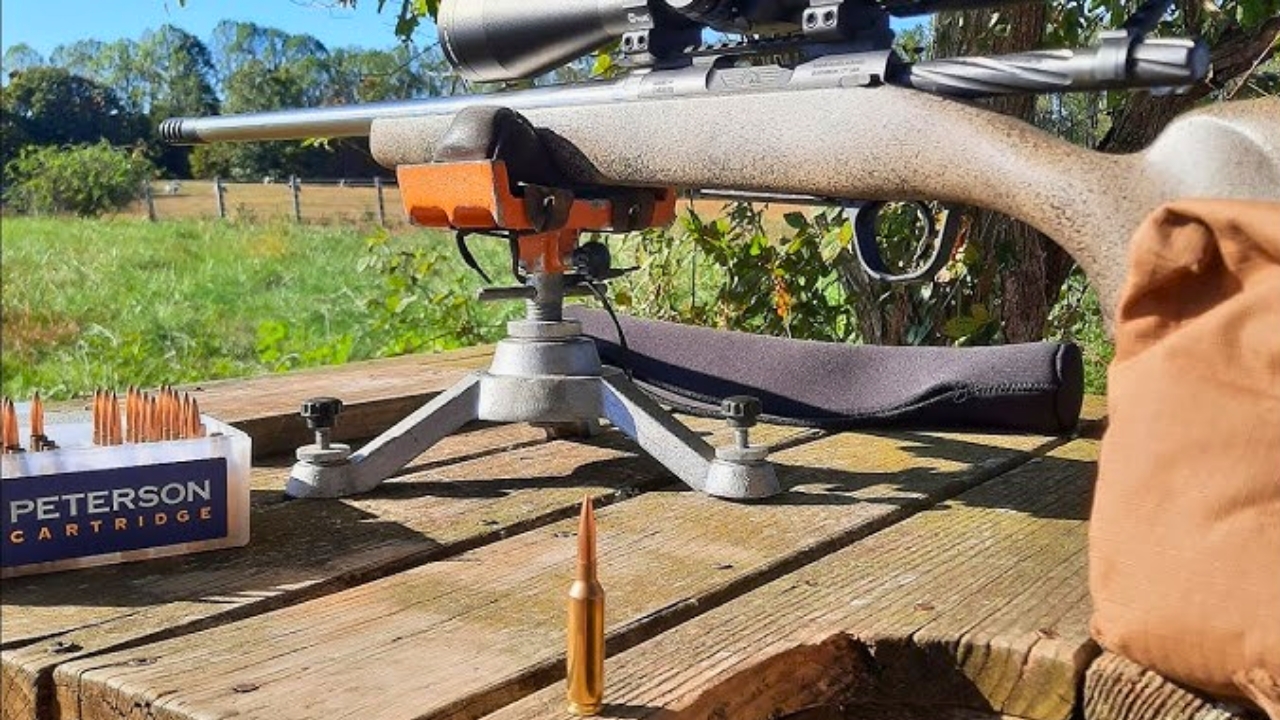
.22 Creedmoor is fun for speed and wind performance in the right context, but it’s a cartridge that can turn reloading into a constant balancing act. You’re working with small bore, high velocity, and that tends to amplify throat wear and load sensitivity. You can chase accuracy, then watch your barrel condition change the equation faster than you’d like.
It also asks for a lot of powder for a .22, which adds cost and heat. If you’re a high-volume shooter, that heat and erosion matter. If you’re a low-volume shooter, the whole project can feel like too much effort for too little payoff. A .22-250 can cover most of the real-world use while being more established, easier to source for, and less demanding day to day.
.17 Hornet

The .17 Hornet can be a joy for the right person, but it’s also one of those rounds that exposes how tiny margins can become big frustrations. You’re handling very small bullets, very small charges, and case prep that rewards patience. It’s easy to lose time chasing consistency because everything is scaled down and less forgiving of sloppy handling.
For many shooters, the result doesn’t match the effort. You can get excellent small-game and varmint performance, but you may not shoot it enough to justify the bench time it asks from you. .22 LR, .22 WMR, and even .223 Rem cover a lot of practical ground with far less fuss. If you truly enjoy the process, .17 Hornet can be satisfying. If you want efficiency, it can feel like work you didn’t sign up for.
Like The Avid Outdoorsman’s content? Be sure to follow us.
Here’s more from us: