Photo credit: Dmitri T/Shutterstock.com
A pricey handgun can be a great purchase. The problem is when the price tag climbs faster than the real-world benefits. You end up paying for a rollmark, a finish, a limited run, or a reputation that sounds bigger than what you feel on the range. The gun may still run fine. It may even shoot great. But once you’ve put a few thousand rounds through it and carried it a while, you realize the extra money didn’t buy you extra confidence.
Most shooters get more performance by spending less on the pistol and more on mags, sights that fit their eyes, a proven holster, and practice. When a handgun doesn’t offer a meaningful bump in shootability, support, or durability for the money, it starts to feel like you bought the story instead of the tool.
HK Mark 23

The Mark 23 has a legendary reputation and a price to match. You’re paying for history, overbuilt construction, and a very specific mission profile. In the hand, it feels like a serious piece of equipment, and that alone sells a lot of them.
The ownership reality is size and practicality. It’s huge, heavy, and awkward for most real carry or bedside setups. The trigger system and controls are workable, but you’re not getting a dramatic advantage over more modern, more compact pistols that cost less and fit normal holsters. If you want an iconic collector piece, it delivers. If you want a daily-use handgun, the price often buys more conversation than capability.
FN Five-seveN

The Five-seveN attracts buyers because it looks futuristic, feels light, and carries a ton of magazine capacity. It’s also a recognizable pistol that people talk about, which adds to the temptation when you see the price and start assuming it must be a step above everything else.
Where it can fall short is value for typical use. The ammo cost and availability are not as friendly as common calibers, which can cut your practice time. The trigger and practical accuracy can be fine, but most shooters won’t see a performance leap that matches the money spent. It’s a fun, unique pistol that does its own thing. It often feels overpriced when you expected it to be a do-everything upgrade.
Magnum Research Desert Eagle Mark XIX

The Desert Eagle sells itself before you ever touch the trigger. It looks like a movie poster, it feels like a chunk of machinery, and owning one feels like checking a box. That experience is real, and it’s why people pay what they pay.
The price-to-usefulness equation is where it breaks down. It’s heavy, large, expensive to feed, and it doesn’t fit common roles well. Most owners shoot it occasionally, then it lives in the case because every range trip becomes a loud, costly event. The Desert Eagle can be reliable with the right setup and ammo, but “practical” isn’t its lane. If you bought it for utility, it rarely earns its price.
Colt Python
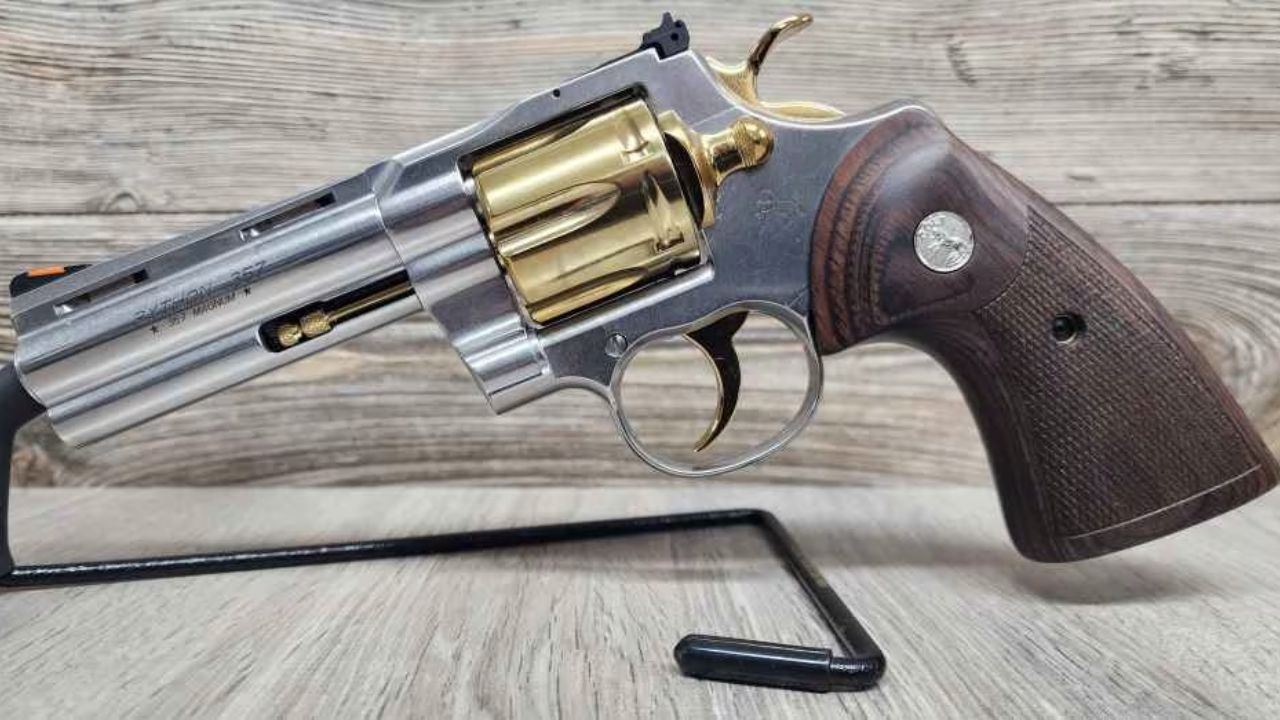
The Python is one of the most wanted revolvers in America, and the price reflects that demand. It looks classy, carries a famous name, and scratches the itch for a premium wheelgun in a way few others can. You’re often paying for pride of ownership as much as function.
The mismatch shows up when you treat it like a working revolver. The cost can make you hesitant to train hard with it, and magnum practice adds expense and recoil fatigue fast. Plenty of less expensive revolvers will do the same practical jobs with fewer worries about wear, dings, and resale value. The Python can be excellent, but the price often includes the name, the scarcity factor, and the “I finally own one” feeling.
Korth NXR (or other Korth revolvers)
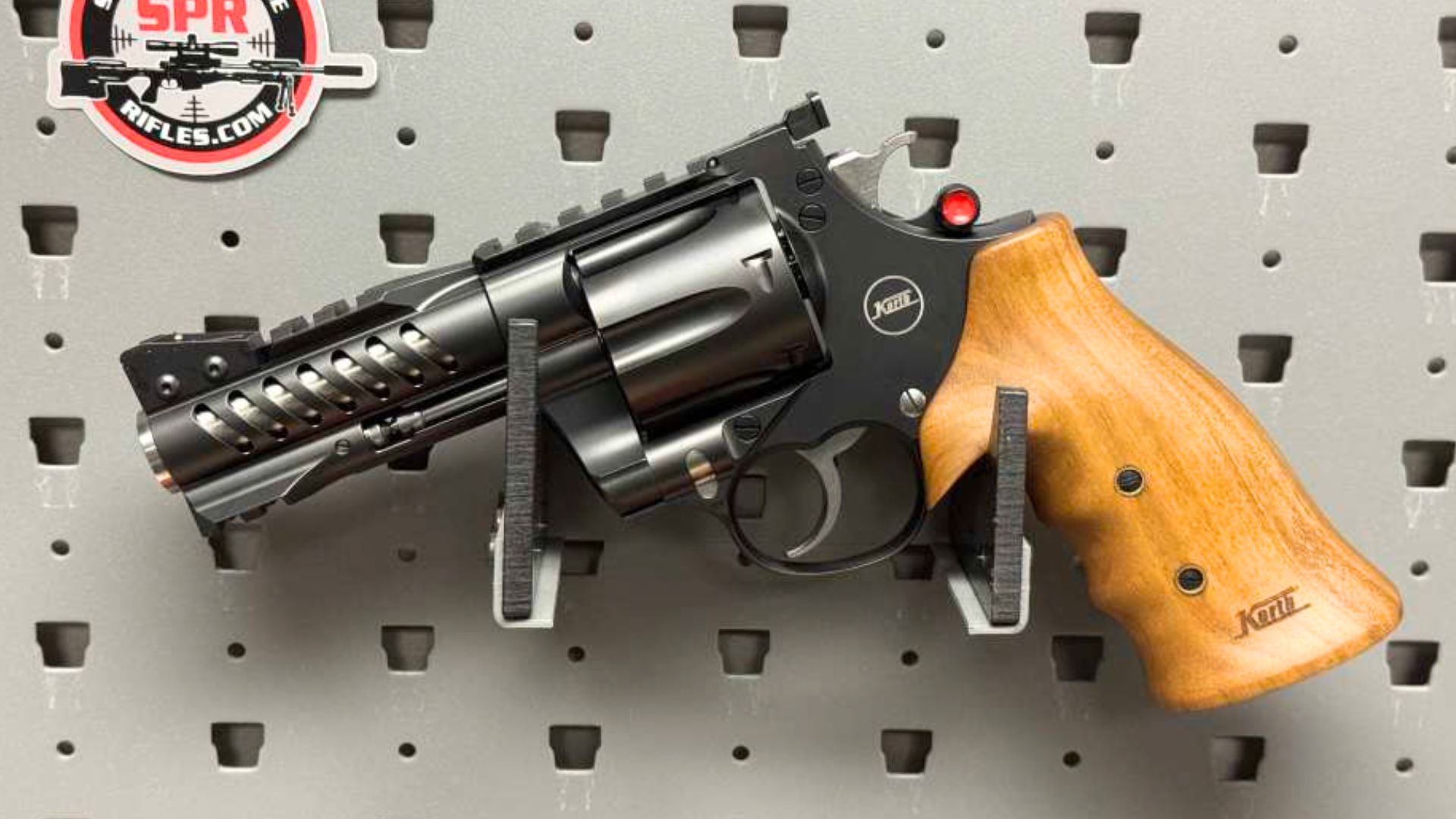
Korth revolvers are beautifully made, and you can feel that immediately. The fit, finish, and mechanical precision are top tier. You’re buying craftsmanship, and there’s nothing wrong with that when you want a revolver that feels like a luxury tool.
The value question is whether that craftsmanship changes your results. For most shooters, a high-end Korth doesn’t make you faster, steadier, or more accurate in a way that matches the extra thousands spent. You also end up protecting it, not abusing it, because nobody wants to beat up an expensive revolver. If you collect, appreciate machining, and want something rare, it makes sense. If you expected the price to translate into a dramatically better shooter, the payoff can feel thin.
Nighthawk Custom 1911
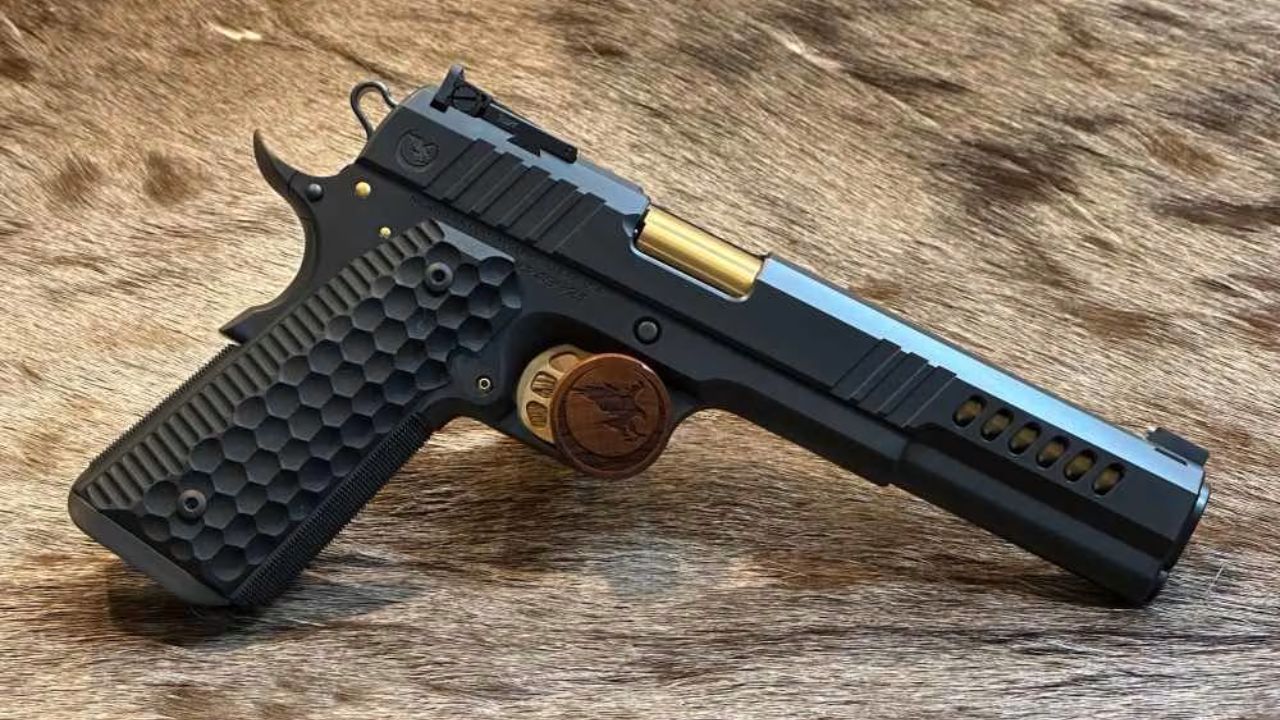
A Nighthawk 1911 looks and feels like money well spent at first touch. The details are sharp, the checkering is clean, and the branding carries serious weight. It’s the kind of pistol that makes you feel like you’ve arrived, even before your first range session.
The hard truth is that 1911s are still 1911s. You’re paying for refinement, not immunity from platform realities like magazine sensitivity, maintenance, and the need to confirm reliability with your ammo. Plenty of mid-priced 1911s can run extremely well when set up correctly, and the performance gap often isn’t as wide as the price gap. If you want premium fit and finish and you’ll shoot it enough to appreciate it, great. If you expected the cost to erase all quirks, it can disappoint.
Wilson Combat EDC X9

The EDC X9 gets attention because it feels like a polished version of what many shooters wish their carry pistol could be. Ergonomics, trigger feel, and overall refinement are strong. You’re buying a premium experience, and the pistol often delivers that right away.
The value problem shows up when you measure outcomes instead of feel. Many shooters won’t shoot it dramatically better than a well-set-up mainstream pistol that costs far less. The price also pushes some owners into “special gun” behavior—less carry, less hard training, more careful handling—because it feels too expensive to beat up. It can be an outstanding pistol. The question is whether it’s outstanding enough for your hands and your round count to justify what it costs.
Staccato XC

The XC gets praised as a fast, flat-shooting 2011, and it often is. The brand carries momentum, the gun looks serious, and the shooting experience can be impressive. If you’ve wanted a premium range and competition-style pistol, the XC is an easy object of desire.
Where the price can sting is practicality. The performance benefit is real for shooters who train a lot and can take advantage of it. For everyone else, it can feel like paying top dollar for speed you won’t fully access. Magazines and upkeep also add ongoing cost. It’s a high-end pistol built for high-end shooting habits. If your life is occasional range trips and basic drills, the return can feel small compared to what you paid.
SIG Sauer P226 Legion

The P226 Legion looks like an upgrade on an already respected platform. You get premium styling, Legion branding, and a pistol that feels substantial. A lot of buyers expect it to shoot noticeably better than a standard P226 because the price says it should.
In practice, the core experience stays similar: it’s still a heavier DA/SA metal pistol that rewards training. The extras may be nice, but they don’t automatically translate into better hits for most people. Many shooters could buy a standard P226, spend less, and put the difference into ammo and practice that actually moves the needle. The Legion can be a great pistol to own. It can also feel overpriced when you realize the biggest improvements still come from time behind the trigger.
SIG Sauer P320 Spectre Comp
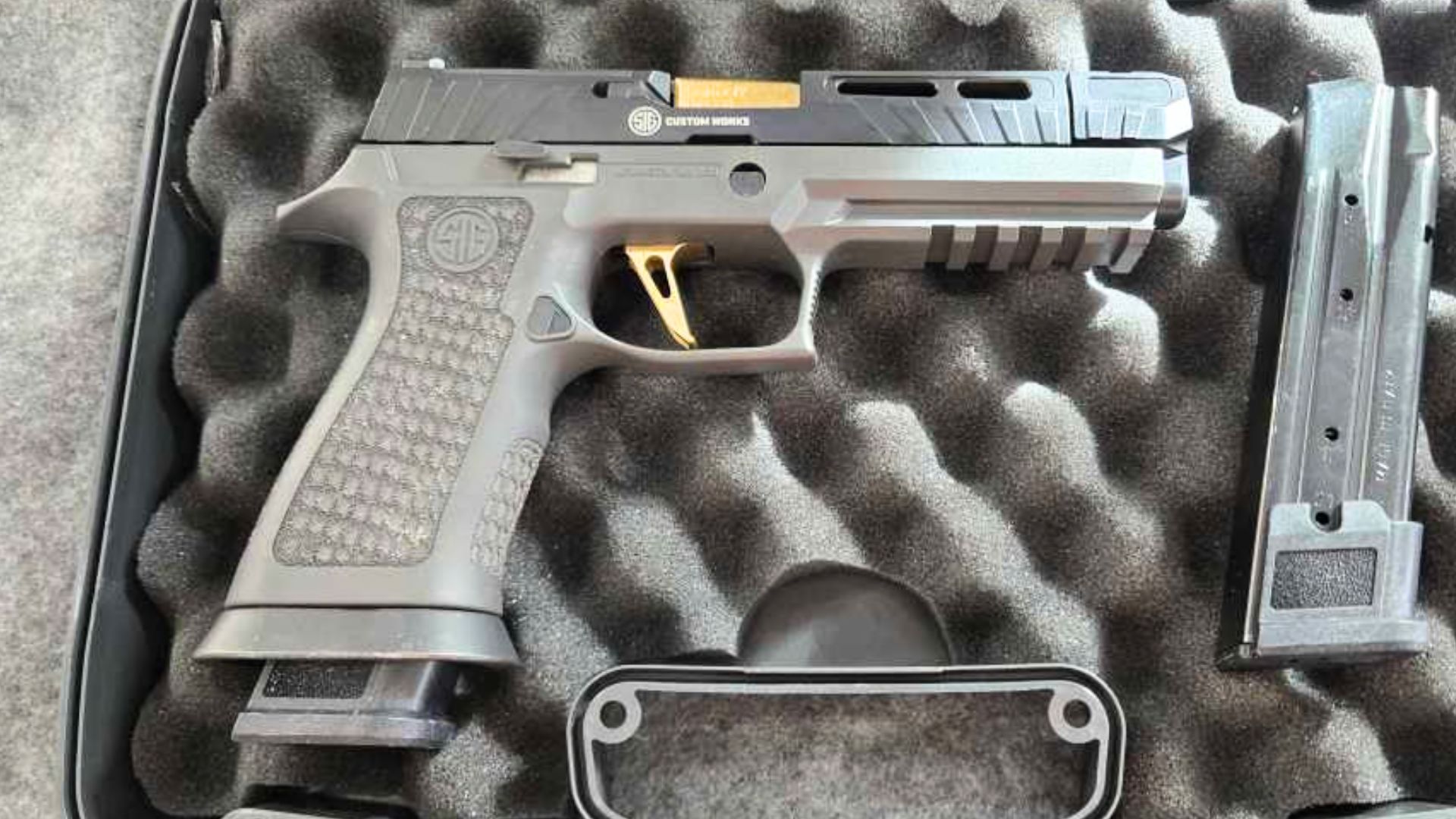
The Spectre Comp sells the idea of a “custom” striker pistol from the factory—cuts, coatings, and a compensator look that screams performance. It’s eye-catching, and it feels like you’re buying into a higher tier of modern pistol ownership.
The value issue is that a comp and fancy machining don’t automatically make a pistol easier for you to shoot well. It can change recoil feel, but it also adds blast, cleaning needs, and sometimes ammo sensitivity in how the gun feels and cycles. Many shooters could buy a standard P320, choose a setup that fits their hands, and get comparable practical performance for far less money. The Spectre Comp can be fun and capable. It often feels overpriced when you expected a transformation instead of a flavor change.
CZ Shadow 2 Orange
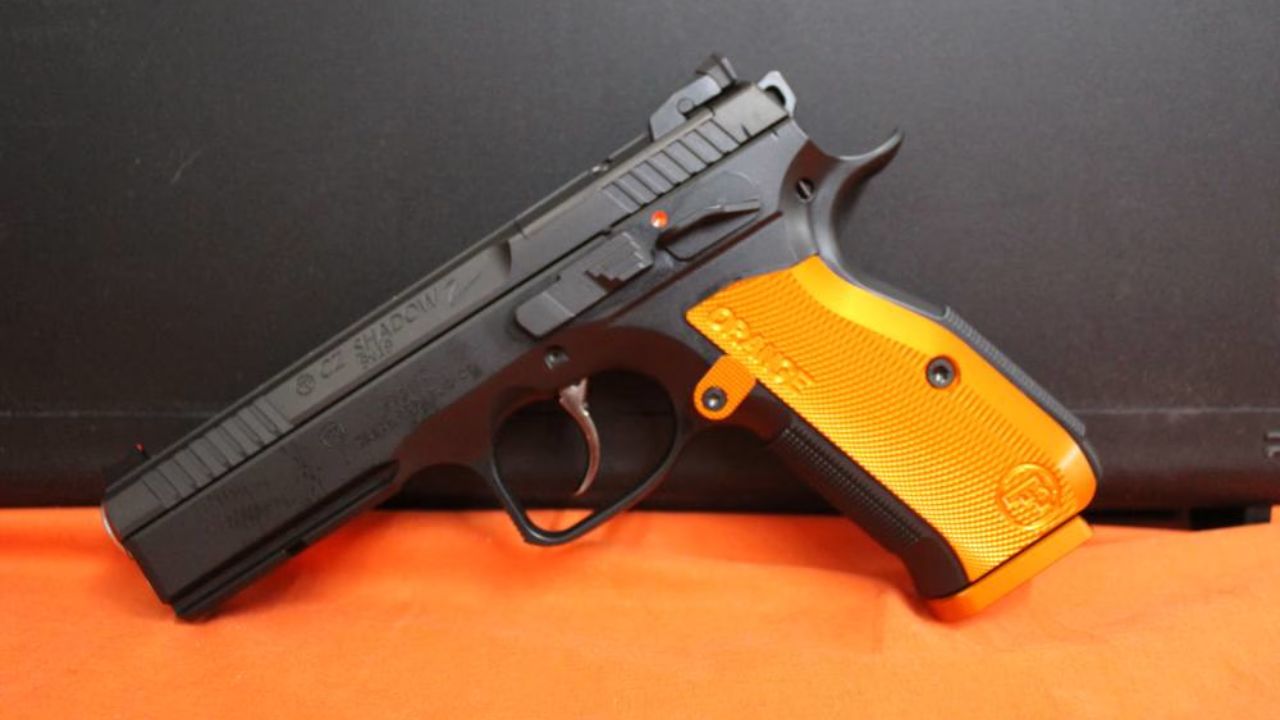
The Shadow 2 Orange looks like the “ultimate” version of an already respected competition pistol. It carries prestige, and it often feels smooth and planted in the hand. For shooters chasing refinement, it’s an easy upgrade to desire because the Orange name implies you’re getting the best.
The value question is how much “best” you can actually use. A standard Shadow 2 is already extremely capable, and the difference in results for many shooters is smaller than the difference in price. If you aren’t competing hard or training often, you may never wring out what you paid for. It’s an excellent pistol for the right owner. For everyone else, it can feel like you paid a premium mainly to own the premium version.
Beretta 92X Performance
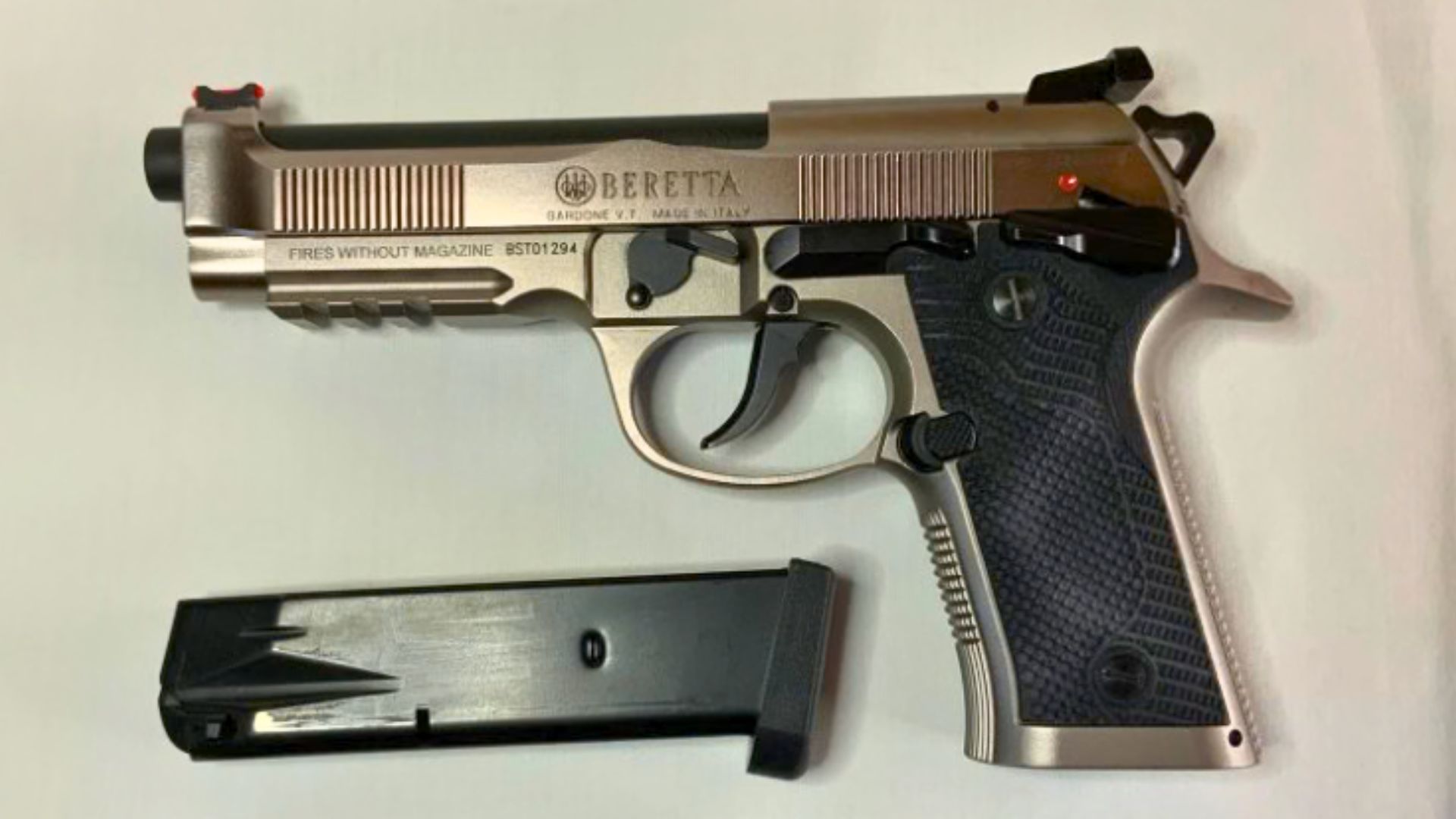
The 92X Performance looks like a race-ready Beretta with serious presence—heavy frame, premium styling, and a competition vibe. It’s smooth to shoot, and many people love how it tracks in recoil. It gets bought because it feels like a “real upgrade” over standard 92 variants.
The downside is that the upgrade comes with weight and role limits. It’s not a practical carry gun for most people, and it often becomes a range-only pistol. If you’re not shooting matches or doing structured training, the extra cost can feel like you paid for a specialized tool you don’t use in a specialized way. A standard 92 or 92X can deliver most of the everyday Beretta benefits for less money and less bulk. The Performance is great at its job. Many owners don’t live in that job.
Smith & Wesson Performance Center M&P (ported models)
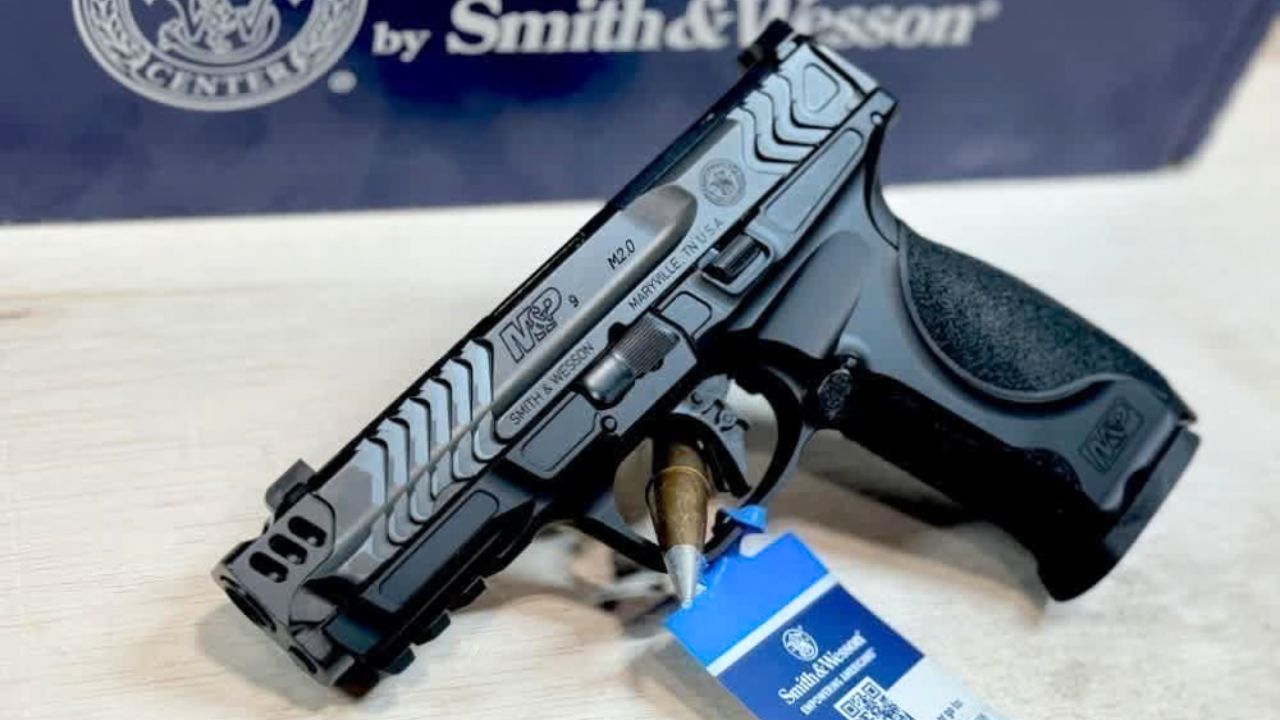
Performance Center M&Ps look like an instant upgrade: porting, slide cuts, and a “tuned” label that suggests you’re getting something closer to a custom pistol. They’re attractive on the shelf because they promise better shooting without you changing anything.
Where the value can fall apart is that porting and cosmetics don’t guarantee a meaningful advantage for your shooting. Ported barrels can increase blast and noise, and the practical benefit varies with ammo and technique. Many shooters would get more improvement from a standard M&P with a sight setup they like and consistent practice. The Performance Center versions can be enjoyable and well made. They can also feel overpriced when the “performance” you expected turns into a different sound and more cleaning, not better hits.
Walther Q5 Match Steel Frame

The Q5 Match Steel Frame gets praised because it feels smooth, heavy in a good way, and built for speed. The steel frame soaks up movement, and the whole pistol feels like it wants to run drills all day. It’s a very appealing range gun for shooters who like refined handling.
The price-to-payoff issue is that the steel frame doesn’t automatically produce better skill. It often makes the pistol more pleasant, not more necessary. For many shooters, a polymer Q5 or a good striker pistol in the same class will deliver similar results with less weight and less money. The steel version also tends to live as a “range treat” rather than a tool you carry and beat up. It’s a great-feeling pistol. It can feel overpriced if you expected the weight and finish to do the work for you.
Heckler & Koch USP Elite / Expert
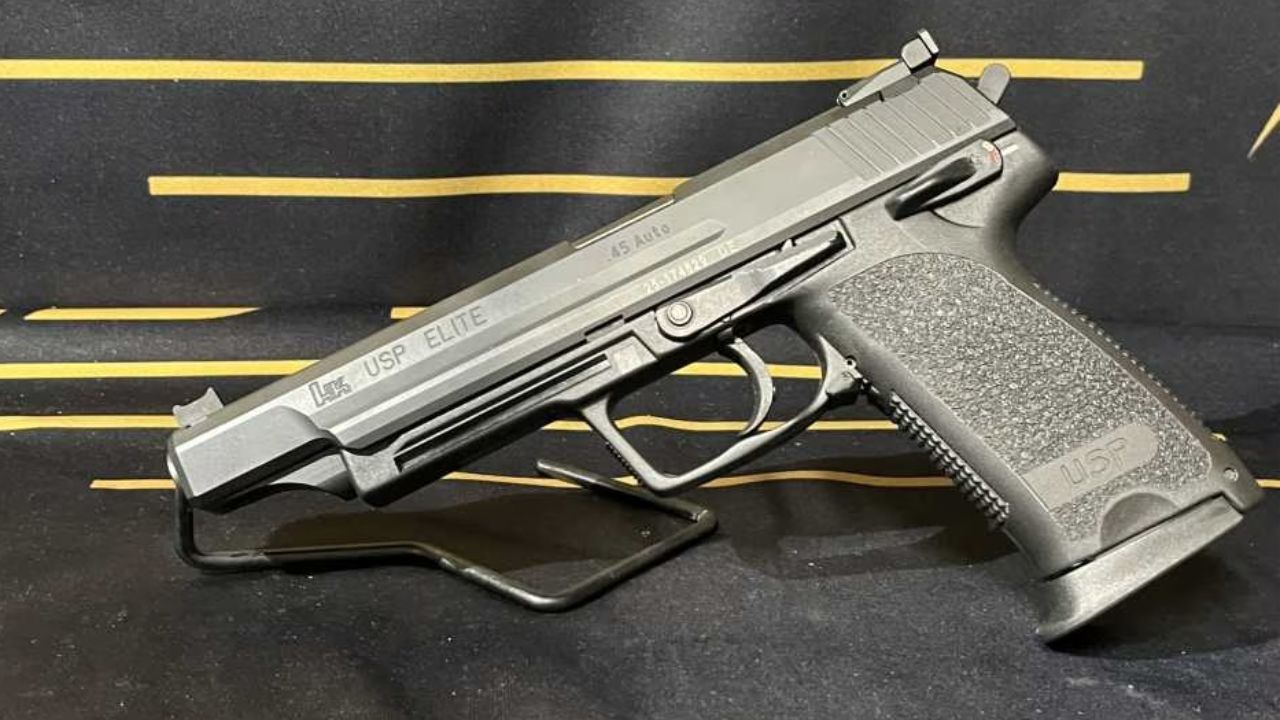
The USP Expert and Elite models look like the refined end of a famous platform. Long slides, competition styling, and HK’s reputation make them feel like premium purchases. They often get recommended as “top shelf” pistols for shooters who want accuracy and durability in one package.
The value gap is that you’re paying a lot for a specialized version of an older design. The size is large, the trigger system isn’t for everyone, and the practical advantage over modern alternatives can be smaller than the price suggests. Many shooters buy one because it feels like an investment-grade handgun, then realize it doesn’t fit their training style or carry reality. These USPs can be excellent shooters. The price can still feel hard to defend if the pistol ends up living in the safe more than on the range.
Colt Single Action Army
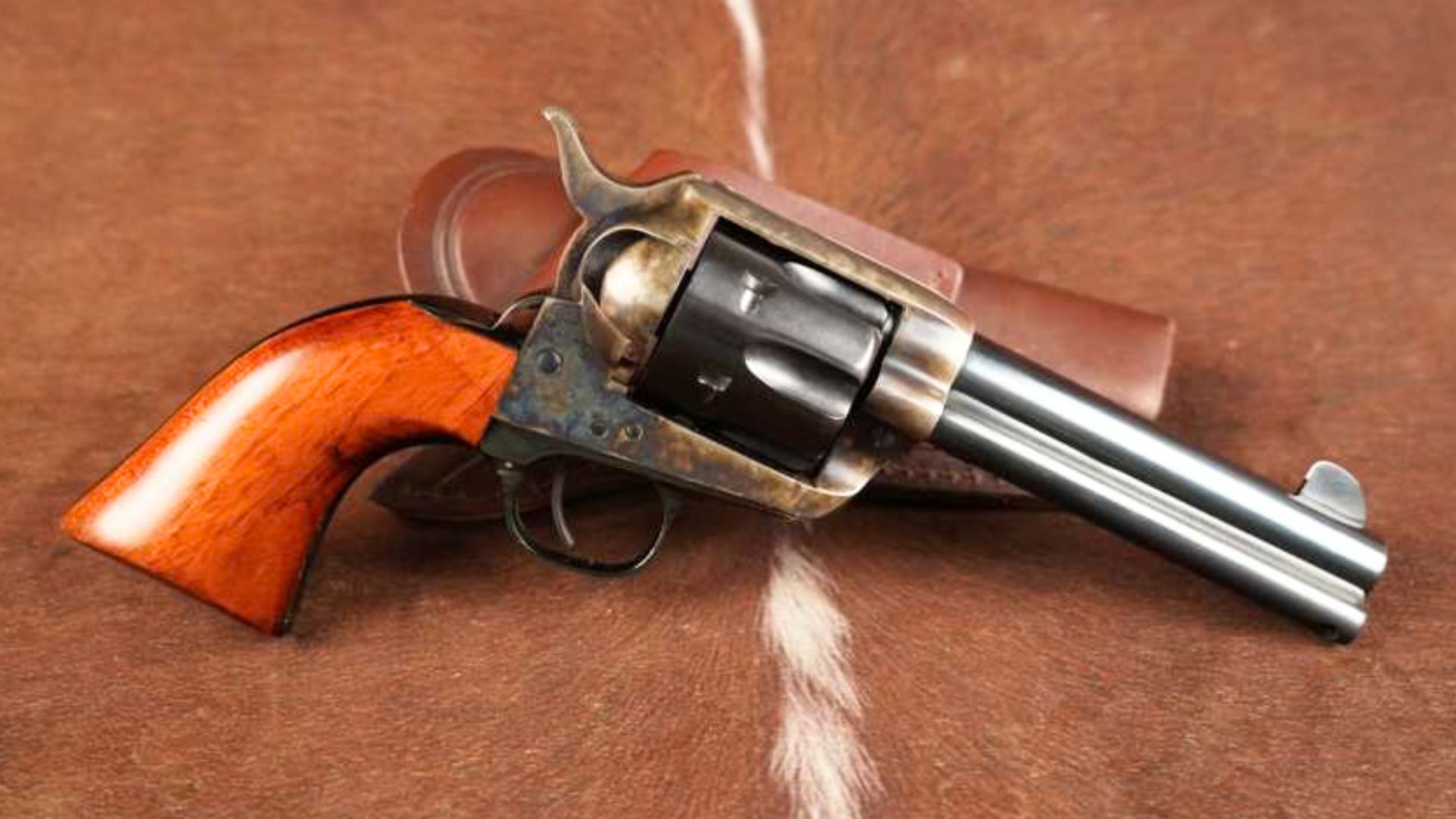
A Colt Single Action Army is pure romance: history, style, and the feeling of owning an icon. It’s the revolver many people picture when they think “classic American handgun,” and the Colt name brings serious pricing with it. You’re paying for heritage as much as hardware.
The mismatch is practical use. Single-action operation is slower, capacity is limited, and it’s not built around modern defensive or training needs. Many owners also treat it like a display piece, which means it doesn’t get shot often. Plenty of other single-action revolvers can give you the same range experience for far less money. A real Colt can be worth it if you value the name and history. It doesn’t live up to the price tag when you expected performance gains instead of collector appeal.
Like The Avid Outdoorsman’s content? Subscribe to our newsletter so you never miss an article.
Here’s more from us: