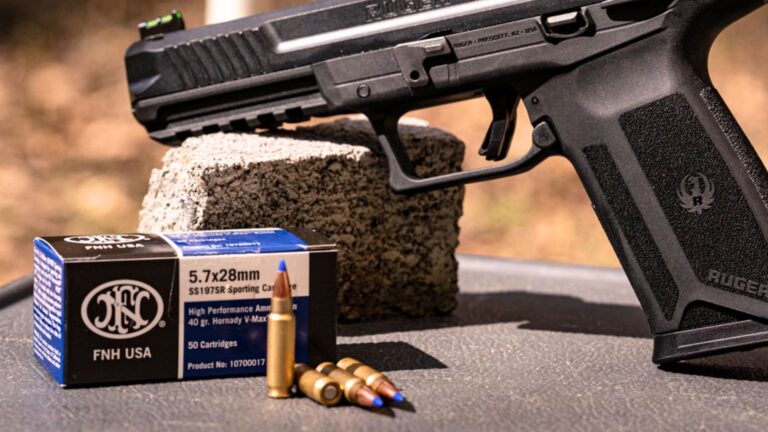
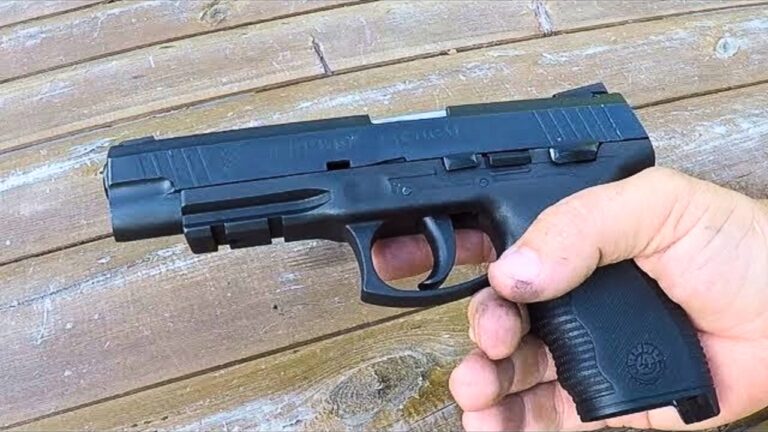
Photo credit: Muddy River Tactical/YouTube
Some handguns get criticized so often that people start repeating the complaints without even thinking. Maybe they look ugly, feel dated, come from a brand shooters like to argue about, or never had the cool factor their competition did. That kind of reputation can stick for years.
But some pistols simply keep going. Owners shoot them, carry them, fix what needs fixing, and realize the criticism did not tell the whole story. These handguns may not be perfect, but they lasted long enough to prove they were more than the jokes.
Glock 19
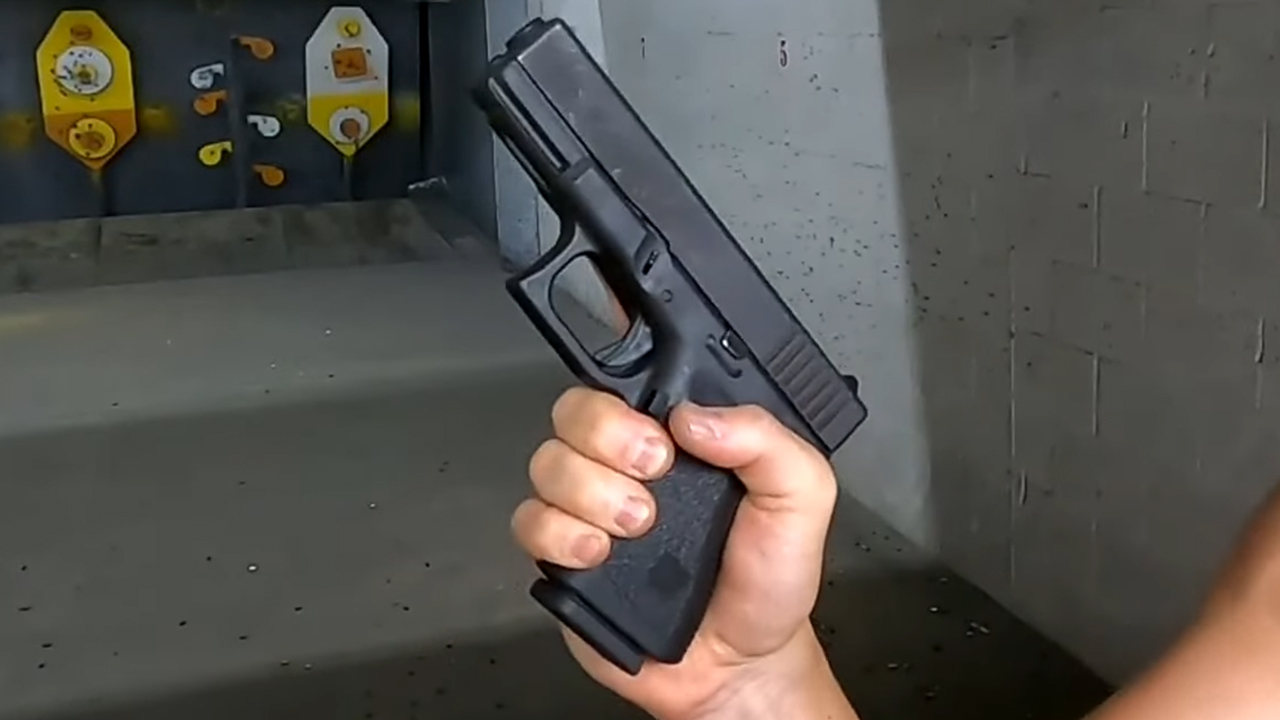
The Glock 19 has been called boring, blocky, ugly, and overrated for decades. None of that stopped it.
It kept winning because it was easy to carry, easy to shoot, easy to maintain, and easy to support with parts, magazines, and holsters. Shooters can complain about the grip angle all they want, but the pistol keeps showing up because it works.
Beretta 92FS
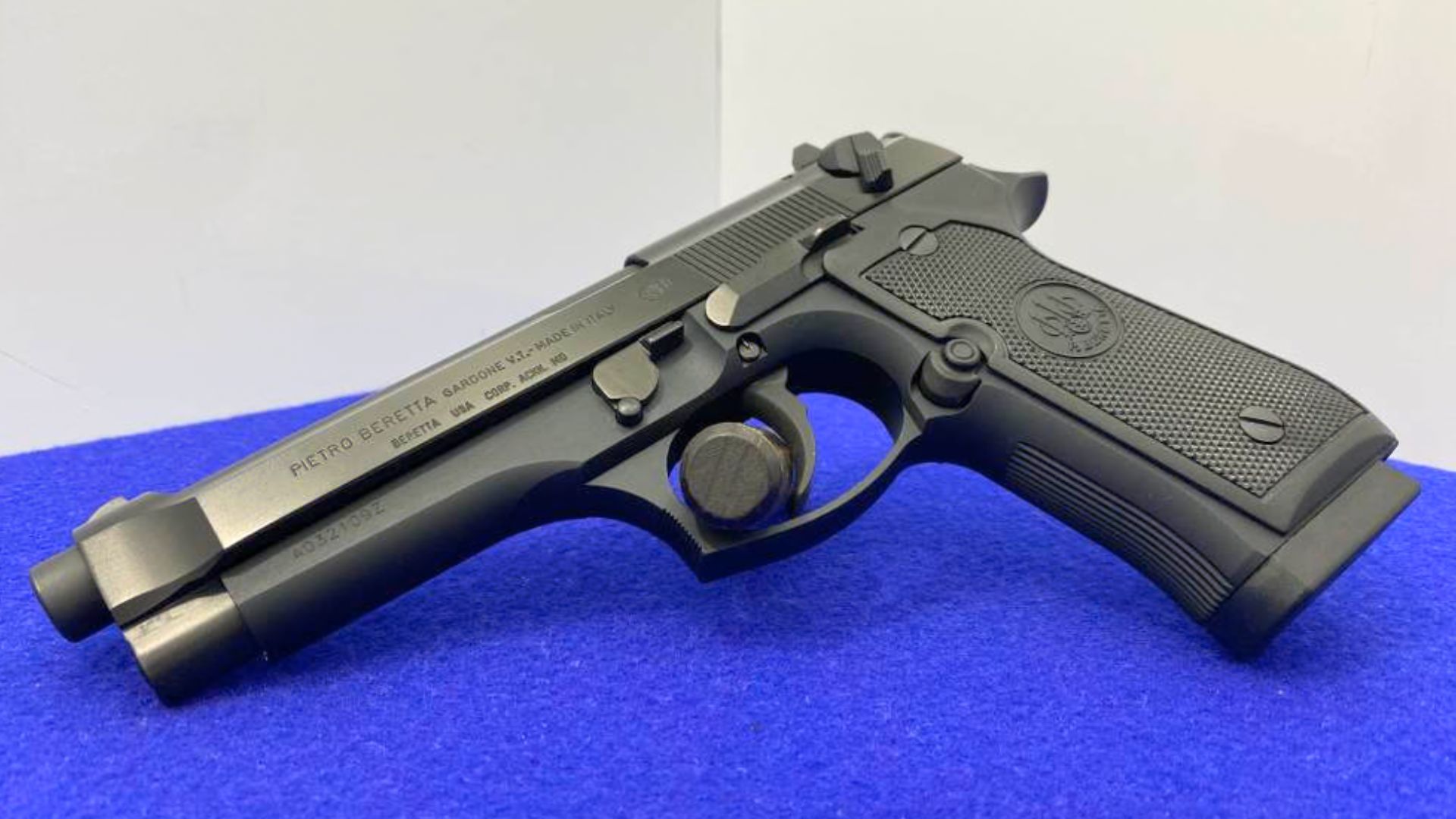
The Beretta 92FS took heat for being big, heavy, and saddled with a slide-mounted safety. A lot of shooters moved on once lighter polymer pistols became normal.
Still, the 92FS outlasted plenty of critics. It shoots soft, runs smoothly, and has a long record behind it. Once you stop judging it like a tiny carry gun, it makes sense as a full-size range, duty, or home-defense pistol.
Ruger P95
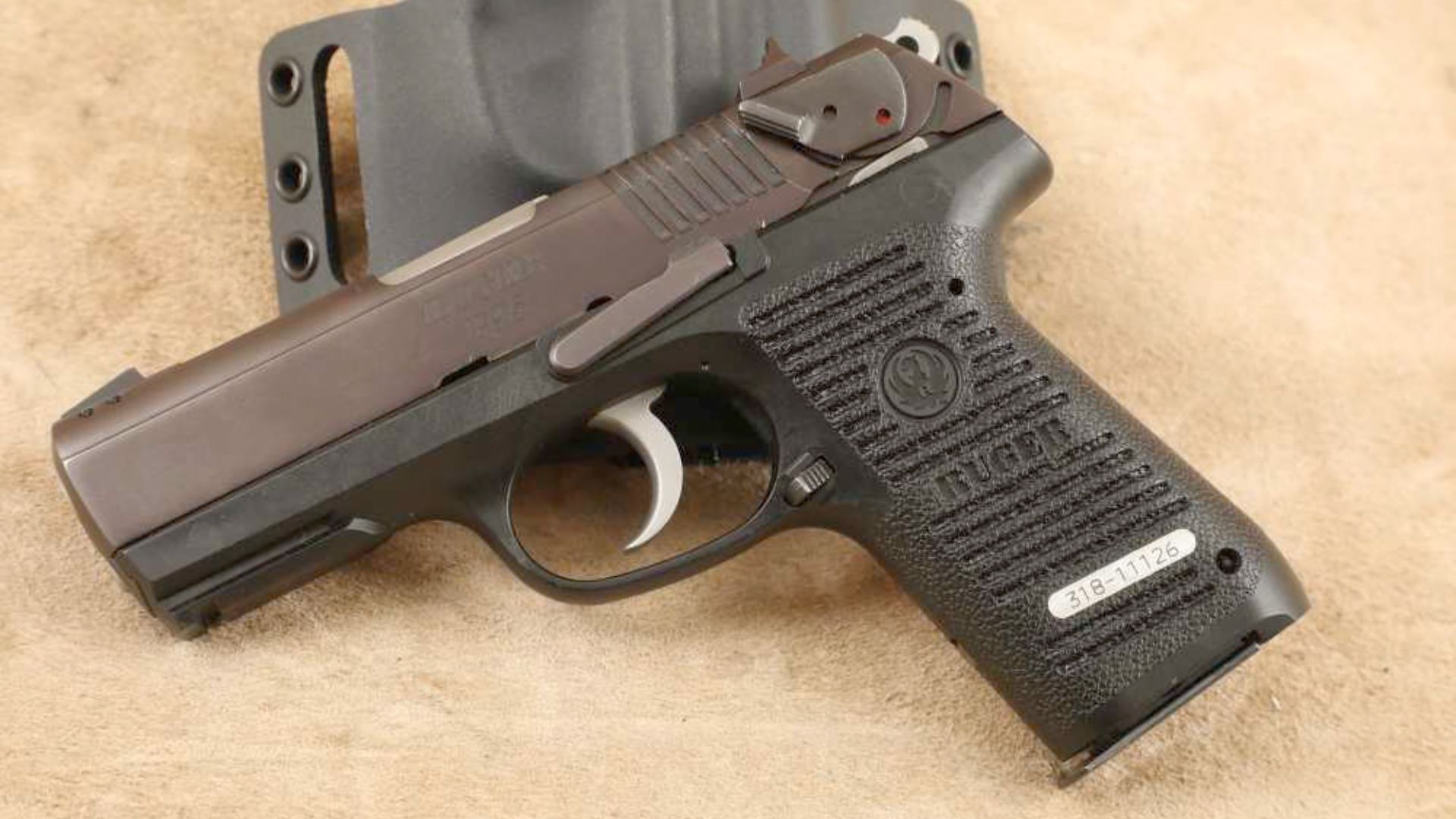
The Ruger P95 was never pretty. It was chunky, plain, and easy to mock beside sleeker pistols.
That did not keep it from earning respect. The P95 was affordable, tough, and usually very reliable. It fed rough ammo, handled neglect, and kept working for owners who cared more about function than looks. Sometimes ugly ages better than delicate.
Smith & Wesson SD9 VE
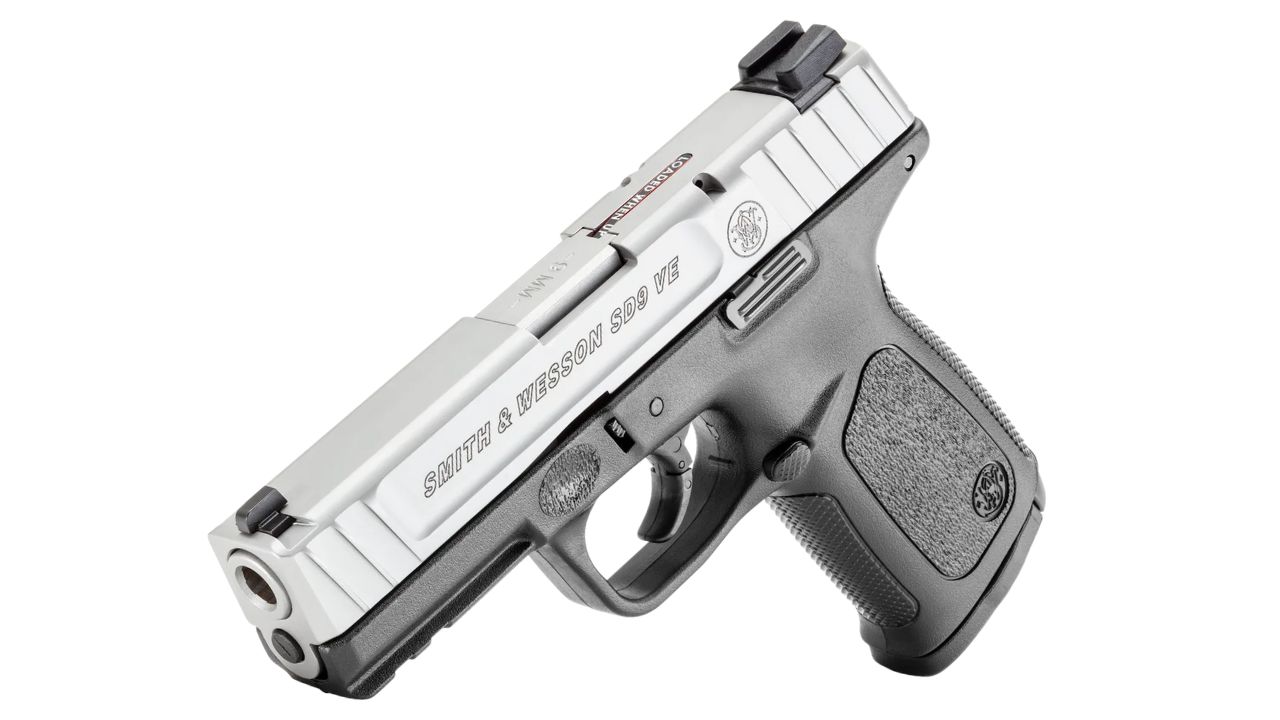
The SD9 VE got hammered over its trigger, and that criticism was fair. It was heavy, long, and not exactly friendly to new shooters.
But the pistol still lasted because the rest of the package made sense. It was affordable, simple, reliable, and chambered in 9mm. Plenty of owners learned the trigger and kept shooting. It was not fancy, but it worked.
Taurus G2C

The Taurus G2C had to fight the Taurus name from day one. A lot of shooters dismissed it before they ever loaded a magazine.
Owners helped change that. The G2C gave budget buyers a compact 9mm with decent capacity, usable ergonomics, and surprising reliability for the money. It did not erase every old Taurus complaint, but it proved the company could build a carry pistol people actually trusted.
CZ P-07

The CZ P-07 got criticized by shooters who wanted classic metal-framed CZs, not a polymer compact with modern styling. It looked less charming than the older guns.
Then people started shooting it well. The grip shape worked, the DA/SA trigger rewarded practice, and recoil control was better than expected. It never needed to be a CZ 75. It carved out its own place and kept its defenders for good reason.
Springfield XD

The Springfield XD has taken years of criticism over its grip safety, bore axis, styling, and marketing. Plenty of shooters wrote it off as outdated or awkward.
Even so, the XD line kept a loyal owner base. The pistols were generally reliable, easy to shoot, and available in useful sizes and calibers. Some people never liked them, but enough owners had good experiences that the platform refused to disappear quietly.
Bersa Thunder 380

The Bersa Thunder 380 got dismissed as a cheap .380 for people who could not afford something nicer. Gun snobs rarely gave it much credit.
That changed for shooters who actually used one. The Thunder is comfortable, accurate enough, easy to control, and pleasant at the range compared with tiny pocket .380s. It proved that affordable does not always mean disposable.
Canik TP9SF

The Canik TP9SF was criticized early because many shooters saw it as a cheap import trying to copy established duty pistols. The low price made people suspicious.
Range time softened that criticism. The trigger was better than expected, the pistol shot well, and reliability reports gave owners confidence. Canik went from punchline to serious value brand because guns like the TP9SF kept proving themselves.
Walther P99

The Walther P99 was always a little different. The paddle magazine release, striker-fired DA/SA-style system, and unusual feel made some shooters pass on it.
But the P99 outlasted the confusion. The grip was excellent, the trigger system had real merit, and the pistol had more personality than many modern striker guns. It never became the default answer, but owners who understood it rarely forgot it.
SIG Sauer SP2022
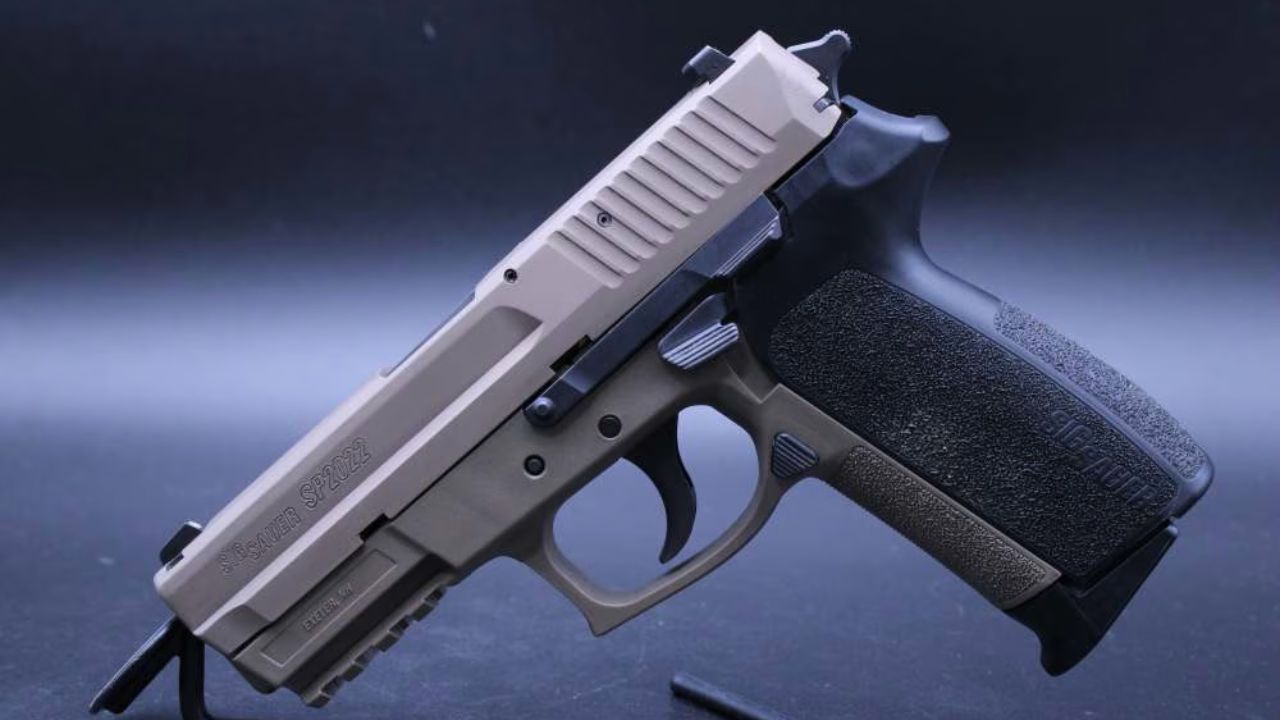
The SP2022 spent years getting treated like the cheaper SIG. It was polymer, less glamorous than the P226, and easy to overlook.
That reputation missed the point. The SP2022 gave shooters a reliable DA/SA SIG at a much lower price. The trigger was good, the build was solid, and the pistol held up well. It outlasted the criticism by being boringly competent.
Heckler & Koch VP9

The VP9 took criticism from HK fans who thought it was too late, too ordinary, or too close to the striker-fired crowd HK once stood apart from. Some wanted something more exotic.
The VP9 survived because it shot well. The grip panels helped it fit more hands, the trigger was good, and the pistol carried HK quality into a more familiar format. It may not please every HK purist, but it earned its own following.
Ruger LCP

The original Ruger LCP got criticized for tiny sights, a long trigger, sharp recoil, and rough range manners. Most of that was true.
But the LCP was not trying to be a range pistol. It was built to be carried when larger guns would be left behind, and it did that job extremely well. Its success proved that sometimes a gun can be unpleasant to shoot and still be useful.
Smith & Wesson M&P 2.0

The original M&P line took criticism for mushy triggers and weaker reset compared with other striker pistols. Some shooters never gave the newer versions a fair chance.
The M&P 2.0 changed the conversation. Better grip texture, improved triggers, and strong reliability helped it regain respect. It became one of those pistols that does not need hype. It just keeps showing up in holsters and range bags.
KelTec P-32
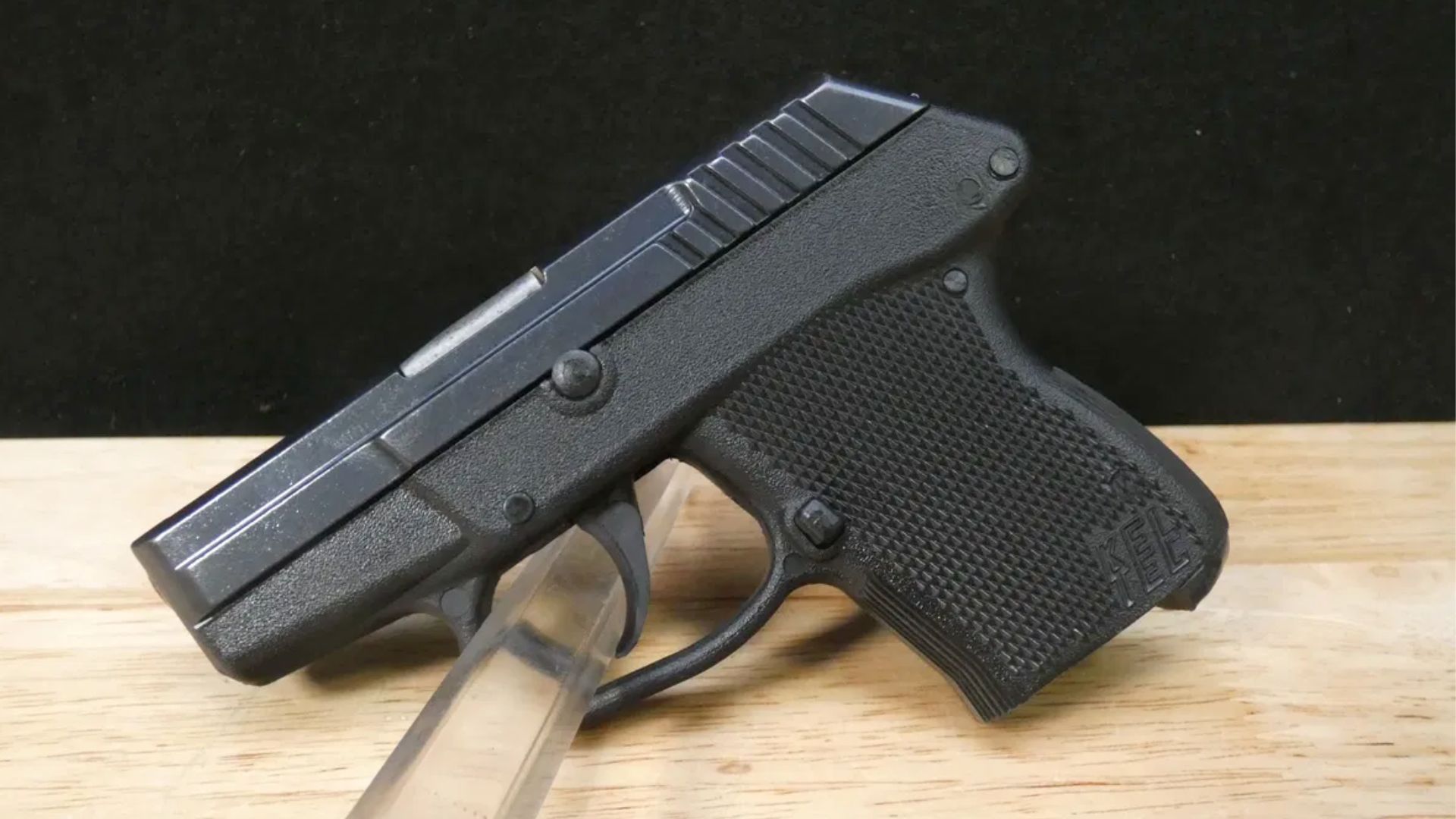
The KelTec P-32 has always been easy to mock because it is tiny, light, and chambered in .32 ACP. A lot of shooters dismissed it as too small to take seriously.
Still, it outlasted the criticism because it fills a real role. It is extremely easy to carry, softer than many tiny .380s, and useful as a deep-concealment pocket pistol. It is not powerful or flashy, but it does what it was built to do.
Like The Avid Outdoorsman’s content? Subscribe to our newsletter so you never miss an article.
Here’s more from us: