

Photo credit: Springfield Armory
The Springfield TRP is one of those pistols that a lot of 1911 shooters recognize as a serious fighting gun, but not everybody knows where it really fits in Springfield’s lineup. It is not a basic production 1911, and it is not a full Custom Shop Professional either. Springfield’s own current TRP page says the line draws inspiration from the Springfield Armory Professional 1911 and that TRP pistols are hand fit for both form and function. Springfield’s press materials go even further, saying the TRP was originally developed as a consumer-friendly option connected to the FBI contract Professional Model 1911.
That matters because the TRP was never meant to be just another upscale 1911 with nice grips and a bigger price tag. It was built to give shooters a pistol with a strong duty-and-defensive flavor, but without pushing all the way into full custom-shop territory. More recently, Springfield refreshed the line in 2023–2024 with a more focused family that includes Classic, railed, and 4.25-inch Carry Contour versions, while still keeping the same basic no-compromise identity.
1. TRP stands for Tactical Response Pistol

A lot of shooters know the letters but never stop to think about what they mean. Springfield’s own press release spells it out directly: TRP means Tactical Response Pistol.
That name tells you exactly how Springfield wanted the pistol understood. This was not supposed to be a range-only 1911 or a nostalgic throwback. It was built around a fighting-gun identity from the start.
2. The TRP was inspired by the Professional Model
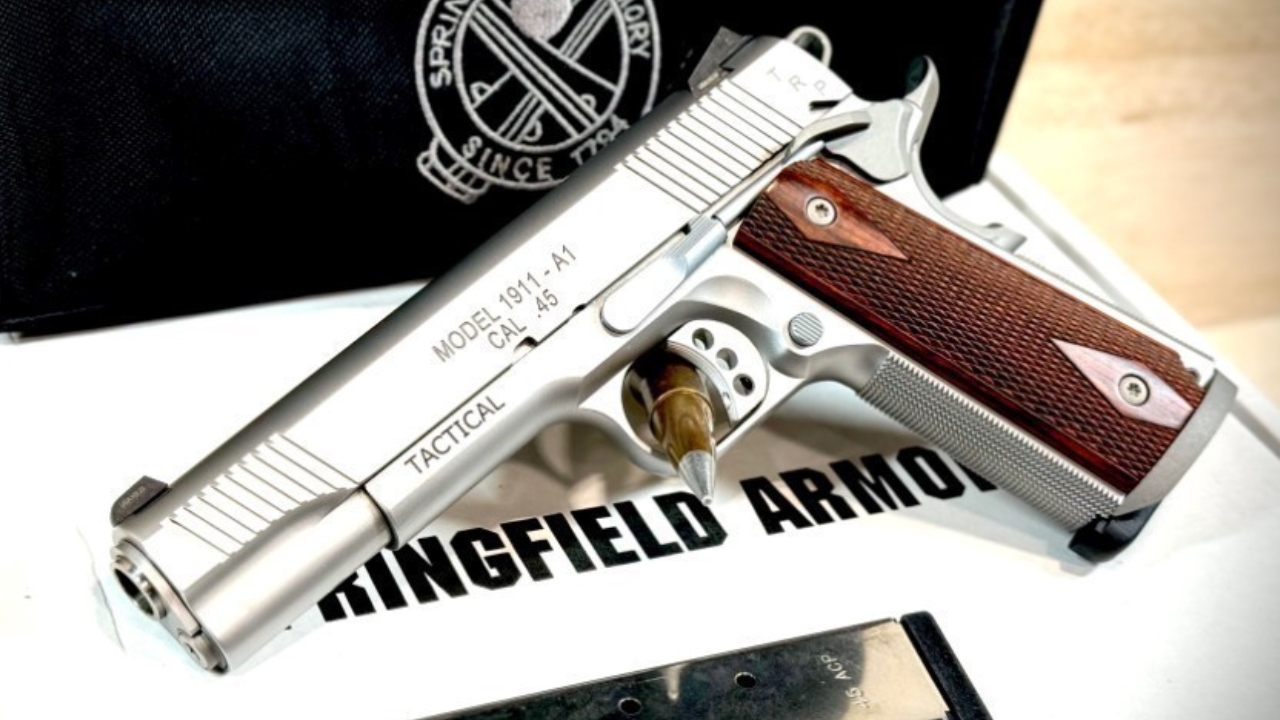
Springfield’s current TRP page says the line draws inspiration from the Professional 1911, and the current TRP Classic page specifically says it was inspired by the Professional 1911 employed by the FBI’s Hostage Rescue Team.
That is one of the biggest reasons the TRP built such a strong reputation. Springfield was not inventing a random premium 1911 concept. It was packaging a pistol around the same hard-use idea that gave the Professional model its following.
3. It was developed as a more accessible version of the FBI-linked Professional concept
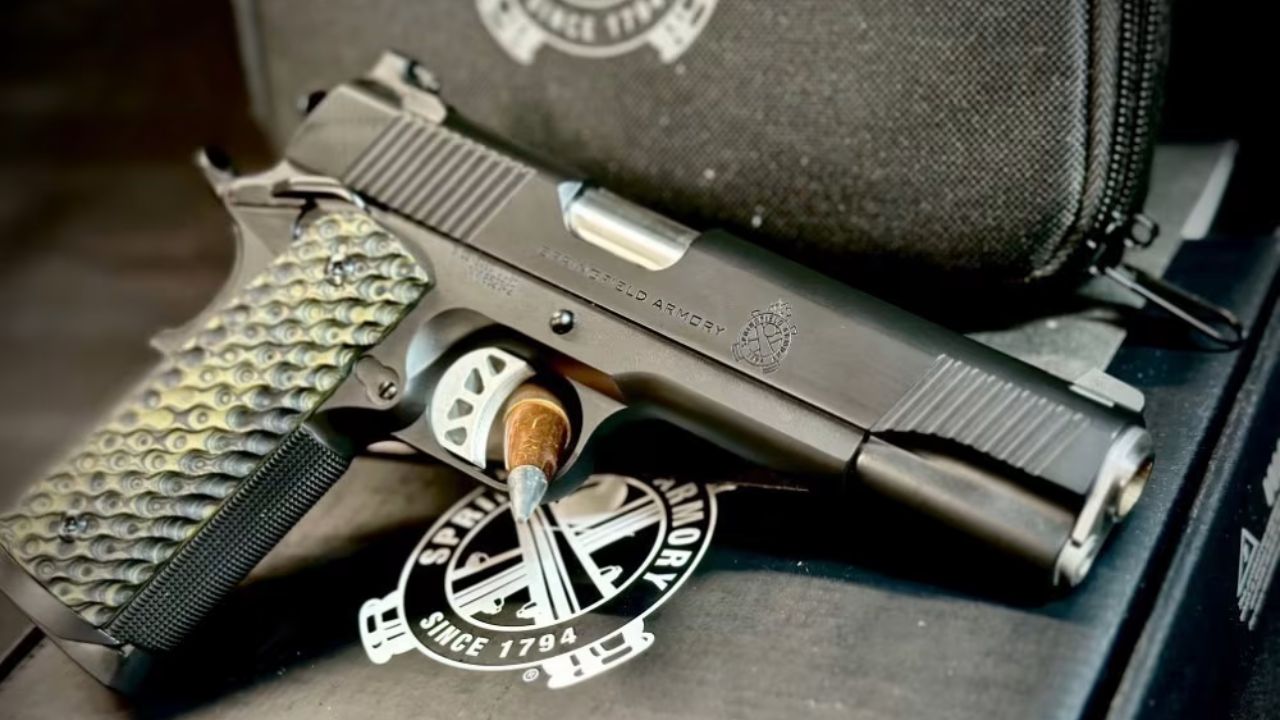
Springfield’s 2024 Tactical Response Pistol press release says the TRP was “originally developed as a consumer-friendly option for the FBI contract Professional Model 1911.”
That matters because it places the TRP in a very specific slot. It was not meant to replace the Professional, but it was clearly meant to let regular buyers get much closer to that concept than a standard production 1911 would.
4. The TRP is hand fit

Springfield’s current TRP family page says TRP pistols undergo meticulous hand fitting, and the TRP Classic product page repeats that they are hand fit for function and beauty.
That is a big part of why the TRP sits above many ordinary production 1911s. Springfield clearly wants the gun understood as something closer to semi-custom territory than basic assembly-line output.
5. The modern TRP line was significantly refreshed in 2023–2024
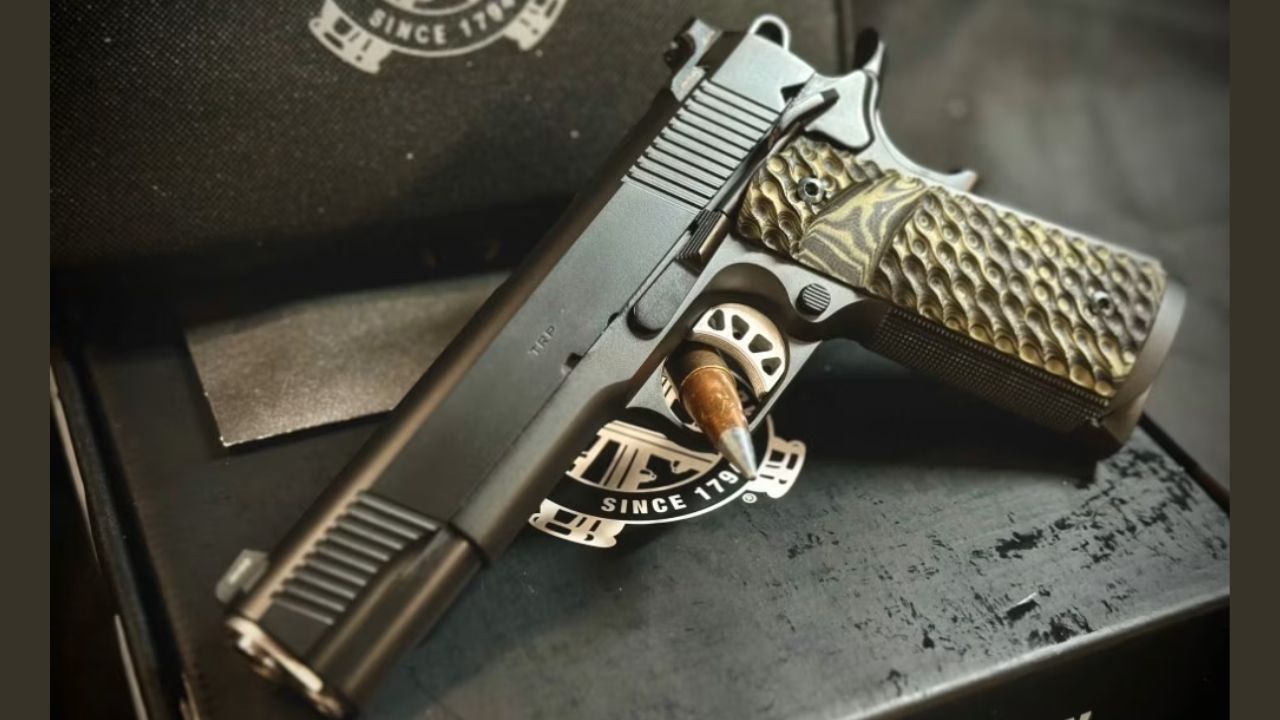
Springfield’s current family page groups the pistols as TRP 2023 Handguns, and American Rifleman’s January 2024 review specifically covered Springfield’s updated TRP 1911s.
That is worth knowing because a lot of shooters still picture the older TRP Operator and full-rail era first. The current TRP lineup is more focused and modernized than many people realize.
6. The current line includes both classic and railed versions
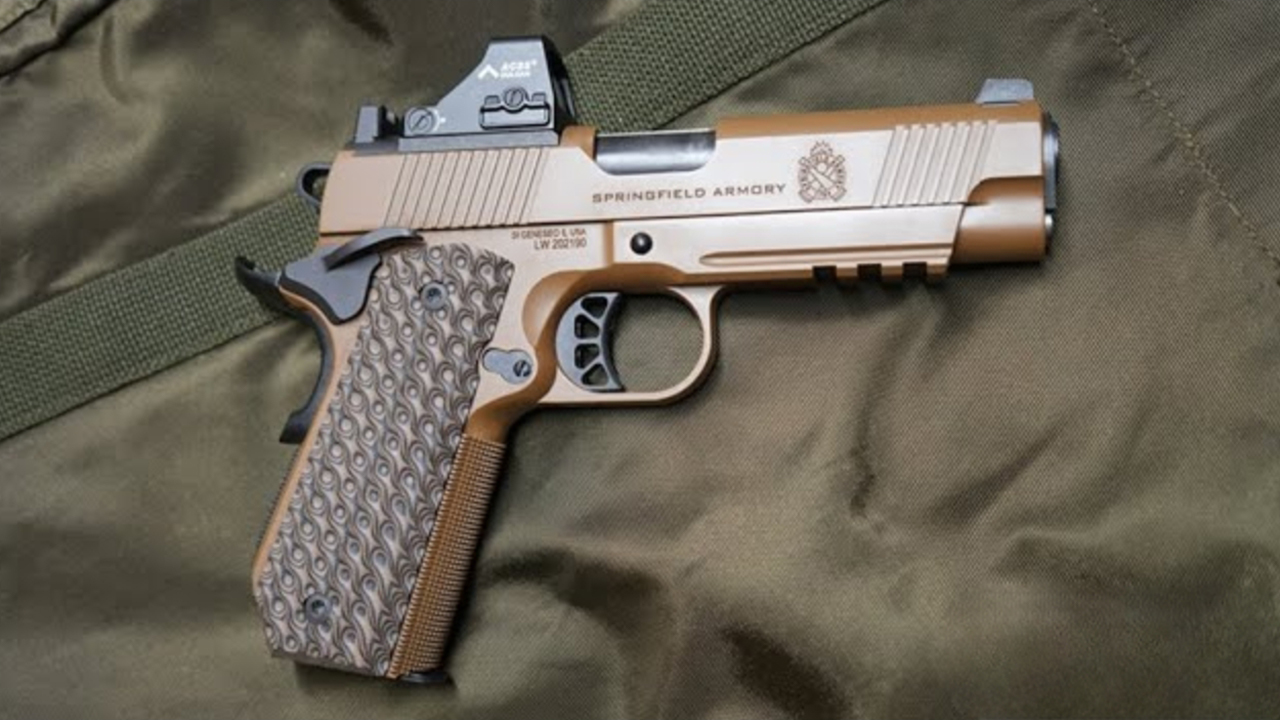
Springfield’s current TRP page says buyers can choose between classic simplicity and light-bearing versatility, and American Rifleman’s 2024 review specifically discussed both the Classic and the Railed TRP.
That matters because Springfield did not force the line into one exact role. The modern TRP can still serve shooters who want a cleaner traditional 1911 profile as well as people who want a weapon-light-capable fighting gun.
7. There is now a 4.25-inch Carry Contour TRP
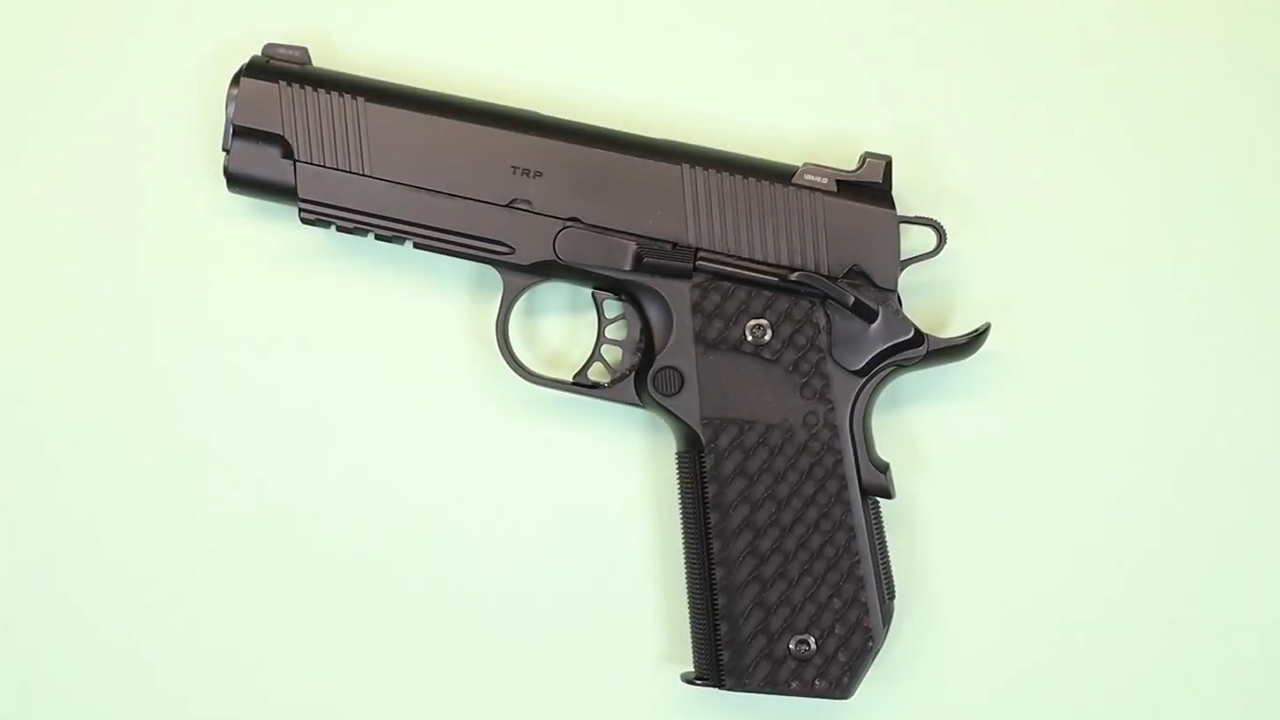
One of the newer twists in the line is the 4.25-inch Carry Contour version. American Rifleman’s 2025 “Gun of the Week” covered the Springfield Armory 1911 TRP 4.25″ CC and praised its smooth running, crisp trigger, and defensive features. Springfield’s family page also mentions a 4.25-inch model with Carry Contour.
That is a meaningful change because it gives the TRP family a more carry-minded branch instead of limiting it to only full-size duty-style guns.
8. The TRP uses 20-LPI checkering

Springfield’s current TRP Classic page says the pistol features 20 lines-per-inch checkering, a detail usually associated with higher-end 1911s.
That may sound like a small spec-sheet detail, but it tells you a lot about the pistol’s intended feel. Springfield was aiming for serious grip purchase and a more premium, hard-use build.
9. Top-slide serrations are part of the package
The TRP Classic page also calls out top slide serrations that help reduce glare and speed sight alignment.
That is another clue that the TRP was built around practical shooting rather than just cosmetic upgrades. Little details like that show Springfield’s emphasis on real handling and sight use.
10. The TRP line expanded into 10mm years ago

Springfield’s 2017 press release announced that the company’s “most elite production 1911” was becoming available in 10mm, with TRP Operator models in both 5-inch and 6-inch form. American Rifleman later reviewed both 5-inch and 6-inch 10mm TRP variants.
That matters because it shows the TRP was never locked only into the traditional .45 ACP lane. Springfield saw enough value in the platform to stretch it into the harder-hitting 10mm world too.
11. Earlier TRP models included full-rail Operator versions
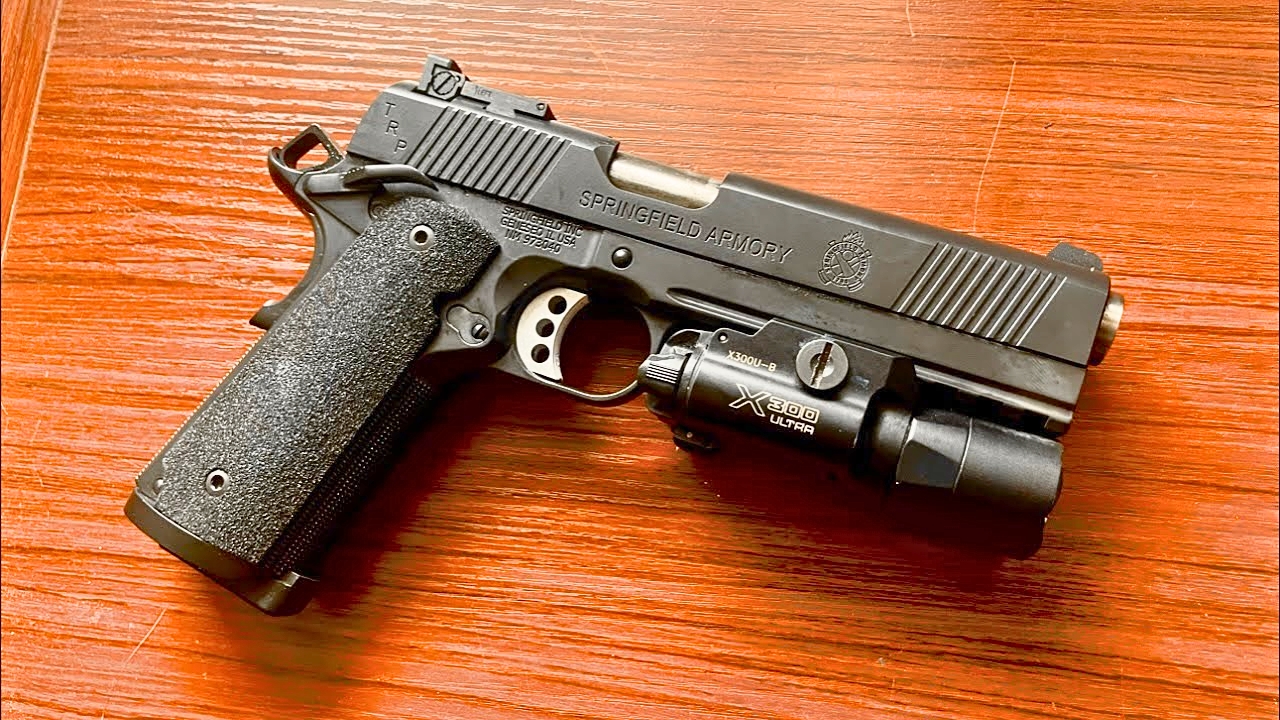
Springfield’s California-compliant product page for the TRP Operator Full Rail describes a full-length Picatinny rail long enough for nearly any accessory and a 5-inch match-grade stainless barrel.
That is worth remembering because for a lot of shooters, the full-rail TRP Operator is still the image that defines the line. It gave the TRP family a very distinctive heavy-duty, tactical look during an earlier phase of its life.
12. Springfield has described the TRP as its most elite production 1911
In its 2017 10mm announcement, Springfield called the TRP its “most elite production 1911.”
That is a strong statement, but it helps clarify where the pistol sits. The TRP was positioned as the top of Springfield’s regular-production 1911 world, just beneath true Custom Shop territory.
13. The updated TRPs were praised as target-accurate despite their duty styling
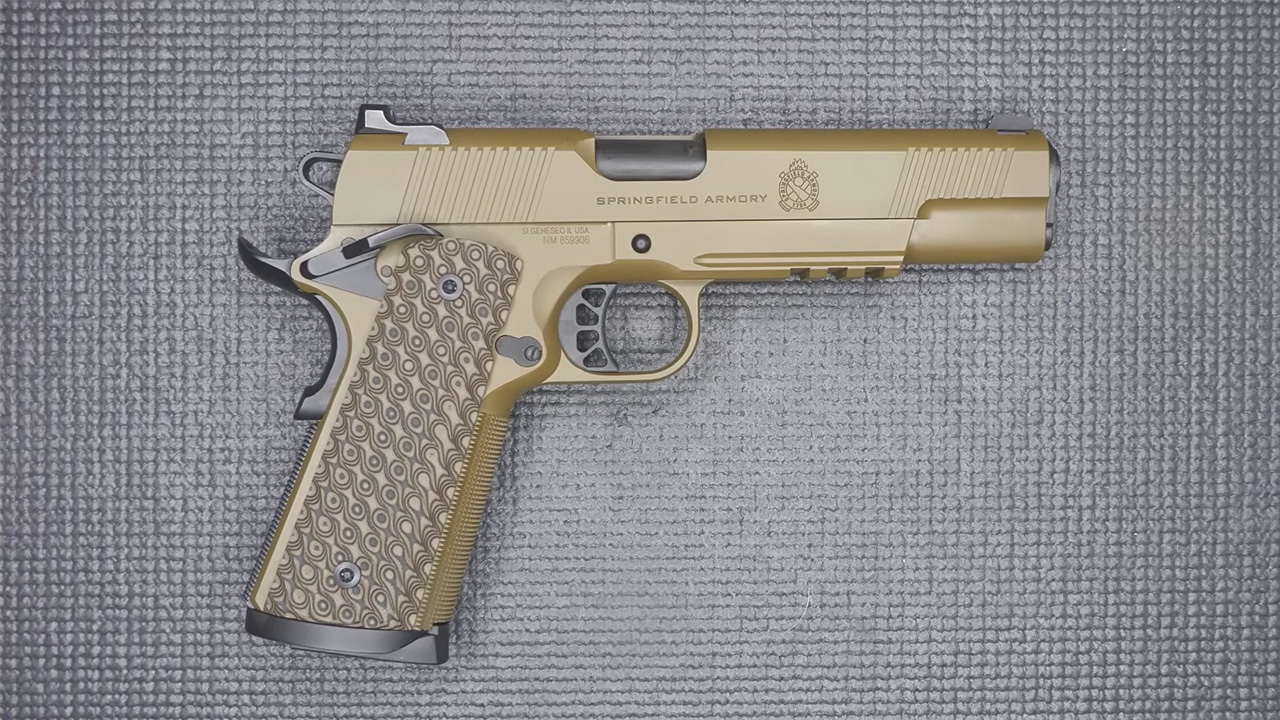
American Rifleman’s 2024 review of Springfield’s updated TRP 1911s said both the Classic and Railed TRP were clearly target pistols under their duty-pistol trim.
That is a useful reminder that the TRP’s appeal is not only about toughness. It also has a real precision-and-shootability side, which is a huge part of why 1911 people tend to take it seriously.
14. The 4.25-inch TRP proved the line was not stuck in one format
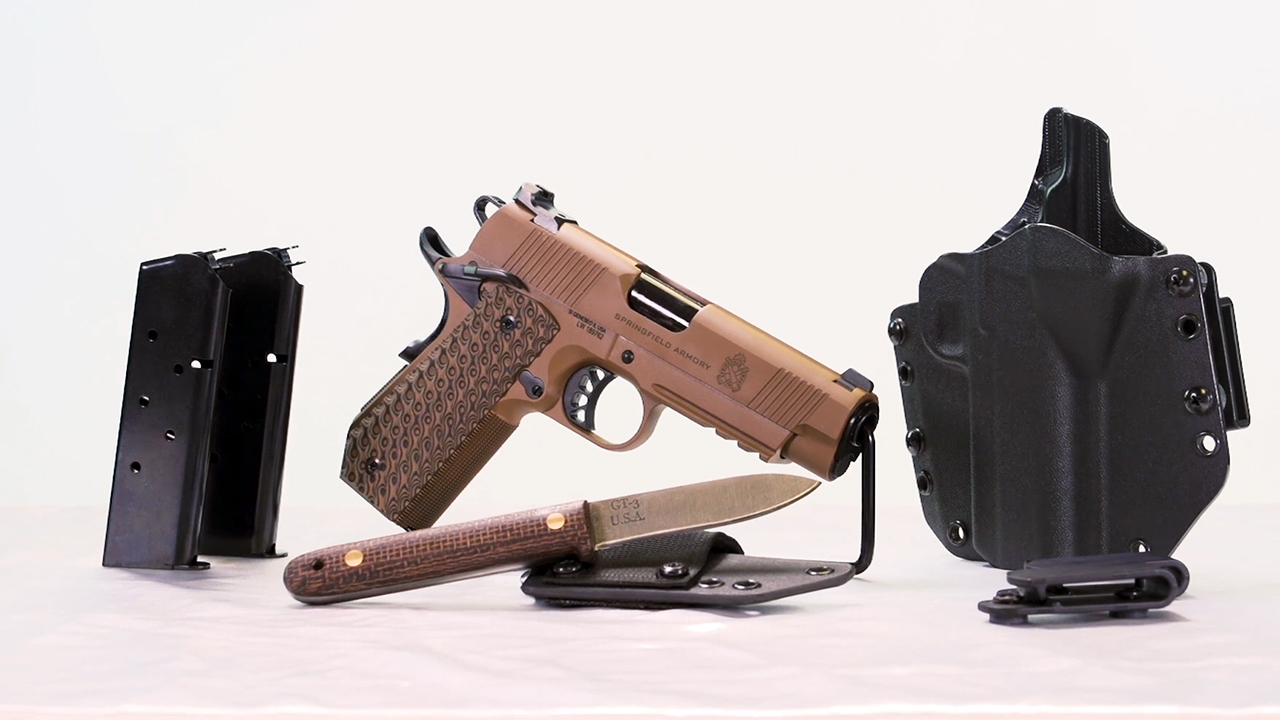
The 2025 American Rifleman review of the 4.25-inch Carry Contour model described a gun that still had the TRP’s build quality, tritium sights, and crisp trigger, but in a more compact package.
That matters because the TRP line has evolved from being “that big tactical Springfield 1911” into a broader family with more than one real use case.
15. The biggest thing most shooters miss is that the TRP sits in the middle ground many 1911 buyers actually want
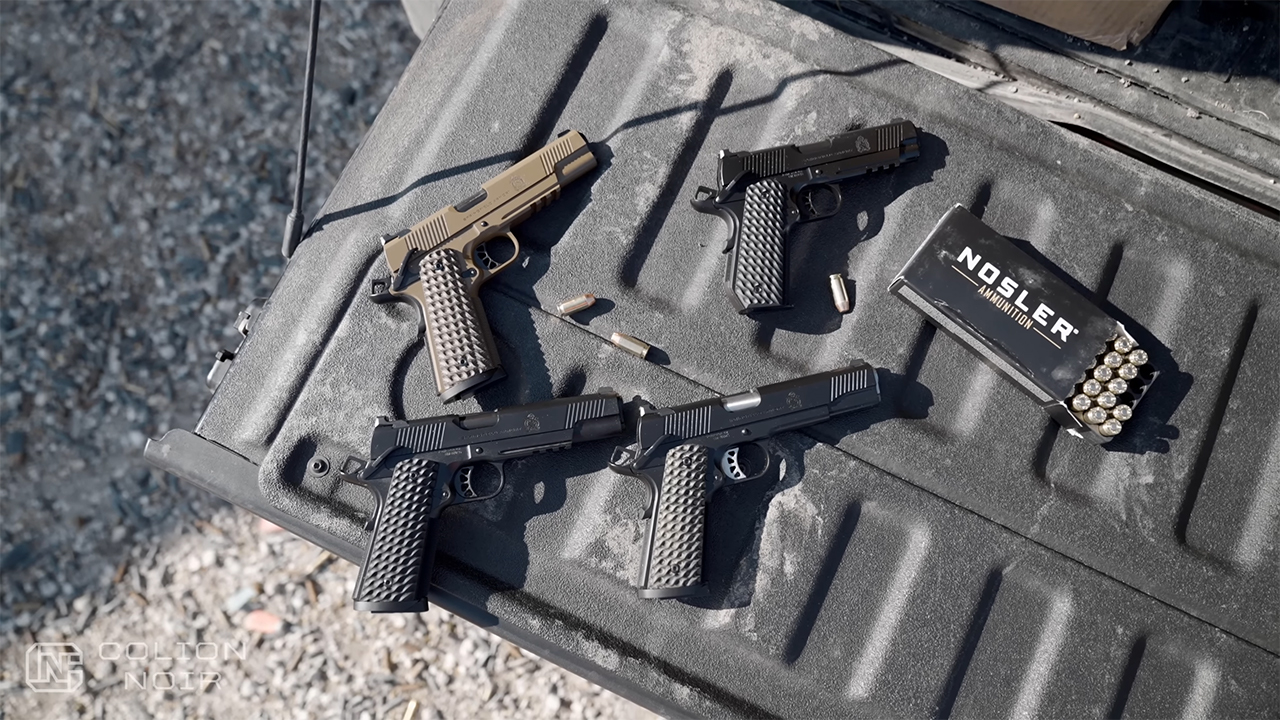
The most interesting thing about the TRP is probably that it was built to bridge a gap: more refined and more serious than a basic production 1911, but more accessible than a full Professional or full custom gun. Springfield’s own language about the Professional inspiration, consumer-friendly development, and hand fitting all points in that direction.
That is why the TRP still matters. It is not just another premium 1911 with a familiar name. It became Springfield’s answer for shooters who wanted a fighting 1911 with real pedigree, but not full Custom Shop cost or wait time.
Like The Avid Outdoorsman’s content? Be sure to follow us.
Here’s more from us:


