Photo credit: The Gun Barracks/Youtube
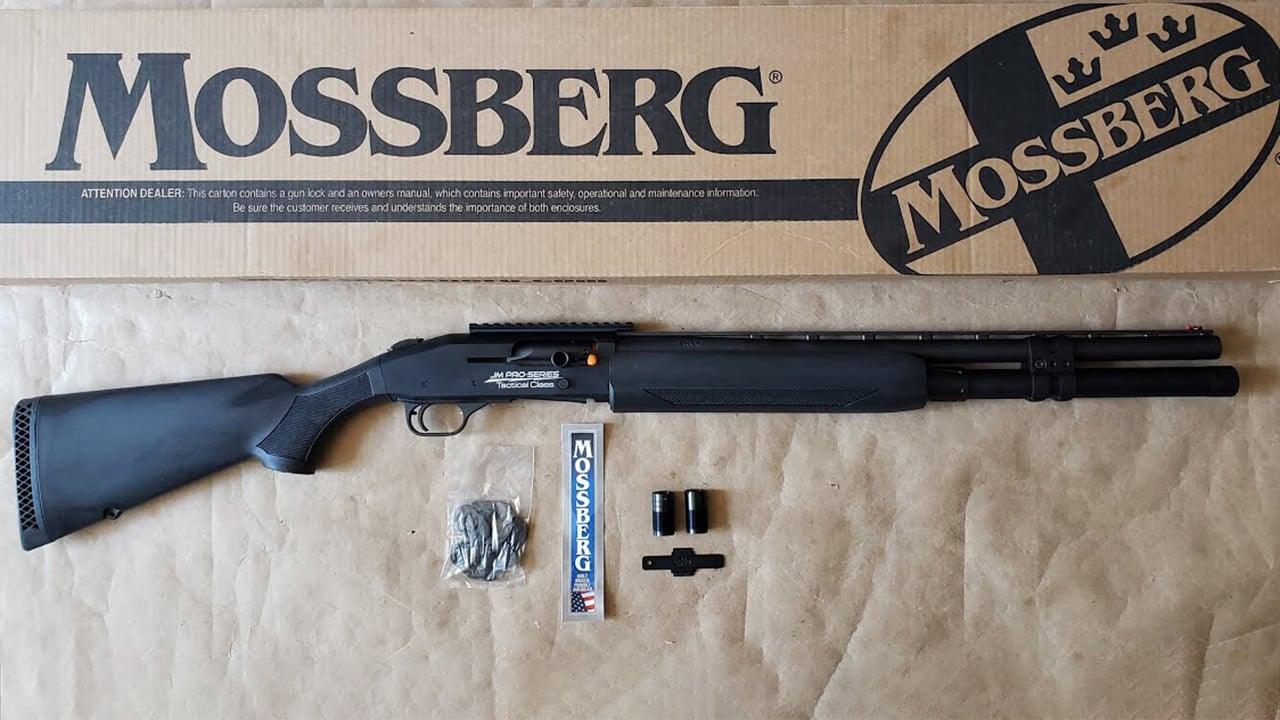
The Mossberg 930 JM Pro is one of those shotguns that a lot of shooters recognize as “Jerry Miculek’s Mossberg,” but that shorthand leaves out a lot. This was not just a standard 930 with a famous name stamped on it. Mossberg and outside coverage both frame it as a competition-focused version of the 930 platform, built around the needs of 3-gun shooters and developed with direct input from Jerry Miculek. Mossberg’s own “Birth of the 930 JM Pro” piece says Jerry recounts how the shotgun was developed and why the 930 became Team Miculek’s gun of choice, while Shooting Illustrated’s 2012 coverage said the JM Pro line was introduced specifically as the company’s Jerry Miculek Pro Series 930 autoloaders.
What makes the 930 JM Pro especially interesting is that it became much more than just a branded competition gun. It helped redefine how people thought about Mossberg semi-autos, and it mattered enough that when Mossberg created the next-generation 940 platform, American Rifleman said the company used the iconic 930 JM Pro as the starting point for the redesign. That gives the 930 JM Pro a bigger place in shotgun history than a lot of shooters realize.
1. The JM Pro was built around Jerry Miculek’s input
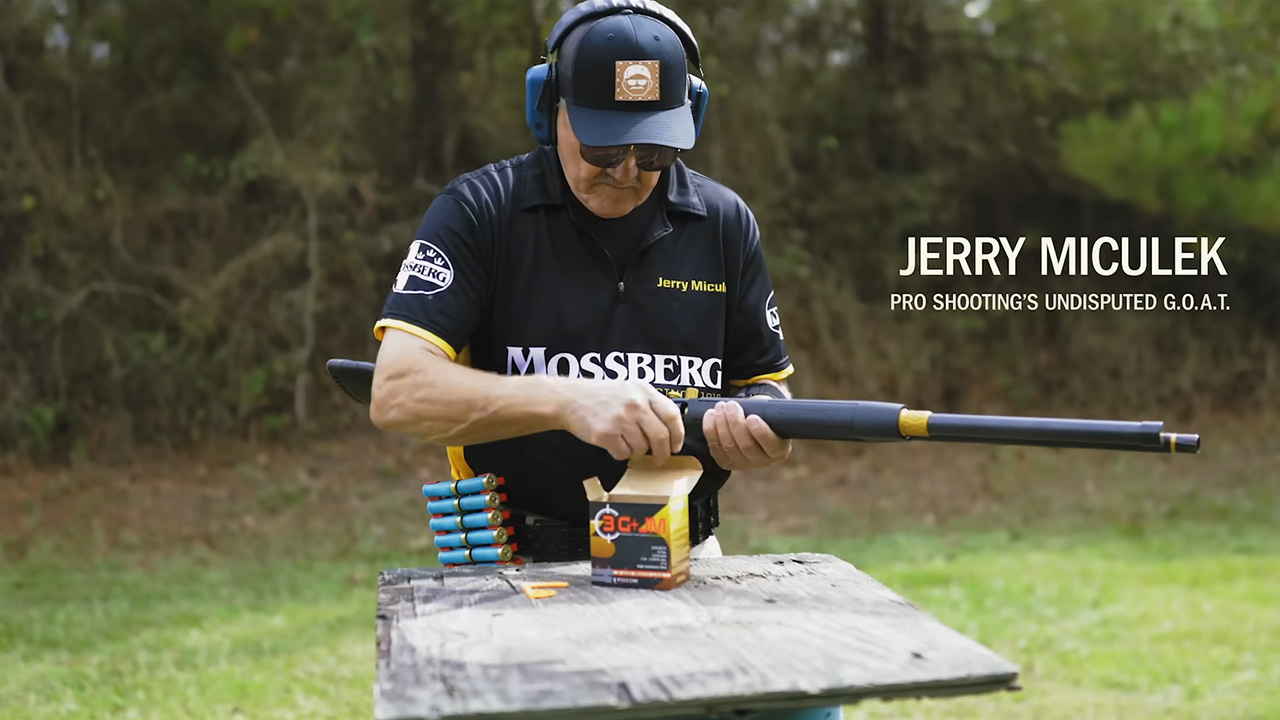
The “JM” in the name is not honorary fluff. Shooting Illustrated’s launch coverage says the gun was introduced as the Jerry Miculek Pro Series 930 autoloader, and Mossberg’s own “Birth of the 930 JM Pro” feature says Jerry himself recounts how the shotgun was developed.
That matters because the JM Pro was not just a celebrity tie-in. It was built with real competition input from one of the most recognizable speed shooters in the world.
2. It was introduced in 2012
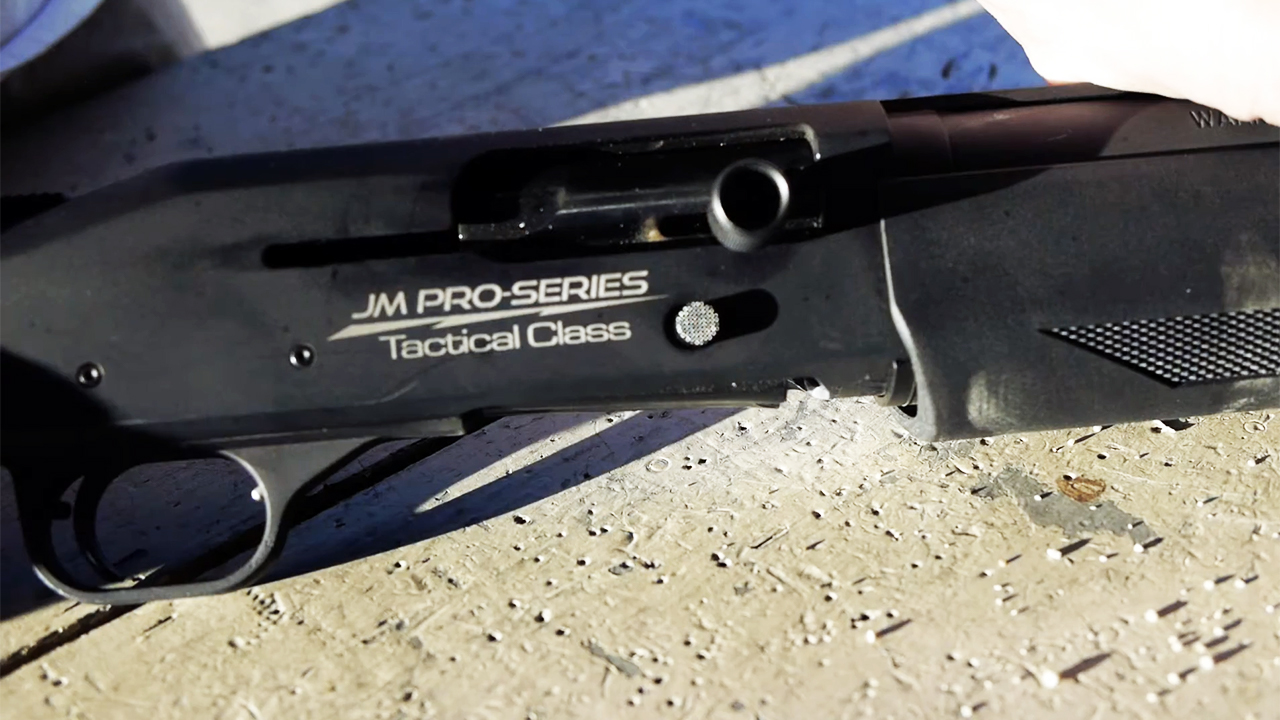
A lot of shooters think the 930 JM Pro has been around forever, but Shooting Illustrated’s announcement is dated January 31, 2012, when Mossberg introduced the Jerry Miculek Pro Series 930 autoloaders.
That timing matters because it put the gun right into the rise of modern 3-gun popularity, when purpose-built competition shotguns were becoming much more visible and desirable. That second point is an inference from the launch timing and the gun’s competition framing.
3. It started as a competition gun, not a field gun
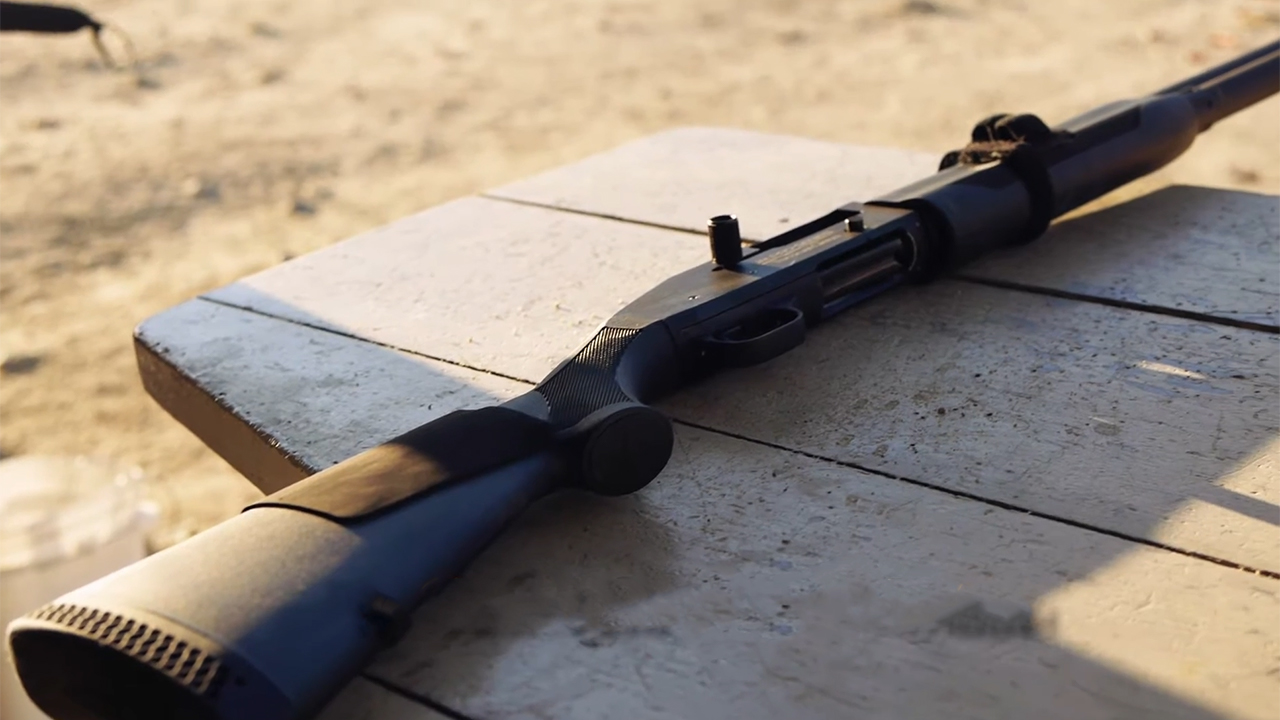
The JM Pro’s reason for existing was 3-gun and practical competition. Shooting Illustrated said the line was built around performance-enhancing features aimed at competition, and a later review described it as an entry-level shotgun for practical shooting matches.
That is a big part of why the gun stood out. Mossberg was not merely dressing up a hunting auto with a longer tube and hoping competitors would bite. It was marketing the JM Pro squarely at match shooters.
4. It is built on the standard 930 gas-operated action
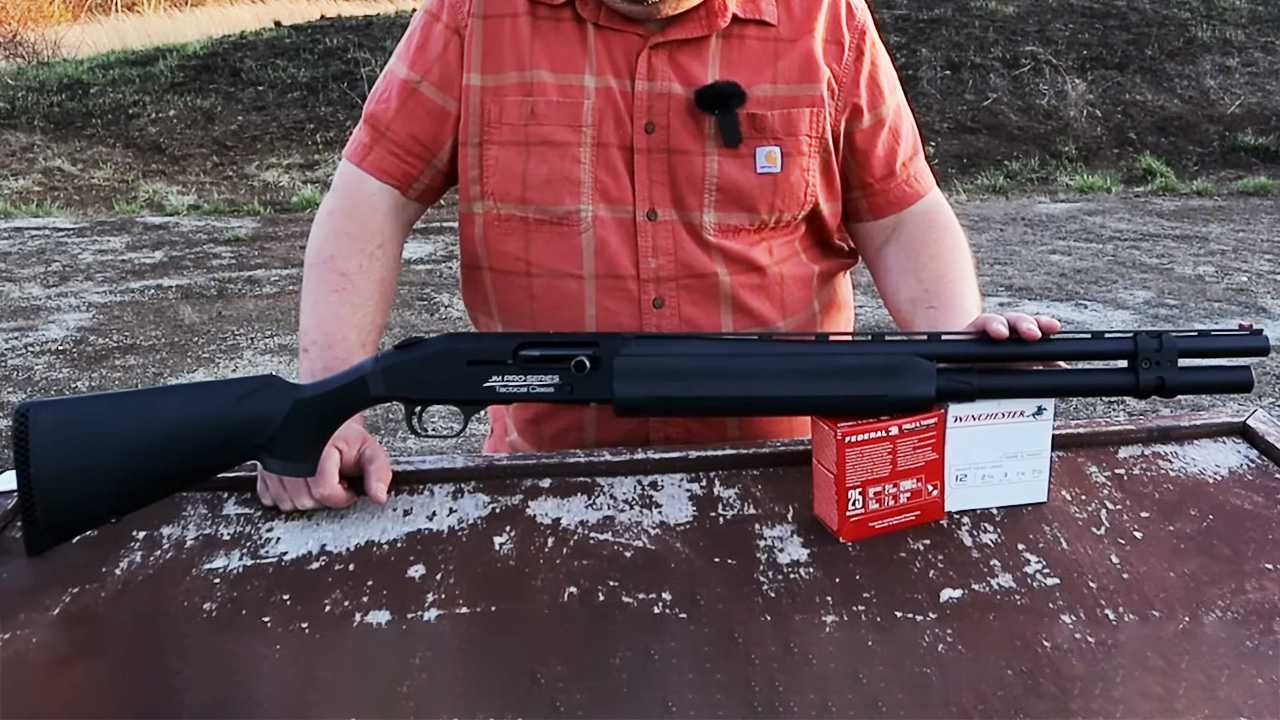
At its core, the JM Pro is still a 930. The general 930 reference page describes the Mossberg 930 as a gas-operated 12-gauge semi-auto, and multiple reviews of the JM Pro describe it as a dressed-up or competition-oriented version of that standard platform.
That matters because the JM Pro did not reinvent Mossberg’s semi-auto system. It took the company’s existing autoloader and optimized it for speed and competition handling. That optimization point is an inference grounded in the cited platform relationship.
5. One of its biggest upgrades was a beveled loading port
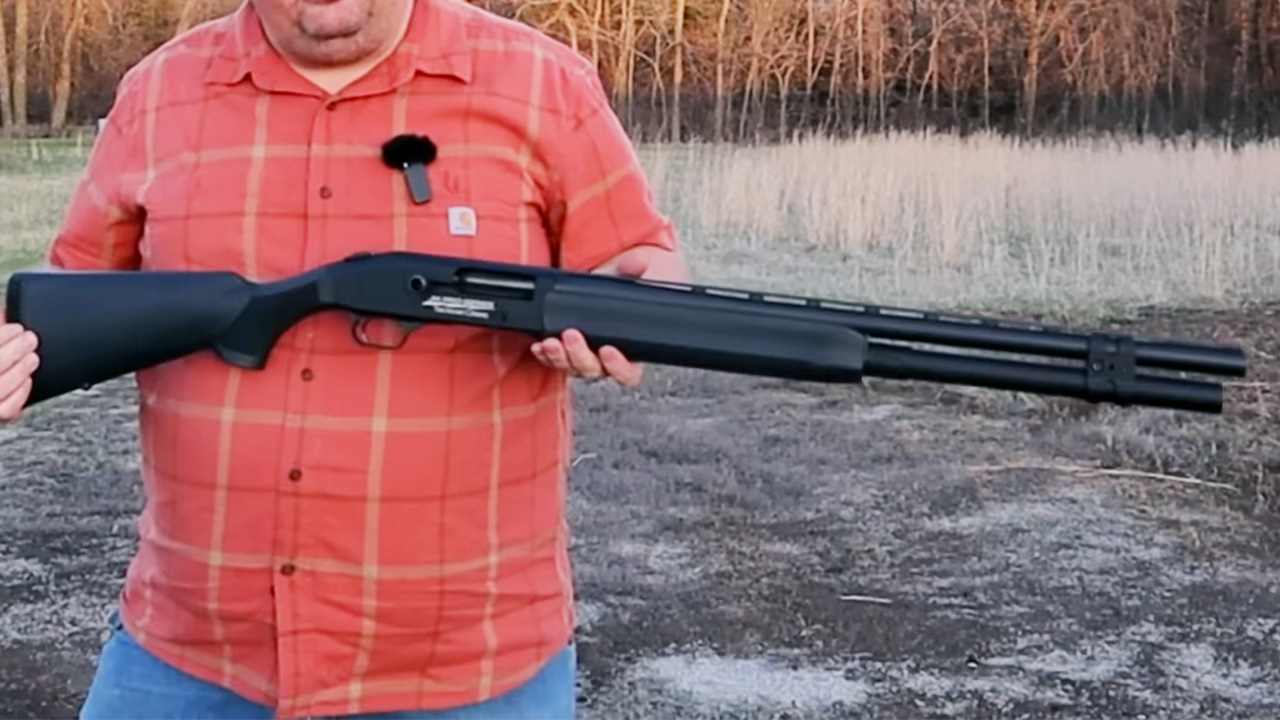
Loading speed matters a lot in competition, and the JM Pro reflected that. Guns Magazine says Mossberg greatly improved the loading gate area on the Pro Series for faster reloads by beveling the receiver around the loading port and lightening the loading-gate spring. Shooting Illustrated’s launch piece also mentions a chamfered loading-port opening.
That is one of the clearest tells that this was a match gun first. Competition shooters often pay gunsmiths to do exactly that kind of loading-port work, and Mossberg was building some of it in from the factory.
6. It shipped with an oversized bolt handle
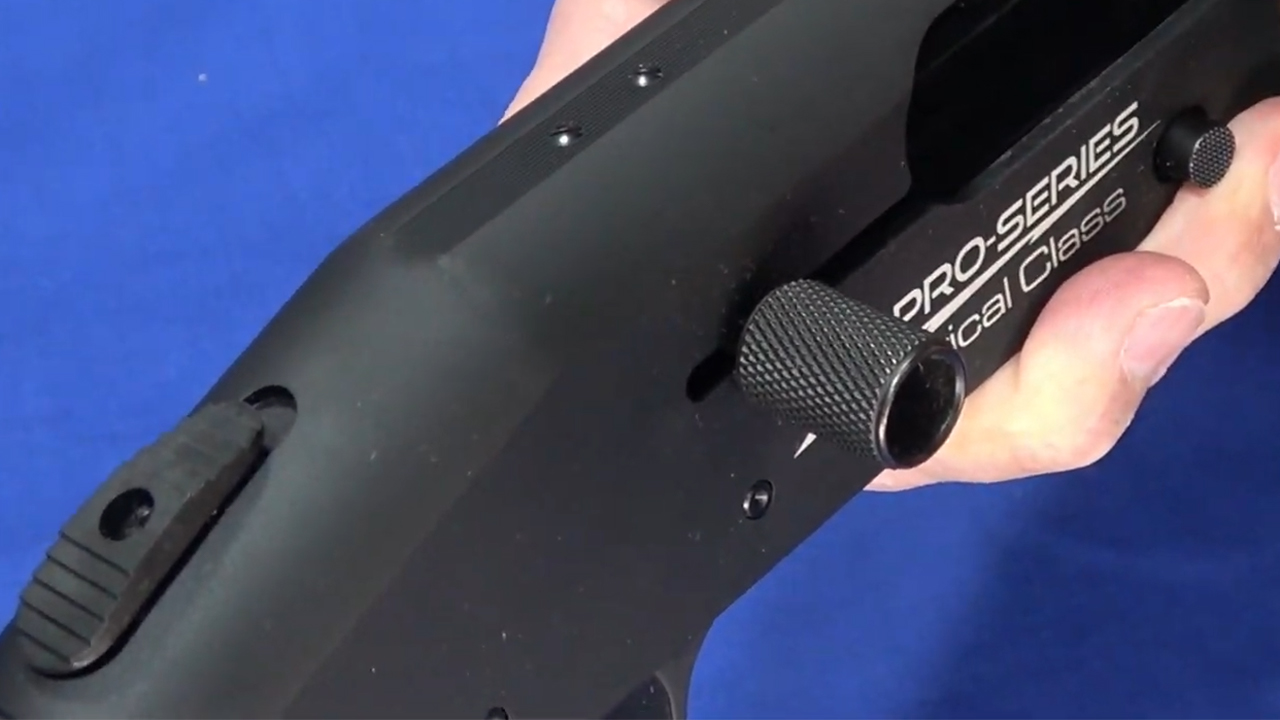
Shooting Illustrated says the JM Pro included an extended tactical bolt handle as part of the Pro Series package.
That sounds like a little thing until you think about running a shotgun fast under match pressure. Oversized controls make a big difference when you are trying to clear malfunctions or chamber quickly without fumbling. That practical conclusion is an inference grounded in the feature’s purpose.
7. It also had an oversized safety button
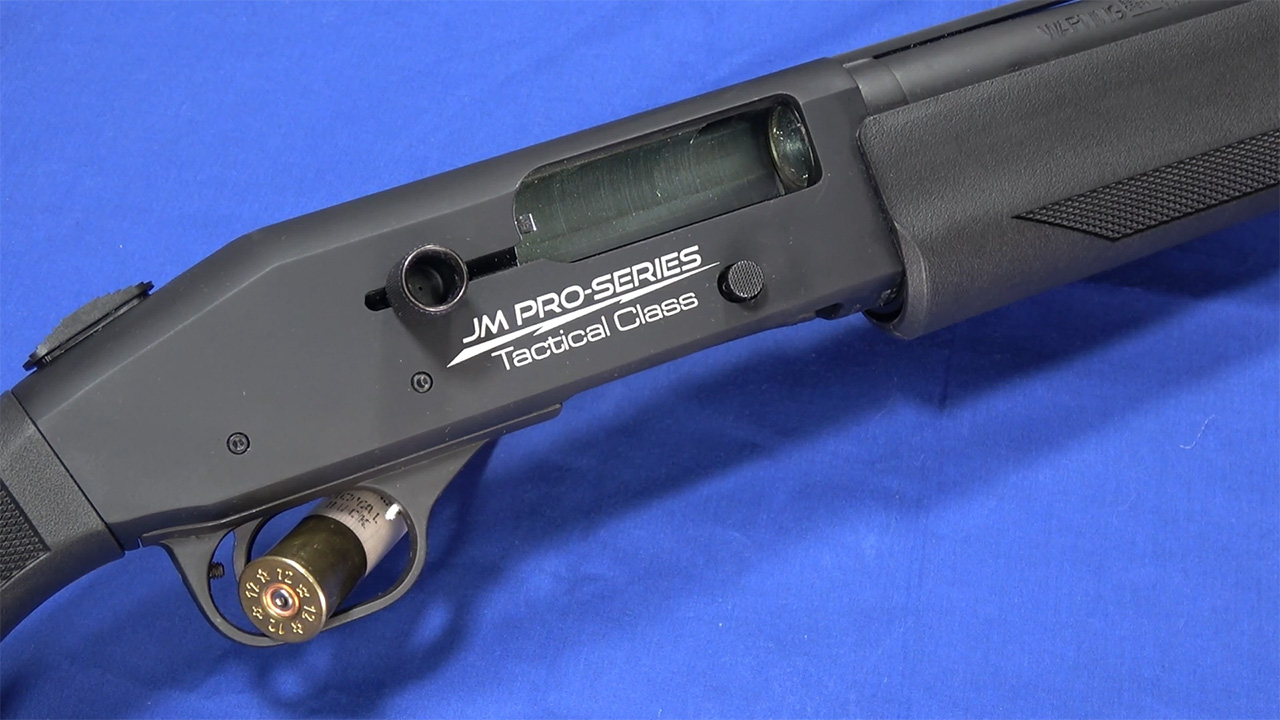
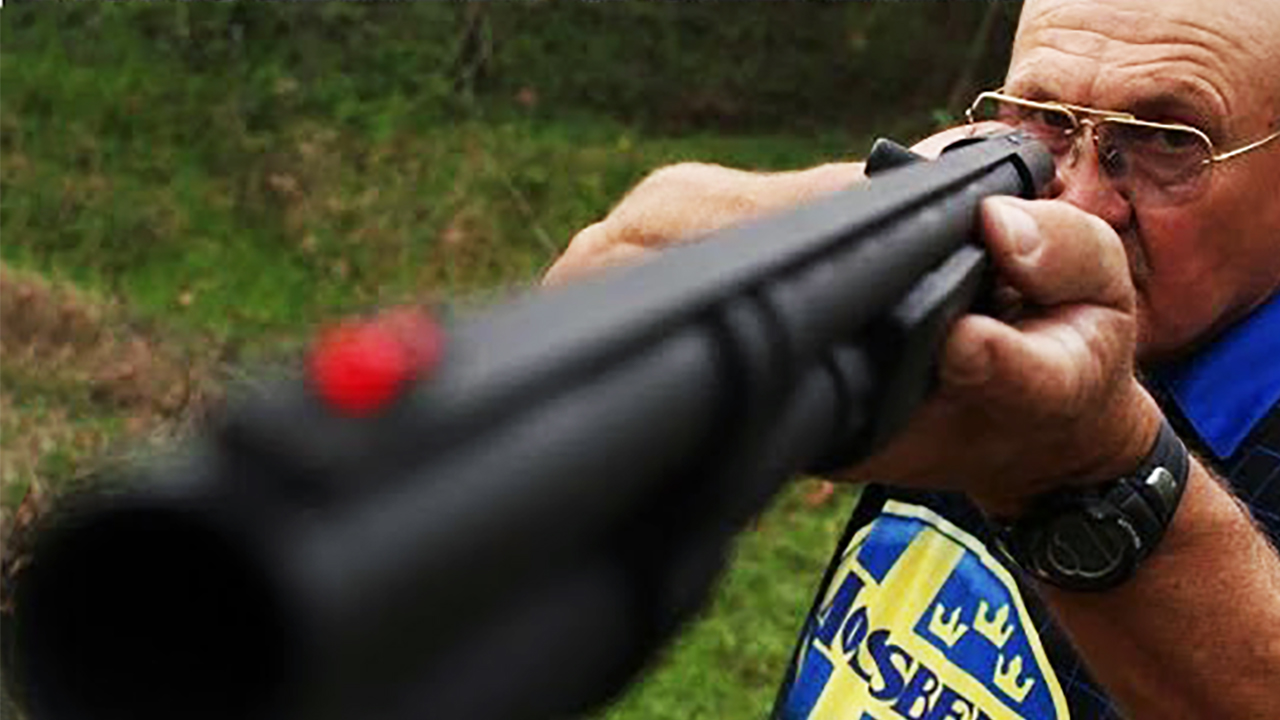
That same Shooting Illustrated launch piece says the JM Pro used an oversized safety button.
That fits the whole concept perfectly. The JM Pro was meant to be manipulated quickly and confidently, not just admired as a branded version of the 930. That second point is an inference from the competition-focused feature list.
8. The 10-shot Tactical Class version used a 24-inch barrel and an extended magazine tube
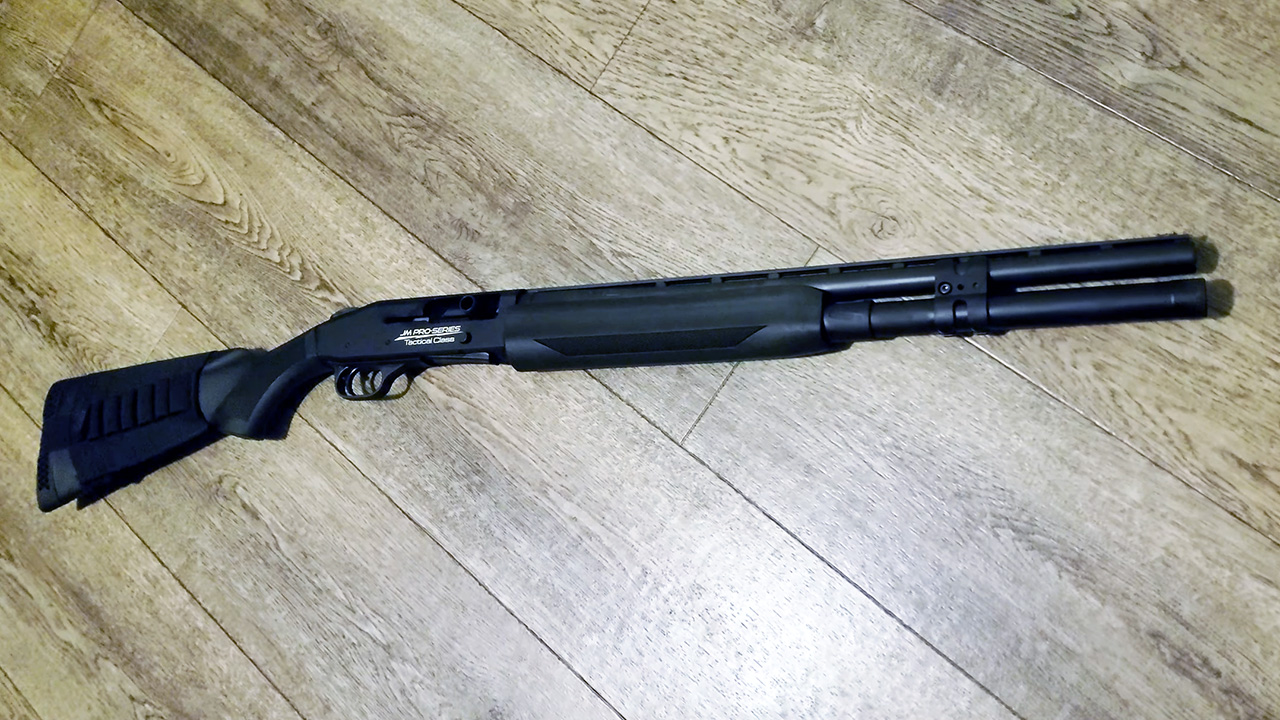
Shooting Illustrated said the 10-Shot Tactical Class version had a 24-inch non-ported vent-rib barrel, a red fiber-optic front sight, and an extended 9-shot magazine tube. Cabela’s product page also described the JM Pro as coming equipped with a fiber-optic front sight and an Accu-Set of choke tubes.
That package tells you exactly what match lane Mossberg was chasing: high shell count, fast sight pickup, and practical competition-ready dimensions. That interpretation is an inference grounded in the cited competition-specific configuration.
9. It was pitched as a cost-effective 3-gun-ready shotgun
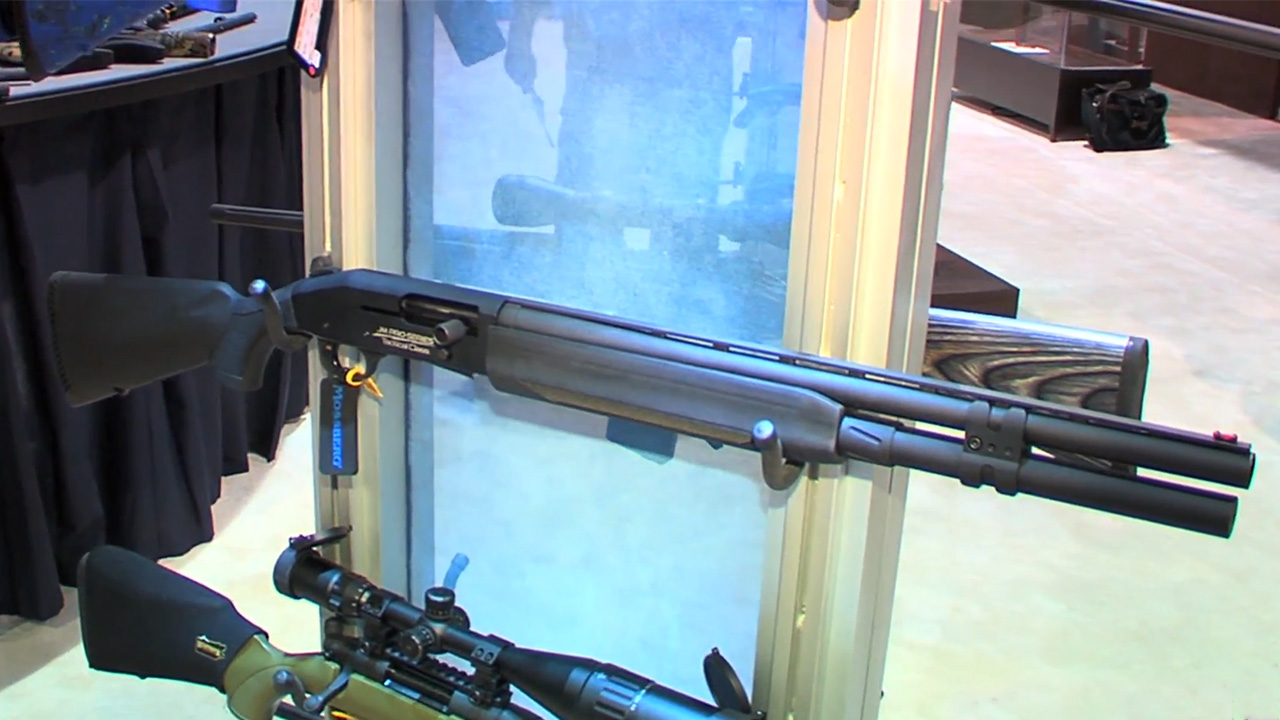
A review from 2014 says Mossberg approached Miculek to help develop a cost-effective 3-gun-ready shotgun that would run out of the box, using the standard 930 as a base because of its lower cost and soft-shooting gas system.
That matters because affordability was part of the gun’s appeal from the beginning. The JM Pro was not supposed to be a boutique race gun for a tiny crowd. It was supposed to be an accessible competition auto.
10. Reviews consistently described it as versatile, reliable, and affordable
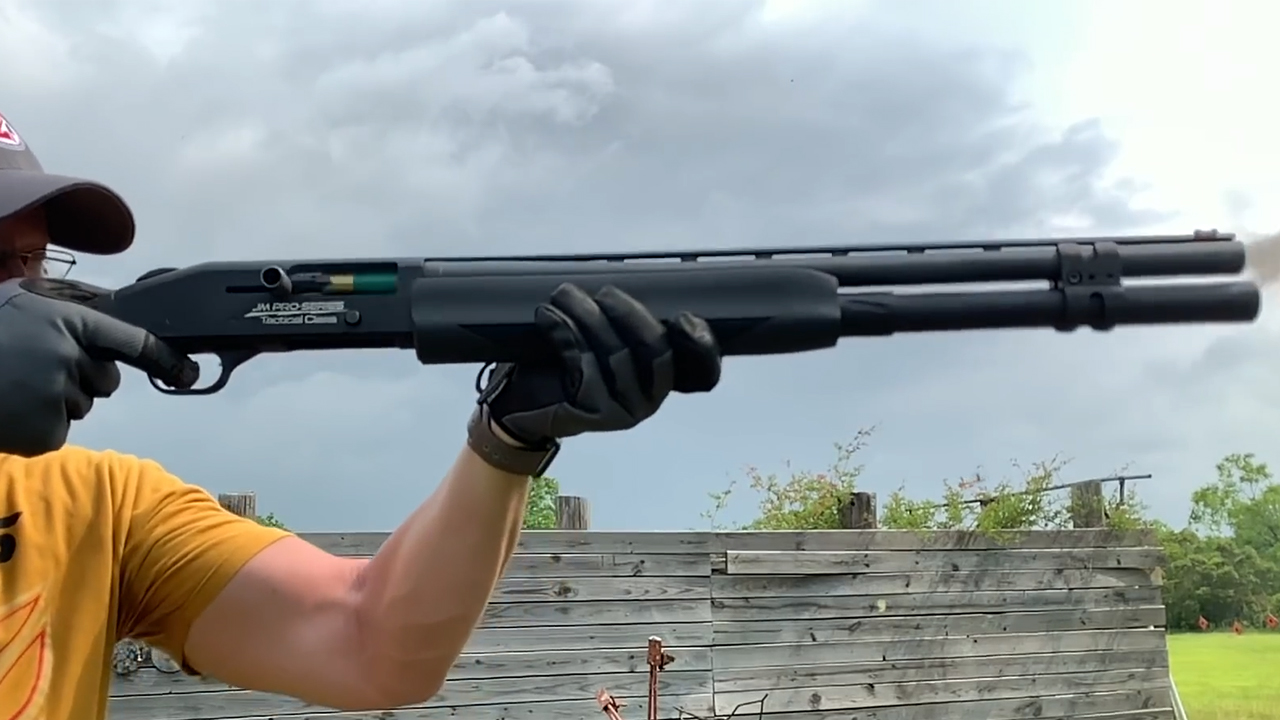
Shooting Times called the 930 JM Pro versatile, reliable, and affordable, and described it as part of the continuing evolution of quality Mossberg shotguns.
That is a good summary of why the shotgun built a following. The JM Pro was not only about speed-guy branding. It actually landed as a useful, well-priced semi-auto that many shooters felt they could trust.
11. Barrel swapping was not as simple as some shooters assumed
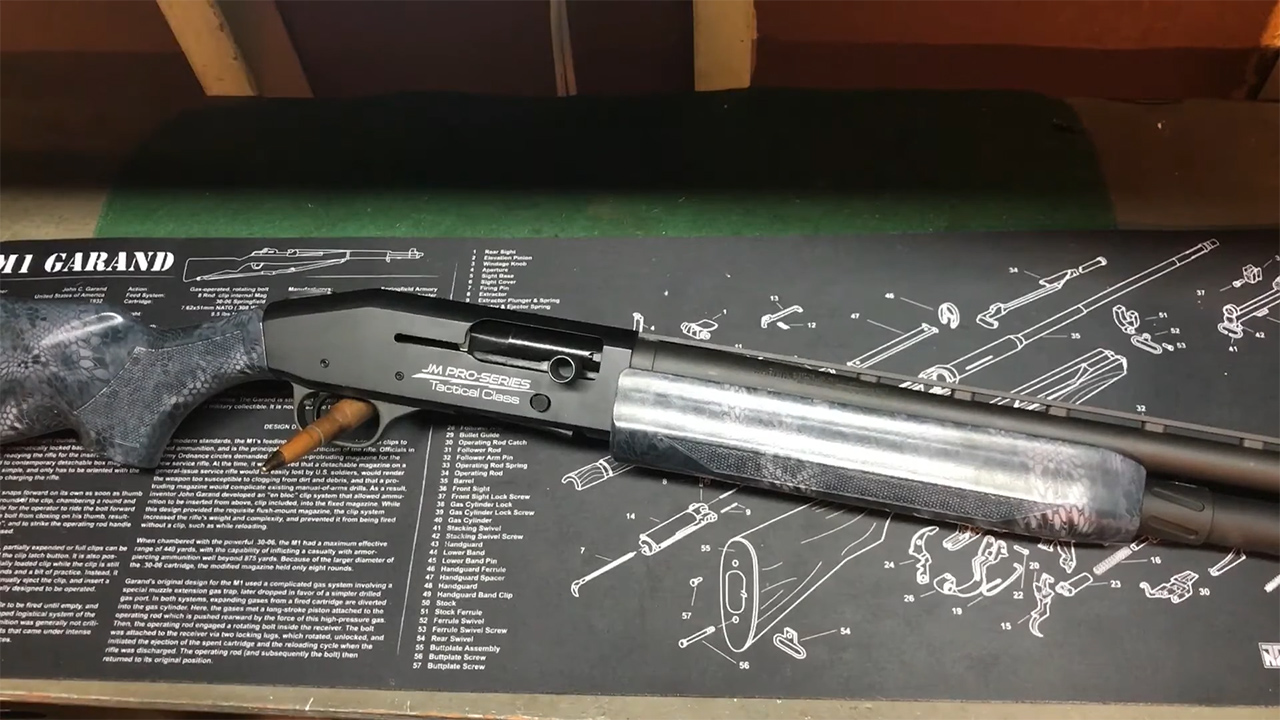
One of the more surprising practical notes comes from Shooting Times, which warned that barrel switching on the 930 JM Pro was not recommended as a casual swap because it required additional parts and made the process impractical.
That is worth knowing because people often assume semi-auto shotguns are all modular in the same easy way. The JM Pro was more specialized than that, which is part of what made it feel like a dedicated competition gun rather than a one-gun-does-everything solution. That specialization point is an inference grounded in the cited barrel-swapping warning.
12. Team Miculek’s success helped build the gun’s reputation
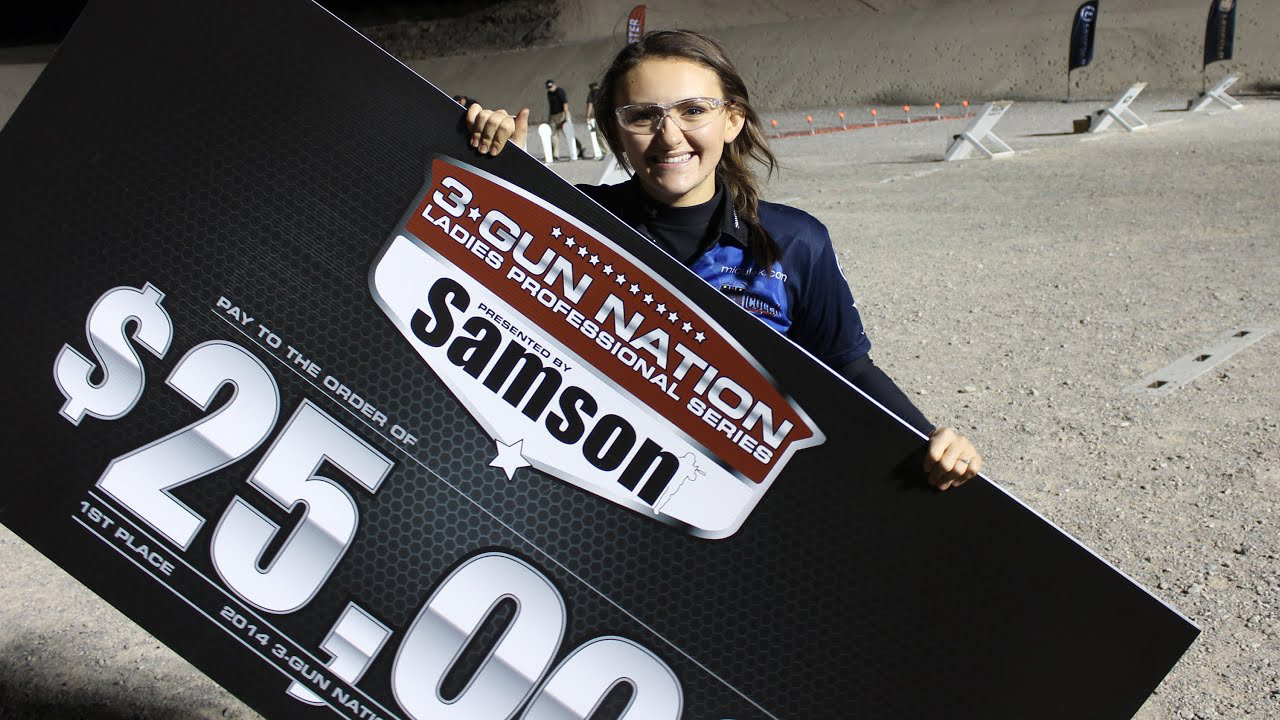
Mossberg’s own “Birth of the 930 JM Pro” piece says the 930 became Team Miculek’s gun of choice, and American Rifleman’s 2013 piece on Lena Miculek’s 3-Gun Nation Lady Championship specifically ties Jerry Miculek’s Mossberg collaboration to the development of the 930 JM Pro Signature Series.
That gave the shotgun something stronger than ordinary marketing. It had visible credibility in the exact world it was built for. That conclusion is an inference grounded in the Team Miculek association and competition coverage.
13. The 930 JM Pro directly influenced the Mossberg 940
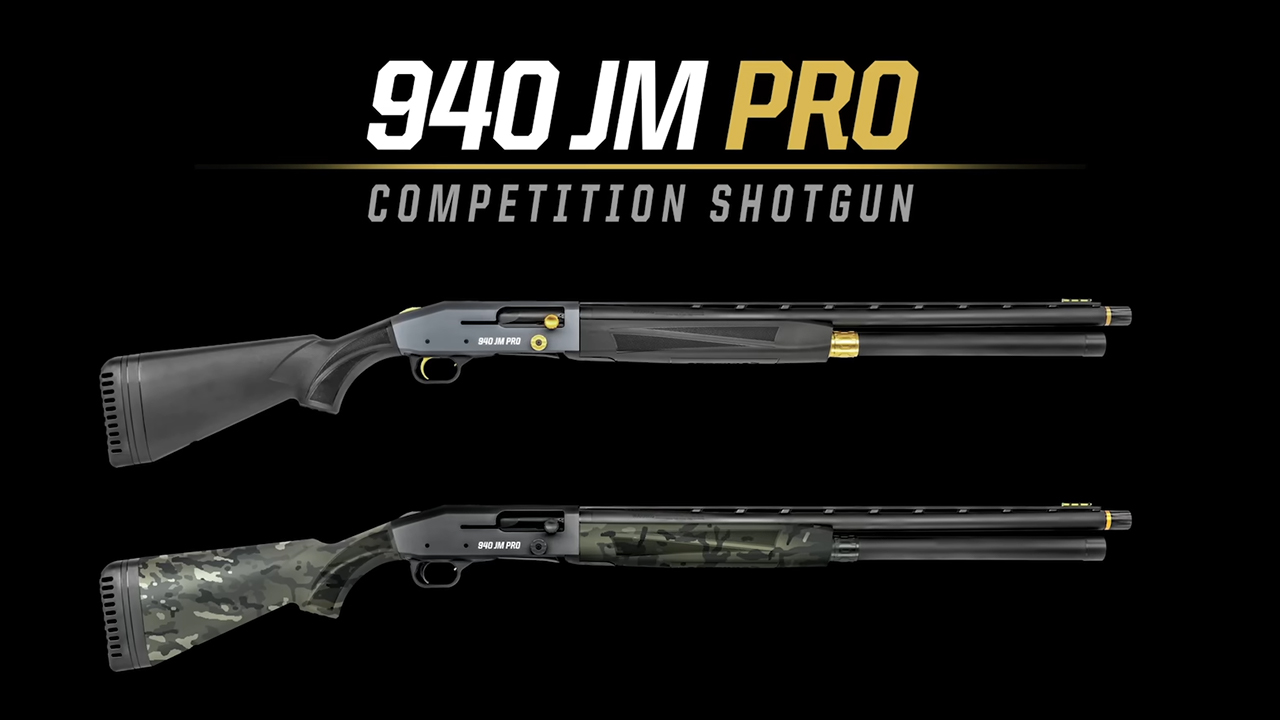
This is one of the biggest historical facts about the gun. American Rifleman’s 2020 coverage of the 940 launch says Mossberg engineers worked with Jerry and Lena Miculek and used the iconic 930 JM Pro as the baseline to redesign the gas system, loading port, sights, point-of-aim/point-of-impact consistency, and overall fit and function.
That means the JM Pro mattered far beyond its own sales. It became the foundation Mossberg built on when creating its next-generation flagship competition semi-auto.
14. The JM Pro helped prove Mossberg could compete seriously in the 3-gun world
Before the JM Pro, a lot of shooters did not naturally think of Mossberg as a brand with a signature 3-gun semi-auto. The combination of Mossberg’s own coverage, the Miculek collaboration, and later 940 development makes it pretty clear the JM Pro changed that.
That is a bigger legacy than people sometimes give it credit for. The JM Pro was one of the guns that helped push Mossberg’s semi-auto identity beyond field and home-defense roles and into serious competition culture. That final sentence is an inference grounded in the cited development and team-competition links.
15. Its biggest legacy is that it turned the ordinary 930 into a true competition platform
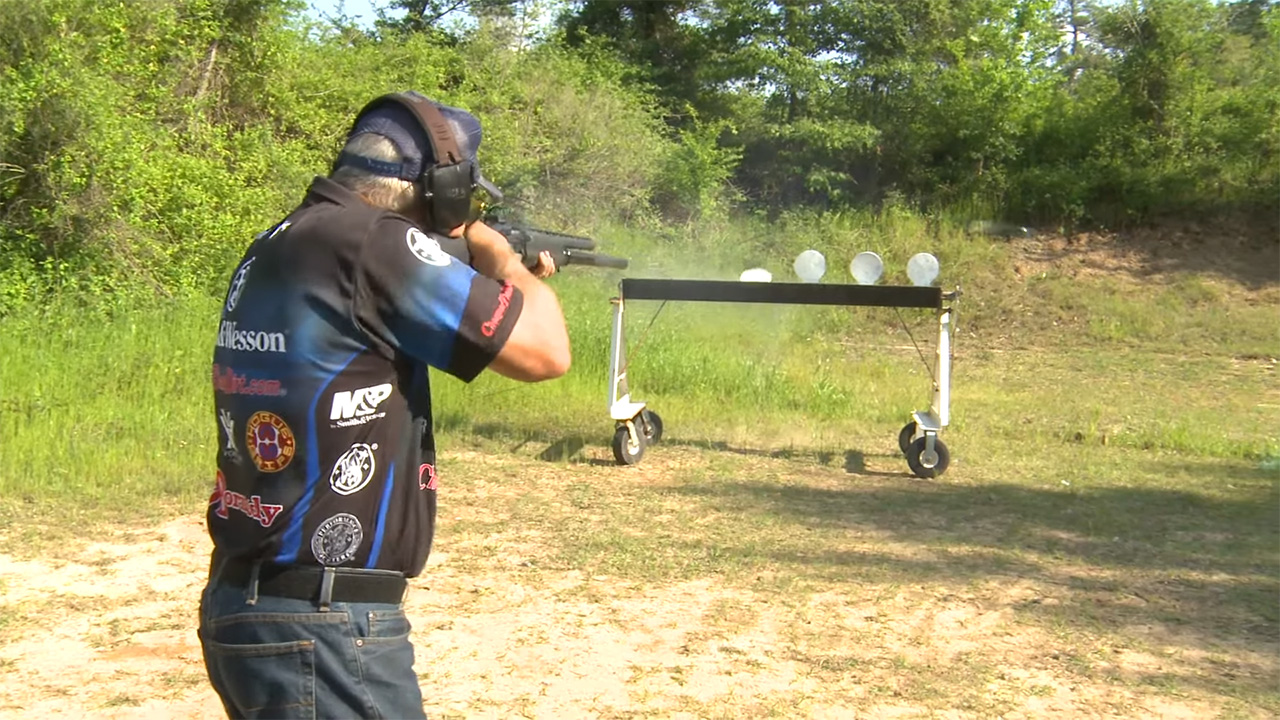
The most interesting thing about the 930 JM Pro is that it took an already solid gas-operated Mossberg semi-auto and transformed it into a real factory 3-gun option with speed-minded loading changes, oversized controls, extended capacity, and direct input from the most famous competition shooter tied to the platform. That is clear from Mossberg’s own development story and the launch coverage.
That is why the JM Pro still matters. It was not just a signature model. It was the shotgun that bridged Mossberg’s 930 into the modern competition era and set the table for the 940 that followed.
Like The Avid Outdoorsman’s content? Be sure to follow us.
Here’s more from us: