

Photo credit: GunBroker
The Winchester Model 70 is one of those rifles that gets talked about like everybody already knows the story. “Rifleman’s Rifle.” Controlled-round feed. Pre-64. Jack O’Connor. End of discussion. But the Model 70’s actual history is a lot richer than the usual shorthand. It was introduced in 1936 as the successor to the Model 54, later went through the hugely controversial 1964 redesign, and today still carries a reputation strong enough that Winchester continues to build the name around that legacy. Winchester’s own history page says the Model 70 was introduced in 1936, and American Rifleman has called it one of the most beloved and most often discussed bolt-action sporting rifles in U.S. history.
What makes the Model 70 interesting is that it did not become famous for just one reason. It won over hunters because of handling, safety design, feeding system, chamberings, and sheer timing. Then it stayed famous because one big production change created a line in the sand between “pre-64” and “post-64” that collectors and hunters still talk about like it happened yesterday. Here are 15 little-known facts about the Winchester Model 70 that a lot of shooters never really hear spelled out.
It was introduced in 1936, but it was really an improved Model 54
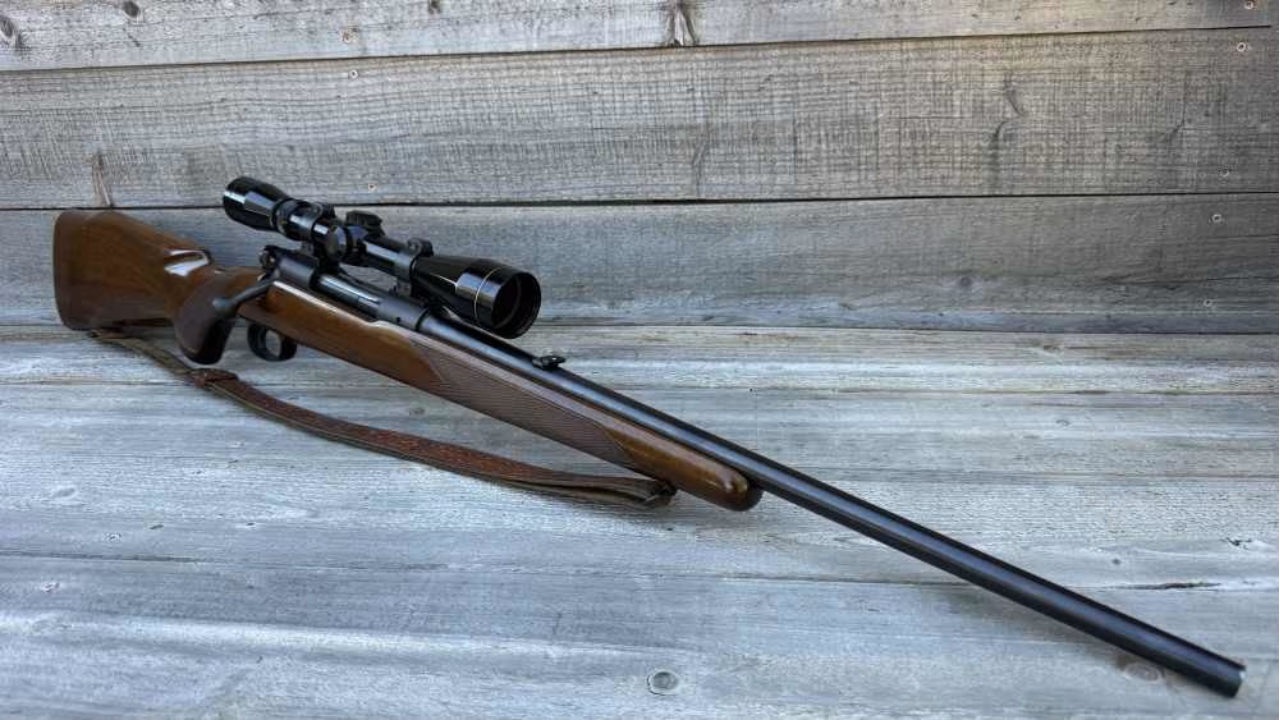
A lot of people treat the Model 70 like it arrived as a totally fresh design, but Winchester’s own history says it grew directly out of the earlier Model 54. American Rifleman and other rifle histories make the same point: the Model 70 was essentially Winchester’s improved sporting bolt-action after the company learned what needed fixing on the 54.
That matters because it helps explain why the Model 70 felt so refined so quickly. Winchester was not inventing the sporting bolt gun from scratch in 1936. It was building a better version of something it had already been working through.
The “Rifleman’s Rifle” slogan was official company language

People repeat “Rifleman’s Rifle” so often that it sounds like gun-writer folklore, but Winchester itself used that phrase. The company’s history page explicitly says the rifle became known as the “Rifleman’s Rifle.”
That is worth knowing because it shows Winchester understood early on that the Model 70 was not just another catalog bolt gun. The brand identity was built around serious riflemen, not just commodity sales.
The three-position safety is one of its biggest long-term contributions

Rayvolver44/YouTube.
A lot of shooters know the Model 70 safety by feel without thinking much about why it mattered. Winchester’s current Model 70 page still highlights the three-position safety, and Outdoor Life’s historical overview specifically points to that safety as one of the rifle’s most important design features.
That feature helped the rifle stand out because it gave hunters a practical, confidence-building control system on a sporting rifle. It became one of the traits people still associate with a “proper” classic bolt action.
The original rifle used controlled-round feed, and that became almost a religion later

The early Model 70 is strongly associated with controlled-round feed, and Winchester’s modern Super Grade page still leans hard into the “controlled round feed with claw extractor” identity. Outdoor Life’s 1964 retrospective says that before 1964 the rifle used the Mauser-type claw extractor system that many hunters later treated as sacred.
That is a huge part of why the pre-64 Model 70 became such a legend. Plenty of rifles can shoot well. The feeding system on the classic Model 70 became part of its mythology, especially among dangerous-game and hard-hunting riflemen.
The Model 70 originally came in a surprisingly broad lineup

People often picture the Model 70 as one classic walnut-and-blue standard rifle, but Winchester’s history page notes that the rifle eventually appeared in Standard, Target, Bull Gun, Featherweight, Varmint, African, and Super Grade forms. Some of those came later, but the overall Model 70 family became much broader than the average casual shooter realizes.
That helps explain why the rifle got such a big cultural footprint. It was not locked into one niche. Winchester kept stretching the platform across hunting, target, and specialty roles.
The Featherweight became one of the rifle’s defining variants

The Featherweight version is so loved now that people forget it was once a specific model choice inside a broader line. Winchester still sells the Featherweight today and describes it as one of the signature Model 70 variations.
That matters because the Featherweight helped cement the Model 70’s place as a real hunting rifle, not just a handsome rifle. It gave hunters a trimmer field version without losing the Model 70 identity.
The 1964 redesign is one of the biggest fault lines in American rifle collecting

If you know only one “inside baseball” Model 70 fact, it is probably “pre-64 good, post-64 bad.” But it helps to understand why that split hit so hard. Outdoor Life’s history says Winchester’s 1964 redesign changed the rifle significantly in an effort to reduce manufacturing costs, including abandoning the original controlled-round-feed bolt system in favor of a push-feed design.
That change turned the Model 70 into more than just a rifle. It became a date code in people’s heads. “Pre-64” stopped being a calendar marker and became a shorthand for an entire production philosophy.
The post-64 rifle was controversial partly because it looked cheaper, not just because it was different mechanically

The 1964 rifle changes were not only about feed style. Outdoor Life notes that some of the redesign choices used more modern manufacturing methods and changed how the rifle looked and felt to traditionalists. That visual and tactile difference mattered.
That is important because the backlash was not just engineering snobbery. Hunters noticed that the new gun felt less like the hand-finished classic they were used to. On a rifle this beloved, feel matters almost as much as function.
Winchester eventually brought controlled-round feed back

A lot of casual shooters know about pre-64 and maybe know about push-feed, but fewer remember that Winchester later reintroduced the controlled-round-feed concept in the “Classic” line. Winchester’s modern product language around the Model 70 still emphasizes the controlled-round-feed claw-extractor system as a core feature.
That says a lot. The company clearly understood that the old feeding system was not just a technical spec. It was part of the Model 70’s soul in the eyes of the market.
Jack O’Connor helped make the rifle mythic, but he did not do it alone

Jack O’Connor is probably the most famous writer tied to the Model 70, and for good reason. But the rifle’s legend grew through a broader community of American hunters and writers who treated it as the bolt gun standard. American Rifleman’s historical treatment makes clear that the rifle’s reputation was built across decades of field use and gun-writing admiration, not by one byline alone.
That matters because the Model 70 became the classic American bolt rifle partly through collective cultural reinforcement. It was the rifle people kept seeing in camps, in magazines, and in serious hunting conversations.
It has been chambered in a much wider range of cartridges than many people realize

Because the Model 70 is so strongly associated with classic hunting cartridges like .30-06 and .270 Winchester, people sometimes forget how many chamberings the rifle has worn over time. Winchester’s own historical summary notes a wide range of variants and chamberings across the line, and modern Model 70 pages still show the platform serving everything from common deer cartridges to larger dangerous-game rounds.
That wide chambering spread helped the Model 70 survive. It could keep up with changing hunting tastes instead of staying trapped in one old caliber identity.
The pre-64 action became a custom-rifle favorite far beyond factory rifles

One reason pre-64 Model 70s got so revered is that the action itself became a favored foundation for custom rifles. That reputation came from the feeding system, safety layout, and general quality of the original action design. American Rifleman’s broader historical coverage treats the rifle as more than just a factory hunting gun because the action earned deep respect from serious riflemen.
That means the Model 70’s influence goes beyond rifles that say “Winchester” on the barrel. The action itself became part of American custom-rifle culture.
The modern Model 70 still leans hard on old design identity
A lot of classic rifles survive only as nostalgia products. The Model 70 still gets sold by emphasizing the same traits that made it famous decades ago: controlled-round feed, claw extractor, MOA trigger, and three-position safety. Winchester’s current product pages make that very clear.
That tells you the old formula still sells. Winchester is not trying to reinvent the Model 70 as something unrecognizable. It is selling continuity.
The Model 70 became a symbol of “American bolt rifle” even though much of its DNA traces to Mauser ideas
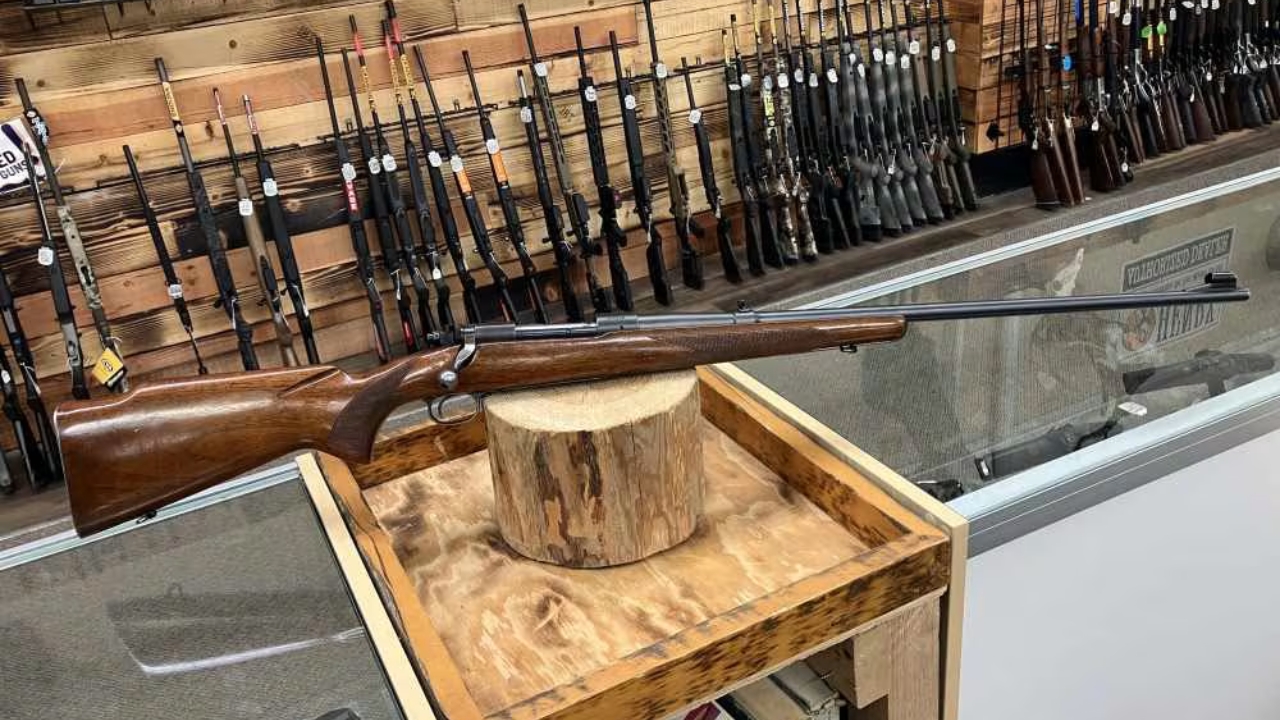
This is one of the more interesting contradictions in the rifle’s story. The Model 70 is treated as one of the most American hunting rifles ever made, yet one of its most beloved traits—the claw-extractor controlled-round-feed system—comes from Mauser-style action thinking. Outdoor Life and Winchester both make that connection obvious in how they describe the action.
That is not a knock. It is a reminder that the most “American” rifles often became American by refining and domesticating good European bolt-action ideas for the U.S. hunter.
Its biggest surprise is how much one production date still shapes the whole conversation

For a rifle introduced in 1936, it is pretty remarkable that one date—1964—still dominates so much discussion around it. That says everything about how deeply the redesign hit collectors and hunters. Plenty of rifles change over time. Very few create a before-and-after identity strong enough that people still use the date as shorthand decades later.
That may be the most little-known fact of all for casual shooters: the Model 70 is not just famous because it is old and good. It is famous because it became the center of one of the most enduring “they changed it” debates in American gun history—and then survived that debate anyway.
Like The Avid Outdoorsman’s content? Subscribe to our newsletter so you never miss an article.
Here’s more from us:


