Photo credit: hickok45/YouTube.
Glocks come in just about every size you can think of, and figuring out which one fits your needs isn’t always as simple as “bigger is better” or “small means concealed.” Each size class—full-size, compact, and subcompact—has its trade-offs. If you’re on the fence or just trying to figure out which one works for carry, home defense, or range days, this breakdown should help clear things up.
Full-Size Glocks Offer the Most Control

If you’re looking for control and capacity, full-size models like the Glock 17 are tough to beat. These are easier to shoot accurately, especially under stress, because of the longer sight radius and full grip.
They’re ideal for home defense or duty use where concealment doesn’t matter. But unless you’ve got a solid holster setup and a roomy wardrobe, carrying one every day might feel like a chore.
Compact Glocks Balance Size and Shootability

Compact models like the Glock 19 sit right in that middle ground. You still get a solid grip and decent capacity without the bulk of a full-size frame. That’s a big reason why the G19 is so popular—it’s a real jack-of-all-trades.
You can carry it concealed, shoot it comfortably at the range, and trust it for home defense. It doesn’t do everything perfectly, but it does a lot well.
Subcompact Glocks Are Made to Disappear

Subcompacts like the Glock 26 or Glock 43 are built for one thing—being easy to carry. They’re shorter in both grip and barrel, which makes them way easier to conceal under light clothing.
But the trade-off is felt recoil and limited magazine capacity. They’re not always fun for long range sessions, and folks with larger hands might find the grip cramped without extensions.
Barrel Length Changes How the Gun Handles

Longer barrels, like those on full-size Glocks, help with accuracy and muzzle velocity. Shorter barrels are easier to draw and tuck away but give you a little more snap in recoil.
You’ll notice the difference most when shooting fast or transitioning between targets. If you’re recoil-sensitive or new to shooting, the longer barrel might be more forgiving.
Grip Length Impacts Concealment
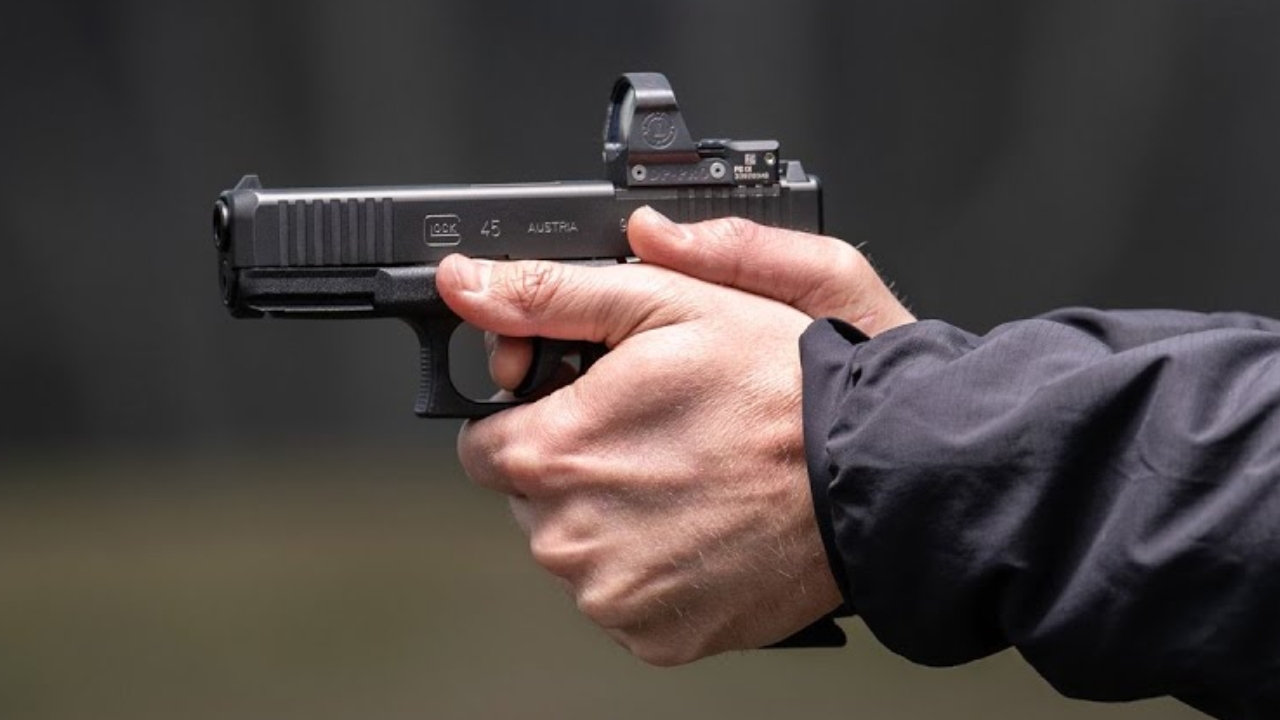
The grip is usually what prints under your shirt—not the barrel. Full-size grips are great for control but harder to hide. Subcompacts are easier to conceal but can be tough to hold without pinky extensions.
If you’re carrying daily, grip length is a bigger deal than most people think. A shorter grip might be uncomfortable, but a longer one might ruin your concealment game.
Magazine Capacity Scales with Size

Full-size Glocks offer the most rounds—17+1 for a Glock 17, for example. Compact models like the G19 drop slightly, and subcompacts like the G43 hold even less.
If capacity matters to you (like for home defense or longer range time), that’s something to consider. You can always carry spare mags, but it’s nice not to rely on them as your backup plan.
Recoil Feels Different Between Sizes
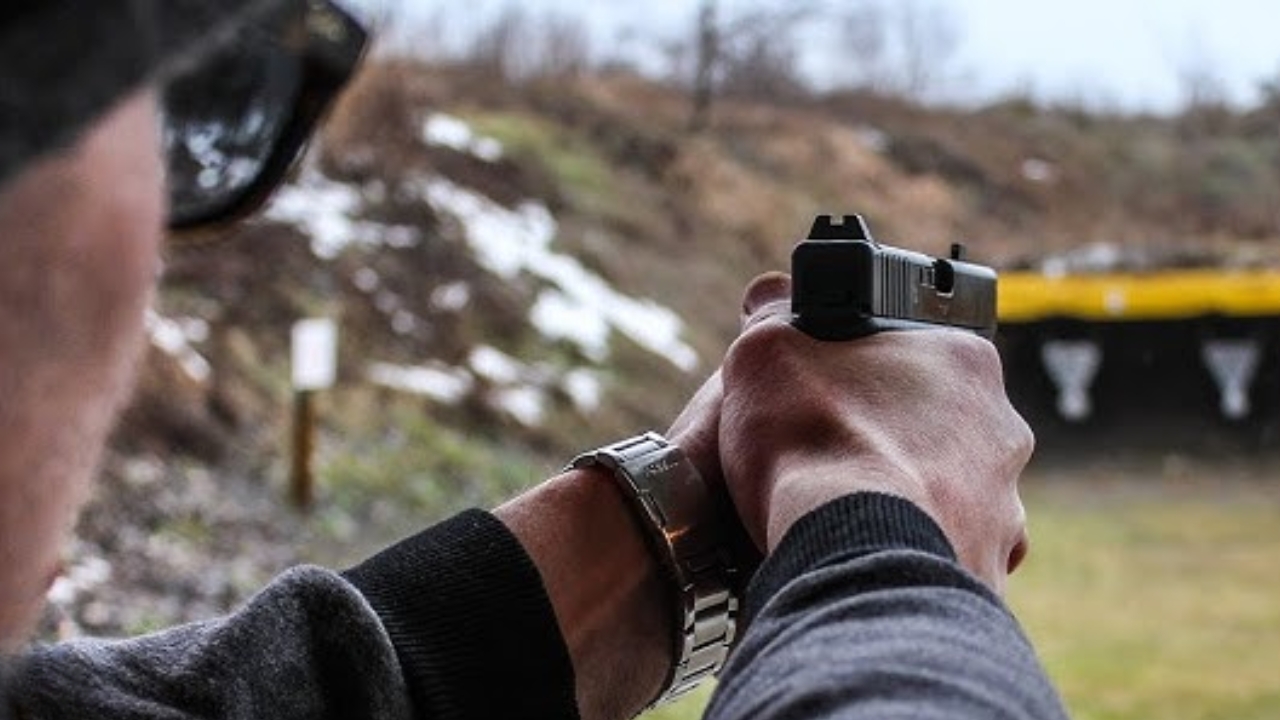
With more weight and longer slides, full-size Glocks soak up more recoil. Compacts are manageable, and subcompacts can feel snappy, especially with defensive ammo.
That might not be a dealbreaker, but it does affect follow-up shots. If you’re newer to handguns or want something comfortable to train with, going bigger can help.
Subcompacts Are Pickier with Ammo and Grip

Smaller guns tend to be more sensitive to limp-wristing or underpowered ammo. You might not notice it on the first few mags, but after a while, inconsistencies show up.
Also, grip matters more with a subcompact. A sloppy grip that wouldn’t cause issues on a G17 might lead to failures on a G43. It’s not a flaw—it’s just physics.
Accessories and Customization Vary by Size

Most aftermarket parts and holsters are built around popular models like the G19 or G17. Subcompacts sometimes get left out of the party when it comes to lights, optics, and other upgrades.
If you like to tinker or plan to run a light or red dot, make sure your chosen model supports it. Not every subcompact has the rail space or slide cuts to make that easy.
One Size Won’t Work for Every Job

Some folks try to get one Glock to do everything—range time, carry, home defense. While compact models come close, there’s no perfect size for every job.
That’s why many Glock owners eventually pick up more than one. If you carry daily, a subcompact might be the move. For home use, you’ll probably appreciate the extra heft of a full-size.
*This article was developed with AI-powered tools and has been carefully reviewed by our editors.