Photo credit: Savage Arms
Deer camp isn’t a place as much as it’s a routine. Coffee boiling too early, wet gloves on the stove, somebody telling the same story like it’s new, and rifles leaned in corners like they belong there. Over time, certain guns didn’t just show up at camp—they shaped how camp works. What people carry, how they hunt, what they argue about at the table, and what gets handed down when a kid finally earns a tag.
These rifles became deer-camp staples because they fit real American hunting. They load easy with cold hands, they shoot straight with basic ammo, and they keep going after years of truck rides, rain, and dust. Some are light-and-fast woods guns. Some are “one rifle for everything” bolt guns. All of them helped build the culture.
Remington 760 Gamemaster

The Remington 760 Gamemaster is a deer-camp classic because it lets you run a rifle like a shotgun. In thick timber, you can stay quick on your feet, keep the gun shouldered, and work that pump without breaking your cheek weld. It feels natural if you grew up around slide-action guns, and that matters when a buck slips through a gap and you don’t have time to think.
It also earned trust because it’s practical. Detachable magazines make loading and unloading at camp easy, and the rifle carries well on a sling all day. A good 760 in .30-06 or .308 has filled a lot of freezers, and the old-timers still chase them because they shoot better than people expect from a “pump.”
Remington 7600

The Remington 7600 kept the same deer-camp job description as the 760, but with updates that made it even easier to live with. It’s still fast in the woods, still familiar to anyone who’s run a pump, and still a rifle you can shoot well from awkward positions—kneeling behind a stump, leaning around a tree, or braced over a pack.
What keeps the 7600 in camp conversations is reliability and repeatability. In .308 Winchester, it’s one of those rifles that points fast and hits where you look, even when you’re breathing hard from a walk-in. You’ll also see guys chase spare magazines like they’re gold, because once you get used to that quick handling, it’s hard to go back.
Remington 742 Woodsmaster

The Remington 742 Woodsmaster is the rifle a lot of camps associate with a certain era—when semi-autos felt modern and everybody wanted a fast follow-up shot without working a bolt. It’s a soft-shooting deer rifle, and in the woods it can feel like the sight picture never gets disrupted. That’s a big reason it got so popular in the first place.
The 742 also taught deer camps a hard lesson about maintenance. Run it clean, run it lubricated, and don’t ignore worn parts, and it can be a dependable hunting rifle. Treat it like a rifle that never needs attention, and you’ll eventually pay for it. That mix—real capability plus real upkeep—became part of its deer-camp reputation.
Remington 7400
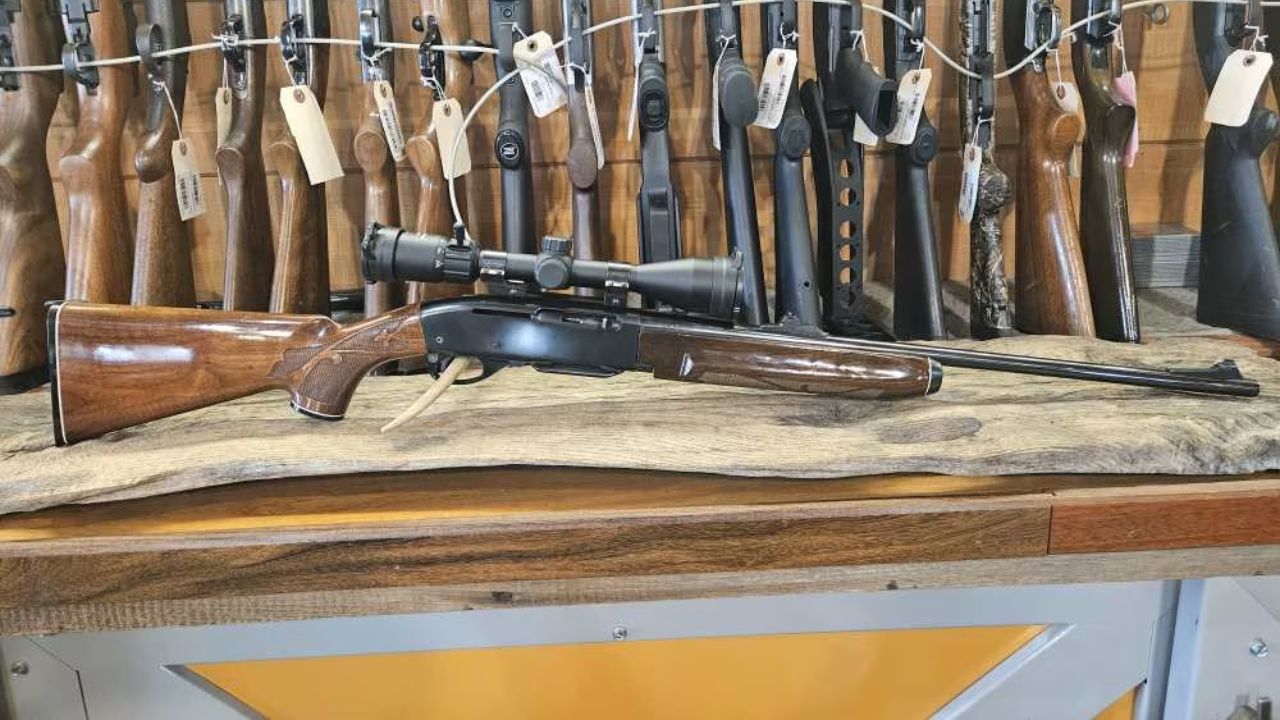
The Remington 7400 carried the “semi-auto deer rifle” torch forward for hunters who loved the idea of quick second shots and easy shooting. It shoulders smoothly, tracks well on moving deer, and doesn’t feel snappy in common chamberings like .30-06. In a stand or still-hunting through timber, it’s the kind of rifle that stays comfortable and controllable.
What made it a deer-camp regular is how it fit the rhythm of Eastern hunting. You sit, you watch, and when it happens it happens fast. The 7400 gives you speed without needing to be a speed shooter. Like any semi-auto, it rewards you for keeping it reasonably clean and using quality magazines. Hunters who do that tend to keep them a long time.
Browning BAR Mark II

The Browning BAR Mark II is what you bring when you want semi-auto performance but you still want it to feel like a serious hunting rifle. It’s smooth, steady, and heavy enough that recoil turns into a firm push instead of a slap. In camp, it’s the rifle that gets passed around at the bench because it surprises people with how controlled it feels.
Hunters keep chasing BARs because they run and they last when you treat them right. The accuracy is often better than folks assume, and the rifle tends to feed and cycle with the kind of confidence you notice when it’s cold and you’re wearing gloves. It’s also a deer-camp status gun without trying to be one—practical, proven, and built for real hunting seasons.
Winchester Model 88

The Winchester Model 88 is one of the coolest “camp rifles” ever made because it blends lever-gun handling with bolt-gun cartridges. It points fast like a woods rifle, but you can run it in .308 Winchester and get the flatter shooting and better bullet choices that deer hunters wanted as seasons and terrain changed. That combination gave it a loyal following.
Hunters still chase the 88 because it feels different in a good way. The balance is lively, the action is slick, and the rifle carries like it belongs in your hands, not strapped to your back. In camp, it’s the rifle that gets a little extra respect when it comes out of the case—part nostalgia, part performance, and part “they don’t make them like that anymore.”
Winchester Model 100

The Winchester Model 100 earned a place in deer camps as a slick, handy semi-auto that looks and feels like a classic American sporting rifle. In .308 Winchester, it has enough punch for any normal whitetail work, and the handling is quick without feeling jumpy. It’s the sort of rifle that makes still-hunting and tracking feel natural.
Collectors chase them, but plenty of hunters still run them because they shoot well and carry well. The Model 100 also comes with some “know your rifle” realities—like making sure it’s properly maintained and updated where it needs to be. Deer camps have always been full of guys who keep older rifles running with care, and the Model 100 fits right into that tradition.
Springfield 1903A3 (sporterized)

Sporterized Springfield 1903A3 rifles are part of deer-camp history whether people admit it or not. After the wars, a lot of these rifles got turned into hunting guns because that’s what was available and affordable. They’re strong, accurate actions that can handle .30-06 with ease, and many of them still shoot better than the stories they get labeled with.
In camp, the sporterized 1903A3 is often the rifle tied to family history—granddad’s first real deer rifle, the one that rode in a scabbard for decades, the one that still prints tight groups with a simple scope. Hunters chase them because they’re honest tools with real roots. When you find a good one with a solid barrel and clean bedding, it still hunts like it always did.
U.S. Model 1917 Enfield (sporterized)
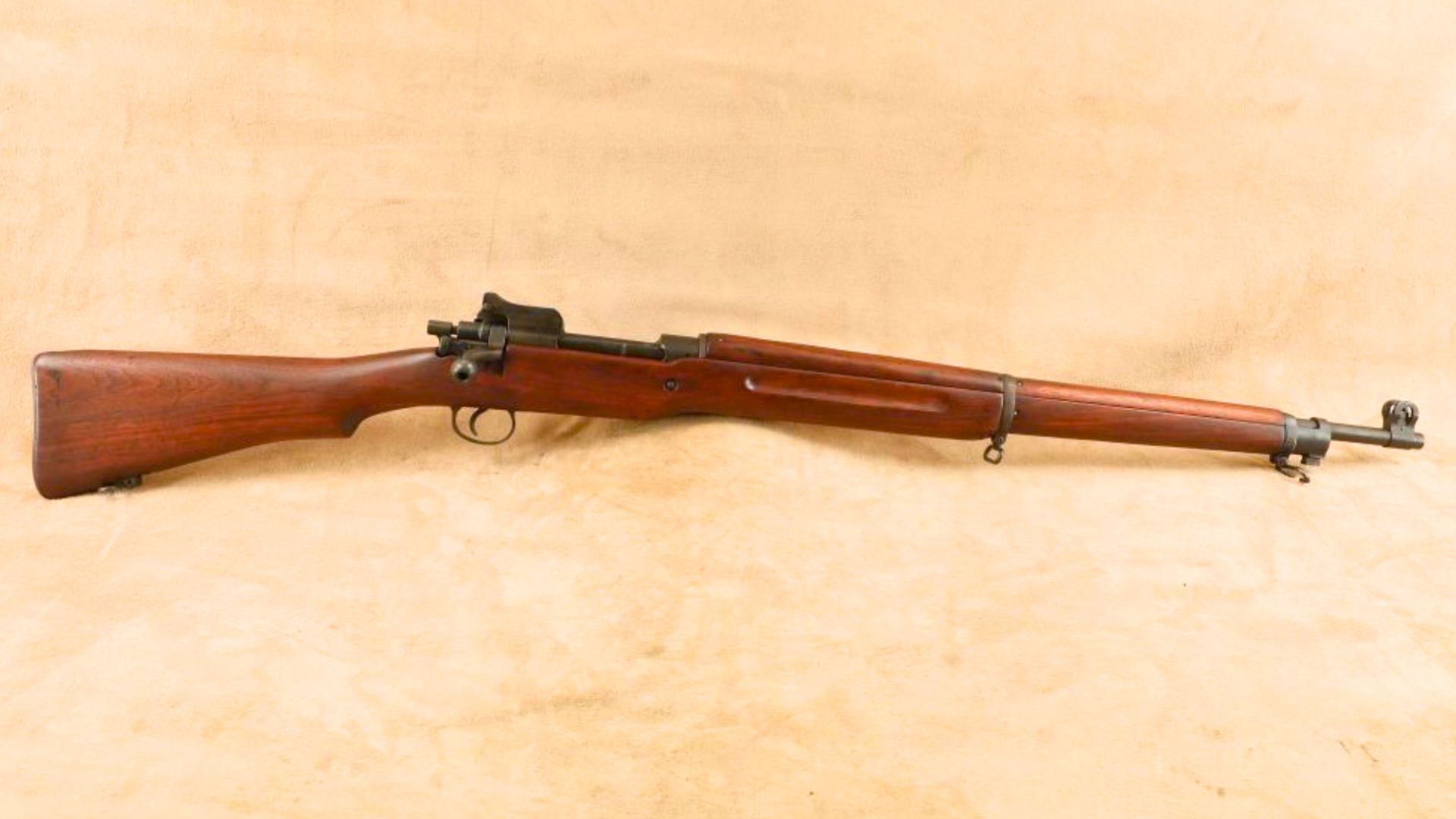
The U.S. Model 1917 Enfield shows up in deer camps for the same reason the 1903 does: it was available, it was tough, and it could handle hard use. Sporterized versions often got cut down and scoped, then carried into the woods for generations. The action is strong, the rifle locks up with authority, and it tends to feel steady when you settle in for a shot.
Hunters still chase these because they’re built like working rifles. They’re not light, but that weight soaks up recoil and helps you shoot well from field rests. A good 1917 sporter in .30-06 is the kind of rifle that makes you trust it without overthinking. Deer camps were built on rifles like this—ones that did the job year after year with basic care and a steady trigger press.
Remington 721

The Remington 721 doesn’t get the same casual name recognition as some classics, but it’s a deer-camp rifle through and through. It was built to be a practical, accurate bolt gun, and it laid groundwork for what came later in American bolt-action design. In common hunting chamberings like .30-06, it’s a straightforward rifle that tends to shoot as well as you can hold.
Hunters still chase 721s because they’re often sleepers on the used rack. The actions are smooth, the rifles balance well, and they don’t need fancy features to be effective. In camp, a 721 is usually owned by the guy who cares more about a cold bore shot than showing off gear. You sight it in, you trust it, and you go hunt.
Winchester Model 54
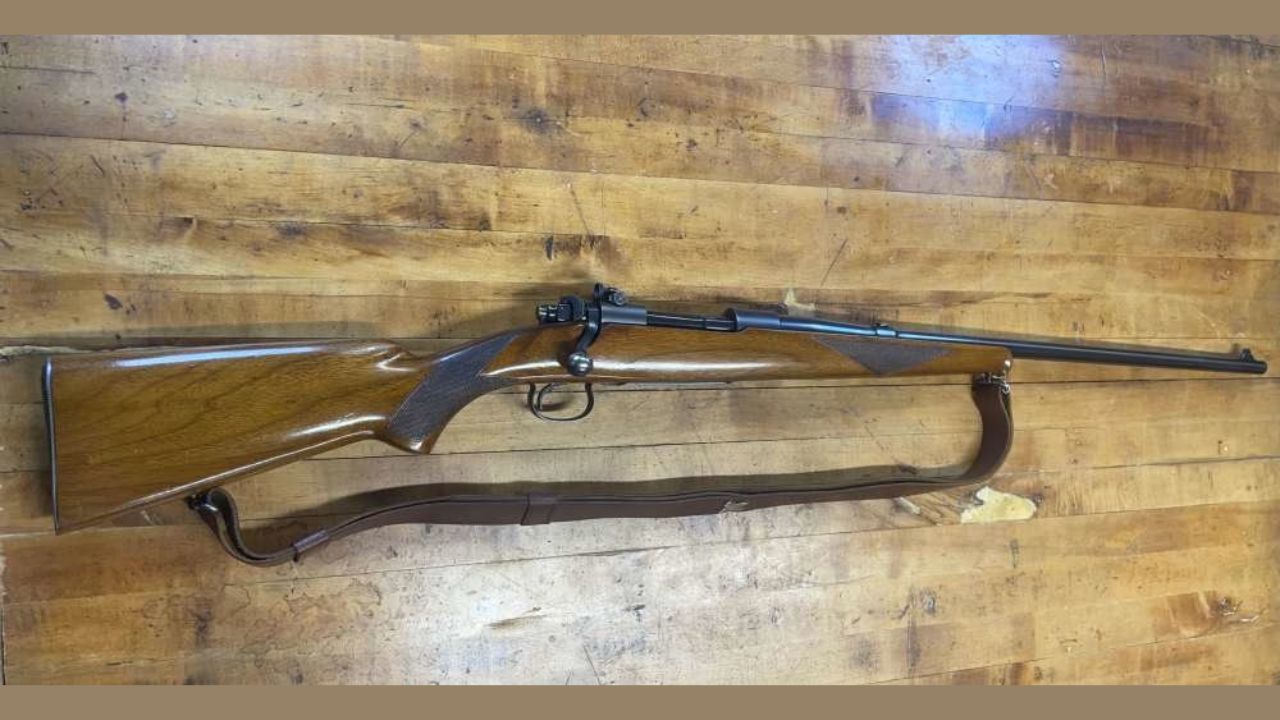
The Winchester Model 54 is one of those rifles that shaped early American bolt-gun deer hunting. It’s the kind of rifle your grandpa’s generation bought when scopes were becoming normal and hunters wanted a strong, accurate rifle that didn’t feel like a military leftover. The handling is classic, the lines are clean, and the rifle feels like it was built to live in the woods.
Hunters still chase Model 54s because they’re a bridge between eras. You get real old-school craftsmanship with the bones of a serious hunting bolt gun. When you find one in good condition, it carries history without being fragile. In deer camp terms, it’s the rifle that reminds you why certain designs never die: they point well, shoot straight, and keep working long after the trends change.
Ruger 77/44

The Ruger 77/44 is a deer-camp problem solver for places where shots are close and tracking matters. It’s compact, handy, and easy to carry through brush, and it gives you .44 Magnum performance in a bolt gun that feels steady and controllable. In thick timber or over bait where legal, it’s a very practical setup.
Hunters still chase 77/44s because they fill a niche that keeps coming back—short-range whitetails in nasty cover. Recoil is manageable, follow-up shots are quick, and you can run tough bullets that penetrate well. It’s also the kind of rifle that doesn’t scare newer hunters, which matters in a camp that’s trying to keep the next generation interested. It’s not a “one rifle for everything,” but it’s a great rifle for what many deer camps actually do.
Ruger 77/357

The Ruger 77/357 is another deer-camp favorite where ranges are realistic and the woods are tight. It’s light, compact, and surprisingly accurate, and it gives you a cartridge that’s easy to practice with and easy to control. In cold weather with heavy clothes, it still shoulders fast and feels natural.
Hunters chase it because it’s fun, effective inside its lane, and simple to live with. With the right hunting loads and smart shot placement, .357 Magnum can do solid work on whitetails at woods distances. The rifle also makes sense in camps where people want a handy gun for stands, drives, or property walks without carrying a full-size bolt rifle. It’s a modern deer-camp rifle that still feels like a practical tool.
H&R Handi-Rifle (SB2)

The H&R Handi-Rifle shows up in deer camps because it’s affordable, simple, and honest. A single-shot forces you to slow down, pick your moment, and make the first one count. That fits deer-camp hunting better than people think, especially for stand hunting where you’re waiting for a clean shot window.
Hunters still chase Handi-Rifles because they work and they’re easy to own. You don’t have to baby it, and you don’t have to learn a complicated manual of arms. You break it open, load it, close it, and hunt. They’ve been carried by kids on their first seasons and by adults who don’t feel like messing around with a finicky rifle. In camp, it’s the gun that proves you don’t need fancy gear to fill tags.
Thompson/Center Encore Pro Hunter
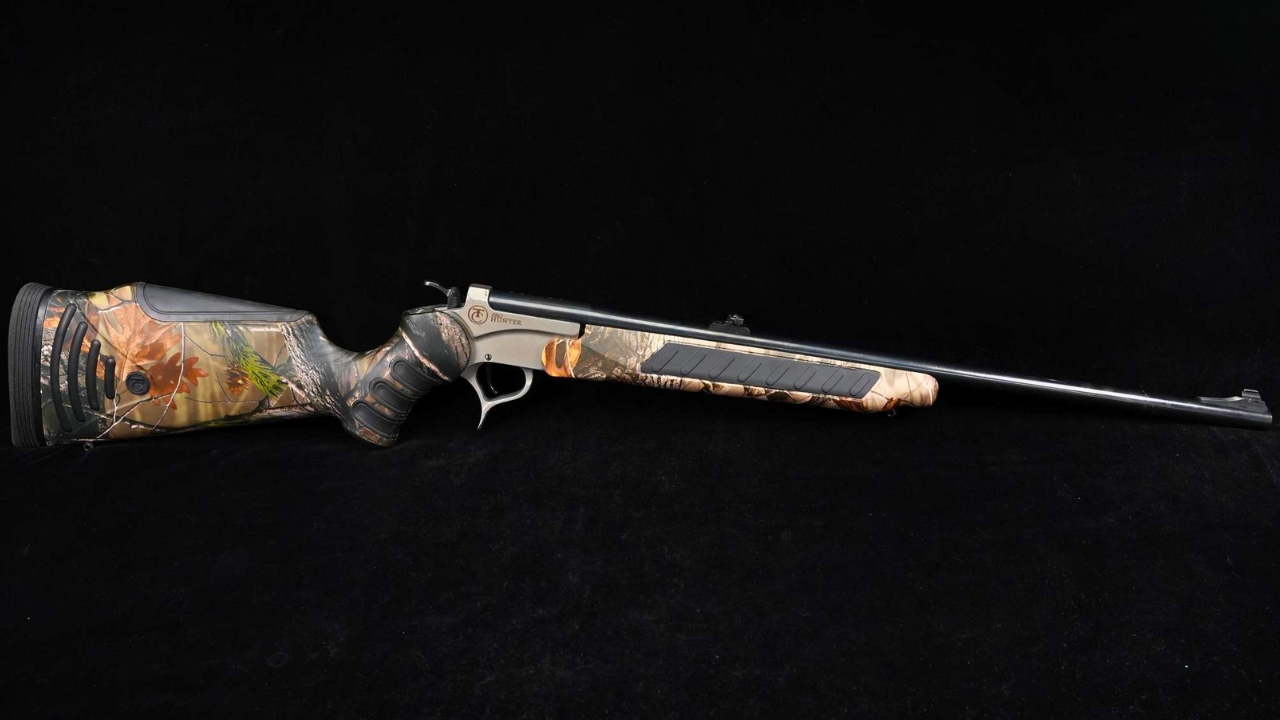
The Thompson/Center Encore Pro Hunter earned its deer-camp reputation by being flexible without being flimsy. You can set it up to fit you, run a serious scope, and shoot it well from field rests. In shotgun-only zones or muzzleloader seasons, the Encore often became the “do everything” platform that let hunters stay consistent across seasons.
Hunters still chase Encores because they’re accurate and they encourage confidence. The lockup is solid, the triggers are usually good, and the platform rewards careful shooting. It also fits the deer-camp habit of tinkering—different barrels, different seasons, one familiar frame. You see them leaned in corners during late-season hunts when the weather is ugly and the stakes feel higher. The Encore isn’t about speed. It’s about a clean shot with a rifle you know inside and out.
Like The Avid Outdoorsman’s content? Subscribe to our newsletter so you never miss an article.
Here’s more from us: