
Photo credit: Nomad_Soul/Shutterstock.com
Some rifles hold value because they have a reputation, strong demand, and a stable used market. Others drop hard the second they’re “used,” even if you only put one box through them. It’s usually a mix of mass-production + constant sales + package-deal optics + a market flooded with trade-ins.
This list isn’t saying every rifle here is junk. It’s saying if you buy new and then try to sell it next week, you’re often going to take a bigger hit than you expected.
Remington 770

The 770 is one of the fastest “new gun to used gun” value drops out there because the used market is flooded with them. Most are package rifles, and buyers expect a discount because they’re common and often come with bargain optics. Once it’s not “brand new,” it’s just another 770 on the used rack.
Even if yours shoots fine, the market doesn’t care much. Used buyers are usually shopping for the cheapest functional rifle, and they know they can find these everywhere. That’s why resale is rough.
Remington 710
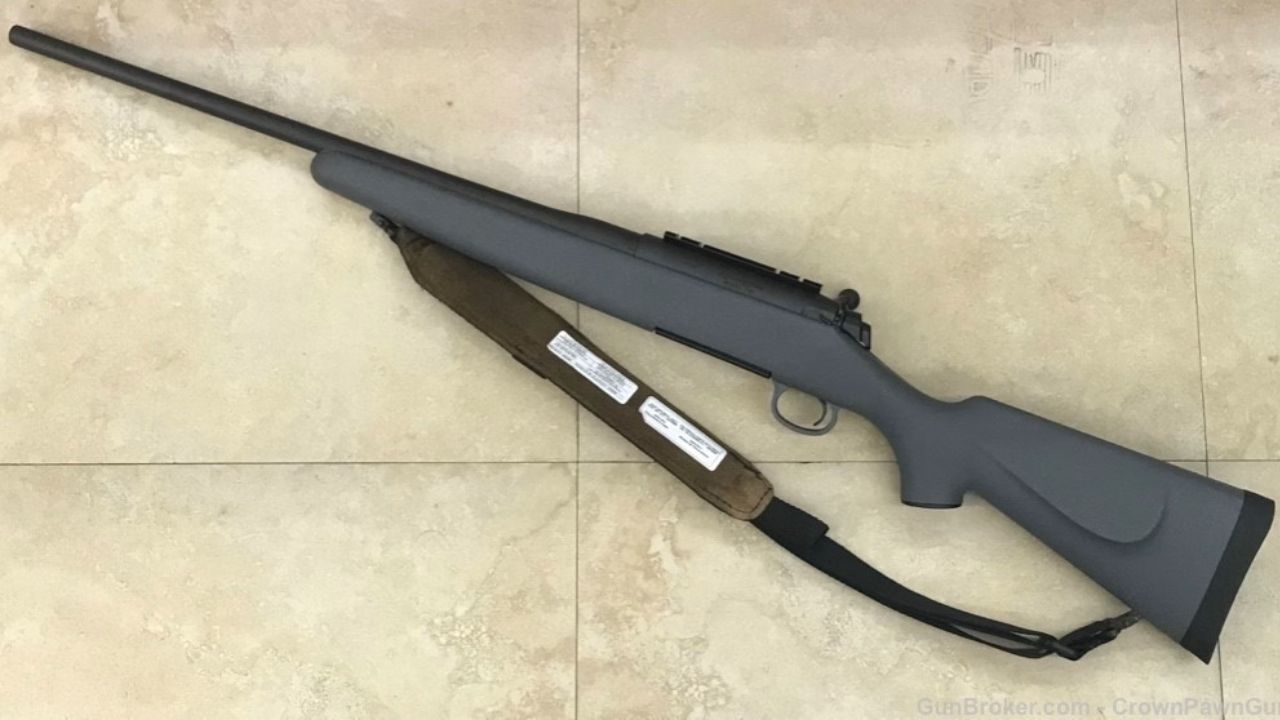
The 710 has had a long reputation problem, and reputation is everything in resale. The moment you leave the store, it becomes a rifle most people are skeptical of, and skepticism kills used prices. It doesn’t matter if yours is a good one—the buyer is buying the reputation, not your story.
That’s why owners often take a bath on them. The demand isn’t strong, and most used buyers will only touch one if it’s priced low enough to feel like a gamble.
Remington 783 (package models)

The 783 can be a decent shooter, but the common scoped packages hurt resale. People treat package rifles like disposable tools, and the used market is packed with them. So even if you paid “not that cheap” for it new, used buyers expect “cheap.”
It’s not that the 783 can’t hunt. It’s that it’s rarely somebody’s dream rifle. Dream rifles hold value. “It was on sale at the big box store” rifles usually don’t.
Savage Axis XP
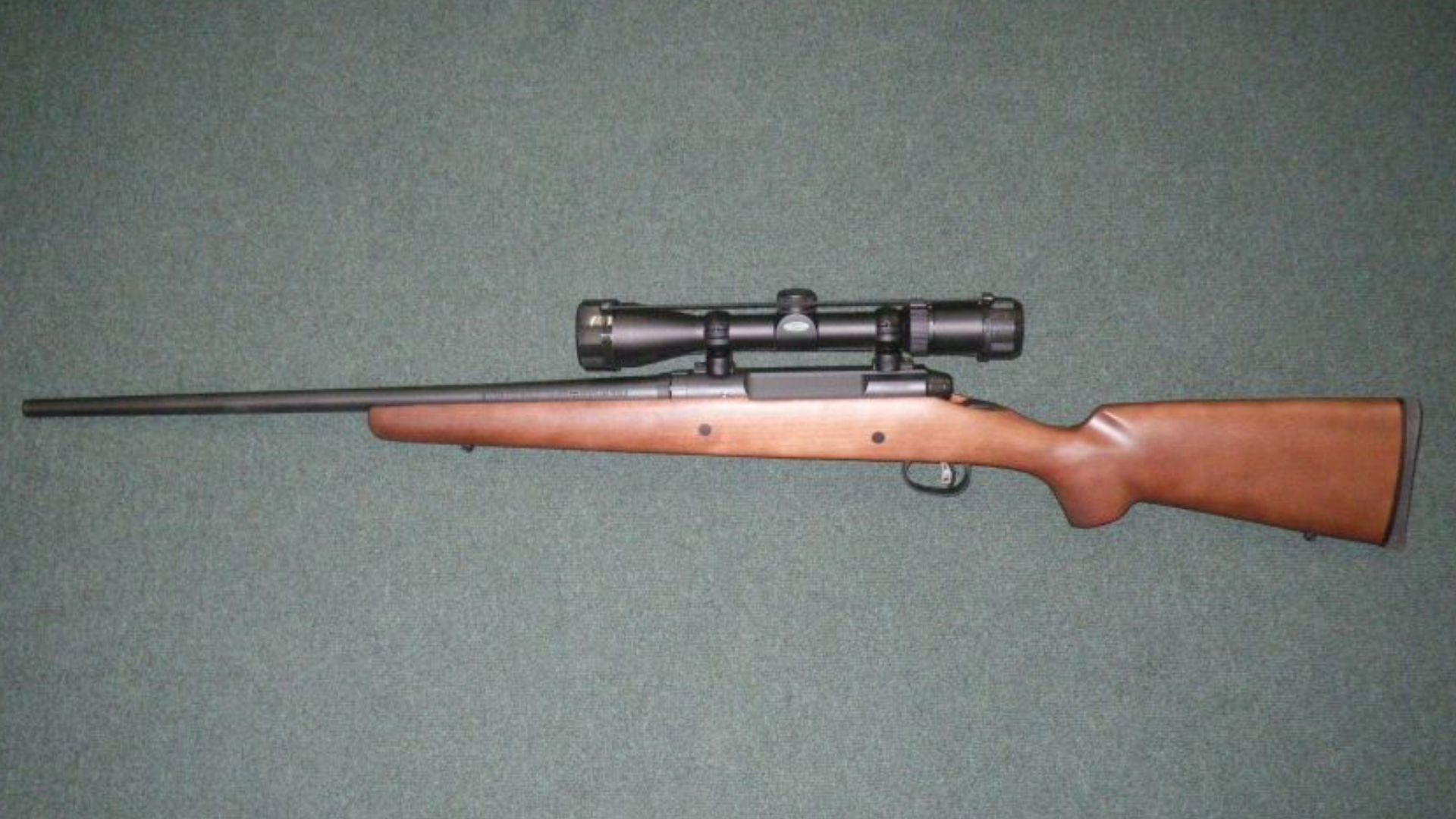
The Axis XP is a classic value rifle, which is exactly why it drops. Savage sells a ton of them, and a ton of them show up used. Used buyers know there’s no shortage, so they’re not paying close to new pricing.
The XP package factor matters too. Those included scopes don’t add value on resale the way owners think they do. Most buyers assume they’ll replace the optic anyway, so it becomes “cheap rifle, cheap price.”
Ruger American (package versions)

Ruger Americans hold value better than some budget rifles, but the package versions still drop hard because they’re everywhere. When a rifle is constantly on sale new, it drags down used prices. Buyers compare your used price to whatever the current big-box sale price is.
If you buy one new at full retail and then try to sell it, you feel that pain. The rifle may be solid, but the market is crowded and price-driven.
Mossberg Patriot (scoped combos)

Patriots are another rifle that suffers from “too many on the shelf.” They’re often sold in packages, and they move when they’re cheap. That means used buyers expect them to be cheap too. Once you leave the store, you’re competing with new sale prices.
The rifle’s reputation is also mixed, and mixed reputations don’t help resale. Even a good Patriot becomes harder to sell unless you price it aggressively.
Winchester XPR (package guns)

The XPR is a decent rifle, but the package variants still lose value quickly. Again, it’s the big-box cycle: these get discounted, promoted, and sold in volume. High volume equals low used demand pricing.
If you buy one new and then decide it’s not for you, you’ll usually find out fast that used buyers aren’t paying “almost new” money for an XPR combo.
Thompson/Center Compass
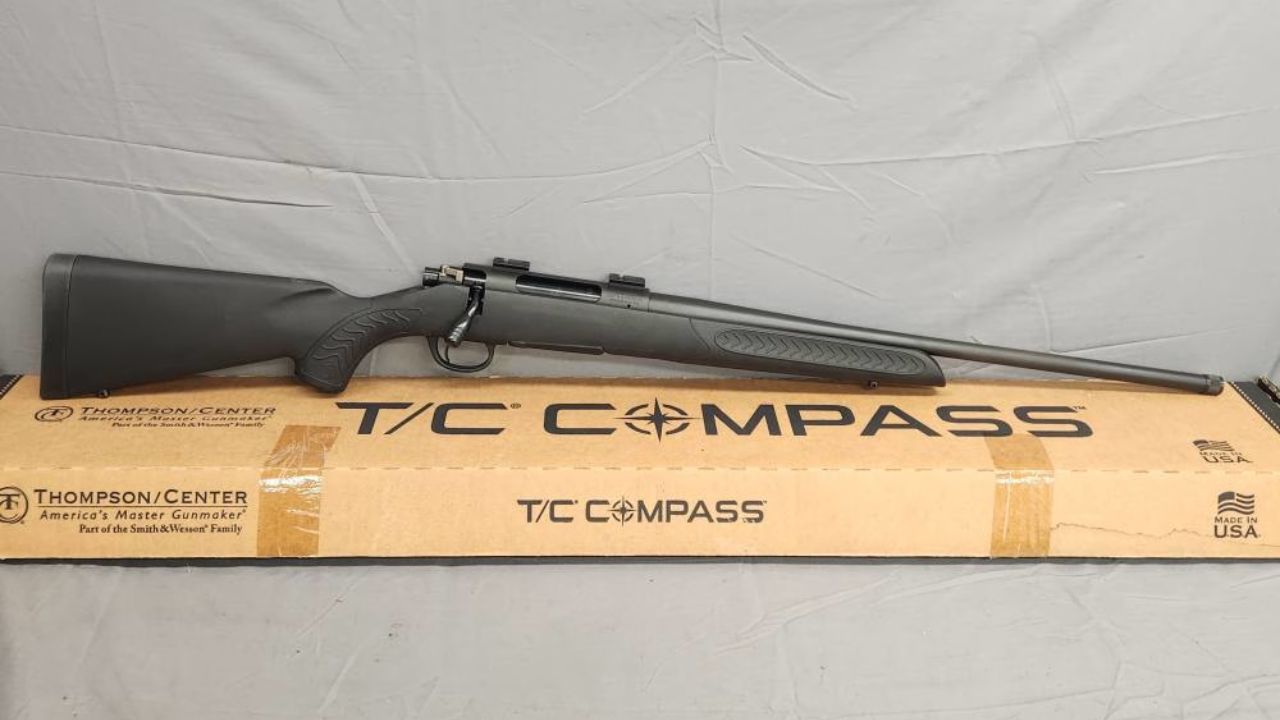
The Compass is one of those rifles people buy because it’s affordable and available. The used market reflects that. It doesn’t have a collector pull, and it doesn’t have the “premium but practical” reputation that holds prices up.
So when you sell it used, you’re not selling a brand. You’re selling a low-cost tool. Low-cost tools don’t hold value well.
CVA Cascade (big-box pricing pressure)

The Cascade has gained traction, but it still faces pricing pressure because it’s often marketed as a value rifle. Value rifles can be great, but they rarely hold value the way premium names do. Used buyers will ask, “Why buy yours when I can get new for not much more?”
That’s the resale trap. If the rifle is positioned in the market as a bargain, the resale market treats it like a bargain too.
Browning AB3

The AB3 has Browning on it, but it’s still the “budget Browning.” That matters. Used buyers who want a Browning often want an X-Bolt. The AB3 competes in a crowded middle where resale isn’t strong.
AB3 owners tend to take a bigger hit than they expected because the name doesn’t rescue the price the way it does on higher-tier models.
Weatherby Vanguard Synthetic (basic models)
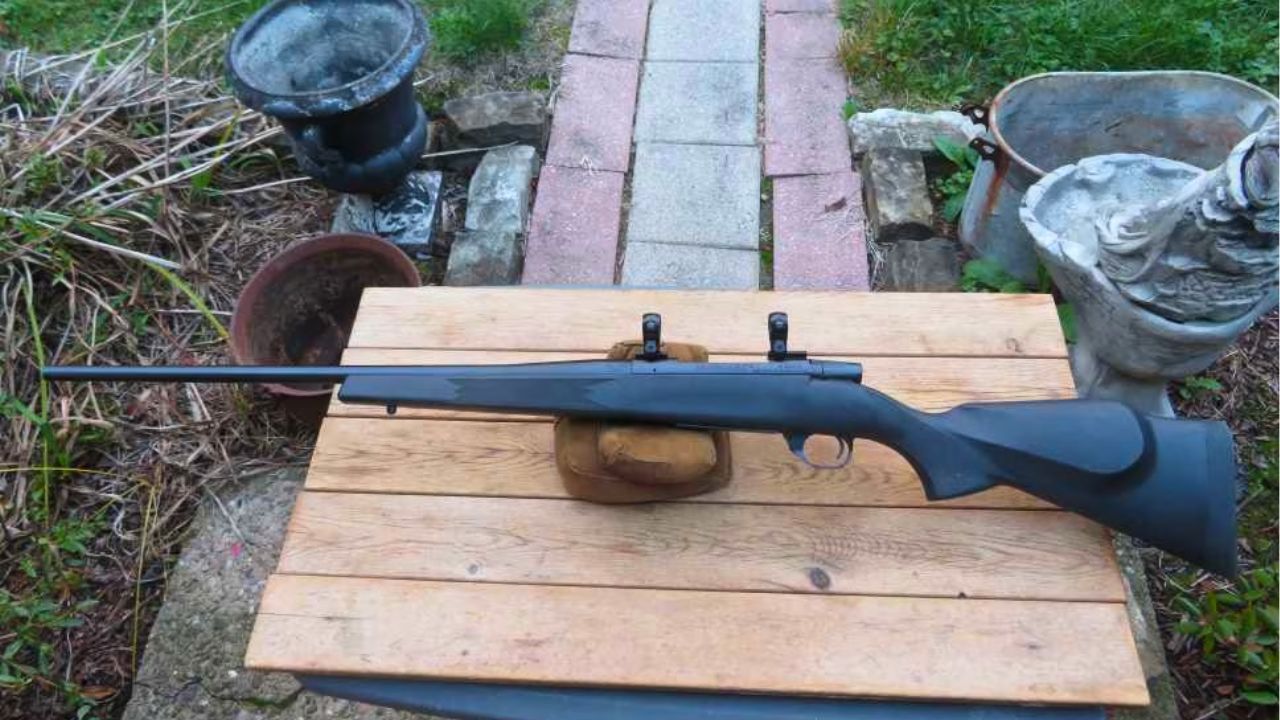
The Vanguard is a good rifle, but the plain synthetic versions can slide in resale because they’re not exciting and there are a lot of them. People will pay for a nicer stock, a special edition, or a known-accurate setup. The plain ones get treated like “another functional hunting rifle.”
That doesn’t mean you can’t sell it. It means you won’t like the offers if you bought new at full retail.
Marlin X7 (older budget bolt guns)

The X7 line has long been in the “budget used rack” category. They can shoot fine, but they don’t have the modern hype or premium reputation that keeps prices up. Used buyers often lump them in with other “entry-level” rifles and make offers accordingly.
If you own one and it works, it’ll hunt. Just don’t expect it to bring back what you think it should on resale.
Ruger American Predator (common calibers)
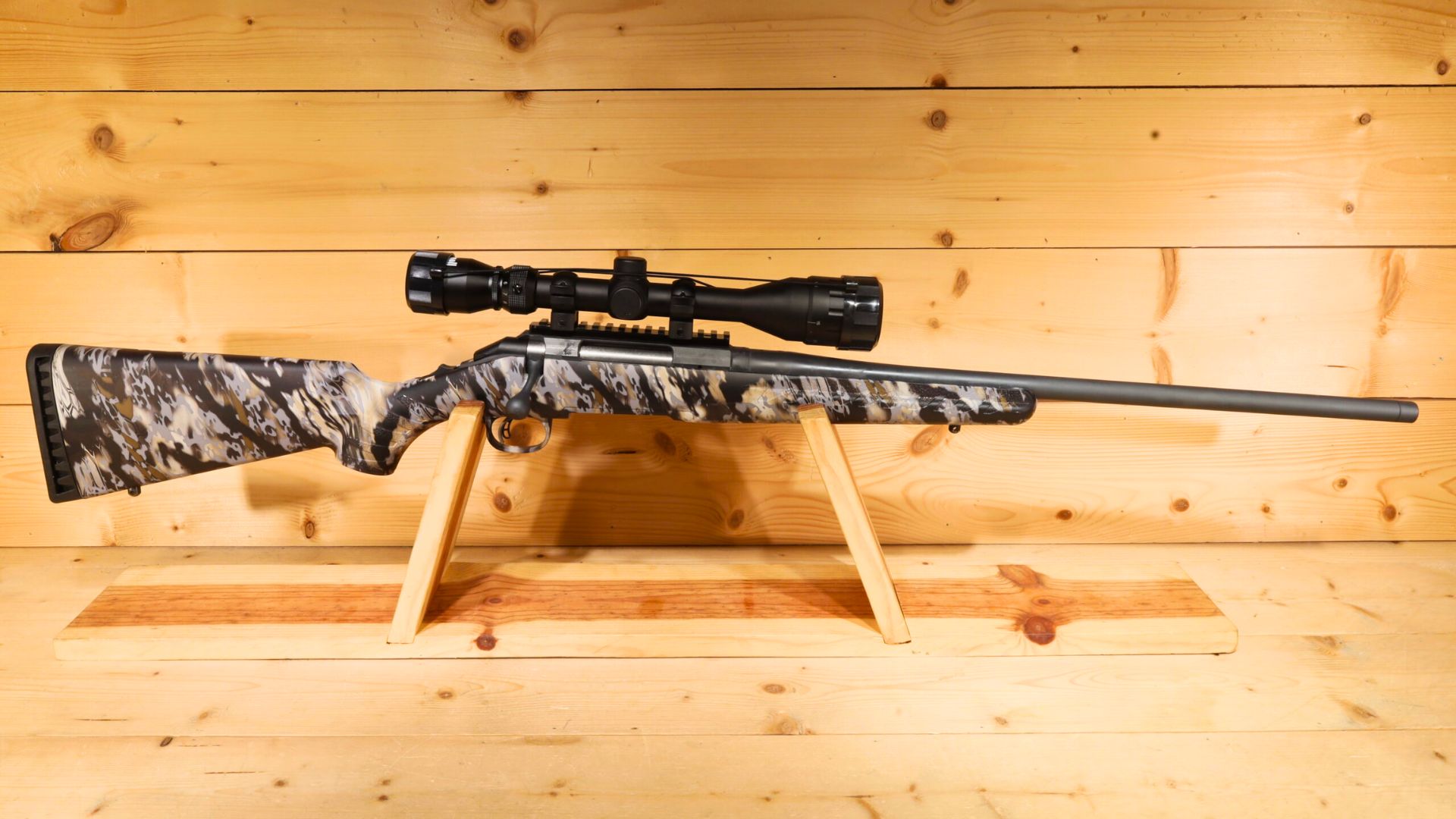
The Predator models are popular, and popularity helps, but it’s still a Ruger American at heart—mass sold, widely available, and frequently discounted. That means your used price is always competing with a new sale price that undercuts you.
If you sell it with a mid-tier optic and good rings, you can help the package. But the rifle alone still takes a value hit quickly compared to more premium bolt guns.
Savage 111 / 110 “discount era” packages
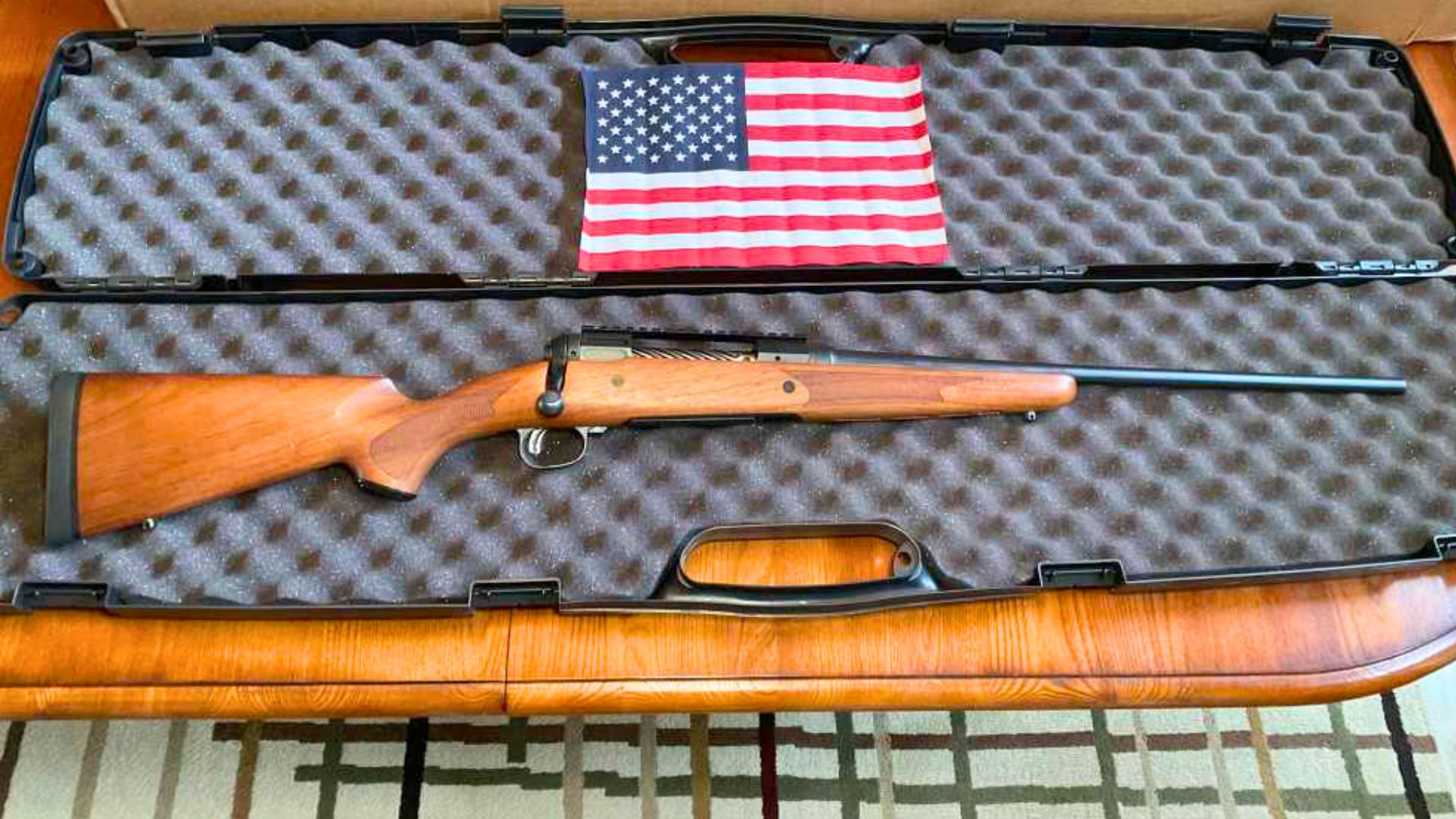
Savage 110s hold value well in many trims, but there’s a big pool of older 111/110 package rifles that were sold at aggressive prices. Those versions tend to lose value quickly because there are so many, and buyers know they can find one used any time.
If you have a nicer 110 (better stock, better trim), you’re in a different category. But those older big-box style packages? They drop like a rock.
Stevens 200
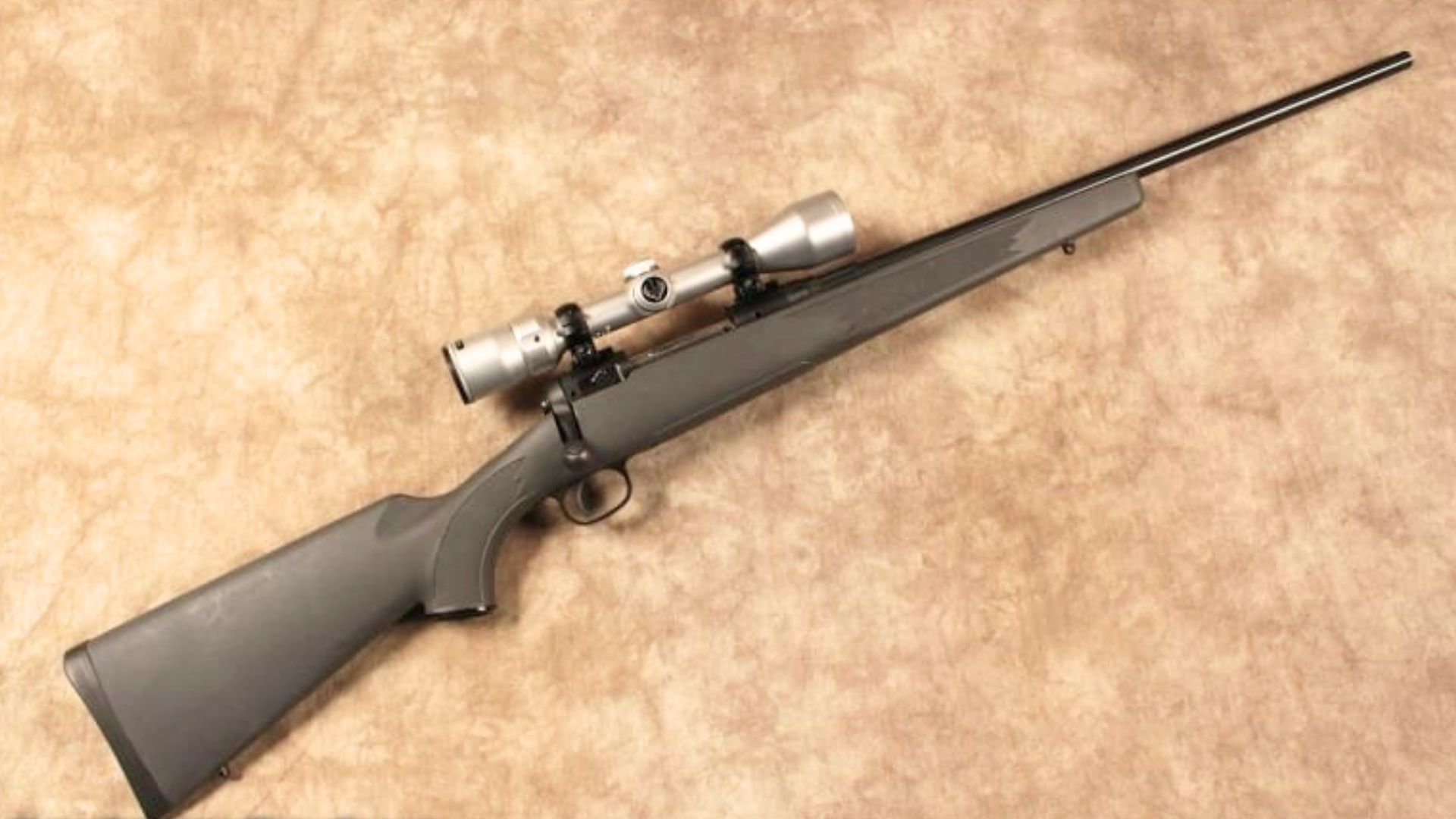
The Stevens 200 is a great example of a rifle that’s respected as a cheap workhorse and priced like a cheap workhorse. It’s basically “Savage value,” and it sells used… but it never sells high. The market has decided what it is.
So if you buy one new (or close to new pricing) and then sell, you’ll feel that drop. The demand is there, but it’s bargain demand.
Like The Avid Outdoorsman’s content? Subscribe to our newsletter so you never miss an article.
Here’s more from us:


