Photo credit: GoldenWebb/YouTube
Smith & Wesson did not become one of America’s most trusted gun names because of one famous revolver or one good marketing campaign. The trust came slowly, through generations of handguns that showed up in police holsters, nightstands, tackle boxes, coat pockets, hunting camps, gun safes, and range bags. Some were plain. Some were beautiful. Some were carried until the bluing wore thin.
That is the real Smith & Wesson story. It is not only Dirty Harry’s Model 29, although that certainly helped the public image. It is the Model 10, the J-frame, the K-frame police revolver, the .357 Magnum legacy, the stainless revolvers, the Shield, and the modern M&P line all adding layers to the name. Smith & Wesson traces its history back to 1852, and the company’s own history notes that the .38 Military & Police, now known as the Model 10, has seen more than 6 million units produced since 1899.
1. The Brand Has Been Around Since 1852
A firearm company does not stay relevant for more than 170 years by accident. Smith & Wesson has survived black powder, metallic cartridges, swing-out cylinders, magnum revolvers, semi-auto duty pistols, polymer-framed striker-fired pistols, concealed-carry booms, corporate changes, political pressure, and shifts in consumer taste.
That kind of survival builds trust. A lot of gun companies had one great era and disappeared. Smith & Wesson kept finding ways to matter. It may not have won every category in every decade, but the name kept showing up where American handgun buyers were looking. That staying power is part of why the brand still feels familiar even to people who do not own one.
2. The Model 10 Built Real Working-Gun Credibility

The Smith & Wesson Model 10 may be one of the most important handguns the company ever made. It began as the .38 Military & Police in 1899 and became a defining medium-frame service revolver. Smith & Wesson’s own history says the revolver now known as the Model 10 was the first M&P, and the company’s broader history notes more than 6 million produced since 1899.
That matters because trust is built through use. The Model 10 rode in holsters, glove boxes, nightstands, desk drawers, and duty rigs for generations. It was not glamorous like the Model 29 or collectible like some rare Performance Center gun. It was a practical .38 Special revolver that worked, and that kind of gun builds a brand’s backbone.
3. Smith & Wesson Helped Define the Police Revolver

For much of the 20th century, Smith & Wesson was one of the central names in American police sidearms. K-frame revolvers like the Model 10, Model 15, Model 19, and related guns became part of law enforcement life across the country. That police association gave the brand credibility with civilians too.
A police revolver had to be simple, reliable, accurate enough, durable enough, and easy enough to train with across large departments. Smith & Wesson filled that role for decades. Even after semi-autos replaced revolvers in most duty holsters, the old police-revolver trust remained. When people say Smith & Wesson feels dependable, a lot of that comes from the revolver era.
4. The .38 Special Became a Smith & Wesson Staple
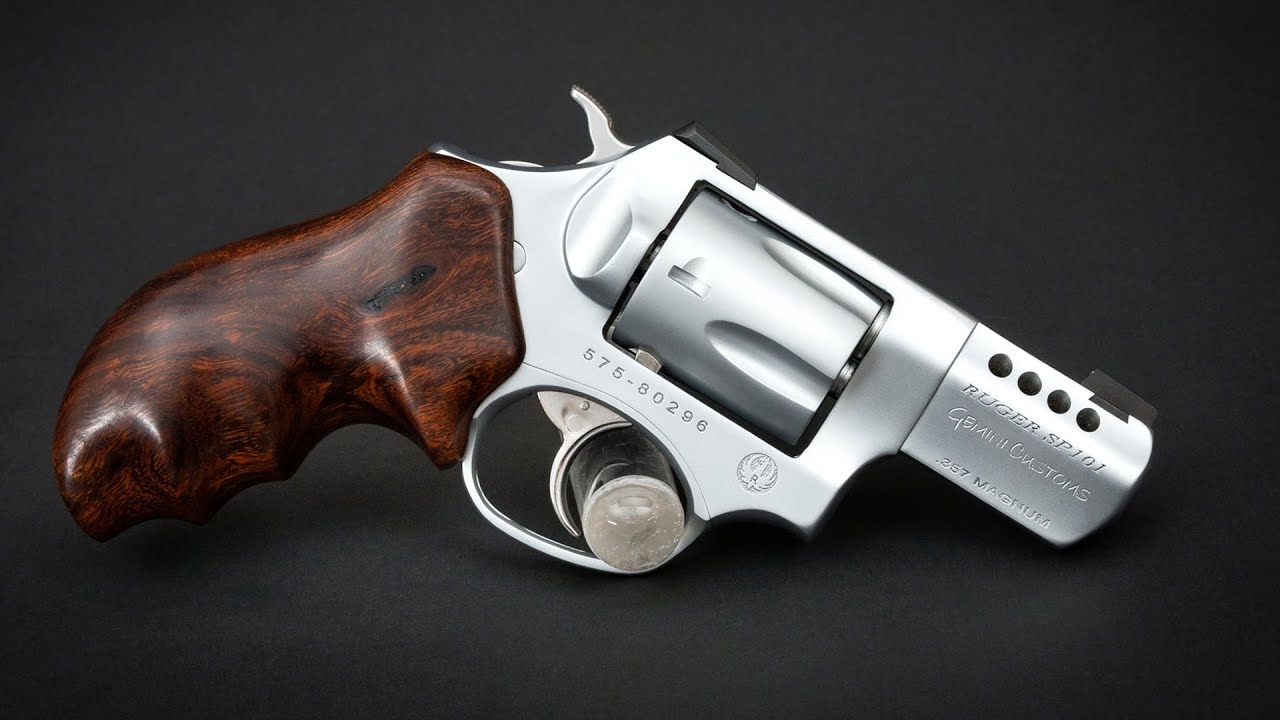
Smith & Wesson’s .38 Military & Police story is tied closely to the rise of .38 Special. The Model 1899 Military & Police was introduced around the same period that .38 Special emerged as a more capable improvement over .38 Long Colt service loads.
That cartridge became one of the most important revolver rounds in American history. It was manageable, accurate, widely available, and trusted for target shooting, police work, home defense, and concealed carry. Smith & Wesson’s long association with .38 Special helped make the company feel like the default revolver brand for regular people, not only collectors.
5. The K-Frame Hit the Sweet Spot
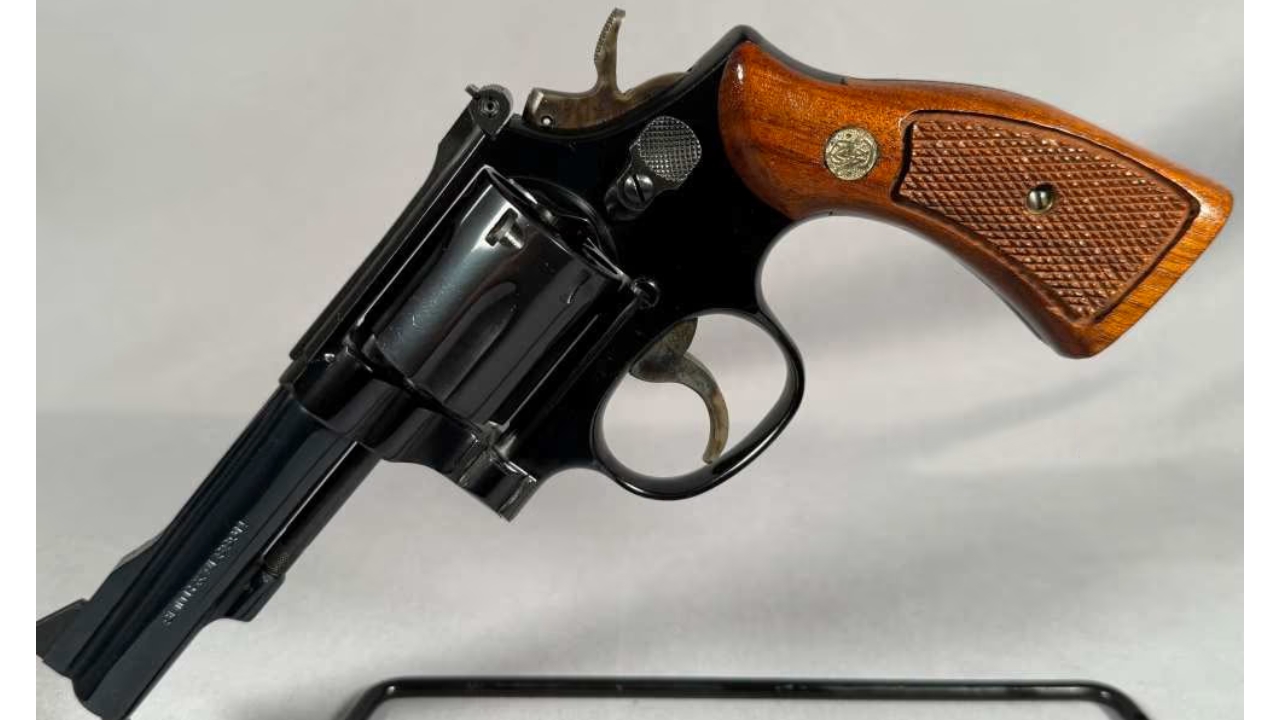
Smith & Wesson’s K-frame revolvers became trusted because they were the right size for so many jobs. They were not tiny like J-frames and not huge like N-frames. They were medium-frame revolvers that balanced carry comfort, shootability, durability, and capacity in a way that made sense for police and civilian users.
That is why K-frames still have such a following. A good Model 10, Model 15, Model 19, or Model 66 feels like a revolver that understands the human hand. They are big enough to shoot well and small enough to carry compared with larger magnum frames. That practical balance helped Smith & Wesson win trust across decades.
6. The J-Frame Became a Carry-Gun Institution

Smith & Wesson’s J-frame revolvers helped define the small carry gun long before micro-compact 9mms took over the modern conversation. These little revolvers became pocket guns, backup guns, purse guns, ankle guns, and nightstand guns for generations of people who wanted something compact and simple.
The J-frame is not easy to shoot well. It has limited capacity, stiff recoil in lightweight models, and slower reloads than a semi-auto. But it earned trust because it is compact, mechanically simple to understand, and easy to keep close. A gun people actually carry earns more trust than a bigger gun left at home.
7. The .357 Magnum Gave the Brand Serious Power
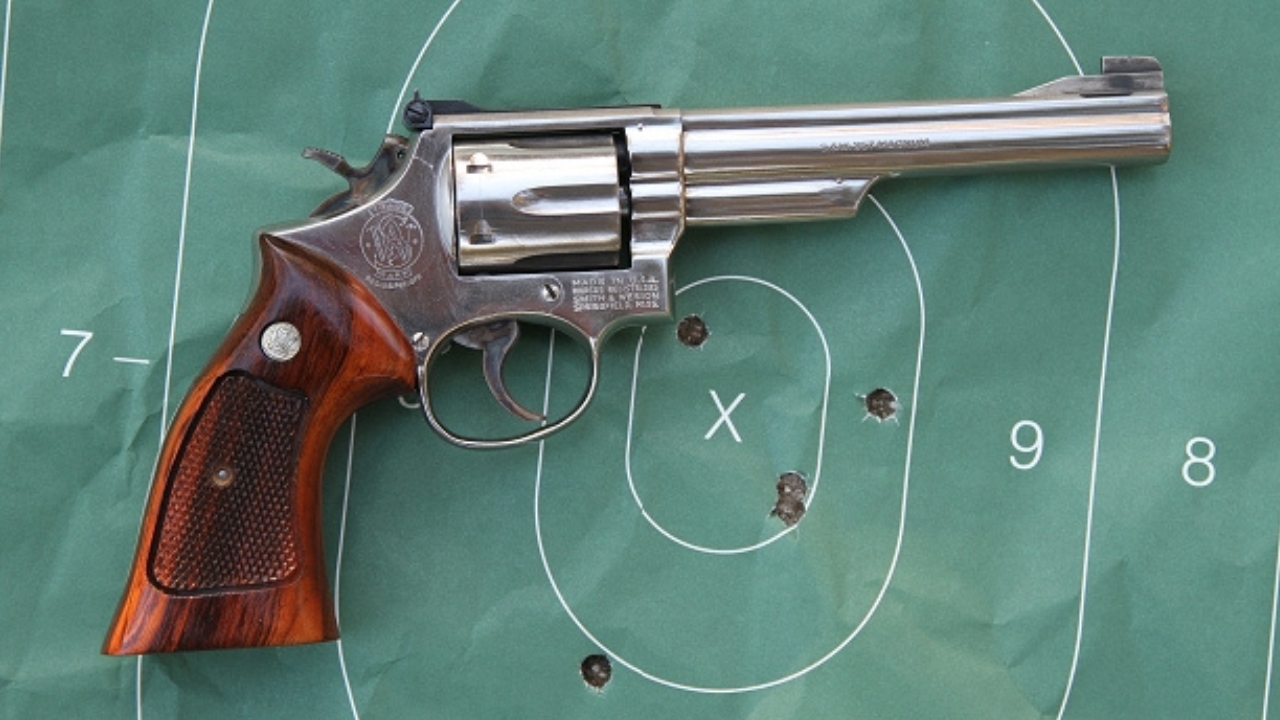
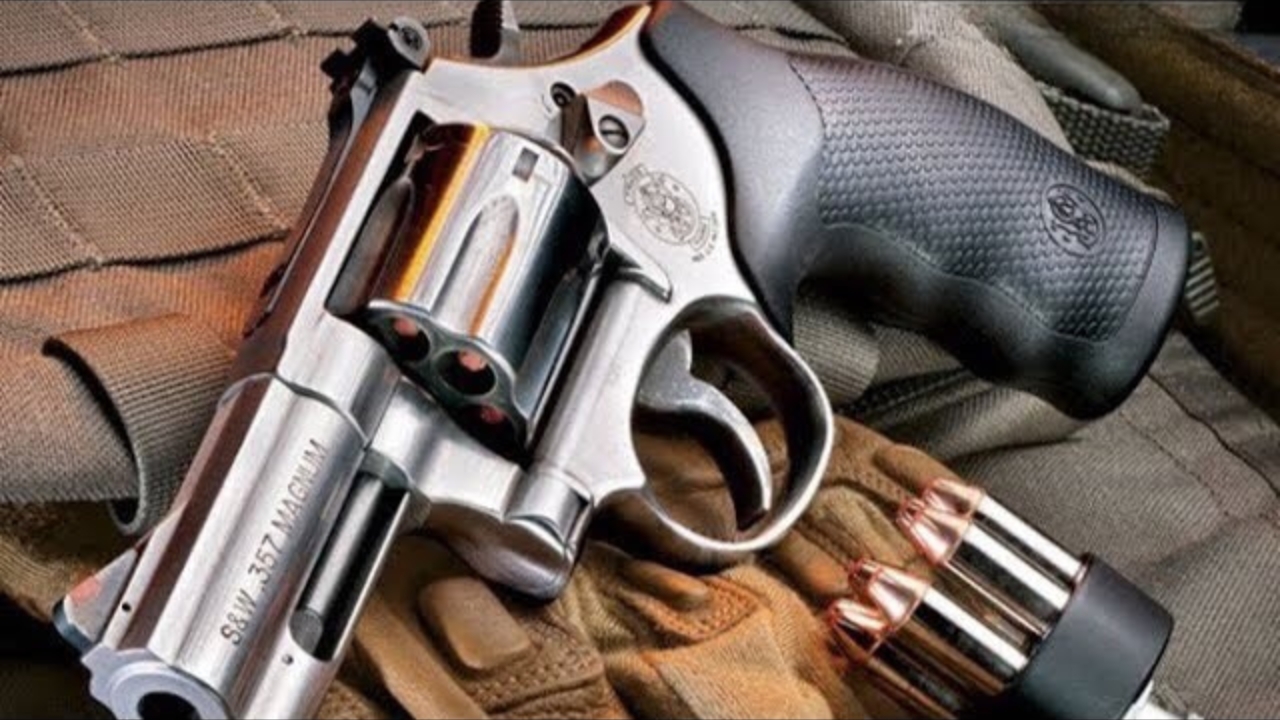
Smith & Wesson’s trust was not built only on mild .38 revolvers. The company also became deeply tied to .357 Magnum, one of the most respected revolver cartridges ever made. That gave Smith & Wesson a serious performance image for lawmen, hunters, outdoorsmen, and defensive shooters who wanted more authority than standard service rounds.
That magnum identity mattered. The Model 19 brought .357 Magnum into a more carry-friendly K-frame package. The larger N-frame and later L-frame guns gave shooters even more strength and shootability. Smith & Wesson became trusted because it could build mild-mannered police revolvers and hard-hitting magnums under the same name.
8. The Model 29 Made Smith & Wesson a Household Name

The Model 29 was already a serious .44 Magnum revolver before Hollywood got involved, but Dirty Harry turned it into a cultural symbol. Suddenly, people who knew almost nothing about revolvers knew the Smith & Wesson .44 Magnum. That kind of attention is rare.
Pop culture alone does not build trust, but it can amplify a brand that already has substance. The Model 29 gave Smith & Wesson a level of public recognition most gun companies never reach. It made the brand feel powerful, serious, and iconic. Even people who never needed a .44 Magnum remembered the name.
9. Stainless Revolvers Made Practical Sense

Smith & Wesson’s stainless revolvers helped the company stay practical as shooters wanted guns that handled weather, sweat, carry wear, and rough use better than traditional blued steel. Models like the 60, 64, 66, 686, and other stainless variants gave buyers familiar Smith & Wesson handling with more resistance to the realities of daily use.
That mattered because trust is not only about how a gun shoots on a clean range. It is about how it holds up in a holster, in humidity, in rain, and through years of handling. Stainless Smiths gave working shooters and outdoorsmen guns that were easier to live with.
10. The 686 Became One of the Great All-Around Revolvers
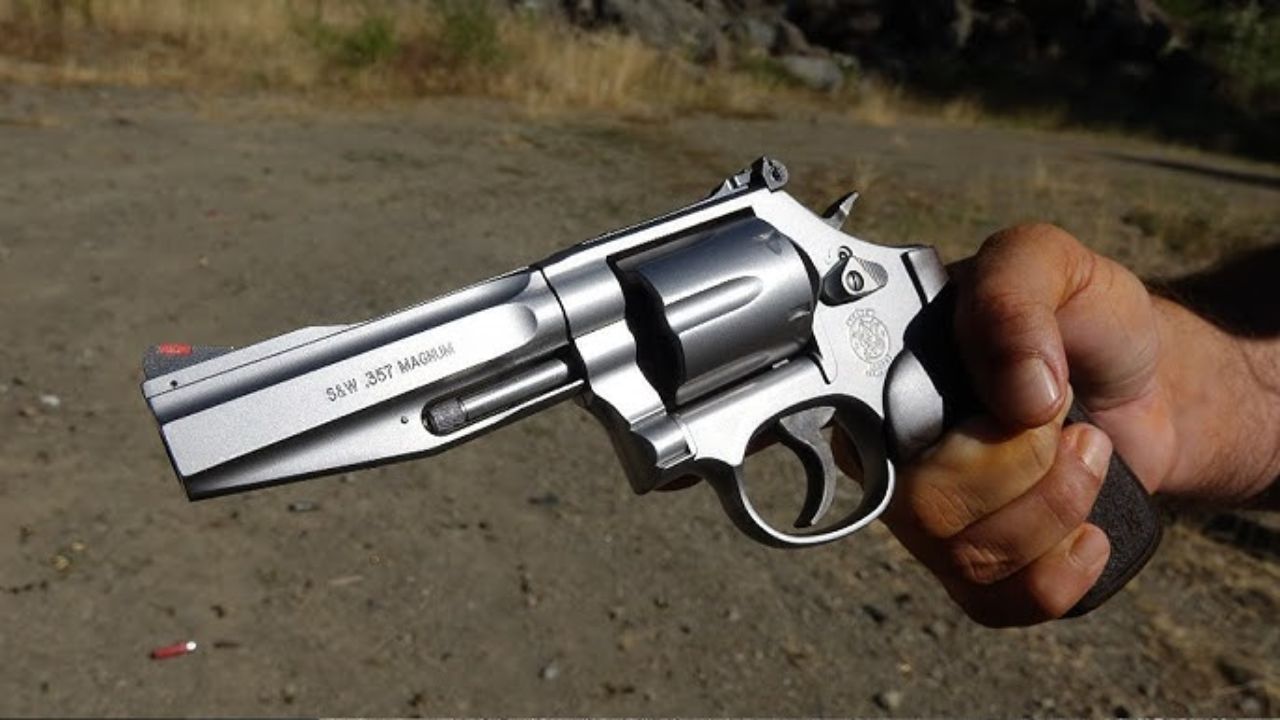
The Model 686 is one of the guns that helped Smith & Wesson keep revolver trust alive after semi-autos started taking over. Built on the L-frame, it gave shooters a .357 Magnum revolver that was stronger than the smaller K-frame magnums but not as bulky as the big N-frames.
That made it a sweet-spot revolver for range use, home defense, hunting sidearm use, and general ownership. A 4-inch or 6-inch 686 is still one of the easiest .357 revolvers to recommend. It shoots well, handles recoil well, and feels like the kind of gun that can stay in a family for decades.
11. The M&P Name Connected Old Trust to New Pistols

Smith & Wesson did something smart when it reused the M&P name for its modern pistol line. That name already had more than a century of working-gun history behind it. Smith & Wesson says the revolver known today as the Model 10 was the first M&P, introduced in 1899.
That gave the modern M&P pistols a serious name to live up to. The company was not starting from zero in the striker-fired market. It was taking one of its strongest working-gun identities and applying it to modern polymer pistols. That move helped connect old police-revolver trust to new duty-pistol buyers.
12. The M&P9 Became a Real Glock Alternative
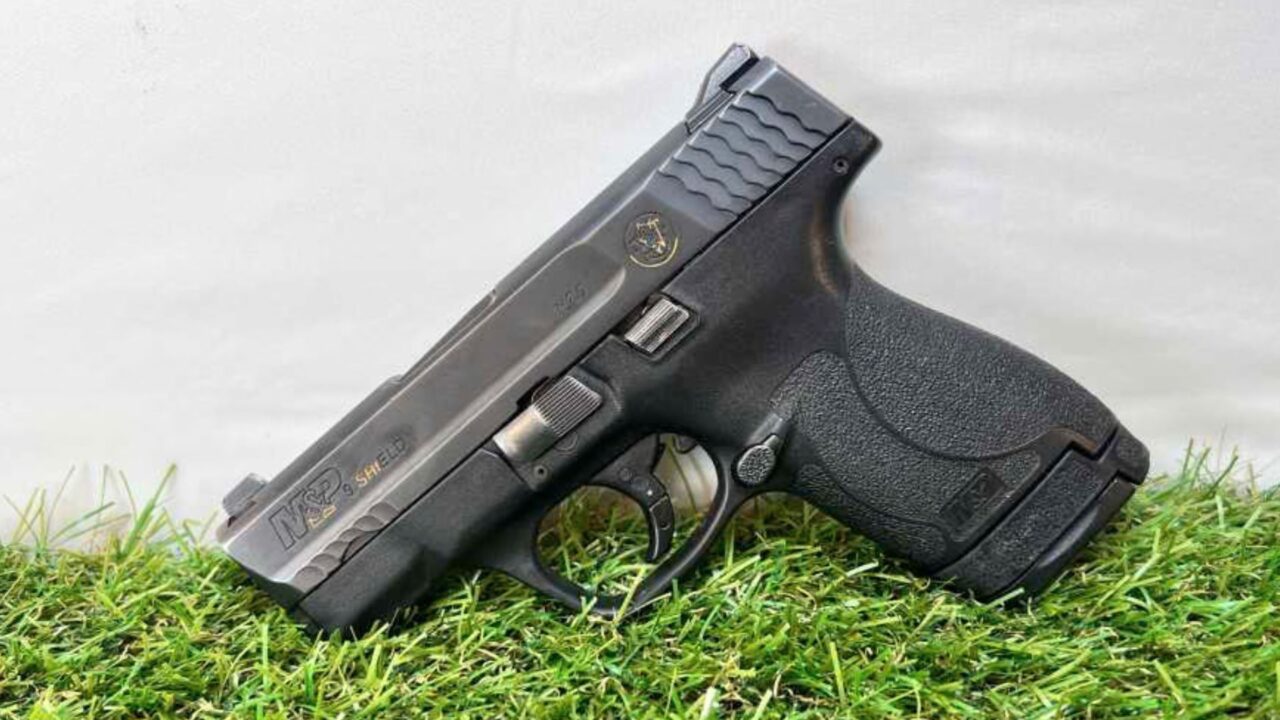
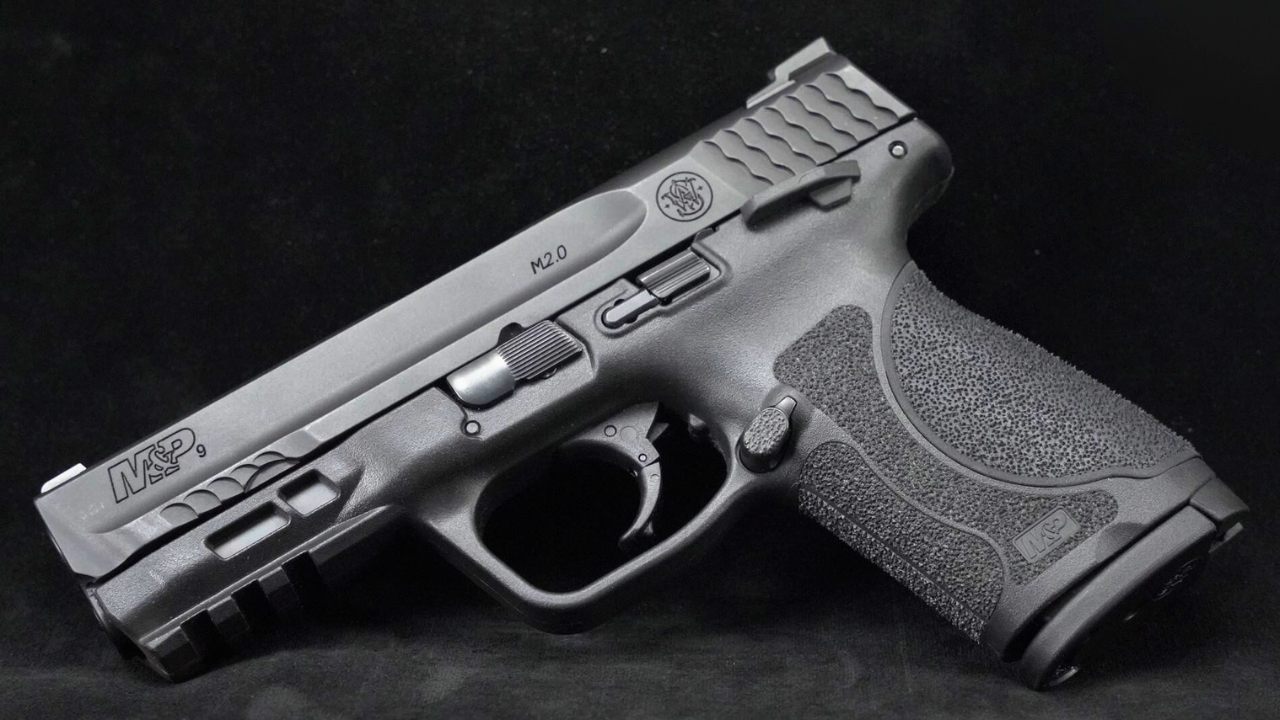
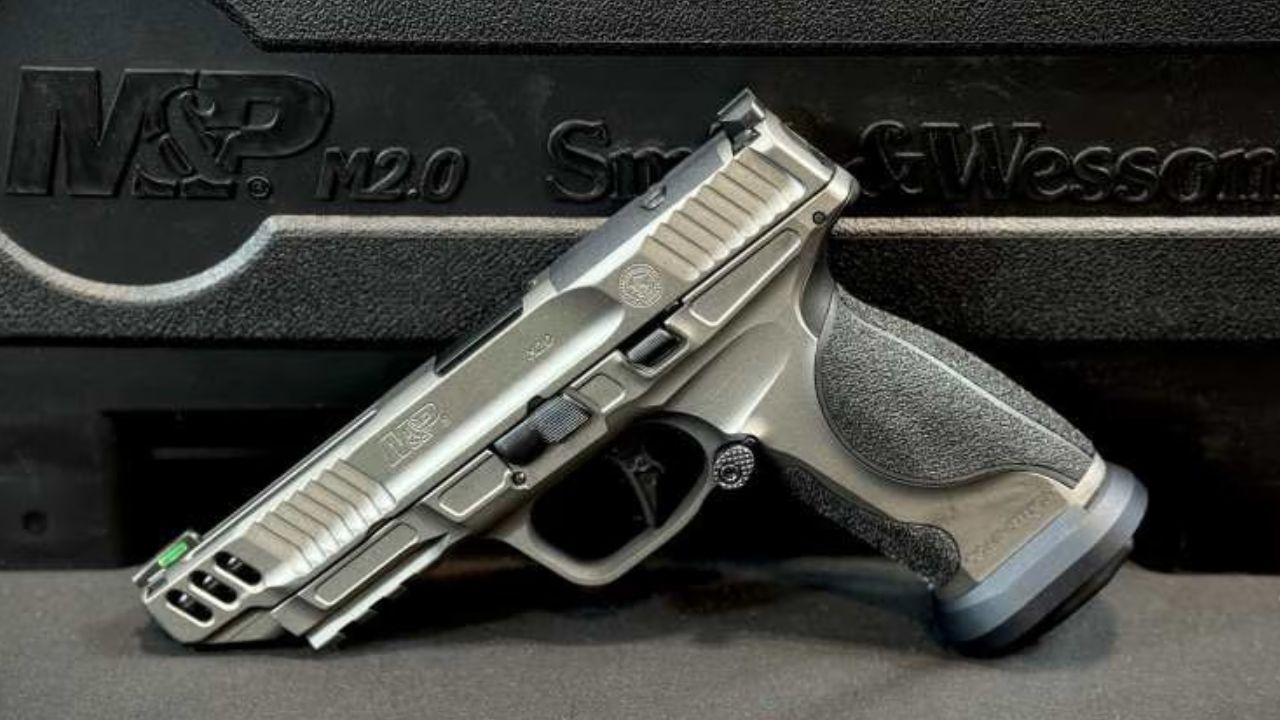
The modern M&P9 gave Smith & Wesson a serious place in the striker-fired pistol market. It offered better ergonomics for many shooters than Glock, interchangeable grip inserts, strong duty-size capacity, and a familiar American brand behind it. The later M2.0 line improved texture, trigger feel, and optics-ready options in ways that kept it competitive.
That mattered because Smith & Wesson could not live only on revolver nostalgia. The M&P9 showed the company could still build a modern defensive pistol that agencies, civilians, and instructors would take seriously. It gave the brand a new layer of trust with shooters who may never carry a revolver.
13. The Shield Changed Everyday Carry

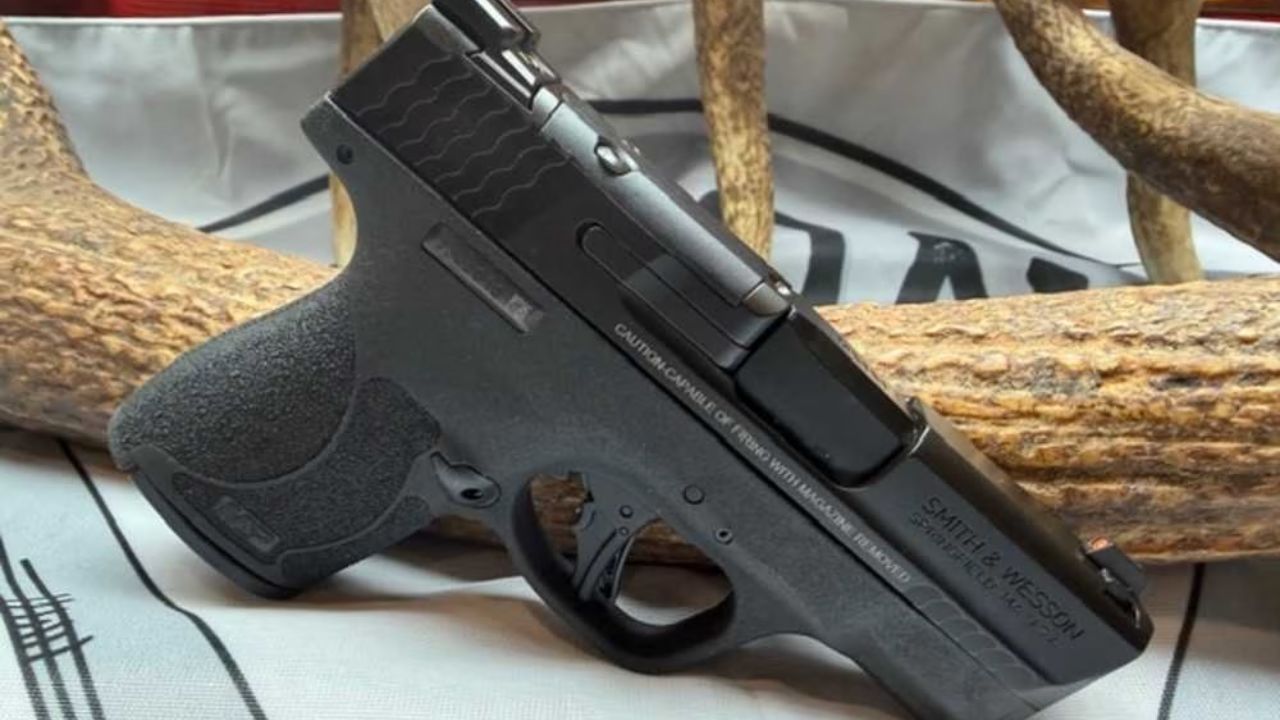
The M&P Shield was one of Smith & Wesson’s biggest modern wins. Before today’s higher-capacity micro-compacts became normal, the Shield gave concealed carriers a slim, affordable, reliable single-stack 9mm that was easy to recommend. It became a standard answer for people who wanted a serious carry pistol without a lot of bulk.
That kind of gun builds trust fast. The Shield did not need to be flashy. It needed to be thin, dependable, shootable enough, and priced where normal buyers could reach it. Smith & Wesson nailed that lane. The Shield Plus later brought higher capacity, but the original Shield had already done the hard work of making Smith & Wesson feel current in concealed carry.
14. The Tennessee Move Showed the Brand Was Still Changing
Smith & Wesson spent most of its life tied to Springfield, Massachusetts, but the company moved its headquarters and significant operations to Maryville, Tennessee. The company announced the relocation plan in 2021, and AP reported the 650,000-square-foot Tennessee headquarters opened in 2023 as part of a $125 million relocation plan.
That move was more than a business address change. It showed Smith & Wesson was willing to reshape itself around modern manufacturing, politics, labor, and regulatory realities. A brand can be old and still adapt. The Tennessee move proved Smith & Wesson was not frozen in its Massachusetts past.
15. Smith & Wesson Earned Trust by Covering Every Handgun Era
The main thing that made Smith & Wesson one of America’s most trusted gun names is that it mattered in almost every handgun era. Top-break revolvers. Hand ejectors. K-frame police guns. J-frame carry guns. Magnum revolvers. Stainless working guns. Model 29 fame. M&P striker-fired pistols. Shield carry guns.
That range is hard to match. Plenty of brands have one famous design or one golden era. Smith & Wesson has had several. It has made mistakes, taken criticism, and had rough patches like every old gun company, but the name keeps surviving because too many shooters have owned a Smith that worked when they needed it to. That is how trust gets built: one plain, useful, reliable gun at a tim
Like The Avid Outdoorsman’s content? Subscribe to our newsletter so you never miss an article.
Here’s more from us: