Photo credit: duelist1954/YouTube
Range day usually tells you what a pistol really is. A gun can look good in photos, feel decent at the counter, and still start showing problems once the magazines get loaded and the timer comes out. Sometimes the warning sign is reliability. Sometimes it is the way the gun beats up your hands, fights your grip, or makes basic hits feel harder than they should.
That does not mean every pistol here is useless. Some have fans, and some can run fine for the right owner. But when a handgun starts giving you doubts during ordinary practice, that doubt matters. A pistol should build confidence at the range, not leave you wondering what would happen if you needed it for real.
Honor Defense Honor Guard
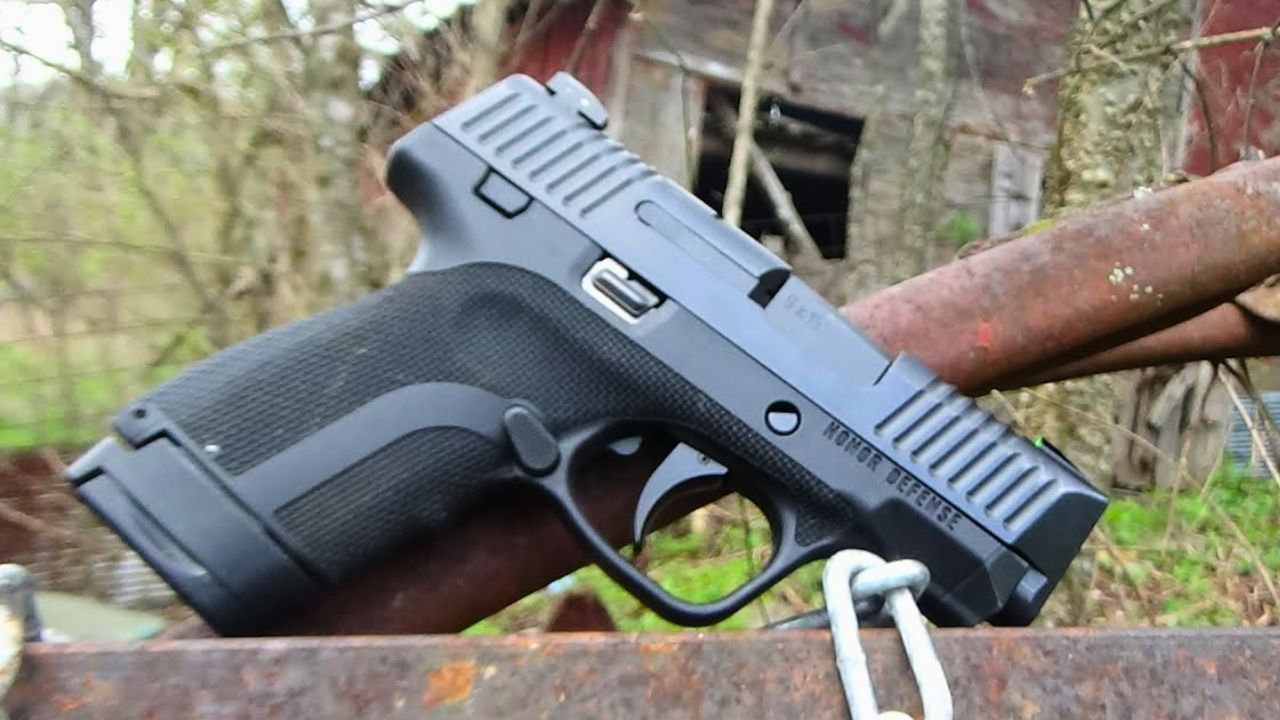
The Honor Guard looked like another serious swing at the single-stack 9mm carry market. It had aggressive texturing, decent sights, and enough American-made appeal to get attention from buyers who wanted something outside the usual Glock, Smith, and Ruger choices.
Then range time made some shooters cautious. The grip texture could feel harsh, the trigger did not win everyone over, and the brand never built the kind of long-term trust that matters with a defensive pistol. When a carry gun makes you wonder about parts, support, and future confidence after only a few boxes of ammo, that is a warning sign.
Diamondback DB380

The Diamondback DB380 sells on size. It is tiny, flat, and easy to hide, which makes it tempting if you want a pocket gun that does not feel like you are carrying anything. At the counter, that kind of convenience can drown out every other question.
The range usually brings those questions back. The grip is short, the sights are small, and recoil feels sharper than some shooters expect from a .380. It can be tough to shoot well past close distance, especially if your hands are large. When practice feels like something you want to end early, the carry comfort starts looking less impressive.
Taurus PT111 Millennium Pro
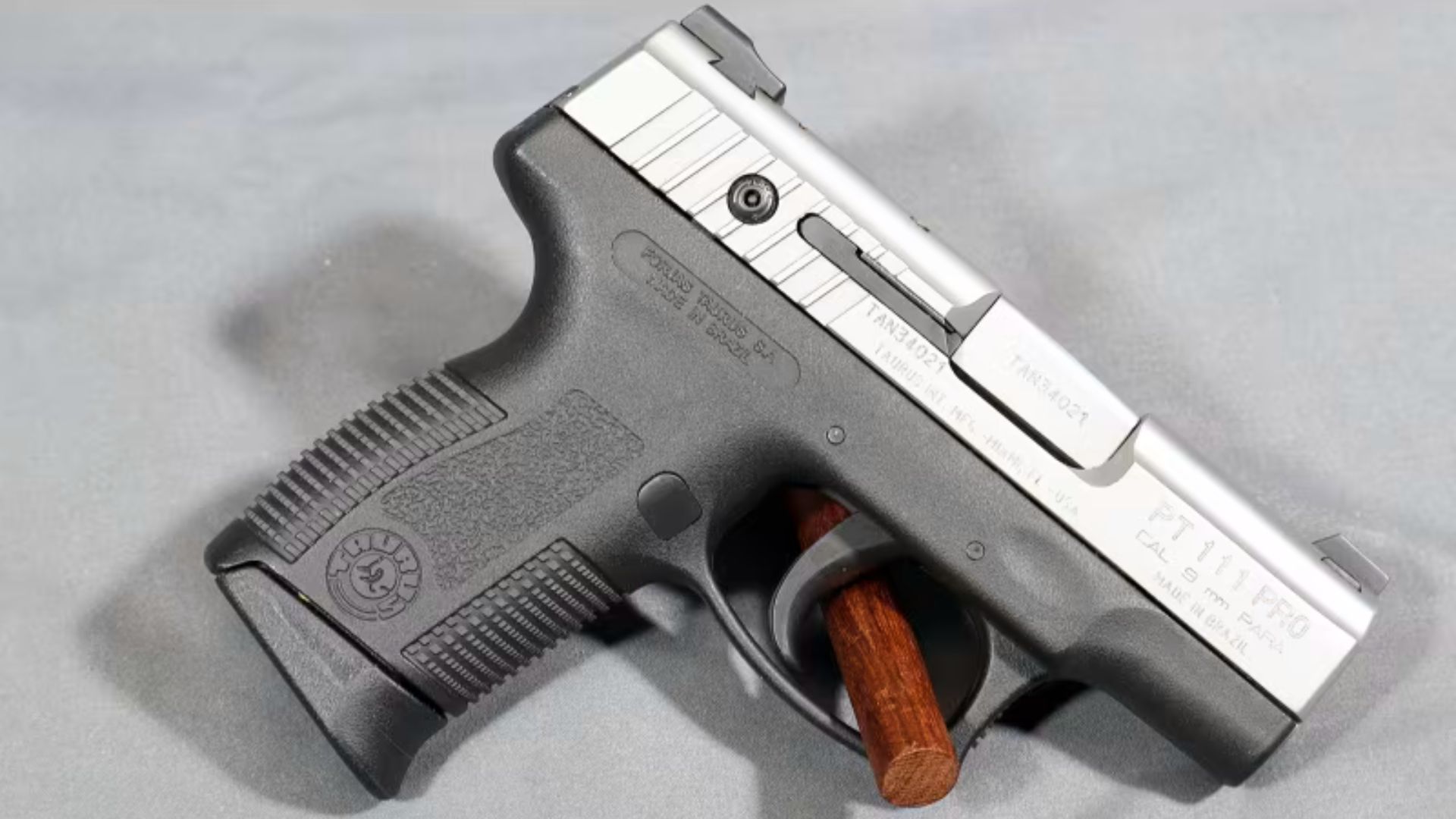
The PT111 Millennium Pro had a strong following because it was affordable, compact, and offered more capacity than many small carry guns of its era. For budget-minded shooters, it looked like a practical way to get into a defensive 9mm without spending too much.
The problem is that range confidence varied a lot from owner to owner. Some guns ran fine, while others gave shooters doubts with trigger feel, finish, parts quality, or reliability concerns. Once later Taurus models improved the company’s reputation, the old PT111 became harder to defend. If your range trip makes you wonder whether you bought the wrong generation, that is not a great feeling.
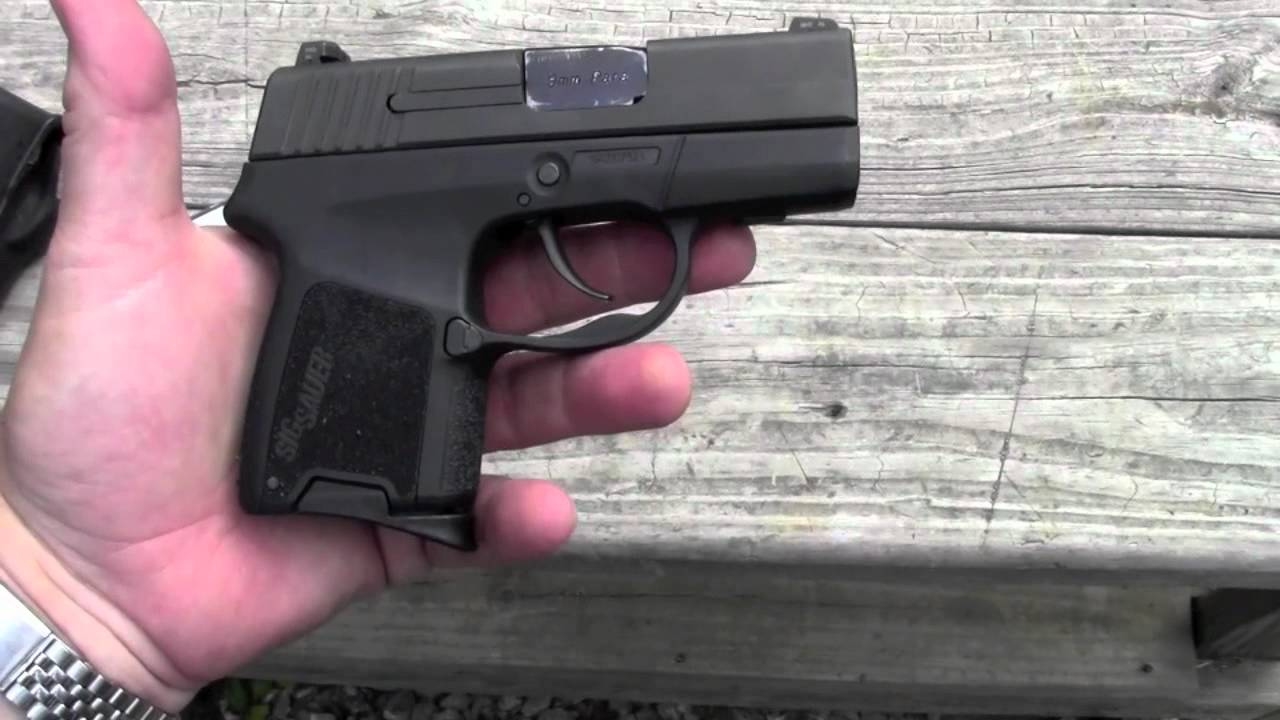
SIG Sauer P290
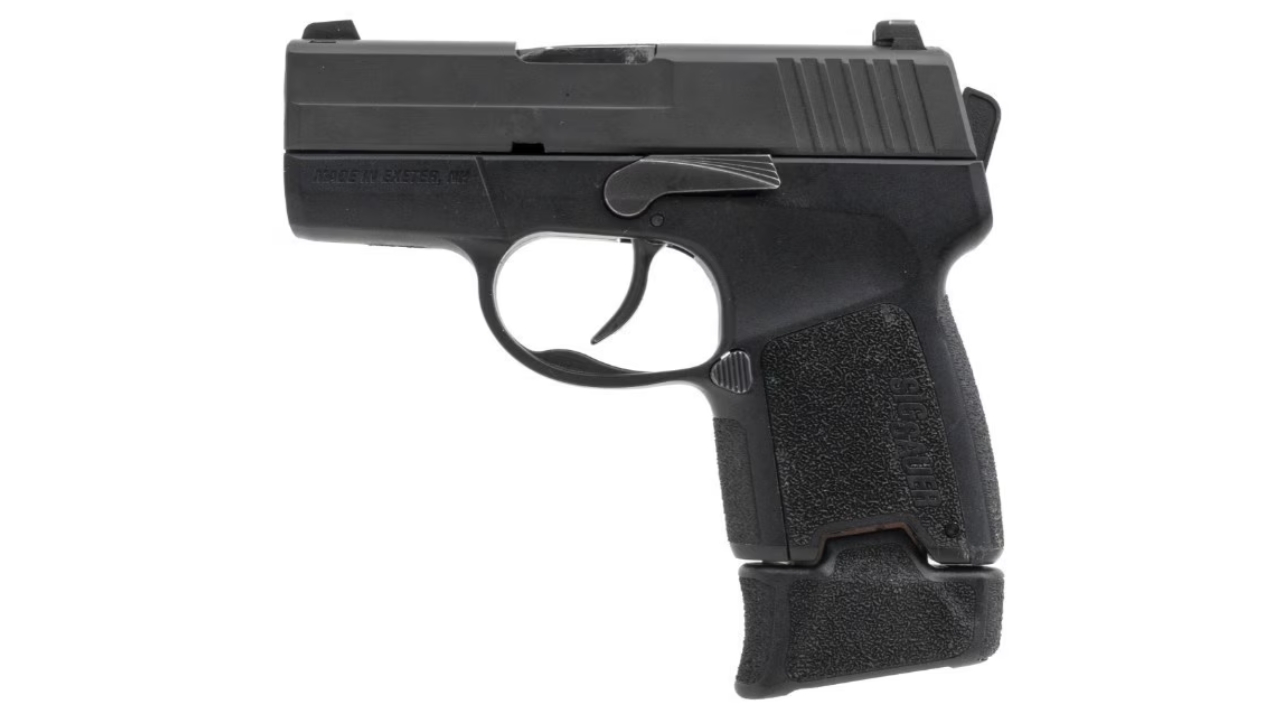
The SIG P290 looked like a sturdy little pocket 9mm with a real brand behind it. It had a chunky, serious feel and seemed like it should be more pleasant than some of the featherweight micro pistols on the shelf. For deep concealment, it made sense on paper.
Shooting it could be a different matter. The long double-action trigger, small grip, and snappy recoil made clean work slower than many expected. It was not broken by design, but it made simple drills feel demanding. When a small pistol carries like a pocket gun but shoots like a chore, range day starts telling you something.
Heizer PKO-45
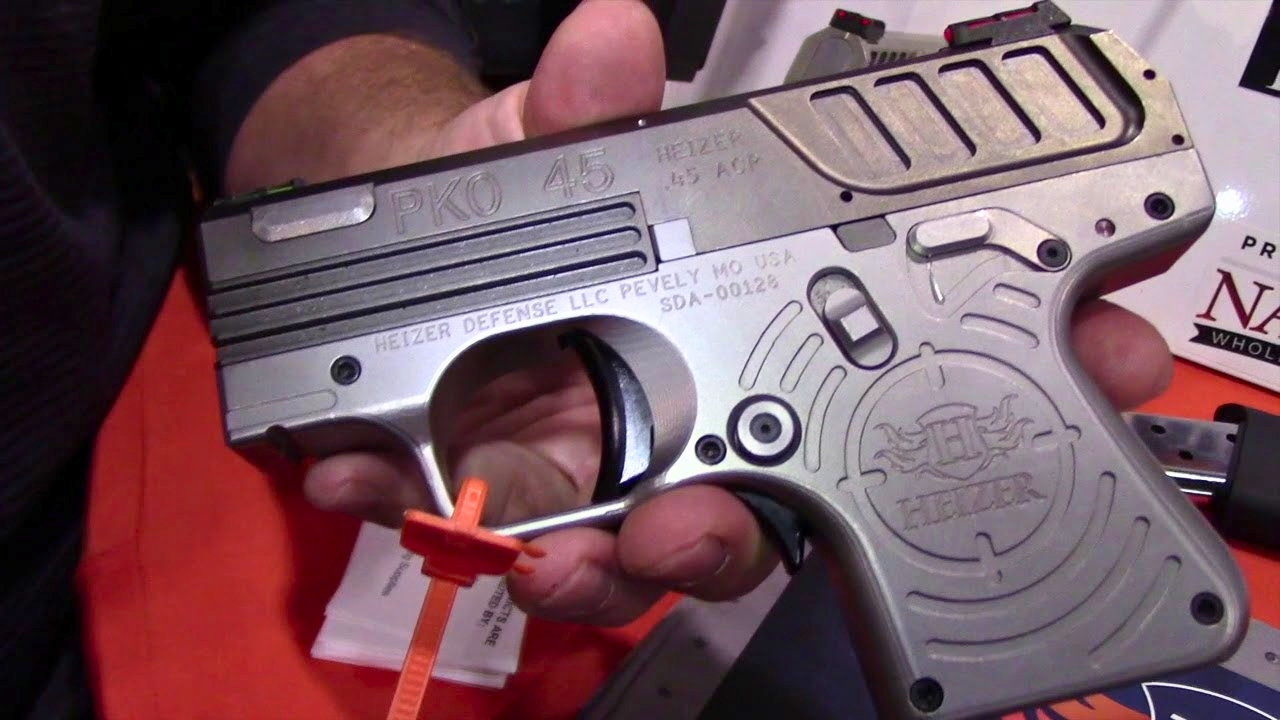
The Heizer PKO-45 sounds interesting because it tries to put .45 ACP into an extremely thin, compact package. That kind of idea gets attention from shooters who like big-bore carry guns and unusual designs. It is easy to understand why someone might want to try it.
Then the range reminds you that physics still matters. A small, thin .45 can be unpleasant fast, and the limited grip surface does not give you much help. Follow-up shots take effort, and longer practice can feel more like endurance testing than training. If a gun makes you dread another magazine, it is waving a pretty clear flag.
Walther PPS M1
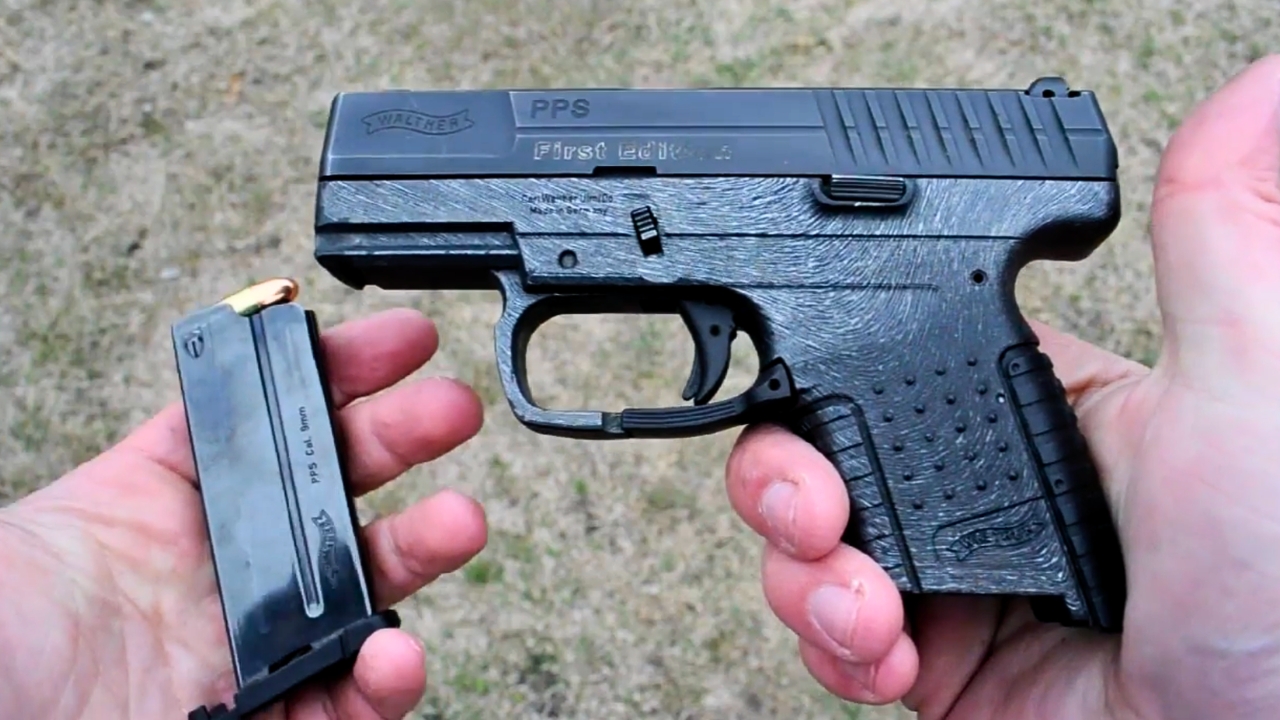
The Walther PPS M1 was respected in its day because it was slim, accurate, and better built than many early carry pistols. It had a serious feel and a clean profile that made it attractive before the modern micro-compact market exploded.
The warning signs show up when newer shooters deal with its quirks. The paddle-style magazine release, small grip options, and snappy single-stack feel can slow people down if they are used to simpler modern setups. It can still shoot well, but the ownership experience feels dated now. When newer pistols give more capacity and easier controls, the old PPS can feel like extra work.
Bersa BP9CC

The Bersa BP9CC seemed like a sleeper carry pistol for a while. It was slim, affordable, and had a lighter trigger than many shooters expected from a budget compact. For someone shopping below the big-name price tags, it looked like a smart find.
Range day could expose the rougher parts. The trigger feel was not for everyone, the grip was thin, and recoil control took more attention than some expected. Add limited aftermarket support and weaker resale value, and the bargain starts looking less clean. A carry pistol does not just need to fire; it needs to make practice feel worth repeating.
FMK 9C1
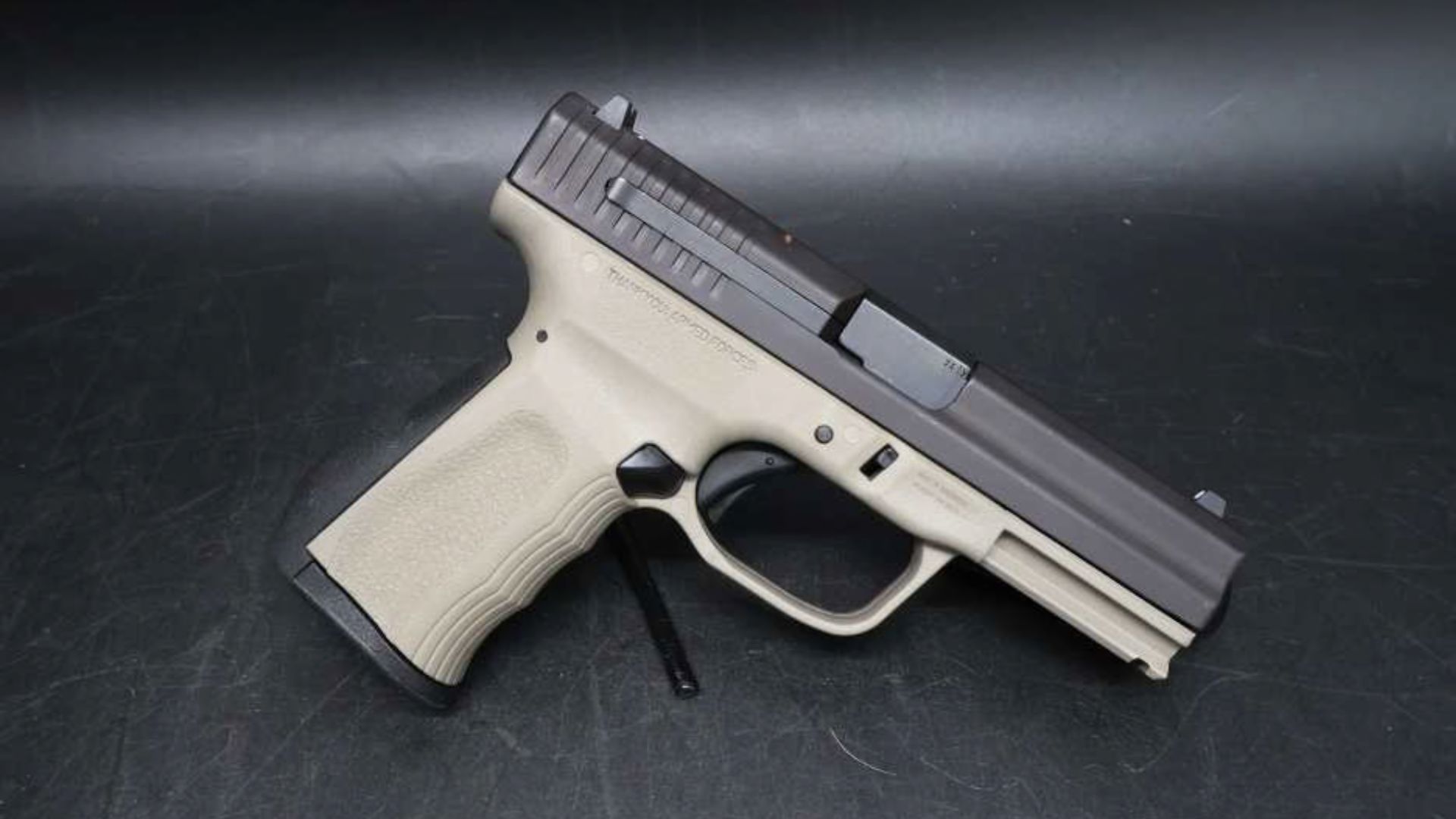
The FMK 9C1 tried to compete as an affordable American-made striker pistol. It had a familiar shape, decent capacity, and a price that could pull in buyers who wanted a basic 9mm without paying Glock or Smith money. On paper, that sounds useful enough.
At the range, the pistol often felt less convincing. Trigger complaints, fit-and-finish concerns, and mixed owner experiences made some shooters question whether they had saved money or just accepted more uncertainty. If a gun feels like it needs explaining after every range session, that is a problem. Confidence should not require a long defense speech.
Boberg XR9-S
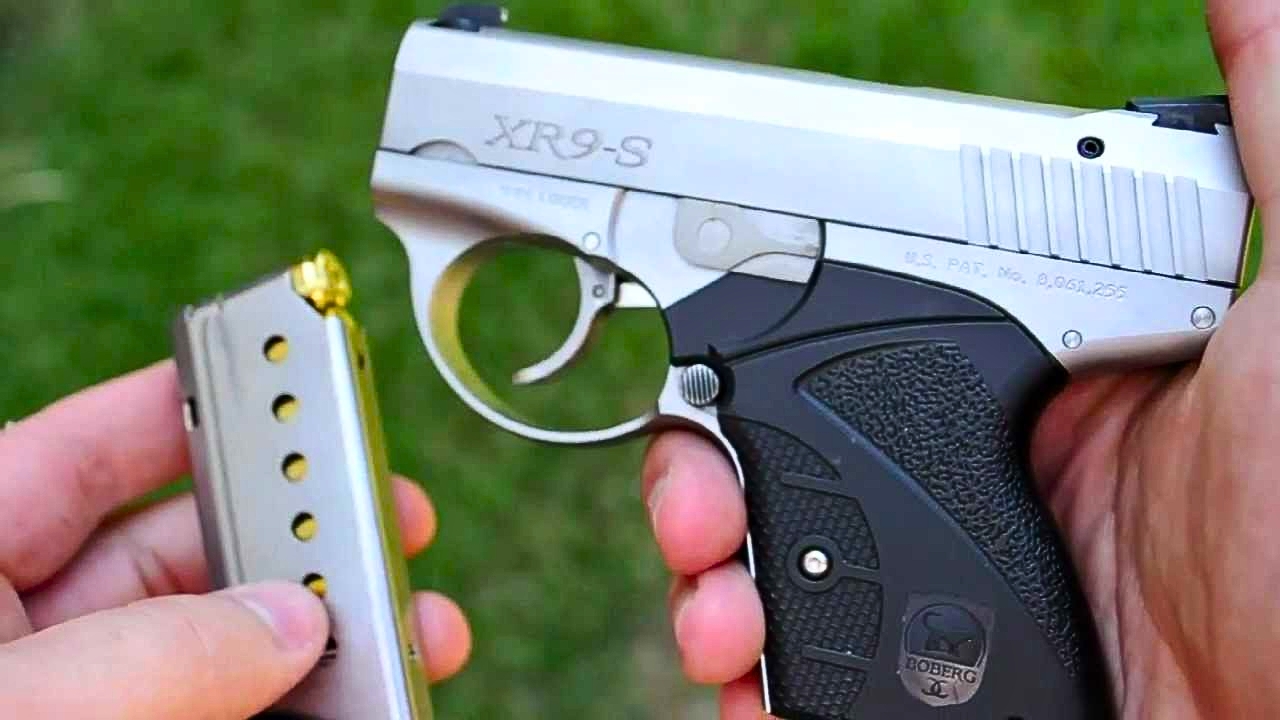
The Boberg XR9-S was one of the more interesting compact pistols to hit the market. Its reverse-feed system allowed a longer barrel in a small package, and the whole design felt like something different in a sea of ordinary carry guns. That alone made shooters curious.
The problem is that unusual designs can create unusual worries. Ammo compatibility mattered, the feeding system was not what shooters were used to, and support was never as simple as buying parts for a common platform. Even when it worked, the pistol made some owners think too much. A carry gun that feels clever but complicated can make range day feel like a warning sign.
Springfield Armory 911
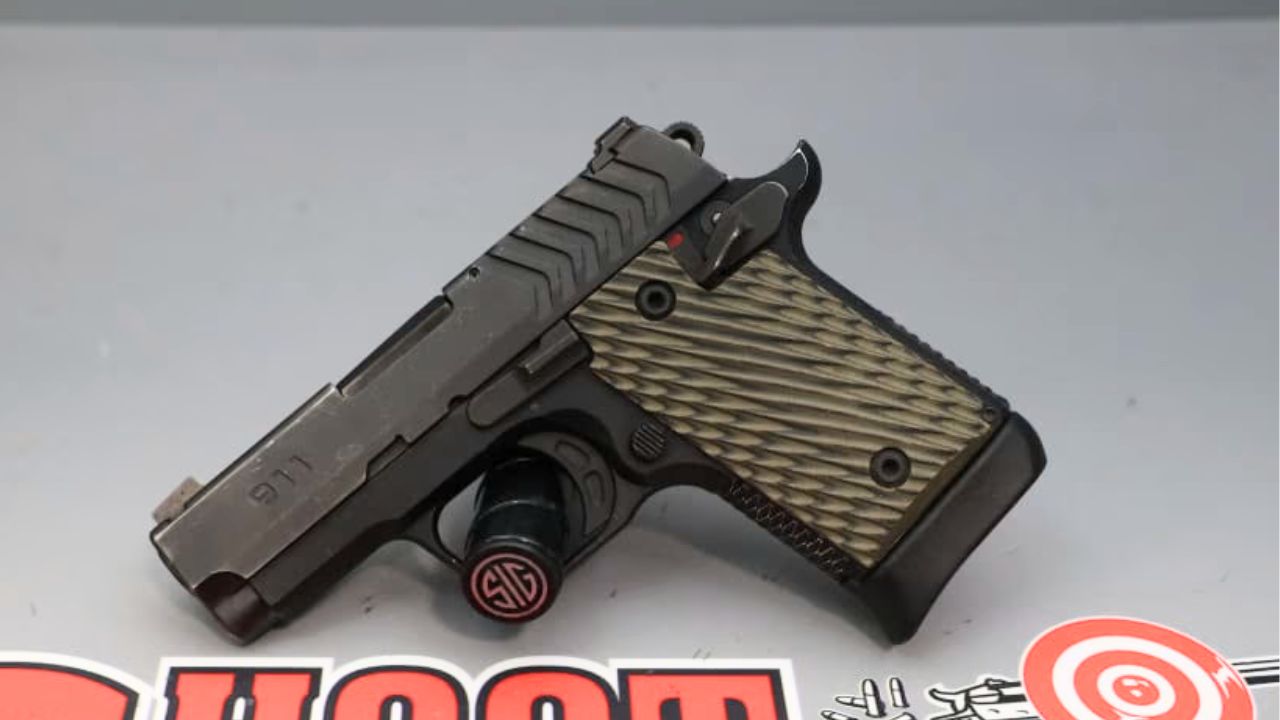
The Springfield 911 looked like a tidy little .380 for people who liked mini 1911-style pistols. It had useful sights, a familiar control layout, and enough metal-frame charm to feel more serious than the smallest polymer pocket guns.
The issue is that tiny single-action pistols ask for careful handling. The grip is short, the safety must be trained around, and recoil can still feel sharp in such a small frame. Some shooters do fine with it, but others leave the range realizing they have a gun that requires more practice than they expected. Small and classy does not always mean simple.
Beretta Pico

The Beretta Pico was built around deep concealment and modular thinking. It was slim, smooth, and designed to be carried with almost no snag points. That makes sense if the main concern is keeping a pistol hidden in light clothing.
Shooting it is where the warning signs start for many people. The trigger is long, the grip is thin, and the sights do not make the pistol feel especially easy under speed. It can work at close range, but it does not encourage much practice. A gun that carries beautifully but makes you avoid range time is not doing you many favors.
KelTec P-32
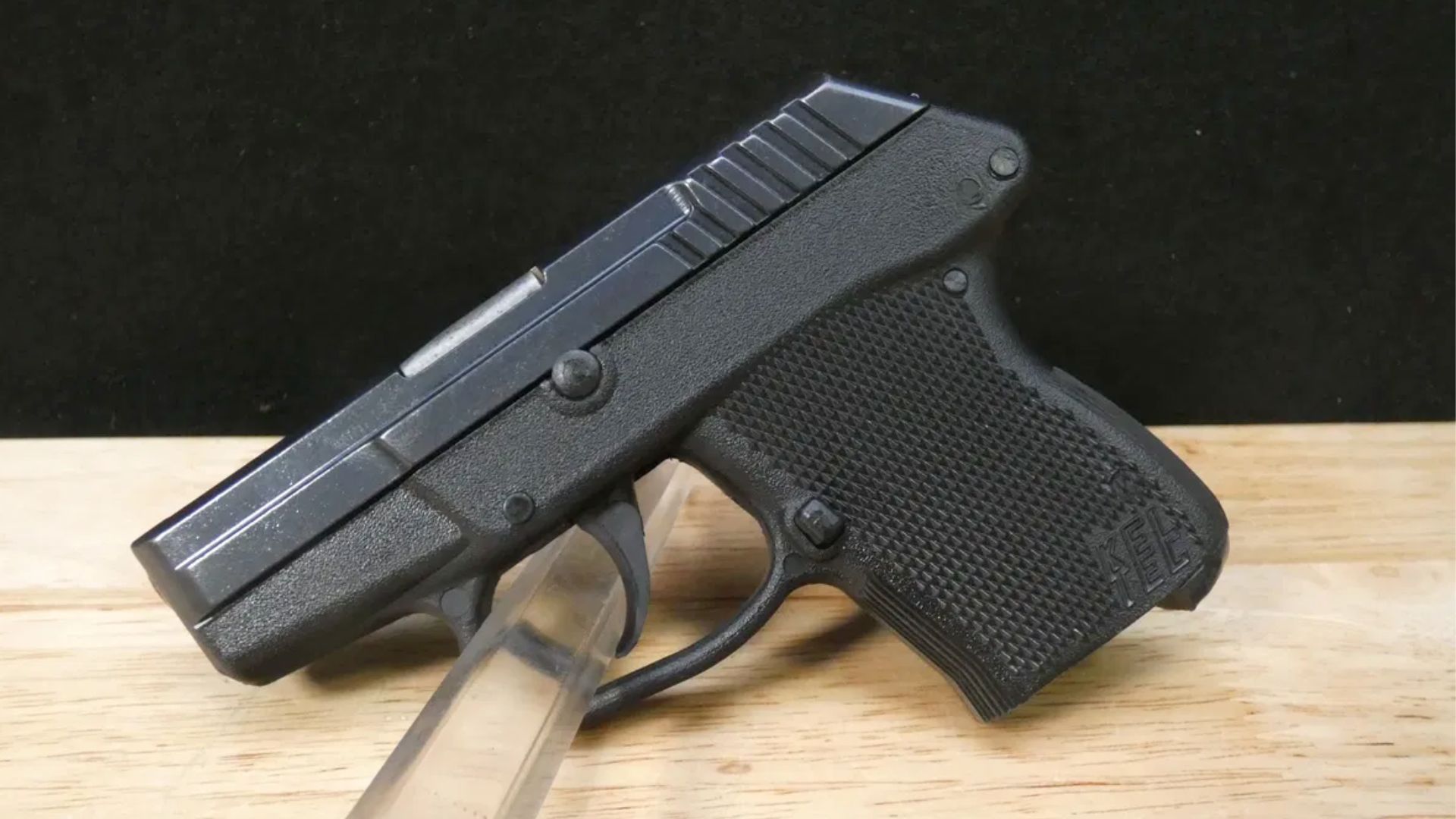
The KelTec P-32 is incredibly easy to carry. It is light, slim, and disappears in a pocket in a way most pistols cannot. For backup use or deep concealment, that is a real advantage. It is the kind of gun you can actually have on you when bigger pistols stay home.
The range reminds you what you gave up. The sights are minimal, the grip is tiny, and the cartridge itself limits what many shooters expect from it. It is not punishing like some tiny 9mms, but it is hard to shoot with confidence beyond close distances. If range day makes you question capability, that question matters.
Para Carry 9
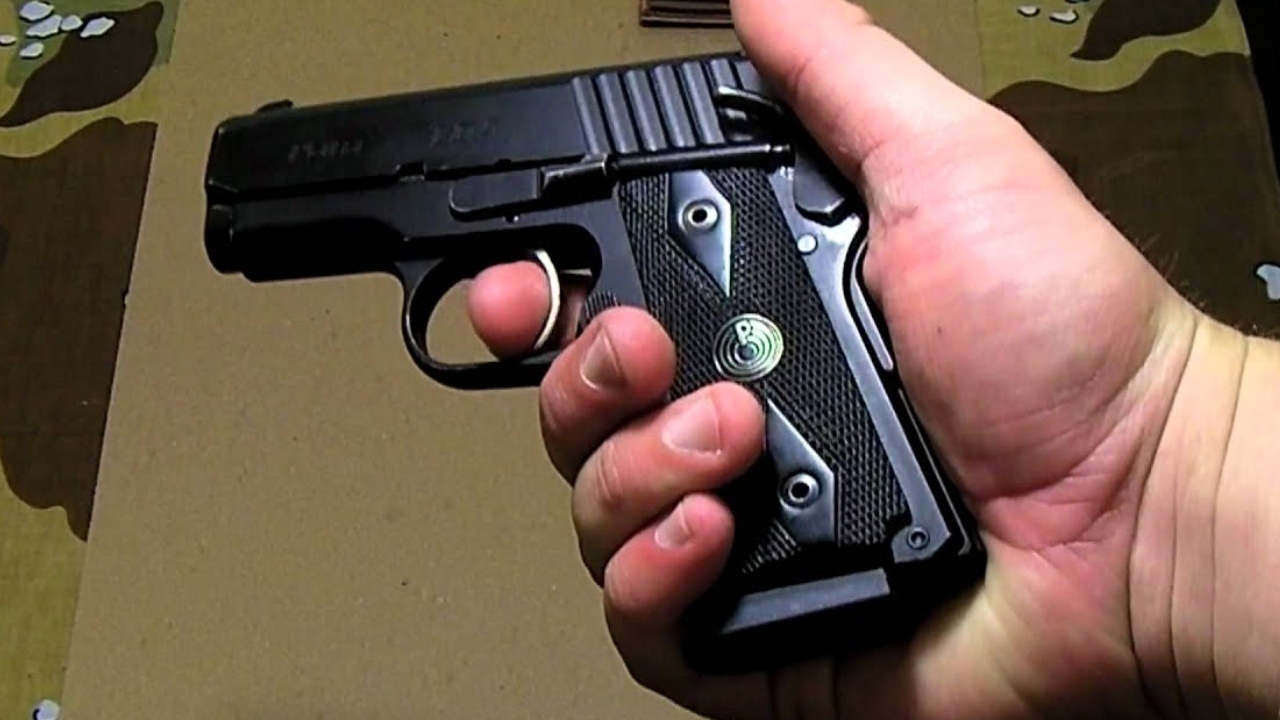
The Para Carry 9 appealed to shooters who wanted a compact 1911-style 9mm before that category became crowded. It had familiar controls, decent concealment, and the kind of metal-frame feel that polymer pistols do not offer. At first glance, it seemed like a refined carry option.
The problems came from the usual small-1911 concerns. Short slides, compact magazines, and tight timing can make reliability more sensitive than shooters expect. When the gun runs, it feels good. When it starts acting picky, confidence drops fast. A compact defensive pistol should not make you wonder whether the design is being pushed too far.
Cobra FS380

The Cobra FS380 attracts attention mostly because it is cheap and simple. For someone who wants a low-cost defensive pistol, the price can make it seem better than going without. At the counter, affordability can feel like the whole argument.
The range often tells a harsher story. Heavy trigger feel, rough finish, small sights, and inconsistent impressions make it hard to build real trust. Even if an individual pistol fires, the experience may not inspire confidence. Cheap is only helpful if the gun makes you want to practice and carry it. Otherwise, it becomes a warning sign with a low sticker price.
Detonics CombatMaster

The Detonics CombatMaster has a cool factor that still catches people. It is a compact .45 with history, attitude, and a shape that feels different from a normal 1911. For collectors and old-school pistol fans, it has real appeal.
As a practical shooter, though, it can make range day feel demanding. The short grip, heavy recoil impulse, small sight picture on some examples, and compact 1911 timing all ask more from the shooter. It is interesting and collectible, but not always easy to run well. Sometimes the range reminds you that a legendary idea can still be a hard pistol to live with.
Like The Avid Outdoorsman’s content? Subscribe to our newsletter so you never miss an article.
Here’s more from us: