Photo credit: wave111/Pixabay.com
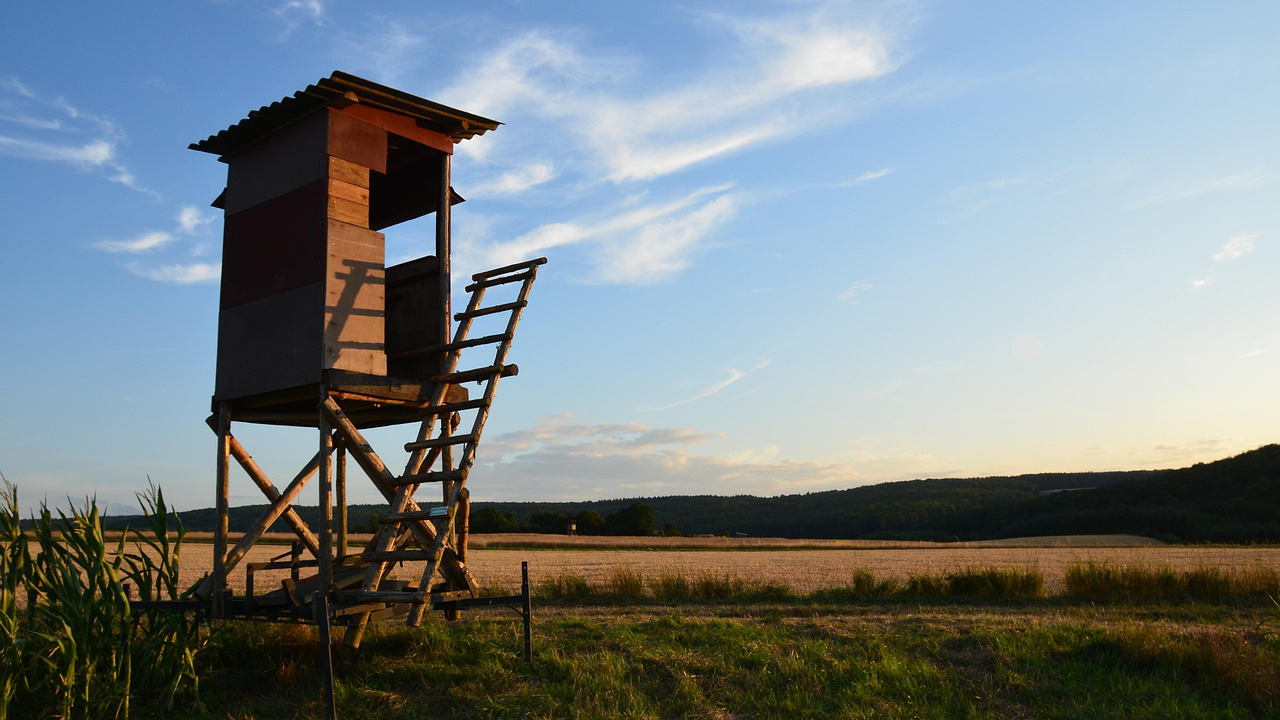
A Michigan hunter asked a question that sounds simple until you put it in the woods during deer season: if someone leaves a tree stand on public land, is it fair for another hunter to use it?
The question came up in a post on r/Hunting titled “Probably a repeat topic: is it ethical to use someone else’s tree stand on public land?” The poster did not lay out a long personal confrontation or a dramatic run-in at daylight. Instead, he gave one key detail — “Michigan for reference” — and let hunters argue over the bigger issue.
And they did.
The post opened up one of those old public-land debates that never really goes away. Public land belongs to everyone, but hunting gear still belongs to the person who bought it, packed it in, and hung it. That creates an awkward middle ground when a ladder stand, climber, blind, or homemade setup gets left in the woods. The land is open. The spot is open. But the equipment sitting there is not yours.
Some hunters saw it as a clear ethics issue. They would not climb into another person’s stand, even if the law allowed it. To them, using someone else’s gear without permission is no different from helping yourself to someone’s truck, boat, or backpack because it happened to be sitting on public ground.
Others looked at it differently. If a hunter leaves a stand on public land for days, weeks, or an entire season, he cannot expect it to reserve the spot like a restaurant table. A stand does not give anyone ownership of that tree, that ridge, or the deer moving through it. If the owner wanted guaranteed access, commenters argued, he should have beaten everyone else there that morning or leased private ground.
That was where the thread got interesting. Most hunters agreed that public land cannot be claimed. But they were nowhere near agreement on whether sitting in another person’s stand crosses the line.
Several commenters said they would not use a stand that another hunter put up, regardless of whether it was technically legal in Michigan or anywhere else.
One hunter summed up the mindset by saying that if something is not his, he does not mess with it. Others compared it to a car parked on a public street or a bicycle left outside. The street may be public, but that does not mean the vehicle is free for anyone to use.
That argument came up again and again. The stand itself cost money. Someone carried it in, hung it, secured it, and probably chose the tree after scouting. Even if the land belongs to the public, the equipment does not magically become community property just because it is attached to a tree.
There was also a safety concern. Some commenters said they would never climb into a stand they did not hang themselves because they would not know how well it was installed, how old the straps were, or whether anything had shifted. That practical concern cut through the ethics debate pretty quickly. Even if a person felt comfortable using another hunter’s setup, trusting a stranger’s gear 15 or 20 feet up a tree is a separate question.
A few hunters said they might sit near a stand but not in it. That seemed to be a common middle ground. The tree and the area are public. The stand is not. If the location is good, they might hunt the ground nearby, but they would not climb into someone else’s platform.
That approach lets a hunter reject the idea that someone can claim a public spot without actually using another person’s property. It may still irritate the stand owner, but it avoids the part that feels like taking liberties with someone else’s equipment.
On the other side were hunters who said a stand left on public ground comes with no guarantee.
One commenter said he always assumed that if he put a stand on public land, there was a chance someone else would beat him to it. Another said that if a hunter leaves a stand in a good spot and someone gets there first, that is simply the risk of leaving it out there.
That side of the debate focused less on the physical stand and more on what the stand represents. Many hunters do not leave stands on public land only because it saves work. They do it to mark territory. A stand left in a prime spot can make other hunters feel like they are walking into “someone else’s area,” even when the land is open to everyone.
Several commenters had strong feelings about that. They said public-land hunters sometimes use stands, blinds, and cameras to create the impression that a spot is occupied, even when they are not hunting it that day. In that case, the gear becomes less about convenience and more about intimidation.
One hunter shared a story about finding multiple blinds placed in good turkey spots before opening day. According to the commenter, another person later admitted to putting them out to keep others away so he could hunt those birds later. That kind of behavior is exactly why some hunters refuse to treat unattended blinds or stands like reserved seats.
That phrase — reserved seats — kept circling the debate. Public land is not middle school lunch, one commenter argued. You do not get to leave gear out and call dibs on a place everyone has a legal right to use.
In that view, using the stand might still be awkward, but it is not the real problem. The bigger problem is hunters trying to turn public land into private territory without paying for it.
Even some hunters who believed it was legal or fair admitted they would be careful because of what could happen if the stand owner walked in.
That was the part nobody could ignore. Deer season already puts people in the woods before daylight, often tired, cold, and armed. If one hunter climbs into a stranger’s stand and the owner shows up expecting to hunt it, the conversation can get tense fast.
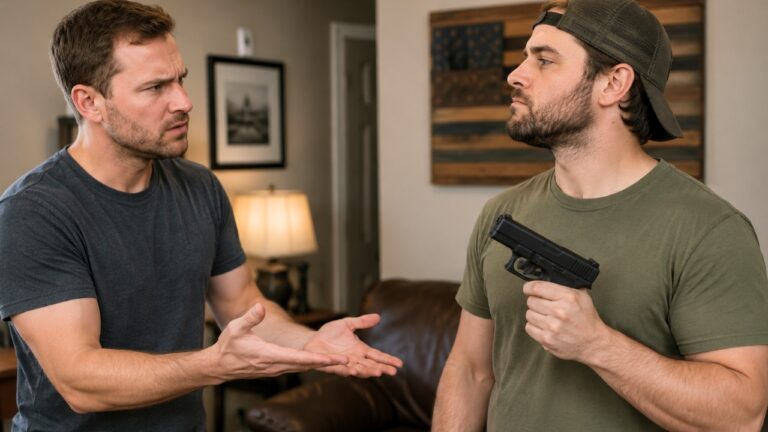
One commenter said it would be awkward if the owner arrived and made a big deal about it, especially while carrying a firearm. Another pointed out that even if the person using the stand is technically right, he may still be inviting conflict with an armed stranger.
That concern pulled the debate back toward real-world common sense. A hunter can be right about public access and still end up in a dangerous situation. A tree stand is not worth a shouting match in the dark with someone who feels like his setup was taken.
Some commenters said if they found someone in their stand, they would simply hunt somewhere else. Others were more hotheaded, saying they would be angry or would make the spot unpleasant for both hunters. That kind of reaction is exactly why several users said they would rather avoid the stand altogether.
The question was not only “can you?” It was “is this worth the possible confrontation?”
For many, the answer was no. Even if they believed the land was first come, first served, they would not climb into another person’s stand because the odds of drama were too high.
The poster mentioned Michigan, and several commenters said the legal answer may not match the ethical one.
Some users said that in their states, stands left on public land are fair game. Others said their states require stands to be removed after a certain number of days or require the owner’s contact information to be attached. A few said permanent stands are illegal where they hunt, and using one could create problems of its own.
That made the thread less about one universal rule and more about knowing your local regulations. A hunter might be allowed to leave a stand up for part of the season in one state but not in another. In some places, an unattended blind may be considered abandoned or available. In others, it may still be treated as someone’s private property, even if it is sitting on public ground.
Commenters also separated legality from etiquette. More than one person said something along the lines of: legal, maybe; ethical, probably not. That was the gray area most of the thread lived in.
A hunter can follow the letter of the law and still make a choice that creates bad blood. He can also respect another person’s gear while refusing to act like that gear gives the owner exclusive rights to the land around it.
That distinction seemed to be the clearest takeaway from the debate. The stand may belong to someone else. The public spot does not.
Commenters split into several camps, and the thread turned into a pretty honest look at public-land etiquette.
One group said not to touch the stand at all. Their rule was simple: if it is not yours, leave it alone. They might hunt nearby, especially if the location was good, but they would not climb into another person’s equipment or treat it like public property.
Another group said public land is first come, first served, and leaving a stand behind does not reserve a hunting spot. Some of those commenters said they had used other people’s stands before. Others said they would not personally do it, but they would not blame someone who did, especially if the stand had been left out for a long time.
A third group focused on safety. They said they would not trust a stand they did not hang themselves. Straps fail, hardware loosens, and homemade setups can be risky. For them, the ethics debate mattered less than the possibility of getting hurt because they climbed into a stranger’s gear.
Several commenters also warned about the confrontation factor. If the owner shows up and finds someone in the stand, the person using it may have the legal argument on his side but still be stuck having an ugly conversation in the woods.
The strongest middle-ground answer was this: do not let someone’s stand scare you off public land, but do not act like their equipment belongs to you either. Sit nearby if you want. Hunt the ridge, the trail, or the bedding edge if you got there first. But climbing into a stranger’s stand is where a lot of hunters draw the line.
For the Michigan hunter who asked the question, Reddit did not give one clean answer. It gave the answer most public-land questions end up with: check the law, use your head, and remember that being technically allowed to do something does not always make it worth doing.