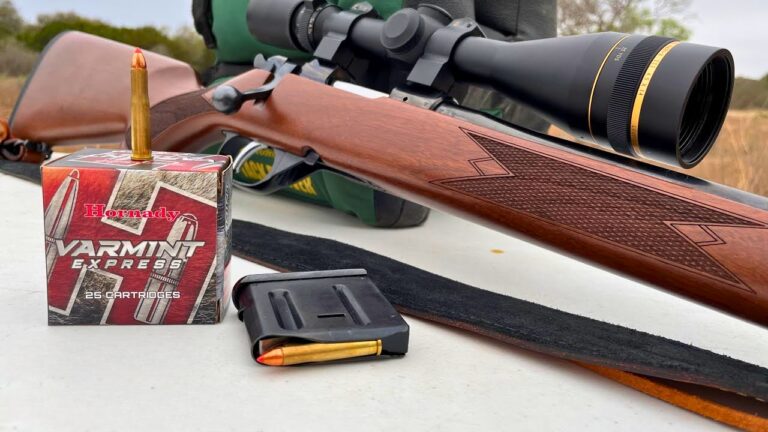
Photo credit: BurstReview/YouTube
Some guns get one bad range trip and owners move on. Others can choke, jam, shoot loose groups, beat up the shooter, or show obvious flaws, and the owner still defends them like family. The excuses come fast. It just needs better ammo. It needs a break-in. The magazine was dirty. The rifle was cold. The shooter did something wrong.
Sometimes those excuses are fair. Every firearm can have a bad magazine, a weak load, or one defective part. But some guns have a way of attracting loyalty that lasts longer than the performance deserves. These 20 guns have all had owners defend them even after they gave plenty of reasons to question the purchase.
SIG Sauer Mosquito
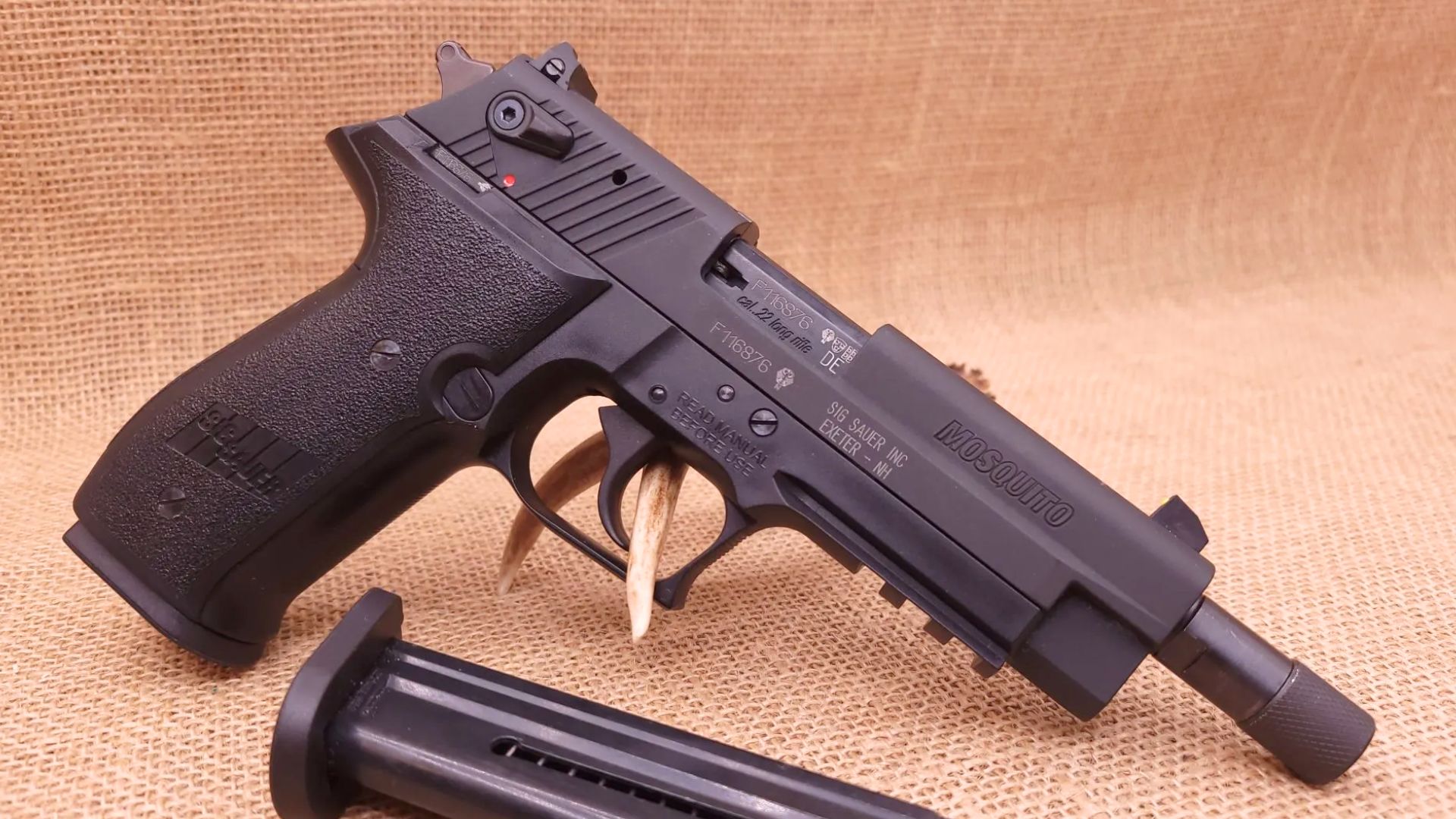
The SIG Sauer Mosquito looked like it should have been an easy win. It had the SIG name, familiar styling, and a .22 LR chambering that made it seem perfect for cheap practice. Plenty of buyers expected a rimfire trainer that would give them the SIG feel without burning through centerfire ammo.
The problem was that many Mosquito pistols were picky. Ammunition sensitivity, feeding problems, and inconsistent function became part of the gun’s reputation. Owners often defended them by saying they only needed the right high-velocity ammo. That may have helped some examples, but a .22 pistol should not need a long list of conditions before it becomes fun.
Walther P22

The Walther P22 has always been easy to like at first. It is small, light, modern-looking, and fun in the hand. For new shooters or people wanting a compact rimfire plinker, it looks like a great little pistol.
Then some owners start dealing with ammunition pickiness, light strikes, feeding issues, or parts that do not feel as durable as they hoped. Fans defend it because it is affordable, easy to suppress, and fun when it runs. That is all true, but the P22 has also frustrated plenty of shooters who expected a rimfire pistol to be simpler than that.
GSG 1911 .22

The GSG 1911 .22 gets defended because it scratches a very specific itch. It looks and feels enough like a 1911 to make cheap practice appealing, and it can be a fun range pistol when everything is working. For someone who likes 1911 controls, the idea makes sense.
The complaints usually come from the gun feeling less durable than a real 1911 and sometimes needing attention to keep running smoothly. Owners often defend it by saying it is only a range toy, not a serious pistol. That is fair, but even a range toy should not feel like it needs excuses every time a magazine acts up.
Chiappa Rhino
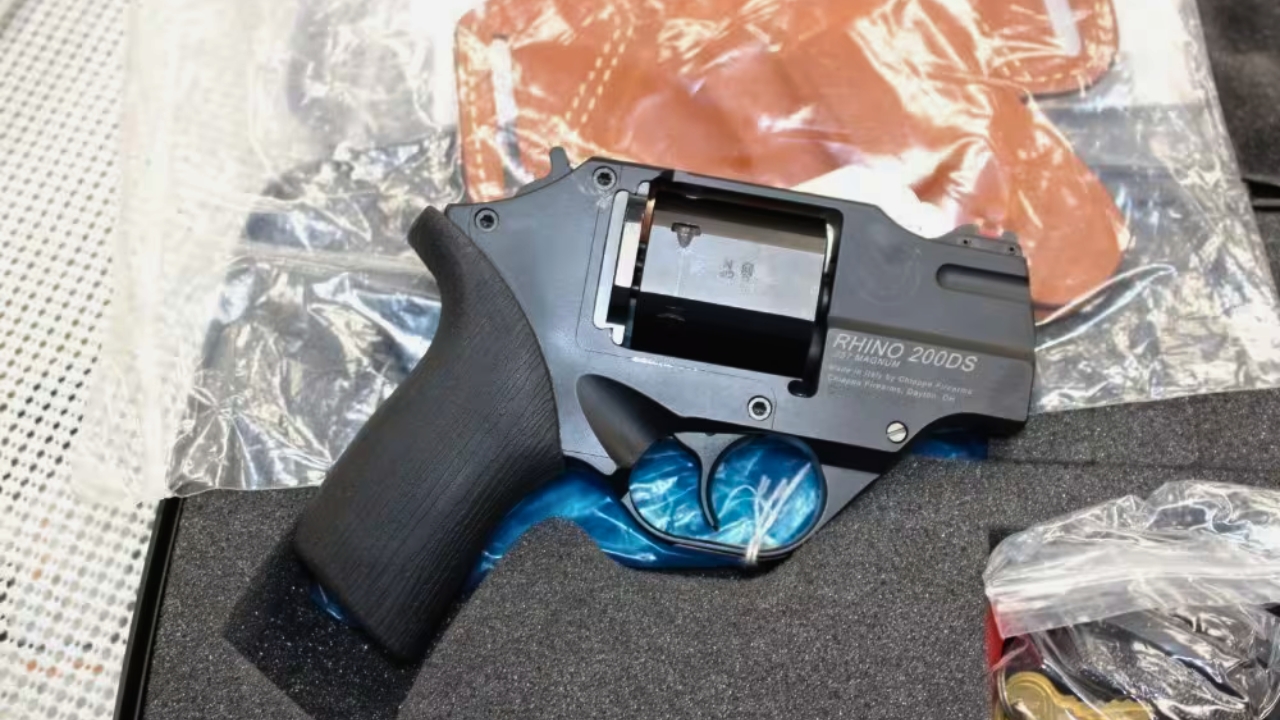
The Chiappa Rhino is one of the most unusual revolvers on the market, and that alone gives it a loyal defense team. Its low bore-axis design helps reduce muzzle flip, and the futuristic look makes it stand out from traditional wheelguns. People who like it usually really like it.
But the Rhino can be polarizing for good reason. The trigger feel, odd controls, high price, and unusual manual operation turn off plenty of shooters. When someone struggles with it, owners often say they just need to understand the design. Maybe so. But a revolver that requires that much explanation is not going to win everyone over.
Smith & Wesson Bodyguard 380
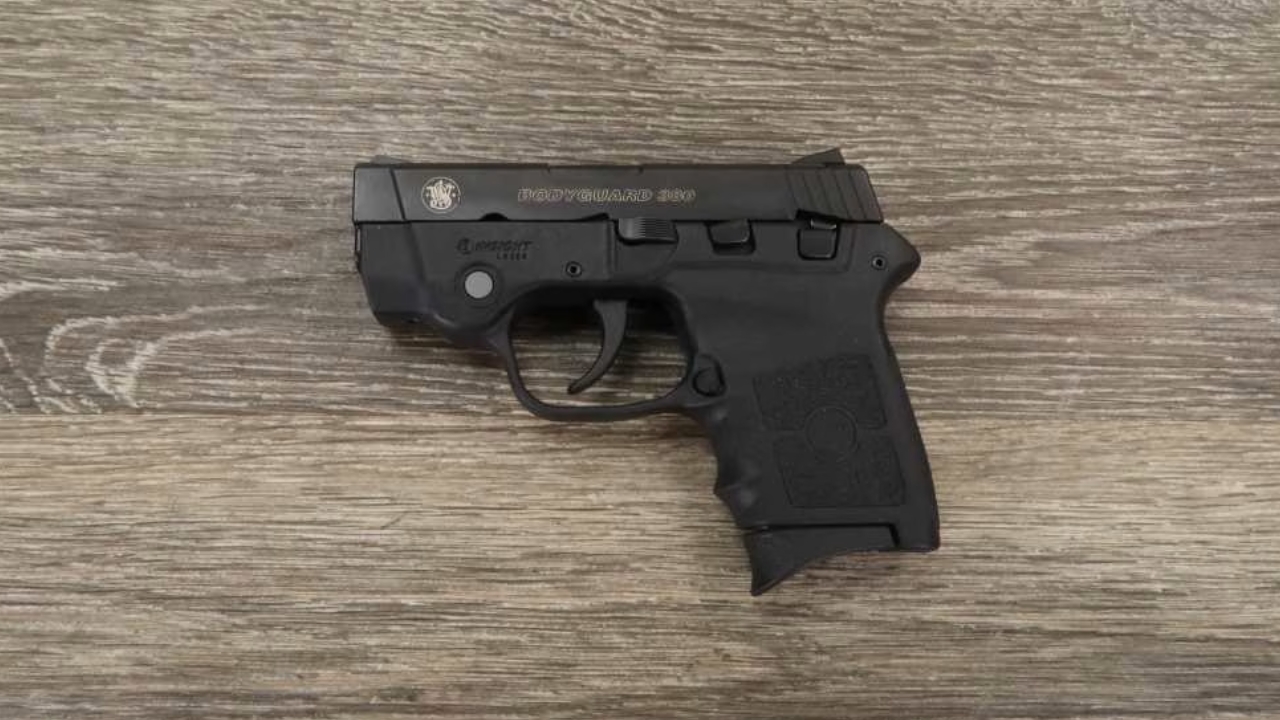
The Smith & Wesson Bodyguard 380 has been defended for years because it is small, light, and easy to carry. For deep concealment, those are real advantages. It fits a role that larger pistols cannot fill as comfortably.
The trouble is that many shooters find it hard to shoot well. The trigger is long, the sights are small, and the tiny grip does not give much control. Owners often defend it by saying it is not meant for range use. That is true, but a defensive gun still needs enough practice to earn trust. Easy carry does not cancel out difficult shooting.
Ruger LCP

The Ruger LCP is one of the most defended pocket pistols ever made because it solved a real carry problem. It is tiny, light, and easy to keep with you when larger guns are inconvenient. For that role, it deserves some credit.
But owners sometimes defend it past reason. The original LCP has tiny sights, a small grip, and a snappy feel for such a small cartridge. When people shoot it poorly, fans say it is only for close range. That may be true, but the gun still asks a lot from the shooter. Being easy to carry does not make it easy to use well.
Beretta Nano

The Beretta Nano had a respected name behind it and a smooth, snag-free shape that made sense for concealed carry. It looked like a practical single-stack 9mm from a company that knows how to build pistols. Plenty of buyers wanted it to be better than it was.
The complaints were usually about the trigger, grip feel, and minimal controls. Some examples were also picky with certain ammunition. Owners often defended the smooth profile and simple design, but the actual shooting experience left many people cold. A carry pistol can be sleek and still not feel confidence-inspiring.
Remington RP9

The Remington RP9 entered a crowded striker-fired market with a familiar brand name and an affordable price. It offered full-size capacity, a polymer frame, and the kind of basic layout that should have been easy to sell. On paper, it looked like Remington was finally stepping into modern duty-pistol territory.
The problem was that it felt late and rough compared with better-established pistols. The trigger, ergonomics, and overall feel did not win over many shooters. Owners who liked the price defended it, but the RP9 never felt like a pistol that forced competitors to worry. It was a gun people wanted to justify more than one people rushed to copy.
Ruger SR9c

The Ruger SR9c built a strong following because it was slim for its capacity, affordable, and reliable for many owners. It offered a compact 9mm option before the market got flooded with newer carry pistols. Plenty of people carried them successfully.
Still, some owners defend it harder than the shooting experience deserves. The trigger and grip safety are not for everyone, and the pistol can feel dated beside newer designs. When people criticize it, fans point out that it works. That is true. But “it works” is not always enough when better-feeling options are everywhere now.
Springfield Armory XD Mod.2

The XD Mod.2 had fans who liked the grip zone texture, grip safety, and Springfield’s feature-heavy approach. It was marketed hard as an ergonomic improvement, and plenty of owners trusted it as a carry or home-defense pistol.
The problem is that it felt bulky and top-heavy to some shooters, especially compared with newer striker-fired pistols. The grip safety and higher bore axis gave critics plenty to complain about. Owners often defended it by saying it was reliable and comfortable in their hand. That may be true, but the Mod.2 never convinced everyone that it was better than simpler options.
FN 503

The FN 503 looked like it should have been a strong slim carry pistol. FN has a good reputation, and a single-stack 9mm from that company sounded like a serious defensive option. It was well-made and easy to conceal.
The issue was timing and capacity. By the time it arrived, micro-compacts were already giving shooters more rounds in similar-sized guns. Owners defended the quality and slim feel, but the pistol felt outpaced almost immediately. It did not have to fail mechanically to disappoint. Sometimes a gun fails because the market has already moved on.
Colt All American 2000
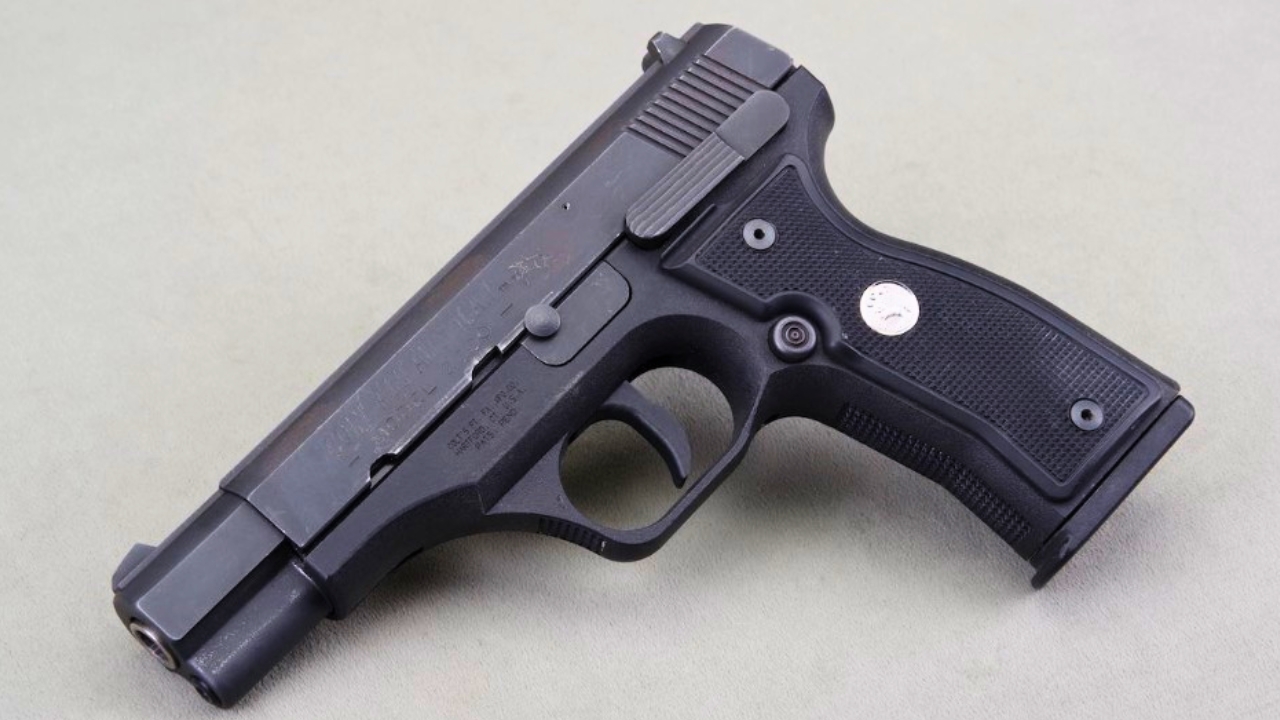
The Colt All American 2000 is a pistol some owners and collectors still defend because it came from Colt and represented an attempt to build something modern. It had an interesting rotary-barrel system and a name that sounded like it should have carried the brand into a new era.
Instead, it became one of Colt’s most criticized modern handguns. The trigger, accuracy complaints, and awkward execution hurt it badly. Defenders sometimes point to its uniqueness or collectability, but that does not make it a good shooter. It is more interesting as a lesson than as a pistol people should trust.
Winchester 100
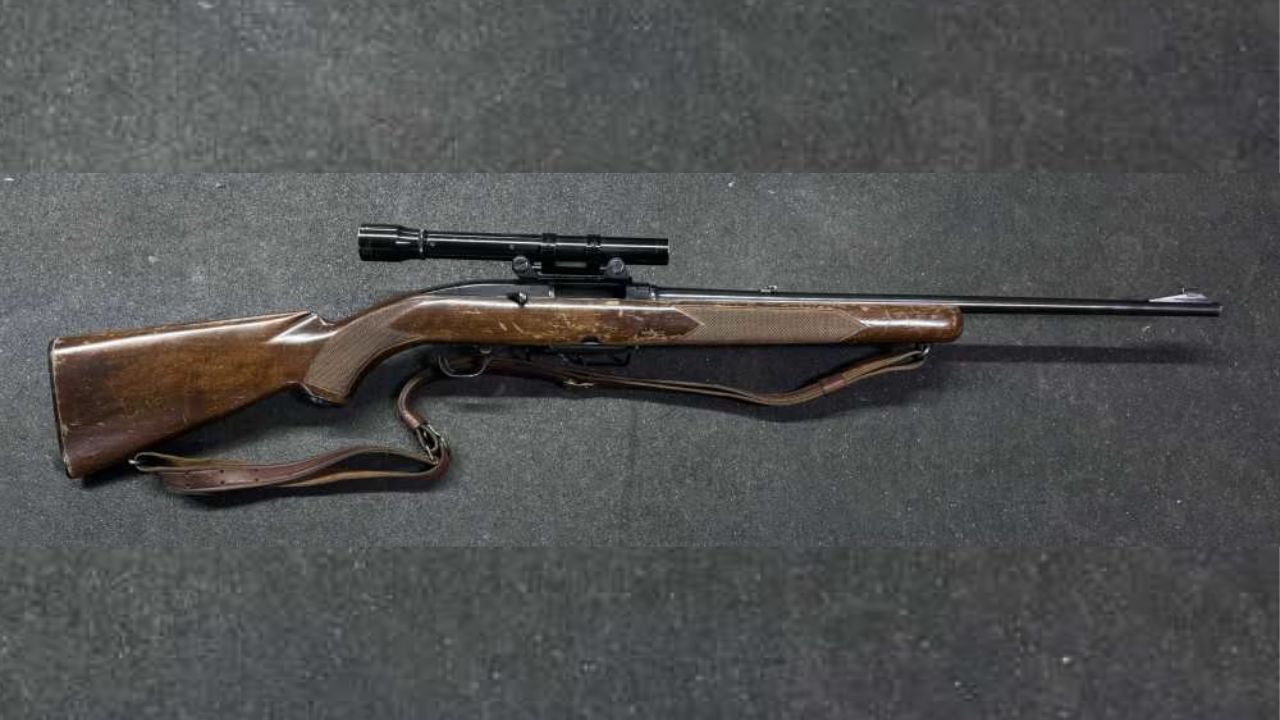
The Winchester 100 has a loyal following because it is a classic semi-auto hunting rifle with good looks and real deer-woods appeal. In cartridges like .308 Winchester and .243 Winchester, it seemed like a handy option for hunters who wanted quick follow-up shots.
But age, parts concerns, and reliability complaints have made it harder to defend as a practical hunting rifle today. Owners who have good ones tend to love them and insist they run fine. That may be true for their rifle, but many hunters would be better served by something easier to maintain, easier to support, and less dependent on old parts.
Remington 742 Woodsmaster

The Remington 742 Woodsmaster may be one of the most defended deer rifles ever carried into the woods. A lot of hunters used them successfully, and family history keeps many of them in gun cabinets. When one works, owners remember the deer it killed, not the problems it caused.
The trouble is that the 742 developed a reputation for wear, jamming, and being less forgiving than simpler rifles. Owners often blame magazines, ammo, cleaning, or previous neglect. Sometimes they are right. Still, a hunting rifle with that many excuses attached is not a gun everyone should defend blindly.
Browning A-Bolt

The Browning A-Bolt is not a bad rifle, but it has some very loyal defenders who treat criticism like an insult. It is lightweight, accurate in many examples, and smooth enough for normal hunting. Plenty of deer and elk have fallen to A-Bolts.
The complaints usually come from people who dislike the magazine system, trigger feel, or the way some models feel less robust than older steel-and-walnut rifles. Owners defend them because they shoot well, and that matters. But a rifle can be accurate and still have design choices that annoy people. The A-Bolt is good, but not above criticism.
Thompson/Center Venture
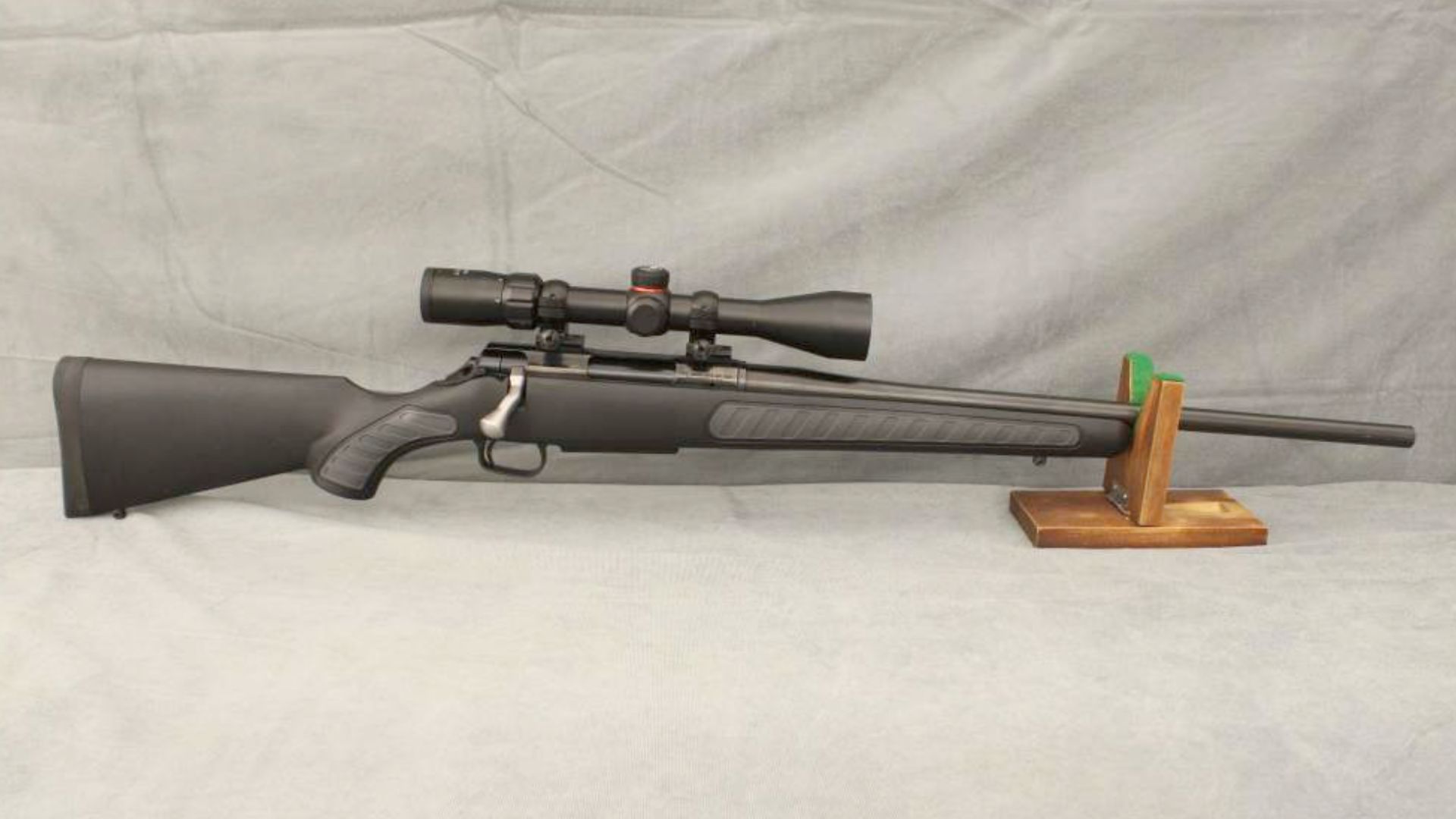
The Thompson/Center Venture was affordable, accurate, and backed by a brand that had a strong hunting reputation. It looked like a sensible bolt-action rifle for normal deer hunters. Many owners got good accuracy and defended the rifle because of that.
But the Venture also had recalls and enough mixed reputation to make some buyers cautious. The rifle could shoot well, but accuracy does not erase concerns about trust and long-term confidence. Owners who had good examples defended them hard, but other hunters moved toward rifles with fewer question marks.
CVA Cascade

The CVA Cascade has earned a following as an affordable bolt-action hunting rifle that often shoots well. It gives hunters good features for the money and has become a common recommendation in budget rifle discussions. Owners who get accurate examples are quick to defend it.
The criticism is that it still feels like a budget rifle in some areas. The action, stock, and overall finish may not satisfy hunters used to more refined rifles. When someone complains, defenders point to groups on paper. That is a strong argument, but feel and confidence matter too. A rifle can be accurate and still feel plain.
Mossberg 930
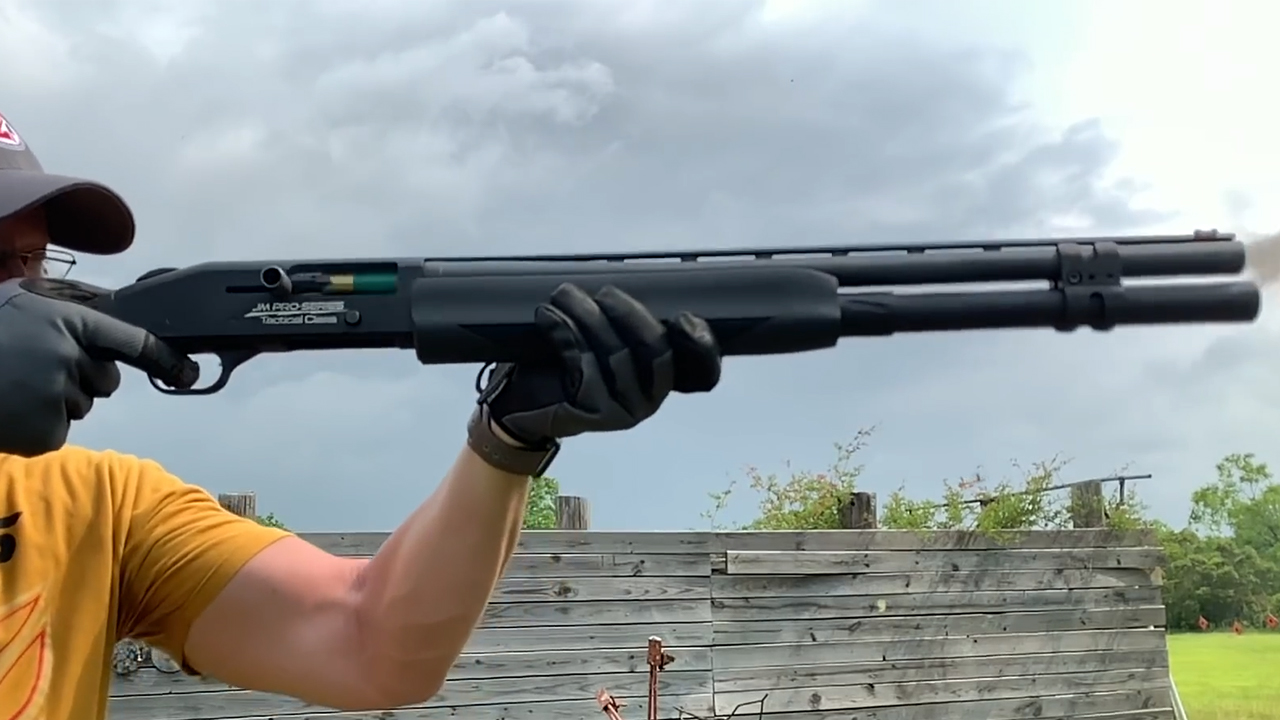
The Mossberg 930 has plenty of fans because it offered a semi-auto shotgun at a price below many higher-end competitors. For hunting, defense, and competition-style setups, it looked like a practical way to get into a gas gun without spending Benelli money.
The problem is that some 930s needed more cleaning and attention than owners expected. Reliability could depend heavily on maintenance, ammo, and setup. Fans defended it because their examples ran fine, and some absolutely did. But a semi-auto shotgun that needs constant explanation can test patience fast.
Stoeger M2000

The Stoeger M2000 appealed to hunters who wanted an inertia-driven semi-auto shotgun without paying premium prices. It had a simple system and enough Benelli family connection to make buyers feel confident. For the money, it was tempting.
Some owners loved them. Others fought cycling issues, rough fit, and inconsistent performance with lighter loads. Defenders often said the gun needed heavier shells or proper break-in. Maybe so, but hunters do not always want a shotgun that is picky before it proves itself. The M2000 had value, but it also gave critics plenty to talk about.
Benelli Nova
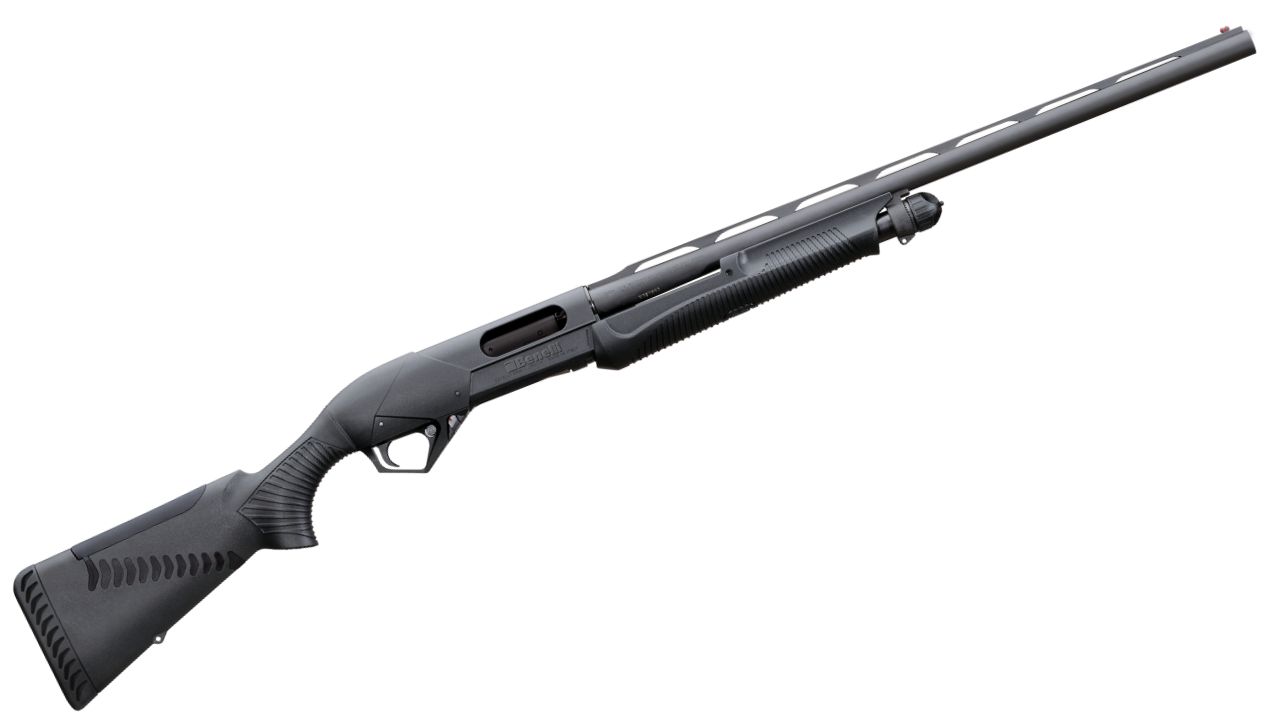
The Benelli Nova is tough, weather-resistant, and affordable compared with many Benelli shotguns. It has a loyal following among waterfowl hunters, turkey hunters, and anyone who wants a pump that can take abuse. It is not a fragile gun.
Still, the Nova has always been awkward for some shooters. The bulky receiver, unusual feel, and plastic-heavy construction turn people off. Owners defend it because it works, and that is a fair point. But if a gun feels clunky every time you shoulder it, reliability alone may not make you love it.
Like The Avid Outdoorsman’s content? Subscribe to our newsletter so you never miss an article.
Here’s more from us: