Photo credit: Boreal Bushcraft Canada/YouTube
Some firearms fade out of the conversation because newer models take over. Others get forgotten because they were discontinued, overshadowed by a bigger name, or dismissed before enough people gave them a fair chance. Time has a way of making certain guns seem less important than they really were.
That is where these models deserve another look. They may not be the hottest used-market prizes or the guns everyone talks about online, but they were better than people remember. Some shot well. Some handled better than expected. Some filled a role that newer guns still have not fully replaced.
Smith & Wesson 3913
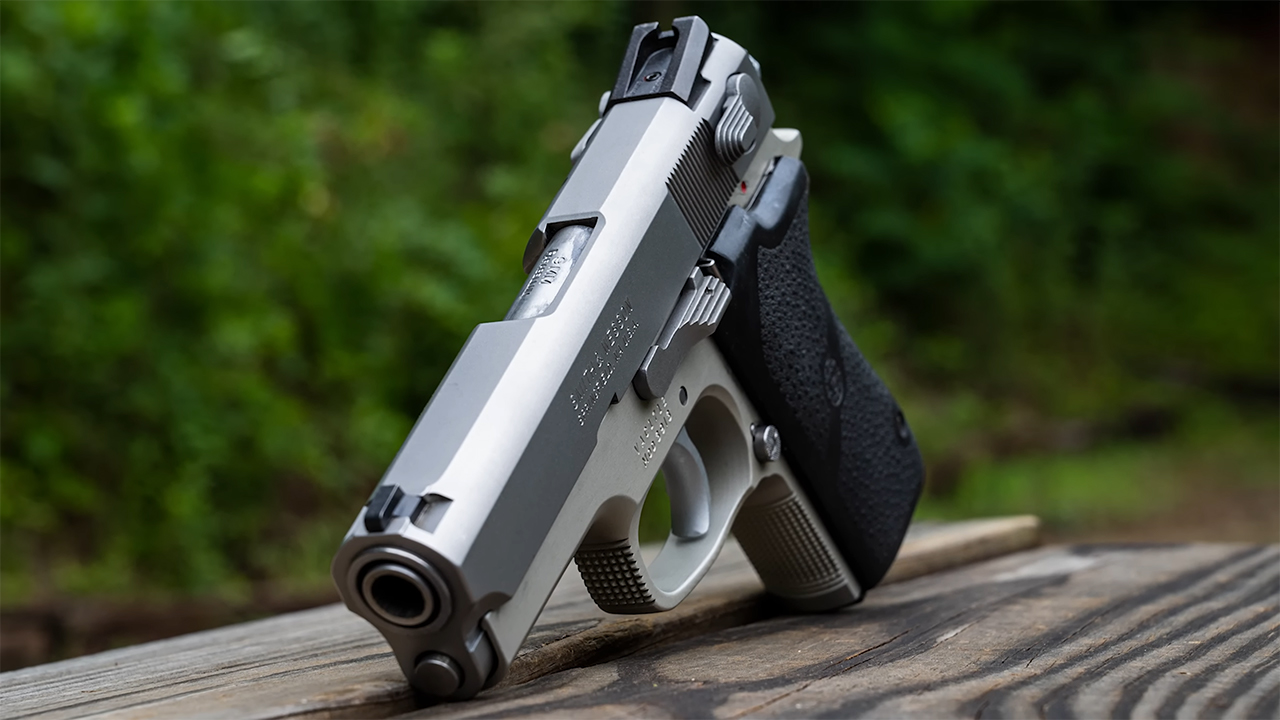
The Smith & Wesson 3913 is easy to forget because the carry market moved so hard toward polymer micro-compacts. On paper, a metal-frame single-stack 9mm with a traditional double-action trigger looks dated beside newer pistols with more capacity and optics-ready slides. That has pushed the 3913 into the background for a lot of younger shooters.
That does not mean it stopped being a good carry gun. The 3913 is slim, reliable, well-built, and easy to carry. It has a quality feel that many modern compact pistols do not quite match. For someone who appreciates older metal-frame carry pistols and does not need the highest capacity possible, the 3913 is still better than its current visibility suggests.
Ruger P95

The Ruger P95 was never glamorous, which is probably why people forget how solid it was. It looked bulky, felt plain, and usually sold to buyers who wanted a reliable pistol without spending much money. That budget identity kept it from getting the respect more polished duty pistols received.
Years later, the P95 looks better because it did what owners needed. It was tough, affordable, and surprisingly dependable. The trigger and ergonomics were never high-end, but the pistol fed ammo, handled abuse, and kept working. Not every good handgun has to feel refined. The P95 proved that a plain pistol could still be one of the smarter buys in the case.
Remington Model 7600

The Remington Model 7600 has been forgotten by many hunters who now default to bolt actions or semi-autos. Pump-action centerfire rifles feel regional to some people, especially outside the Northeast and Midwest deer-drive culture where they built much of their following. That narrow identity makes the 7600 easy to overlook.
The rifle is still better than people remember because it is fast, handy, and chambered in serious hunting cartridges. A hunter who grew up running pump shotguns often finds the 7600 very natural. It is not a long-range precision rifle, but for quick shots in timber or moving deer, it fills a role that few current rifles do as well.
Browning A-Bolt

The Browning A-Bolt gets overshadowed by the newer X-Bolt, but it should not be written off. For years, it gave hunters a smooth, accurate, refined bolt-action rifle with a short bolt lift and a useful detachable magazine system. It was never as common as some American standards, but owners often liked them a lot.
The A-Bolt is better than people remember because it had a very polished hunting-rifle feel. Many examples shoot well, carry nicely, and still feel modern enough in the field. Just because Browning moved on does not mean the rifle became outdated. A good A-Bolt remains a rifle many hunters are smart to keep.
Beretta PX4 Storm Compact
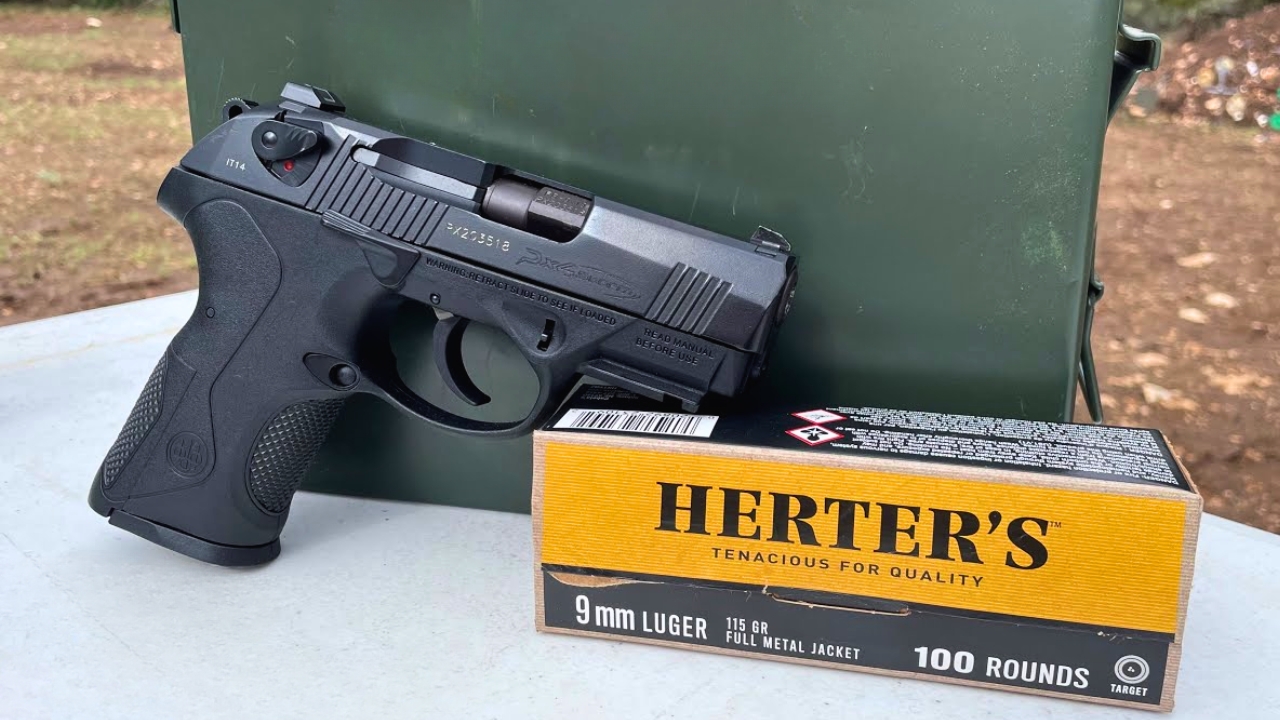
The Beretta PX4 Storm Compact never became as popular as it probably should have. Its styling was unusual, and the rotating barrel system made it different enough that some buyers ignored it. In a market full of Glocks, M&Ps, and SIGs, the PX4 often looked like the odd one in the case.
That is a shame because the Compact shoots very well. The rotating barrel helps soften recoil, and the pistol has a durable service-gun feel in a carryable size. It may not have the cleanest lines or the strongest aftermarket, but it has earned real loyalty from people who actually shoot it. The PX4 Compact is one of those handguns that deserves more respect than it gets.
Winchester Model 88
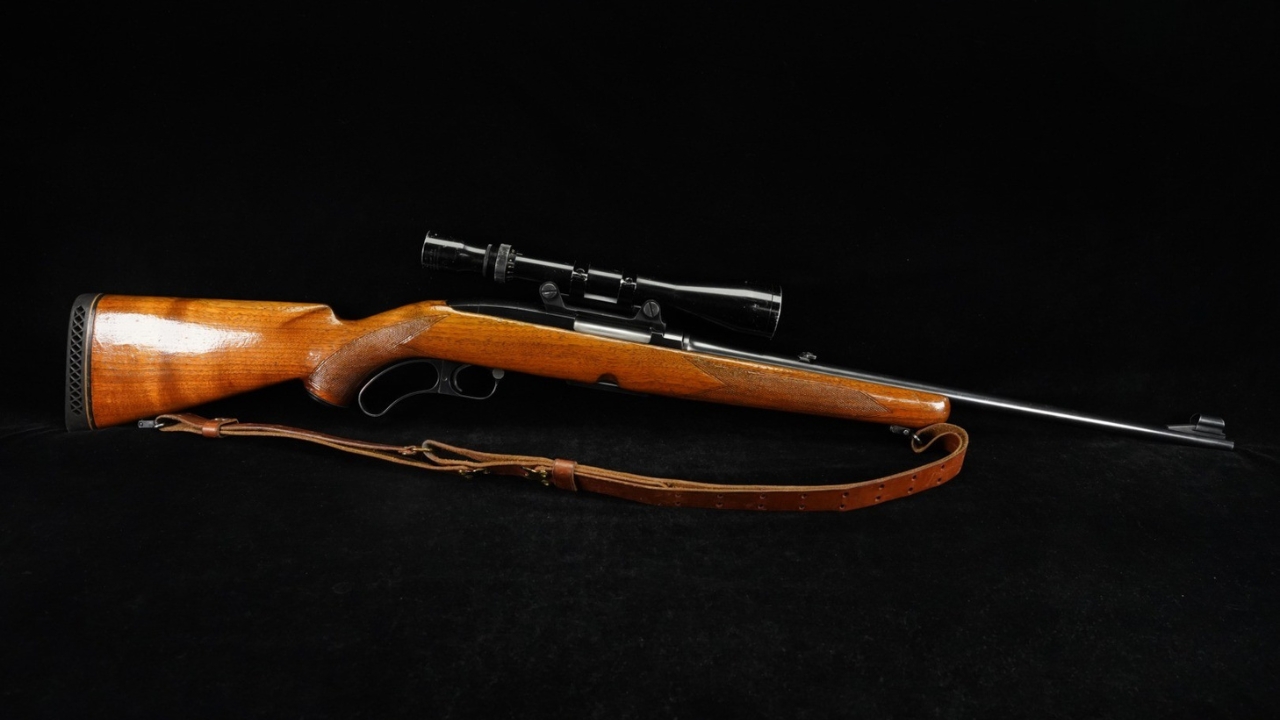
The Winchester Model 88 is a lever-action rifle many hunters forget because it does not fit the usual lever-gun mold. It does not have the cowboy profile of a Model 94 or the brush-gun identity of a Marlin 336. Its rotating bolt and box magazine made it more like a bolt rifle disguised as a lever gun.
That is exactly why it was better than people remember. The Model 88 gave hunters lever-action handling with modern cartridges and pointed bullets. Chamberings like .308 Winchester and .243 Winchester made it more versatile than a traditional .30-30. It was not perfect, but it was clever, practical, and ahead of its time in ways that still matter.
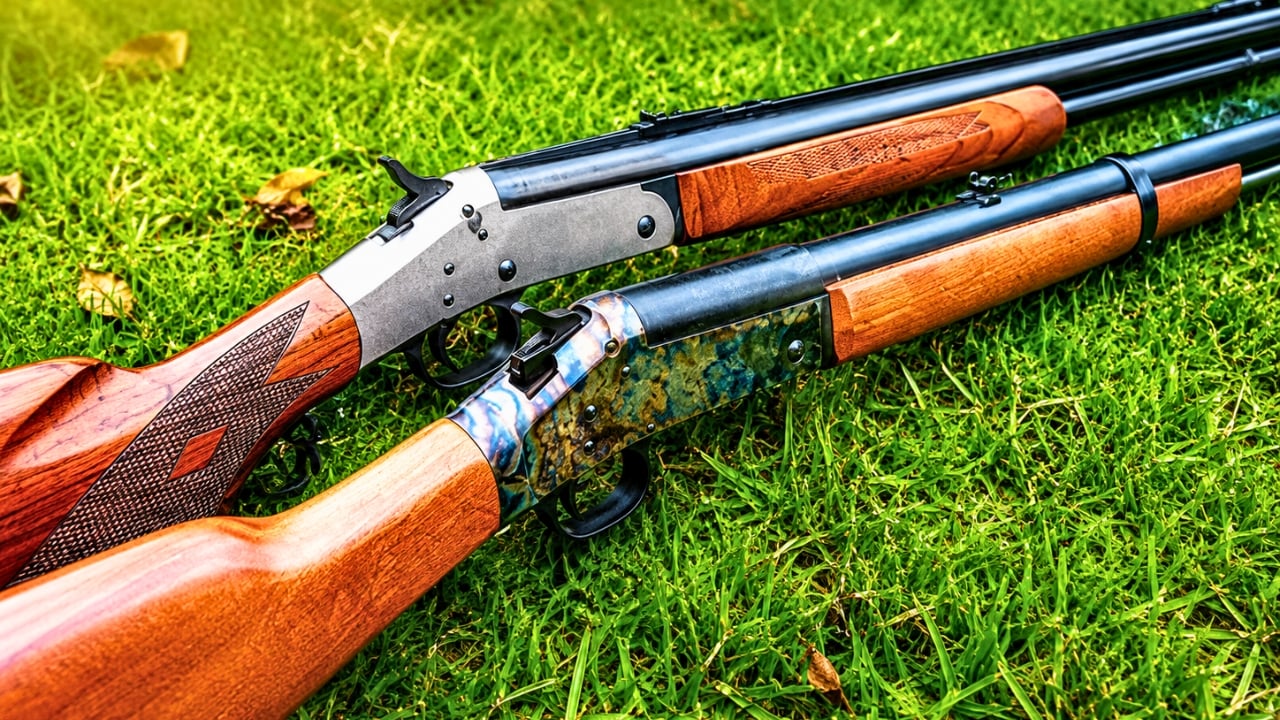
Savage Model 24
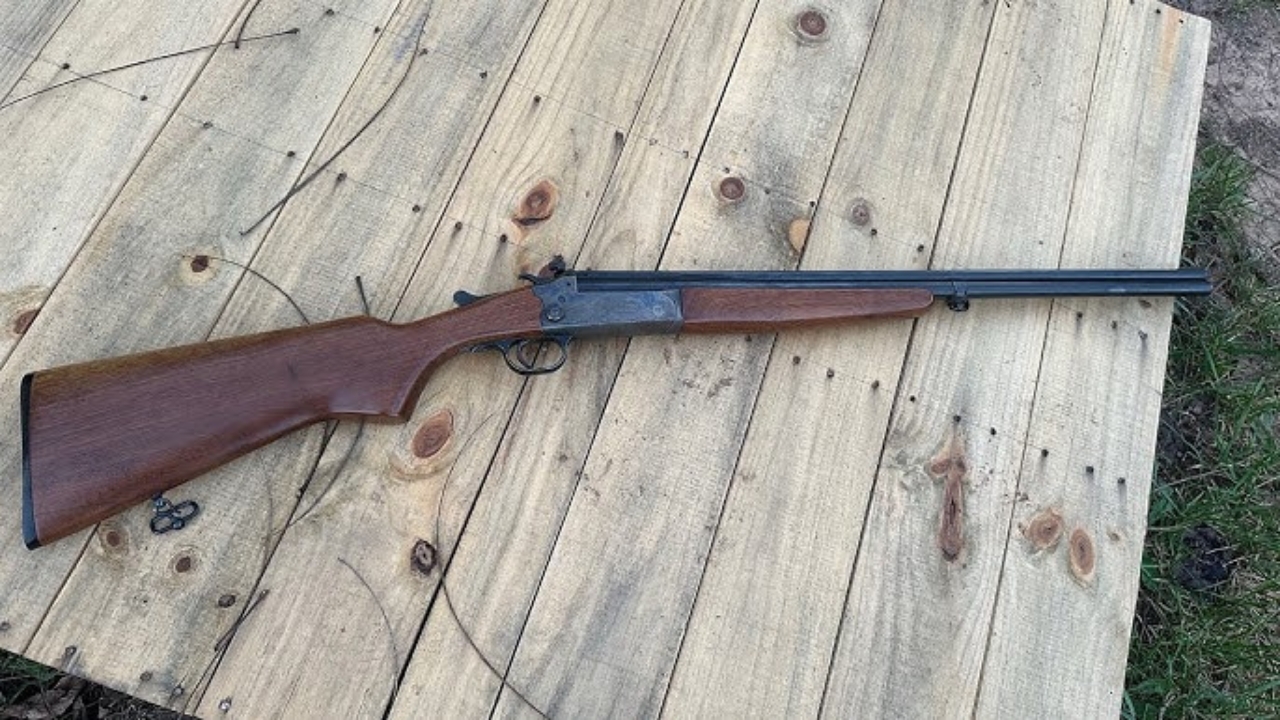
The Savage Model 24 is one of those combination guns people often remember as a farm tool rather than a serious firearm. With a rifle barrel over a shotgun barrel, it was built for utility, not prestige. That plain identity caused many shooters to overlook what made it useful.
The Model 24 was better than people remember because it solved real problems. A .22 LR or .22 Magnum barrel paired with a .410, 20 gauge, or other shotgun barrel gave owners flexibility for small game, pests, and camp use. It was never about speed or elegance. It was about having the right option when you did not know what you might run into.
Smith & Wesson 5906
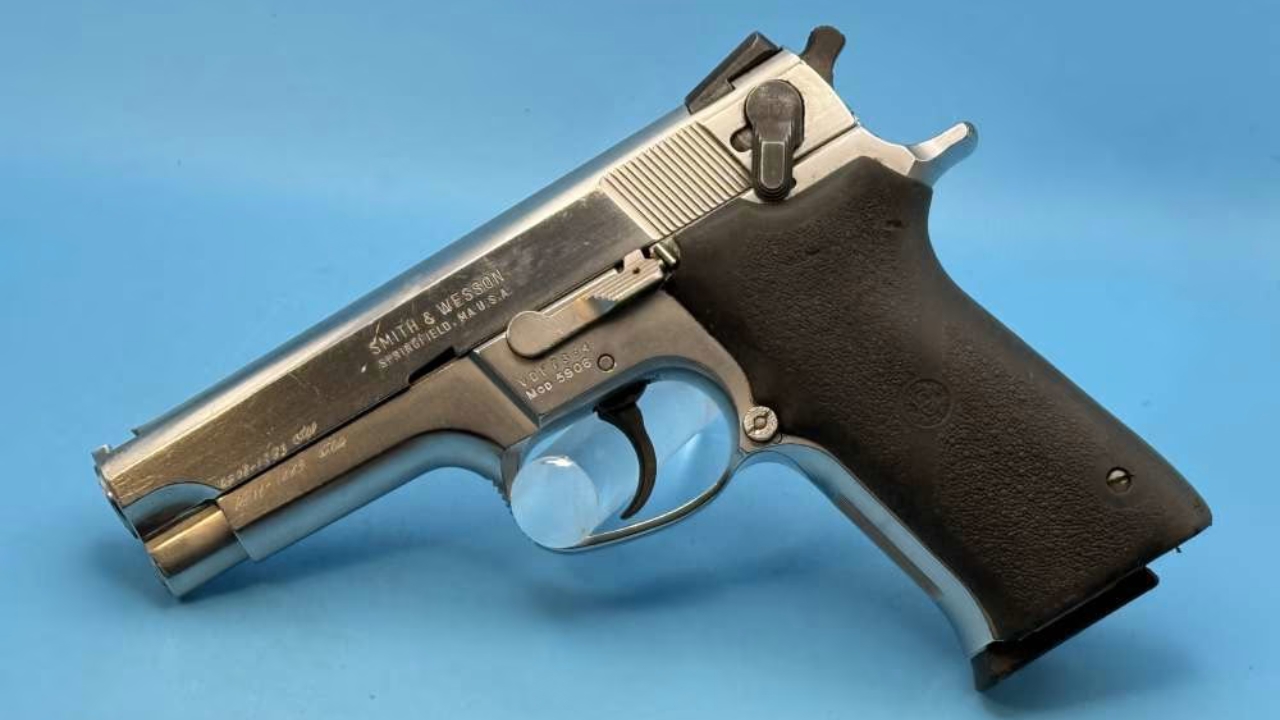
The Smith & Wesson 5906 has been forgotten by shooters who view heavy all-metal pistols as outdated. It was a duty gun from another era, with stainless construction, a traditional double-action trigger, and enough weight to make modern polymer pistols feel feather-light. For carry, that weight hurt it.
For shooting and durability, that weight helps. The 5906 is soft-shooting, reliable, and built like a serious service pistol. Police trade-in availability once made them seem ordinary, but time has been kinder to them. The 5906 is better than people remember because it delivers the kind of solid range and defensive feel that many lightweight pistols do not.
Marlin Model 60
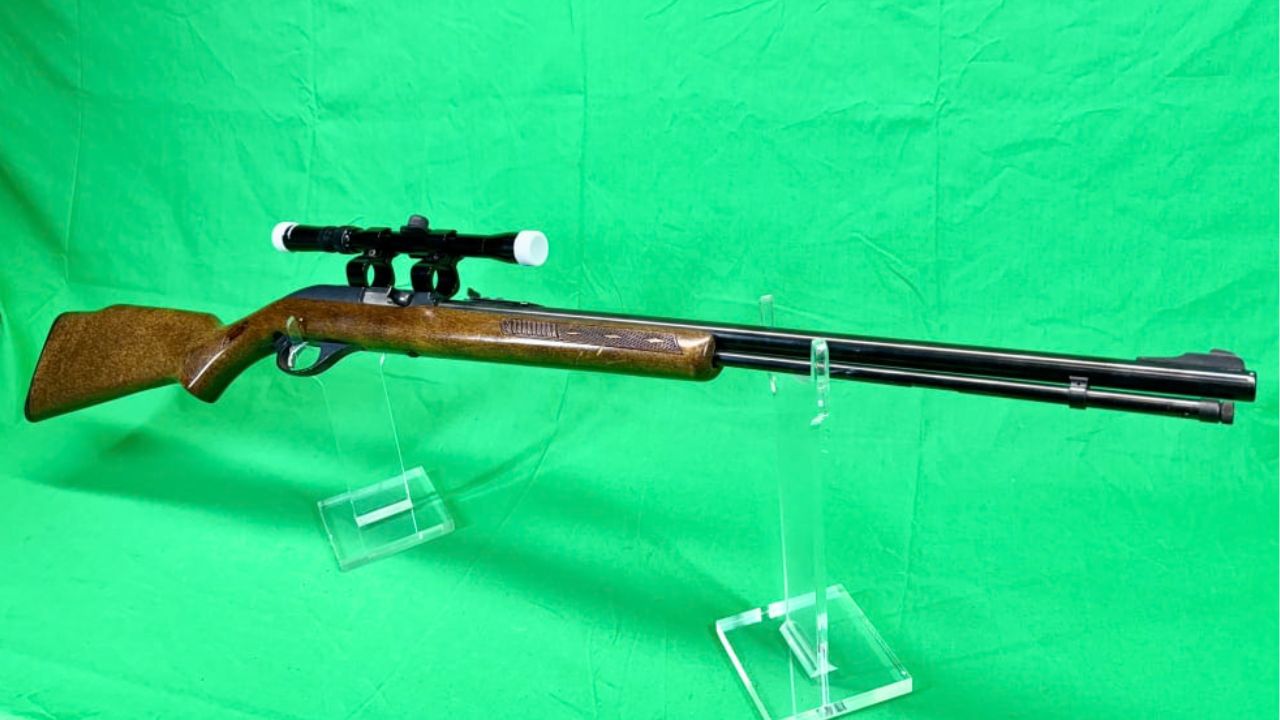
The Marlin Model 60 is forgotten partly because it was so common. It was a basic tube-fed .22 rifle that many people bought cheaply, used hard, and never treated as anything special. The Ruger 10/22 also dominated the semi-auto rimfire conversation, which pushed the Model 60 into second place for many shooters.
That does not mean the Marlin was weak. Many Model 60 rifles are accurate, reliable, and extremely enjoyable to shoot. The tube magazine gives it a clean profile, and the rifle works well for small game and plinking. It may not have the aftermarket of the 10/22, but as a straightforward rimfire, it is better than its quiet reputation suggests.
Colt Double Eagle

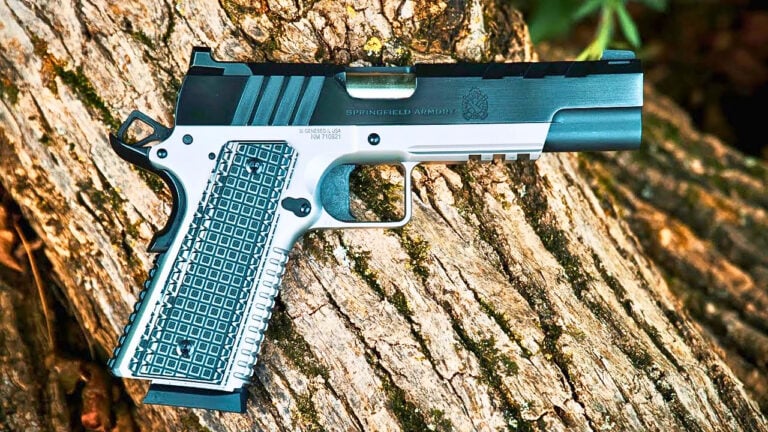
The Colt Double Eagle is often remembered more as a strange Colt experiment than a great pistol. It tried to bring double-action operation to a 1911-style platform, and that idea never fully took over. Traditional 1911 fans did not always want it, and duty-pistol buyers had other options.
Still, the Double Eagle is more interesting than people remember. It offered .45 ACP power, Colt character, and a different take on the familiar 1911 shape. It was not the cleanest design and never became a mainstream standard, but it deserves credit for being ambitious. For collectors and shooters who like odd Colt handguns, it is far from boring.
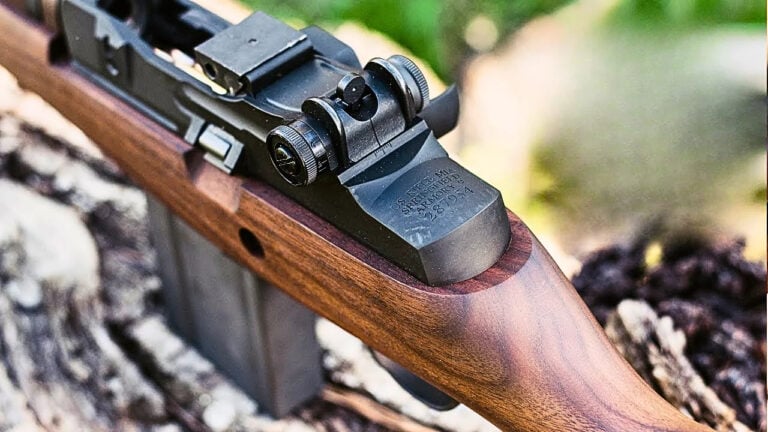
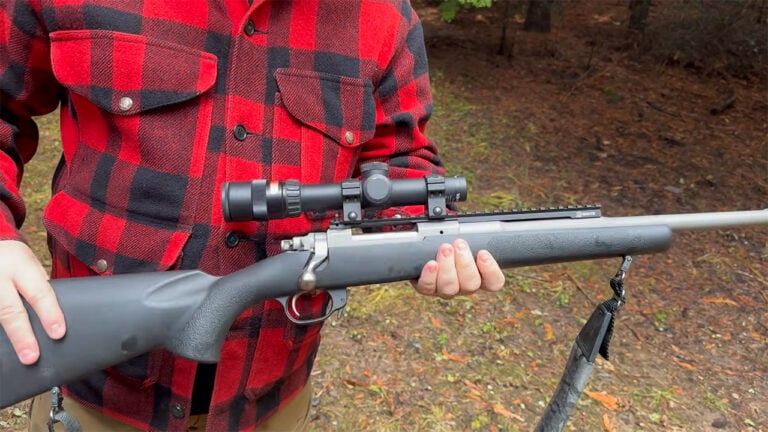
Ruger M77
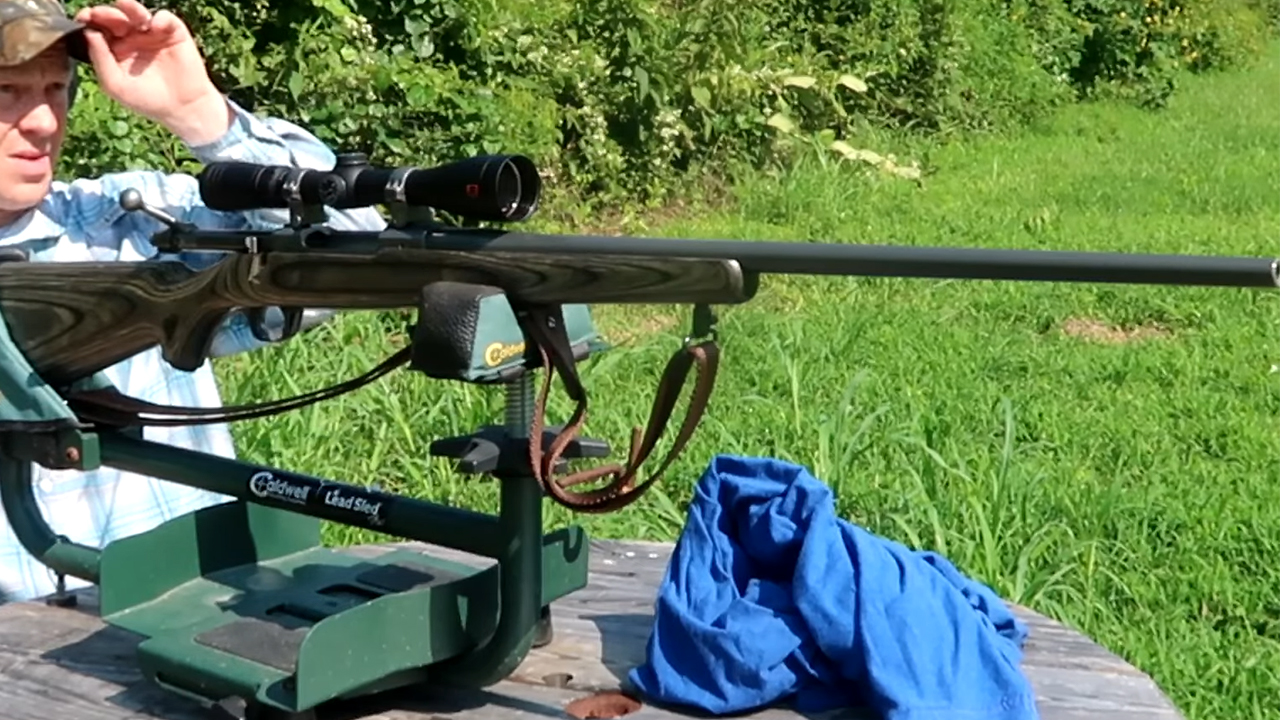
The Ruger M77 sometimes gets forgotten because it sits between more famous bolt-action identities. The Remington 700 had the aftermarket. The Winchester Model 70 had the classic rifleman reputation. The Tikka T3x became the smooth modern favorite. The M77 just kept being a tough hunting rifle.
That toughness is why it deserves more credit. The integral scope bases, rugged action, and controlled-feed versions made it a dependable field rifle. Some triggers were not great, and the rifles could be heavier than newer options. Still, a good M77 is a serious hunting tool that many owners regret selling. It was better than the attention it usually gets.
Star BM

The Star BM has been forgotten by many shooters because it was a surplus Spanish 9mm from a brand that never had major American mainstream status. When they were cheap, some people bought them as curiosities. Others ignored them because of parts concerns and the fact that newer pistols were easier to support.
The Star BM is better than people remember because it is slim, all-steel, and enjoyable to shoot. It has a 1911-like feel without actually being a 1911, and it offers a lot of character for a compact 9mm. It is not the most practical defensive choice today, but as a surplus shooter, it deserves more respect than it gets.
Remington 788
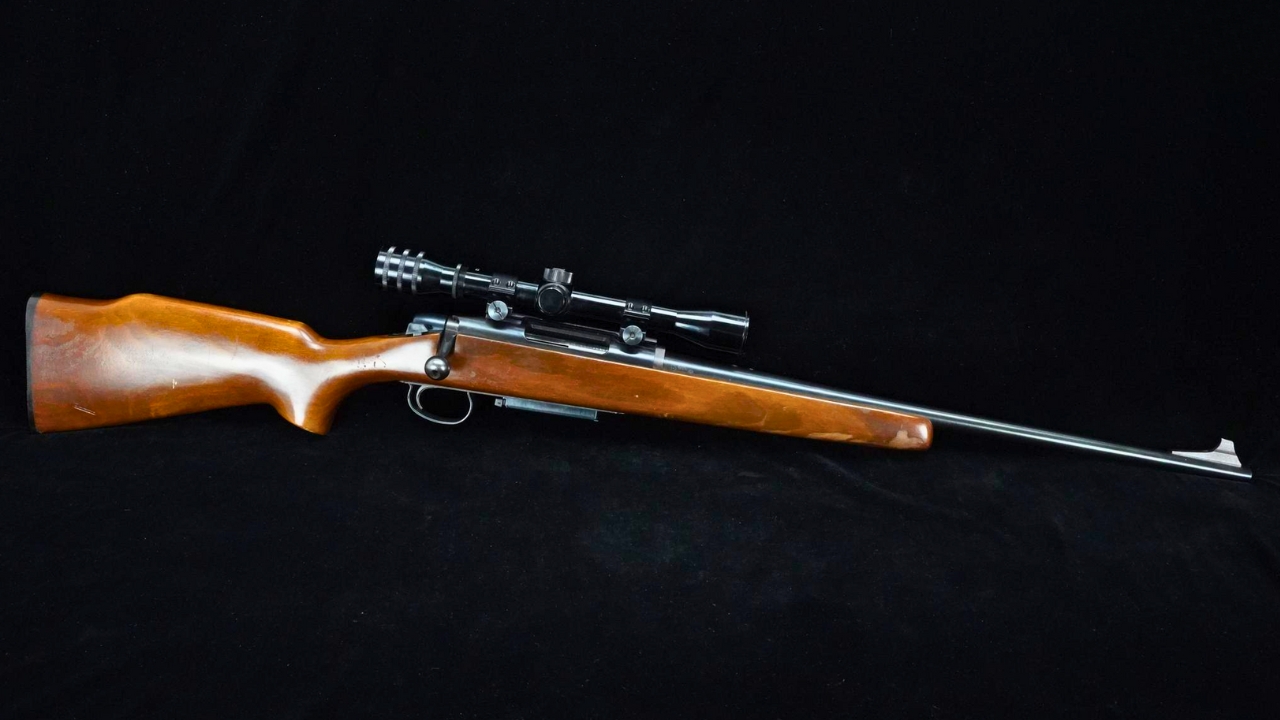
The Remington 788 was once viewed as the cheaper Remington bolt gun, which caused some people to underestimate it. It did not have the Model 700’s looks, prestige, or aftermarket support. It was plain, budget-minded, and not exactly built to impress hunters at the gun counter.
Then people realized many 788 rifles shot extremely well. The rear-locking bolt design and stiff action helped give it a reputation for accuracy that outperformed expectations. It may not be as refined as a Model 700, but the 788 was never just a throwaway budget rifle. It is one of the forgotten bolt guns that deserves its accuracy reputation.
Walther P99

The Walther P99 was a forward-thinking pistol that never fully got the long-term attention it deserved in the United States. It had interchangeable backstraps, distinctive styling, and a striker-fired system that offered different trigger variants before many buyers were ready to appreciate them. Then the market moved toward simpler striker-fired designs.
The P99 was better than people remember because it had excellent ergonomics and a lot of clever design behind it. The grip shape still feels good, and the pistol offered more character than many later polymer guns. It may not have become the default duty pistol people expected, but it helped push handgun design forward.
Ithaca Model 37
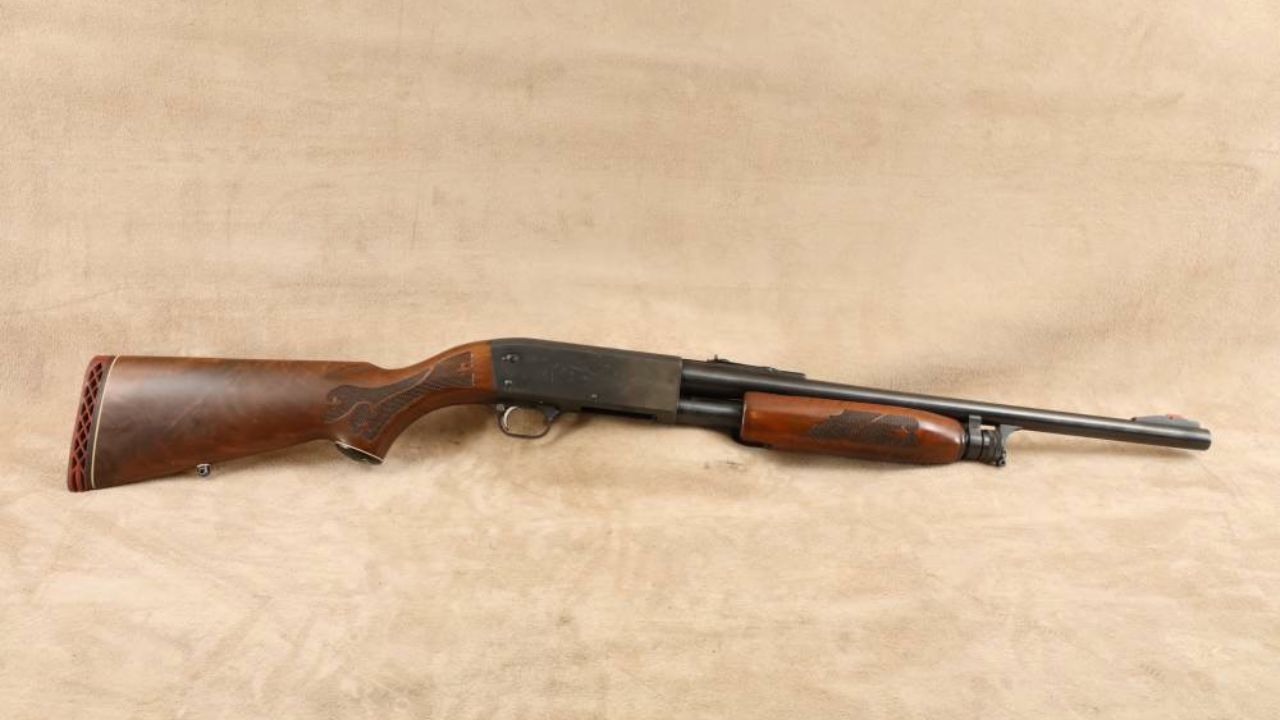
The Ithaca Model 37 is respected by shotgun people, but it is still forgotten by many modern buyers who only talk about the Remington 870 and Mossberg 500. The bottom-eject design, light weight, and slick action made it stand out. It was especially useful for left-handed shooters before ambidextrous designs became more common.
The Model 37 is better than people remember because it handles beautifully in the field. It is light, fast, and natural for upland hunting and small-game use. Older examples often have a quality feel that newer pumps struggle to match. It may not have the same current-market presence, but as a working shotgun, it still deserves respect.
SIG Sauer SP2022
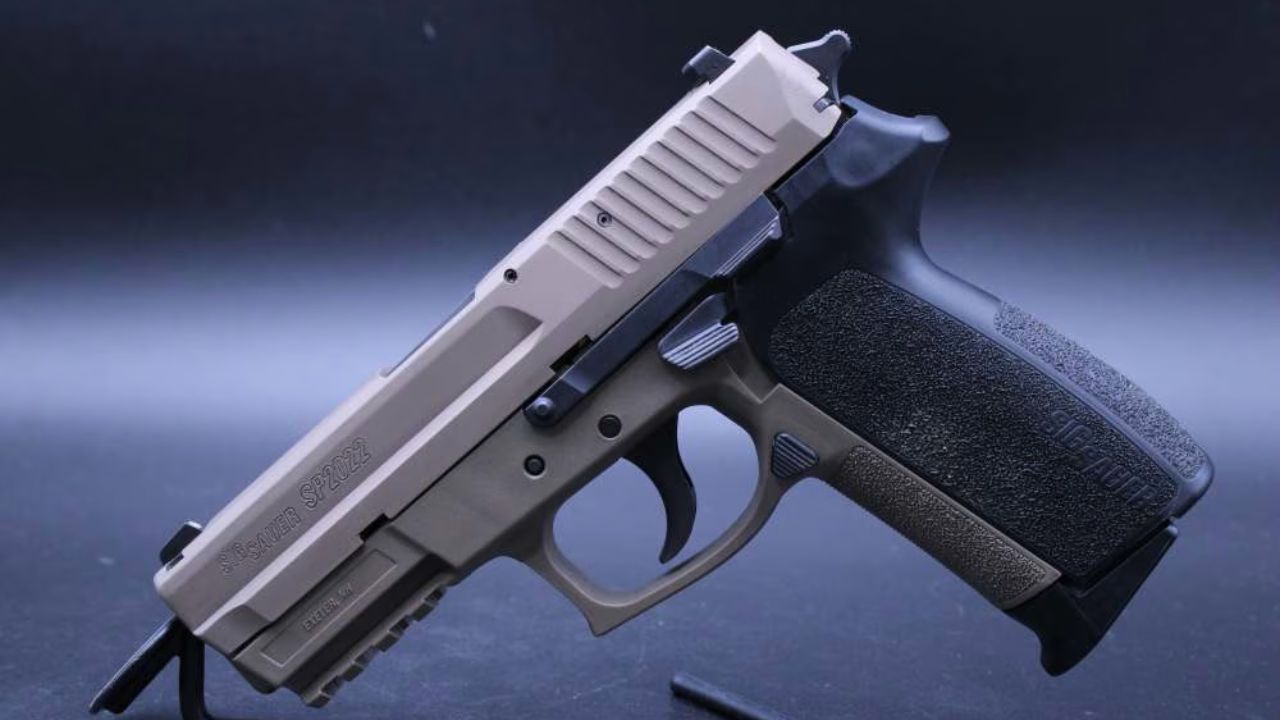
The SIG Sauer SP2022 gets forgotten because it is not a classic metal-frame SIG and not part of SIG’s current P320 and P365 spotlight. It lives in an awkward place as a polymer-framed, hammer-fired pistol that many shooters view as a budget SIG. That label undersells it.
The SP2022 is better than people remember because it is reliable, accurate, and more affordable than many other SIG pistols. It gives shooters a traditional double-action system in a lighter package while still feeling like a serious service gun. It may not be glamorous, but it is one of the smarter overlooked pistols SIG ever made.
Winchester 9422
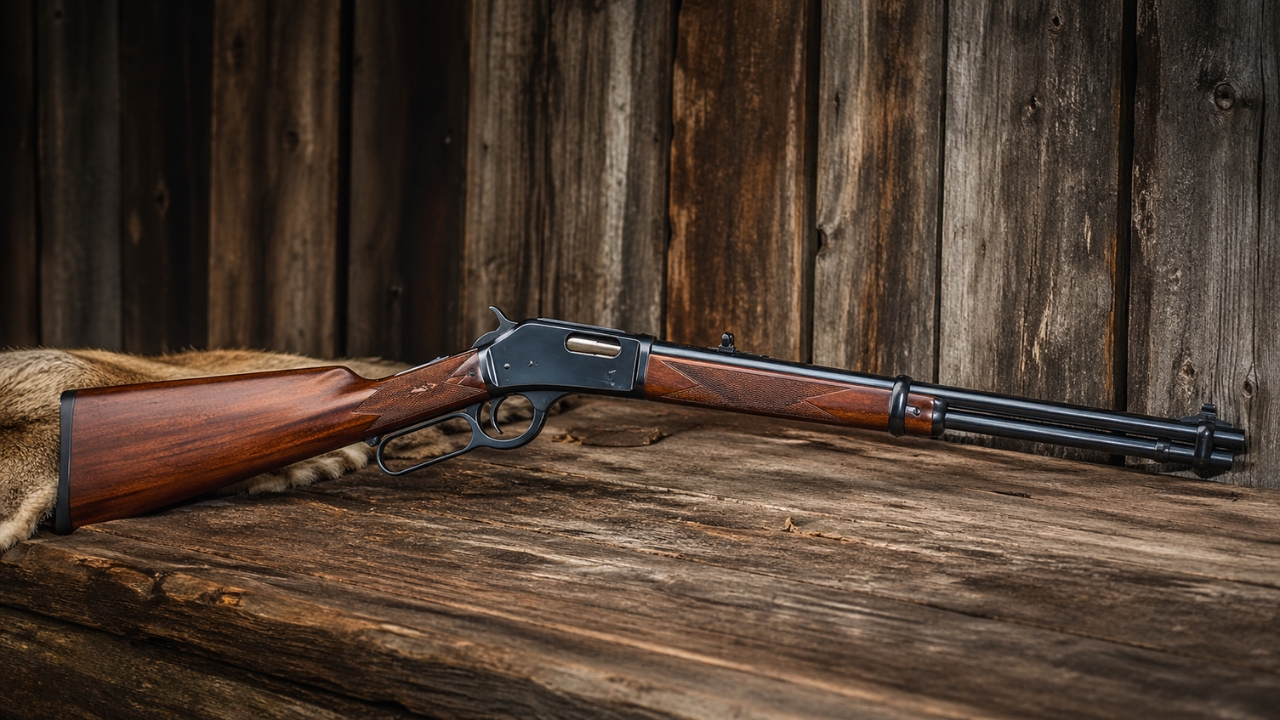
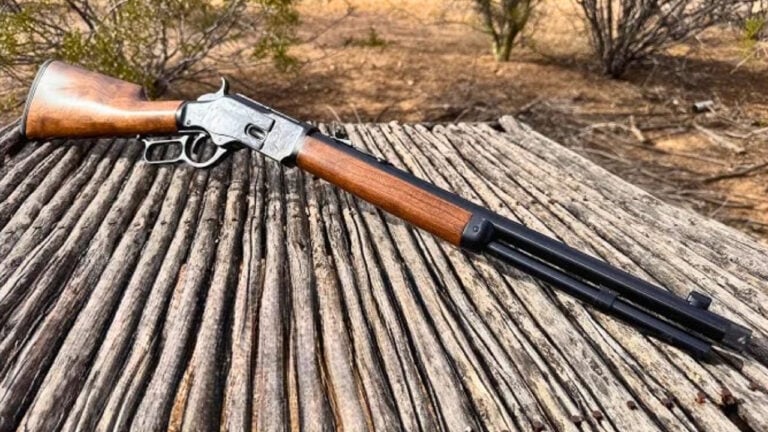
The Winchester 9422 is not forgotten by rimfire lever-action fans, but many newer shooters do not realize how good it was. It lived in a category where cheap .22 rifles are common, so some people did not appreciate the difference in build quality until prices started climbing.
The 9422 is better than people remember because it feels like a real rifle, not a toy. The action is smooth, the handling is excellent, and the whole gun has a level of care that many modern rimfires do not match. For small game, plinking, and passing down to younger shooters, it remains one of the best .22 lever actions ever made.
CZ 82

The CZ 82 was easy to dismiss when it was just another surplus pistol chambered in 9x18mm Makarov. The caliber was unfamiliar to many American shooters, and the pistol looked like a Cold War oddball next to modern defensive handguns. That kept a lot of buyers from taking it seriously.
The CZ 82 was better than people remember because it had a good trigger, ambidextrous controls, solid accuracy, and surprising shootability. It was not just cheap surplus. It was a well-designed service pistol with real strengths. Ammunition availability is more of a concern now, but the pistol itself deserves more credit than it usually gets.
Browning BDM

The Browning BDM is remembered mostly by people who like unusual 1990s pistols. It was slim for a double-stack 9mm, had a distinctive mode selector, and arrived at a time when the handgun market was shifting quickly. Many buyers did not know what to make of it.
That confusion helped bury a pistol that was better than people remember. The BDM handled well, carried slimmer than many competing duty-size pistols, and had a level of ambition that deserves respect. It was not perfect, and the controls were not for everyone. But it was a more interesting and capable handgun than its quiet reputation suggests.
H&R Handi-Rifle

The H&R Handi-Rifle is often remembered as a cheap single-shot, and that is not entirely wrong. It was affordable, plain, and built around a simple break-action design. Because of that, many shooters dismissed it as a starter gun or utility rifle.
The Handi-Rifle was better than people remember because that simplicity had real value. It was compact, easy to carry, available in useful chamberings, and perfect for hunters who did not need a fast follow-up shot. Certain versions became surprisingly desirable after production ended. It was never fancy, but it filled a role that modern rifle racks do not always cover well.
Like The Avid Outdoorsman’s content? Subscribe to our newsletter so you never miss an article.
Here’s more from us: