Photo credit: Tima Miroshnichenko/Pexels.com
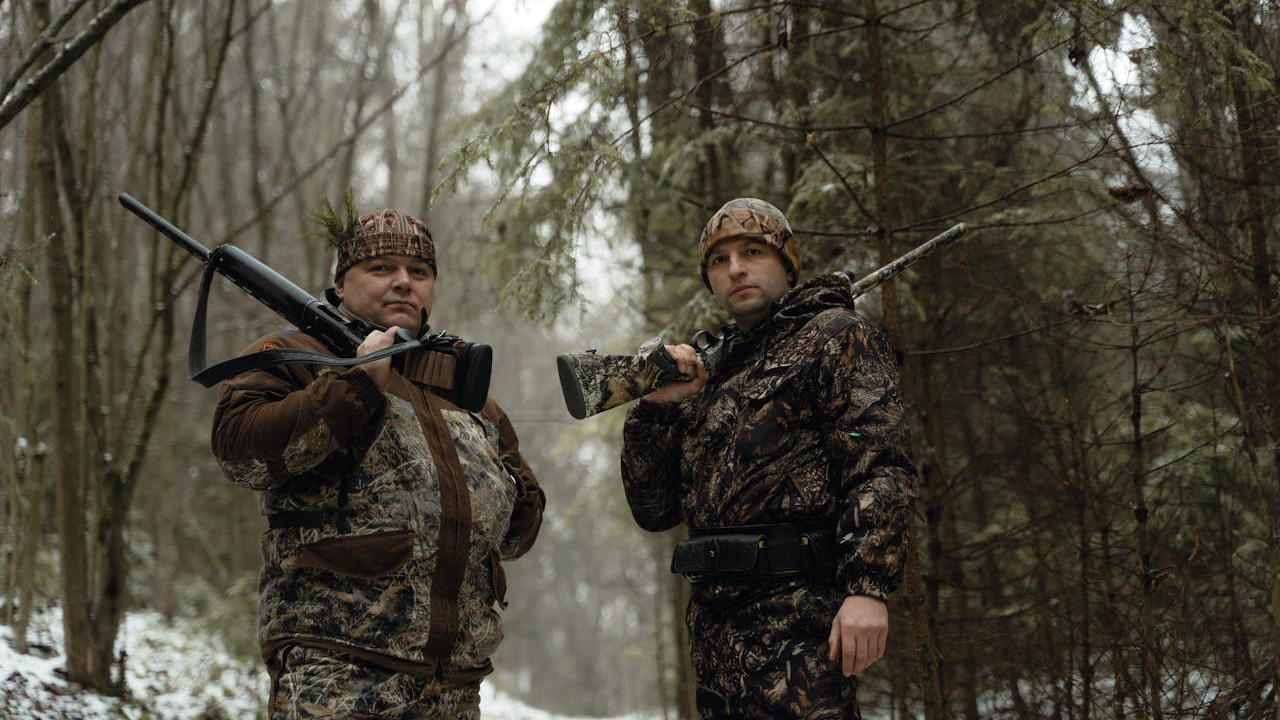
A new hunter said his early experience on public land took a sharp turn when a group of men tried to intimidate him out of a spot they claimed they had been hunting for years.
The hunter shared the situation in a post on r/Hunting titled “New hunter experience kinda sucks”. The original post was later deleted by the user, but the surviving discussion makes the basic conflict clear: a newer hunter was on public land during deer season when several men confronted him and tried to push him out of the area.
In the comments, the poster later clarified that the incident happened in northern Quebec during deer season. He also said he was not going to confront armed men, despite some commenters saying they would have stood their ground. That detail shaped the entire discussion, because almost everyone agreed that public land is public land. The harder question was what a hunter should actually do when the people trying to claim it are angry, armed, and standing right there.
The situation frustrated commenters for a few reasons. First, the hunter was new, and bad encounters like that can make someone question whether hunting is worth the trouble. Second, the confrontation seemed to be based on the old “we’ve hunted here for years” argument. That may explain why someone feels attached to a spot, but it does not turn public land into private ground.
Several users said the aggressive hunters basically confirmed the new hunter had found a good place. If they were that worked up over him being there, commenters figured there must be deer activity worth protecting. But that did not make the moment any easier for the person standing there outnumbered.
The poster came away shaken enough to ask if this kind of experience was normal. Reddit’s answer was mostly no. Public-land pressure is common. Crowded access points are common. Running into other hunters happens. But trying to bully someone out of a public spot is a different thing entirely.
The biggest issue commenters had was the idea that someone could claim public land through habit.
One user put it plainly: public land is owned by everyone. That means the new hunter had just as much right to be there as the men who said they had used the area for years. A long history with a spot may make a hunter feel protective, but it does not give him legal ownership or the right to scare someone else away.
That point showed up again and again. Commenters said public land works only if everyone accepts the same basic rule: if you want a spot, get there first. If someone else is already there, you find another place to sit. You do not gather a group, confront the person, and act like they broke into your private lease.
Some hunters admitted they have favorite public spots they return to every year. They may even feel irritated when someone else finds them. But most drew a clear line between being disappointed and acting like the land belongs to them.
The new hunter seemed to understand the principle. He was not asking for special treatment. He was asking whether being chased off by several armed men was just part of the deal. That is why so many people were quick to reassure him that it was not how decent hunters are supposed to act.
The frustration in the comments was about more than this one spot. It was about the way a few territorial hunters can make public land feel closed off to everyone else, especially beginners who are still learning how to scout, access, and handle pressure.
Even though many commenters told the hunter he was in the right, several warned him not to treat the woods like a courtroom.
Being right does not mean much when you are alone, outnumbered, and dealing with angry armed men in a remote area. That was one of the strongest threads in the discussion. Users repeatedly told him not to escalate in person. Get out safely, document what happened if possible, and contact the proper authorities.
One commenter said it is hard to argue about public-land rights with five angry armed guys. Another said it may be technically true that no one owns the land, but that does not mean the poster has to be the one standing there explaining that to men who already seem hostile.
That was the balance many hunters tried to strike. They did not want him to think the bullies were correct. They also did not want him getting hurt over a deer spot.
Some commenters were more prideful and said they would refuse to leave if they were there first. But even those comments often sparked pushback from people who said ego can get a person into real trouble in the woods. It is one thing to stand up for the principle. It is another to start a confrontation when firearms are involved and help is nowhere nearby.
For the poster, the decision to avoid a direct fight seemed to be the smart one. He later thanked people for the advice and said he would put the tips to use, but he was not going to confront armed men just to prove a point.
A lot of commenters told the hunter to report the incident to a conservation officer or game warden.
The reason was simple: intimidating or obstructing a lawful hunter is treated seriously in many places. In Quebec, one commenter even pointed him toward a provincial resource for reporting obstruction of the right to hunt, fish, trap, or move freely on public land. Others said that even if an officer cannot show up immediately, having a report on file matters.
That advice came with a practical side. If the same group has been doing this to other hunters, one report might not seem like much. Multiple reports can establish a pattern. A warden who already knows about repeated harassment in an area may be more willing to step in or issue warnings.
Some commenters said he should try to gather details if it ever happens again. That could include vehicle descriptions, license plate numbers, where it happened, and what was said. Nobody encouraged him to play detective or provoke a confrontation. The idea was to collect enough information from a safe distance so the proper people could handle it.
That advice also protected future hunters. Several commenters said reporting aggressive behavior could save someone else from the same experience later. A new hunter may leave and never come back. A more hotheaded hunter might argue. Neither outcome is good.
For all the tough talk public land sometimes brings out, the more useful advice was boring on purpose: stay calm, leave if you need to, and let the game warden handle the people who think public ground belongs to them.
The comments turned into a larger discussion about hunters who try to claim public spots through intimidation.
One commenter described a man who had allegedly harassed hunters near a piece of state land for years, telling people it was his spot and trying to spook game when they refused to leave. According to that commenter, a group eventually reported him to the game warden, then organized a large hunt in the same woods to make the point that nobody owned the area.
Others shared smaller examples of people getting aggressive because someone else found “their” place. A few said the more territorial someone acts, the more likely it is that the area actually holds deer. That may be useful scouting information, but it also shows how ugly public-land pressure can get.
Several users encouraged the new hunter not to give up. They said one bad encounter should not ruin hunting for him. Some suggested finding a mentor, joining a shooting or archery club, or connecting with local hunters who actually want to help beginners instead of running them off.
That encouragement mattered because the poster sounded discouraged. Hunting is hard enough when someone is new. Learning regulations, scouting, reading sign, handling gear, and sitting through slow days already takes patience. Add in hostile strangers, and it can make the whole thing feel pointless fast.
Commenters wanted him to know the men who confronted him were not representative of every hunter. There are plenty of people who will share advice, help a beginner, or simply move along when another truck is already parked at the access.
Commenters mostly agreed that the new hunter had every right to be there, but they split on how hard he should push back in the moment.
Some told him to return to the same spot and not let anyone bully him off public land. Their argument was that if aggressive hunters learn intimidation works, they will keep doing it. Public ground belongs to everyone, and letting one group claim it only makes the problem worse for the next person.
Others agreed with the principle but urged caution. They said arguing with several armed men in the woods is a terrible place to prove a point. To them, the safer move was to leave, gather details if possible, and report it to a conservation officer.
A lot of users told him the incident was not normal and should not discourage him from hunting. Public land can be crowded and competitive, but most hunters are not out there trying to run beginners off. Several encouraged him to keep learning, scout farther from easy road access, and connect with other hunters who could help him build confidence.
The strongest theme was that “we’ve hunted here for years” does not mean anything if the land is public. It may explain why a group feels protective. It may explain why they were mad. But it does not give them the right to intimidate someone who got there legally.
For the new hunter, the lesson was not that public land belongs to the loudest person in the woods. It was that some people will act like it does, and the smartest response is to know the rules, keep your head, and get the game warden involved before pride turns a bad morning into something worse.