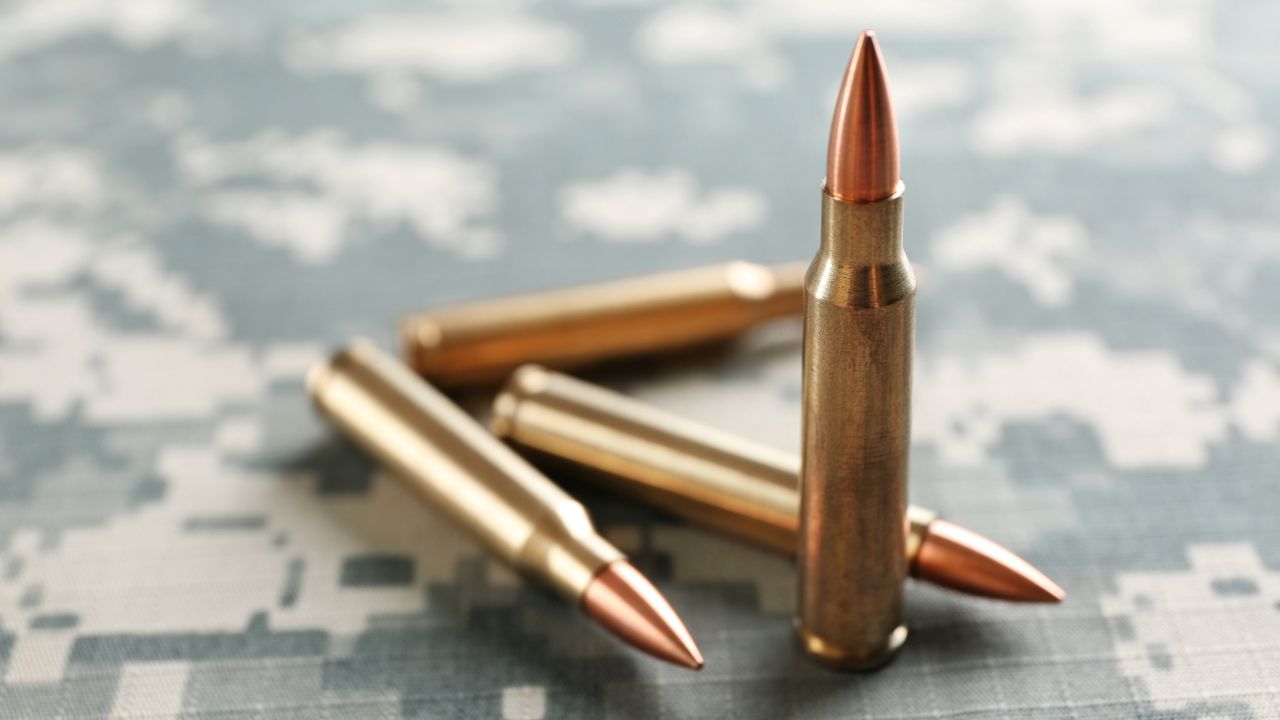
Photo credit: Africa Studio/Shutterstock.com
Every hunter knows the feeling of picking up a new rifle in a caliber you’ve convinced yourself is the perfect all-rounder, only to regret it once the season’s over. Sometimes the problem is recoil that beats you up, ammo that costs a fortune, or ballistics that don’t match what you thought they would. Other times, you discover the round works fine on paper but lets you down in real-world conditions, leaving you with longer tracking jobs or clean misses in wind. The truth is, not all cartridges age well in the field. The first season tells the tale, and some of these options leave hunters shaking their heads, wishing they’d stuck with something tried and true.
.243 Winchester
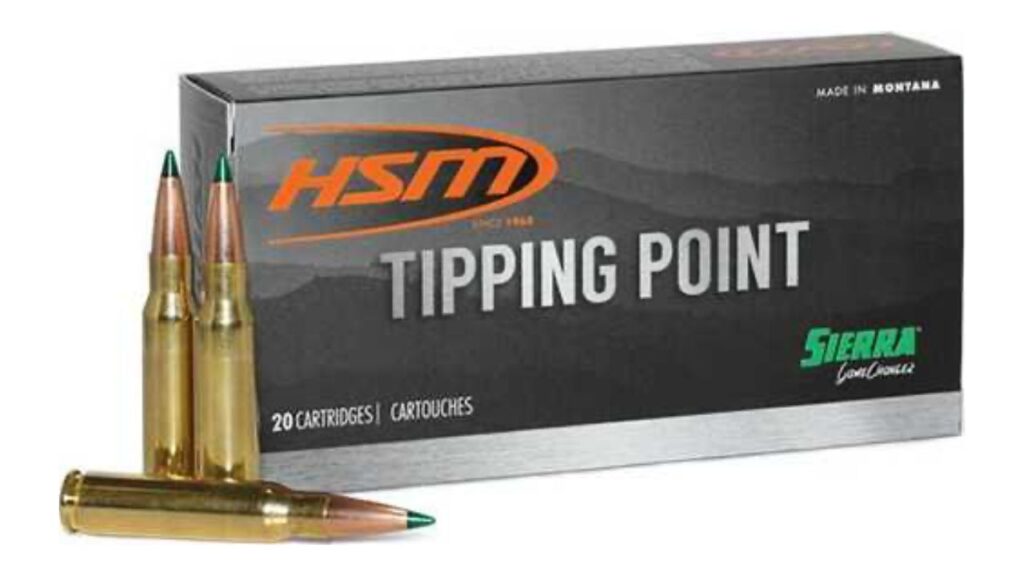
At first glance, the .243 Winchester looks like the perfect light hunting round. It’s accurate, flat-shooting, and easy on the shoulder, which makes it attractive for new hunters. But the first season often reveals its limitations. When you start using it on anything bigger than whitetail or antelope, penetration becomes inconsistent.
Plenty of elk hunters have tried the .243 only to realize that, even with premium bullets, it lacks the energy to reliably anchor big animals. You’ll hear people say shot placement solves everything, but in the woods, shots aren’t always perfect. One encounter with a quartering elk or a mule deer at longer range can quickly show you the cartridge’s shortcomings. Many hunters put the rifle back in the safe after realizing it’s best left to smaller game.
.25-06 Remington
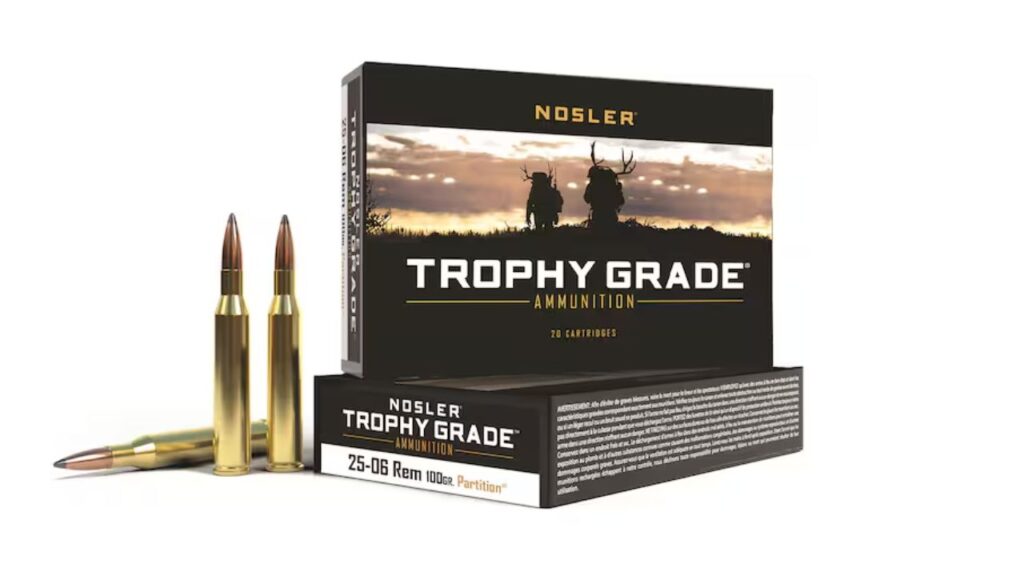
The .25-06 Remington wins a lot of fans early with its flat trajectory and manageable recoil. On paper, it looks like a cartridge that can do it all, from varmints to big game. The reality sets in after the first season when you see how it performs on heavier animals. Expansion is often too rapid, leaving shallow wound channels and poor blood trails.
Yes, it’s fantastic for pronghorn and deer in open country, but elk and even larger mule deer can walk away after hits that should have been lethal. Hunters often find themselves frustrated after a year of disappointing results, especially when they compare it to more versatile 6.5mm or 7mm cartridges. The .25-06 shines in niche roles, but as a big-game round, regret tends to come quick once its limitations are tested.
6.5 Grendel
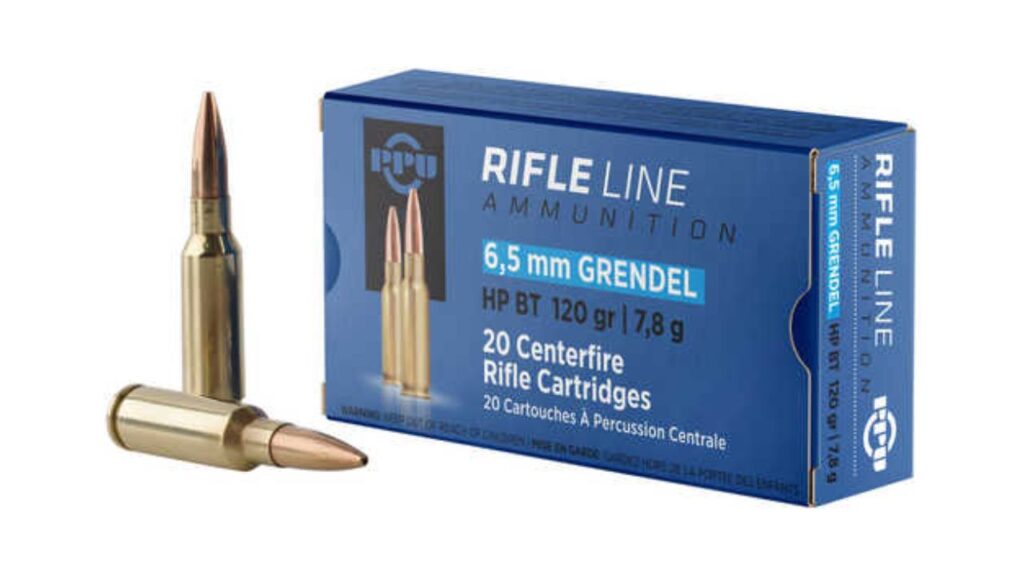
The 6.5 Grendel seems appealing, especially to hunters who like the AR platform. It promises efficiency, mild recoil, and enough power for medium game. But after a season in the field, many realize its shortcomings. Energy drops off rapidly beyond 200 yards, leaving it underwhelming for anything bigger than whitetail.
You might get away with it on perfect broadside shots, but elk and bear are usually out of its league. Even mule deer at longer ranges can be risky. Accuracy is there, but terminal performance just doesn’t deliver when you need it most. After one season, a lot of hunters end up leaving the Grendel for hogs and coyotes while moving to more traditional hunting cartridges for serious big game.
.30-30 Winchester
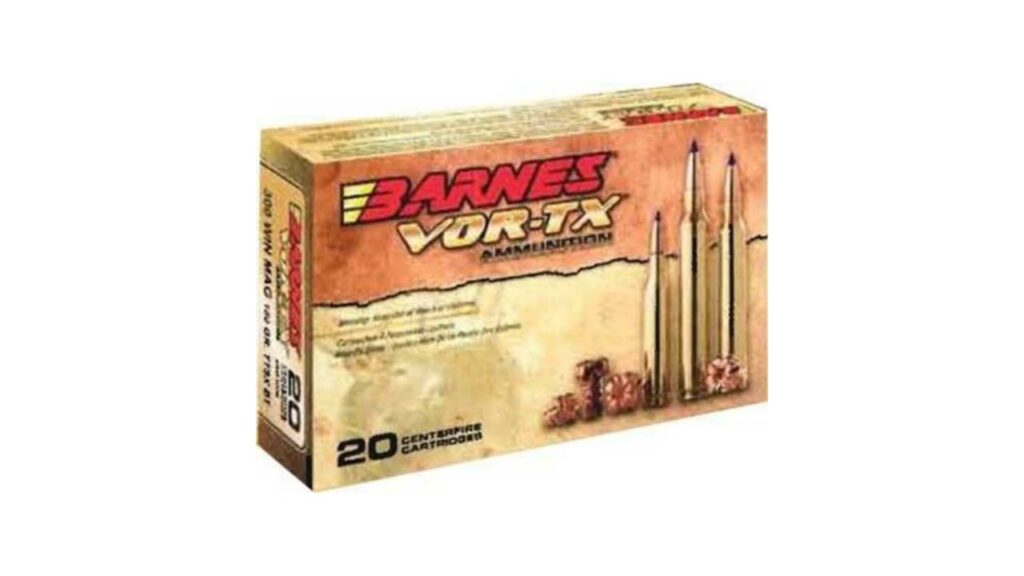
The .30-30 Winchester carries nostalgia, and that’s why so many hunters still buy it. But after the first season, reality often sets in. Its effective range is limited, and in open country it quickly feels outdated. While it can work fine in thick timber, shots beyond 150 yards expose its weaknesses.
Hunters who expected it to be versatile often regret the purchase. You find yourself restricted to specific conditions, and bullet drop is noticeable compared to modern loads. Elk hunters especially realize that while it might work in rare scenarios, it isn’t dependable for animals of that size. After a season of compromises and missed opportunities, many hunters regret not going with a more modern .308 or 7mm option that offers far greater versatility.
7mm-08 Remington
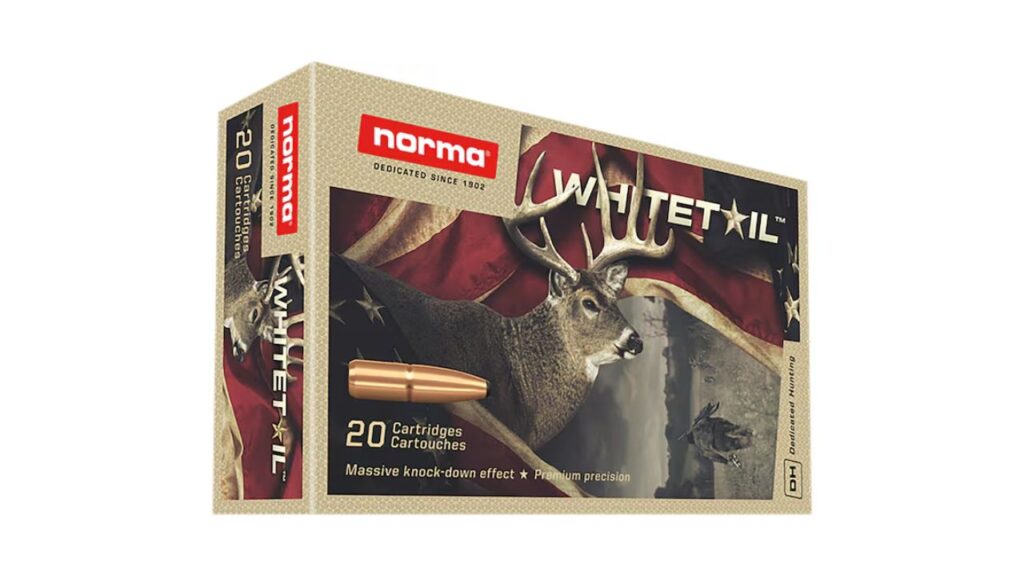
The 7mm-08 Remington has a reputation as a mild, accurate round, and that draws in a lot of hunters. But after a season, some realize it doesn’t quite hold up for larger game. While it can be effective with the right loads, energy at longer ranges drops faster than expected.
If you’re sticking to deer, it works. But if you bought it hoping to handle elk or black bear as well, disappointment comes quickly. Penetration on heavy bone isn’t always reliable, and past 300 yards you start questioning its stopping power. Many hunters end up shelving the rifle after the first season, realizing they’d rather deal with a little more recoil for the confidence a .308 or 7mm Rem Mag delivers.
6mm Creedmoor
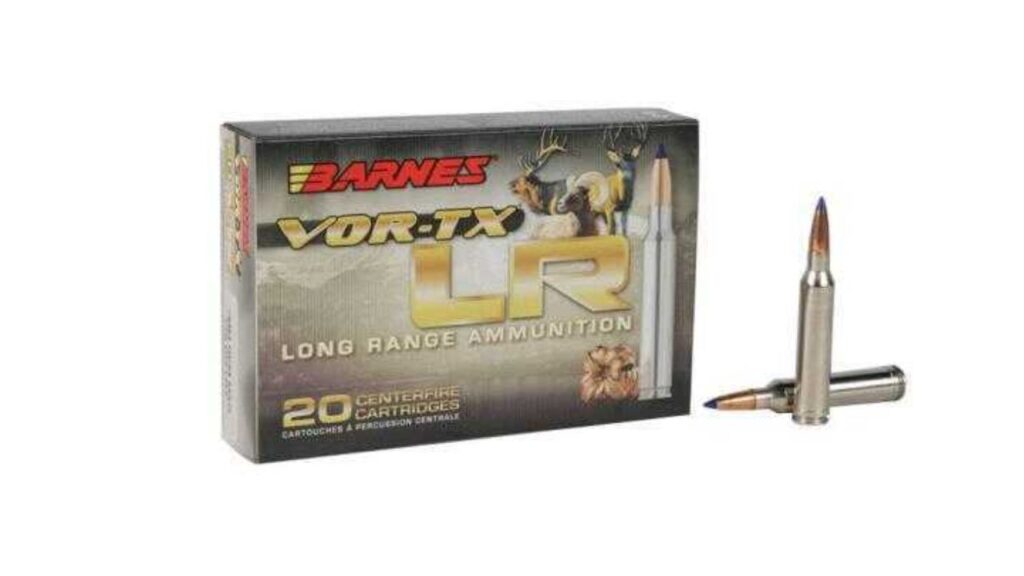
The 6mm Creedmoor is another round that looks excellent on paper but falls short in the field. With superb accuracy and mild recoil, it draws target shooters and newer hunters alike. But when you try it on big game, especially elk, its limits show fast.
With bullets topping out around 108 grains, it simply doesn’t have the mass for reliable penetration on large-bodied animals. Even on deer, performance can be inconsistent if the shot isn’t perfect. Hunters often regret buying into the hype after one season of tracking wounded animals farther than expected. It’s accurate, sure, but accuracy without terminal performance isn’t enough when the stakes are high.
.257 Weatherby Magnum
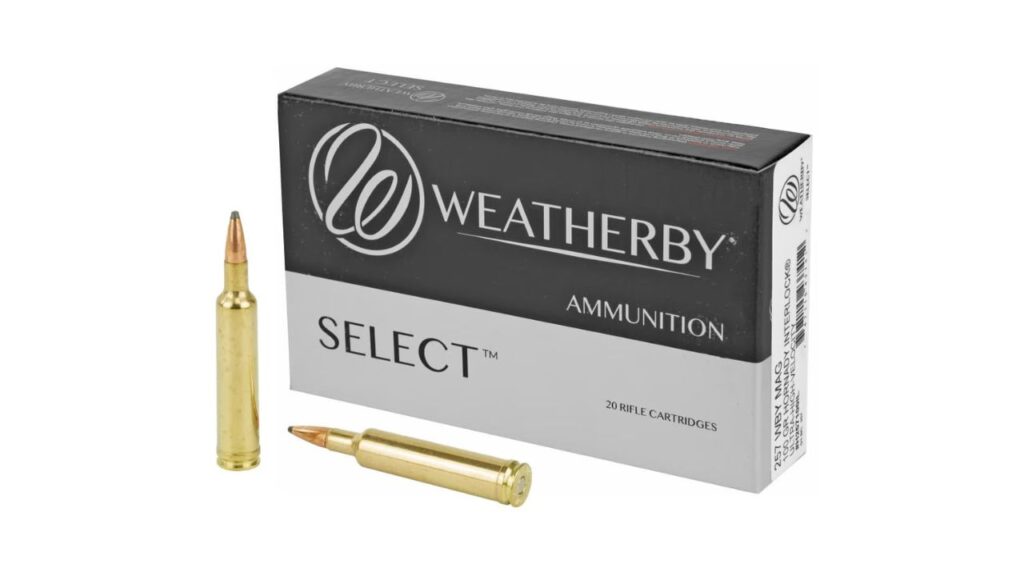
The .257 Weatherby Magnum impresses with speed, and its flat trajectory makes it look unbeatable. But after a season of hunting, the downsides start to show. Lightweight bullets moving that fast often expand too quickly, creating shallow wound channels that don’t anchor elk or even larger mule deer effectively.
Hunters who bought it thinking it would handle everything from deer to elk soon realize it’s best suited for pronghorn and smaller deer. The cost of ammo adds insult to injury, making the first season both expensive and frustrating. It’s a specialized round that performs well in narrow conditions, but as an all-around hunting cartridge, most regret buying it once its limitations are revealed.
.300 Blackout
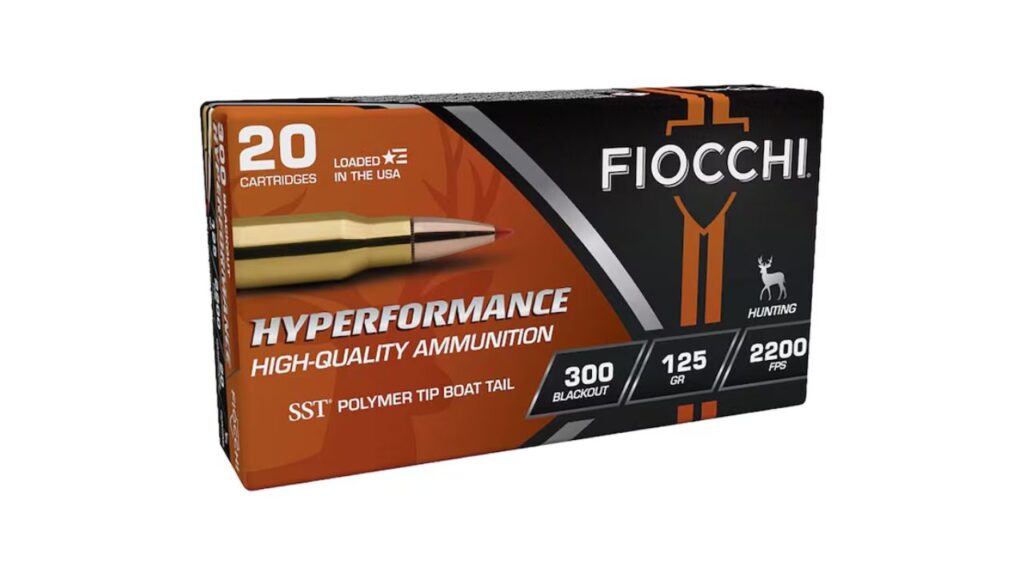
The .300 Blackout’s popularity in tactical circles often leads hunters to give it a try. It promises versatility, especially in AR platforms, but in the field its limitations become clear. Energy is simply too low for consistent elk or bear kills, and even deer can be a stretch beyond 150 yards.
Many hunters spend their first season discovering how underpowered it feels compared to traditional hunting calibers. Subsonic loads are virtually useless for anything bigger than hogs, and even supersonic options don’t offer much margin for error. After the first year, most hunters regret trying to make the Blackout work for big game and relegate it back to hog or coyote duty.
7.62x39mm
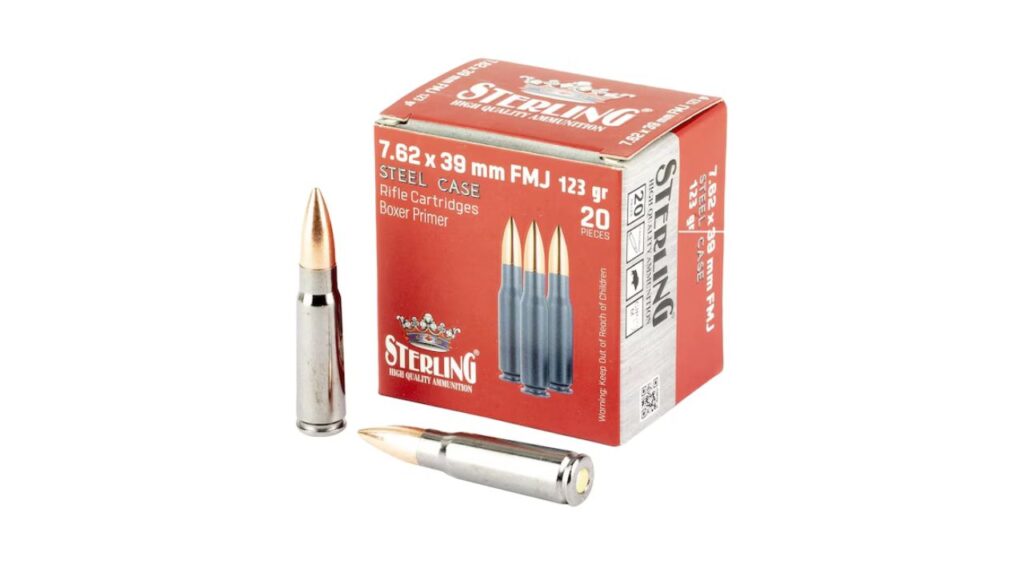
The 7.62x39mm seems like a practical choice because of its affordability and widespread availability. But hunters quickly realize its limitations in accuracy and range. While it works fine on deer at close distances, past 150 yards it becomes unreliable.
For elk or larger game, it simply doesn’t deliver. Accuracy isn’t tight enough for consistent groups at range, and bullet construction isn’t designed for heavy penetration. After one season of frustration, most hunters regret relying on it. It’s great for range fun or hog hunting, but it’s far from ideal for serious big-game pursuits.
6.8 SPC

The 6.8 SPC was created to improve AR-15 performance, but as a hunting round, it often disappoints. It works within 200 yards, but after that, velocity drops quickly, leaving bullets without the energy needed for clean kills.
Hunters often regret choosing it after their first season because they expected more versatility. Elk are out of its league, and even larger mule deer at distance can be a risky bet. It shines on hogs and whitetail in thick cover, but if you wanted a true big-game cartridge, the regret sets in as soon as you face a tough shot on a bigger animal.
.220 Swift
The .220 Swift’s incredible speed makes it look like a powerhouse, but in hunting terms, it’s still a varmint round. Elk and deer need penetration, not explosive expansion. After a season of trying it, hunters often realize it’s far too light for serious game.
The Swift does great on coyotes, but anything larger often ends in wounded animals rather than quick kills. Its barrel-burning tendencies also leave you with higher maintenance and added costs. Many regret buying it for big game after one frustrating season, realizing it’s best kept where it belongs—on varmints.
.223 Remington
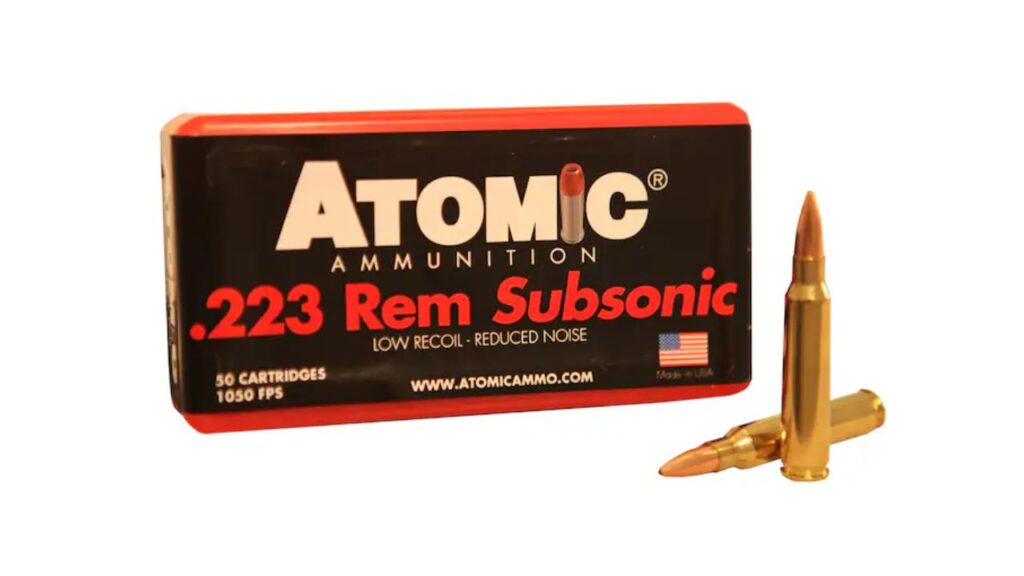
The .223 Remington is one of the most popular cartridges out there, but hunters who try it on elk or even big mule deer often regret the decision quickly. Bullet weight is simply too light for consistent penetration, and sectional density isn’t there for heavy animals.
Yes, it can work on whitetail with the right bullets, but elk and bear often walk away from hits that should have anchored them. After one season, most hunters who tested it for larger game put it away and move back to more capable calibers. It’s better left for varmints or coyotes, not serious elk hunts.
5.56 NATO
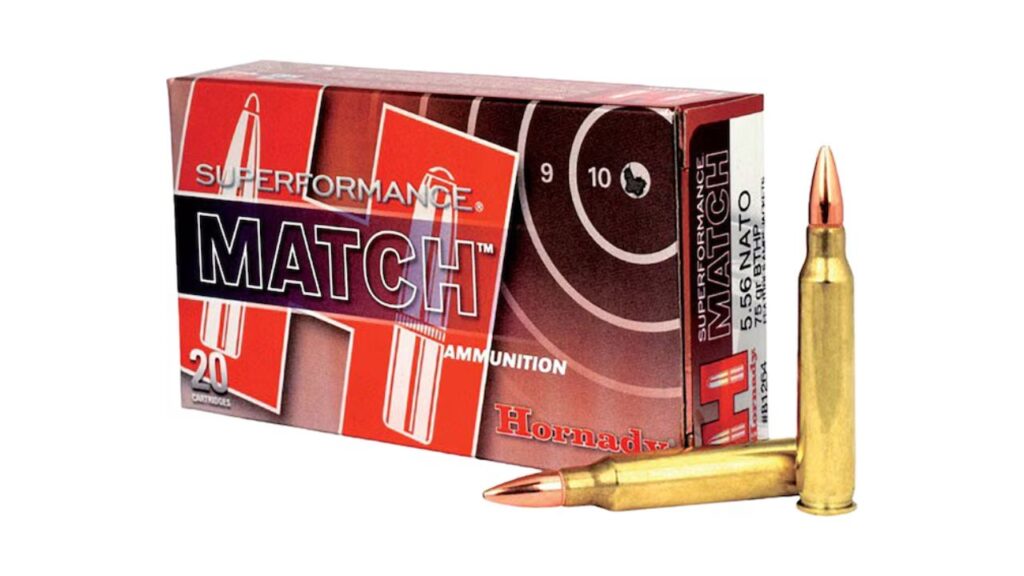
Similar to the .223, the 5.56 NATO isn’t built for elk or other large game. While it can handle small- to medium-sized deer under the right conditions, it doesn’t deliver enough energy for bigger animals. Hunters who buy it expecting versatility often regret it after one season.
Performance drops off fast at range, and even close-in shots lack the punch required for consistent kills. Some states don’t even allow it for big game. After a season of mixed results, most hunters relegate it back to range or varmint use. It’s simply not built for the challenges of serious hunting.
.35 Remington
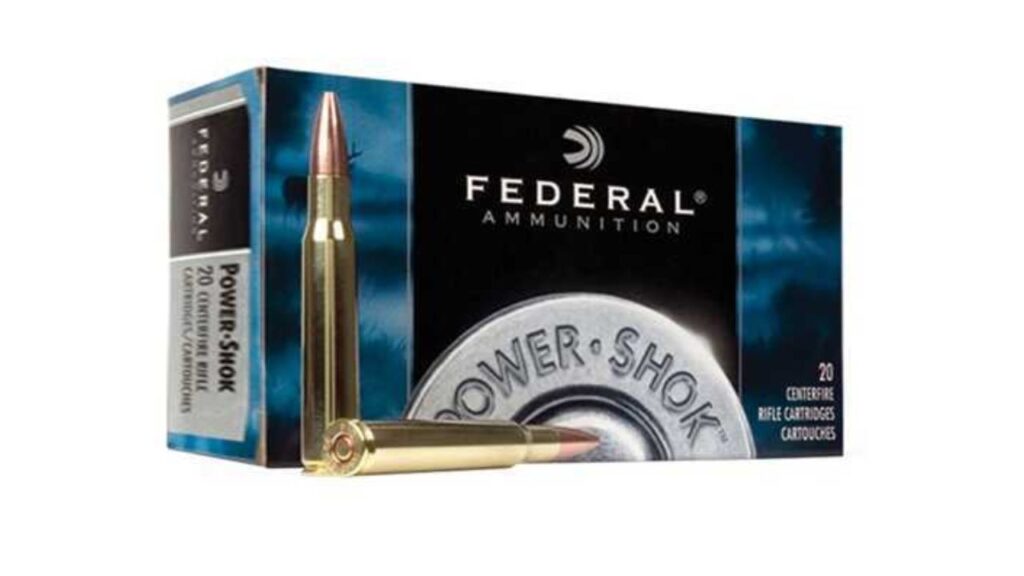
The .35 Remington has history on its side, but after a season of use, many hunters regret choosing it. It’s accurate enough in lever guns and does well in heavy timber, but its trajectory is slow and limits your range.
For whitetail in thick brush, it works fine, but once you step into more open country, it feels outdated. Elk-sized animals push it past its comfort zone, and ammo availability is another frustration. Hunters often find themselves questioning the decision after realizing how many better options exist today. The regret is less about effectiveness in narrow conditions and more about its lack of versatility.
8mm Mauser
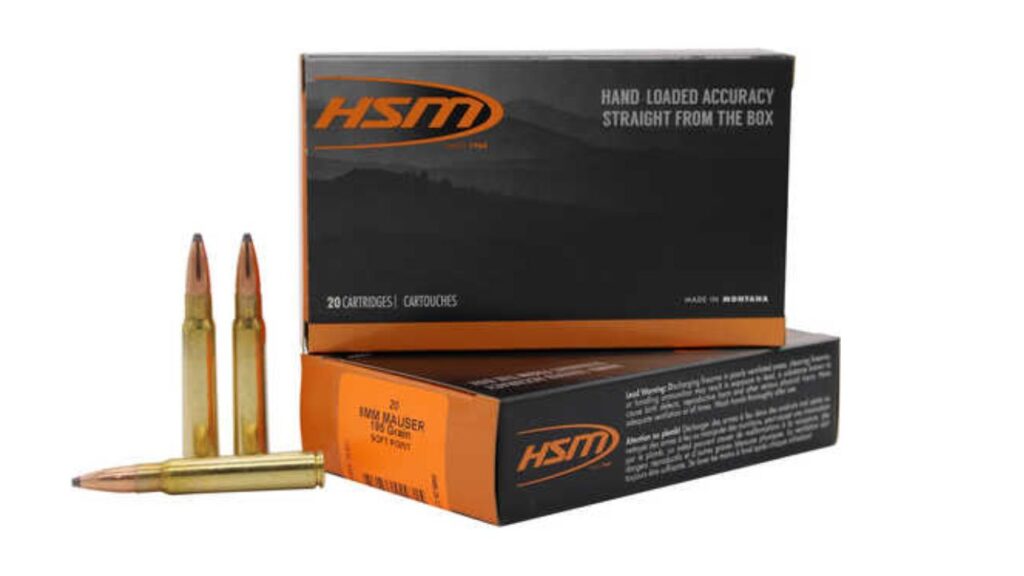
The 8mm Mauser is a legendary round, but in modern hunting contexts, it often leaves hunters disappointed. Ammo availability is limited, and loads are usually downloaded compared to its potential. That means performance is underwhelming for elk or long-range shots.
Hunters who pick one up for nostalgia or uniqueness often regret it after their first season. Between the lack of factory loads, inconsistent ballistics, and poor availability, it feels like more hassle than it’s worth. While it’s historically significant, most hunters realize after one season that they’d have been better off with a .30-06 or .308.
*This article was developed with AI-powered tools and has been carefully reviewed by our editors.