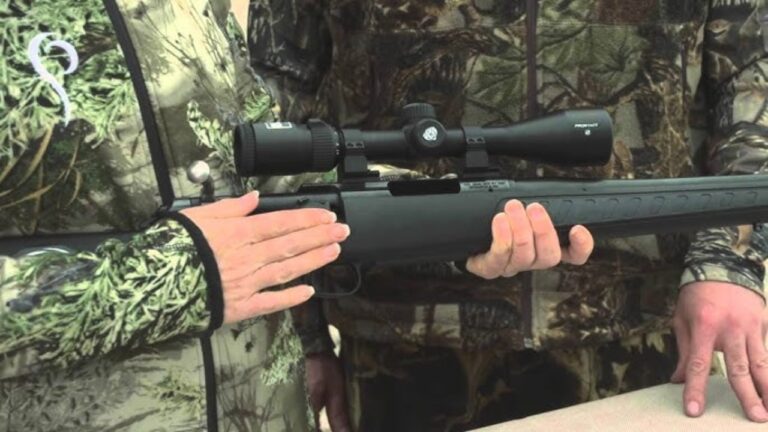
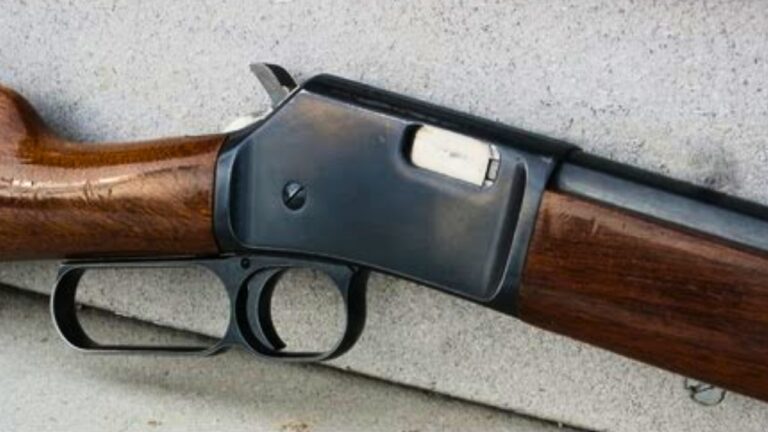
Photo credit: Savage Arms
A lot of hunters pick a cartridge like they pick a truck: based on what the guy at the counter said, what their buddy shoots, or what they saw on the internet last week. That’s how you end up with way too much recoil, not enough practice, and a rifle you don’t trust when it’s cold, windy, and you’ve got one real shot. You don’t need to become a ballistic nerd to hunt well. You just need to understand what your cartridge is good at, where it can disappoint you, and what kind of bullet it wants for the animals you’re actually chasing. These are the cartridges that big-game hunters run into constantly—because they work, because they’re common, or because they’re misunderstood.
.243 Winchester

.243 is a great deer cartridge when you feed it the right bullet and you place shots like you mean it. Where people get sideways is treating it like a “just hit it anywhere” cartridge. Light, fast bullets can expand quick and do dramatic surface damage without the penetration you’d want on hard angles or through shoulder. That’s not the cartridge being weak—it’s bullet selection and expectations. With a controlled-expansion hunting bullet and clean heart/lung placement, it works well and it keeps recoil low, which means more practice and better shooting. .243 shines for smaller-framed shooters, younger hunters, and anyone who wants a rifle they can shoot without developing bad habits. If you’re hunting elk or bigger animals, it can still work with the right bullet and discipline, but it’s not the cartridge to lean on for sloppy angles.
6.5 Creedmoor

6.5 Creedmoor became popular because it’s easy to shoot well and it kills clean when bullets are chosen right. It’s not magic, and it doesn’t turn bad hits into good ones, but it gives hunters a real advantage: low recoil that encourages practice. In the field, good 6.5 bullets penetrate well for the caliber and stay predictable. The biggest mistake is picking a target bullet and expecting perfect hunting performance. You want a bullet built to hold together and drive through vitals. On deer and similar-sized game, it’s very effective. On elk, it can work with good bullets and good shot placement, but it’s not a cartridge that gives you unlimited angle freedom. If you understand its strengths—accuracy, manageable recoil, good bullets—it’s one of the best “shoot it well, kill it clean” options out there.
7mm-08 Remington

7mm-08 is one of the most underrated big-game cartridges for hunters who actually care about recoil and real-world effectiveness. It hits harder than the Creedmoor class with similar shootability, and it carries well enough for elk inside sensible distances with the right bullet. It’s efficient, it tends to be accurate, and it doesn’t demand a long barrel or a heavy rifle to do its job. Where people mess up is ignoring it because it’s not flashy. It’s a practical cartridge that kills clean and doesn’t punish you during practice. Bullet selection matters, but that’s true for everything. If you want a rifle you can carry all day and shoot without getting beat up, 7mm-08 deserves more respect than it gets.
.270 Winchester

.270 has been killing game clean for a long time for a reason. It shoots flat, carries energy well, and with modern bullets it’s more versatile than people give it credit for. The downside is that some hunters pick lightweight, fast bullets and then complain about meat damage or poor penetration on steep angles. .270 can be a little “zippy,” and if your bullet is built to expand fast, it will. The fix is simple: pick a bullet that matches your target animal and the ranges you expect. For deer and similar game, it’s a classic. For elk, it can work with strong bullets and good placement. The .270 doesn’t need defending—it needs understanding. Treat it like a serious hunting cartridge, not a nostalgia piece, and it still earns its spot.
.308 Winchester

.308 is boring in the best way. It’s widely available, it’s easy to find good hunting loads for, and it performs consistently in real hunting conditions. It doesn’t need a long barrel to work well, and it’s not picky. It also tends to be easy to shoot compared to the magnums, which means you’ll actually practice. People sometimes knock it because it doesn’t shoot as flat as the speed cartridges, but in real hunting distances, it’s more than enough. The big win with .308 is that it’s predictable: you know what it does, and it does it again next season. On elk, it works with the right bullet and good placement. On deer, it’s a hammer. If you want a cartridge that won’t surprise you and won’t punish you, .308 is still one of the smartest choices.
.30-06 Springfield

.30-06 is the “covers a lot of ground” cartridge because it has a wide range of bullet weights and load options. It can be mild enough for deer and strong enough for elk with the right setup. The reason hunters should understand it is that it’s still one of the most practical do-it-all cartridges, but it can also be overused in the wrong way. Some guys run heavy bullets for deer and then complain about meat damage or recoil. Others run light bullets on bigger game and expect miracles. The cartridge gives you options, but options only help if you choose wisely. If you want one rifle for multiple seasons and multiple animals, .30-06 remains a strong answer, especially if you’re disciplined about bullets and recoil management.
.300 Win Mag

.300 Win Mag is powerful, and power is not free. It gives you reach, energy, and bullet performance at distance, but it also gives you recoil that can wreck your shooting if you don’t practice honestly. A lot of hunters buy a .300 Win Mag thinking it makes them “ready,” then they shoot it twice a year and wonder why they can’t hold steady under pressure. If you can shoot it well, it’s a great elk and big-game cartridge and it holds up in wind. If you can’t shoot it well, it’s just noise and flinch. Understanding .300 Win Mag means understanding yourself: your recoil tolerance, your willingness to train, and your ability to place shots cleanly when it counts. The cartridge works. The question is whether you’ll do the work.
7mm Remington Magnum

7mm Rem Mag is popular because it shoots flat, handles wind better than many older standards, and hits hard enough for big game with proper bullets. The mistake is treating it like a “one bullet fits all” cartridge. At close range, impact velocity can be high, and some bullets that expand fast can create more meat damage than hunters expect. On the other side, at longer ranges, you still need a bullet that performs reliably at lower impact speeds. The cartridge isn’t the issue—bullet choice is. Recoil is manageable for many shooters, but it can still create bad habits if you don’t practice. A 7mm Rem Mag in a rifle you actually train with is a serious big-game setup. A 7mm Rem Mag in a rifle you’re afraid of is a problem.
.280 Ackley Improved
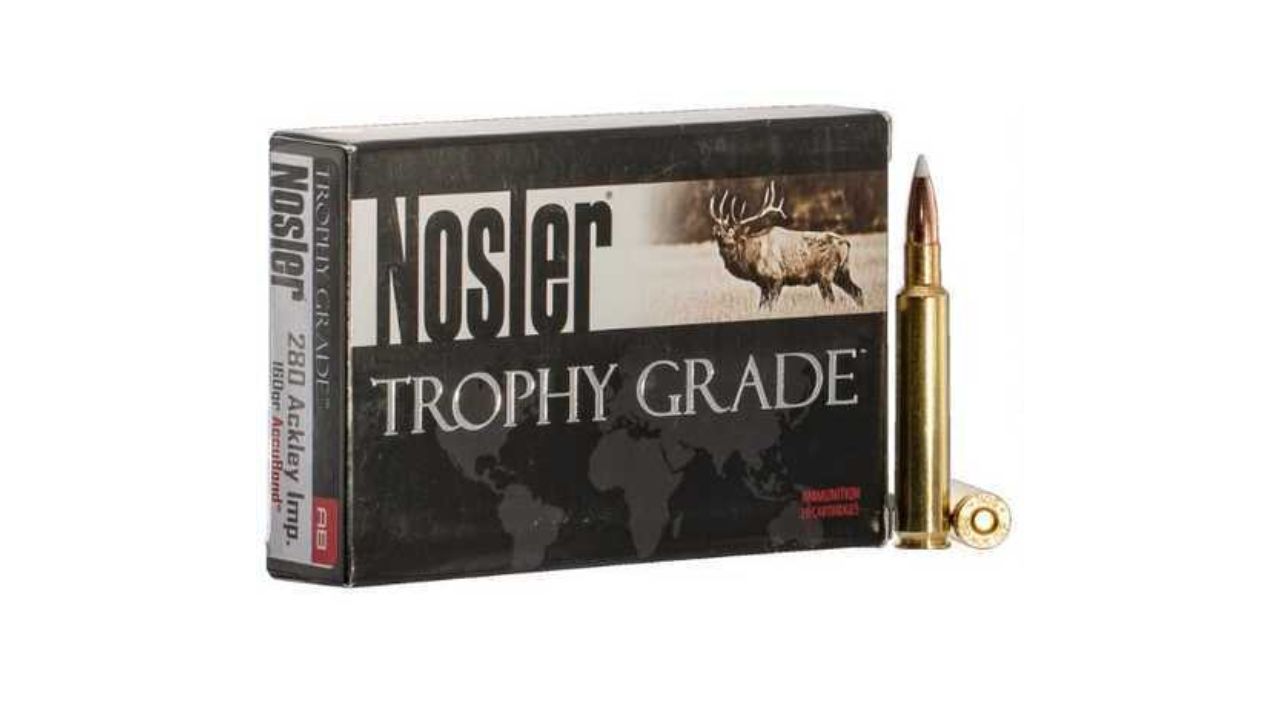
.280 AI is one of those cartridges that hunters love once they understand it. It can deliver strong velocity with good 7mm bullets, it can shoot flat, and it can be very effective on elk-sized game with good bullets. The issue is availability and familiarity—depending on where you live, ammo selection might be narrower than the mainstream cartridges. If you handload, it opens up. If you don’t, you need to plan ahead. Understanding .280 AI means understanding that it’s a performance cartridge that rewards good bullets and good setups, but it isn’t always as easy to feed as .308 or .30-06. If you’re willing to treat ammo like part of the system—not an afterthought—it’s a great hunting cartridge that sits in a sweet spot for recoil and performance.
6.5 PRC

6.5 PRC is a step up from Creedmoor in velocity and wind performance, and it can be a great hunting cartridge for deer and elk within sensible distances. The trade is recoil and barrel life, especially if you run it hard. It’s also a cartridge where bullet selection matters a lot because impact speeds can be higher, especially up close. You want a bullet that holds together and penetrates, not one that blows up early. The reason hunters should understand PRC is that it’s easy to buy it for “more performance” and then not actually practice enough because recoil stepped up. If you’re going to run it, set the rifle up right—good recoil pad, proper fit, maybe a brake or suppressor—and actually shoot it. PRC is effective, but it’s only as good as the shooter behind it.
7mm PRC

7mm PRC is built around modern bullets and real hunting distances, and it’s a strong choice for hunters who want wind forgiveness and energy without jumping to the biggest magnums. It carries well at distance and it hits hard enough for elk and bigger game with appropriate bullets. Understanding it means understanding that recoil is still real, and if you don’t set up the rifle well, you’ll practice less. It also means understanding that you don’t need to chase velocity at all costs. A stable, accurate load that you can shoot well is better than a screaming load you flinch with. The 7mm PRC can be a great “one rifle for serious hunts” option. Just don’t buy it as a shortcut. Buy it because you want that performance and you’ll put in the time.
.338 Win Mag
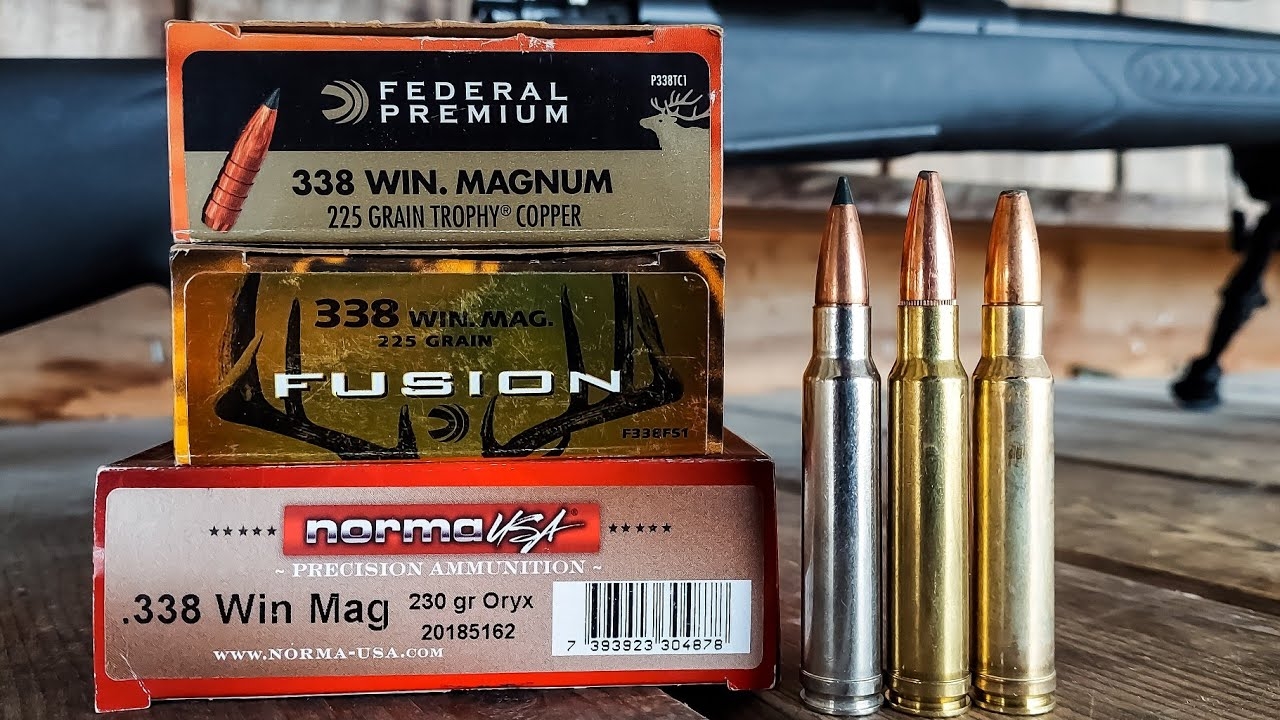
.338 Win Mag is a hammer, but it’s not for everyone. It’s effective on big animals and it hits with authority, but recoil is heavy enough that it can ruin your shooting if you’re not honest about practice. Hunters should understand that .338 isn’t automatically “better.” It’s better at certain jobs—bigger animals, tougher angles, and situations where you want extra margin. If your hunting is mostly deer, it’s usually more cartridge than needed and it’ll cost you in comfort and training. If you’re hunting moose, bear, or big-bodied elk in rough conditions, .338 can make sense if you can shoot it well. The cartridge is proven. The real question is whether you can place shots cleanly under recoil, cold hands, and adrenaline.
.45-70 Government

.45-70 is a great cartridge in the right environment. It hits hard, it works well in thick woods and shorter distances, and it can be extremely effective on big game with proper bullets. The misunderstanding is range. Some hunters treat it like a modern long-range cartridge and then get frustrated. Most .45-70 setups are about practical distances where you can put a heavy bullet through the right place and end the argument. Bullet selection matters a lot because you’ve got a wide spread of loads: mild, medium, and hard hitters meant for stronger actions. Understanding .45-70 means knowing your rifle, knowing your ammo, and knowing your distance limits. Inside those limits, it’s a brutal, effective hunting tool.
.350 Legend

.350 Legend is popular for straight-wall states and it works well for deer with the right loads. The mistake is assuming it behaves like a bottleneck rifle cartridge at distance. It doesn’t. It’s a practical hunting cartridge, not a flat-shooting laser. It can also be sensitive to bullet design when it comes to exits and blood trails—some loads expand fast and don’t exit, which can still be a clean kill but can complicate tracking. Understanding .350 Legend means knowing your effective range, choosing a bullet that performs the way you want, and actually sighting it in for your realistic hunting distances. It’s a smart cartridge when you treat it like what it is.
12-gauge slug

A 12-gauge slug setup can be one of the most effective big-game tools inside its range, but only if you respect what it is. Slugs drop fast compared to rifles, and different slugs can shoot wildly different from the same gun. Some slug guns are picky, and you can’t assume your buddy’s slug load will shoot well in your barrel. Understanding slug hunting means testing your load, confirming zero often, and keeping expectations realistic. Inside 100–150 yards depending on setup, slugs hit hard and can anchor game fast. Past that, you’re dealing with drop and wind that can bite you. A slug gun is not a “cheap rifle replacement.” It’s its own tool with its own rules.
Like The Avid Outdoorsman’s content? Subscribe to our newsletter so you never miss an article.
Here’s more from us: