Photo credit: Lucas Pezeta/Pexels.com
A lot of people think predator trouble on rural land starts and ends with coyotes. Coyotes absolutely deserve the reputation, but they are far from the only animal that can cost you birds, kids, calves, feed efficiency, sleep, or peace of mind. USDA APHIS says predator conflicts still hit ranching operations across the country, and agency and extension guidance keeps pointing to a wider cast than most people expect, including dogs, bobcats, foxes, vultures, raptors, raccoons, and more. Sheep and goats tend to take some of the hardest losses, and USDA materials still identify coyotes as the leading predator in many areas, but smaller operations and backyard flocks often get hammered by animals people barely think about until something is dead.
That is part of what makes rural predator pressure so frustrating. It is not always the biggest or scariest animal doing the most damage. Sometimes it is the one slipping through a fence hole, grabbing birds through wire, stealing eggs, or hitting newborn stock when you are not there to see it happen. Extension sources from Oklahoma State, Maryland, Ohio State, and Alabama all make the same point in different ways: once you start keeping poultry, sheep, goats, or vulnerable young stock, the list of things that can cause trouble gets longer in a hurry.
Coyote

Coyotes are still the standard by which every other rural predator gets measured, and for good reason. USDA says coyotes are responsible for most predator-related livestock losses, and state-level sheep loss reports keep showing the same thing. In Wyoming’s 2025 sheep and lamb loss report, coyotes accounted for 67.5 percent of predator-caused losses. That is not a small edge. That is dominance.
What makes coyotes so aggravating is that they are adaptable enough to hit just about any setup. They work open country, edges, creek bottoms, subdivisions pushed into ranch ground, and small homesteads with weak fencing. Kansas State and multiple extension guides still flag them as the single most important predator on livestock in much of the country, and poultry sources note they may leave birds scattered rather than taking them cleanly. They are smart, patient, and often harder to stay ahead of than folks expect.
Feral dogs

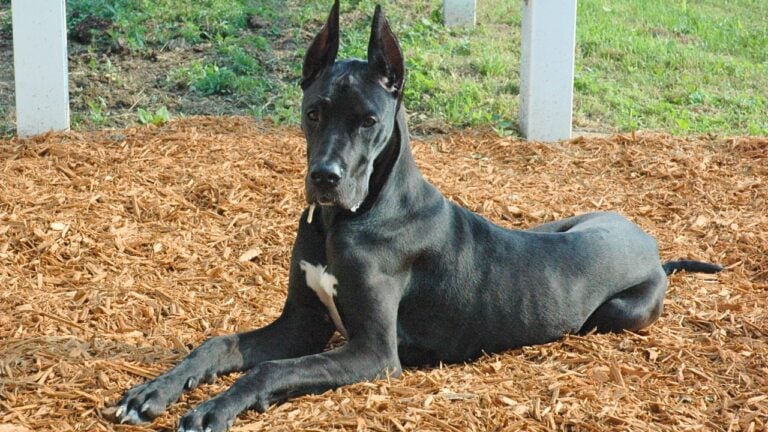
A lot of landowners spend so much time watching for wild predators that they forget loose domestic dogs can be every bit as destructive. Alabama Extension says dogs are one of the major predators for sheep and goats, right alongside coyotes, and older goat-predation guidance from Oklahoma State also puts dogs near the top of the list.
The nasty part with dogs is that they often kill in excess. A coyote may take what it can use. A pack of roaming dogs may hit birds or small stock in a frenzy and leave more dead than they actually eat. Texas agriculture materials also specifically list feral dogs among predators causing economic loss for farmers and ranchers. They are common enough that people underrate them, and that is a mistake.
Raccoon

Raccoons might be the most underestimated predator on a small place. People think of them as trash thieves, but poultry extension guides treat them as serious coop raiders. Oklahoma State says raccoons may steal eggs, kill birds, and even reach through fencing to grab parts of a chicken if they cannot fully get inside. That is exactly the kind of ugly, messy loss small flock owners remember.
They are also strong, clever, and good with their hands in a way that causes real problems. Basic latches, weak wire, and sloppy nighttime routines are an open invitation. Maryland and Ohio poultry materials both keep raccoons high on the suspect list for egg loss and bird predation, and once one figures out your setup, it tends to come back.
Bobcat

Bobcats do not get talked about as much as coyotes, but they cause real damage, especially to goats, sheep, poultry, and smaller animals. Texas A&M and Alabama Extension both list bobcats among common predators for small stock, and APHIS includes them in the broader predator-livestock conflict picture.
What makes bobcats tricky is how quiet they can be. Poultry materials note that some predators, including bobcats, can kill and carry off adult birds with very little sign left behind. On rural land, that can leave people thinking birds wandered off until the pattern becomes obvious. Bobcats are not always the main problem, but when they lock onto an easy food source, they can be a serious one.
Fox
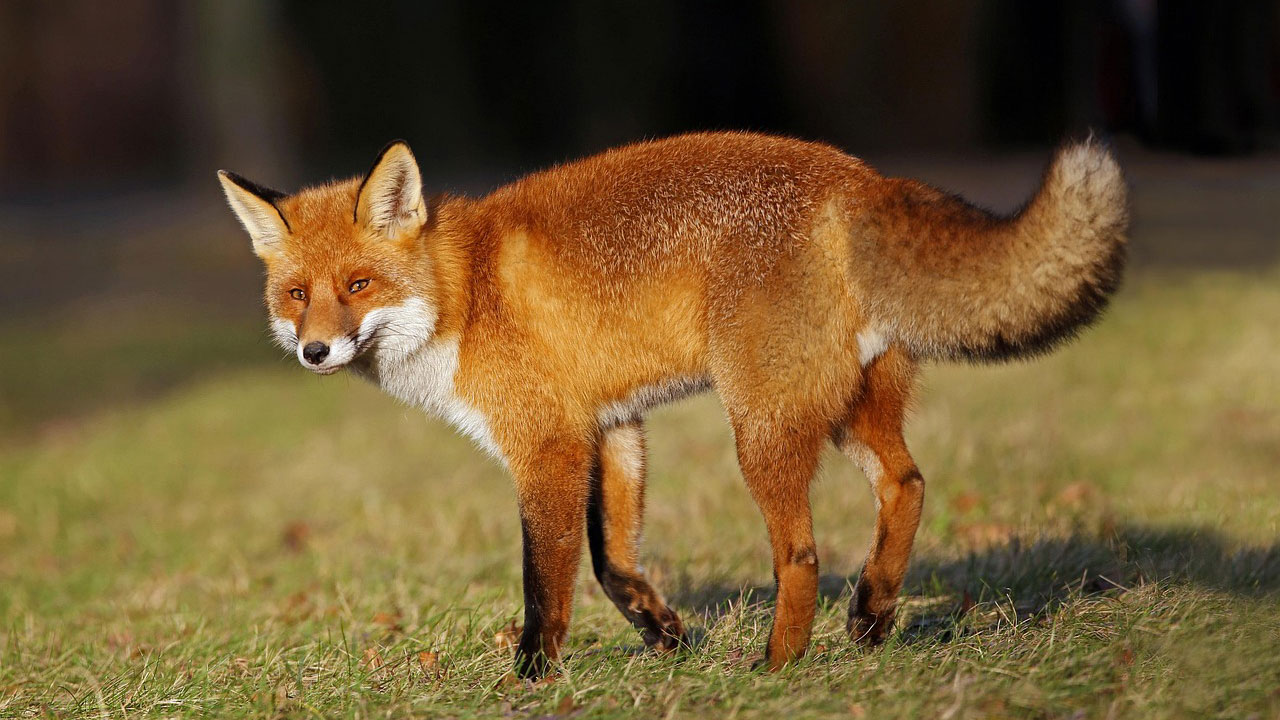
Foxes often get treated like a lighter version of coyote pressure, but they can still do real damage to poultry and younger animals. Oklahoma State’s poultry guide says foxes often carry poultry away or kill very cleanly, which can make the losses seem almost mysterious at first.
They matter most on smaller places where chickens, ducks, or unsecured young birds are part of the setup. Goat-predation guidance also notes foxes as a lesser but still real problem for younger animals. A fox does not need to be the biggest predator on your land to be a consistent one, and for backyard flocks, it often shows up right near the top of the list.
Black vulture

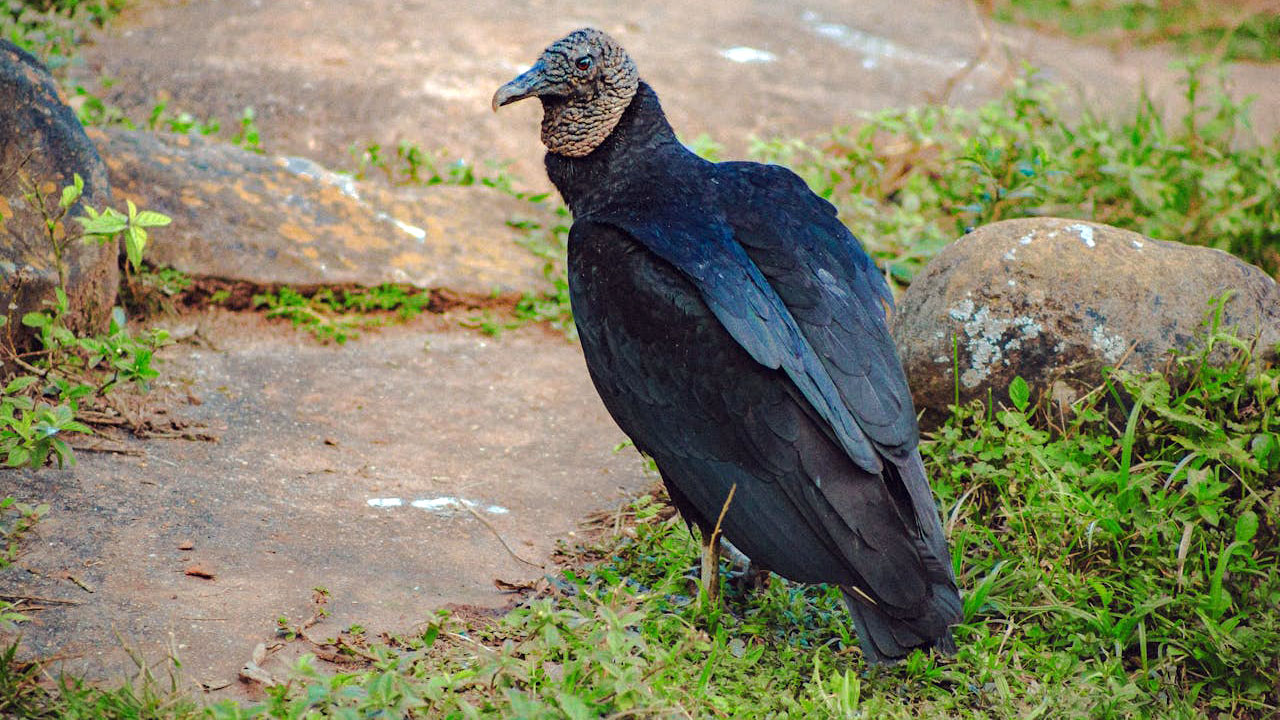
Black vultures are one of the best examples of a predator people do not believe in until they see the damage for themselves. APHIS says black vultures may attack and kill calves, lambs, piglets, adult animals during birthing, and other weak animals, often targeting the eyes and soft tissues. That is not scavenging in the harmless sense people imagine.
Missouri Extension has specifically put out management guidance for livestock producers dealing with black vulture damage, which tells you this is not just a Southern rumor passed around coffee shops. In the right conditions, especially around birthing season, they can become a real rural-land problem fast. They still surprise people because they look like cleanup birds, not active livestock trouble.
Hawk
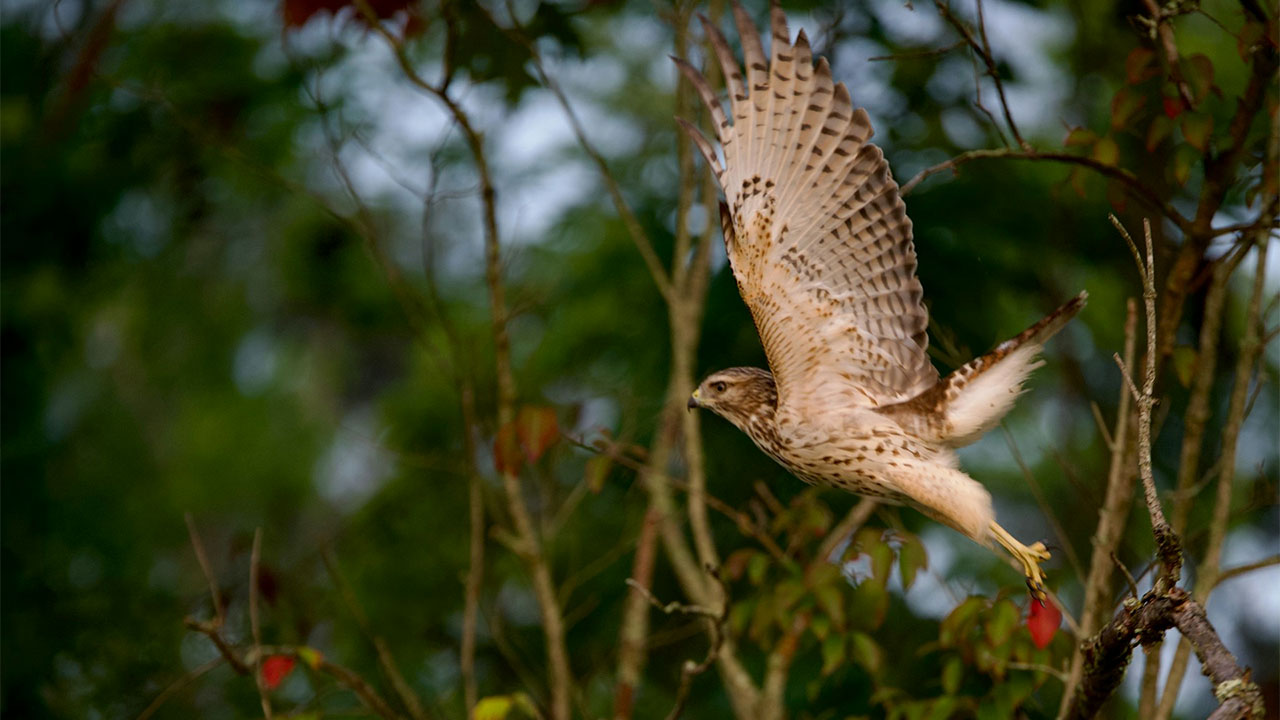
Hawks are not usually wiping out a flock in one night, but they absolutely create steady pressure on small poultry operations. Poultry extension guidance says hawks typically take chickens during the day, which makes them one of the easier predators to miss if birds free-range while the owner is at work or busy elsewhere.
The reason hawks belong on this list is simple: people often think fencing alone solves predator issues. It does not solve overhead pressure. If you have chicks, bantams, smaller pullets, or a flock that spends a lot of time in the open, hawks can turn into a recurring problem. They are not dramatic compared with coyotes, but they cost birds all the same.
Owl
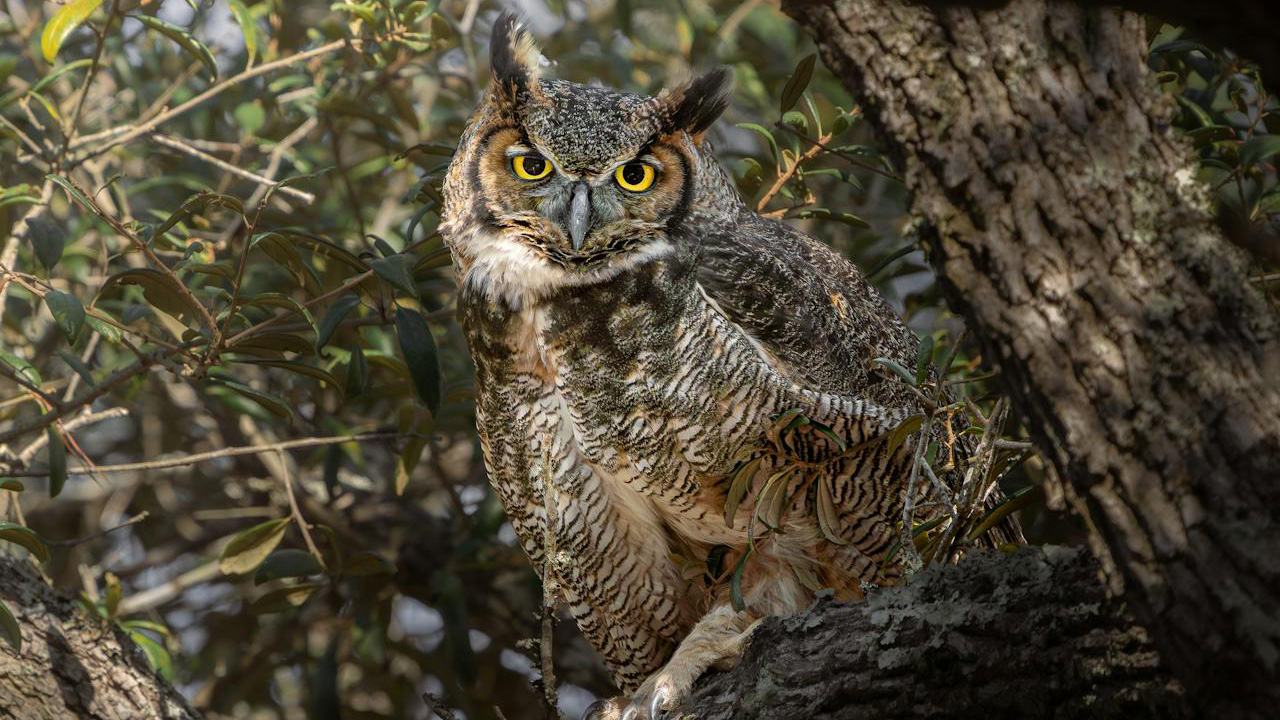
Owls work the same vulnerability from the opposite shift. Poultry guidance notes that while hawks are generally day hunters, owls take birds at night. That matters for rural places where birds roost in exposed runs, poorly secured tractors, or sheds that feel closed up but still allow access.
A lot of people blame a nighttime bird loss on mammals first, but owls deserve more suspicion than they get. They are quiet, efficient, and perfectly built to grab a bird without leaving a lot of commotion. On small acreage, especially with young stock or lighter breeds, they can be a bigger issue than folks expect.
Skunk

Skunks are another predator people mentally file under nuisance instead of danger, but poultry sources keep naming them for a reason. Ohio State says missing or damaged eggs may be caused by skunks, and Oklahoma State notes they target eggs and young birds.
They are not usually the animal taking down your biggest rooster, but they do plenty of damage where the setup is weak. Egg predation, chick losses, and repeat nighttime visits add up quickly. On smaller homesteads, a skunk may cause more day-to-day frustration than a larger predator that only shows up once in a while.
Opossum
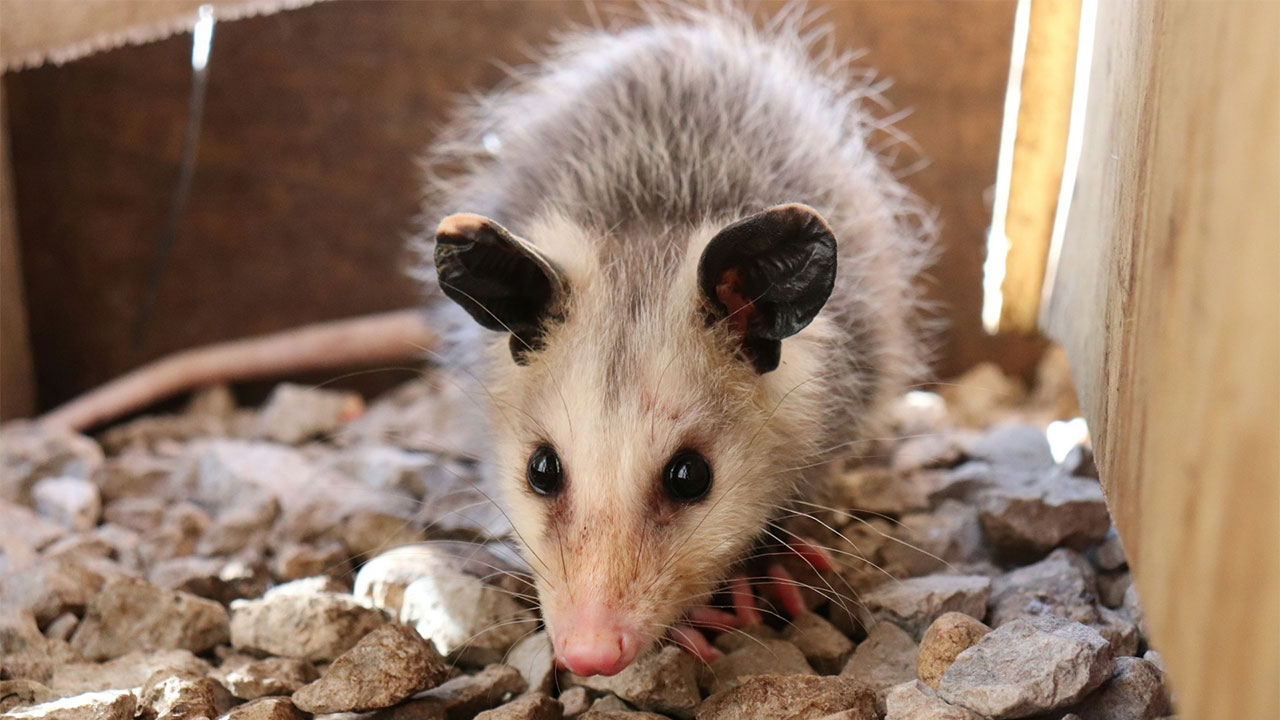
Opossums get a pass from a lot of people because they eat ticks and look half-broke-down most of the time, but that does not make them harmless around poultry. Ohio State and other extension materials include opossums among common predators of eggs, chicks, and sometimes birds themselves.
They usually are not the top predator on a place, but that is exactly why they are easy to miss. They will exploit a weak nest area, a poor coop latch, or birds left unsecured overnight. Rural land is full of little weak points, and opossums are good at finding them. That makes them more trouble than their reputation suggests.
Snake
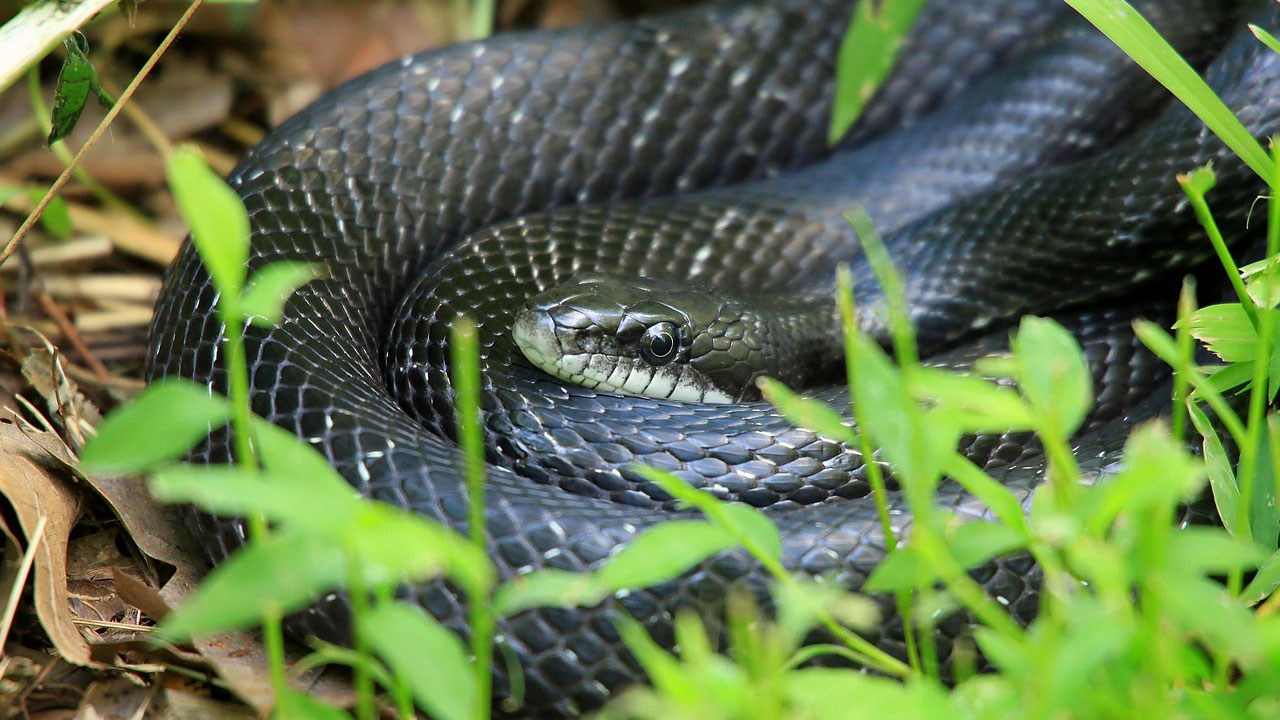
Snakes are one of the most overlooked predators because they do not leave the kind of obvious mess mammals do. But West Texas rangeland guidance includes snakes among common livestock-area predators depending on region, and poultry resources repeatedly list them as egg and chick threats.
For most landowners, the issue is not that snakes are wiping out grown stock. It is that they quietly hit vulnerable points in the system: nests, brooder areas, chicks, feed rooms, warm corners, and gaps nobody bothered to close. If you hatch birds or keep young poultry, snake pressure can be a bigger deal than a lot of folks want to admit.
Weasel or mink
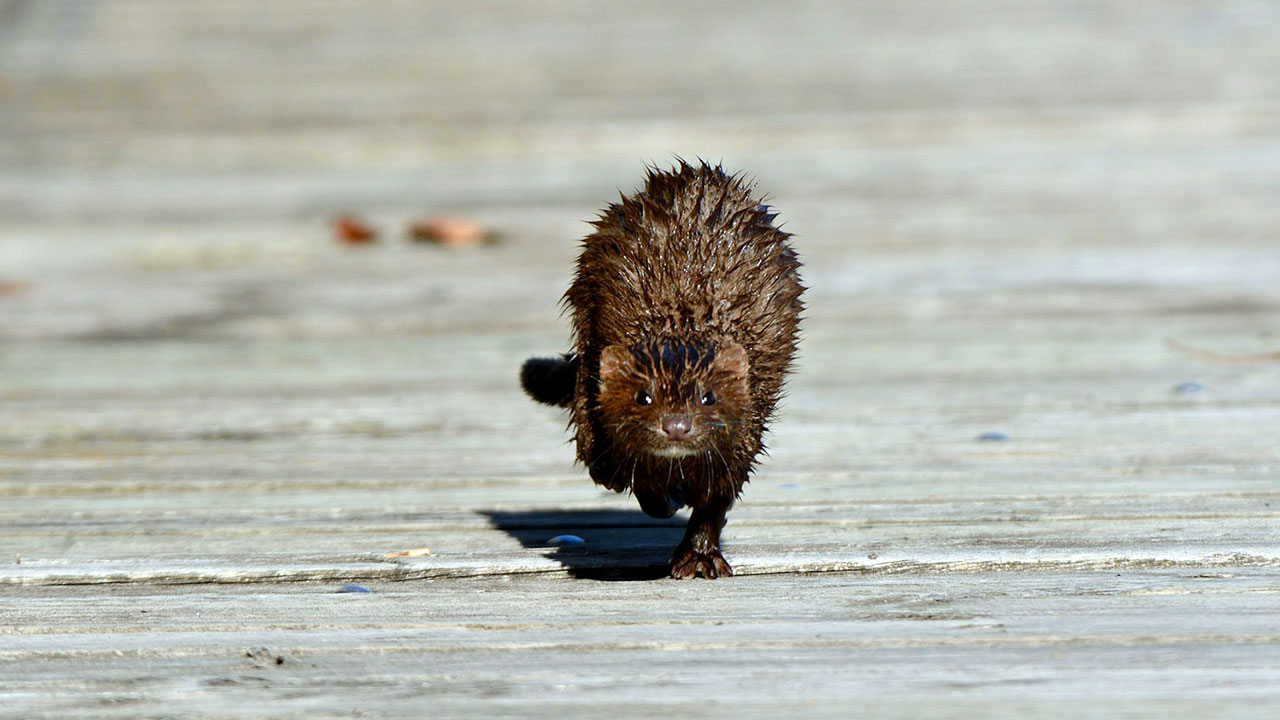
Weasels and mink are not common everywhere, but where they are present, they can be absolute nightmares in a poultry setup. Maryland Extension includes mink and weasels among predators that can cause losses on farms of all sizes, and they are notorious for getting through openings bigger predators cannot use.
What makes them memorable is how much damage they can do once inside. They are small, fast, and able to exploit tiny gaps in old buildings, runs, and brooders. Landowners often spend all their time thinking about coyotes outside the fence and ignore the fact that a much smaller killer can come through the weak point under the door.
Bear

Bears are not an everyday livestock predator in most places, but where they overlap with farms and homesteads, they can cause major losses and major messes. APHIS includes bears among predators that create real challenges for ranching operations, and goat-predation guidance from Oklahoma State also notes bears can occasionally cause losses.
The bigger issue on rural land is that a bear does not need to specialize in your stock to become a problem. Feed, grain, trash, bee yards, poultry, and small animals all create attraction. In true bear country, people usually know that. In fringe areas, they often do not take it seriously until they have broken boards, torn fencing, or missing birds.
Mountain lion

Mountain lions are more regional than coyotes, but in the places where they matter, they matter a lot. APHIS includes mountain lions in its predator-livestock conflict guidance, and both Texas A&M and Oklahoma State note them as predators of sheep and goats in some areas.
Most landowners are not dealing with lions every week, which is part of why they get underestimated outside obvious lion country. But when they do show up, they hit larger prey than many of the other predators on this list, and the consequences can be expensive fast. They are not widespread trouble for everybody, but for the folks in their range, they are very real trouble.
Eagle
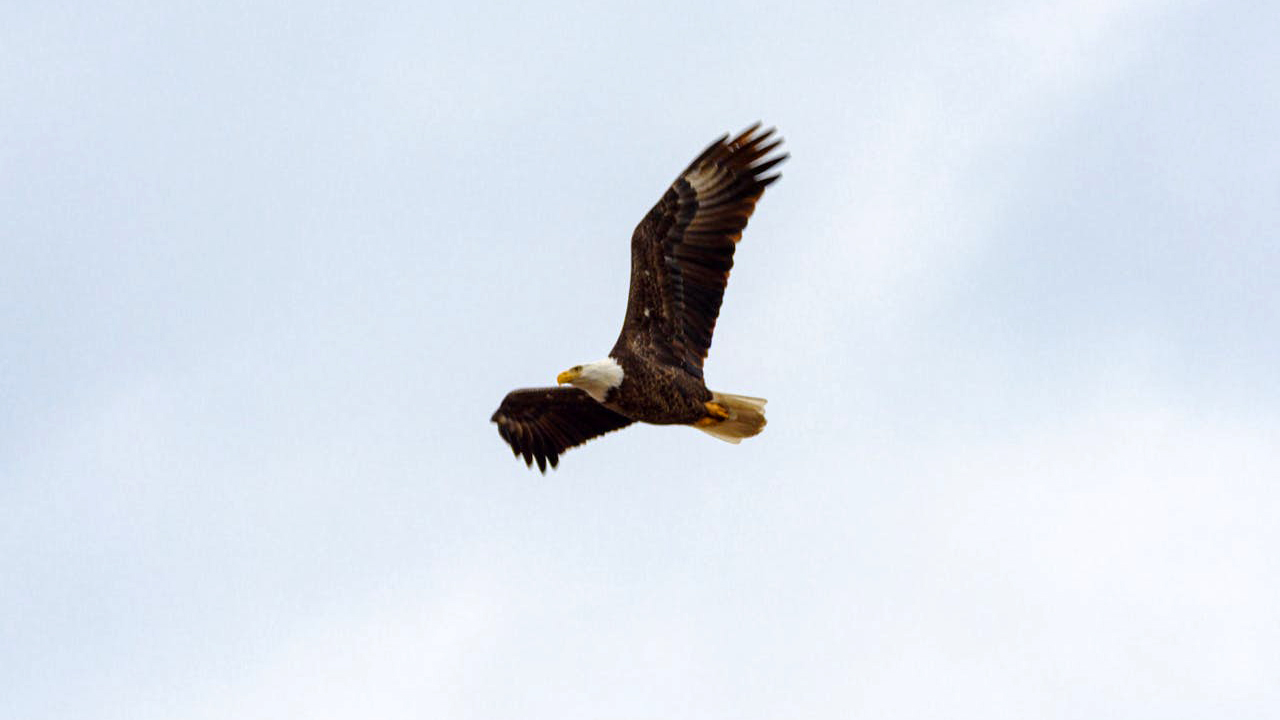
Eagles are not always the first thing people think of when livestock losses come up, but extension sources still mention them in the right settings. Texas A&M lists golden eagles among common predators of sheep and goats in some areas, and Oklahoma State notes eagles can occasionally cause goat losses.
More often, on smaller properties, the issue is poultry or very young animals. Like hawks and owls, they exploit the fact that many rural people think almost entirely in terms of ground predators. Overhead threats matter too, especially if small stock are out in open country without cover. Eagles are not a universal problem, but where they overlap with vulnerable young animals, they can absolutely be one.
Like The Avid Outdoorsman’s content? Subscribe to our newsletter so you never miss an article.
Here’s more from us: