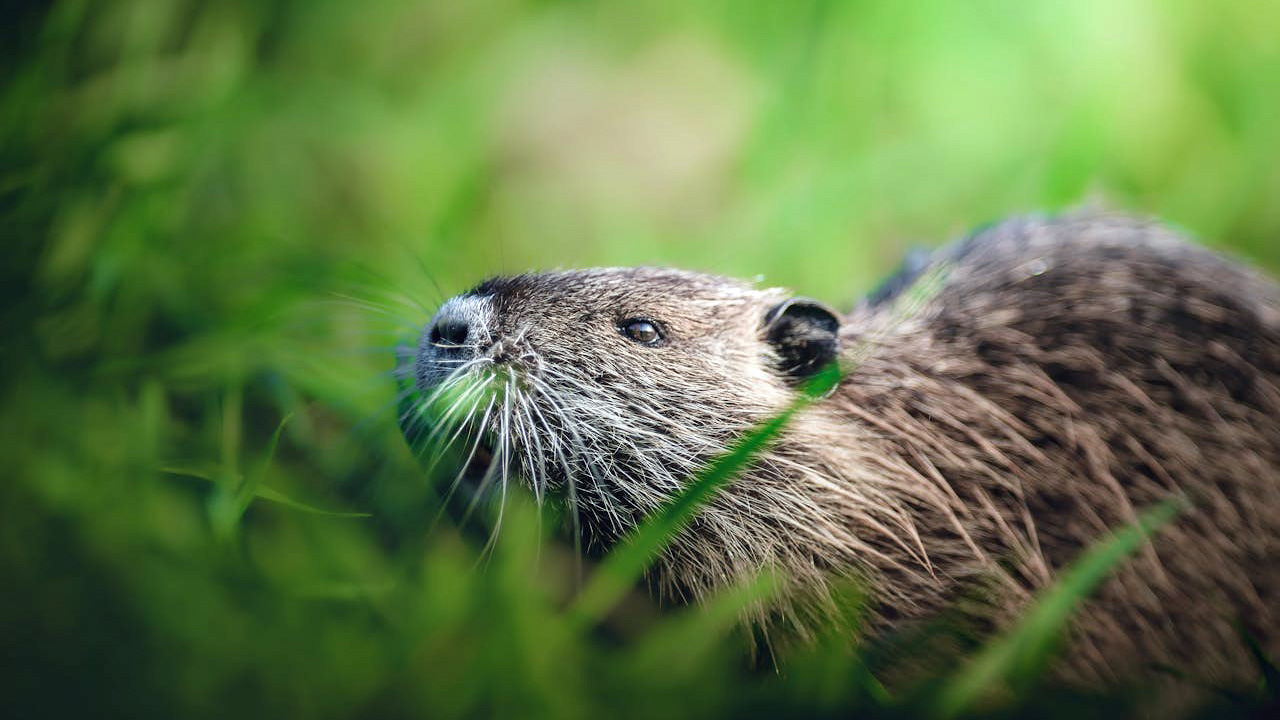
Photo credit: Daniil Komov/Pexels.com
Beavers get talked about like they’re just “dam builders,” but they’re basically living construction crews with instincts that can reshape an entire creek system. They can flood land, create wildlife habitat, destroy trees, and save waterways during drought—all at the same time. Here are 15 facts that usually surprise people once they really learn what beavers do.
They don’t build dams everywhere
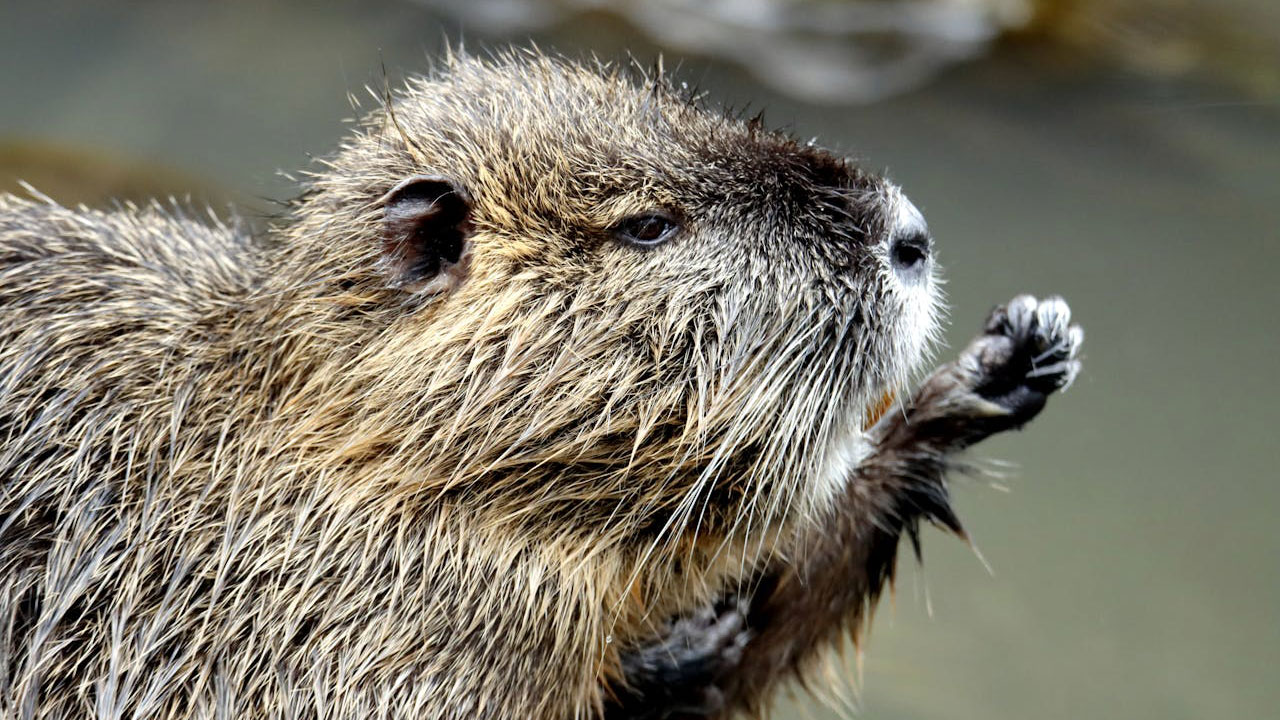
A lot of people assume beavers always build big dams. They don’t. In deeper water—like lakes, big rivers, or ponds with stable depth—they may not need a dam at all. The dam isn’t a hobby; it’s a tool to get the water level they need.
When beavers do build dams, it’s usually because the water is too shallow for safety. They want enough depth to swim, haul food, and escape predators without walking on land. If the water already does that, they’ll focus more on lodges, bank dens, and feeding runs.
They can change a whole property’s water situation

A single dam can back water up and flood yards, roads, trails, crop edges, timber, and culverts. That’s why beavers can go from “cool wildlife” to “serious problem” fast. They don’t need to be on your land long to make a noticeable impact.
What surprises people is how quickly the flooding can happen. You might have a normal-looking creek one week and standing water in places that used to be dry the next. If you’ve got low ground, a beaver doesn’t need much elevation change to create a mess.
They can “fix” drought conditions in small waterways
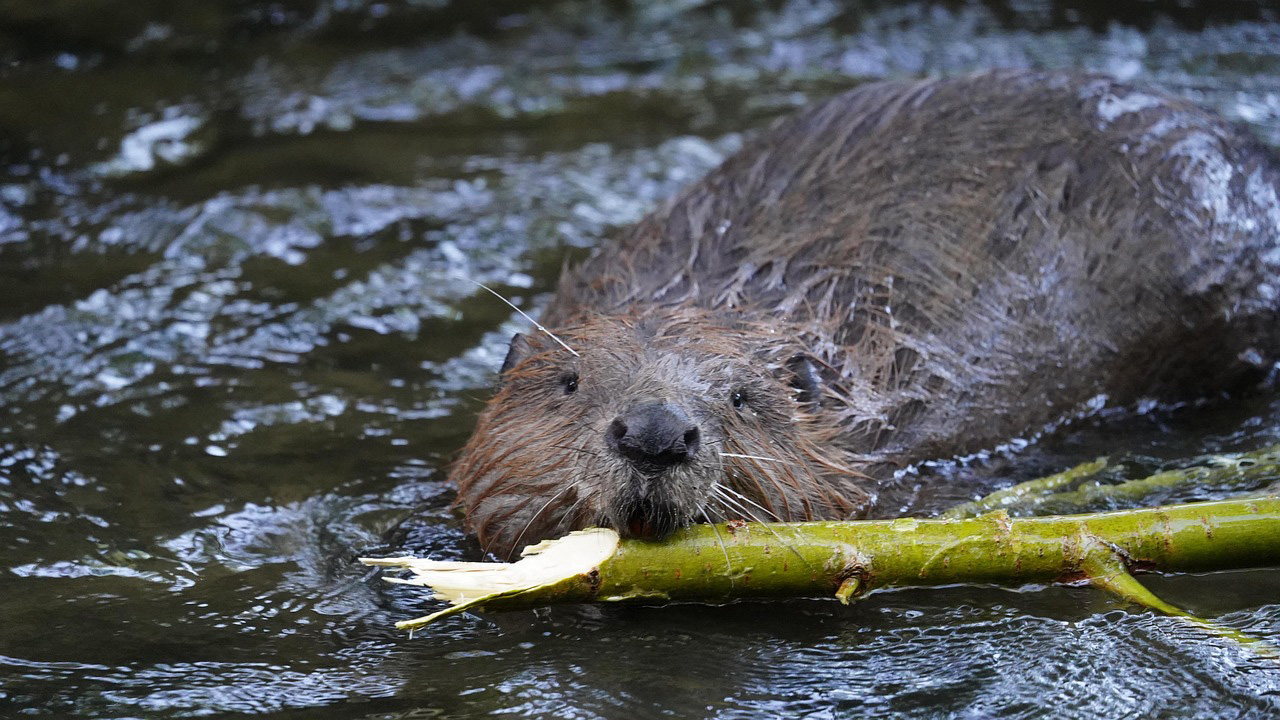
On the flip side, beaver ponds can hold water in the landscape longer. That can keep creeks flowing later into the summer and create wetland habitat that benefits fish, frogs, ducks, and other wildlife. In some regions, people actively encourage beavers for habitat restoration for exactly that reason.
The surprise is that the same animal that floods a road can also stabilize a watershed. Beavers slow water down, spread it out, and let it soak into the ground instead of dumping downstream all at once. It’s complicated—and that’s why beavers create so much debate.
They’re tree-selective, not random
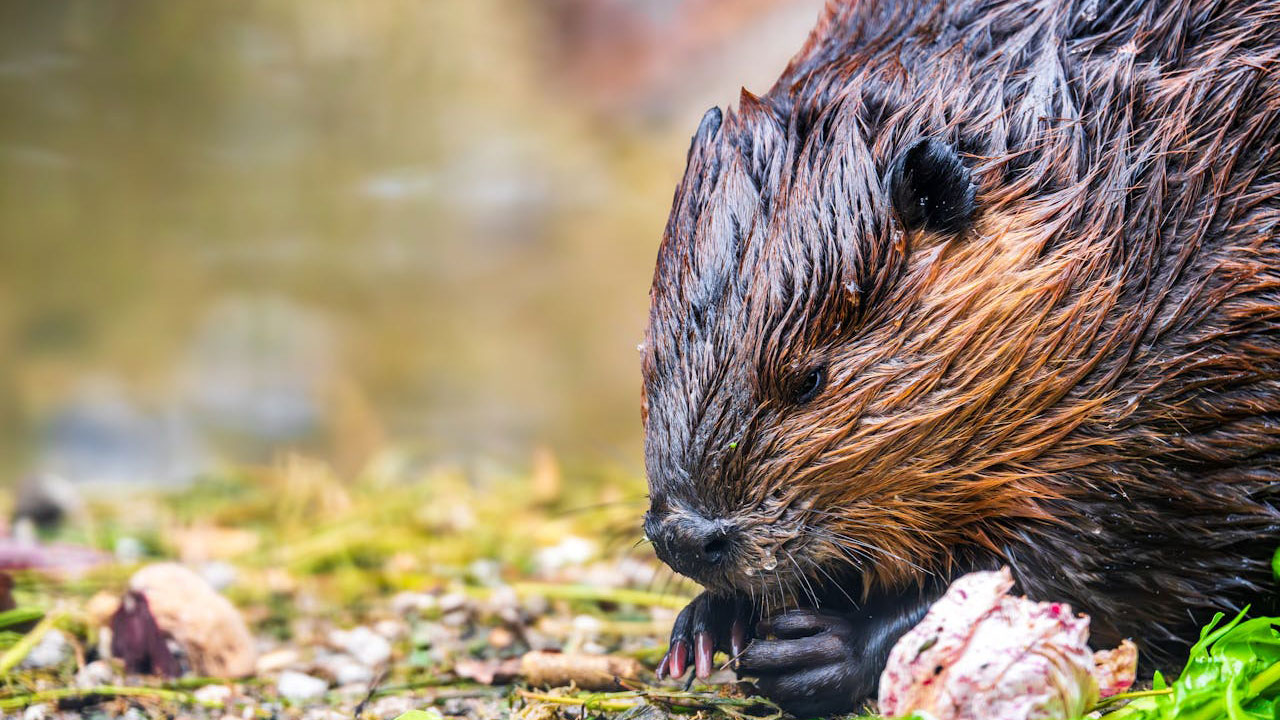
Beavers don’t chew every tree equally. They have favorites, and they’ll target species that are easier to cut and more nutritious. Around many waterways, they’ll hit softwoods and certain hardwoods first, and they’ll keep coming back to the same area if those trees are available.
That’s why people sometimes think “a beaver moved in and destroyed everything” when really it’s picking the trees it likes and ignoring others. If you’ve got the species they prefer near water, you’re basically offering a buffet.
Their teeth never stop growing
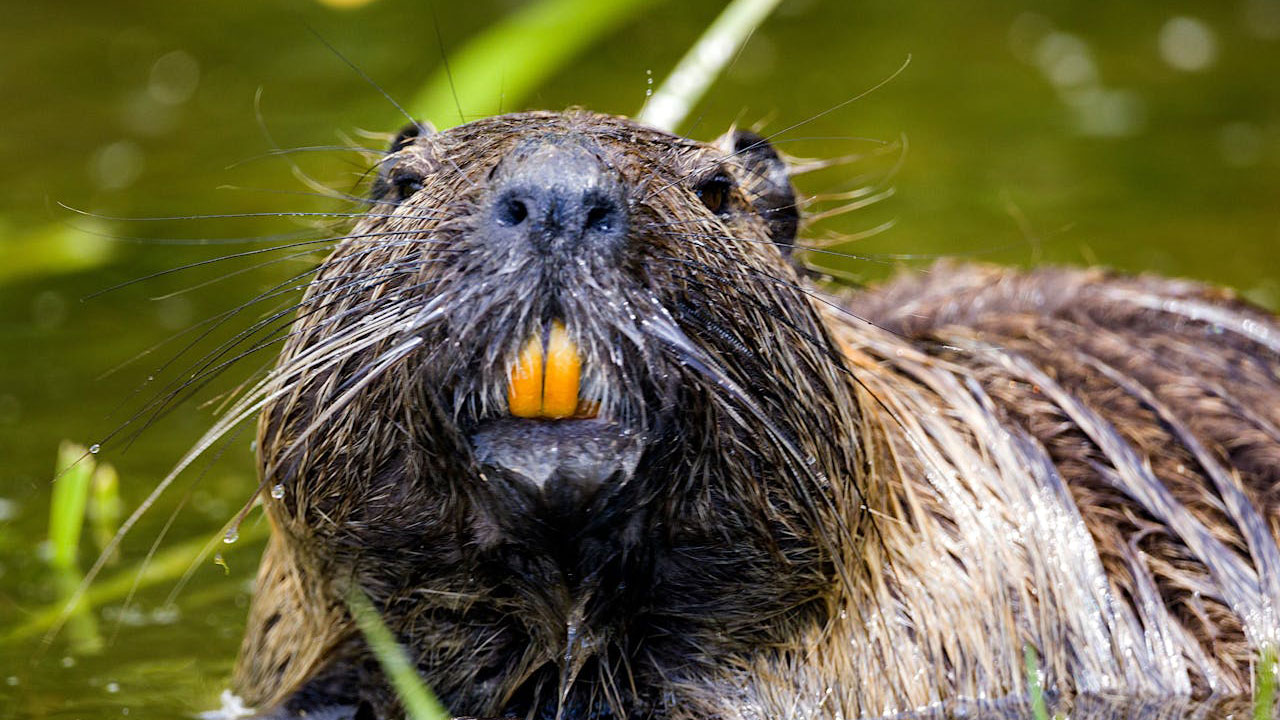
Beaver teeth grow continuously, and chewing is how they keep them usable. That’s why they can gnaw constantly without “wearing out.” Their teeth are also naturally reinforced and shaped for cutting wood, which is wild when you think about it—this is a rodent that can drop decent-sized trees with no tools.
The surprise is how efficient they are. A beaver doesn’t need to chew a whole trunk down like a cartoon. They cut a wedge, use leverage, and let the tree do the rest. It’s fast when you see it in real life.
They don’t just build dams—they maintain them
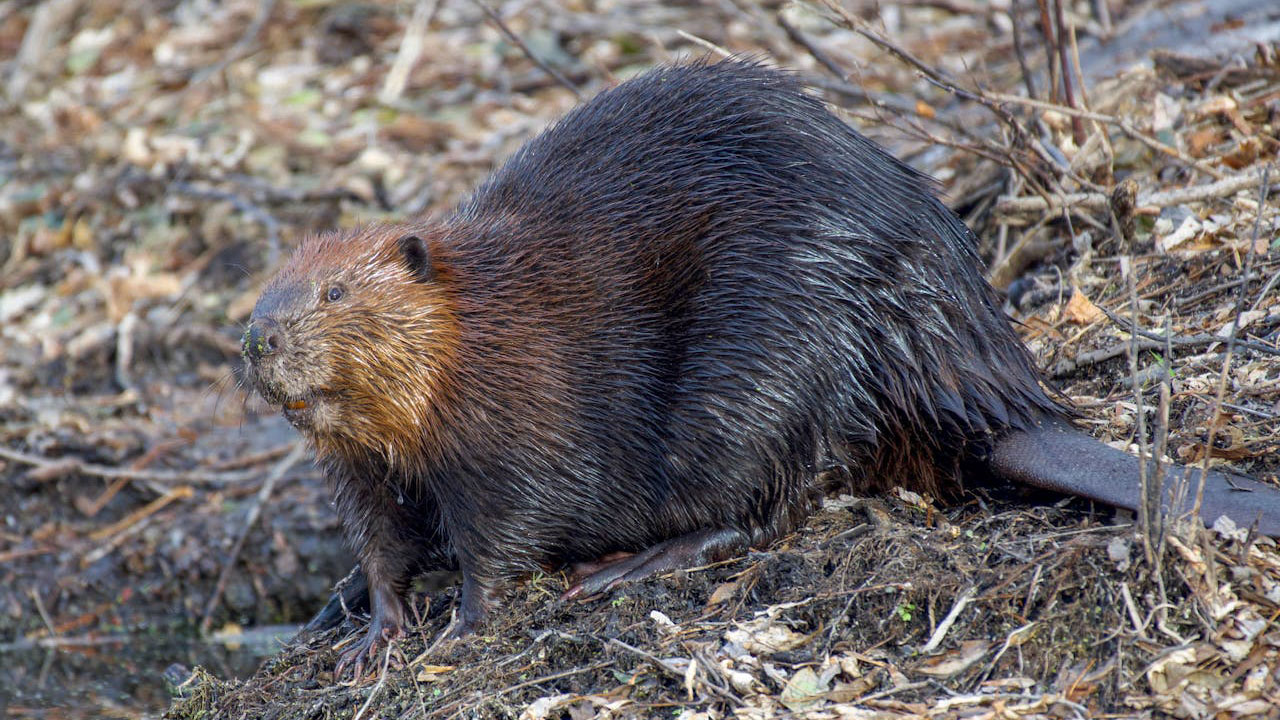
A dam isn’t a one-and-done project. Beavers maintain it constantly. After rain events, current changes, or human tampering, they’ll patch weak spots and add material. That’s why tearing a dam out without a plan often becomes a losing battle.
People are always shocked at how quickly a beaver can rebuild. If conditions still “tell” the beaver that the water level is wrong, it will keep building. That instinct doesn’t turn off because you’re annoyed.
They can plug culverts like it’s their job

Culverts are beaver magnets because they create the sound and flow cues that trigger dam-building behavior. That’s why beavers often pack culvert mouths with sticks and mud until the water backs up. It feels personal when it’s your road, but it’s just the beaver doing what it’s wired to do.
This is also why beaver control around culverts often requires special solutions—guards, fences, or devices that change how water flows. Otherwise the beaver just keeps returning to the “problem spot.”
They’re mostly active at night and early morning
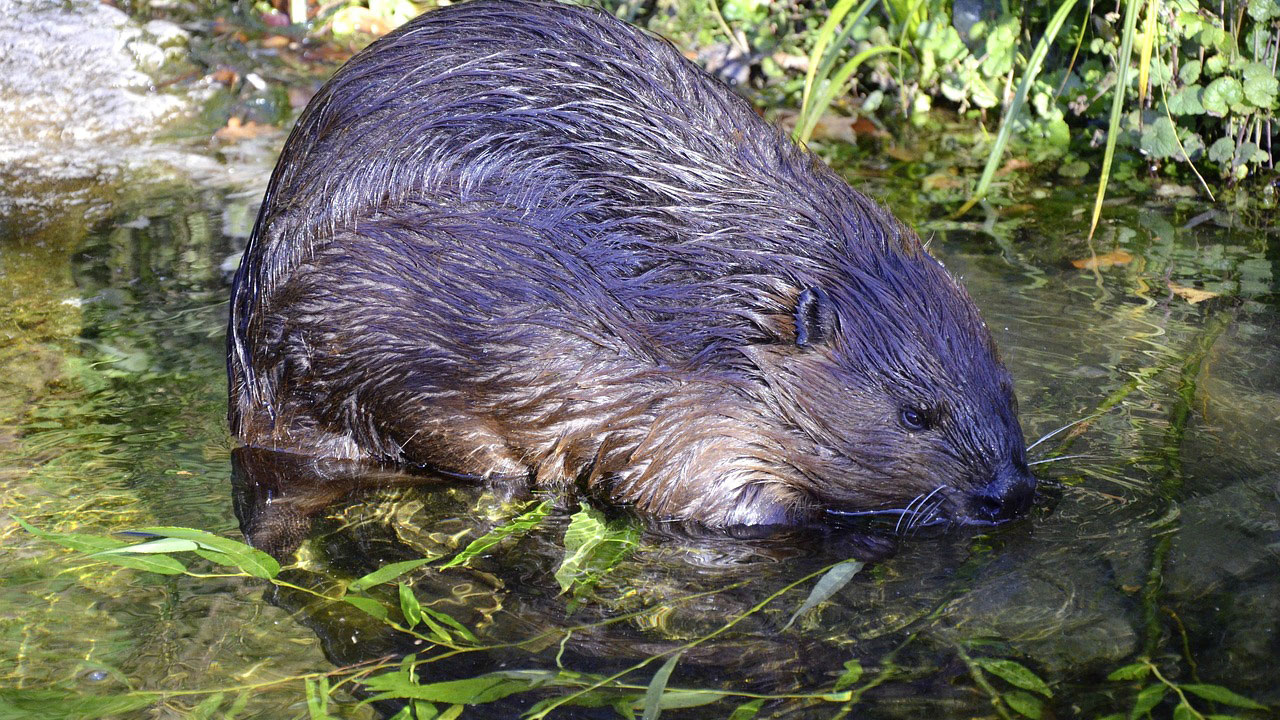
Beavers do most of their cutting and building when people aren’t watching. That’s why property owners often don’t realize what’s happening until they notice fresh stumps, rising water, or new piles of sticks.
If you want to confirm beavers are active, look for fresh chew marks, new mud on a dam, and slick “slides” where they enter the water. You can have a whole beaver operation running behind your house while you sleep.
They create underwater highways
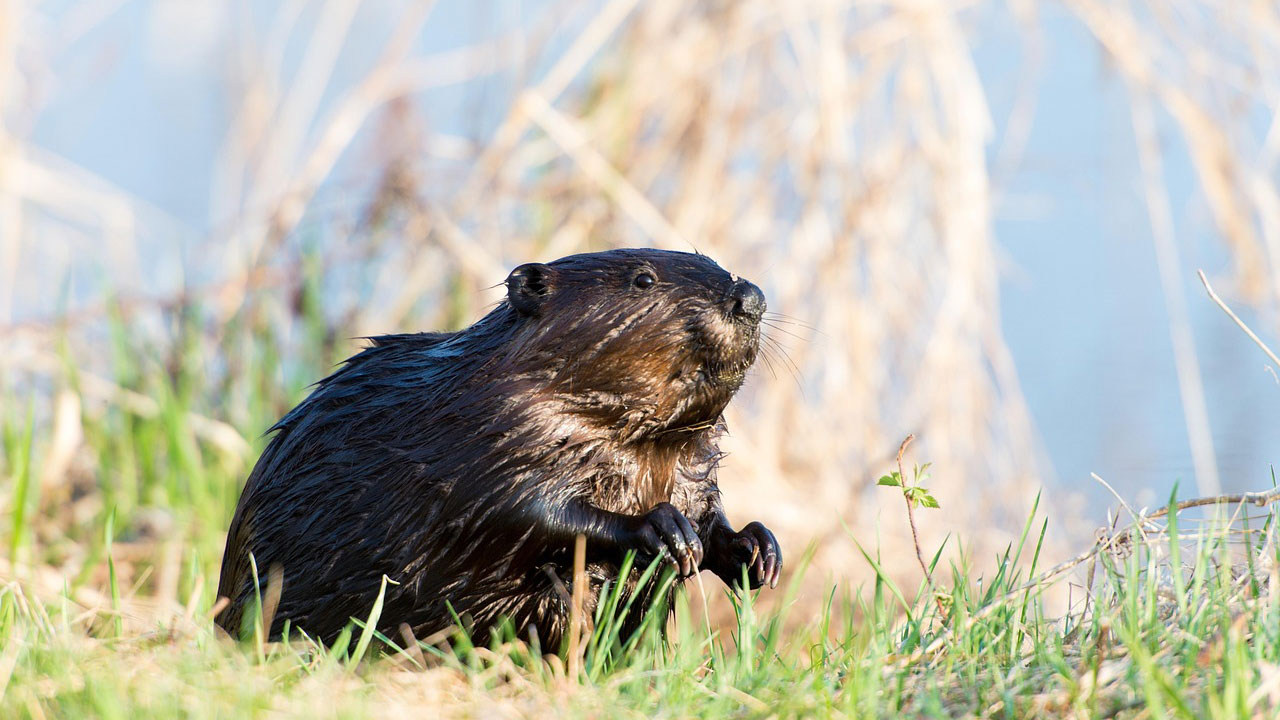
Beavers build channels and underwater runs to move safely between feeding areas and their lodge. Those channels let them haul branches without dragging everything across land, which reduces predator risk and saves energy.
This surprises people because you don’t see it unless the water is low or you’re paying close attention. But once you spot those smooth routes, you realize how organized their whole setup is. They aren’t just chewing trees—they’re building a system.
They store food underwater on purpose
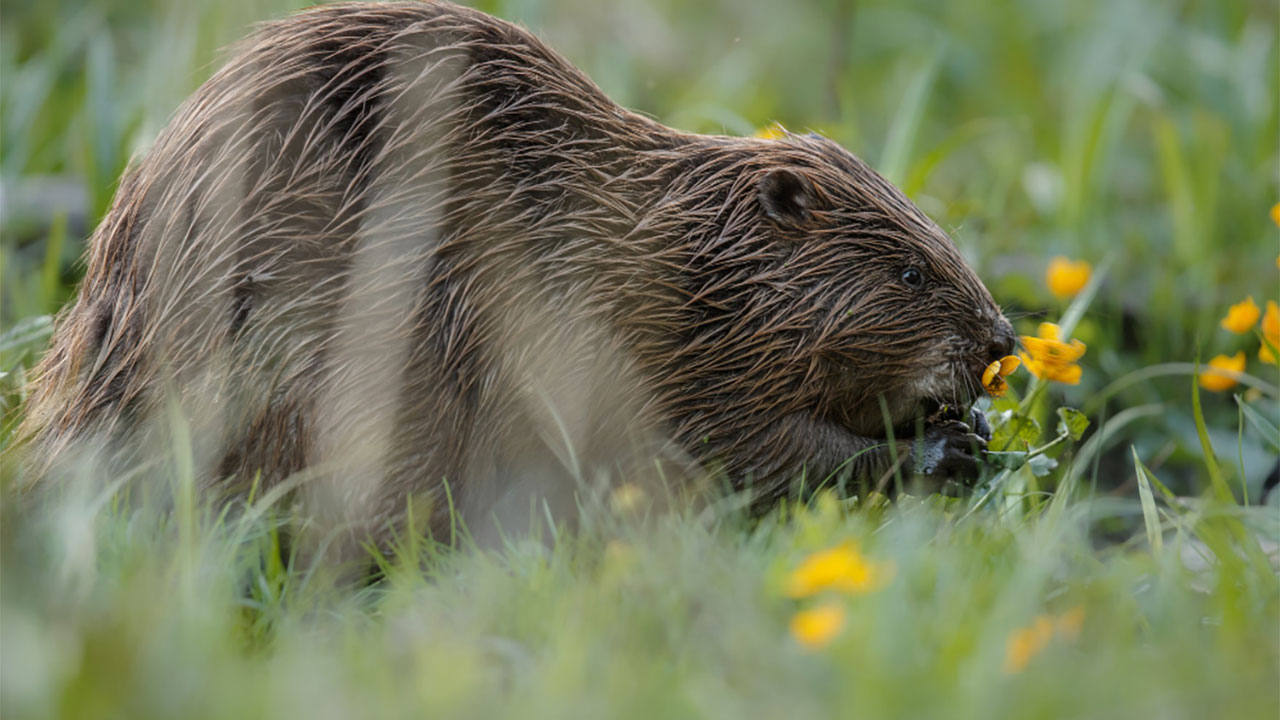
Beavers often create an underwater food cache near their lodge, especially in colder areas where winter ice makes foraging harder. They’ll anchor branches in the mud and pull from that stash when conditions are rough.
The surprising part is how intentional it is. It’s not “random sticks.” It’s a pantry. They’re planning ahead, and they’re using the water as both storage and protection.
Their lodges aren’t just piles of sticks
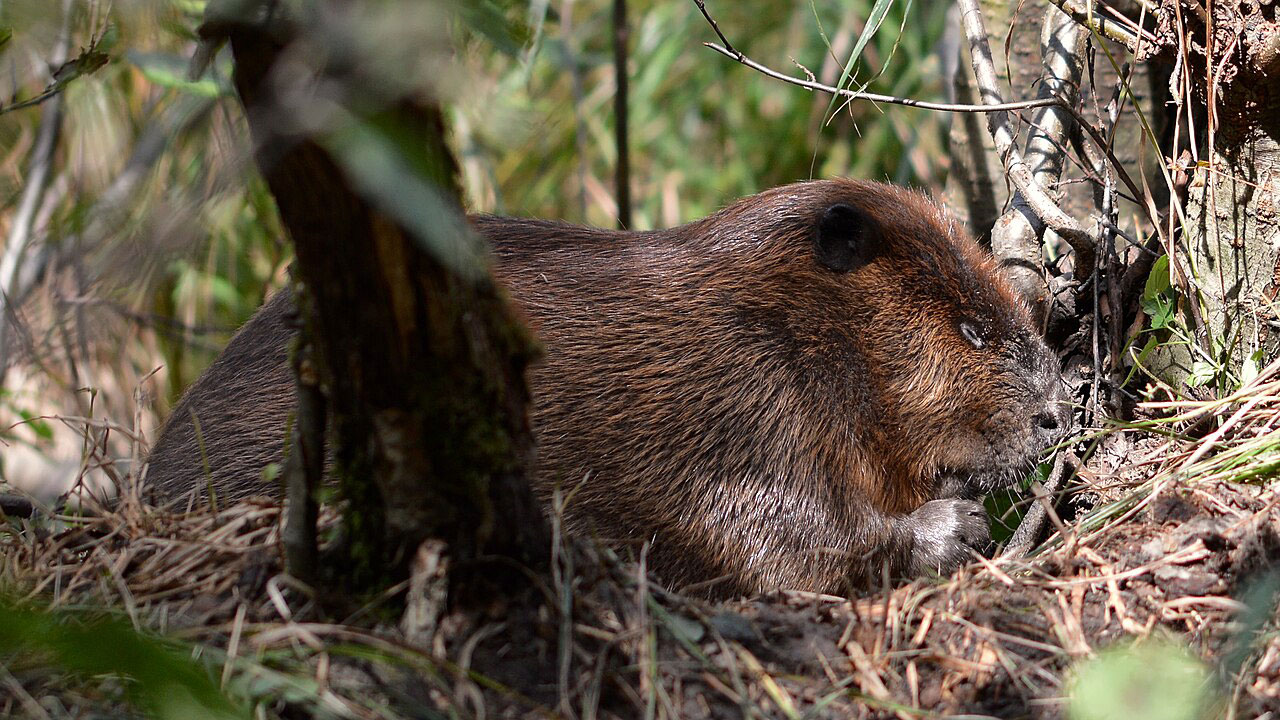
A beaver lodge is a structure with underwater entrances and an interior space that stays relatively dry. It’s not just a messy heap. It’s designed for security—predators can’t easily access the entrances, and the beaver can escape into water instantly.
They also use bank dens, which are harder to spot than a classic lodge. People often assume there’s “no lodge” because they don’t see a pile. Meanwhile the beavers are living inside a bank cavity with a hidden entrance.
They can reshape wildlife communities
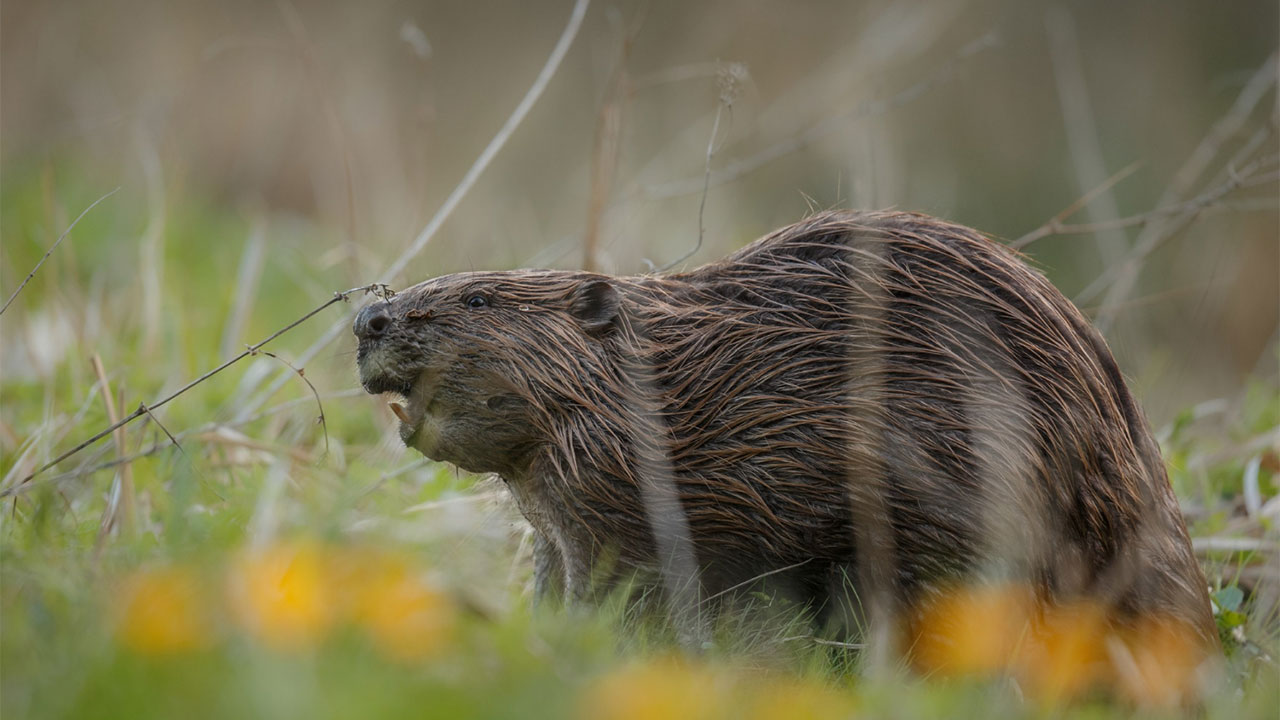
Beaver ponds change everything around them. You often see more frogs, more waterfowl, more insects, more fish habitat, and more plant diversity in the new wetland zone. That’s why beavers are sometimes called a “keystone species”—they create habitat that other species use.
The surprise is how many animals benefit. Even when beavers create conflicts with landowners, the ecological impact can be real and broad. A new beaver pond can turn a boring ditch-like creek into a functioning wetland.
They can be a safety issue around pets and people
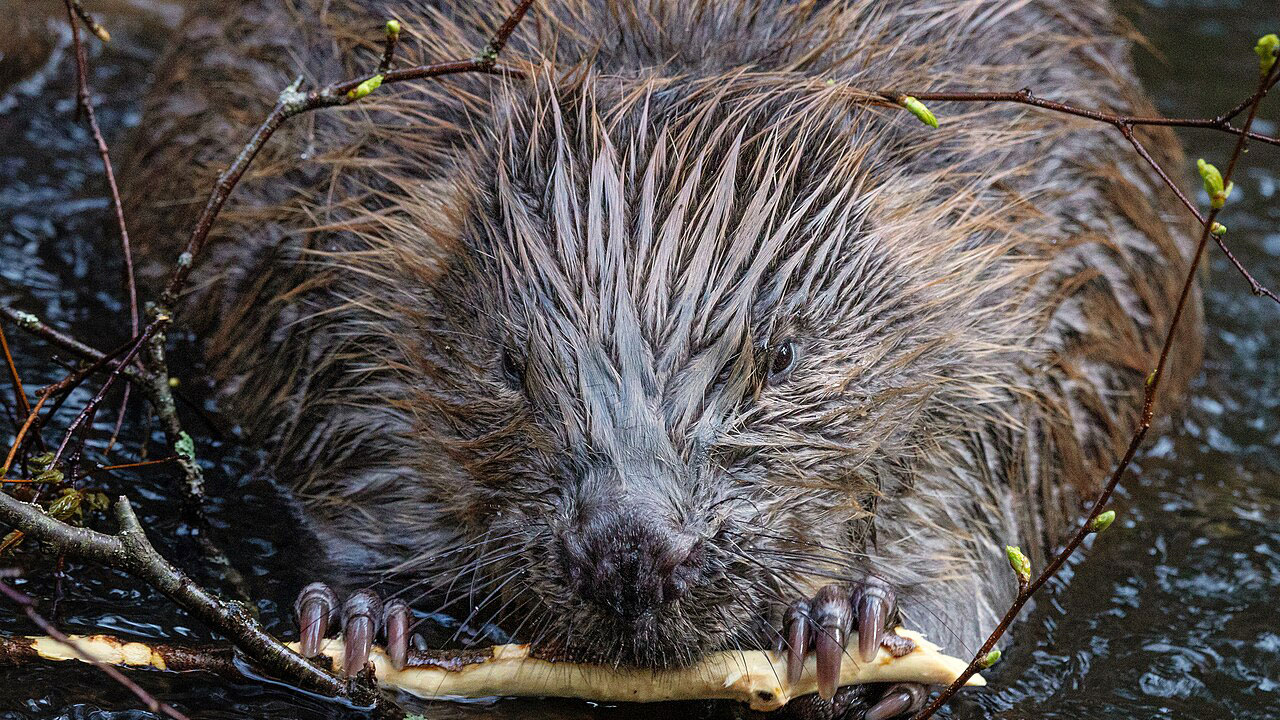
Beavers aren’t usually aggressive, but they can defend themselves. If a dog rushes a beaver on land or in shallow water, that can go sideways fast. Beavers have powerful jaws and they don’t need to “win the fight”—they just need one serious bite to cause damage.
Most beaver conflicts are about property, but pet encounters happen too, especially in ponds and creeks where dogs like to swim. It’s another reason to keep dogs under control around active beaver water.
They can move surprisingly far over land
Beavers are most comfortable in water, but they will travel over land to find new habitat, especially young dispersing beavers leaving a family group. That’s why people sometimes see a beaver waddling across a road and think it’s injured or lost. It might just be relocating.
This movement is also how new beavers show up “out of nowhere” in a drainage ditch or pond that didn’t have them last season. If there’s water and food, they’ll eventually find it.
Removing a dam doesn’t solve the problem if beavers are still there
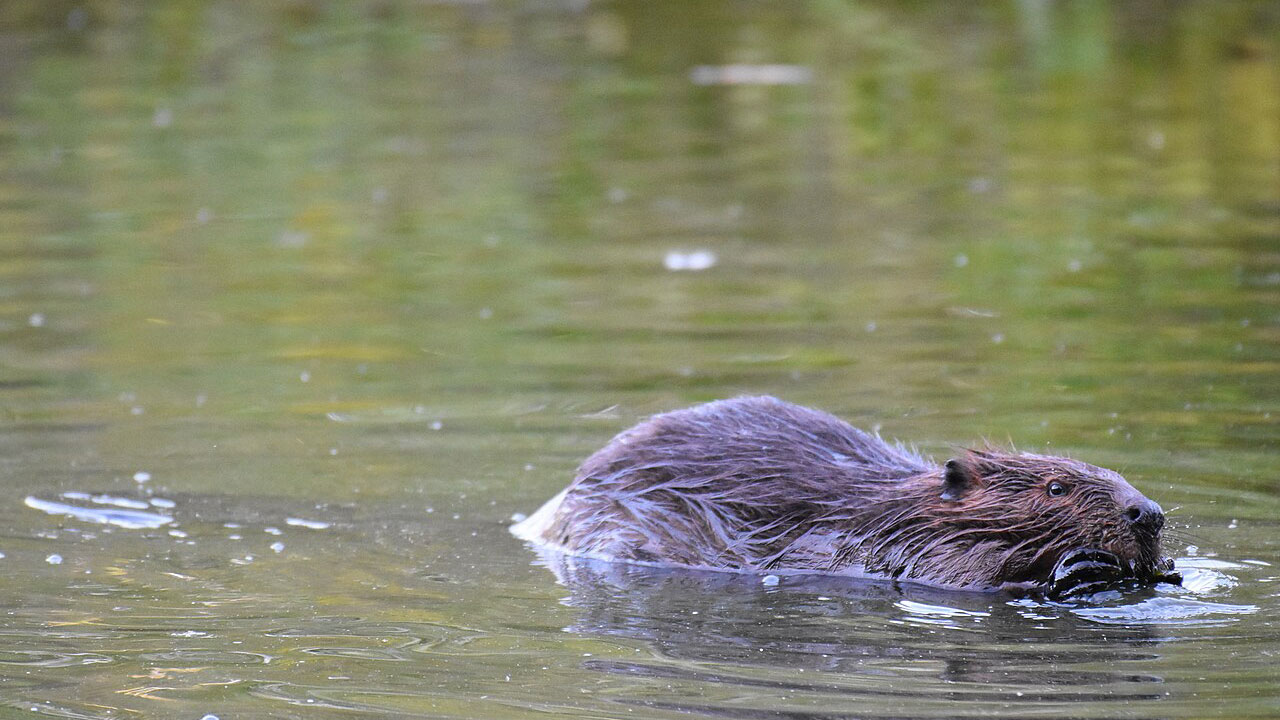
This is the mistake that makes people hate beavers. They rip out the dam, water drops, and within days the beavers rebuild—sometimes bigger. That’s because the beaver’s goal is water depth and stability. If the conditions are still right for beavers and the water level still feels “wrong,” rebuilding is guaranteed.
Real solutions usually involve either changing the site so it’s less attractive (flow devices, culvert protection, controlling water level) or removing the beavers where legal and appropriate. Otherwise, it’s an endless cycle of demolition and rebuild.
Like The Avid Outdoorsman’s content? Subscribe to our newsletter so you never miss an article.
Here’s more from us: