Photo credit: Mark_Kostich/Shutterstock.com
A lot of people still think snake encounters are mostly a trail problem, a creek-bank problem, or something that happens when you are deep enough into the woods to expect it. That is not how many of these run-ins happen now. Across a wide stretch of the country, wildlife agencies and extension offices keep putting out homeowner guidance because people are finding snakes in yards, garages, landscaping, woodpiles, and sometimes inside homes. The pattern is not really mysterious. When neighborhoods offer cover, rodents, damp hiding places, clutter, and easy edges between development and habitat, snakes stop feeling far away.
That does not mean snakes are “taking over” every subdivision. It does mean some states keep coming up again and again in official guidance because the mix of species, climate, habitat, and suburban sprawl makes around-home encounters much more common than people want to believe.
North Carolina belongs near the top of the list
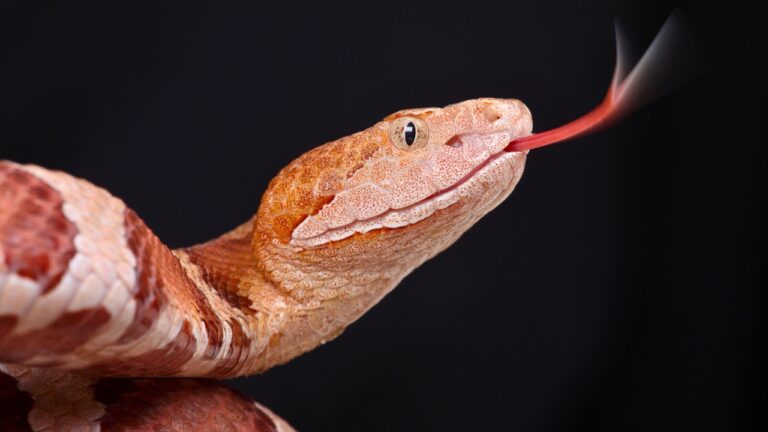
If you want one state that perfectly shows how close-to-home these encounters can get, North Carolina is hard to beat. The North Carolina Wildlife Resources Commission says the copperhead is the most common and widespread venomous snake in the state, that in many areas including most larger urban areas it is the only venomous snake, and that because copperheads are so widespread and tolerate living near people, they account for probably over 90 percent of venomous snakebites in North Carolina. That is about as direct as a state agency gets.
What makes North Carolina especially notable is that this is not being framed as some remote mountain problem. The state’s own materials and park resources point to copperheads using cover near logs, rocks, trash, dilapidated buildings, and other manmade objects, which is exactly the sort of setup people get around at home without thinking much about it. In North Carolina, the issue is not just that venomous snakes exist. It is that one of the most common ones is unusually good at living close to people.
Georgia keeps fitting the same pattern
Georgia is another state where official guidance keeps making it clear that snakes near homes are not some fringe event. A 2025 University of Georgia Extension post for Forsyth County says the county has three venomous snakes — copperheads, canebrake or timber rattlesnakes, and pygmy rattlesnakes — and adds that all three are found throughout much of the state. That matters because it means homeowners in a fast-growing suburban county are being reminded that multiple venomous species are part of normal local life.
Georgia also fits because the state’s suburban growth keeps pushing homes into exactly the kind of edge habitat snakes use well. When extension offices are writing homeowner-facing “peacefully coexisting with snakes” guidance for metro-adjacent counties, that tells you this is not being treated as a backwoods-only issue. It is a near-home issue, and one residents are clearly running into often enough to keep the message relevant.
Florida stays in this conversation for obvious reasons
Florida has enough snake diversity and enough around-home habitat to make residential encounters a regular concern. UF/IFAS updated its “Dealing with Snakes in Florida’s Residential Areas” guidance just two months ago, and the very existence of that homeowner-focused publication tells you a lot. The piece says most snakes in residential areas are not a threat, but it is built around avoiding encounters around homes, yards, landscaping, and structures. That is not guidance you keep refreshing if the issue rarely comes up.
Florida also has a mix of venomous species and residential landscapes that work too well together. Water, dense landscaping, outbuildings, clutter, and year-round warmth all help. Even older UF/IFAS guidance notes that most snakes found around the house are either seeking habitat or food, and that things like overgrown landscaping, brush piles, bird feeders, water features, and garbage can attract them. The newer residential guidance shows that problem has not gone away.
Texas is the kind of place where people keep getting reminded this is normal
Texas is almost impossible to leave off a list like this because the state has a lot of snake country and a lot of people living right in it. Texas A&M AgriLife has long run homeowner guidance on how to reduce snake encounters around the house, and a 2025 AgriLife newsletter again told Texans to keep grass short, trim vegetation, remove woodpiles and clutter, and control rodents and insects because those conditions attract snakes around homes. When the advice keeps repeating, it usually means the problem keeps repeating too.
Texas also stands out because local governments openly treat seeing snakes in yards as a normal enough part of life that they often will not remove them unless the snake is inside a home or garage. Little Elm’s current FAQ says exactly that: if a snake is in your yard, it will not be removed, because your yard is its natural habitat. That line says plenty by itself. In parts of Texas, the “encounter near home” issue is not exceptional enough to trigger removal just because the snake is outside.
Missouri keeps turning up in homeowner snake guidance too
Missouri belongs here because the state has long treated snake encounters around homes as a practical homeowner issue, not just a wildlife curiosity. University of Missouri Extension’s “Snakes: Information for Missouri Homeowners” is exactly the sort of publication states put out when people are regularly dealing with snakes in yards, gardens, and around structures. It is aimed squarely at residents trying to figure out what is showing up near home and what to do about it.
Missouri’s mix of copperheads, cottonmouths in some areas, and rattlesnakes in the broader state landscape adds to the concern, but what really matters here is the around-home framing. When homeowner education is baked into extension guidance, it usually means the state has enough residential encounters that people need recurring advice on habitat cleanup, identification, and basic response. Missouri fits that pattern cleanly.
New Jersey is the reminder that this is not only a southern problem
People tend to assume the “snake near the house” problem is mostly a Southeast story. New Jersey is a good reminder that it is broader than that. NJDEP’s Snake Help page was updated in June 2025 and specifically tells residents what to do if a snake has found its way into a home, including contacting Animal Control if they do not know whether it is a rattlesnake or copperhead. That is not broad wilderness advice. That is straight-up residential guidance.
New Jersey does not have the same statewide snake profile as Texas or Florida, but the fact that the state is actively giving home-entry guidance tied to venomous species tells you enough. In the Northeast, people may talk less about snake country, but official agencies are still dealing with enough around-home encounters to keep practical response advice current.
The bigger story is not just the states, but the setup
The states where snake encounters seem way too common near homes usually share the same basic ingredients: venomous species that tolerate human-altered landscapes, lots of edge habitat, warm seasons long enough to keep activity high, and neighborhoods full of cover, clutter, rodents, and water. North Carolina, Georgia, Florida, Texas, Missouri, and New Jersey all show different versions of that same story.
That is why these encounters keep catching people off guard. The problem is not always that snakes are moving into strange new territory. A lot of the time, it is that homes and yards keep becoming better snake habitat than owners realize. By the time somebody says encounters are getting way too common, the snakes have usually been making perfect sense of the place for a while already.
Like The Avid Outdoorsman’s content? Subscribe to our newsletter so you never miss an article.
Here’s more from us: