Photo credit: Alex Moliski/Unsplash.com
As of late March 2026, drought is still a real wildlife story across big chunks of the country, especially in the West, Southern Plains, and parts of the Southeast. Drought.gov’s 2025 recap said much of the West started and ended 2025 in drought, drought expanded in the Southern Plains and West, and some basins in Utah, Colorado, and New Mexico flipped from above-average snowpack to snow-drought conditions in under a month after rapid spring melt. The current U.S. Drought Monitor is updated weekly and tracks those same conditions using precipitation, soil moisture, snowpack, streamflow, and field reports.
For hunters, that matters because drought does not just make the country look dry. It changes where animals water, where forage holds, when migration starts, how hard winter range gets hit, and how concentrated wildlife becomes around the few places that still have groceries and moisture. This list is not about which states are “worst” in some absolute sense. It is about where drought is clearly bending wildlife behavior, access, habitat quality, or hunting expectations in a noticeable way right now.
Wyoming

Wyoming belongs near the top because the signs are showing up both in agency hunt guidance and in live wildlife behavior. Wyoming Game and Fish said ahead of the 2025 season that prolonged drought and increasing wildfire impacts were still shaping expectations in parts of the state, and one 2025 regional forecast said some herds were still recovering from long-term drought. Then in March 2026, Grand Teton-area elk started moving months early after an unusually mild winter and low snowpack, with migration out of the National Elk Refuge beginning as early as January.
That is the kind of state where drought does not just lower a water tank somewhere and call it a day. It changes timing. It shifts where animals linger, where they leave early, and where hunters or wildlife watchers suddenly find them stacked up. When elk start moving ahead of schedule and deer herds are still dealing with drought carryover, that tells you the pattern is not theoretical. Wyoming wildlife is reacting in real time to dry ground, light snow, and stressed range.
Colorado

Colorado is a big one because drought is hitting both water timing and habitat condition. Drought.gov said rapid melt-out in spring 2025 pushed some Colorado basins into snow-drought conditions in under a month, and CPW said persistent drought conditions contributed to an intense 2025 wildfire season that burned more than 265,000 acres statewide, including critical mule deer and elk winter range on the Western Slope.
That is a rough combination for wildlife. Early melt changes runoff timing and can shorten the window when country stays green. Then wildfire strips cover and forage off the same landscapes big game depend on. Colorado still has tremendous elk and deer country, but drought is changing how that country functions, especially on winter range and transition ground. When the state is talking about restoring thousands of fire-impacted acres important to mule deer and elk, the drought effect is already written on the map.
Utah

Utah keeps showing up in the drought conversation because snow timing matters so much there. Drought.gov specifically flagged Utah alongside Colorado and New Mexico as a place where heatwaves in April and May 2025 caused snow to melt out much earlier than normal, pushing some basins into snow-drought conditions with snow disappearing one to four weeks early. Utah also keeps investing in guzzlers and wildlife water development, which tells you water distribution is not some side issue for upland birds and big game.
When drought changes where water sits on the landscape, wildlife starts changing too. In Utah, that can mean animals bunching harder around reliable water, range drying earlier, and forage quality sliding sooner than hunters want. The state’s own wildlife planning keeps water development front and center because species use those sites to get through dry country. That is not a minor maintenance project. It is a sign that drought is shaping movement and survival on the ground.
New Mexico

New Mexico is one of the clearest fits on this list because it sits right in that Southwest/Mountain West zone Drought.gov highlighted for heat and rapid melt-out. The 2025 national drought summary specifically said Utah, Colorado, and New Mexico saw early melt that pushed some basins into snow-drought conditions in under a month. Add in the broader March 2026 western heat wave and shrinking snowpack concerns across the region, and New Mexico is exactly the kind of state where wildlife patterns start changing fast around water, elevation, and forage timing.
That matters for everything from elk distribution to how long green-up really lasts in country that already runs lean. New Mexico wildlife often lives close to the edge of moisture anyway, so when runoff comes early and hot weather keeps pressing, animals do what they always do: they shift, they compress, and they key harder on the few parts of the landscape that still hold feed and water. Drought does not need to wipe out a herd to change the hunt. It just needs to change where the animals can afford to be.
Arizona

Arizona deserves a spot because the state’s own wildlife strategy is blunt about what drought does. Arizona Game and Fish says drought and changing precipitation regimes can shift habitat and influence populations of large ungulates such as elk and white-tailed deer by affecting forage quality and quantity, which in turn influences survival, body condition, and calving success. That is about as direct as it gets.
Arizona is also one of those places where water is not optional background scenery. It controls the whole mood of the range. When drought bites hard, animals start leaning on the remaining dependable water and productive pockets, and that can change movement, concentration, and pressure points fast. Even when southeastern Arizona was wetter than normal on the annual map, the broader Southwest still saw extreme drought emerge during 2025, and Arizona’s wildlife planners are already treating drought as a major driver of habitat change.
Nevada

Nevada is almost built for a drought list like this because so much of the state’s wildlife story runs through water, winter range, and fire. NDOW’s 2024-25 big game status summary said statewide mule deer fawn recruitment improved thanks to good moisture, but the same set of Nevada wildlife documents also makes clear how much drought still shapes the state: one 2025 habitat proposal said ongoing threats to mule deer habitat include extreme drought, overabundant feral horses and burros, and a wildfire-invasive annual grass cycle, and a 2025 predator-management draft said persistent drought combined with fires and disturbance remains a limiting factor in some areas.
That is the thing with Nevada. One wet stretch can help, but the state still carries long drought scars. Herds can improve in one unit while the larger habitat picture stays fragile. Drought there does not act alone either. It ties into fire, invasive annual grass, and competition for already-limited forage. So even when the numbers bump up for a year, Nevada stays one of the states where wildlife patterns are highly sensitive to dry conditions and where a hard turn back toward drought shows up fast.
Idaho

Idaho Fish and Game said in its 2025 deer and elk outlook that drought-like conditions had been less favorable for mule deer in parts of the Panhandle and that late summer and fall forage conditions would likely wane early, isolating deer into smaller pockets of more productive habitat early in the season. That is exactly the kind of pattern hunters notice on the ground, because it changes where deer hold and how predictable good country stays.
That early concentration can be a mixed bag. It can make deer easier to locate in the short run, but it also means drought is shrinking the amount of country that is truly working for wildlife. When animals get forced into fewer green, wet, or productive areas, pressure builds faster and habitat wear shows sooner. Idaho is not the driest state in the country every year, but its own agency is saying dry conditions are already changing forage and distribution enough to matter, which is why it belongs here.
Texas
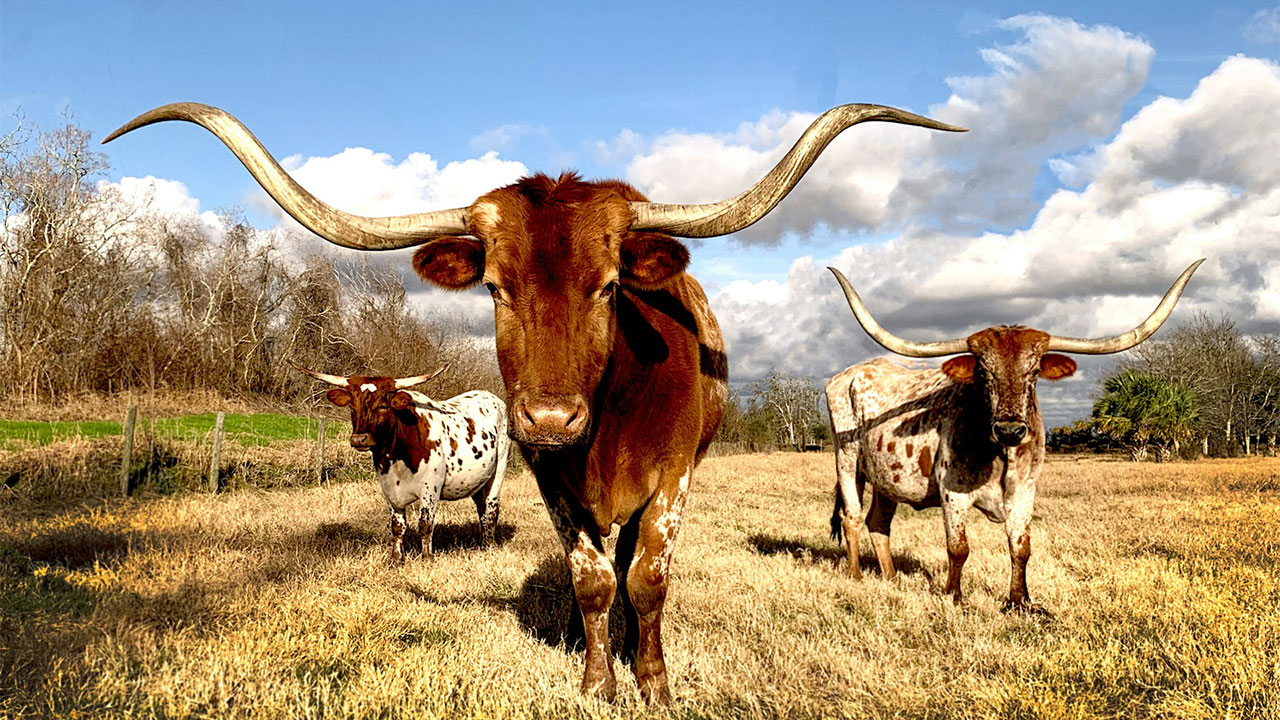
Texas makes this list because drought there is not just a western-rangeland story. Drought.gov said the Edwards Aquifer, a critical groundwater source for about 2.5 million people, twice fell to historic lows in 2025, and South Texas was one of the places where annual precipitation came in at just 50% to 90% of normal. That kind of water stress changes habitat from the ground up.
For wildlife, Texas drought can mean tanks shrinking, brush country drying out early, and deer, turkey, and other animals leaning harder on the few reliable water and feed sources left. Texas Parks and Wildlife already ties herd quality and behavior closely to rainfall, habitat condition, and pressure, so when drought drags on, animals do not keep using the country the same way. They shift into the places that still function. That can make some ranches hunt better and a whole lot of others hunt worse in a hurry.
Florida
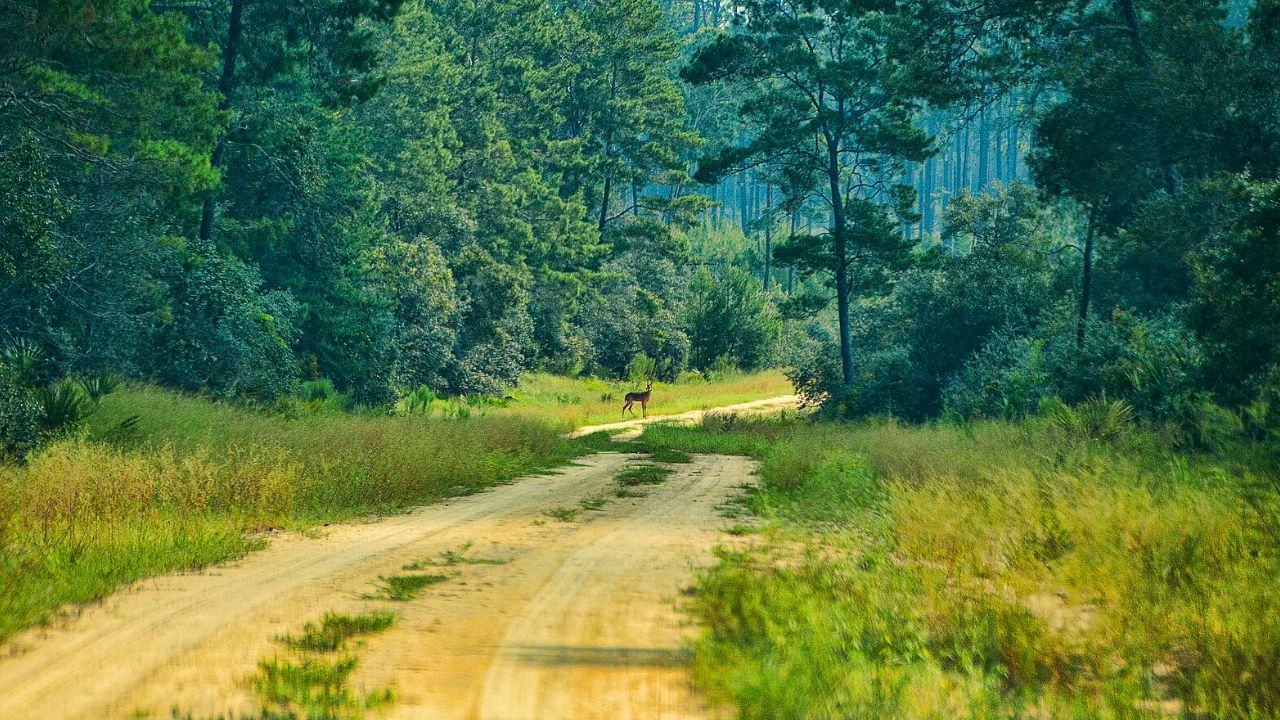
Florida is a little different from the western states, but it still fits because drought there shows up hard in water supply, wetlands, and wildfire activity. The National Drought Mitigation Center’s February 2026 summary highlighted Florida water-supply issues and wildfire activity, and late March reporting said the Tampa Bay area was dealing with its worst drought in 15 years and one of its most severe water shortages in decades. Drought.gov’s 2025 recap also said extreme and exceptional drought emerged in Florida during 2025.
In Florida, that can shift how marshes, ponds, and shallow wet places function for fish, birds, and mammals. Wildlife there depends on water in a different way than in the Rockies, but drought still scrambles patterns. Fish get concentrated, wetlands shrink, fire risk rises, and animals adjust around the few spots still holding water. Florida may not be the first state some hunters think of when they hear drought, but the conditions there right now are strong enough that wildlife movement and habitat use are clearly being pushed around by it.
California

California belongs here because drought and fire have been tied together so tightly. CDFW’s drought page says the state is facing another episode of drought and that the department is taking actions to preserve and protect fish and wildlife resources. Drought.gov’s 2025 recap added that vegetation in Southern California was already extremely dry by early January 2025 because of lack of precipitation, helping set the stage for the deadly Los Angeles-area fires.
That is a huge wildlife issue because drought in California does not stay in one habitat type. It reaches wetlands, mule deer range, fish systems, and burned country. When vegetation cures early and water gets tighter, animals start changing use patterns long before a hunter sees a season report. California has always been a patchwork state for wildlife, but drought has a way of making the good patches smaller, the bad patches rougher, and the fire risk much worse across country that wildlife still has to use.
Montana

Montana fits because drought pressure in the broader Northern Rockies and Upper Missouri system keeps showing up in the national picture, and pronghorn research in the state keeps underscoring how flexible migration becomes when animals respond to changing conditions. Drought.gov said drought impacted the Upper Missouri River Basin during 2025, and a 2025 Montana pronghorn migration study emphasized that populations can show substantial plasticity in whether, where, and how far they migrate.
That matters because drought is one of the cleanest reasons wildlife starts getting flexible. If water, green-up, and forage quality shift, pronghorn and other species start acting less like calendar creatures and more like survival creatures. Montana still has a lot of country, but that does not protect it from dry years changing how animals spread out. In open prairie and breaks country, a drought year can move the whole pattern just enough to make your old assumptions stale.
Oregon

Oregon is on this list more because of the pattern than one giant headline. Drought.gov said the Pacific Northwest was drier than normal in 2025, and Oregon’s own mule deer plan keeps habitat capability front and center in managing deer numbers. That is a careful way of saying deer performance follows habitat performance, and habitat performance follows moisture a lot more than people want to admit.
When eastern Oregon dries down, mule deer, elk, and upland birds all feel it through forage, cover, fire, and water distribution. That does not always turn into a dramatic emergency press release, but it absolutely changes wildlife patterns. Animals get more tied to the pockets that still hold feed, and the rest of the landscape starts behaving like travel country instead of living country. Oregon may not have the flashiest drought headlines every season, but it is one of the states where dry years steadily reshape how wildlife uses the ground.
Washington
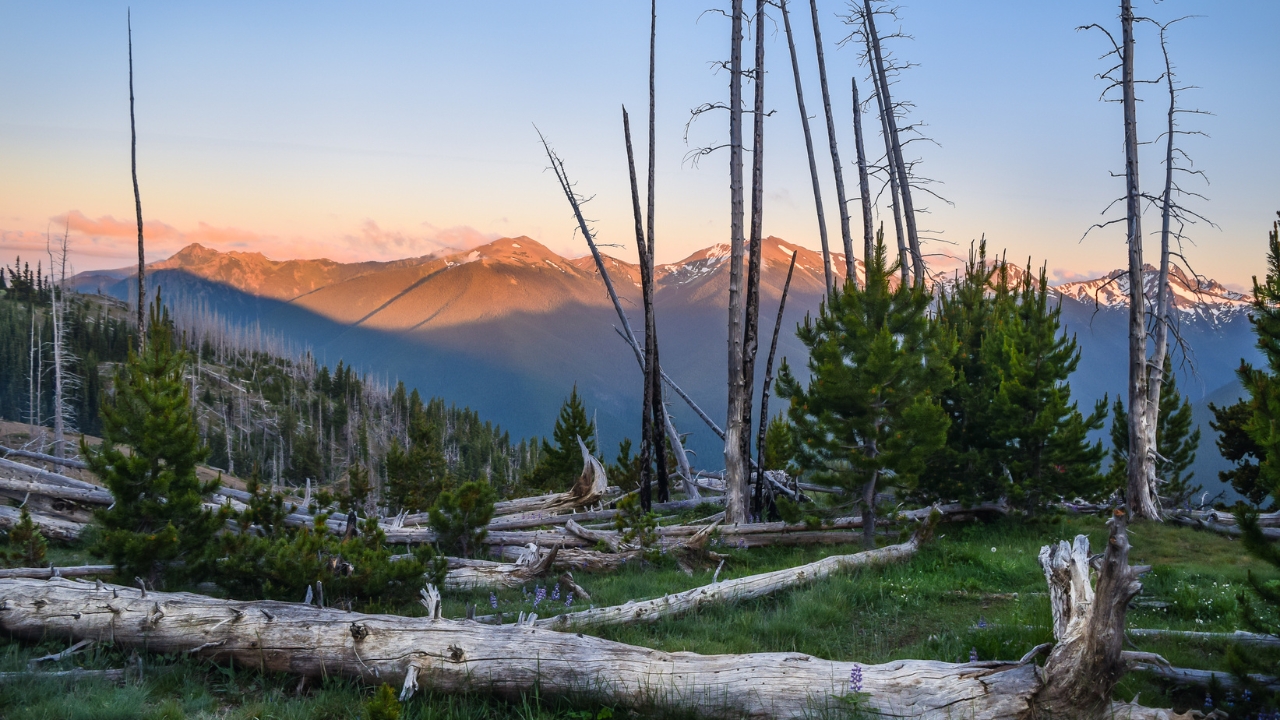
Washington is another state where the agency language tells the story. In one 2025 district hunting prospect report, WDFW said severe drought in 2021 had reduced forage and water availability, that 2024 had a hot and dry summer, and that 2025 had also been hot and dry. That is the kind of rolling dry pattern that keeps wildlife from fully resetting, even when one decent year tries to help.
In practical terms, drought in Washington can change where deer and elk hold, what summer and early-fall range looks like, and how much useful forage is still around when the season opens. Washington is not one single habitat story either. Dry conditions hit shrub-steppe, forest edge, and post-fire country differently, but the end result is the same: wildlife patterns get less stable and more dependent on where moisture held longest. That is exactly why Washington earns a spot on this list.
Nebraska

Nebraska may surprise some people here, but the Plains have been getting hit in ways that matter for wildlife too. In March 2026, reporting on the early U.S. fire season said Nebraska had already seen its largest fire on record after extraordinarily dry conditions and a lack of substantial winter precipitation left vegetation primed to burn. Drought.gov also said drought developed in the Midwest during fall 2025.
That changes wildlife patterns because fire and drought together can remake cover, bedding, nesting habitat, and the way animals use open country. In a state where a lot of wildlife depends on grass, crop edges, river bottoms, and patchy cover, extended dryness is not subtle. It changes what stays green, what burns, and where animals can still find a decent mix of food and security. Nebraska is not always sold as a drought-wildlife state, but lately it sure looks like one.
South Dakota

South Dakota belongs here for a similar reason. The Washington Post’s March 2026 wildfire reporting said unusually early fire activity had spread across the Great Plains, including South Dakota, because of record-breaking heat and extraordinarily dry conditions. Drought.gov also said the Dakotas were wetter than normal on the 2025 annual precipitation map overall, but regional drought and early 2026 fire conditions show how fast a state can swing back into wildlife stress when dry, hot weather takes over.
For wildlife, that kind of instability matters. One wetter stretch does not erase what a hot, dry run can do to grassland cover, nesting success, forage quality, and water persistence. Deer, pronghorn, pheasants, and other species in the Plains respond quickly when the usable parts of the landscape tighten up. South Dakota is a good example of a state where drought may not always dominate the headlines, but when it arrives with heat and fire risk, wildlife patterns can change faster than most hunters expect.
Like The Avid Outdoorsman’s content? Subscribe to our newsletter so you never miss an article.
Here’s more from us: