Photo credit: RMMPPhotography/Shutterstock.com
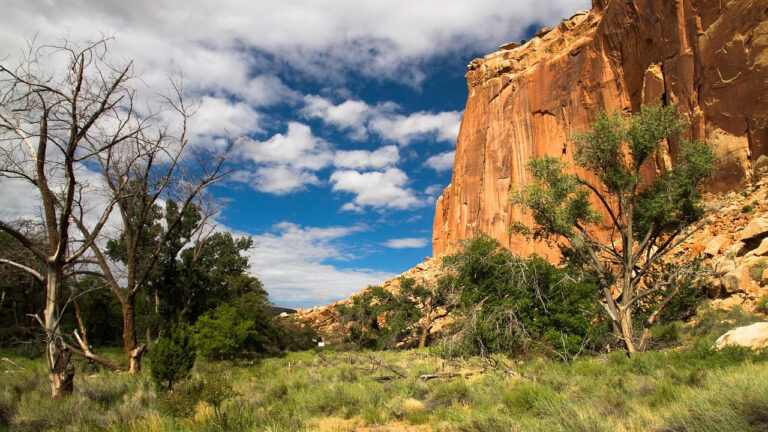
Copperheads do not need deep wilderness to stay in the picture. They do best where woods, brush, rock, leaf litter, creek edges, sheds, woodpiles, and overgrown lots all meet the edges of human space. That is why so many sightings happen around porches, gardens, driveways, retaining walls, brush piles, and backyard borders instead of far out in the middle of nowhere. Wildlife agencies and extension sources repeatedly note that copperheads tolerate moderate human disturbance and often turn up in suburban lots, gardens, woodlots, and similar edge habitat.
This list is not saying every neighborhood in these states is crawling with copperheads. It is saying these are places where the species is established, commonly encountered, and especially likely to show up when yards back up to timber, creeks, brush, rock, or old outbuildings. For an MSN gallery, these are the states that make the most sense to feature.
North Carolina

North Carolina belongs near the top because copperheads are native in all 100 counties, which gives them one of the broadest footprints of any state on this list. Once a species is that widespread, it is not hard to see why homeowners across the state keep running into them near woodlines, gardens, and yard edges.
North Carolina extension material also makes the home-angle easy to justify. State guidance notes copperheads are found statewide, and garden guidance points out that people now live in what used to be wildlife habitat. In other words, a lot of North Carolina neighborhoods overlap with the kind of places copperheads already use.
Virginia

Virginia is another easy fit because the state says the copperhead is found statewide and is its most common venomous snake. That alone puts it squarely in the category of places where homeowners are more likely to deal with copperheads than with rarer venomous species.
What really pushes Virginia onto this headline is the home context. Virginia DWR says copperheads may be common in gardens and woodlots around homes. That is about as direct as it gets for a story built around snakes showing up close to where people live.
Georgia

Georgia deserves a spot because state wildlife officials say the copperhead is the one venomous snake that usually thrives in suburban areas. That is a strong signal for any story focused on neighborhoods, yards, and homes rather than remote wilderness.
Georgia’s wildlife guidance also says snakes can be found in most backyards, parks, and woodlands throughout the state, and that snakes often take refuge in brush or firewood piles. In a state with so much suburban growth pushing into wooded habitat, that makes Georgia a very natural inclusion here.
Tennessee

Tennessee makes the list because the state says copperheads occur across the entire state. That broad distribution means homeowners from West Tennessee through the rest of the state can realistically encounter them, especially where neighborhoods meet wooded ground or creeks.
The home angle is not hard to support either. Tennessee wildlife guidance repeatedly stresses caution in rocky areas and around cover, and statewide occurrence means the usual backyard trouble spots like woodpiles, stone borders, and brushy edges can bring people and copperheads into the same space.
Kentucky
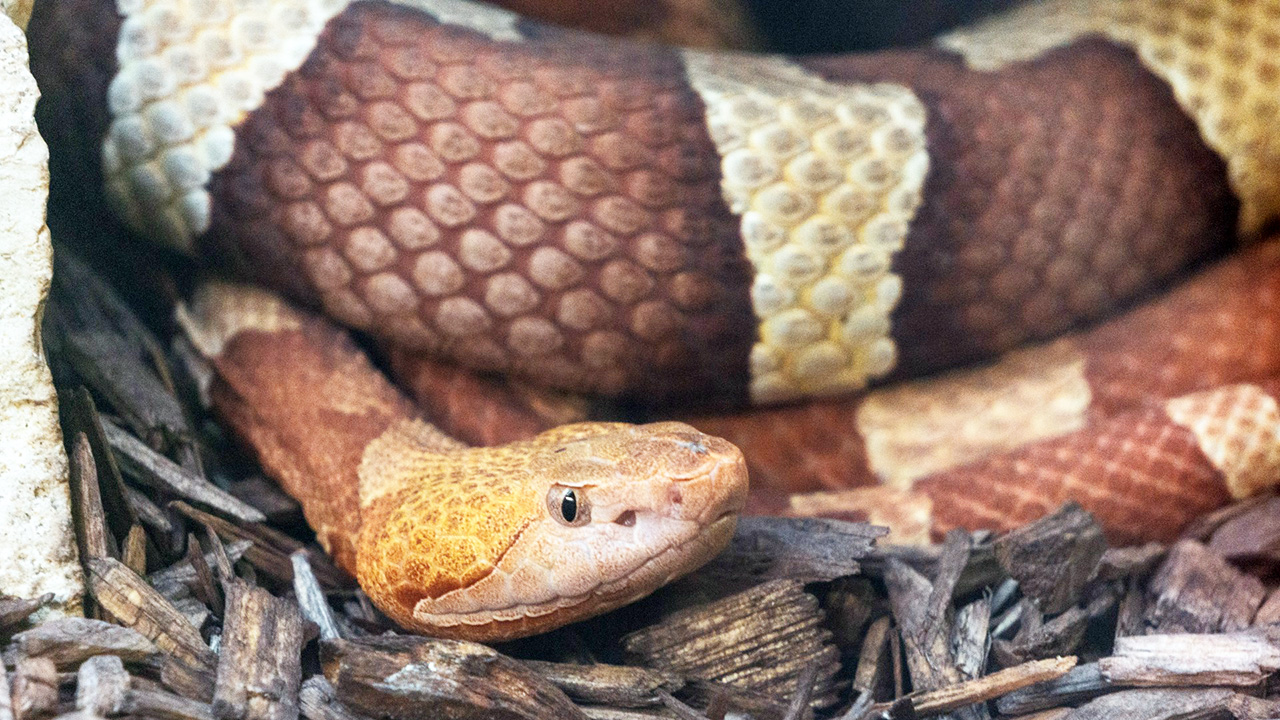
Kentucky belongs here because state wildlife material describes the copperhead as common in many parts of the state. That gives it the kind of statewide relevance that works well for a broad consumer headline.
Kentucky homeowner guidance also frames snake encounters as a real residential issue, noting that most snakes seen in urban environments are harmless while still identifying copperheads as one of the state’s venomous species. That is the exact kind of setup that leads to regular “snake near the house” encounters in neighborhoods bordering fields, creek bottoms, or woods.
Missouri

Missouri is a strong fit because its conservation guidance says eastern copperheads use a wide variety of habitats and can live near abandoned farm buildings, old sawmills, trash dumps, and old fields. That kind of habitat overlap makes them much more likely to turn up near rural homes, outbuildings, and brushy property edges.
Missouri also helps this headline because copperheads are one of the state’s venomous snakes that conservation officials regularly discuss with the public, and they are active in the kind of cover-rich environments people often recreate or work around near home. In short, Missouri has both the snake and the setting.
South Carolina

South Carolina is a natural pick because the state says copperheads are one of only two venomous snake species that occur statewide. That is a big deal for a headline like this, since it means the species is not limited to a tiny corner of the map.
The broader range-and-behavior picture supports it too. Copperheads are widespread through the Southeast and are known to tolerate moderate human disturbance, including urban parks and suburban lots. In a fast-growing state with woods and development constantly rubbing up against each other, South Carolina fits this theme very well.
Alabama

Alabama belongs on the list because extension guidance says copperheads are distributed throughout the state, though scarcer in extreme southern Alabama. That still leaves a very large amount of Alabama in play.
The home angle is even stronger. Outdoor Alabama says abandoned farms and houses provide ideal habitat for copperheads, and extension material describes them as the most common venomous snake in Alabama. That is exactly the kind of state where people end up spotting them near outbuildings, wood cover, and yard edges.
Mississippi

Mississippi fits this headline extremely well because the state wildlife department says copperheads are among its most common snakes and are found almost everywhere except the immediate Gulf Coast and barrier islands. That is broad range plus strong abundance.
Mississippi also gives one of the clearest residential descriptions of any source here: the state says copperheads even inhabit outlying subdivisions and are often discovered in gardens or carports, as well as under woodpiles and trash heaps. That is basically the headline in source form.
Arkansas

Arkansas makes sense because state extension guidance includes the eastern copperhead among Arkansas’s native venomous snakes, confirming that the species is established in the state.
It also fits because Arkansas has the same ingredients that repeatedly show up in copperhead encounters elsewhere: wooded edges, brushy lots, creeks, and yards with cover. Even without a flashy statewide quote, Arkansas belongs in the broader copperhead belt where home-edge encounters are a real concern.
Oklahoma

Oklahoma is a good choice because Oklahoma State says copperheads are common in the eastern half of the state. That gives the state a very real copperhead footprint even if it is not a full-state species like in Tennessee or Virginia.
The residential side is there too. Oklahoma State specifically warns people to watch carefully when moving yard debris, which tells you these encounters are not limited to hiking trails. In the eastern half of Oklahoma, backyard cleanup can be enough to bring someone into copperhead territory.
Texas

Texas belongs here, especially eastern Texas, because copperheads are part of the state’s venomous snake picture and Texas A&M guidance includes them in home-focused snake-control material. When extension documents talk about sealing foundations and dealing with snakes around buildings, that is a sign residential encounters are part of the real-world issue.
Texas is huge, so this is not a “whole state equally” situation. But where copperheads are established in the eastern part of the state, the mix of woods, floodplains, outbuildings, and expanding development makes Texas a believable and useful state for this headline.
Maryland

Maryland belongs because the state clearly identifies the copperhead as one of only two venomous snake species found there. That makes it a meaningful statewide safety and awareness topic even in a smaller state.
Maryland also works well for the “near homes” framing because the state’s park guidance discusses copperheads in places people regularly use and visit, not some isolated backcountry setting. In a compact, heavily populated state with parks, greenways, wooded neighborhoods, and stream corridors, copperhead encounters stay relevant close to home.
West Virginia

West Virginia makes the list because WVU Extension says the northern copperhead is one of only two venomous snake species in the state. That gives it outsized visibility compared with states where venomous species are more numerous.
It also fits because West Virginia has countless homes, camps, and small communities built into wooded and rocky terrain, which is exactly the kind of edge habitat that tends to keep copperheads in the conversation. Even if the state is not always the first one people name, it absolutely belongs in the copperhead-home encounter story.
Illinois

Illinois is worth including because the northern copperhead range extends west to Illinois, which keeps the state inside the better-known copperhead footprint. It is not the first state people think of with venomous snakes, but it is within range.
For an MSN audience, Illinois works because it adds a bit of surprise while still being grounded. In the parts of Illinois where copperheads occur, the same rule applies as everywhere else: where homes meet timber, brush, rock, and rodent-rich cover, copperheads can turn up a lot closer to people than many expect.
Like The Avid Outdoorsman’s content? Subscribe to our newsletter so you never miss an article.
Here’s more from us: