Photo credit: WHO_TEE_WHO/YouTube
You’ve probably been there—long walk to the blind, set up for that perfect shot, and your scope’s pointing somewhere between wishful thinking and last week’s zero. Some rifles are just bad at holding zero, no matter how well you torque your rings or baby your gear. It’s not always the scope’s fault, either. Loose bedding, wandering barrels, or actions that shift under recoil can all throw things off. And if you’re hunting or training hard, you’ll find out real quick which rifles stay true and which ones you can’t trust past a couple shots. This isn’t theory—it’s from busted hunts, wasted range trips, and gear that cost more frustration than it’s worth. Here are the rifles that love to walk their point of impact, even when everything else checks out.
Remington 770

If you’ve ever fought with a Remington 770 to stay on target after a bump or a few rounds, you’re not alone. This budget rifle is known for walking zero faster than your buddy walks away from range fees. It’s got a plastic stock that flexes like a dollar store spatula, and the action bedding doesn’t inspire much confidence either.
Even with decent optics and a careful torque job, you’ll chase groups around the paper more often than not. Add in a gritty bolt throw and questionable recoil management, and you’ve got a rifle that’s better off traded than trusted. There are better cheap rifles out there—ones that don’t lose zero every time they ride in a truck rack.
Winchester XPR
On paper, the XPR seemed like a decent answer to the budget hunting rifle market. But in practice, its plastic stock and spotty QC have made it one of those rifles that struggles to hold zero unless conditions are perfect. That molded stock doesn’t offer much in the way of rigidity, and once things start shifting, so does your group.
Throw in a rough bolt and inconsistent factory bedding, and it’s easy to see why this rifle gets passed around more than it gets praised. Even guys who love Winchester’s older bolt guns admit the XPR can be a headache when it comes to reliability under real-world use. A good bump, a weather change, and you’re starting over.
Ruger American Predator
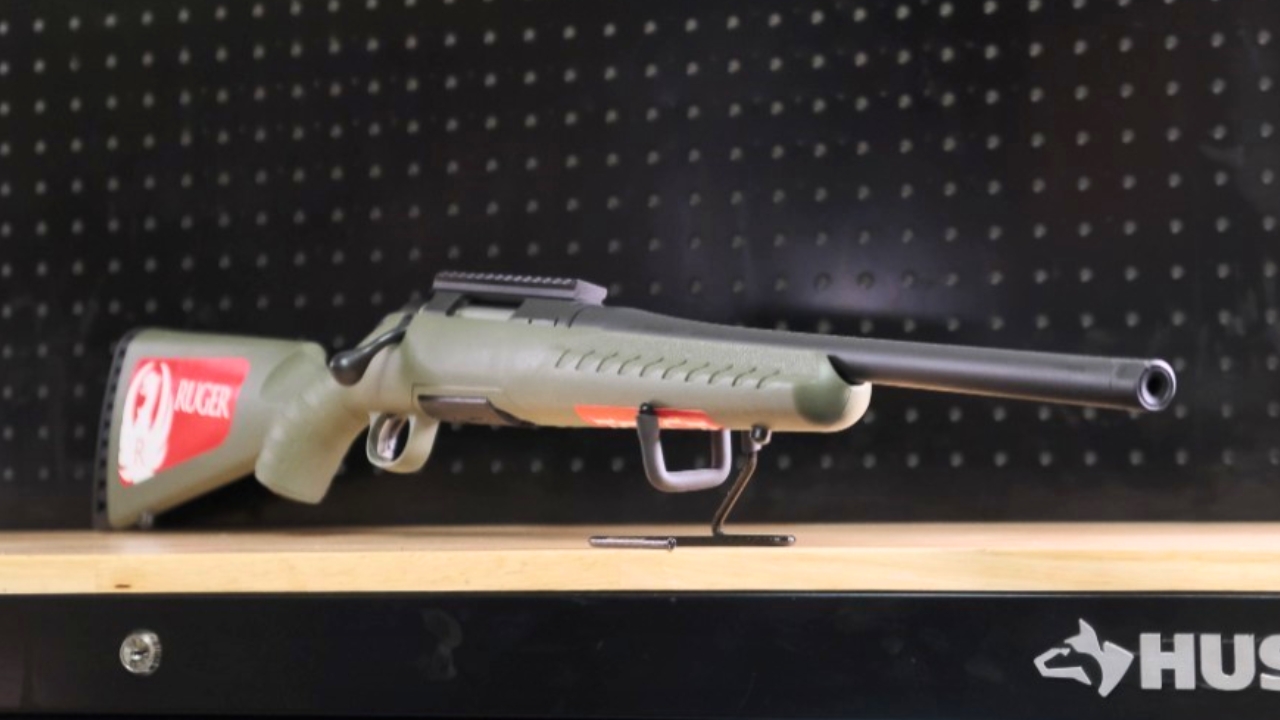
This one stings a bit because the Predator series has a good trigger and generally decent accuracy—when it wants to behave. The problem is that synthetic stock. It’s prone to flexing under bipod pressure or when riding bags, and if you don’t baby your torque settings, you’ll find your zero wandering fast.
It’s also got a goofy V-block bedding system that works fine in theory, but not always in practice—especially once you throw it in a truck or drop it on uneven ground. Add in the heavier barrel that looks like it should stay stable and doesn’t, and it’ll frustrate you more than it should. Some shoot great. Some shoot like they’re guessing.
Savage Axis II
Savage triggers usually get a lot of praise, and the Axis II does break clean. But if you’re hoping this rifle will keep zero after a couple range days and a weekend hunt, think again. That plastic stock can’t hold tension, especially up front. It touches the barrel when it shouldn’t and moves when it shouldn’t.
Many owners report groups that shift with temperature, rest position, or even after a magazine swap. The action’s loose tolerance and inconsistent bedding don’t help either. Unless you’re willing to replace the stock and bed the action, you’ll spend more time rezeroing than actually shooting. For a rifle marketed as “ready to hunt,” that’s a problem.
Mossberg Patriot
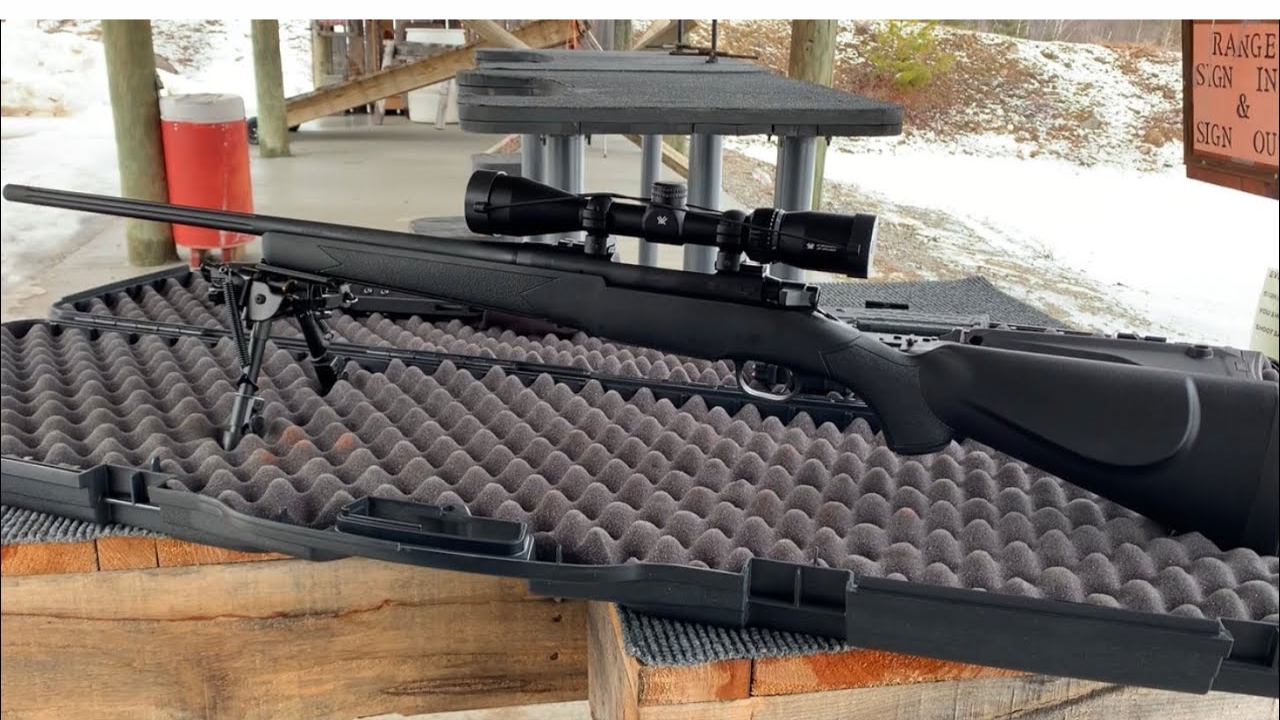
The Patriot has style, and its walnut options give it a better first impression than some of its competitors. But the good looks don’t stop it from losing zero after a little hard use. The recoil lug setup and the bedding leave a lot to be desired. Recoil can walk the action ever so slightly, enough to start chasing impacts.
Even the synthetic models aren’t immune. If the action shifts or the scope base isn’t torqued just right, it won’t stay dialed in. Several owners end up throwing extra money at bases, rings, and bedding fixes to get it reliable. That’s not exactly confidence-inspiring when you’re miles from a bench.
Browning AB3
The AB3 isn’t the worst rifle on this list, but it has a habit of shifting zero under recoil that’s hard to ignore. Its factory stock has a weird flex point near the recoil lug, and it doesn’t take much heat or impact for it to shift slightly. If you’re running heavier calibers, it shows up quick.
The bolt is smooth, the accuracy can be fine, but keeping everything where it’s supposed to be is more fragile than it should be for a Browning. It’s the kind of rifle that makes you second-guess whether your scope’s gone bad—until you swap it and the same problem shows up again. Not ideal when a shot counts.
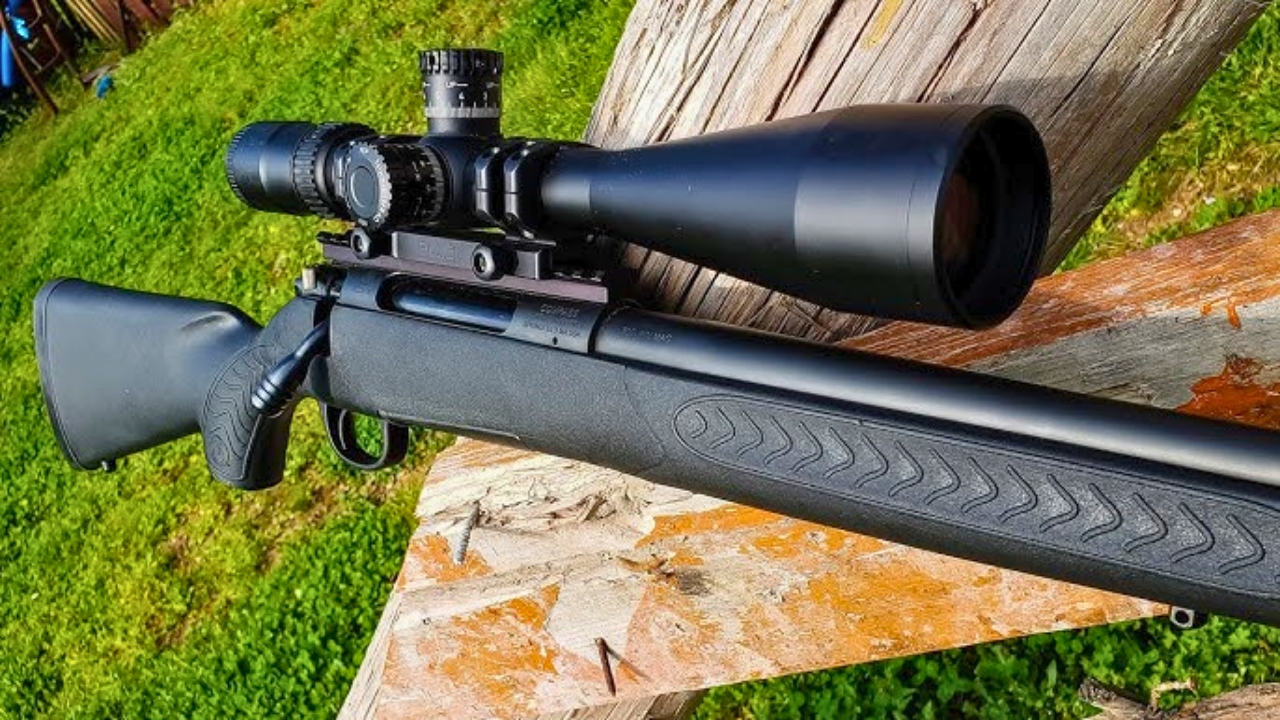
Thompson/Center Compass

The Compass was T/C’s budget entry before they faded from the rifle scene, and it showed in ways that matter. The rifle could be accurate on a good day, but it didn’t take much to throw off your zero. The flimsy stock, awkward bedding, and inconsistent recoil lug system gave it a reputation for wandering.
It also suffered from shifting POI with sling tension or bipod use. You’d go from shooting tight at 100 to wondering what happened at 200. Some shooters tried to fix it with epoxy bedding or chassis swaps, but most gave up and moved on. It’s one of those rifles that reminds you accuracy isn’t just about the barrel—it’s about everything else holding still.
Like The Avid Outdoorsman’s content? Be sure to follow us.
Here’s more from us:
The worst deer rifles money can buy
Sidearms That Belong in the Safe — Not Your Belt
*This article was developed with AI-powered tools and has been carefully reviewed by our editors.