Photo credit: Victor Arita/Shutterstock.com
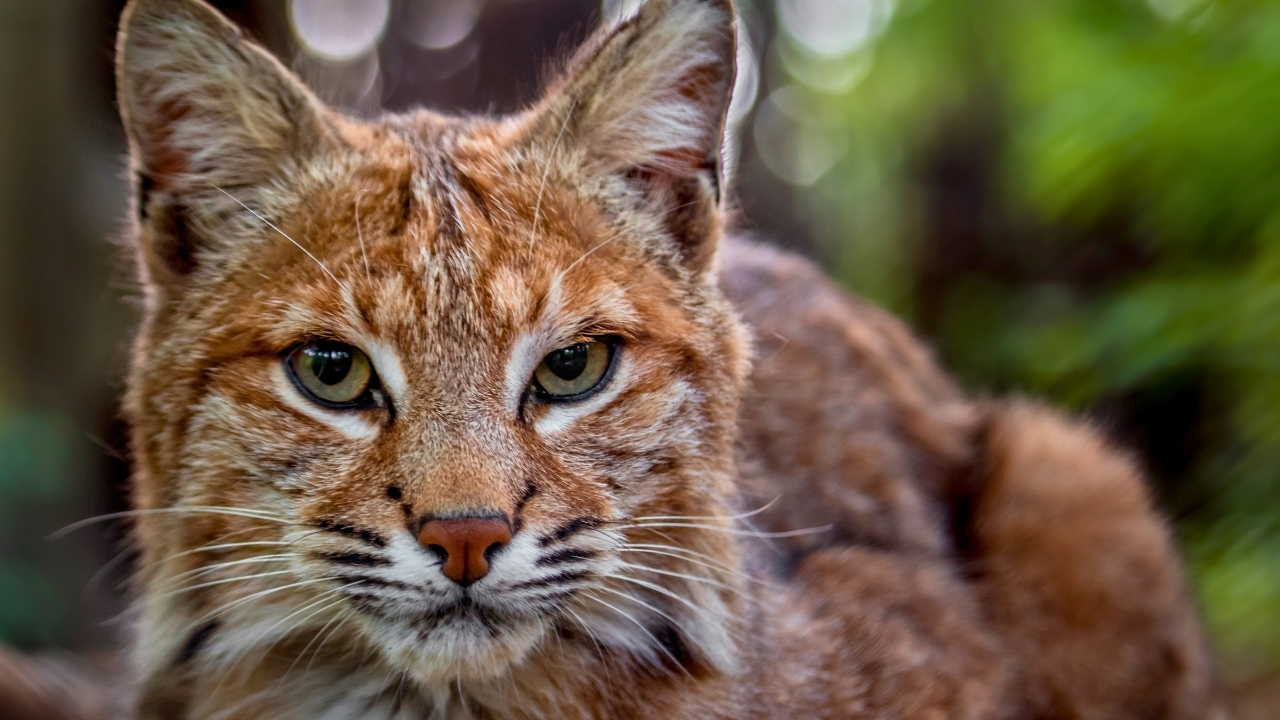
Bobcats aren’t rare “deep wilderness only” cats anymore. They’ve bounced back hard since the 1970s and now show up across almost the entire Lower 48, with especially thick numbers in parts of the South, Midwest, and West. Most folks won’t ever see one, but trail cams, roadkill data, and trapping reports tell a different story. The states below stand out because bobcats are not just present—they’re common enough that farmers, deer hunters, and even suburban homeowners bump into them regularly. They still avoid people, but if you’re in these places, you should assume they’re around and act like it.
1. Florida

Florida is loaded with bobcats—some estimates put the population in the hundreds of thousands, with cats in every county from the Everglades to suburban Orlando. They hunt rabbits, squirrels, marsh rabbits, and the endless rat population that comes with sprawl. That’s why game cameras catch them behind strip malls and HOA ponds.
For people, the real risk isn’t personal attack; it’s small pets left outside and poultry with flimsy fencing. Bobcats stick to early morning and evening, moving edges of cover and ditches. If you’re running trail cams or glassing edges for deer, don’t be surprised when one of those “mystery eyes” turns out to be a bobcat slipping through.
2. Texas
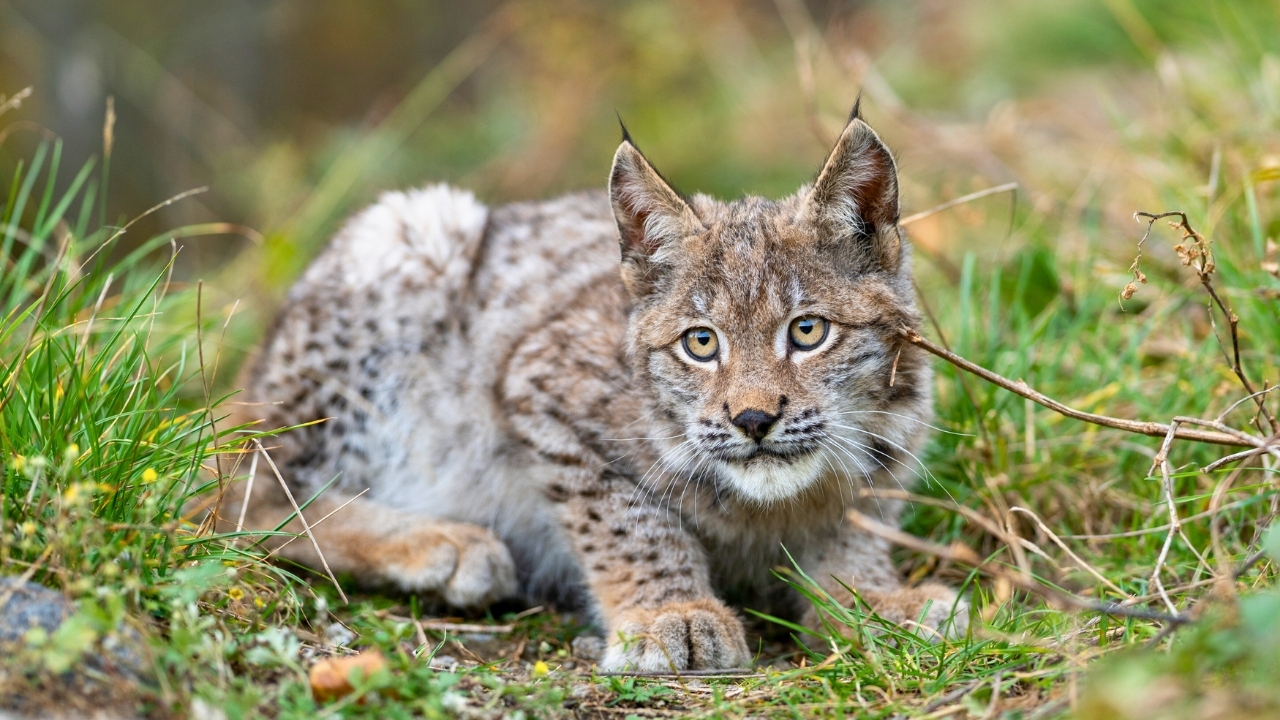
Texas has bobcats from pine woods in the east to desert country in the west, with plenty of sightings outside town limits of major cities like Dallas, Austin, and Houston. They’re one of the most adaptable predators in the state and rarely shy about working the margins of human activity if the groceries are there.
Landowners see them on senderos, around stock tanks, and sneaking along creek bottoms, usually right where the rabbit and rodent traffic is thick. Turkey hunters and varmint callers bump into them all the time. If you run small stock or backyard chickens in Texas, a bobcat-proof coop and night pen are part of the cost of doing business.
3. North Carolina
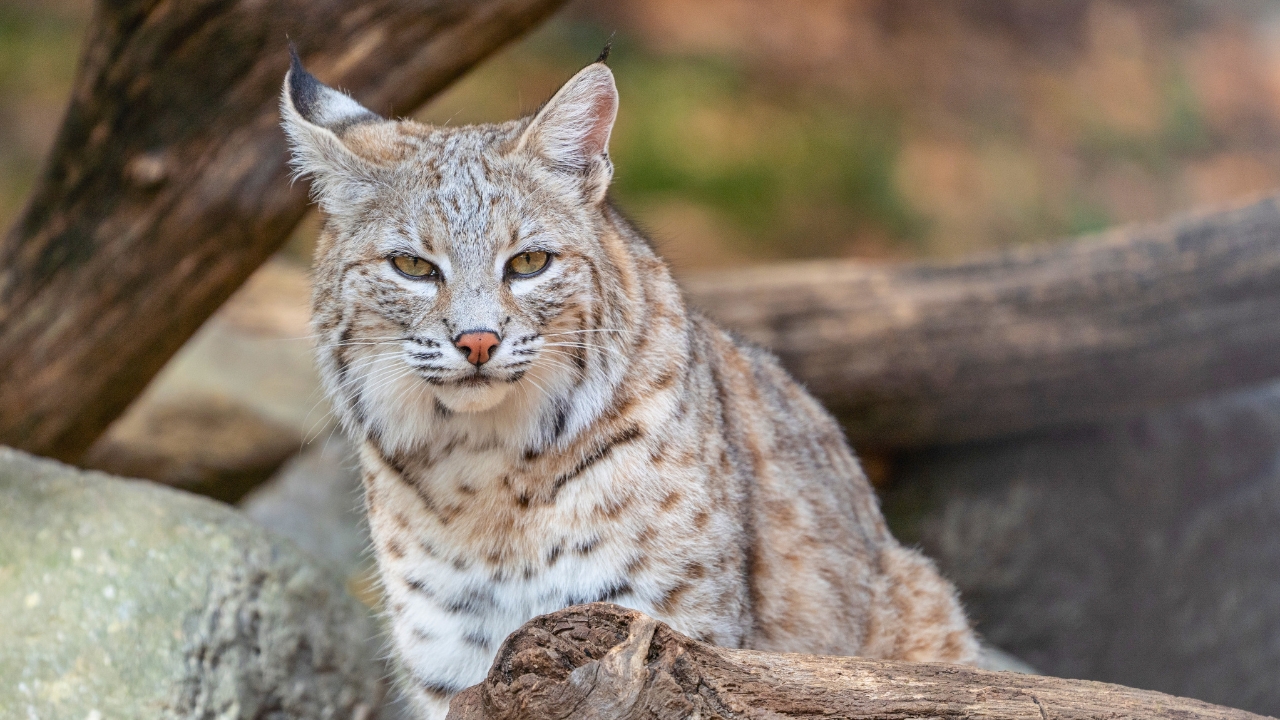
North Carolina is bobcat country from barrier islands to mountain ridges, with estimates well into six figures. They’ve taken full advantage of cutover timber, edge habitat, and the patchwork of farm fields and woods that cover much of the state.
That means they’re not limited to remote hollows—DEEP-style reports from the Carolinas keep showing more sightings in suburbs and bedroom communities. For hunters, they’re one more predator working fawn and turkey nests. For homeowners, they’re another reason not to free-feed outdoors or let cats roam at night. They’re not out there hunting people, but they’re absolutely hunting near people.
4. South Carolina

South Carolina’s thick timber, swamps, and pine plantations make perfect bobcat habitat, and the cats use all of it. Trappers and hunters have been reporting steady numbers for years, and they’re now a routine part of small-game country.
Deer and turkey hunters pick them up on cameras at feeders and along logging roads, usually as a quick blur sliding past the frame. Around rural homes, people mostly notice them when chickens go missing or outdoor cats stop showing up. A basic predator-savvy setup—secure runs, motion lights, dogs that bark—is usually enough to shift them back into the woods where the easy meals stay wild.
5. Wisconsin

Northern and central Wisconsin hold tens of thousands of bobcats, with a long trapping history and regular harvest reports to prove it. They do well in mixed forest and swamp, hunting rabbits, grouse, and rodents, and they don’t mind serious winter conditions as long as cover and prey are there.
Because they’re legally harvested, you see more solid numbers out of Wisconsin than some other states, and they’ve stayed strong. Deer hunters often catch them on snow at gut piles, and small-game hunters sometimes bump them at close range in tag alder or cedar swamps. That thick snow cover and brush is exactly why you usually only see a quick shape and a tail tip before they’re gone.
6. Minnesota

Minnesota’s big timber and bogs give bobcats plenty of room to work, especially in the northern half of the state and near large public lands. They share some terrain with Canada lynx up north, but bobcats tend to do better where snow isn’t consistently chest-deep on a deer.
You’ll see sign around beaver ponds, small creek crossings, and brushy edges where snowshoe hares, grouse, and rodents are thick. Deer hunters glassing cutovers at first light also get the occasional bonus bobcat sighting. If you run traplines, predator stands, or just like backcountry cameras, Minnesota is one of those places where a “random” night pic is usually a bobcat or a coyote, not a house cat on vacation.
7. Michigan

Michigan has strong bobcat numbers in the Upper Peninsula and northern Lower Peninsula, with more sightings creeping south year by year. They thrive in thick woods, cedar swamps, and broken farm country where they can hunt rabbits and rodents and still find cover.
The combination of snow cover and heavy timber makes them tough to glass, but tracks and trail cameras tell the story. Trappers and houndsmen know they’re there, and roadkill reports back that up. For landowners, they’re one more mid-sized predator working the same ground as coyotes and foxes. Good news is, they’d rather chase small game than hang around people.
8. Pennsylvania
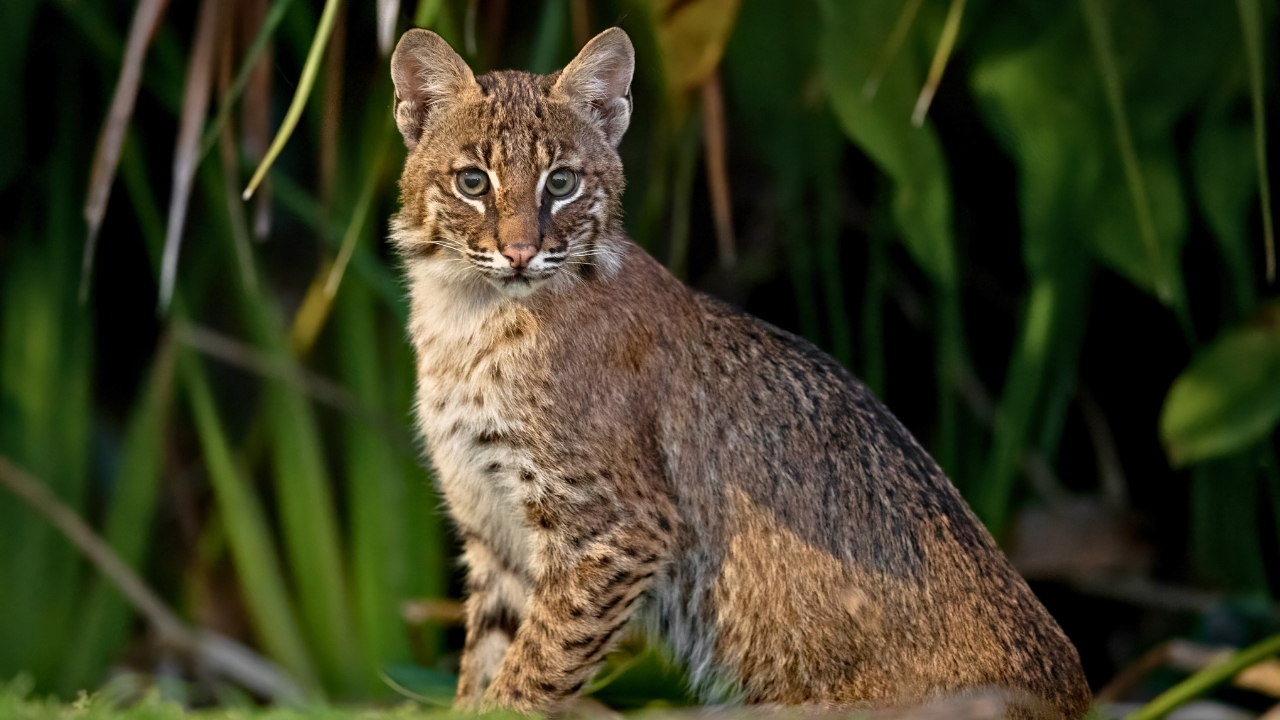
Harry Collins Photography/Shutterstock.com
Pennsylvania’s bobcats have made a serious comeback after being knocked back mid-20th century, and they’re now found statewide, with especially good numbers in the north and along the Appalachians. They’ve adjusted well to regrown forests and patchwork timber.
Hunters see them on cameras at mineral sites and crossings, and small-game hunters sometimes bump them still-hunting in laurel or stump fields. The state’s controlled seasons and monitoring show a stable, healthy population. For people living rural, they’re a reminder that leaving pet food out and letting small dogs wander at night is an invitation to every mid-sized carnivore in the neighborhood.
9. Virginia
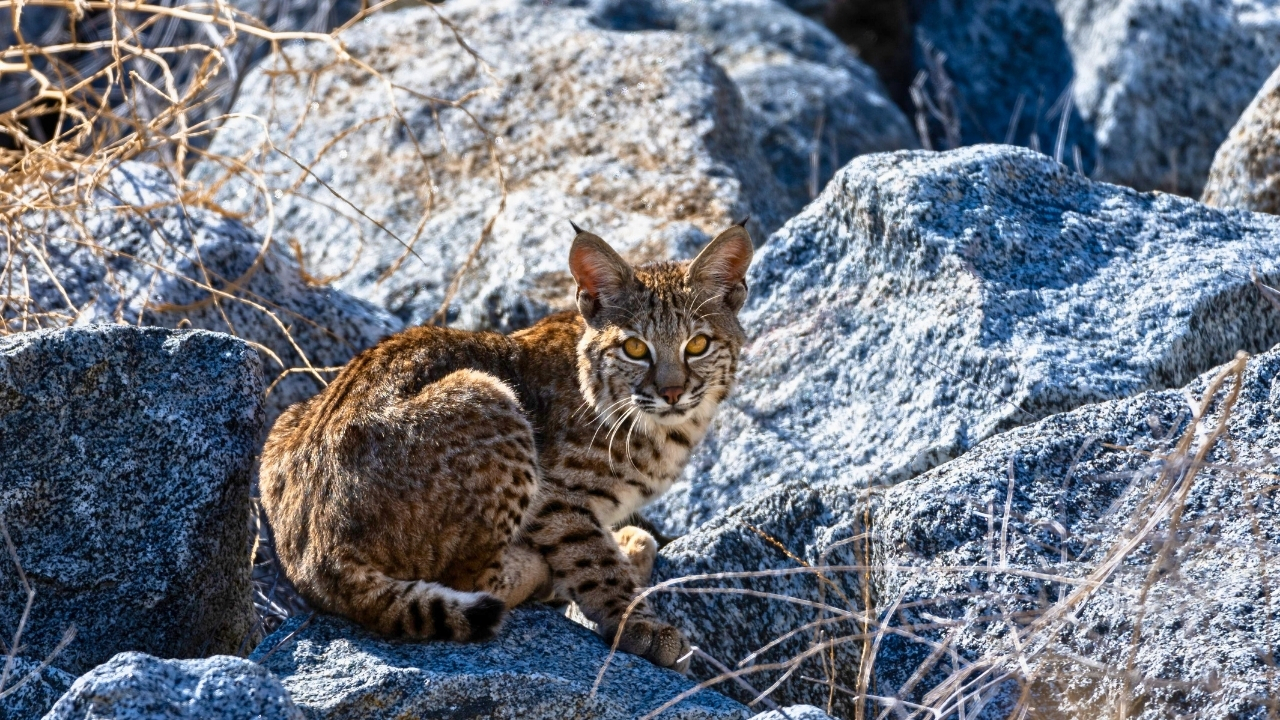
Virginia holds plenty of bobcats in both mountains and forested piedmont, and biologists consider them the state’s only native wildcat, still doing well. They hunt the usual mix: rabbits, squirrels, small deer, and whatever else is easy to catch.
Most encounters are quick road crossings, nighttime eyes in a headlamp, or a blur on a trail camera set for deer. Turkey hunters sometimes hear them slip in quiet when they run calls at first light. If you live near timber, the best prevention is basic: secure trash, no free buffet of outdoor pet food, and keep the flock locked up at night so the cats stick to wild prey.
10. Tennessee

Tennessee has bobcats from the Mississippi River plains to the Smokies, with solid populations that have bounced back along with regrown forest. They use cutover timber, creek bottoms, and steep hollows that hold rabbits and rodents, and they’re getting more comfortable near developed edges.
Hunters report them slipping past tree stands or stalking turkey setups, especially in thick cover where visibility is low. Around homes, they’re usually ghosts until something small goes missing. Once again, the main fix is boring but effective: secure feed, tight coops, no loose chicken scraps or trash piles. Do that and the bobcats stay, but they do what they’re supposed to—work on the wild food supply, not your backyard.
11. Illinois

Illinois bobcats were nearly wiped out in the mid-1900s, but habitat recovery and protections brought them back, especially in the southern and central forested regions. They now show up in harvest stats, roadkill reports, and more frequent sightings, which tells you how comfortably they’re filling in the available cover.
Bluffs, river corridors, and big timber blocks are the main core areas, but they’ll use farm edges just fine. For deer and turkey hunters, they’re part of the predator mix that now includes coyotes and, sometimes, wandering cougars. Most of the time you only realize they’re around when you pull a card from that one camera on a field edge and see a spotted, short-tailed shape slipping past at 2 a.m.
12. Colorado

Colorado supports thousands of bobcats ranging from plains breaks to high country timber, with sightings as high as around 11,000 feet. They work canyon systems, oak brush, and rock outcrops chasing rabbits and small mammals, and they don’t mind being near ski towns and mountain communities if the food is there.
Hunters glassing for mule deer and elk sometimes pick them up on side hills or in rock pockets at dawn. Around town edges, they’ll hit bird feeders indirectly by hunting the rodents those feeders attract. HOA rules can’t change the food chain; they can only change how obvious it is. If the habitat looks like a bobcat would like it, assume they’re there, even if you never catch them with your own eyes.
13. Arizona
Arizona’s mix of desert, riparian corridors, and mountain ranges suits bobcats perfectly, and the state may hold tens of thousands of them. They run washes, canyon bottoms, and rocky slopes, hunting quail, rabbits, and rodents, then slip right past houses on the fringe when water and cover line up.
Trail cams around Phoenix, Tucson, and other cities catch them working golf course edges and drainage ditches like they’re just another desert draw. The main concern for people is small pets and unsecured poultry. Give them a coop that can handle coyotes and you’ve basically handled bobcats too. They’re more interested in staying out of sight than tangling with anyone on two legs.
14. Oregon

Oregon’s forests, Coast Range, Cascades, and even some high desert support a healthy bobcat population, with rough estimates around 30,000 animals. Logging roads, creek drainages, and thick second-growth give them ideal travel routes and hunting lanes.
Hunters and trappers bump them in clearcuts, along skid trails, and on snow where hare and rodent tracks crisscross. As towns expand into timber, bobcats simply adjust, using green belts and riparian corridors to move. For anyone living in that blend of timber and suburb, they’re one more reminder that bird feeders, brush piles, and compost can build a pretty serious little food web in a small yard.
15. California

California bobcats are doing well in coastal scrub, chaparral, foothills, and mountain forest, backed by trapping bans and monitoring that keeps populations stable. They’ve learned to operate in fragmented habitat, moving between open space and developed pockets with almost no one noticing.
Hikers and trail runners occasionally see them at dawn or dusk, usually as a quick cross-trail blur. Around homes that back up to open space, they’ll target rabbits, rodents, and occasionally unsecured poultry. The state treats them as important mid-level predators that help keep rodent numbers down, which also keeps some disease risk in check. They’re a perfect example of how a wild cat can live around people without being seen much at all.
Like The Avid Outdoorsman’s content? Subscribe to our newsletter so you never miss an article.
Here’s more from us: