Photo credit: Hop/YouTube
Shooters love hearing that a caliber can “do everything,” but in real field conditions, only a handful truly live up to that claim. Plenty of rounds get marketed as multi-role options, yet the moment you stretch their distance, shift your target size, or move into tougher terrain, their performance falls apart. A caliber might sound good on paper, or impress during light use, but real versatility demands consistency across scenarios—not theoretical capability.
These calibers get praised for being flexible or “good for anything,” but when you put them to work, their limits show up fast. They’re useful in narrow roles, but far from the all-around performers people want them to be.
.300 Blackout (supersonic and subsonic expectations)

The .300 Blackout gets marketed as a do-it-all round because it offers both subsonic and supersonic options. The problem is that neither excels outside its narrow lane. Subsonics drop quickly and lose stability beyond moderate distances, making them unsuitable for anything requiring reach. Supersonics improve performance but still lag behind traditional intermediate cartridges when pushing past 200 yards.
Many shooters treat it as interchangeable with 5.56 or .308, but it simply isn’t. It works in short barrels and suppressed setups, yet once you move outside that environment, its limitations become impossible to ignore.
.22 Magnum
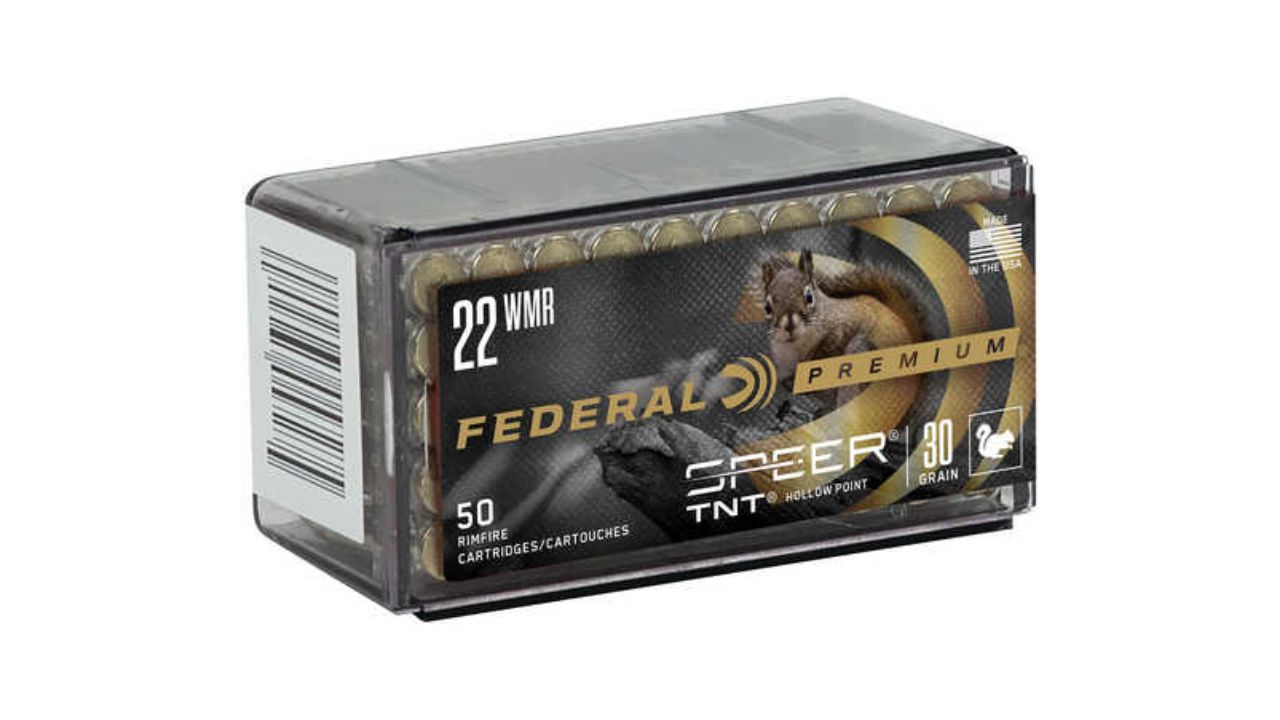
The .22 WMR often gets labeled as a versatile rimfire, but it struggles in roles shooters try to assign it. It hits harder than .22 LR, but it lacks the accuracy and consistency needed for longer small-game or varmint work. Wind drift becomes a major issue, and many rifles don’t extract the full potential of the cartridge.
For predators, it’s too light. For serious distance, it lacks stability. It sits in an awkward middle ground—stronger than .22 LR but not reliable enough to replace true varmint cartridges. Its versatility is mostly theoretical.
.243 Winchester with “one rifle for everything” claims
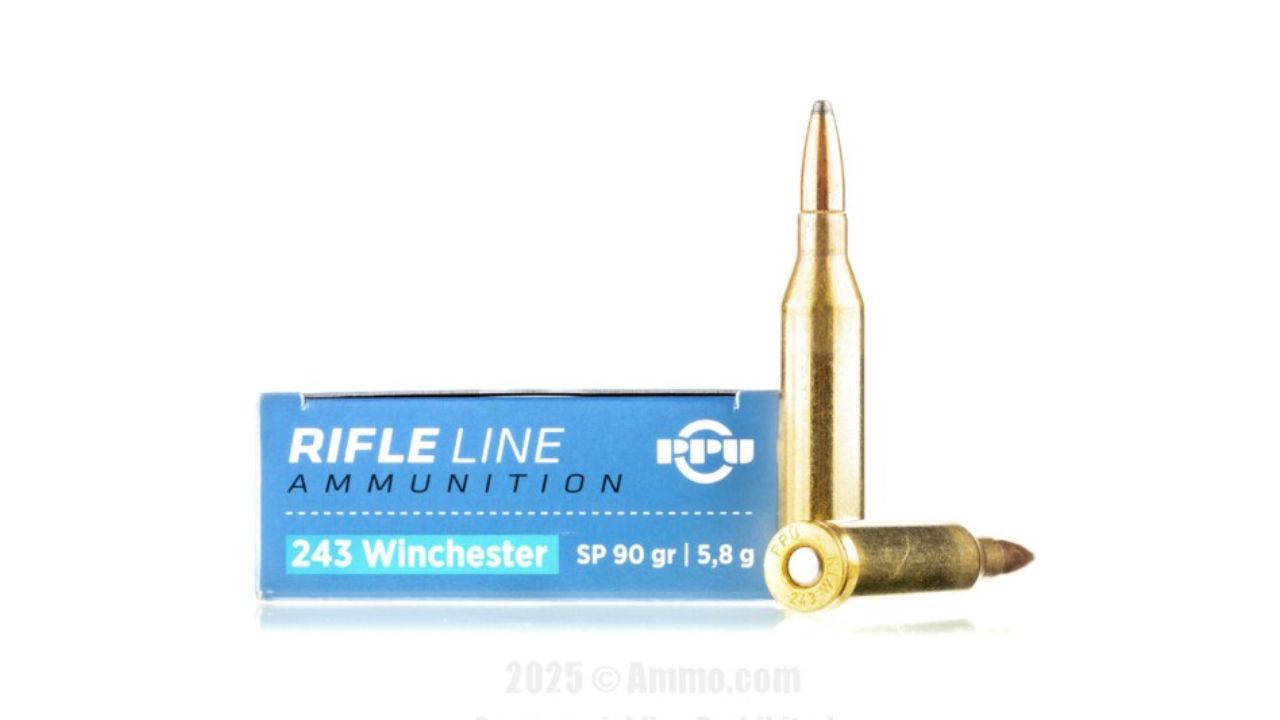
Some hunters treat the .243 as a universal round for deer, coyotes, antelope, and everything in between. While the cartridge is effective in several roles, it isn’t the catch-all many claim. Heavier bullets struggle with penetration on tough angles, and lighter bullets explode prematurely on larger animals.
The round also loses steam quickly at long distances compared to more efficient 6mm cartridges. It works well inside its comfort zone, but the belief that it covers every big-game need is overly optimistic. It’s good—but not the all-around rifle many make it out to be.
.410 bore (treated as a versatile field load)
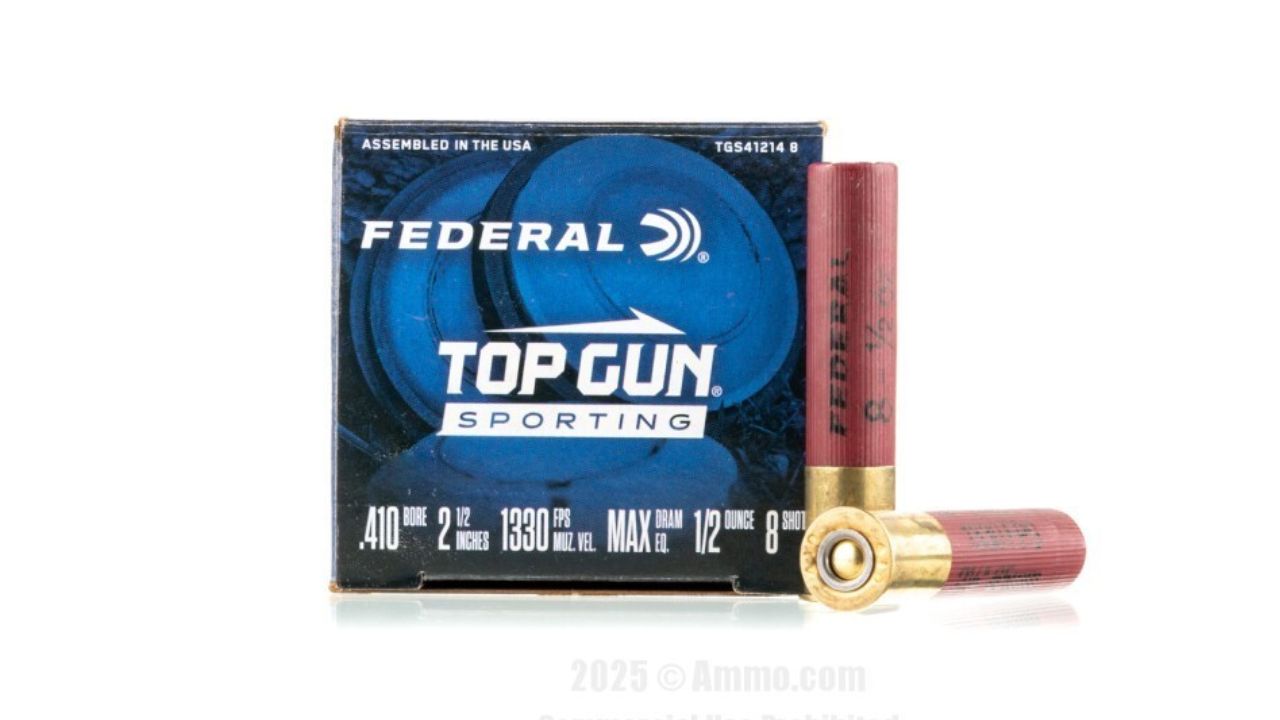
The .410 gets promoted as a lightweight, multi-purpose field cartridge, but it has a narrow margin for error. Its limited payload reduces pattern density to the point that hitting moving targets becomes inconsistent. Even skilled shooters notice gaps in the pattern that make clean kills difficult.
Many new hunters believe it works for turkey, small game, and upland birds equally well, but the reality is that its forgiving look hides a steep learning curve. It’s enjoyable to use, but it’s not versatile enough for the wide range of hunting tasks people assign to it.
.30 Carbine
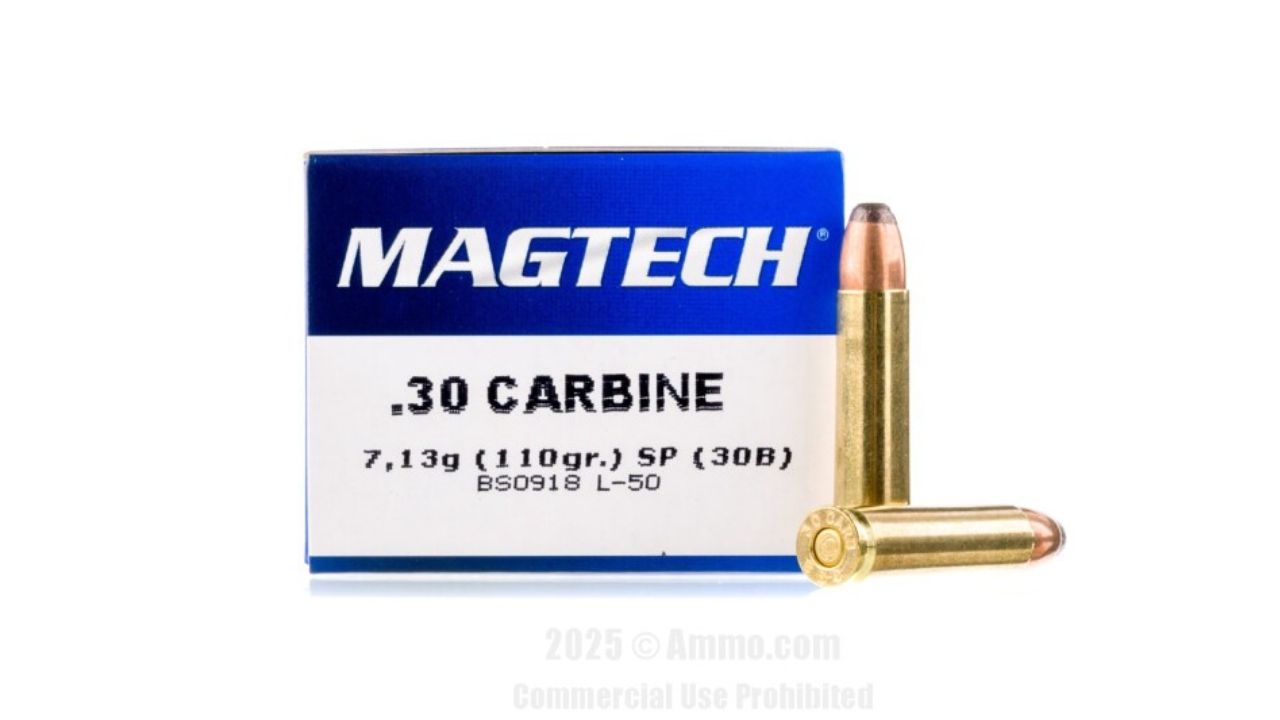
The .30 Carbine is often praised as a flexible mid-range cartridge, but its performance is tightly limited by bullet design and velocity. It offers more power than a pistol round but falls far short of true rifle capability. At distance, energy drops fast, and accuracy becomes inconsistent.
Many shooters expect it to handle defensive scenarios, deer hunting, and target work with equal ease. In truth, it excels only at close to moderate ranges. Once you stretch it or ask it to take on heavier game, it struggles. The versatility is overstated.
.45 Colt from revolvers and carbines

The .45 Colt gets framed as an adaptable hunting and defensive round, yet factory loads vary wildly. Standard-pressure loads behave like mild handgun rounds, offering limited penetration and poor long-range capability. Heavy loads perform better, but only in strong platforms rated for high pressure.
This split identity causes confusion. People expect it to cover everything from self-defense to medium-game hunting, but most loads fall short in at least one of those roles. The round has character and history, but true versatility isn’t one of its strengths.
.357 Magnum rifles marketed as “ranch-ready for anything”
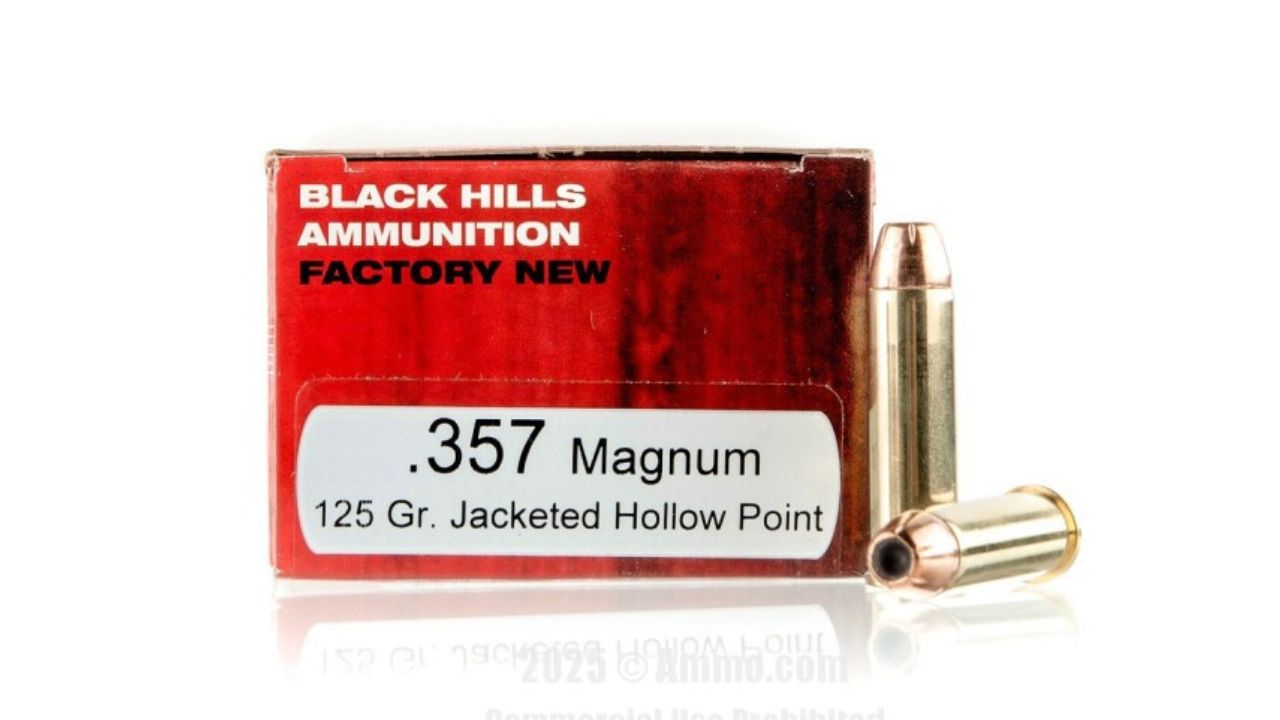
The .357 Magnum from rifles gains velocity, but it still carries the shortcomings of a handgun cartridge. It works well for close-range tasks, yet many shooters overestimate its reach. At moderate distances, bullet drop becomes dramatic, and accuracy varies widely depending on bullet profile.
Some try to use it as an all-around farm or brush gun, but performance gaps show up once you ask it to stretch or penetrate tough angles. It’s capable in specific roles, but not the flexible workhorse its reputation suggests.
.22 Hornet
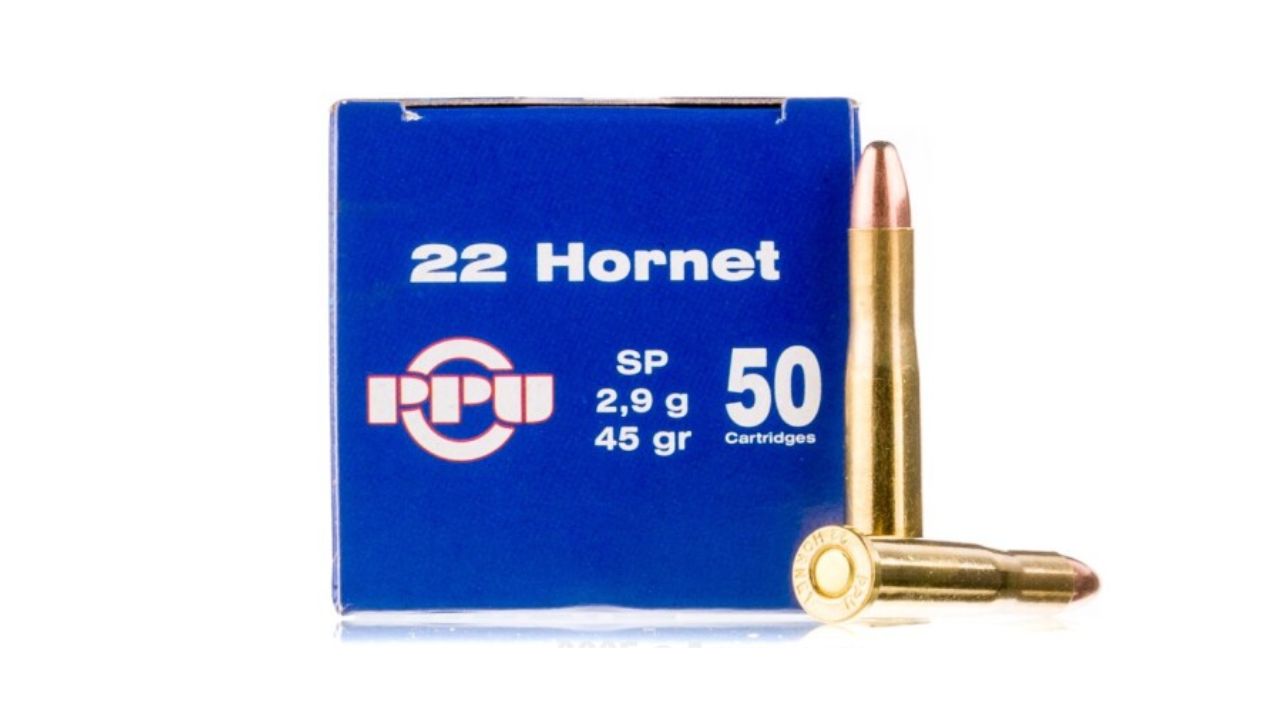
The .22 Hornet is often praised for being quiet, efficient, and useful for a wide range of small-game and varmint roles. But it’s more situational than versatile. Its slow, lightweight bullets are sensitive to wind, and accuracy varies greatly between rifles.
For coyotes, the round lacks consistent penetration unless everything goes perfectly. For long-range varmints, it trails far behind newer small-bore cartridges. It’s fun and nostalgic, but not nearly as flexible as many shooters still claim.
.44 Magnum hunting loads marketed as multi-tool options
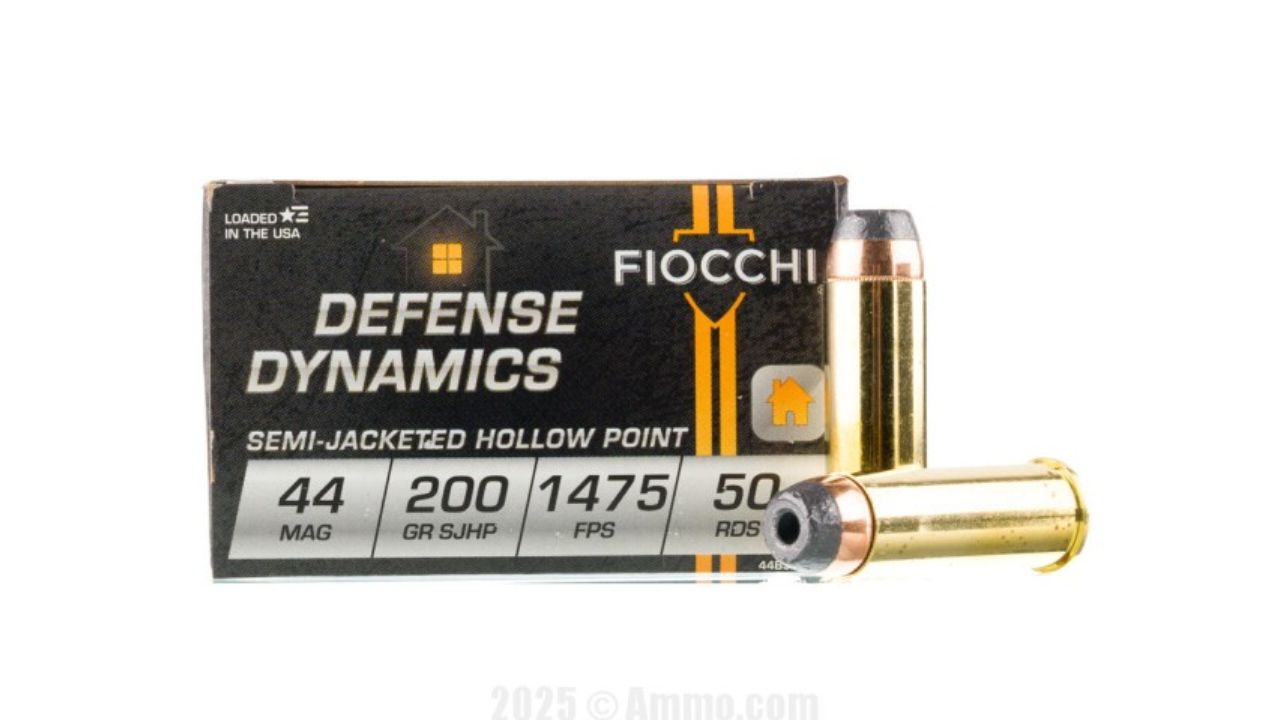
The .44 Magnum carries a reputation for being able to do nearly anything—hunt deer, stop threats, manage predators, and serve as a backcountry tool. In reality, its effectiveness depends heavily on barrel length, bullet design, and distance.
From handguns, trajectory is steep and forgiving only at close range. From rifles, it gains power but still doesn’t offer the reach hunters often expect. It’s strong, but strength alone doesn’t equal versatility.
7.62×39 in “all-around rifle” roles
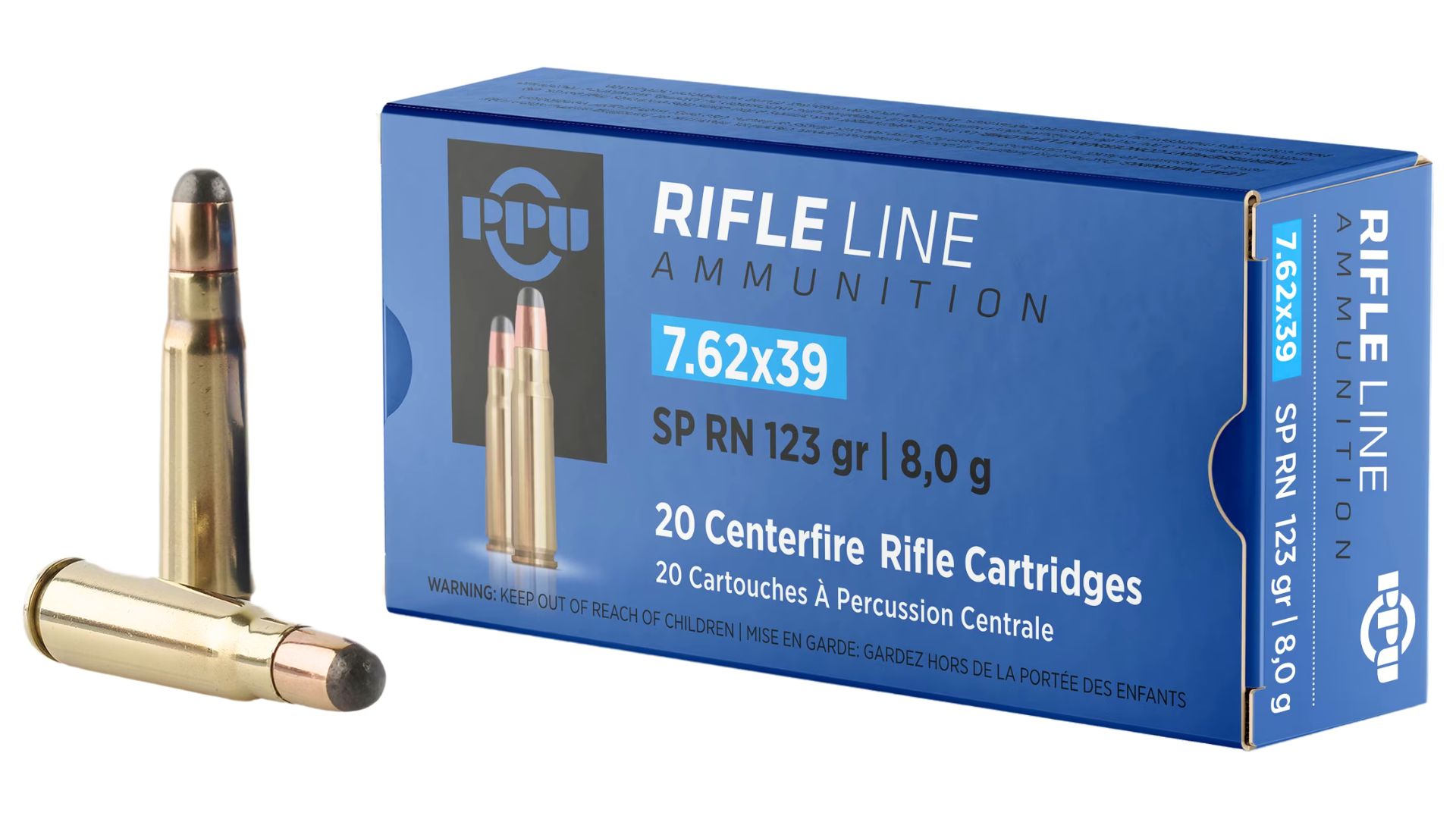
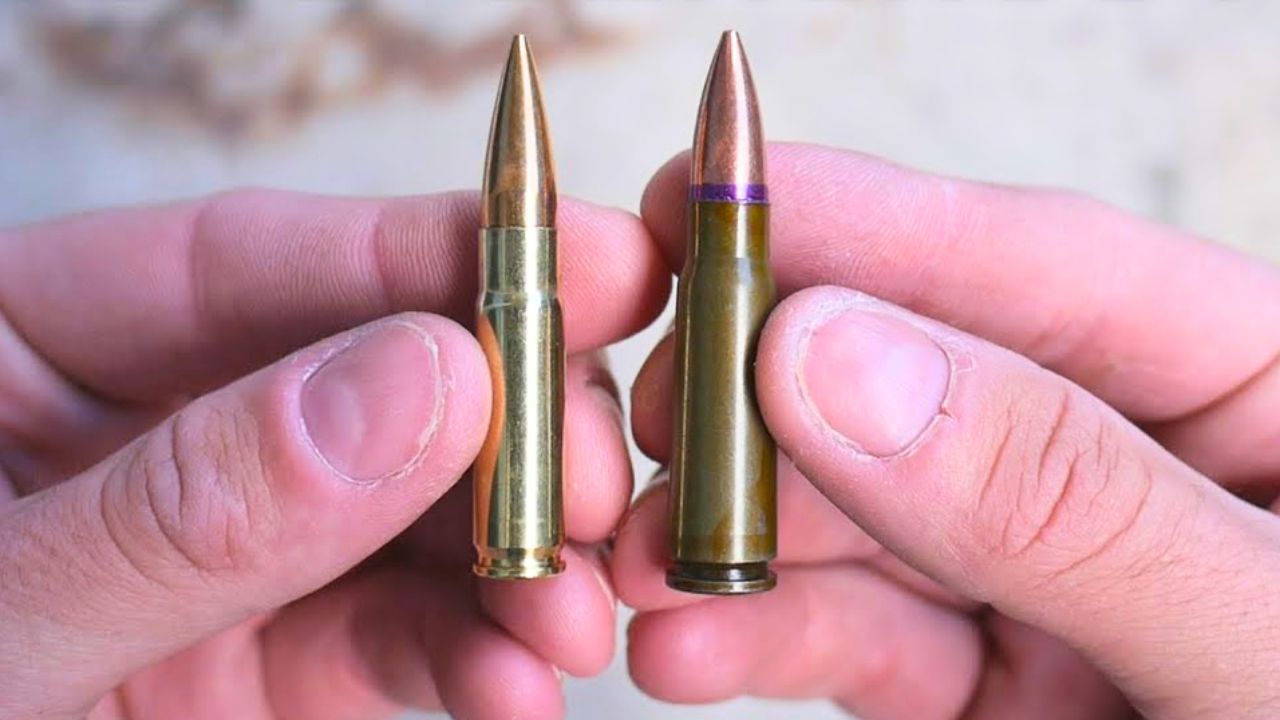
The 7.62×39 round is reliable and capable inside moderate ranges, but its ballistic limitations show up quickly. It drops fast past 150–200 yards, and accuracy depends heavily on ammunition quality. For hunting, bullet design options are better than they used to be, yet still limited compared to other mid-caliber choices.
Many shooters expect it to serve as a budget all-around cartridge. In practice, it performs well in tight spaces or brush but lacks the reach and consistency needed for true versatility. It fills a niche, not a broad category.
.32-20 Winchester
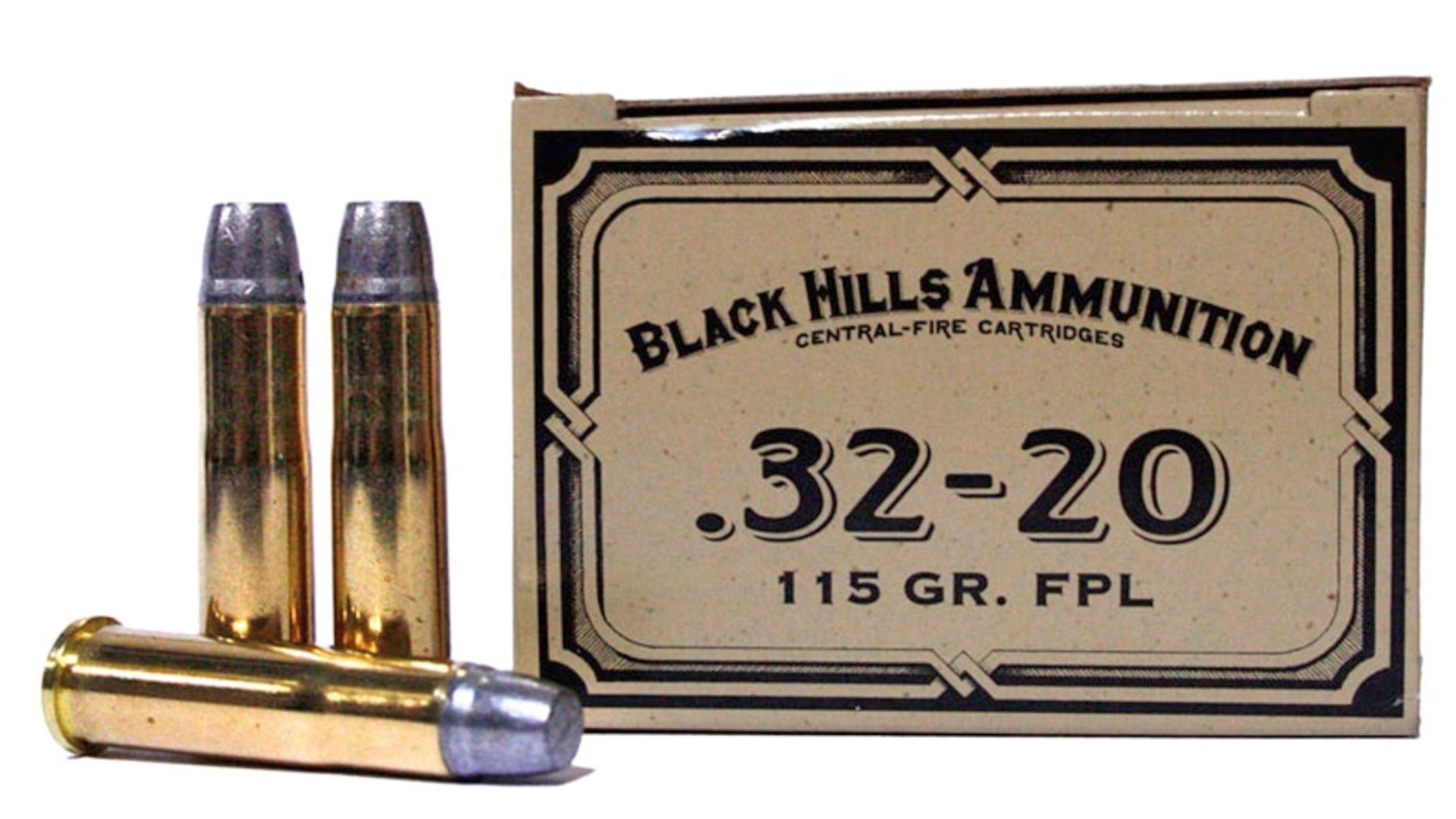
The .32-20 is often portrayed as a flexible small-game and predator cartridge, but the reality is more restrictive. Factory loads are mild, offering limited penetration and unpredictable terminal performance on anything larger than small game.
Handloaders can improve performance, but even then the round sits between categories without excelling at either. It’s too light for serious predator work and too slow to stretch distance effectively. The versatility claim mostly comes from nostalgia.
.223 Remington with “big-game capable” claims
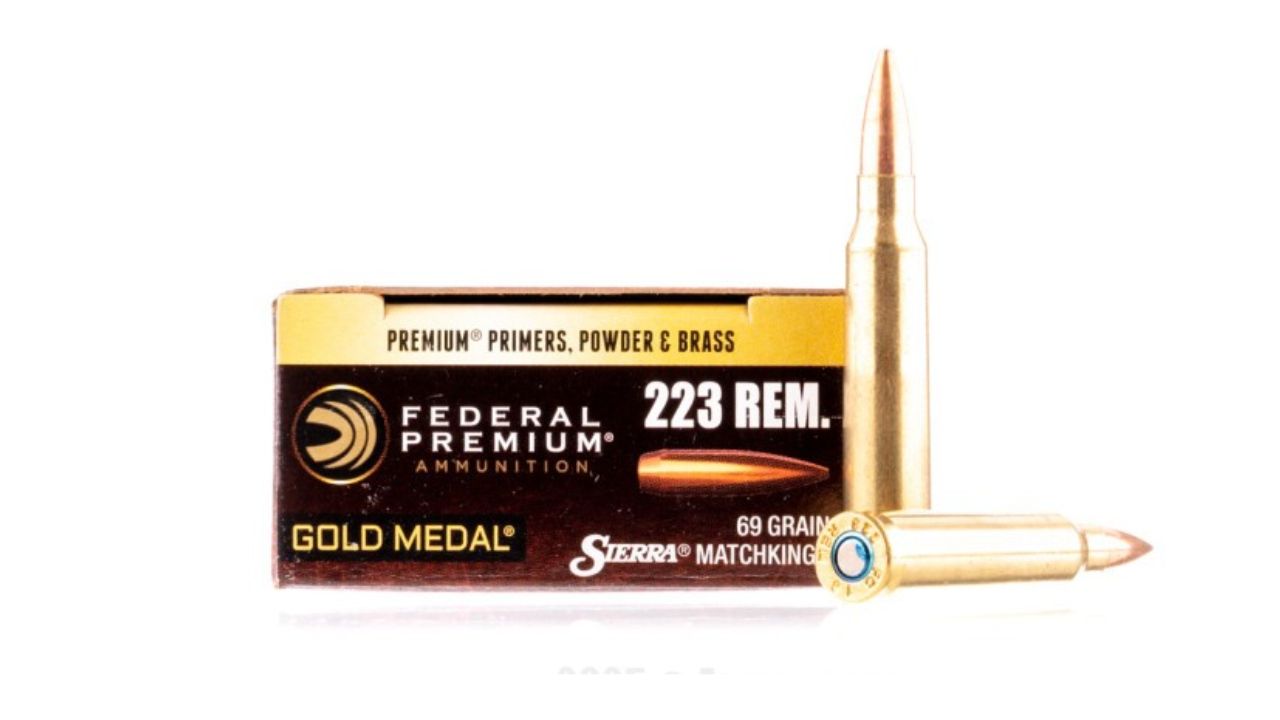
While .223 is extremely useful for varmints and predators, its portrayal as a big-game round stretches the truth. Bullet construction has improved, but the cartridge still lacks the margin for error needed for large-bodied animals in varied terrain.
Inside tight ranges it can work with perfect shot placement, but versatility demands forgiveness—and .223 offers little of it. It’s exceptional at what it’s built for, not the wide range of tasks people try to force onto it.
.35 Remington as an “all-purpose woods round”
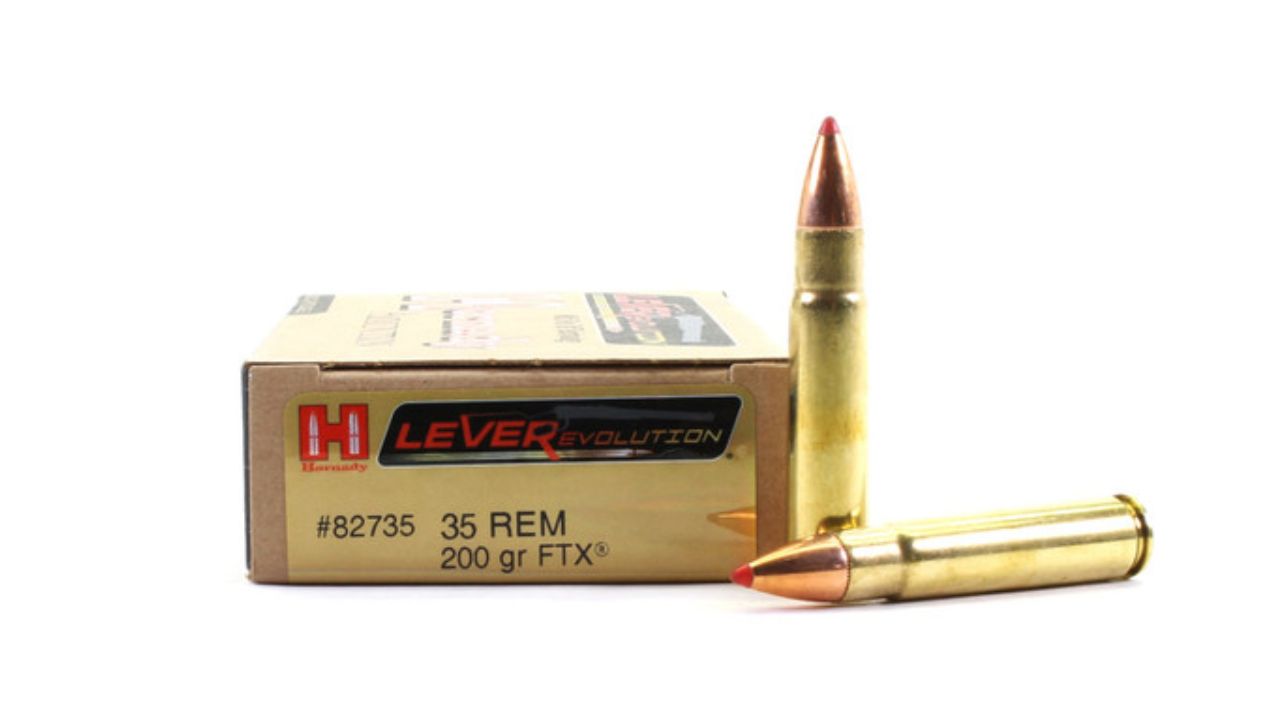
The .35 Remington is effective inside close ranges, but its slow velocity and limited bullet selection restrict its adaptability. Outside dense timber, trajectory becomes difficult to manage. Many rifles chambered for it use older sights, further limiting range capability.
Shooters sometimes claim it handles deer, hogs, and bear equally well across distances, but real-world performance shows it’s a specialized deep-woods cartridge. Its reputation for versatility doesn’t hold up once you leave that environment.
.25-35 Winchester
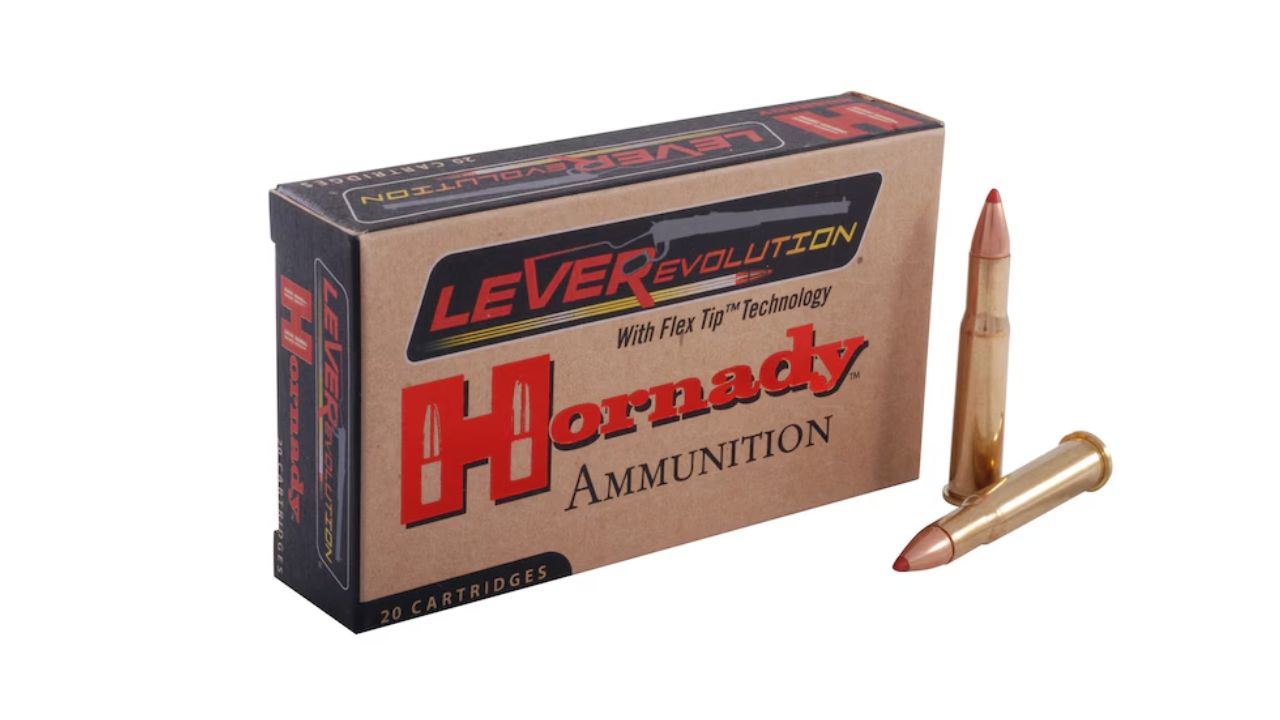
The .25-35 holds a nostalgic place in lever-gun history, but modern shooters often give it too much credit for flexibility. Bullet availability is limited, and energy drops quickly as distance increases. It performs well on small to medium game at modest ranges but loses effectiveness rapidly past that.
Because of its mild recoil, people assume it covers multiple roles. In truth, it sits too low in power for larger game and lacks the ballistic efficiency needed for stretching shots. It’s enjoyable, but not truly versatile.
.410 slugs marketed as “deer capable”

A .410 slug can work under perfect circumstances, but treating it as a versatile deer cartridge is misleading. The projectiles are light, slow, and heavily limited by barrel length and platform. At distance, drop is extreme and retained energy minimal.
Inside very tight ranges, a well-placed shot can succeed. But versatility demands consistent performance across conditions and distances—and the .410 slug doesn’t offer that. Hunters who believe it replaces a full-power shotgun learn quickly how narrow its effective window really is.
Like The Avid Outdoorsman’s content? Be sure to follow us.
Here’s more from us: