Photo credit: Palmetto State Armory/Youtube
Benelli has never been the cheap shotgun brand. That is part of the whole conversation. A buyer looking at a Benelli usually knows there are less expensive semi-autos sitting nearby, and some of them are perfectly good guns. So the question has never been, “Is Benelli cheap?” It is, “Why do people keep paying for them?”
The answer is simple enough: Benelli built a reputation around shotguns that feel fast, clean, reliable, and ready for ugly field conditions. The brand found a way to make the price feel tied to real use instead of just a fancy name. Waterfowl hunters, turkey hunters, clay shooters, tactical shotgun guys, and upland hunters may all care about different details, but Benelli gave each group reasons to trust the money.
Benelli Made the Inertia System Its Calling Card

The Inertia Driven System is the heart of Benelli’s reputation. Instead of relying on a traditional gas system, many Benelli semi-autos use recoil energy and a rotating bolt head to cycle the action. Benelli describes the system as simple, reliable, easy to clean, and built around only three main parts, with the ability to handle loads ranging from light field shells to heavy 3½-inch magnums.
That mattered because shotgun buyers are practical. They do not want to strip down a complicated action after every rough hunt. They want something that cycles, stays cleaner, and does not need constant adjustment when they change loads. The inertia system gave Benelli a clear identity. It was not just “another semi-auto.” It was a different approach that made sense to hunters who spent cold mornings in blinds, muddy fields, and wet timber.
Benelli Made Clean-Running Shotguns a Selling Point

One of the biggest reasons hunters trust Benelli is that inertia guns tend to run cleaner than gas guns. Gas-operated shotguns can be wonderfully soft-shooting, but they vent gas and fouling back into the system. Benelli built its reputation around a cleaner operating design that is easier to maintain after long days in the field. That is not a small advantage when a hunter has been dealing with rain, cattails, dog hair, mud, and half-frozen fingers.
A clean-running gun is not the same as a maintenance-free gun. Every shotgun needs care. But Benelli made the cleaning argument easy to understand. Fewer dirty gas parts means less crud to scrape out after a hunt. For waterfowlers and high-volume shooters who already have enough gear to dry, clean, and pack away, that matters. Benelli made the price feel easier to swallow by saving owners some of the mess that comes with hard use.
The Super Black Eagle Became a Waterfowl Status Symbol for a Reason
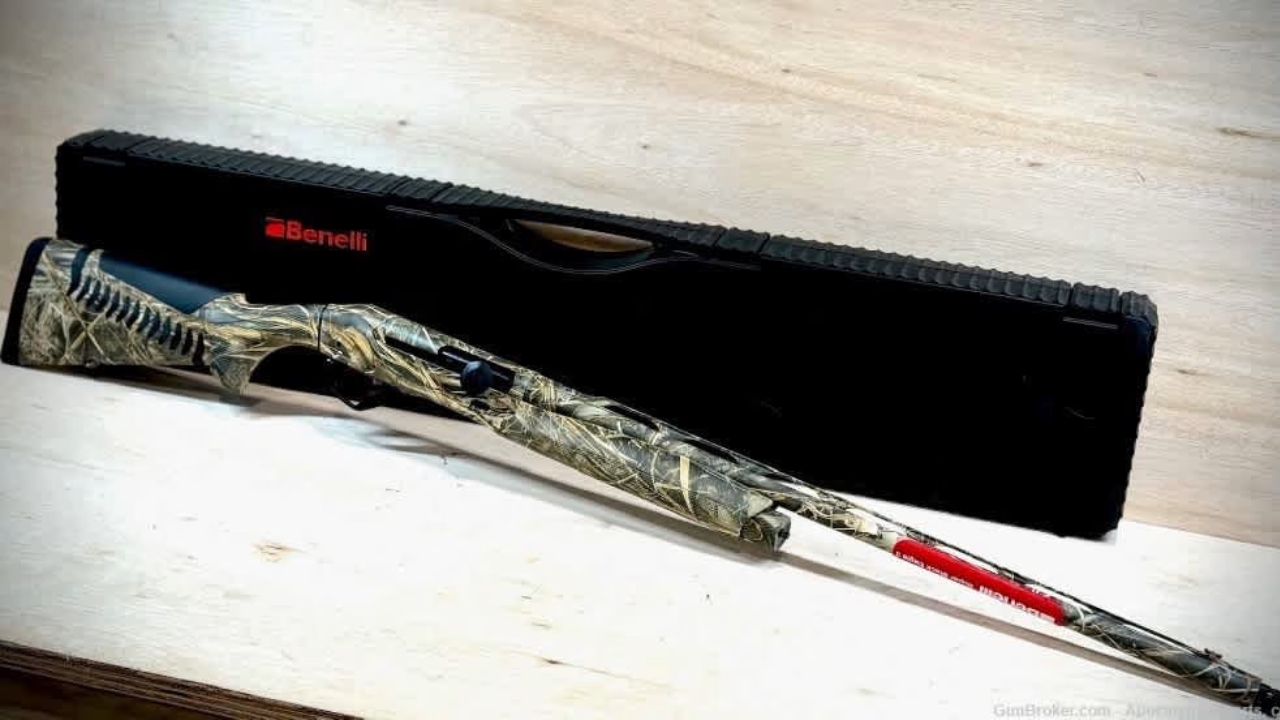
The Super Black Eagle became one of the most recognizable premium waterfowl shotguns because it filled a real need. Hunters wanted a semi-auto that could handle harsh weather, heavy loads, and long seasons without acting fragile. The SBE line gave them that, especially with its 3½-inch capability and field-ready identity. Benelli’s current Super Black Eagle 3 series is still marketed around handling everything from light target loads to 3½-inch magnums with inertia-driven reliability and field durability.
That is why the SBE became more than a gun. It became one of those shotguns people notice in a duck blind. Some of that is brand image, sure, but the image came from years of hunters trusting the gun in awful conditions. A shotgun that works in a warm, dry range bay is one thing. A shotgun that works after boat rides, wet dogs, freezing mornings, and muddy blinds earns a different level of loyalty.
Benelli Understood Waterfowl Hunters Abuse Their Gear
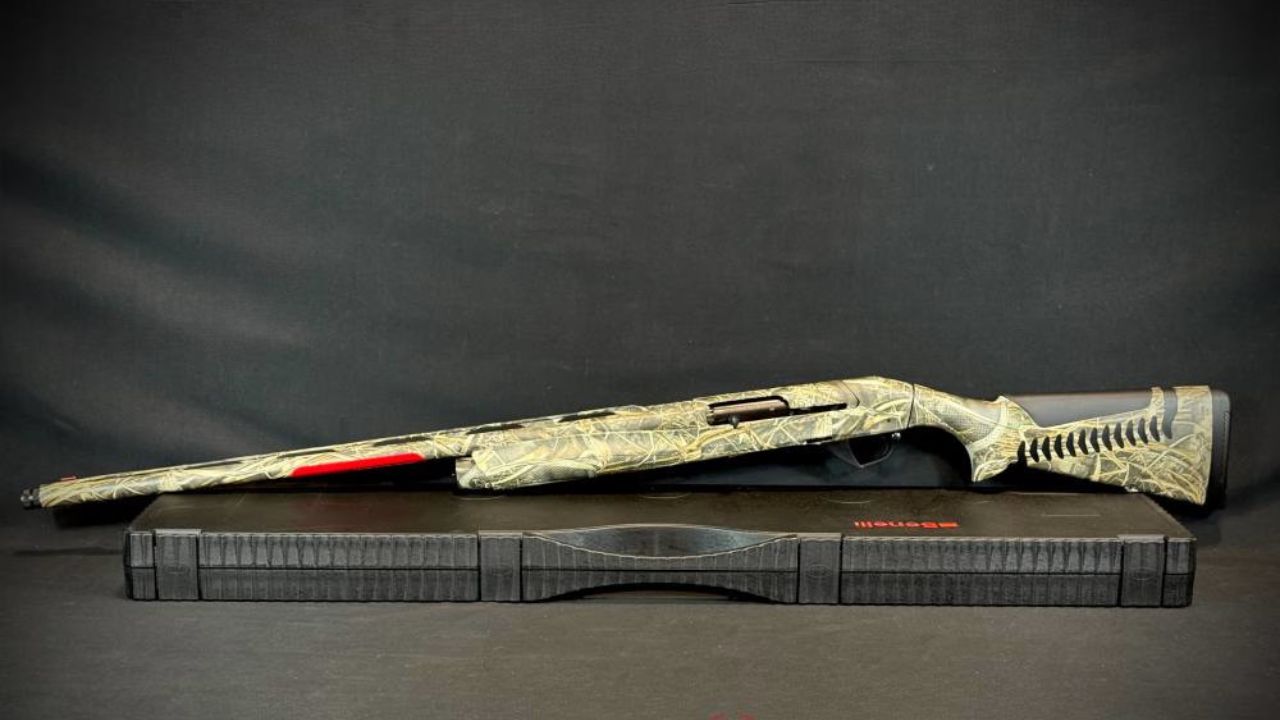
Waterfowl hunters are hard on shotguns. There is no way around it. Guns get wet, bumped against boats, laid across blinds, dragged through brush, splashed with mud, and exposed to cold weather. Benelli understood that market and built guns with that abuse in mind. Synthetic stocks, camo finishes, corrosion-resistant parts, and simple operating systems all made sense for hunters who were not interested in babying a shotgun.
That helped Benelli justify the price. A waterfowl gun is not bought for gentle weekends. It is bought for long seasons where failure ruins the hunt. A cheaper shotgun may work fine for casual use, but a serious duck hunter tends to remember every malfunction. Benelli earned trust by giving that crowd shotguns they could run in ugly places. The company understood that waterfowl hunters do not need pampering. They need gear that keeps working when everything else is soaked.
Benelli Made Lightweight Semi-Autos Feel Premium

Inertia guns tend to avoid the extra gas-system weight found in many gas-operated semi-autos. That helped Benelli build shotguns that feel lively and quick in the hands. For upland hunters and anyone covering ground all day, that matters. A shotgun that feels fine at the truck can feel like a fence post after miles of walking.
Benelli used that advantage well. The brand made semi-autos that carried easier without feeling cheap or flimsy. That helped it appeal to hunters who wanted a premium shotgun but did not want to lug around unnecessary weight. A lighter shotgun can kick more, especially with heavy loads, but for upland work and active hunting, the carry advantage is real. Benelli figured out that premium does not always have to mean heavy.
Benelli Kept Its Guns Fast-Handling

Benelli shotguns often have a quick, lively feel. That has been a huge part of the brand’s appeal. A shotgun is not aimed the same way a rifle is aimed. It has to mount naturally, move cleanly, and keep up with birds that do not care whether the shooter is ready. Benelli leaned into that kind of handling, especially in hunting models built for upland birds, waterfowl, and fast shots.
That speed helps buyers feel the difference. A shotgun can have every impressive feature on paper and still feel dead in the hands. Benelli’s best guns tend to feel alive. They come up fast, swing well, and cycle quickly. That is part of why people pay more. They are not only buying reliability. They are buying the way the shotgun moves when a bird flushes or a flock drops into range.
The M2 Became a Hard-Use Favorite
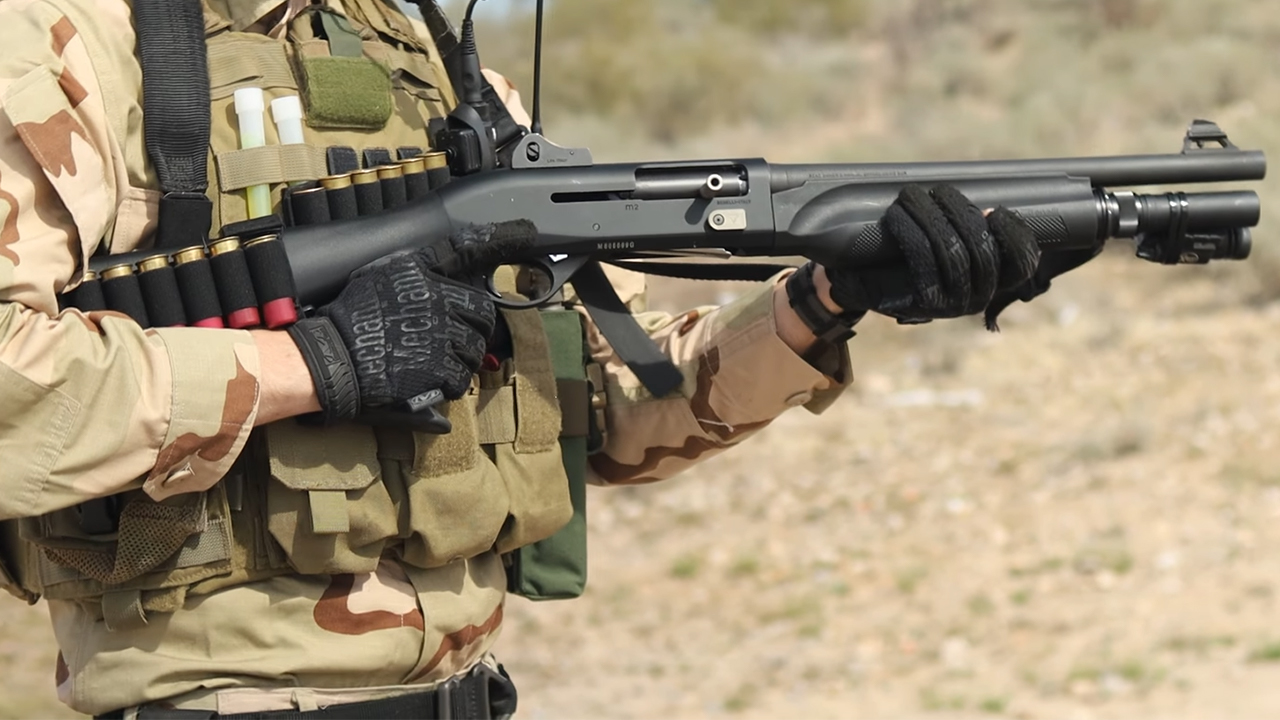
The Benelli M2 became one of those shotguns that serious users kept recommending because it hit a strong middle ground. It was lighter and simpler than many gas guns, proven enough for defensive and field use, and available in configurations that made sense for hunters, tactical users, and competition shooters. It did not need the full 3½-inch identity of the Super Black Eagle to earn respect. It won people over by being practical.
The M2 also helped Benelli spread beyond one hunting crowd. A shotgun buyer could see it as a field gun, a 3-gun platform, or a defensive semi-auto depending on the setup. That flexibility helped build trust in the whole brand. When one basic platform can serve several serious uses, buyers start to believe the company knows what it is doing. The M2 became one of Benelli’s clearest examples of a premium gun that still feels like a working tool.
The M4 Proved Benelli Could Build a Military Shotgun
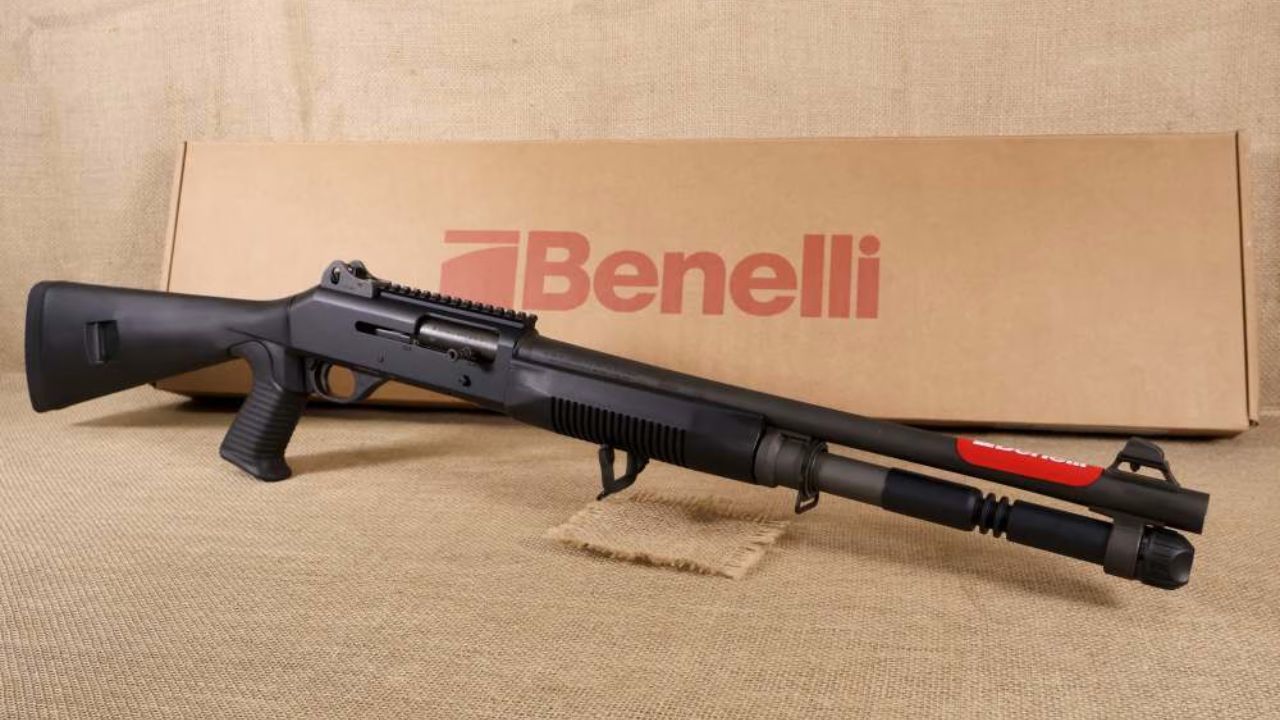
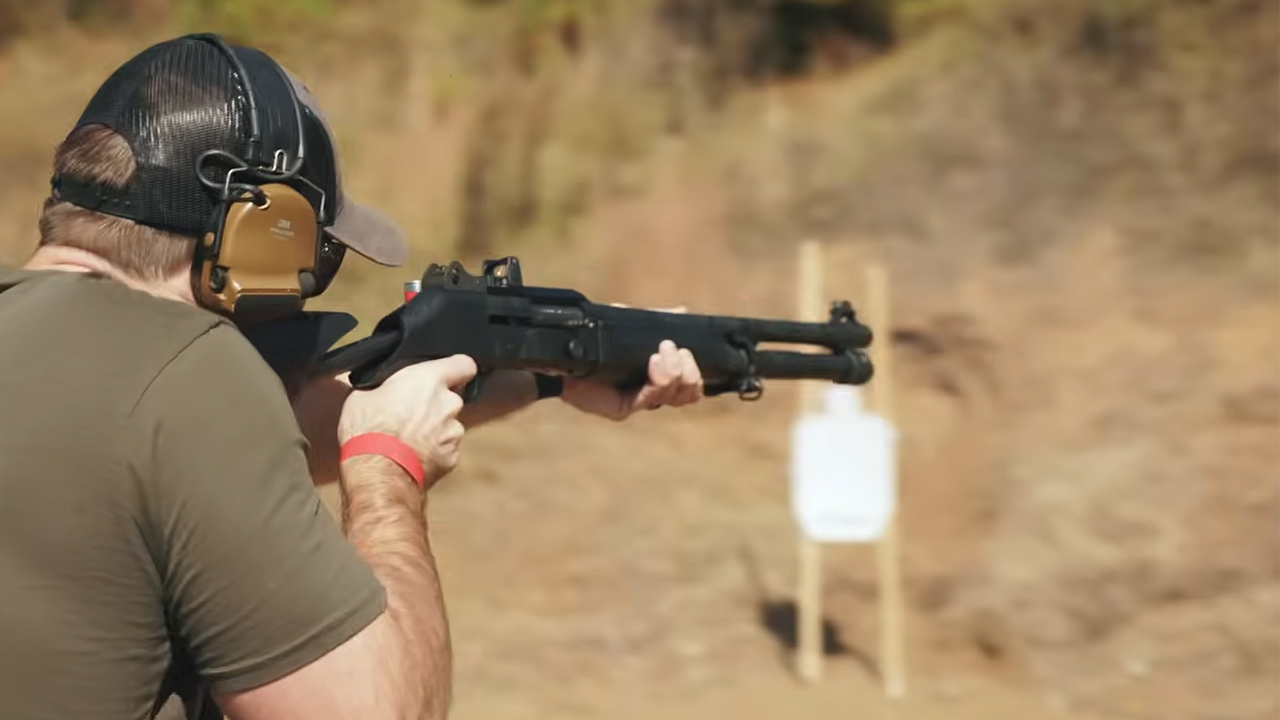
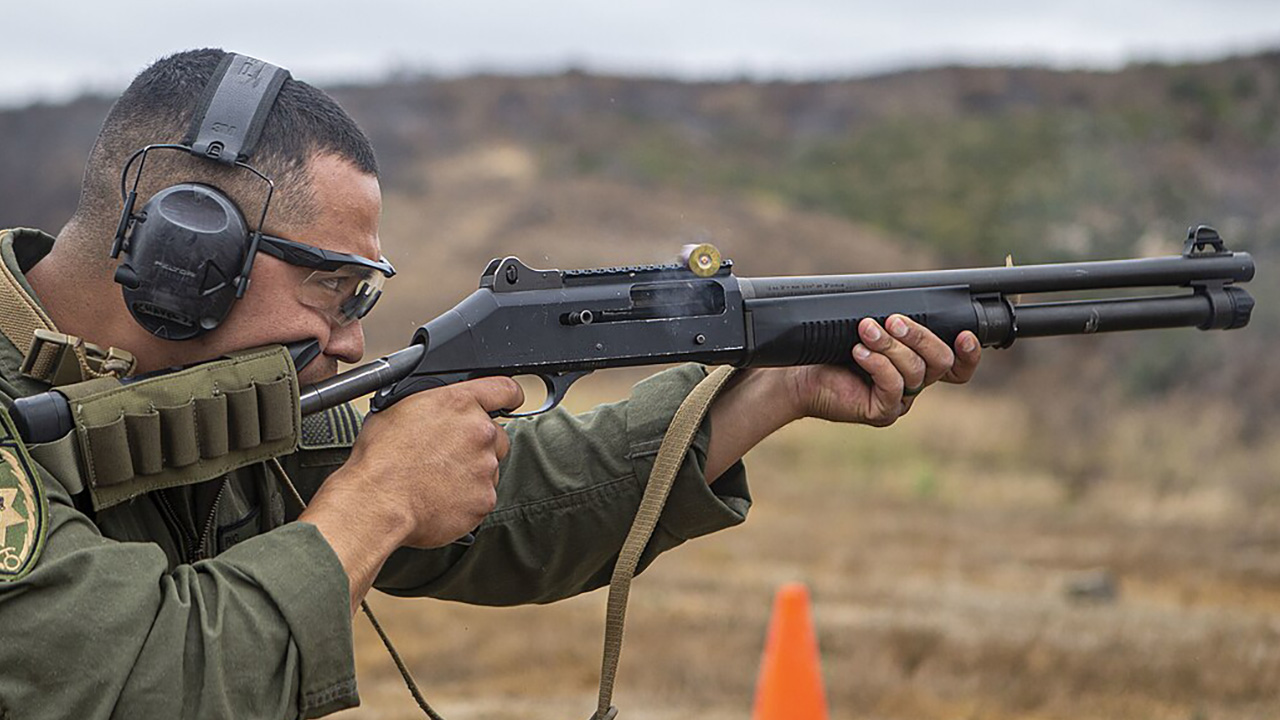
The Benelli M4 gave the brand a totally different kind of credibility. Unlike Benelli’s inertia-driven hunting shotguns, the M4 uses the Auto-Regulating Gas-Operated system. Benelli describes the civilian M1014 as a version of the shotgun used by the U.S. Marine Corps, with ghost-ring sights, a Picatinny rail, a skeletonized adjustable stock, and a MILSPEC finish.
That mattered because tactical shotgun buyers are skeptical for good reason. Semi-auto combat shotguns have to be reliable with serious loads and under rough use. The M4 showed Benelli could build beyond the hunting blind. It became one of the few semi-auto tactical shotguns with real military credibility, and that made the price easier for buyers to understand. A lot of people may never need an M4, but they respect what it represents.
Benelli Did Not Force One Operating System Across Every Gun
One smart thing Benelli did was avoid treating one system as the answer to everything. The company became famous for inertia guns, but the M4 uses the A.R.G.O. gas system because that application called for something different. Benelli describes the M4’s gas system as fast-cycling and ultrareliable, designed around tactical response and personal defense.
That flexibility matters. It shows Benelli was not simply married to a slogan. Inertia makes sense for many hunting shotguns because it stays cleaner and keeps weight down. Gas makes sense for the M4 because a tactical shotgun may need to cycle reliably with accessories, different loads, and military use requirements. Benelli chose the system that fit the job. Serious shotgun buyers respect that kind of thinking.
Benelli Made Recoil Reduction Part of the Premium Feel
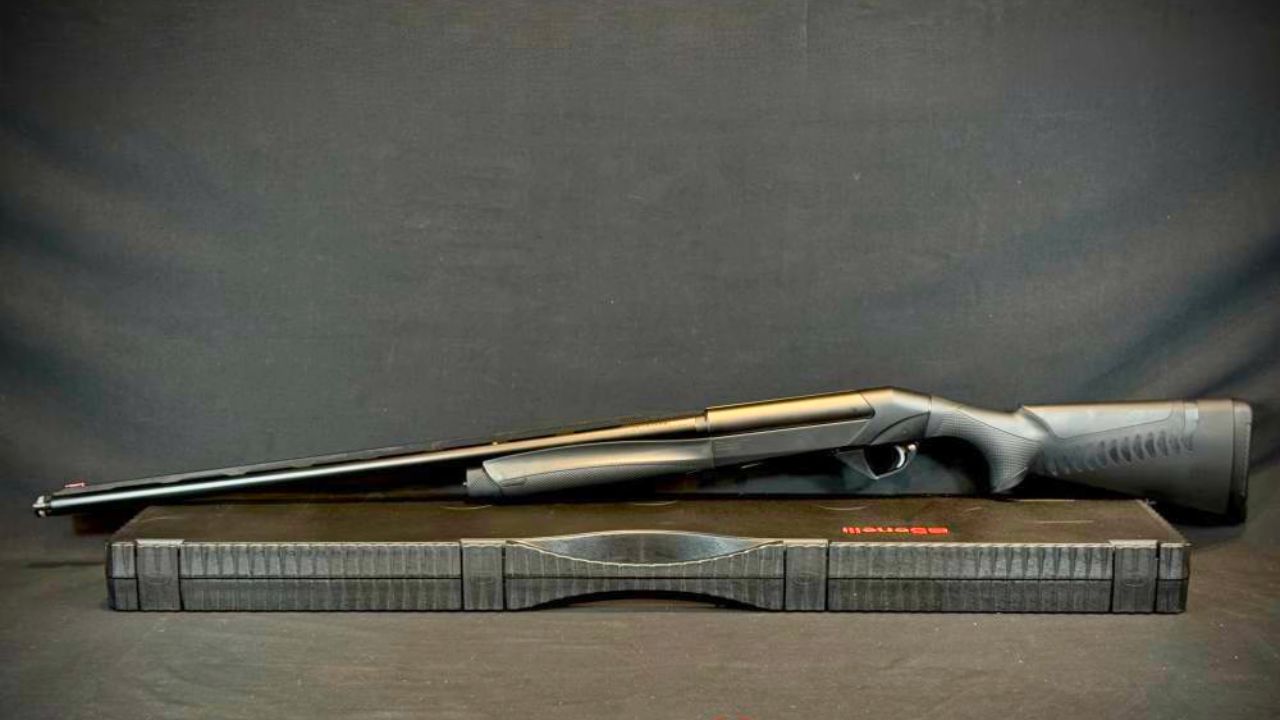
Inertia guns can have a sharper recoil feel than some gas guns, especially with heavier loads. Benelli knew it had to address that. Systems like ComforTech and stock designs aimed at reducing felt recoil helped make hard-use hunting guns easier to live with. Benelli’s Super Black Eagle 3 materials highlight advanced recoil reduction alongside inertia reliability and field durability.
That matters because a shotgun can be reliable and still unpleasant. Heavy turkey loads, waterfowl magnums, and long clay sessions can beat up a shooter fast. Benelli’s recoil-management work helped the brand feel less like it was asking buyers to accept punishment in exchange for reliability. It made the guns more comfortable while keeping the fast, clean-running character people liked.
Benelli Built Turkey Guns That Felt Purpose-Made
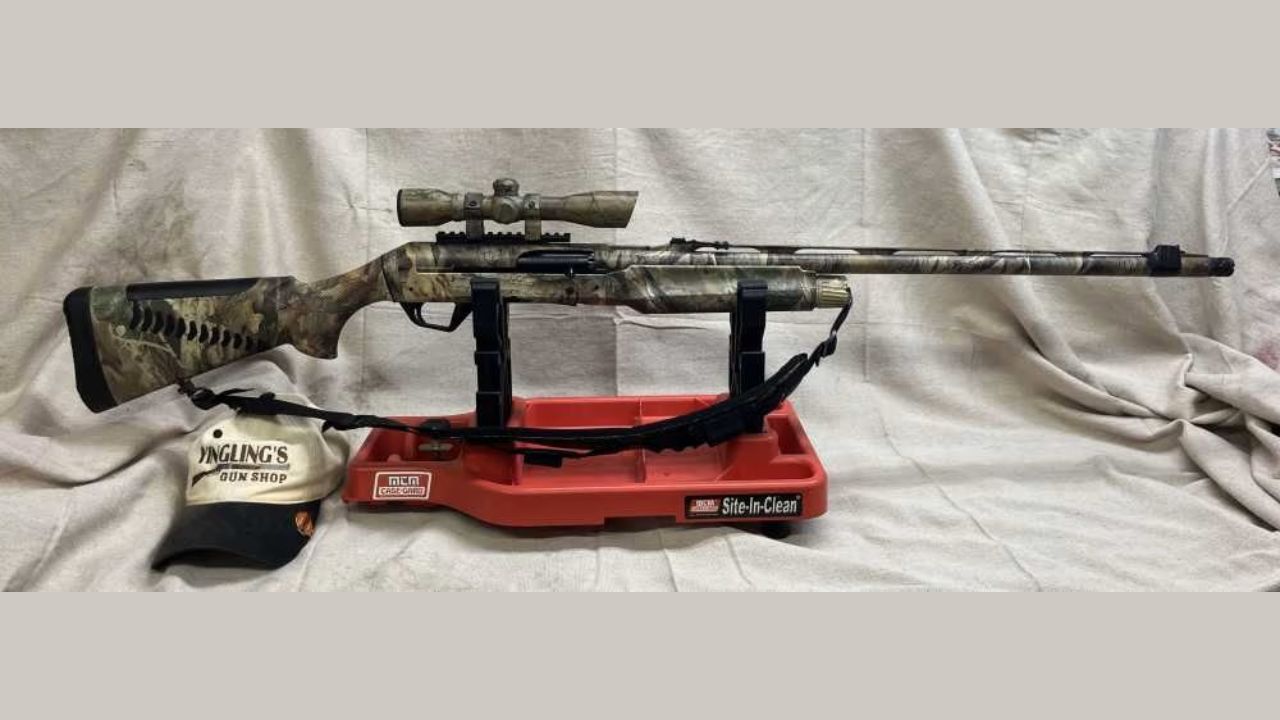
Turkey hunters are picky in their own way. They want tight patterns, manageable length, good camo, optic options, and a shotgun that can handle heavy loads from awkward seated positions. Benelli leaned into that market with dedicated turkey configurations instead of expecting hunters to make a generic shotgun work. That helped the brand become trusted by people who take spring gobblers seriously.
A turkey gun does not have to be beautiful. It has to pattern well, carry easily, and be easy to aim when a gobbler finally steps into a shooting lane. Benelli understood that. Shorter barrels, camo finishes, recoil reduction, and modern sighting options all made sense. For hunters already spending money on calls, blinds, shells, optics, and travel, a shotgun that feels built for the job can justify a higher price.
Benelli Kept Upland Hunters in the Conversation
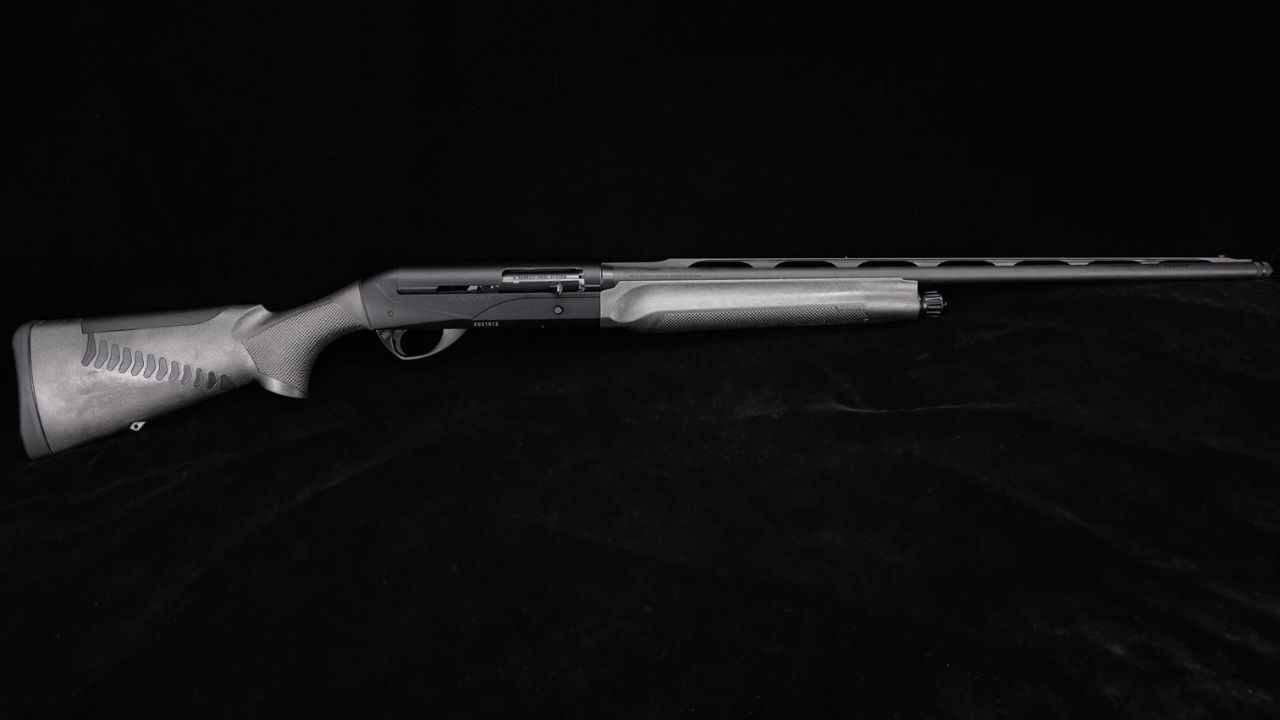
Benelli did not focus only on duck blinds and tactical shotguns. The brand also kept upland hunters in the conversation with lighter, fast-handling guns built for walking. The ETHOS line is a good example. Benelli describes the ETHOS as an elegant semi-automatic shotgun built around its time-tested Inertia Driven System, with refinement, easy maintenance, and a focus on upland performance.
That matters because upland hunters care about different things than waterfowl hunters. They may prioritize carry weight, balance, quick mounting, and how the gun feels after miles behind dogs. Benelli’s inertia guns fit that lane well because they can be light and clean-running. The company gave upland hunters shotguns that felt premium without being too precious for the field.
Benelli Made Premium Shotguns Feel Like Working Guns
Some expensive shotguns feel like they belong in a case more than a blind. Benelli found a way to make premium shotguns feel usable. That is one of the biggest reasons buyers trust the price. The guns may cost more, but they do not usually feel like fragile status pieces. They feel like tools built with better materials, better engineering, and a stronger reputation.
That is a hard line to walk. If a shotgun is expensive but too pretty to use, many hunters will leave it home. If it is practical but feels cheap, they will not pay premium money. Benelli’s best guns sit in the middle. They cost enough to make a buyer pause, but they still feel ready to hunt. That combination is why the brand has stayed strong with people who actually shoot their guns.
Benelli Built a Brand Around Confidence
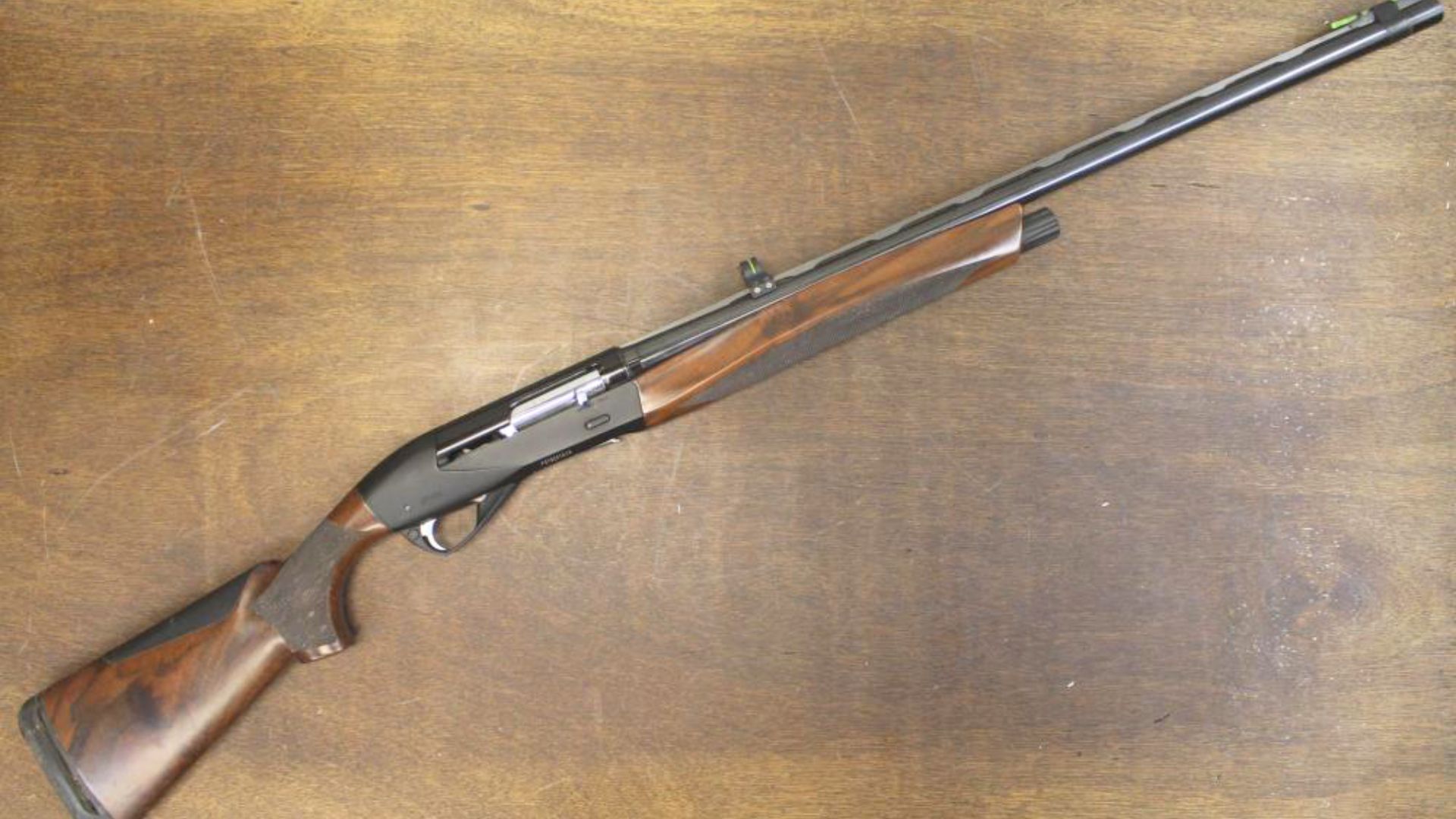
A lot of Benelli’s price comes down to confidence. When someone buys an SBE, M2, M4, or ETHOS, they are paying partly for the belief that the gun will work when the hunt, match, or defensive setup matters. That confidence was built through years of field use, not just advertising. Hunters talked. Guides talked. Clay shooters talked. Tactical shotgun guys talked. Over time, the brand earned a reputation that made the price easier to accept.
That does not mean every Benelli is perfect or that every shooter needs one. Plenty of less expensive shotguns work well. But Benelli gave buyers a clear reason to spend more: clean operation, fast handling, strong reliability, proven models, and a premium feel that still belongs in the field. That is why people keep paying. They are not only buying a shotgun. They are buying fewer doubts.
Benelli Made the Price Feel Tied to Performance
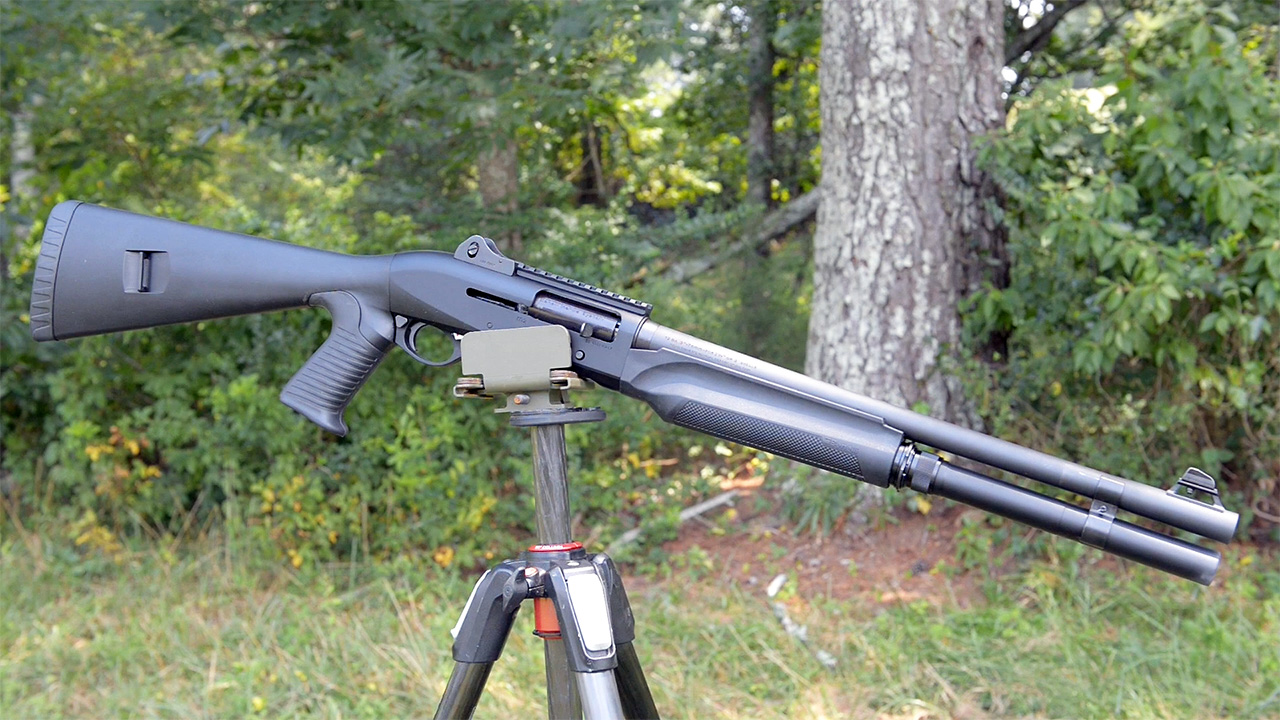
The biggest thing Benelli got right was connecting its price to something buyers could feel. The action feels fast. The gun carries well. The system stays cleaner. The M4 has real military credibility. The SBE has waterfowl credibility. The ETHOS has upland appeal. The M2 has hard-use flexibility. Those are specific reasons, not vague luxury talk.
That is why shotgun buyers trust the price. Benelli may not be the right answer for every hunter or shooter, but the brand has made a strong case for itself. It built shotguns that work hard, handle well, and make sense for people who demand more than basic function. When a shotgun costs that much, it has to prove itself. Benelli’s best models have done exactly that.
Like The Avid Outdoorsman’s content? Subscribe to our newsletter so you never miss an article.
Here’s more from us: