Photo credit: EAA Corp.
The newest crop of handguns arriving this year is not just a list of fresh model numbers, it is a snapshot of where the market is heading on capacity, optics integration, and carry-focused ergonomics. From double-stack 1911-style pistols to stretched-out micro-compacts and a major generational leap from one of the biggest names in polymer pistols, the latest releases show manufacturers racing to blend performance with everyday practicality. I will walk through the standout designs, what problems they are trying to solve, and how they fit into the broader evolution of modern sidearms.
The big trends shaping this year’s handgun releases
The most striking pattern in this year’s handgun lineup is how thoroughly the industry has embraced higher capacity in compact frames. Where a single-stack 9 mm once defined “easy to carry,” many of the newest pistols now deliver double-stack magazines, extended grip options, and controllable recoil in packages that still fit inside a typical concealment holster. I see that shift reflected in double-stack M1911-style designs and in striker-fired platforms that stretch slide and barrel length for better shootability while keeping the grip slim enough for daily carry.
At the same time, optics readiness has gone from a premium add-on to a baseline expectation. New models are routinely cut for micro red dots, and several of the latest introductions are engineered around today’s most common red-dot footprints rather than treating optics as an afterthought. That is especially clear in the way manufacturers describe their mounting plates and slide cuts, which are now marketed as core features rather than accessories. Across the board, the new releases show a market that assumes the buyer wants more rounds, a red dot, and a gun that can move from concealed carry to range work without compromise.
Double-stack 1911-style pistols and the rise of the Witness2311 Brat
One of the clearest examples of the capacity trend is the surge of double-stack 1911-style pistols that try to merge classic ergonomics with modern firepower. European American Armory Corp has leaned into this space with a family of M1911-inspired designs that use wider magazines and updated frames to deliver more rounds without abandoning the familiar single-action trigger and grip angle. That strategy is not theoretical; it shows up in specific models that are built to appeal to shooters who want the feel of a traditional 1911 but the capacity of a contemporary service pistol.
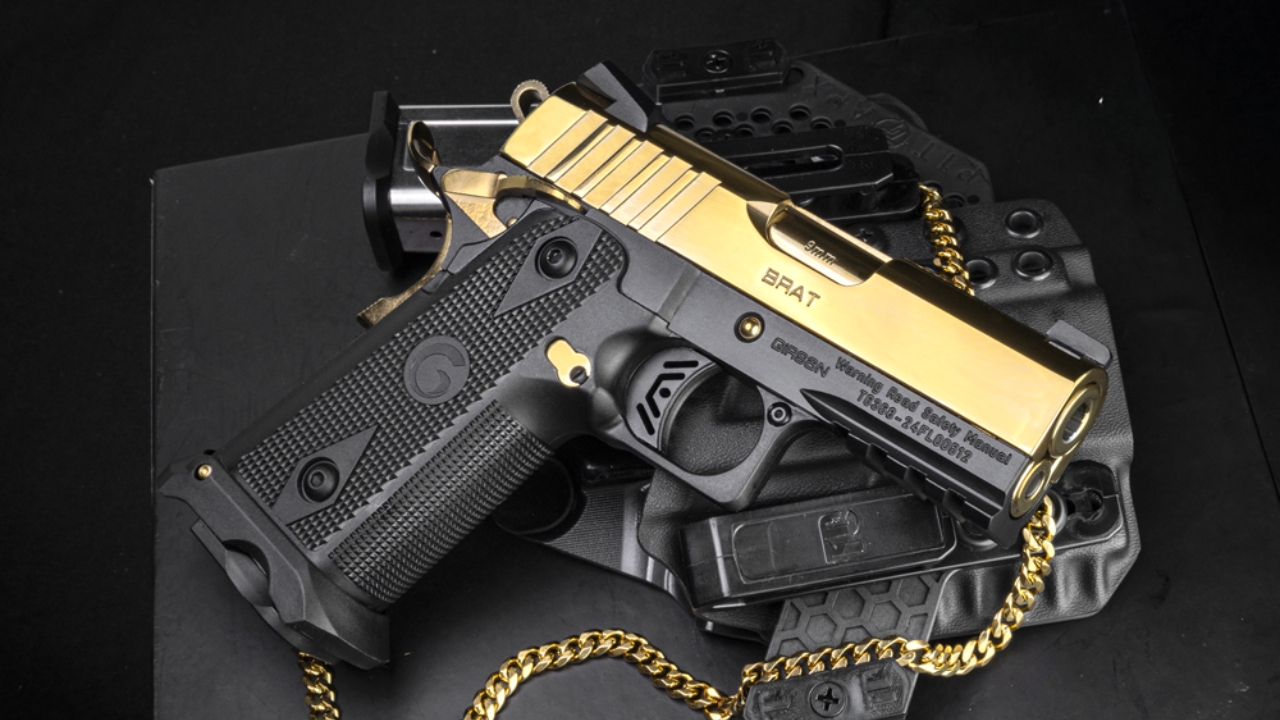
Within that push, the EAA Girsan Witness2311 Brat stands out as a compact, double-stack handgun that visually redefines what a small 1911-style pistol can look like while still delivering the performance that category promises. Reporting on EAA Corp notes that European American Armory Corp has committed heavily to this double-stack M1911-style handgun market, and the Brat is a direct expression of that commitment. In parallel coverage of EAA Girsan Witness2311 Brat models, the pistol is described as a compact, double-stack design that uses its distinctive styling to stand out in a crowded field while still delivering the capacity and shootability that have made the 2011-style format so popular.
SHOT Show 2025 and the broader Witness2311 ecosystem
Looking beyond a single model, the broader Witness2311 ecosystem shows how one platform can be stretched to cover multiple roles. At SHOT Show 2025, coverage highlighted how European American Armory Girsan Witness pistols are being offered in configurations that support optics, different barrel lengths, and varied capacities, all built around the same core architecture. That approach lets a shooter pick a compact carry version, a competition-ready variant, or something in between without leaving the family of controls and ergonomics they already know.
The SHOT Show reporting also underscores how these pistols are being positioned as durable, optics-ready tools rather than niche curiosities. Descriptions of the European American Armory Girsan Witness line emphasize robust slide cuts and mounting systems designed to hold a red-dot optic securely, ensuring durability and reliability even under heavy use. In that context, the Witness2311 Brat is not an isolated experiment but part of a coordinated push that was showcased in detail in coverage of SHOT Show, where the emphasis fell on how these pistols integrate modern optics and high-capacity magazines into a familiar manual of arms.
Canik’s expanding footprint and the Mete MC9L family
Another major storyline in this year’s handgun releases is the continued rise of Canik as a serious player in the striker-fired market. Until recently Canik only imported from Turkey via Century Arms, but that earlier phase has given way to a more ambitious strategy that includes a wider range of models and a stronger presence at major trade events. The brand’s trajectory shows how a company that started as an importer can evolve into a recognized name among competitive shooters and concealed carriers alike.
At SHOT Show 2025, that evolution was visible in the Canik Mete MC9L and MC9LS, which extend the company’s micro-compact Mete line into longer-slide territory for improved sight radius and recoil control. These pistols are described as part of a broader push in which Canik continues its rise by offering optics-ready slides, upgraded triggers, and configurations that appeal to both range-focused shooters and those who carry daily. The official rundown of New Handguns Coming in 2025 explicitly notes Canik and explains that, until that recent expansion, Canik only imported from Turkey via Century Arms, which makes the current breadth of the Mete lineup a notable shift in strategy.
Polymer workhorses and the sixth Generation of GLOCK pistols
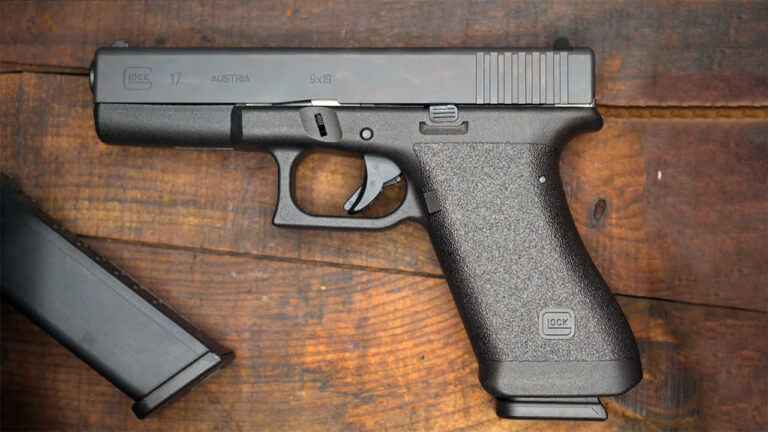
While new brands and hybrid designs grab attention, one of the most consequential developments this year is a generational leap from one of the dominant names in polymer pistols. GLOCK, Inc officially announced the 6th Generation of GLOCK pistols, signaling that the company sees enough accumulated changes in ergonomics, internals, and user expectations to justify a new baseline. For shooters who have lived through earlier transitions, from Gen3 to Gen4 and then to Gen5, a new generation suggests meaningful updates rather than minor cosmetic tweaks.
The announcement from SMYRNA, GA describes how the Gen6 line of pistols refines the platform while keeping the core identity intact, including a Gen6 model chambered in 9 mm Luger that anchors the lineup. The language around this launch emphasizes that GLOCK, Inc is not abandoning its established formula but is instead iterating on it to meet current demands for improved grip texture, optics compatibility, and modularity. The official Generation of GLOCK announcement from SMYRNA details the Gen6 line and confirms that the new pistols are chambered in 9 mm Luger among other calibers, underscoring how central that cartridge remains to the company’s strategy.
Optics-ready slides and red-dot footprints as standard equipment
Across the newest handgun releases, optics-ready slides are no longer a niche feature reserved for competition models. Manufacturers are cutting slides at the factory to accept micro red dots, and they are doing so with specific attention to the most common mounting patterns on the market. That shift reflects the reality that many buyers now expect to mount a red dot on a carry gun, not just a range toy, and they want a pistol that can accept that optic without a trip to the gunsmith.
One clear example comes from the way Springfield Armory 1911 DS Prodigy pistols are described as being compatible with today’s red-dot footprints, a detail that shows how even 1911-style platforms are being engineered around optics from the outset. Reporting on Springfield Armory 1911 DS Prodigy models notes that they are built to accept a range of modern red dots, which aligns them with the broader industry move toward slide cuts and plate systems that match the most popular footprints. In practice, that means a shooter can choose from several leading optics brands and expect a straightforward installation, rather than hunting for proprietary solutions.
Micro-compacts, extended slides, and the push for shootability
Another defining theme in this year’s handgun crop is the way manufacturers are stretching micro-compacts into longer-slide variants to improve shootability without sacrificing concealment. The Canik Mete MC9L and MC9LS are prime examples, taking a micro-compact grip profile and pairing it with extended slides and barrels that offer a longer sight radius and more controllable recoil. That formula acknowledges that many carriers want a gun that hides easily but still feels stable and predictable during rapid strings of fire.
Coverage of new handguns for 2025 also highlights how several manufacturers are refining grip geometry, texture, and undercut trigger guards to make small guns feel less punishing in the hand. Reports on new handguns
Price points, value, and how manufacturers are positioning new models
Beyond features, the way these handguns are priced and positioned tells its own story about the market. Manufacturers are clearly segmenting their offerings so that a buyer can choose between entry-level polymer pistols, mid-tier optics-ready models, and premium double-stack 1911-style guns without leaving a given brand. That tiered approach lets companies capture new shooters with more affordable options while still offering aspirational models for enthusiasts who are willing to pay for upgraded triggers, finishes, and match-grade barrels.
Within that structure, specific models like the Girsan Witness 2311 Brat are given suggested retail prices that place them in reach of buyers who might otherwise default to a more traditional polymer pistol. The official rundown of The Girsan Witness 2311 Brat notes its SRP at $679, a figure that positions it as a competitively priced entry into the double-stack 1911-style category. That pricing strategy suggests that manufacturers see real demand for higher-capacity, optics-ready pistols that still come in under the cost of many custom or semi-custom 2011-style guns, and they are tuning their lineups accordingly.
How to choose among the newest releases
For anyone trying to navigate this wave of new handguns, the first step is to match the pistol’s design priorities to your own needs. If capacity and a familiar single-action trigger are at the top of the list, double-stack 1911-style pistols like the EAA Girsan Witness2311 Brat or Springfield Armory 1911 DS Prodigy variants offer a compelling blend of old and new. If you prefer a simpler manual of arms and lower maintenance, the latest striker-fired designs from brands like Canik and GLOCK, Inc may be a better fit, especially now that the Gen6 line and Mete MC9L family bring optics-ready features and refined ergonomics into the mainstream.
It is also worth weighing how much you value factory optics cuts, accessory rails, and modular grip options, since those features can save money and hassle over the life of the gun. Reports on new handguns for 2025, on the EAA Girsan Witness2311 Brat, on Canik, on the Gen6 line from GLOCK, Inc, on European American Armory Corp, and on Canik Mete models at SHOT Show all point to a market where those features are increasingly standard, not optional. In practical terms, that means buyers have more freedom than ever to pick a handgun that fits their hand, supports their preferred optic, and matches their budget, all while benefiting from the rapid innovation that has defined this year’s releases.
Like The Avid Outdoorsman’s content? Subscribe to our newsletter so you never miss an article.
Here’s more from us: