
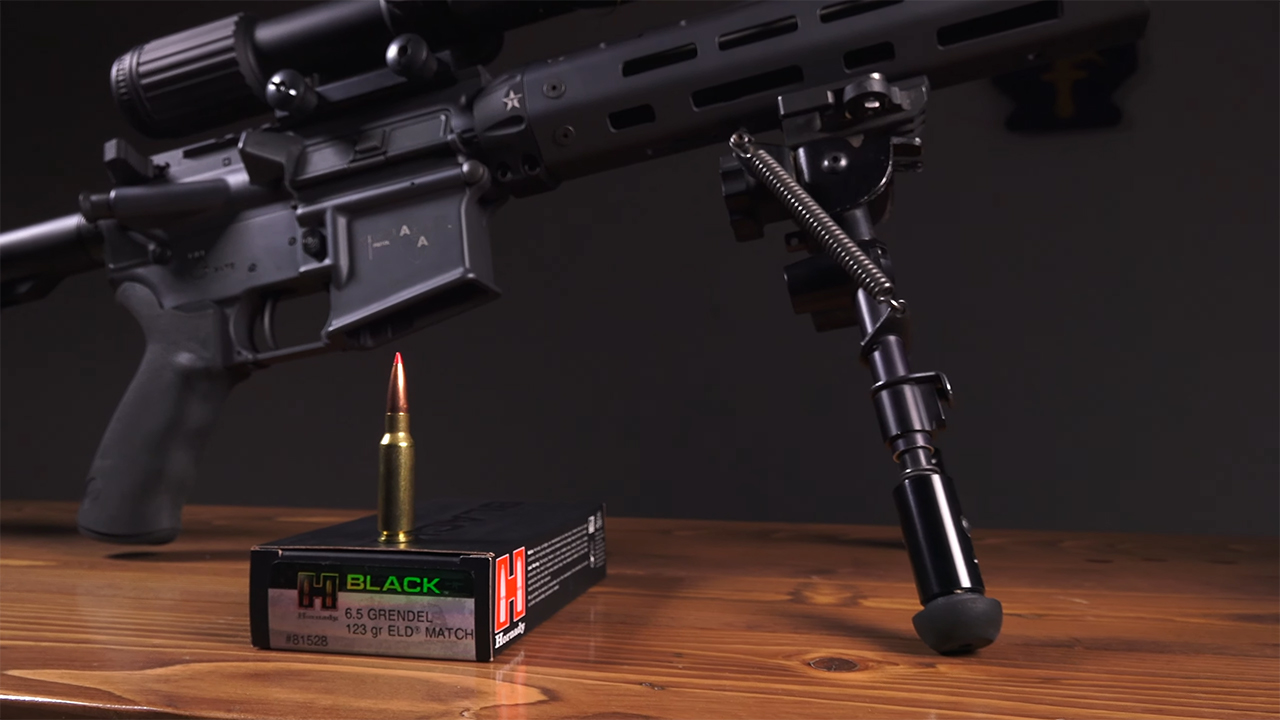
Photo credit: SpeedLoads/Youtube
Some rifle cartridges get respected immediately. They’re loud, fast, heavy, or tied to a long list of hunting stories, so nobody questions whether they can get the job done. Others never get that same treatment. They get labeled light, old-fashioned, too mild, too niche, or just not exciting enough to take seriously.
That’s where experience starts separating reputation from reality. Plenty of cartridges hit harder in the field than people expect, especially when they’re paired with the right rifle, the right bullet, and realistic hunting distances. These aren’t magic rounds, and they all have limits. But they’ve earned more respect than their reputation usually gives them.
.243 Winchester
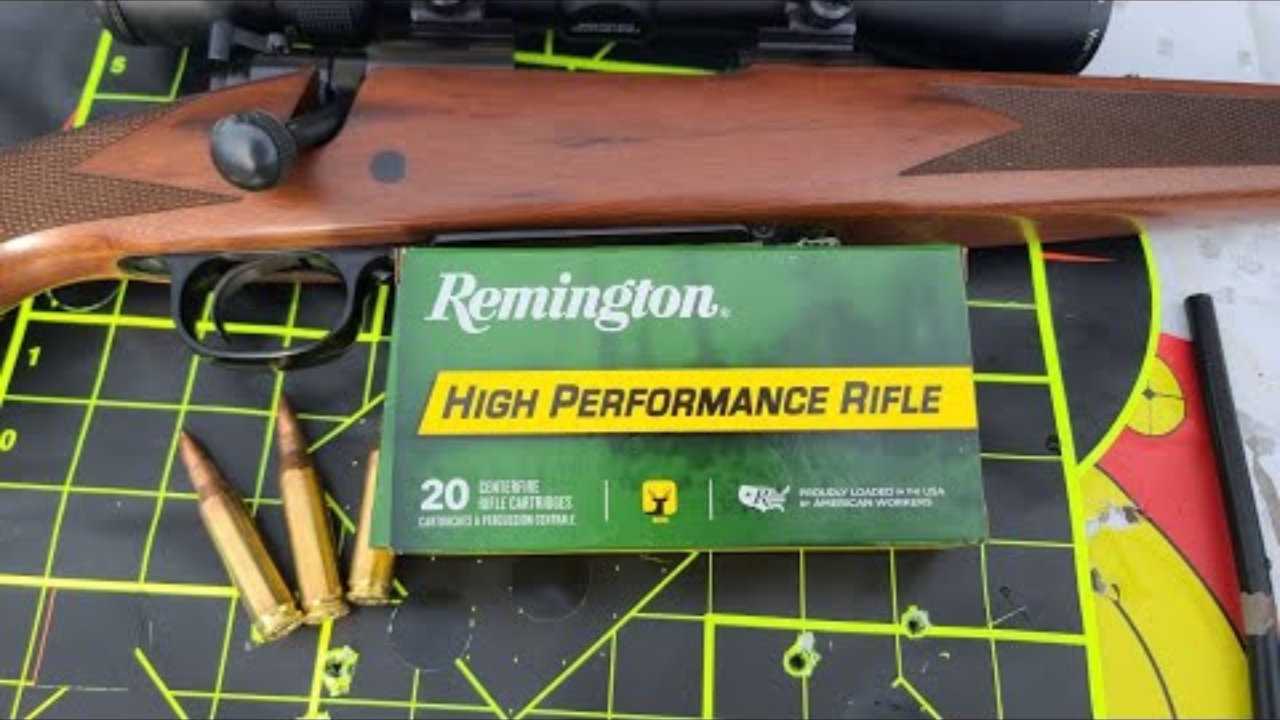
The .243 Winchester gets underestimated because a lot of shooters see it as a youth cartridge or a soft-shooting starter round. It’s true that recoil is mild, and that’s one of its biggest strengths. But that low recoil has caused some hunters to forget how effective the cartridge can be with proper bullets and proper shot placement.
With the right load, the .243 has taken a lot of deer cleanly over the years. It gives hunters a flat enough trajectory for practical field work and recoil mild enough for careful shooting, which matters more than people like to admit. A cartridge does not need to punish the shooter to be effective. The .243 often hits harder on game than people expect because accurate bullet placement is easier when the rifle is pleasant to shoot.
6.5 Grendel
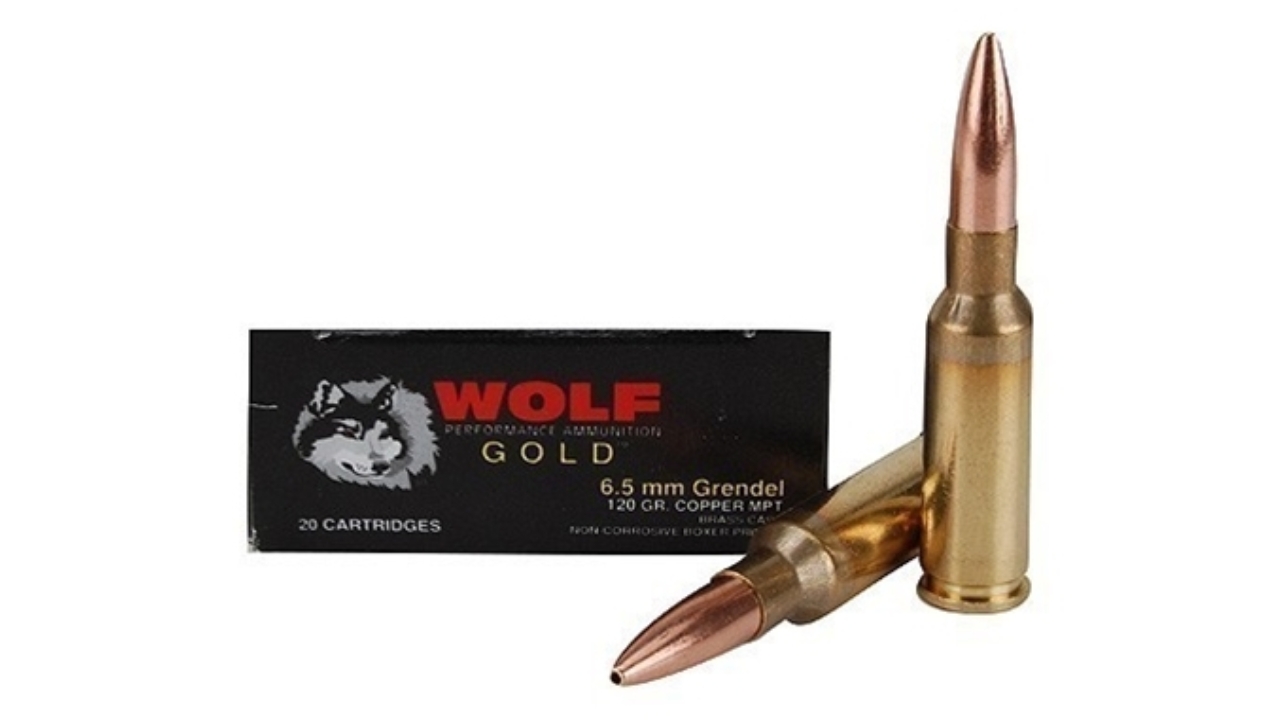
The 6.5 Grendel is one of those cartridges people dismiss because it came out of the AR-15 world. A lot of shooters assume it’s a niche paper-punching or compact-platform round and not much more. That overlooks what it actually does well.
Inside sane hunting distances, the Grendel carries its energy better than many people expect from such a compact cartridge. It’s especially useful for deer-sized game where legal and appropriate, and it handles hogs and predators very well with the right bullets. No, it’s not a magnum, and nobody should pretend otherwise. But for how manageable it is, the Grendel tends to hit with more authority than its small-frame reputation suggests.
7mm-08 Remington

The 7mm-08 Remington has spent years living in the shadow of louder cartridges. It doesn’t get the hype of some long-range favorites, and it doesn’t sound dramatic enough to impress people who shop with their ego first. That’s a shame, because this is one of the most balanced hunting cartridges around.
It gives hunters efficient 7mm bullet performance with manageable recoil and excellent real-world results on deer, hogs, and even larger game with appropriate loads. It’s easy to shoot well, easy to carry in compact rifles, and hard to fault in the field. The 7mm-08 doesn’t make much noise in the marketing world, but it hits harder on game than its quiet reputation suggests.
.257 Roberts
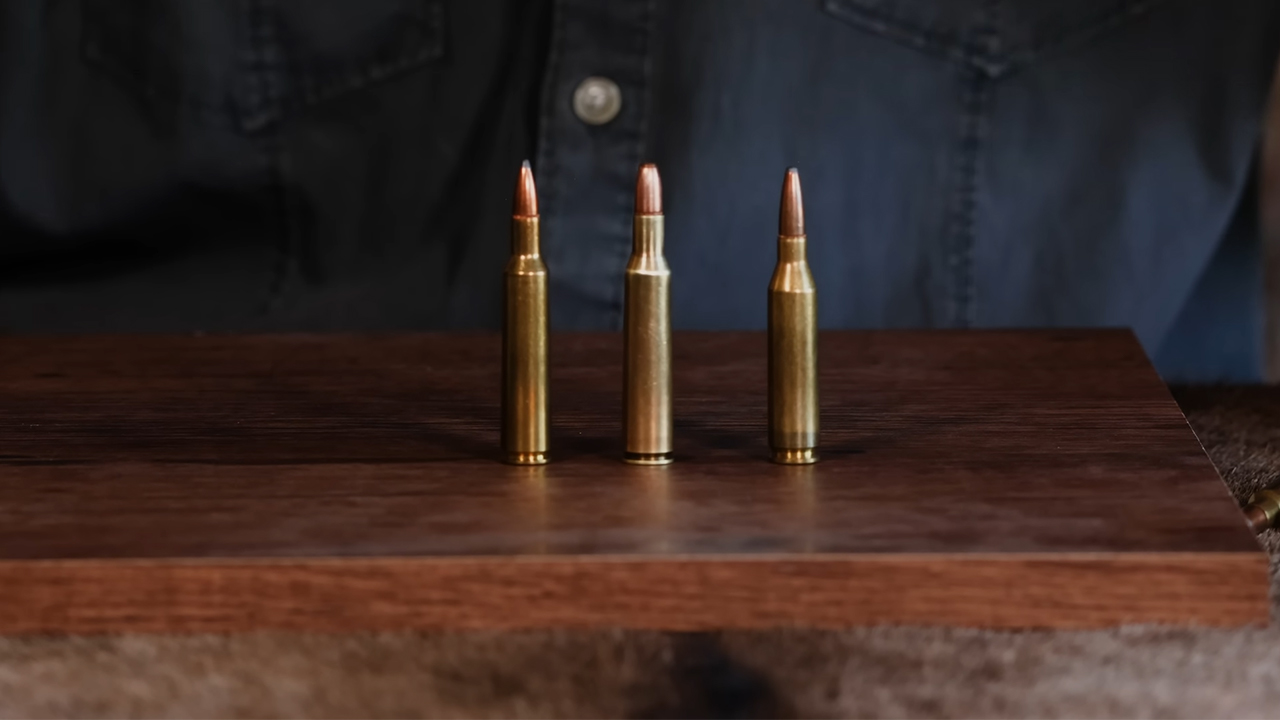
The .257 Roberts is one of those cartridges that gets overlooked simply because it feels old. It doesn’t show up in every store, it doesn’t get constant online praise, and it’s easy for newer hunters to assume modern options replaced it completely. That assumption sells it short.
The .257 Roberts offers mild recoil, good speed, and very useful field performance on deer-sized game with the right bullet. It’s one of those cartridges that rewards careful hunters who value shot placement and clean handling over raw numbers. It may not dominate the current conversation, but the Bob has a way of making people believers once they see what it can do in the woods.
.260 Remington
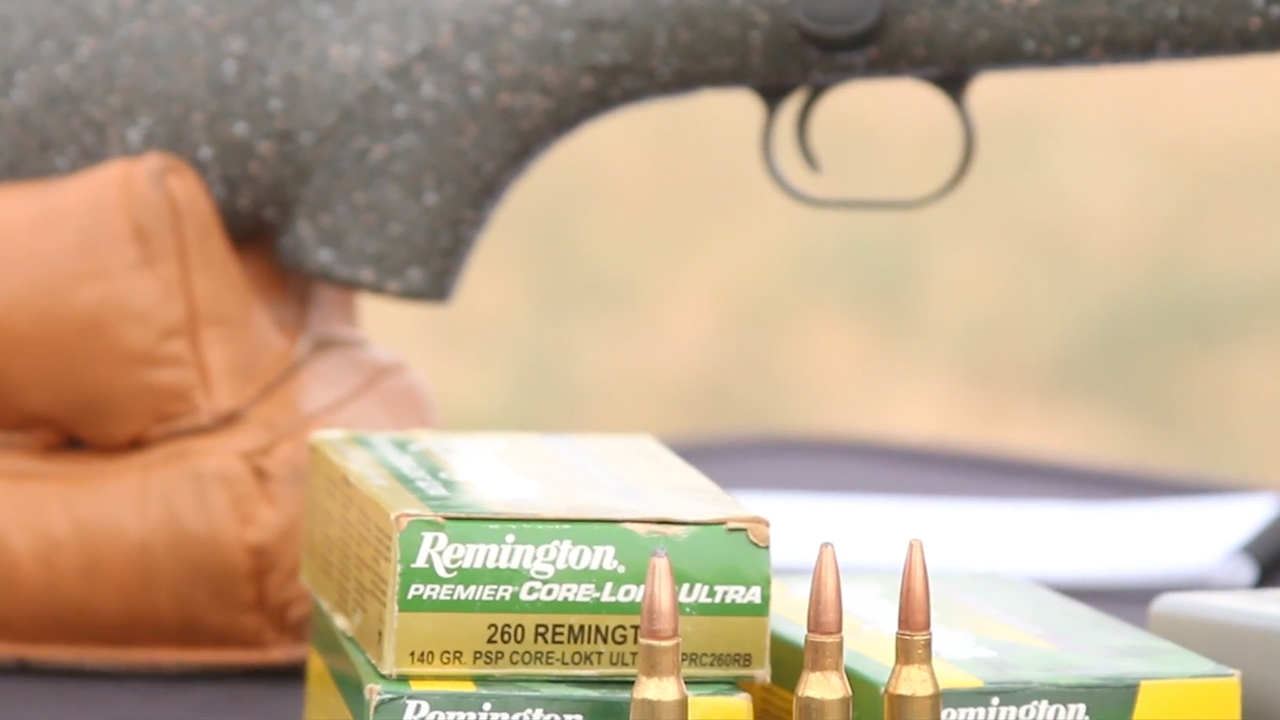
The .260 Remington deserved more love than it got. It often gets treated like the cartridge that lost the popularity contest to 6.5 Creedmoor, and that’s not entirely unfair from a market standpoint. But performance in the field is a different conversation.
The .260 throws excellent 6.5mm bullets with mild recoil and solid downrange efficiency. On deer, hogs, and similar game, it does exactly what experienced hunters want a practical all-around cartridge to do. It may not have won the marketing war, but it never lacked real capability. If anything, the .260 hits harder in actual use than its current reputation would suggest.
.300 Savage
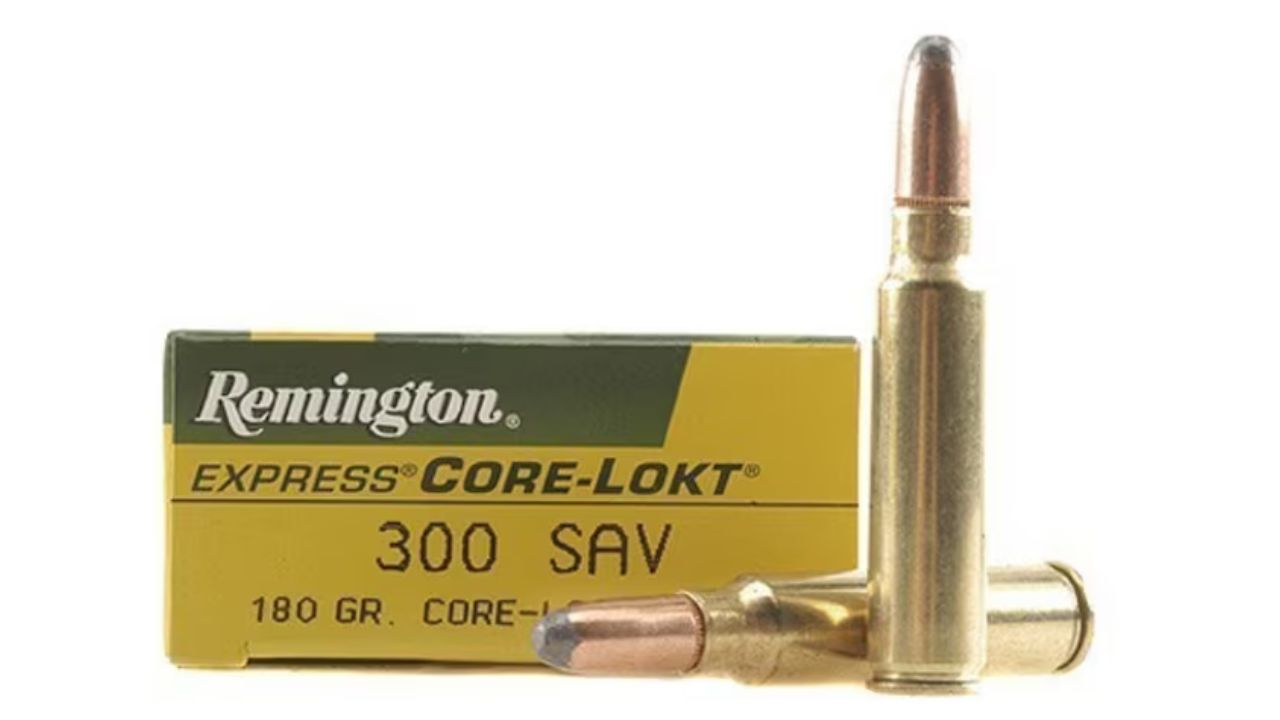
The .300 Savage gets underestimated because too many people think of it as just an older cartridge that got replaced by the .308 Winchester. There’s truth there historically, but that doesn’t mean the cartridge suddenly stopped working. In the field, it still makes a lot of sense.
The .300 Savage has taken a huge amount of deer over the years, and its reputation was earned honestly. It gives plenty of punch for normal deer-hunting distances, especially in handy rifles like the Savage 99. It may not have the reach or broad support of the .308 today, but in the woods it still hits with more authority than people expect from an “old” cartridge.
.30-30 Winchester

The .30-30 Winchester is probably one of the most misunderstood hunting cartridges in America now. Younger shooters sometimes hear about it like it’s outdated, weak, or only relevant if you’re being sentimental. That is not how deer, hogs, and black bears at practical woods distances see it.
Inside the ranges it was built for, the .30-30 still works. It hits with more authority than paper-ballistics comparisons often make people think, especially with modern bullet options. It isn’t a long-range cartridge, and that’s fine. The .30-30 earns respect because it does real work where a lot of actual hunting still happens.
.35 Remington

The .35 Remington gets underestimated for the same reason a lot of old woods cartridges do: it isn’t fast, flashy, or built for long-range bragging. But in thick cover, where shots are closer and impact matters, it has always made plenty of sense.
A good .35 Rem load hits with a kind of thump that people tend to remember. It’s especially appreciated by hunters who spend time in timber and want a cartridge that works well on deer and hogs without pretending to be something it isn’t. It’s not common everywhere, and ammo availability is a real consideration. But nobody who has watched it work in the woods questions whether it hits harder than its reputation suggests.
.358 Winchester
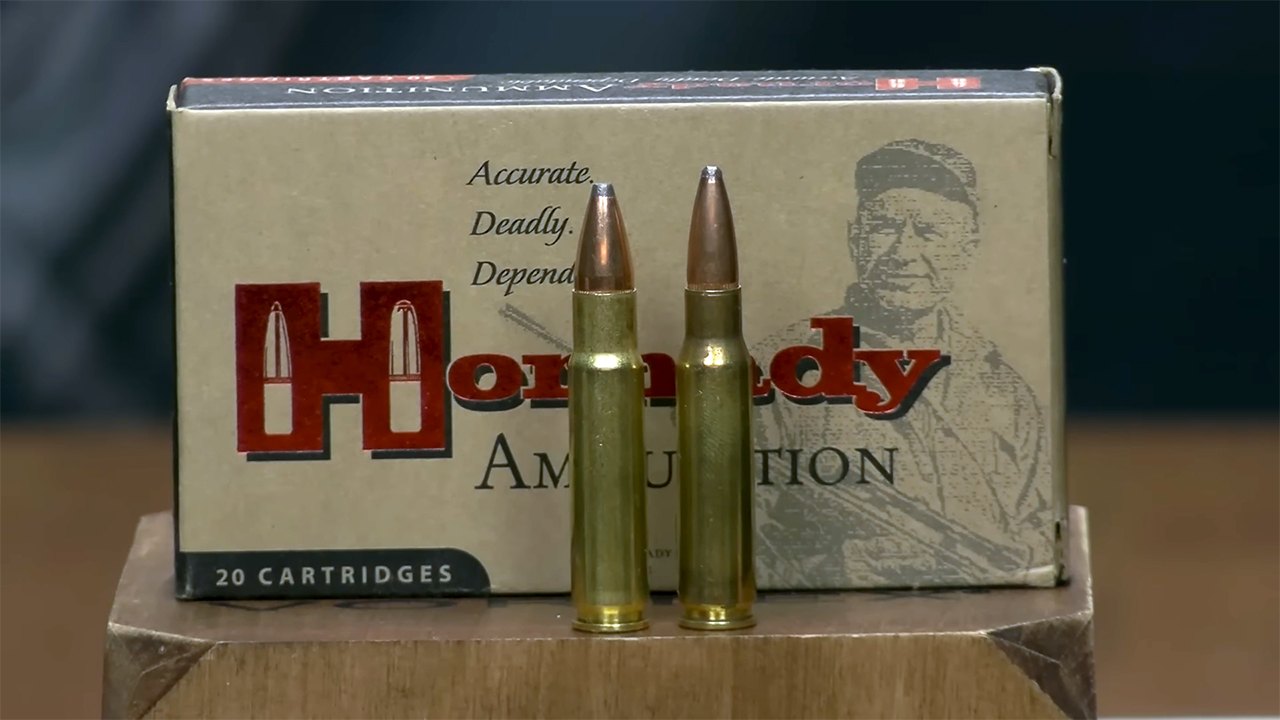
The .358 Winchester is one of the best examples of a cartridge that deserved more attention than it ever got. It’s easy to overlook because it never became mainstream, and a lot of hunters have never even used one. That’s a shame, because it brings real authority in a short-action package.
It pushes heavier bullets with meaningful impact on game, especially inside practical hunting distances. For deer, hogs, black bear, and bigger work in the right hands, it offers a lot of punch without requiring magnum length or magnum drama. The .358 Winchester isn’t a common answer, but it’s a lot more cartridge than most people realize.
.280 Remington
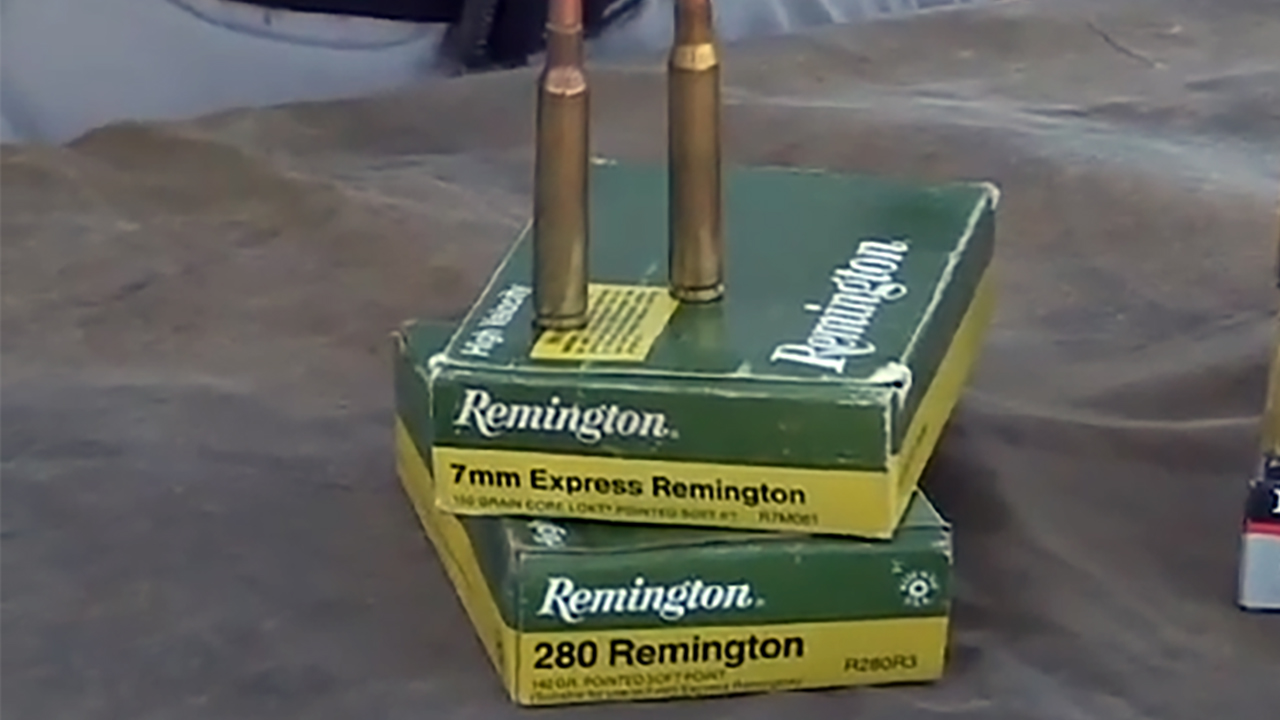
The .280 Remington has always lived in the shadow of cartridges that got more marketing. It’s neither as iconic as the .270 Winchester nor as talked about as 7mm Remington Magnum. That has kept it from getting the respect it deserves from a lot of hunters.
In the field, though, the .280 is a serious performer. It offers excellent bullet selection, useful reach, and plenty of authority for deer, elk, and similar game with appropriate loads. It also avoids some of the recoil and blast of the bigger magnums that people often jump to. The .280 doesn’t need much defending from hunters who’ve actually used one. It hits hard, works cleanly, and quietly proves itself year after year.
6mm Remington

The 6mm Remington has always had to fight its way out of the .243 Winchester’s shadow. That alone has kept a lot of shooters from paying attention to it. When most hunters hear “6mm,” they tend to think “light deer cartridge” and move on.
But the 6mm Remington is more than that. It can be very effective on deer-sized game with the right bullets while still offering excellent performance for varmints and predators. It’s one of those cartridges that rewards careful load choice and good rifle setup. It may not get much spotlight now, but it does more work than people give it credit for, and it often hits game harder than its modest reputation suggests.
.308 Winchester
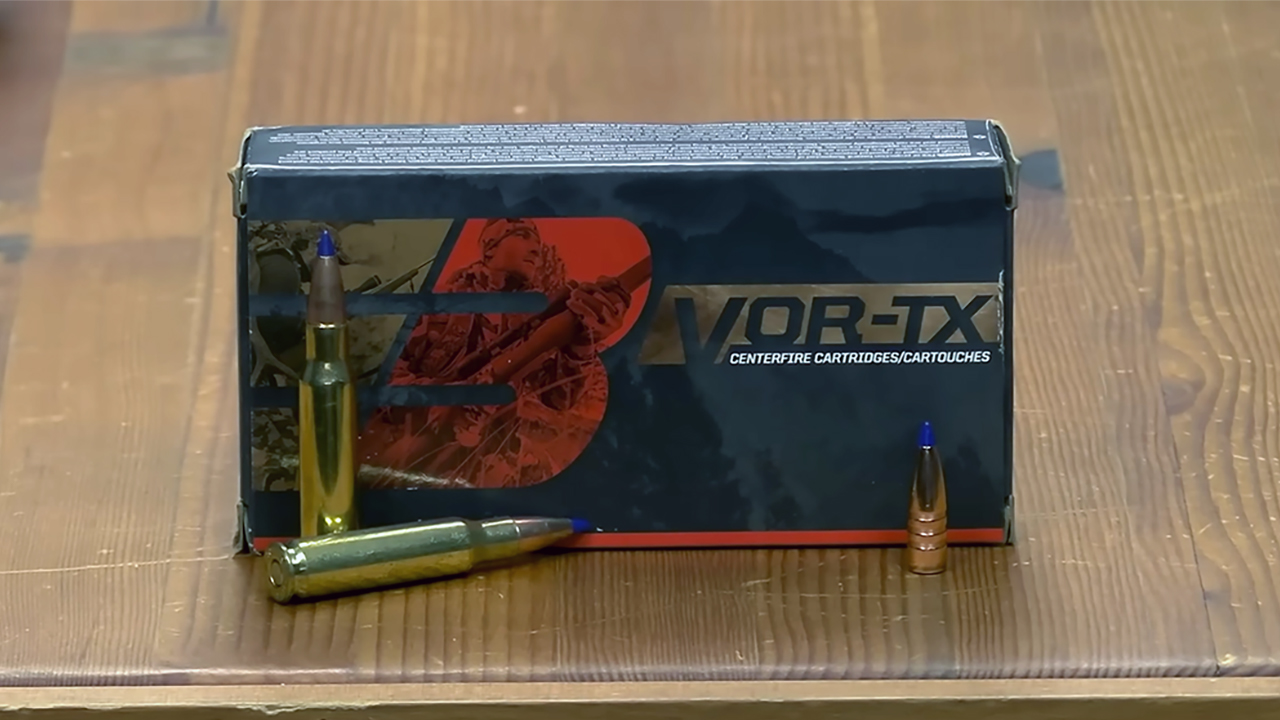
The .308 Winchester isn’t exactly unknown, but it still gets underestimated in a different way. Because it’s so common and practical, some shooters treat it like a boring middle-ground cartridge that lacks the long-range shine of newer favorites or the raw power of magnums. That misses the point entirely.
The .308 hits with real authority on deer, hogs, black bear, and larger game within its practical envelope. It’s efficient, widely available, easy to find in accurate rifles, and tough to argue with in the field. Sometimes a cartridge gets taken for granted because it’s so normal. The .308 is one of those. Boring does not mean weak, and the .308 keeps proving that.
.45-70 Government
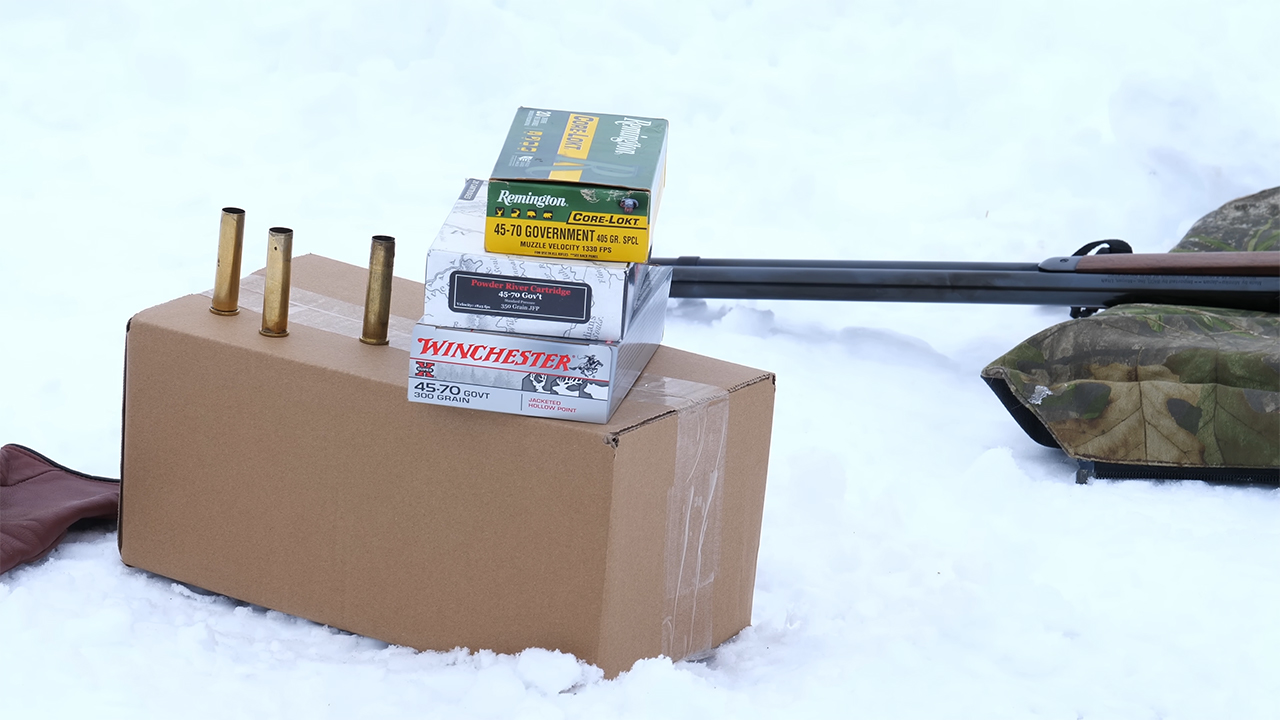
The .45-70 Government gets talked about enough that people might assume it can’t be underrated. But it still gets misunderstood. Some treat it like an old buffalo round with no place in modern hunting, while others talk about it like it’s only useful as a novelty thumper. Both views miss how practical it still can be.
In the right rifle and with the right load, the .45-70 brings serious close- to medium-range authority. It works especially well for hunters who spend time in thick cover, pursue larger game, or simply want a cartridge that leaves little doubt at sensible ranges. Recoil matters, and not every load or rifle is pleasant. But nobody who has seen a .45-70 work up close needs convincing that it hits hard.
.444 Marlin
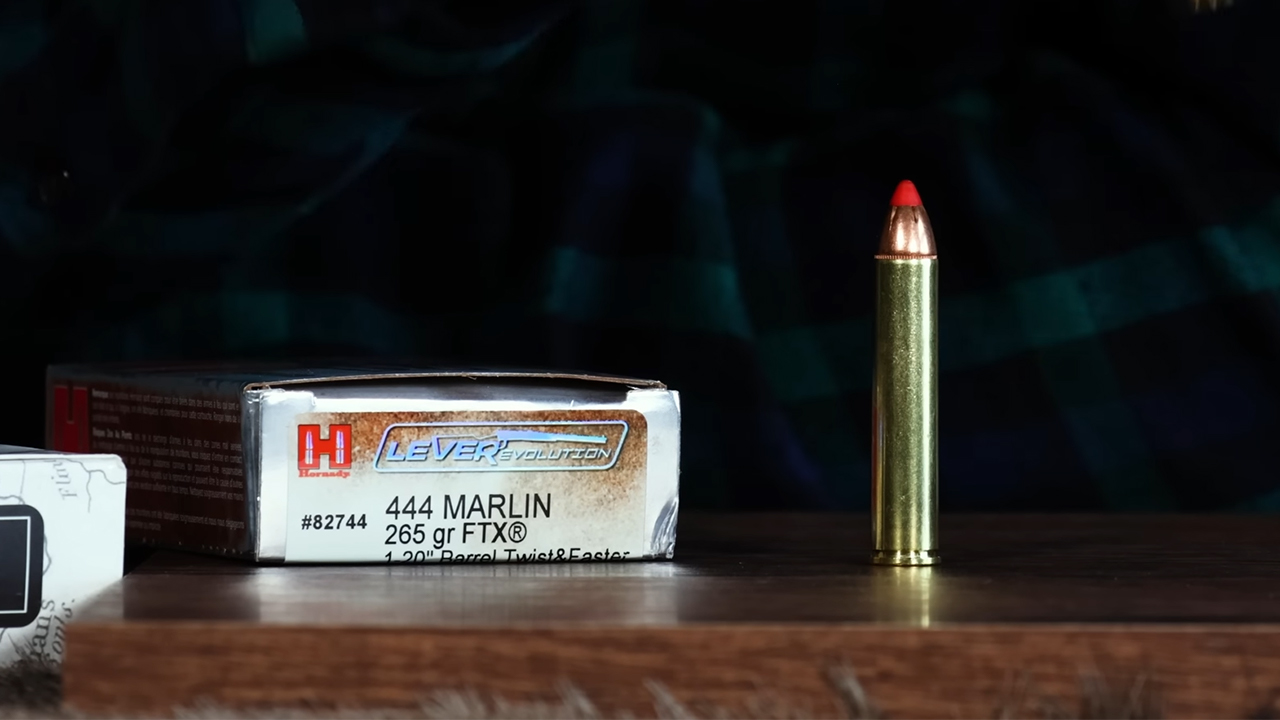
The .444 Marlin doesn’t get mentioned nearly as often as some other big-bore lever-gun cartridges, and that has made it easier to overlook than it should be. It sits in that space where a lot of shooters know the name but have never really thought through what it can do.
The answer is plenty. The .444 delivers heavy-hitting performance in a handy lever-action platform, especially for hunters working in thick country. On hogs, deer, and bigger game where legal and appropriate, it makes its presence known in a hurry. It’s not a cartridge for everybody, and ammo support is not what it is for more common rounds. But as a hard-hitting woods round, it deserves much more attention than it gets.
.338 Federal
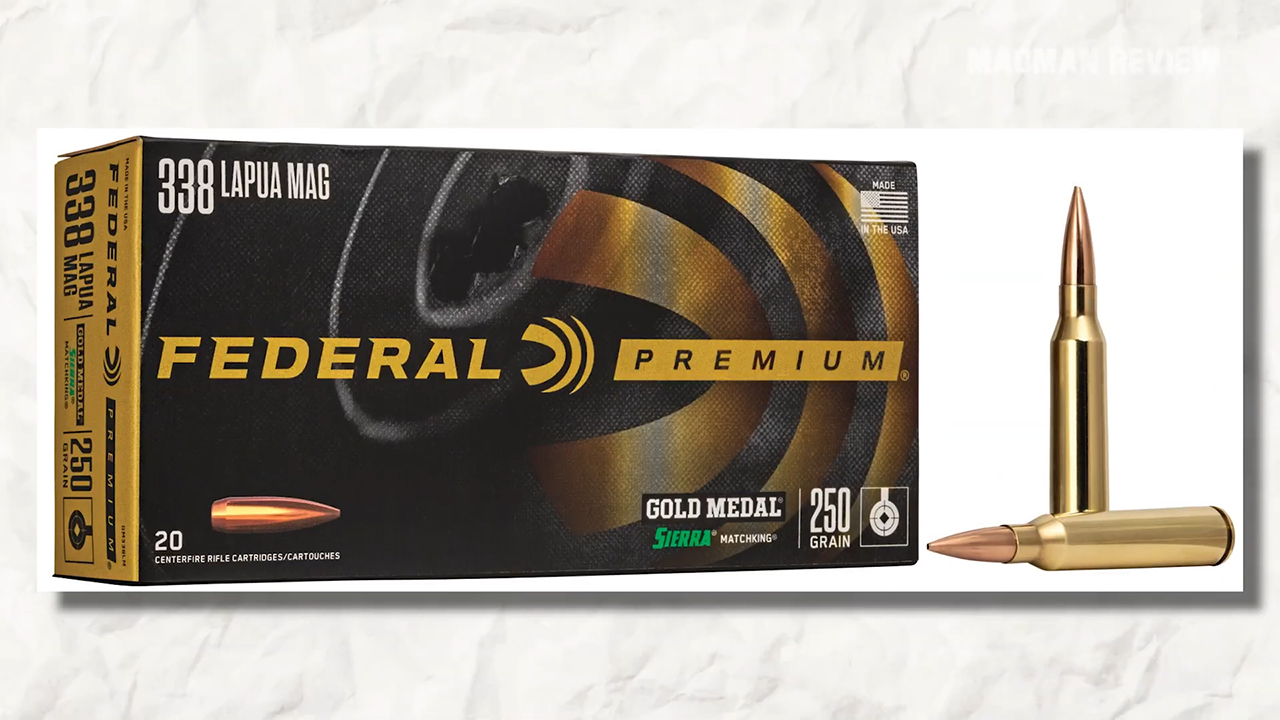
The .338 Federal is one of the best modern examples of a cartridge people underestimate because it sounds too niche. It never became widely popular, and many shooters simply stuck with the .308 Winchester or jumped to larger magnums instead. That left the .338 Federal sitting in a strange middle lane.
That middle lane is exactly why it works. It delivers heavier bullet performance from a short-action rifle without asking the shooter to deal with full magnum size and recoil. It’s especially interesting for hunters who want more bullet weight and impact on larger deer, hogs, black bear, and similar game without overcomplicating the setup. It never got the attention it deserved, but it absolutely hits harder than its reputation suggests.
Like The Avid Outdoorsman’s content? Be sure to follow us.
Here’s more from us:


