Photo credit: WHO_TEE_WHO/YouTube
On paper, some cartridges look like the answer to everything. Flat trajectory. High BC. Efficient case design. A clever niche that promises better performance with less recoil, less drop, or more reach. And to be fair—some of them deliver exactly that.
Where things get annoying is real life: ammo availability, picky feeding, short barrel life, harsh muzzle blast, weird magazine fit, or a round that only makes sense if you handload and chase numbers. You don’t buy a caliber to admire it on a ballistics chart. You buy it to shoot it, carry it, zero it, hunt with it, and find ammo for it when you need it.
These are the calibers that can look smart on paper—but tend to feel like work once you actually live with them.
6.5 PRC

The 6.5 PRC looks like a modern “do-it-all” on a chart: fast enough to stretch, heavy-for-caliber bullets, and a flatter arc than the old standards. If you like shooting past typical deer distances, it’s easy to see the appeal.
In real life, it can be an expensive habit. Factory ammo costs more than common hunting rounds, and in smaller towns it’s not always sitting on the shelf. In lighter rifles, it can also feel sharper than you’d expect from “just a 6.5,” especially with aggressive brakes that make it loud. It’s not a bad cartridge—it’s a cartridge that rewards a shooter who plans ahead. If you’re the type who wants to grab a couple boxes the week before season, it can turn into a scramble.
6.8 Western

The 6.8 Western is a smart concept: heavier .277 bullets, better long-range aerodynamics than the old .270 loads, and performance that tries to split the difference between classic and modern. On paper, it reads like the .270 finally catching up.
The annoying part is living in a niche. Ammo selection isn’t huge, and you’re often paying premium prices for premium loads. Rifles and twist rates matter more than casual buyers expect, and that can make the shopping process feel more technical than it should. It also competes with rounds that already have deep support—.270 Win, 7mm Rem Mag, 6.5 PRC—so you’re asking your local shop to stock one more specialty caliber. If you reload, it makes more sense. If you don’t, it can feel like you bought into a club with limited membership.
.224 Valkyrie

The .224 Valkyrie is a great sales pitch: “AR-15 long range” with high-BC bullets and better downrange performance than 5.56. If you love the idea of ringing steel farther with the rifle you already own, it’s a tempting rabbit hole.
Then you run into reality. Accuracy can be inconsistent from rifle to rifle, and load choice matters a lot. Some barrels love certain bullets and hate others, and you can end up buying ammo like you’re conducting a science experiment. The practical benefit also shrinks fast if you’re not actually shooting distance. For most range trips, 5.56 does the job cheaper with less fuss. The Valkyrie can be cool when it’s set up right. But for many owners, it turns into a “why am I working this hard?” caliber.
7mm PRC

The 7mm PRC looks like the grown-up answer to the 7mm Rem Mag: modern chamber specs, long heavy bullets, strong long-range performance, and efficiency that’s hard to argue with. If you want a serious western hunting round, it’s an easy one to respect.
The day-to-day annoyance is how new it still is. Ammo tends to be expensive, and the selection is often focused on higher-end loads. If you’re a “buy a box anywhere” kind of hunter, that can make you nervous. Barrel life and heat management also matter if you like to shoot a lot—fast 7mms can be hard on throats compared to slower classics. None of that makes it a bad choice. It makes it a choice for someone who shoots enough to justify the performance, not someone who wants convenience.
.350 Legend

The .350 Legend looks practical: mild recoil, legal in straight-wall states, and easy to shoot well inside typical woods ranges. It’s a paper-perfect solution for a lot of deer hunters.
The annoying part shows up in the details. Not every load expands the same, and the difference between “works great” and “acts weird” can be the exact bullet design. Ammo availability can also be hit-or-miss depending on where you live, and some rifles can be picky about feeding. It’s also a cartridge that lives in a narrow lane—great inside its comfort zone, less exciting once ranges stretch. If you buy it expecting magic, you’ll be disappointed. If you buy it as a 150-yard tool and stay disciplined, it’s fine. The problem is people rarely stay disciplined.
.450 Bushmaster
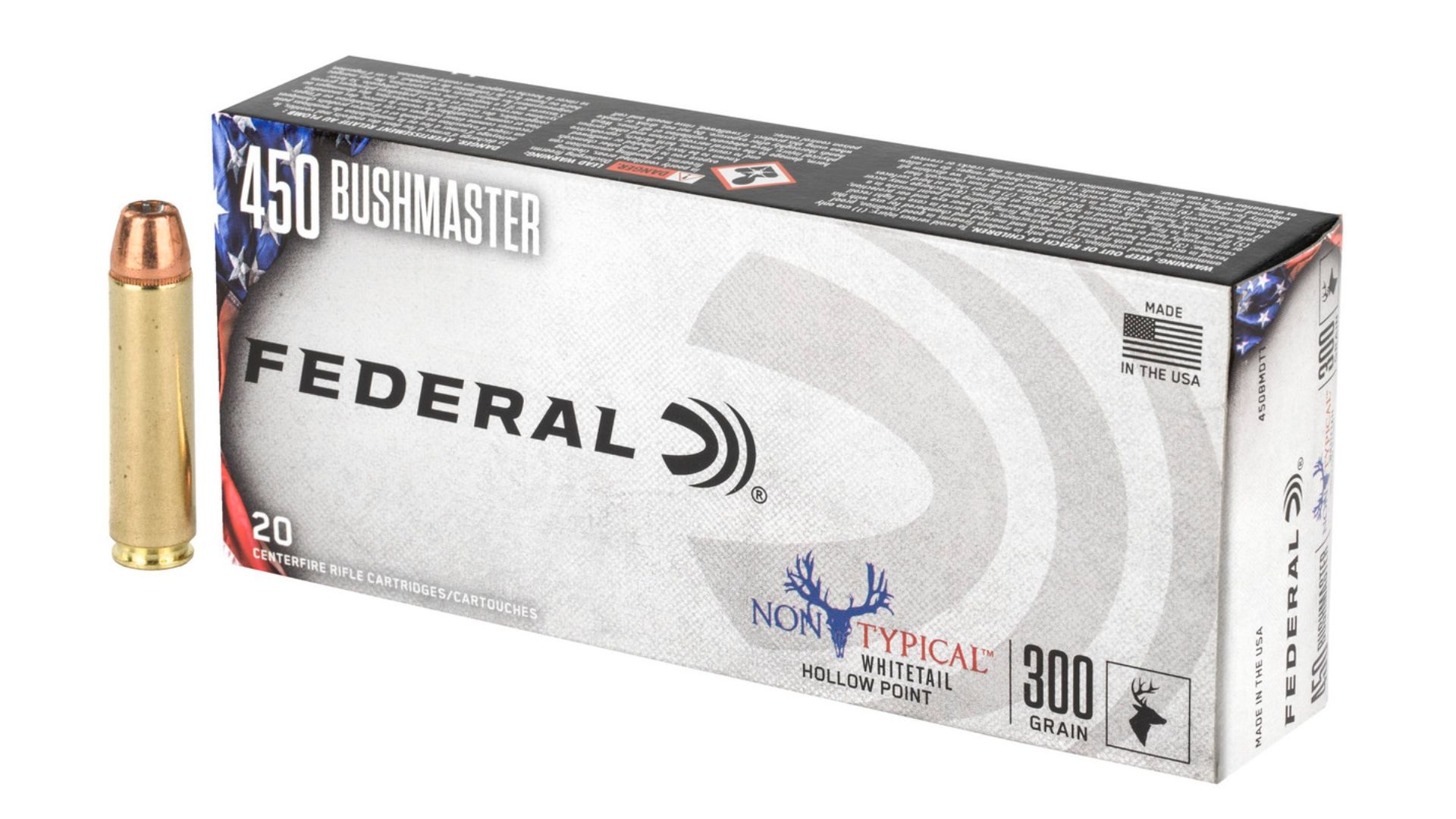
On paper, .450 Bushmaster is a hammer: big frontal area, heavy bullets, and straight-wall legality in many places. For close-range deer or hogs, the concept is straightforward and effective.
In real life, it’s loud, it’s thumpy, and ammo isn’t cheap. It can also beat up lighter rifles and make follow-up shots slower than you’d like. If you shoot it a lot, range days get shorter because it’s simply not a “fun volume” cartridge. Magazine quirks can pop up depending on platform, and the cost per trigger pull can make you treat practice like a special occasion. It does what it’s supposed to do. The annoyance is that it does it with a bill, a bruise, and a blast that reminds you every time.
28 Nosler

The 28 Nosler looks like a ballistic cheat code. Flat, fast, and capable of carrying serious energy way out there. If your hunting world includes wind charts and long shots, it’s easy to see why people get excited.
The trade-off is that it can feel like owning a sports car that eats tires. Barrel life can be shorter than more moderate rounds, and it’s not the caliber you want to “practice a lot” with unless you’re fine burning money. Muzzle blast is real, and most rifles chambered for it wear a brake for a reason—meaning everyone on the range knows you’re there. Ammo is expensive and not always easy to find locally. It’s a round that makes sense if you truly need what it offers. If you don’t, it turns into a loud, costly way to chase numbers.
6mm Creedmoor
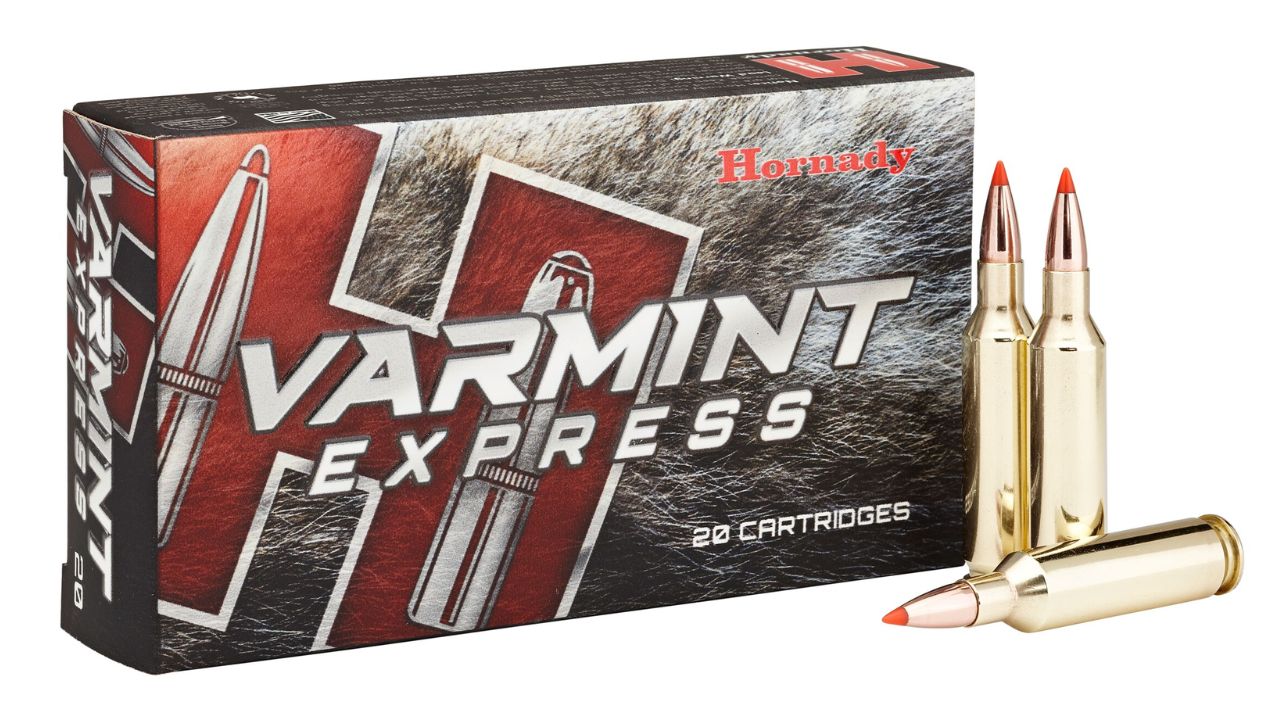
The 6mm Creedmoor looks smart: less recoil, excellent BC bullets, and a cartridge that can print tight groups without beating you up. It’s easy to imagine it as the “better” option for target shooting and even lighter big-game work with the right bullets.
The annoyance is how specialized it can feel outside its lane. Factory hunting ammo selection isn’t as broad as mainstream deer rounds, and some loads are clearly aimed more at match shooting than practical hunting performance. Barrel life can also be shorter than slower 6mms, especially if you run it hard. It’s not a dealbreaker, but it’s a real-world cost that never appears on the glossy chart. If you’re a volume shooter, you notice it. If you just want a general-purpose deer rifle, you may wonder why you didn’t pick something simpler to feed.
.22 Creedmoor

The .22 Creedmoor looks like a laser beam on paper. High velocity, great wind performance with the right bullets, and a cartridge that can make steel feel easy at distances that would humble a typical .223.
Real life is where the romance fades. It’s loud, it runs hot, and it can be hard on barrels. It also isn’t a cartridge you casually walk into a small shop and buy for cheap. Most people who truly get along with it are reloaders or dedicated long-range guys who already accept the maintenance and cost. For everyone else, it’s a round that turns range days into a planning session. It can be impressive, but it often feels like you’re paying for the privilege of being impressed.
10mm Auto

10mm Auto looks great on paper because it covers a lot of ground: more power than .40, more reach than 9mm, and legitimate outdoors utility in a semi-auto pistol. It reads like a “one handgun caliber” solution.
Then you live with it. Full-power 10mm is snappy, and in many pistols it’s more tiring than people expect. Ammo can be expensive, and the quality range-to-range can vary depending on load strength—some “10mm” feels suspiciously soft. If you actually train, you’ll notice the cost and the recoil sooner than hunting season. The caliber can be fantastic when you commit to it. But for a lot of owners, it becomes a “cool idea” that sits in the safe while 9mm does the work because it’s cheaper, easier, and more forgiving.
.41 Remington Magnum

The .41 Magnum looks like the sensible middle: flatter than .44 with less recoil, plenty of power, and a classic wheelgun vibe. It’s one of those calibers that makes experienced shooters nod, because they understand what it can do.
The annoying part is everything around it. Ammo availability is spotty, selection is limited, and prices usually aren’t friendly. If you don’t reload, you’re stuck with what you can find, and that can mean you don’t shoot it much. And if you don’t shoot it much, you don’t get good with it—especially if you plan to hunt with a revolver. The caliber itself isn’t the problem. The ecosystem is. It’s a smart choice that punishes you for not being a dedicated enthusiast, which is exactly why so many people drift away from it.
.204 Ruger

The .204 Ruger looks like a perfect varmint round: very fast, flat shooting, and mild recoil that lets you spot hits. On paper, it’s hard not to like it if you shoot prairie dogs, groundhogs, or coyotes in open country.
In real life, wind is still wind, and lightweight bullets can get pushed around more than the charts make you believe. Barrel heating can also show up quickly in long strings, especially on high-volume varmint days. Ammo availability is also more limited than .223, and you’ll usually pay more per shot. If you’re a dedicated varmint guy, that might be fine. If you’re a casual predator hunter who wants convenience, the .204 can feel like extra effort for a gain that isn’t always obvious in real conditions.
5.7×28mm
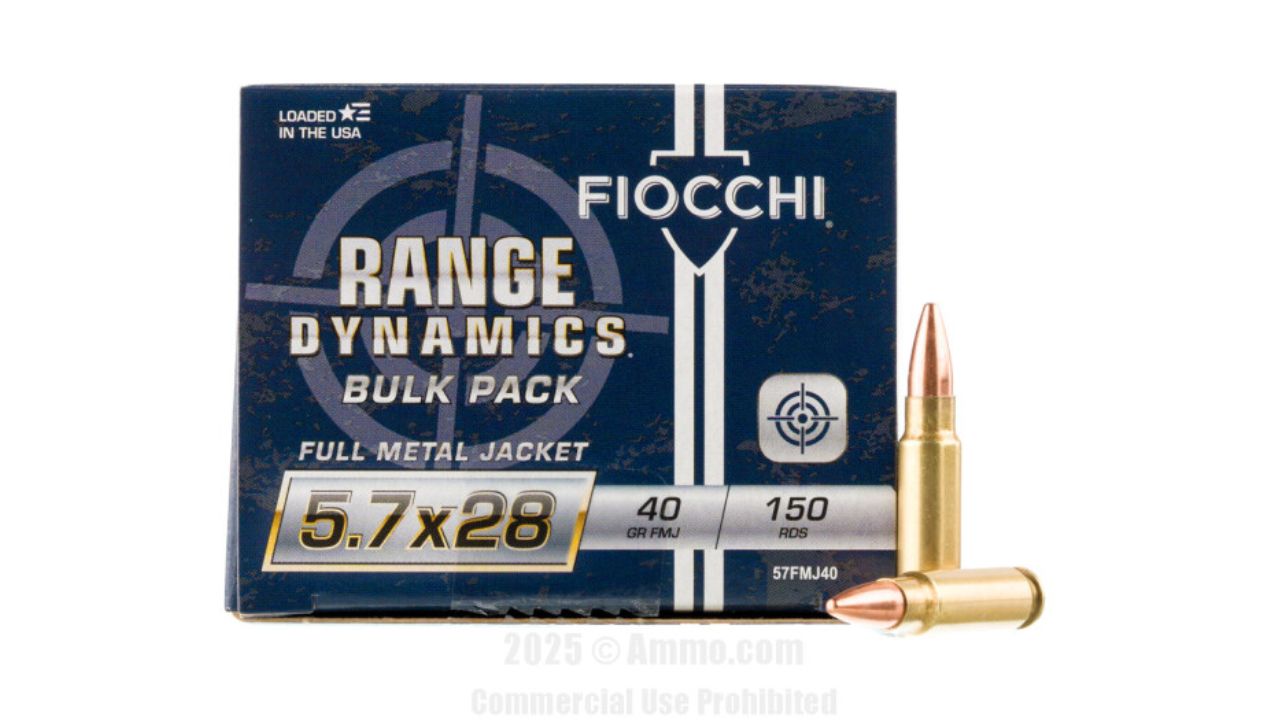
5.7×28 looks clever: high velocity, low recoil, and a cartridge that feels like it belongs in a lightweight, high-capacity platform. It’s easy to see why it gets attention, especially for people who want something different.
Then you start buying ammo and living with the practical side. Cost is usually higher than common pistol calibers, and availability can swing depending on demand. The cartridge also lives in a weird space where expectations can get unrealistic—people want it to be a rifle round in a pistol’s body, and real performance doesn’t always match the internet myth. It’s fun, flat, and easy to shoot quickly. It’s also a caliber that can make you feel like you’re paying premium money for a niche experience. If you’re not all-in on that experience, it becomes annoying fast.
.300 AAC Blackout

.300 Blackout looks smart because it solves a real problem: strong performance in short barrels, great suppression potential, and versatility between subs and supers. On paper, it’s one of the most practical modern calibers for a compact rifle.
The real-life annoyance is that it’s easy to do it wrong. Subsonic vs. supersonic changes everything, and not every rifle setup runs both without tuning. Ammo is also more expensive than 5.56, and the performance advantage disappears if you’re not running a short barrel or a suppressor. There’s also the ever-present risk of mixing .300 BLK and 5.56 in the same world if you’re not disciplined—something responsible shooters take seriously. When it’s set up with purpose, it’s excellent. When it’s bought “because charts,” it can feel like a constant management task.
6.5 Grendel

6.5 Grendel looks like the thinking man’s AR cartridge: better energy and wind performance than 5.56, efficient case design, and real capability at distance. On paper, it’s hard to argue with the numbers.
The annoyance is that the platform details matter. Magazines can be the weak link if you buy cheap ones, and feeding reliability can depend on quality parts and correct setup. Ammo availability isn’t terrible, but it’s not “every shelf in America” either, and you’ll usually pay more than common AR food. The other practical issue is that it doesn’t always do anything you can feel at normal ranges compared to 5.56. It’s better downrange, sure—but if your range trips are 100–200 yards, it can feel like you bought complexity for bragging rights. The Grendel is solid. It just demands a little more from you.
Like The Avid Outdoorsman’s content? Be sure to follow us.
Here’s more from us: