Photo credit: Mrgunsngear Channel/Youtube
Pistol calibers get judged fast. Some are called too small, too old, too slow, too expensive, too hard to find, or too niche to take seriously. Shooters love arguing over numbers, and once a caliber gets labeled as weak or outdated, it can be hard for people to look at it fairly again.
But some pistol rounds do more than their reputation suggests. That doesn’t mean every one is the best choice for carry, hunting, or defense. It means they have real strengths when used in the right gun, with the right load, for the right purpose. These are the calibers people dismiss until they see what they can actually do.
.380 ACP
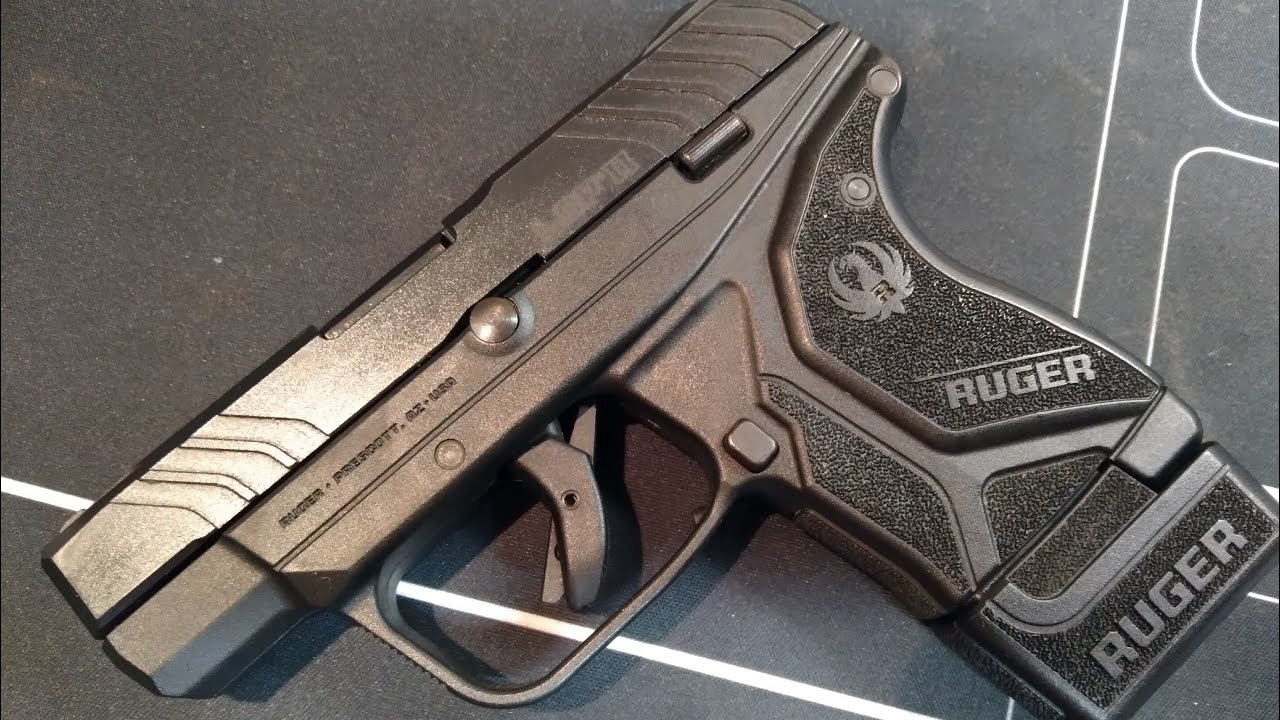
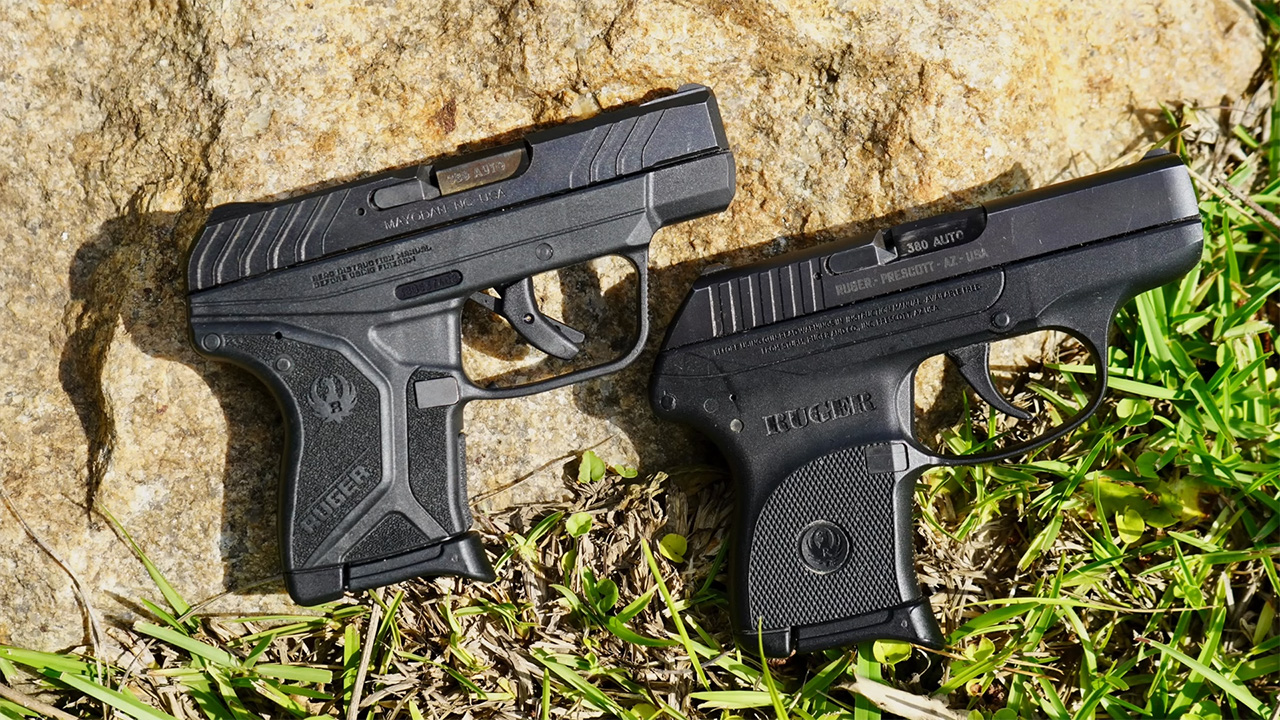
The .380 ACP gets dismissed constantly because it sits below 9mm in power and often shows up in tiny pistols that are hard to shoot well. A lot of people judge the cartridge by the worst pocket guns chambered for it, then assume the round itself is useless. That’s too simple.
In a pistol that’s comfortable to shoot, .380 ACP can make a lot of sense for recoil-sensitive shooters, deep concealment, and people who need a gun they’ll actually practice with. It won’t match 9mm performance, and nobody should pretend it does. But good modern defensive loads have made the cartridge more capable than many older opinions allow. A soft-shooting .380 that someone can control beats a more powerful pistol they hate training with.
.32 ACP
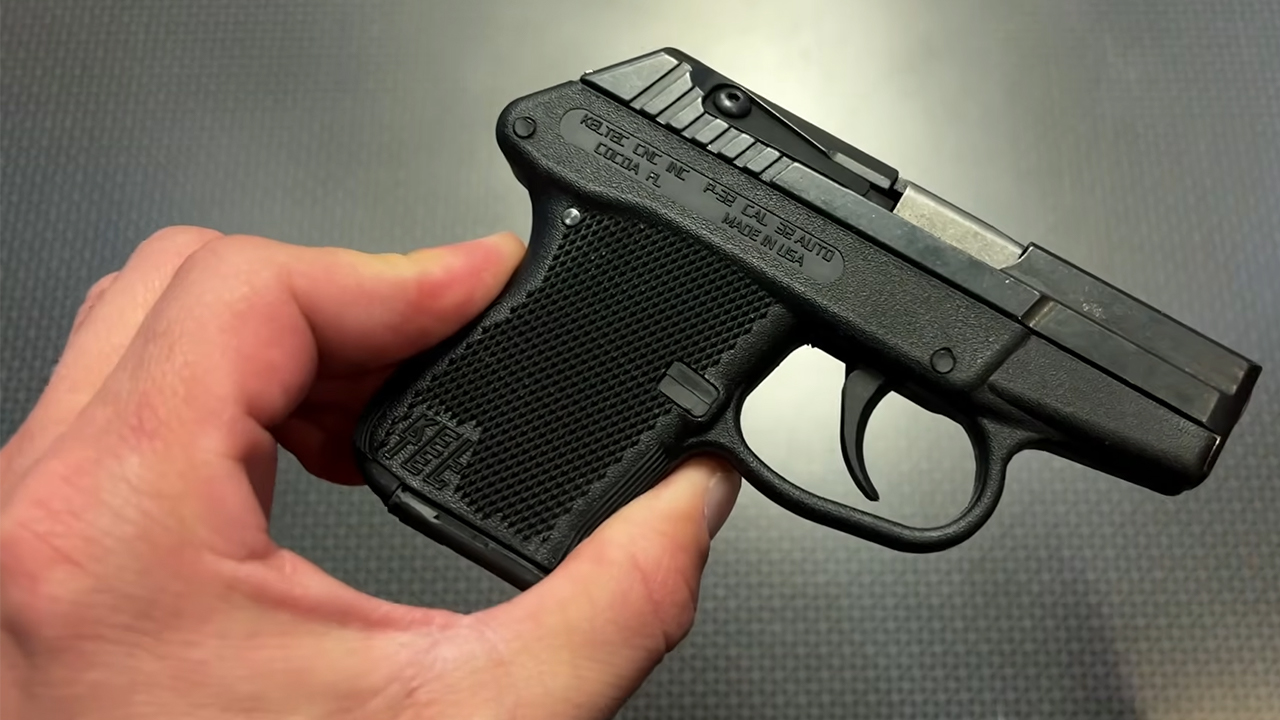
The .32 ACP is easy to mock because it’s small, old, and usually tied to pocket pistols from another era. It does not have the power people expect from modern defensive handguns, and that limitation is real. Still, writing it off completely misses why some shooters still appreciate it.
The big advantage is shootability in tiny guns. Compared with many small .380 pistols, a .32 ACP can be easier to control, quicker to recover, and more pleasant to practice with. That matters when the pistol is extremely compact. It is not a powerhouse, and ammunition choice matters, but the cartridge has a role for people who need very low recoil and true pocket-size carry. It’s not impressive on paper, but it can be surprisingly practical.
.22 Magnum
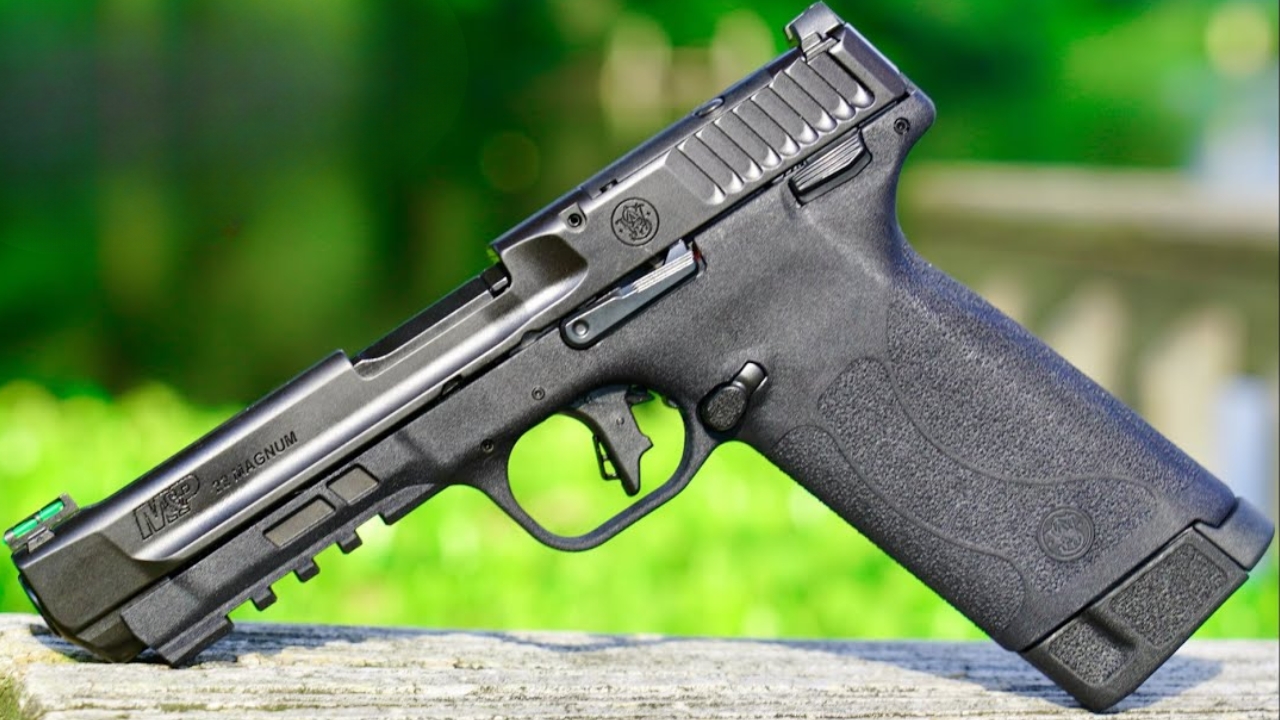
The .22 Magnum gets dismissed because it’s a rimfire, and rimfire ignition is not as dependable as centerfire ammunition. That is a serious point, especially for defensive use. But some people take that concern and act like the cartridge has no use at all, which isn’t fair either.
In revolvers and certain small pistols, .22 Magnum offers very low recoil, decent velocity from longer barrels, and more punch than .22 LR. It can be useful for trail guns, pest control, and shooters who cannot handle larger centerfire recoil. It’s also easier for some people to shoot accurately under stress because it doesn’t punish the hand. It has limitations, but when recoil control is the deciding factor, .22 Magnum can make more sense than people expect.
.38 Special
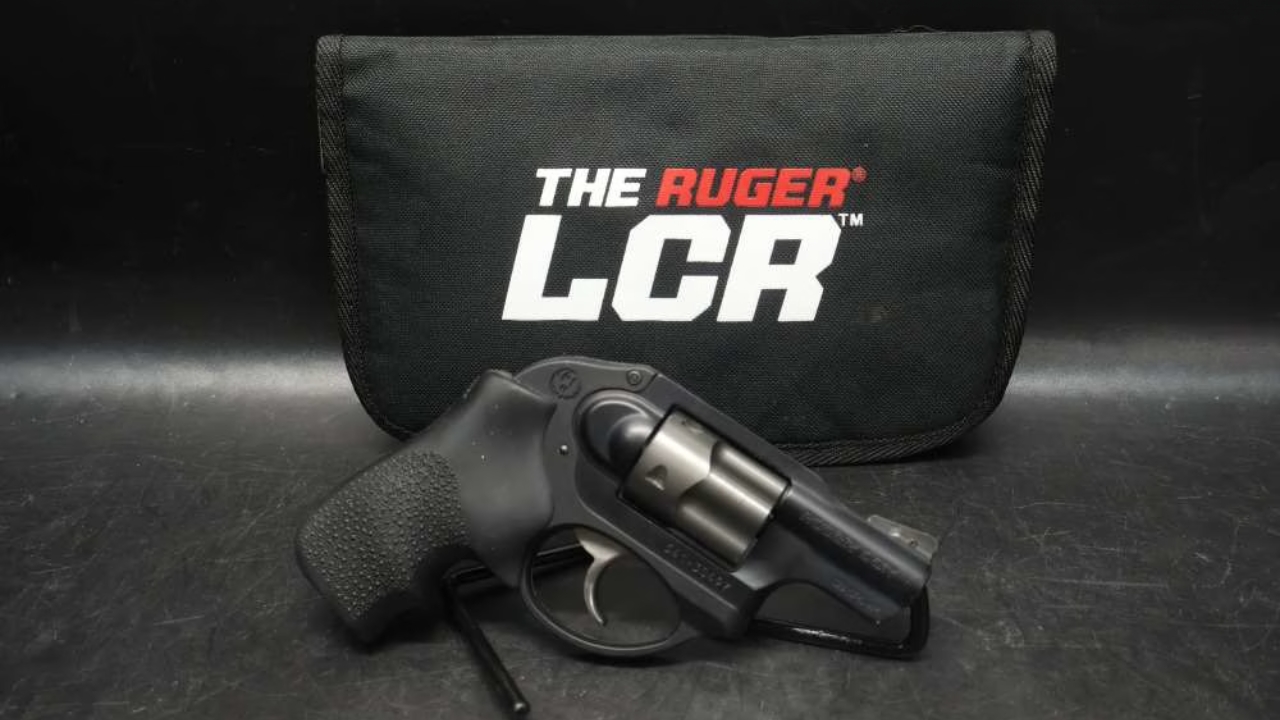
The .38 Special gets dismissed by shooters who only look at magnum power or semi-auto capacity. It’s old, mild, and tied to revolvers in a world where compact 9mms dominate. That makes some people treat it like a cartridge that belongs in a drawer with old holsters and yellowed manuals.
That reputation ignores how useful .38 Special still is. In a medium-frame revolver, it is accurate, comfortable, and excellent for learning trigger control. In a small revolver, it can be much more manageable than .357 Magnum. Good defensive loads have kept it relevant, and wadcutters remain a favorite among many recoil-sensitive shooters because they’re soft and easy to shoot precisely. The cartridge isn’t flashy, but it does honest work.
.327 Federal Magnum
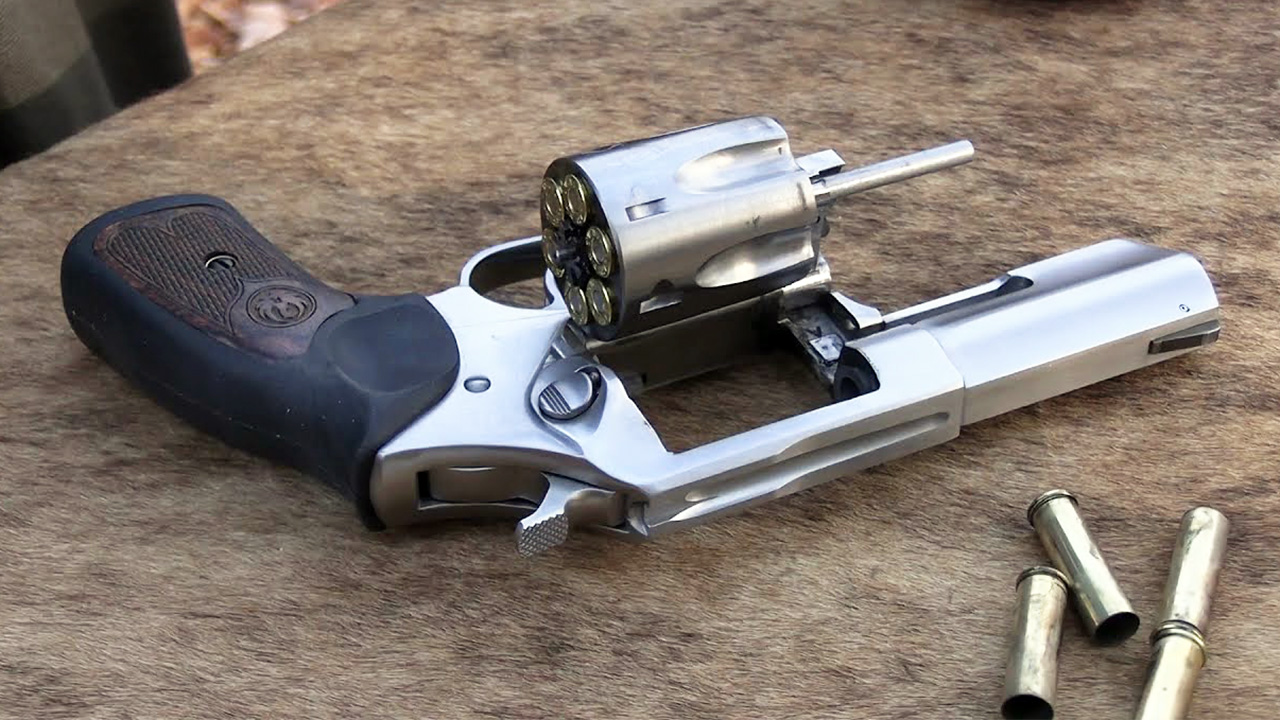
The .327 Federal Magnum gets ignored because it never became as common as .357 Magnum or .38 Special. Ammunition availability can be spotty, and revolver buyers often choose the familiar option instead. That keeps the .327 in a strange place where many shooters know about it but don’t really use it.
The cartridge deserves more attention than it gets. It offers strong velocity, flat shooting for a revolver round, and good performance with less recoil than full-power .357 Magnum in many guns. It also allows six rounds in some small revolvers that would only hold five in .357. The versatility is another strength, since some revolvers can also shoot .32 H&R Magnum and .32 S&W Long. It’s not common, but it’s far from pointless.
9x18mm Makarov
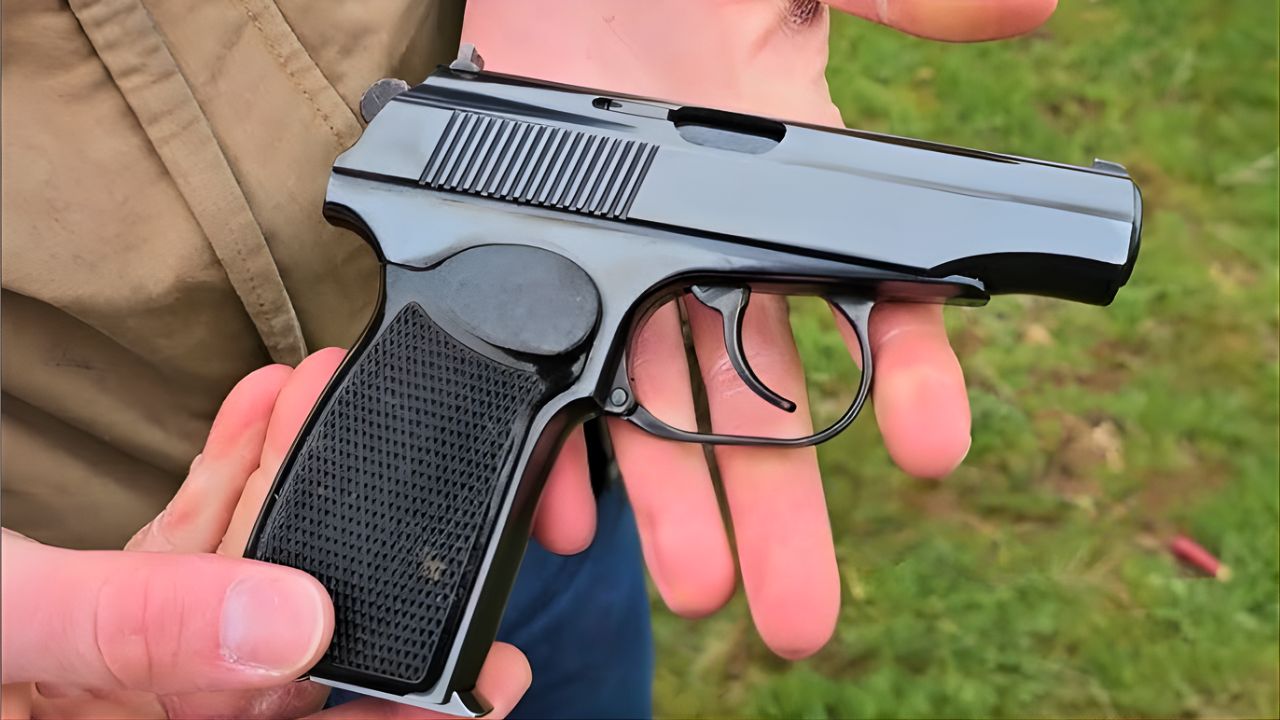
The 9x18mm Makarov gets dismissed because it’s not 9mm Luger, and that comparison follows it everywhere. It’s less powerful, less common, and mostly tied to older surplus pistols. For someone wanting a modern defensive setup, there are easier choices.
Still, the cartridge has proven itself as a practical little round in the pistols built for it. Guns like the Makarov PM and CZ 82 showed that 9x18mm could be reliable, accurate, and easy to shoot. It sits between .380 ACP and 9mm Luger in a way that makes sense for compact blowback pistols. Ammunition selection and availability are the main drawbacks now. But as a surplus and range cartridge, it’s more capable than many shooters assume.
.357 SIG

The .357 SIG gets dismissed partly because it never took over the way some people expected. It’s louder, snappier, more expensive, and harder to find than 9mm. For a lot of shooters, that makes the decision easy. They stick with 9mm and move on.
But .357 SIG has real strengths. It was designed to push a 9mm bullet at high speed and deliver flatter trajectory and strong barrier performance from a semi-auto pistol. In the right platform, it can be accurate, fast, and very effective. The recoil impulse is sharper than 9mm, and ammo cost makes practice less appealing, so it’s not for everyone. But dismissing it as a failed fad ignores what it actually does well.
10mm Auto

The 10mm Auto used to be dismissed as too much gun for most shooters. Then it started getting attention again, especially among hunters, hikers, and people who wanted a semi-auto cartridge with more authority. Even now, some people still judge it either as overkill or as a cartridge watered down by weaker factory loads.
The truth sits in the middle. Full-power 10mm can deliver serious performance from the right pistol, making it useful for woods carry, hunting sidearm roles, and people who can handle the recoil. Lighter loads make it easier to shoot but reduce the reason some buyers chose it in the first place. It requires a strong pistol, good training, and honest expectations. When used properly, though, 10mm has far more range than its critics admit.
.45 GAP
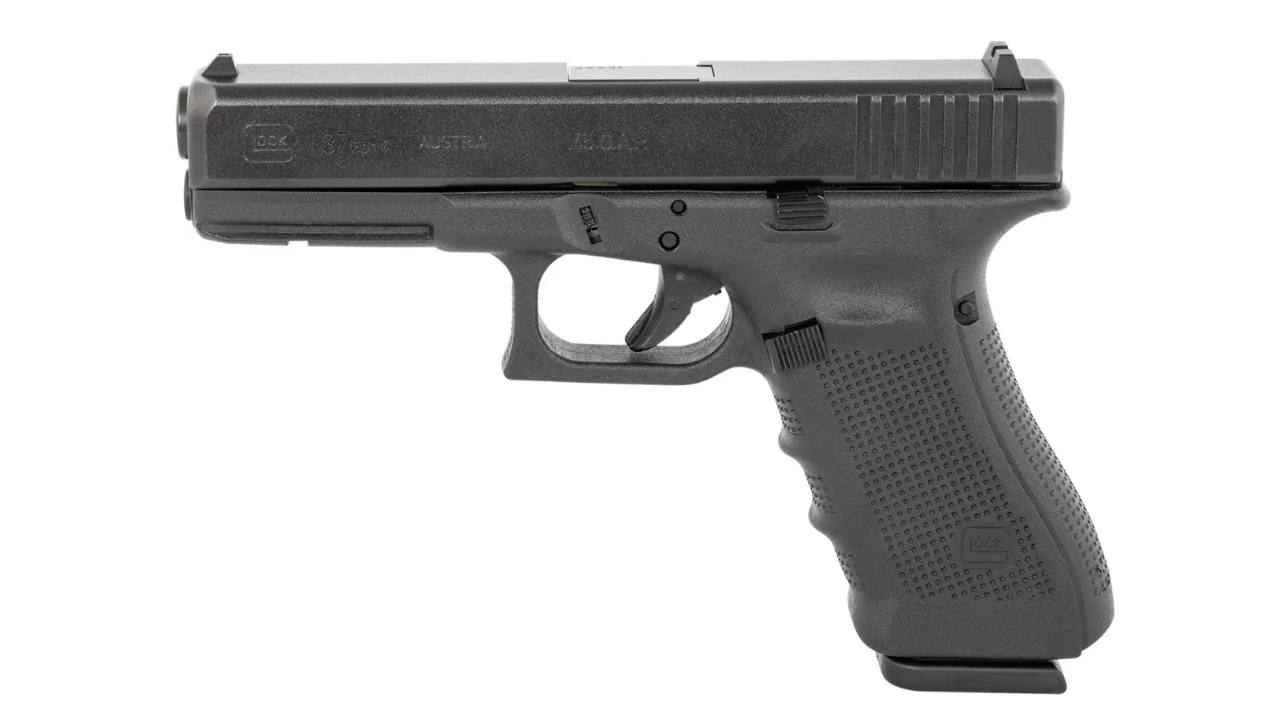
The .45 GAP is one of the easiest calibers to dismiss because the market largely moved past it. It was designed to offer .45 ACP-style performance in a shorter cartridge that could fit smaller grip frames, but it never gained the broad support it needed. Ammunition availability is the major problem.
Still, the idea behind it wasn’t foolish. In pistols designed around it, .45 GAP gave shooters a big-bore option with a grip size that worked better for some hands than traditional .45 ACP double-stacks. Some law enforcement agencies used it successfully for a time. The cartridge’s biggest failure was market support, not basic performance. It’s not a practical recommendation for most people now, but it did more than many shooters give it credit for.
.44 Special

The .44 Special gets overlooked because it lives in the shadow of .44 Magnum. That’s understandable. The magnum gets the attention, the power, and the reputation. The Special can seem like the mild, old-fashioned version people only shoot because they don’t want recoil.
That mildness is exactly why it’s useful. In the right revolver, .44 Special is accurate, pleasant, and capable without the blast and punishment of magnum loads. It works well for field carry, defensive revolvers, and handloaders who appreciate controllable big-bore performance. It doesn’t need to be pushed hard to be effective in its lane. Some cartridges impress through raw power. .44 Special earns respect by being easy to shoot well.
.41 Magnum

The .41 Magnum has spent most of its life being squeezed between .357 Magnum and .44 Magnum. It’s more powerful than .357, but less famous than .44. That middle position made it easy for the market to overlook, even though the cartridge itself has plenty of merit.
For revolver hunters and outdoorsmen, .41 Magnum offers excellent penetration, a flatter trajectory than many expect, and strong field performance without quite the same recoil level as full-power .44 Magnum. Ammunition availability is the main drawback, and gun options are more limited. But for the people who use it, .41 Magnum often feels like a well-kept secret. It’s not popular, but popularity and capability are not the same thing.
.32 H&R Magnum

The .32 H&R Magnum gets dismissed because it sounds small and sits below the more powerful .327 Federal Magnum. Some shooters see it as an in-between round without enough reason to exist. That’s a mistake if recoil and control are part of the conversation.
In small revolvers, .32 H&R Magnum can be very useful. It offers more energy than .32 S&W Long while staying mild enough for comfortable practice. It can also allow six rounds in compact revolvers where larger calibers may only allow five. For recoil-sensitive shooters, older hands, or anyone who values fast, accurate follow-up shots, that matters. It’s not a magnum in the dramatic sense, but it’s a practical little cartridge with more value than its reputation suggests.
.45 Colt
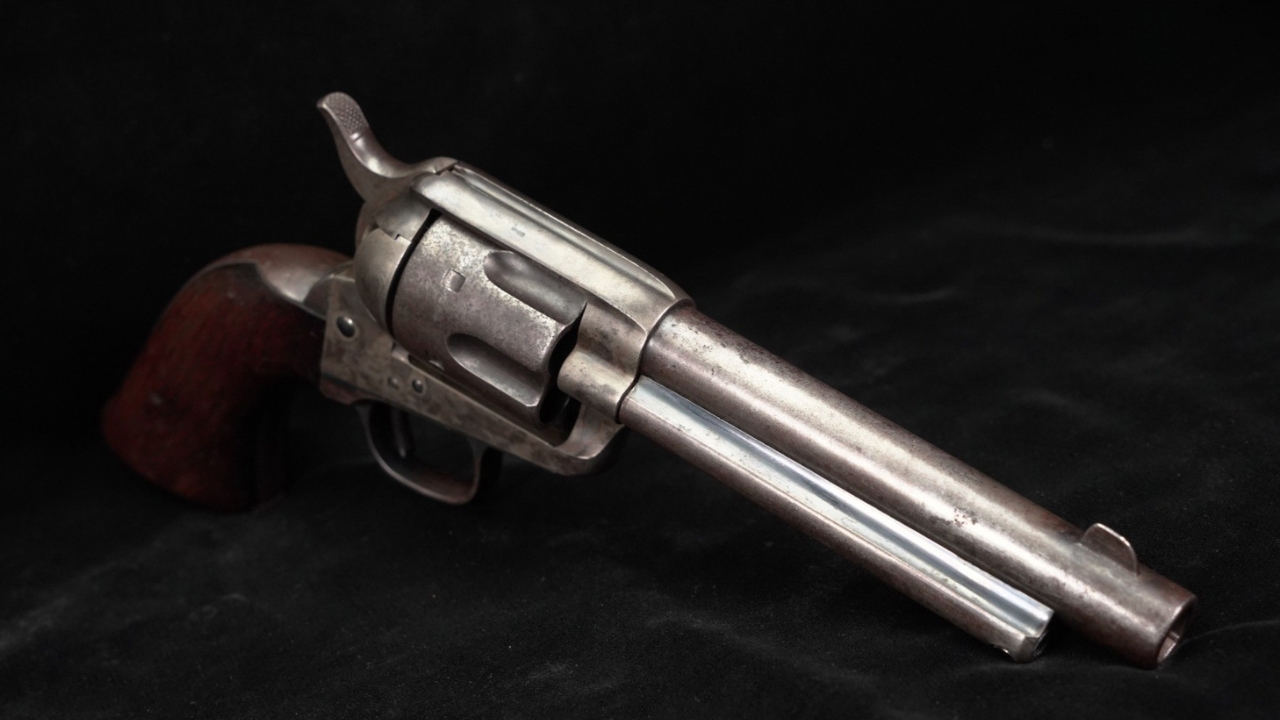
The .45 Colt gets misunderstood because it spans such a wide range of loadings and firearms. In old or replica revolvers, it must be kept mild. In strong modern revolvers, it can be loaded much hotter. That confusion leads some shooters to dismiss it as either weak cowboy ammo or unnecessary next to .44 Magnum.
The cartridge has more depth than that. Standard-pressure .45 Colt is pleasant, accurate, and excellent for single-action revolvers. In strong guns built for heavier loads, it can become a serious hunting or field cartridge. The key is knowing the firearm and never assuming all .45 Colt loads are interchangeable across platforms. Used correctly, it’s one of the most flexible big-bore revolver cartridges around.
.25 ACP
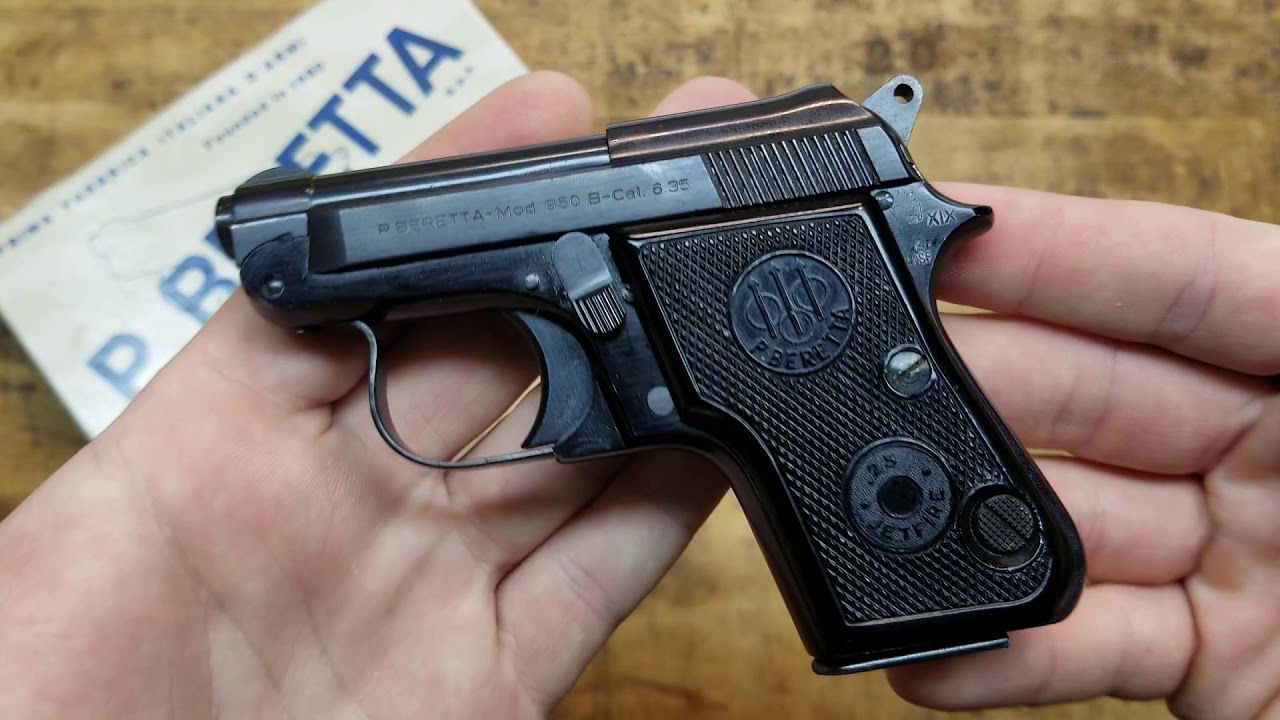
The .25 ACP gets mocked constantly, and some of that criticism is earned. It is small, low-powered, and tied to tiny pocket pistols that are often hard to shoot well. It is not a strong defensive cartridge by modern standards, and nobody should dress it up as one.
But the reason it existed still matters historically. Compared with .22 LR in tiny semi-autos, .25 ACP offered centerfire ignition and was designed around small pocket pistols. That gave it a reliability argument in its original context. Today, most shooters have better choices, but the cartridge is not meaningless. It solved a real problem in an earlier era. Dismissing it completely ignores the niche it was built to fill.
.40 S&W
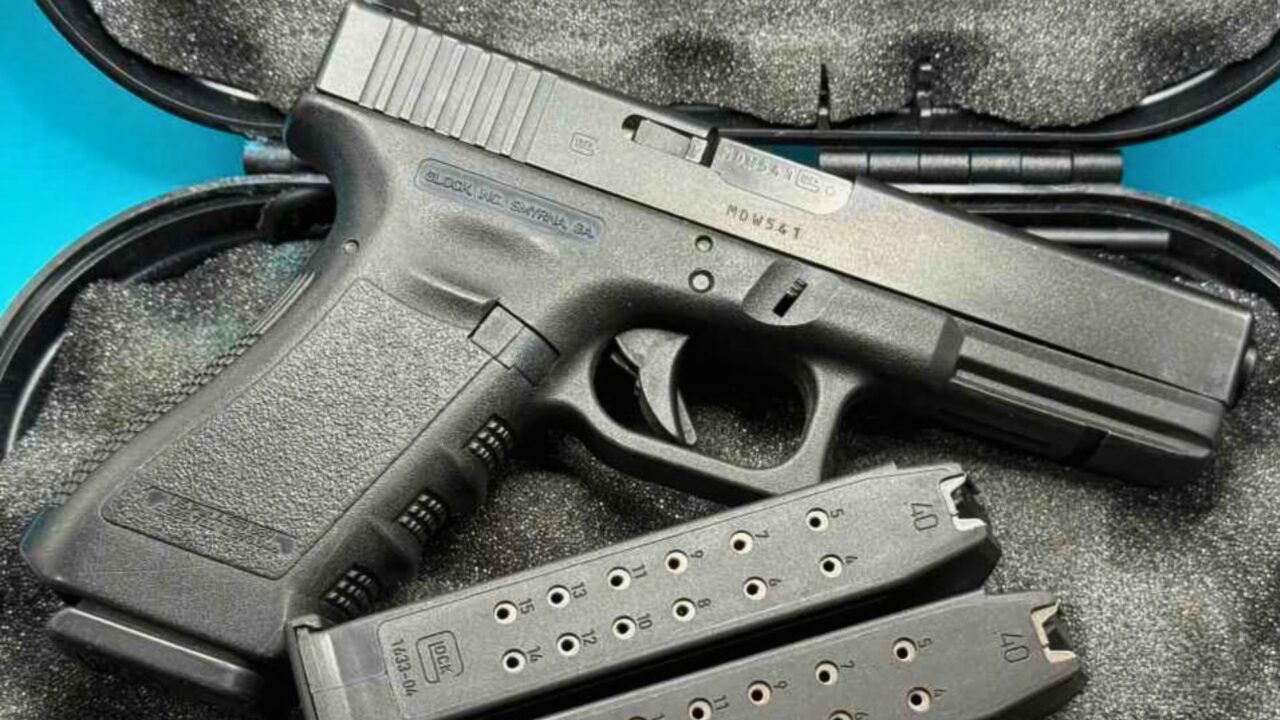
The .40 S&W gets dismissed harder now than it did during its peak. Many shooters moved back to 9mm because modern 9mm loads are effective, cheaper, lower-recoil, and easier on guns. That shift made .40 look like an answer to a question people stopped asking.
Still, .40 S&W is not useless. It offers more bullet weight and energy than 9mm in many loads, and there are countless used pistols chambered for it that can be good buys. The recoil is snappier, and many shooters perform better with 9mm, so the tradeoff is real. But in a full-size pistol with a trained shooter, .40 can still perform well. It didn’t become powerless just because the market moved on.
Like The Avid Outdoorsman’s content? Be sure to follow us.
Here’s more from us: