Photo credit: Bildagentur Zoonar GmbH/Shutterstock.com
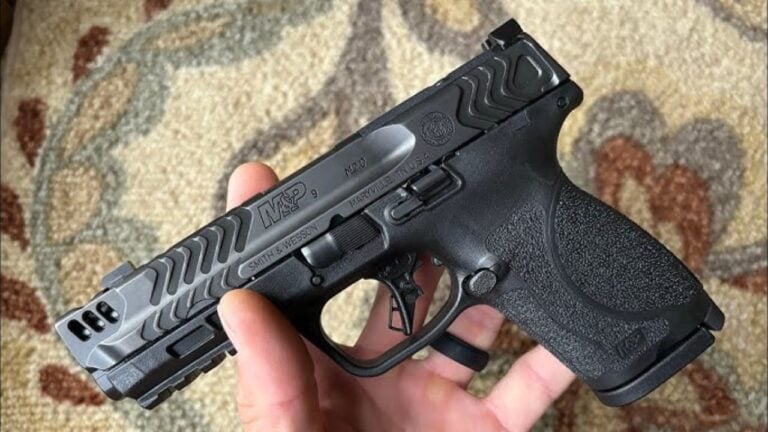
I bought that carry pistol the same way a lot of people do. I listened to the recommendations, looked at the reputation, and figured if that many people trusted it, I probably would too. On paper, it made all the sense in the world. Reliable, proven, easy enough to conceal, and praised by just about everybody who had an opinion worth hearing. That seemed like a safe bet. What I didn’t account for was how different “good pistol” and “good pistol for me” can be. I wanted the decision to be simple, so I let the consensus do too much of the work. Once I actually started carrying and shooting it regularly, I had to admit something I didn’t really want to say out loud at first: it was a solid gun, but it still wasn’t a good fit for me.
Popular does not mean personal
That was the biggest lesson in the whole thing. A gun can be widely respected and still not suit the person holding it. The one I bought wasn’t junk. It ran fine, shot fine, and did everything it was supposed to do on a general level. The issue was how it fit my hand, how it pointed for me, and how it felt once I got enough time behind it to stop being impressed by its reputation. My grip never felt as natural as I wanted it to. The trigger reach wasn’t ideal. The gun always felt a little like something I was managing instead of something I was working with. Those details matter more than people think, especially in a carry gun where confidence, comfort, and repeatability ought to be a given. I learned pretty quickly that broad approval doesn’t magically erase personal mismatch.
Carry comfort told me things the counter never did
At the gun counter, it seemed fine. A lot of pistols do. You handle them for a few minutes, maybe rack the slide, maybe dry-fire if the shop allows it, and everything feels more or less good enough. The problem is that “good enough for thirty seconds” doesn’t tell you much about how a pistol behaves after long days of carry, repeated draws, range work, and normal daily movement. That’s where the cracks started showing for me. It wasn’t unbearable, but it wasn’t easy either. The weight distribution felt a little off in my setup, and the shape wasn’t as carry-friendly on my body as I’d hoped. A carry gun doesn’t have to disappear perfectly, but if it keeps reminding you it’s there in annoying ways, that matters. The pistol everybody recommended started feeling more like something I was tolerating than something I trusted completely, and that’s not where I wanted to be with a carry setup.
Range performance matters more than internet approval
The range is where the truth started getting harder to ignore. I could shoot it well enough, but not as naturally or as consistently as some other pistols I had spent time with. My follow-up shots didn’t feel as smooth as I wanted. The grip and trigger combination never fully disappeared into muscle memory. I had to work around the gun more than I liked, and once I noticed that, I couldn’t unsee it. That’s where recommendation culture falls short. People can tell you what has worked for them, and that’s useful up to a point, but they can’t tell you how a pistol will feel in your hands under your pace with your habits. I think a lot of buyers, myself included, want to believe there’s a universally right answer in the carry world. There really isn’t. There are solid options, bad options, and then there are the solid options that still aren’t the right answer for a specific shooter.
The gun wasn’t the problem, the fit was
I had to be careful not to turn the experience into a bigger criticism than it deserved. The pistol was not a bad design, and it wasn’t failing mechanically. It just wasn’t my pistol. That distinction matters because a lot of people get defensive about popular handguns, and I understand why. Reputable carry guns earn their reputation for a reason. But fit is real. Grip angle is real. Trigger feel is real. So is how a gun tracks under recoil in your own hands. I had bought into the idea that personal preference was a smaller factor than it actually is. Once I admitted the mismatch was real, the whole experience made a lot more sense. I didn’t need to keep trying to force chemistry that wasn’t there just because the broader market had already voted.
The supporting setup matters too, but only up to a point
I did what a lot of people do and tried tweaking around the edges before questioning the gun itself. I looked at holster changes, different belts, magazine baseplates, and even thought about sight changes to see if I could make the overall experience click. Good support gear does matter. A better holster and belt can absolutely improve how a pistol carries, and dependable magazines and sights matter too. Bass Pro and other good retailers have plenty of those practical pieces that actually help. But there’s a limit to what accessories can fix when the core issue is that the pistol itself never really matched the shooter. I’m glad I explored some of those adjustments because it helped me separate carry-setup issues from gun-fit issues. In the end, though, no accessory was going to turn that pistol into something it wasn’t for me.
Consensus is a starting point, not a final answer
That’s how I think about recommendations now. They’re useful, but they are not binding. If a lot of experienced people trust a certain carry gun, that tells me it’s worth looking at. It does not tell me I’m done thinking. That pistol taught me to treat popularity as a filter, not a conclusion. I still want to hear what serious shooters and carriers recommend, but I care a lot more now about what happens when I actually shoot the thing, carry it, and live with it for a while. The experience kept me from chasing the false comfort of “everybody says this is the one,” which is a trap that sounds practical but can lead you straight into buying the wrong gun for the right reasons.
I trust firsthand fit more than crowd approval now
These days, I’d rather choose a pistol that feels a little less trendy but works better in my hands than force myself into the one everybody keeps ranking at the top. There’s a lot of freedom in admitting that. It makes the buying process less about chasing validation and more about finding something you can actually trust. A carry pistol is too personal and too important to pick based mainly on what made the most people nod online or at the shop counter. I learned that without the stakes getting too high, and I’m glad for that. The gun everybody recommended may have been a good answer in general, but that doesn’t mean it was the right answer for me. Once I accepted that, the next decision got a whole lot easier.
Like The Avid Outdoorsman’s content? Subscribe to our newsletter so you never miss an article.
Here’s more from us: