Photo credit: GoldenWebb/Youtube
Ruger has always been a funny brand in gun circles. You can find a Ruger in a ranch truck, in a nightstand, in a duck blind, and on the line at a local rimfire match—all in the same weekend. Some of them are slick and modern, some are as plain as fence posts, and a few are downright quirky. But when a Ruger earns a reputation, it’s usually because it kept running when something else didn’t, or because it did an everyday job so well that nobody bothered to talk about it until it was gone.
Here are 20 Ruger firearms that built their names the hard way—through use, hard knocks, and a lot of rounds downrange.
1. Ruger 10/22 Carbine
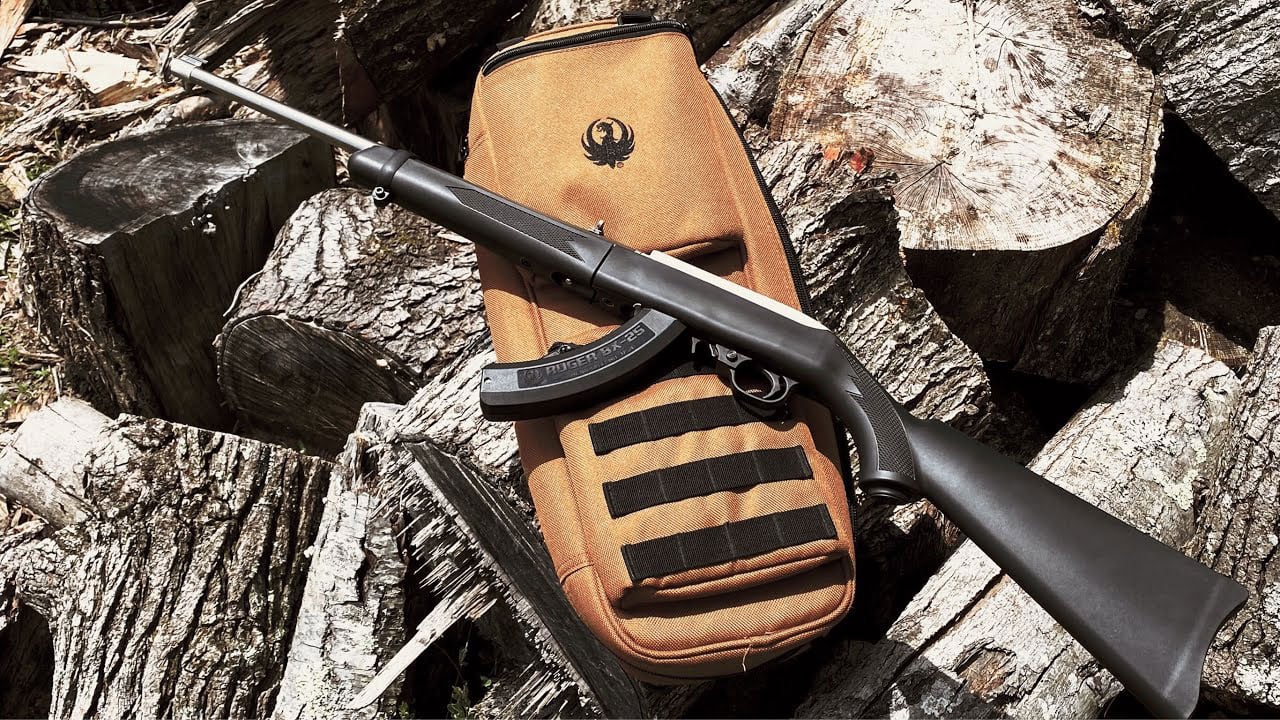
If you’ve ever taught a kid to shoot, checked a trapline, or burned an afternoon poking holes in cans, there’s a good chance a 10/22 was involved. It points easy, carries light, and doesn’t beat anybody up. The reputation comes from how little drama it brings to a day in the woods.
Magazines are everywhere, parts are everywhere, and there’s a reason every gun shop has a used one leaning in the corner. It’s not perfect out of the box every time, but it’s a platform you can keep simple or tinker with for the rest of your life.
2. Ruger 10/22 Takedown
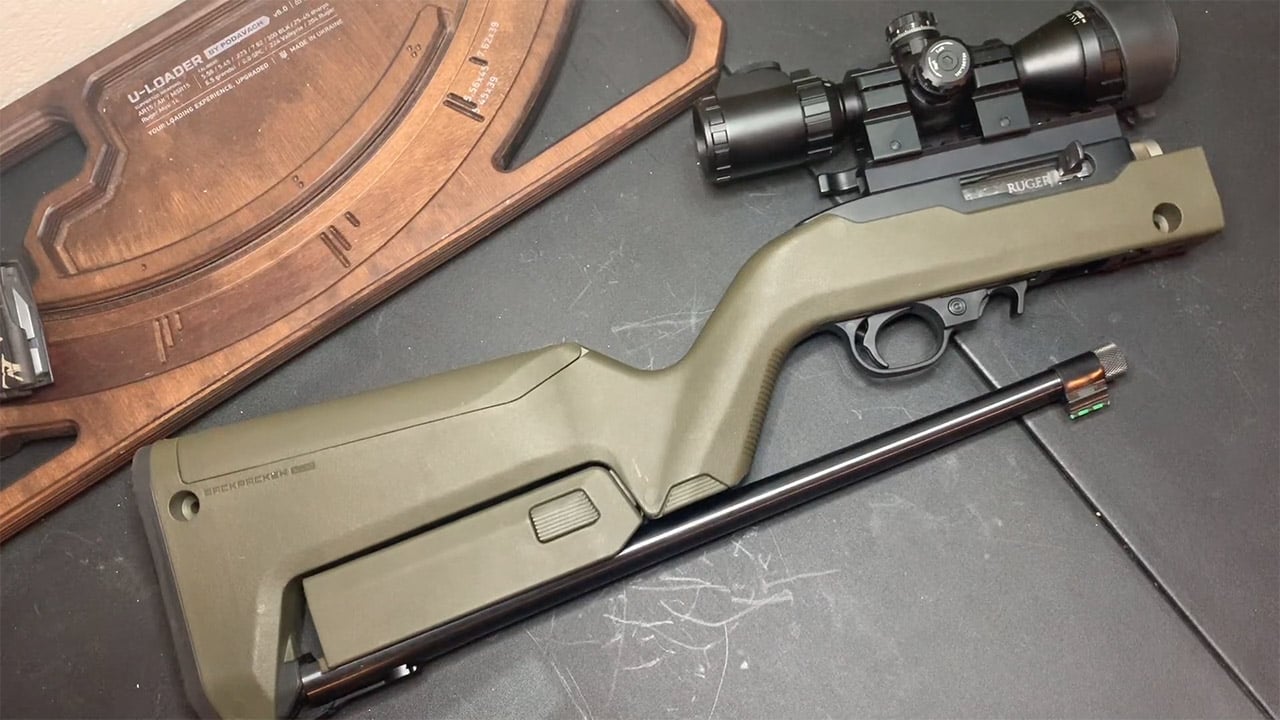
This one is for the guys who actually throw a .22 in a pack, behind a truck seat, or in a small case for camp. The takedown system is quick, and it makes sense if you’re tight on storage or you want something you can break down without tools.
The big win is convenience without feeling flimsy. Keep the mating surfaces clean, don’t neglect the optic mount choices, and it’ll do what you want a field .22 to do: show up and work.
3. Ruger Mark IV Standard

Ruger’s rimfire pistols have been stapling paper and smacking steel for decades, but the Mark IV earned instant respect for one reason: you don’t need a degree in mechanical engineering to take it apart. That older “puzzle box” takedown routine turned a lot of shooters off, even when the guns shot great.
The Mark IV feels like a tool made by people who actually shoot. It’s accurate enough to embarrass you, reliable with decent ammo, and it’s one of those pistols you can own for years without feeling the urge to replace it.
4. Ruger Mark II Target
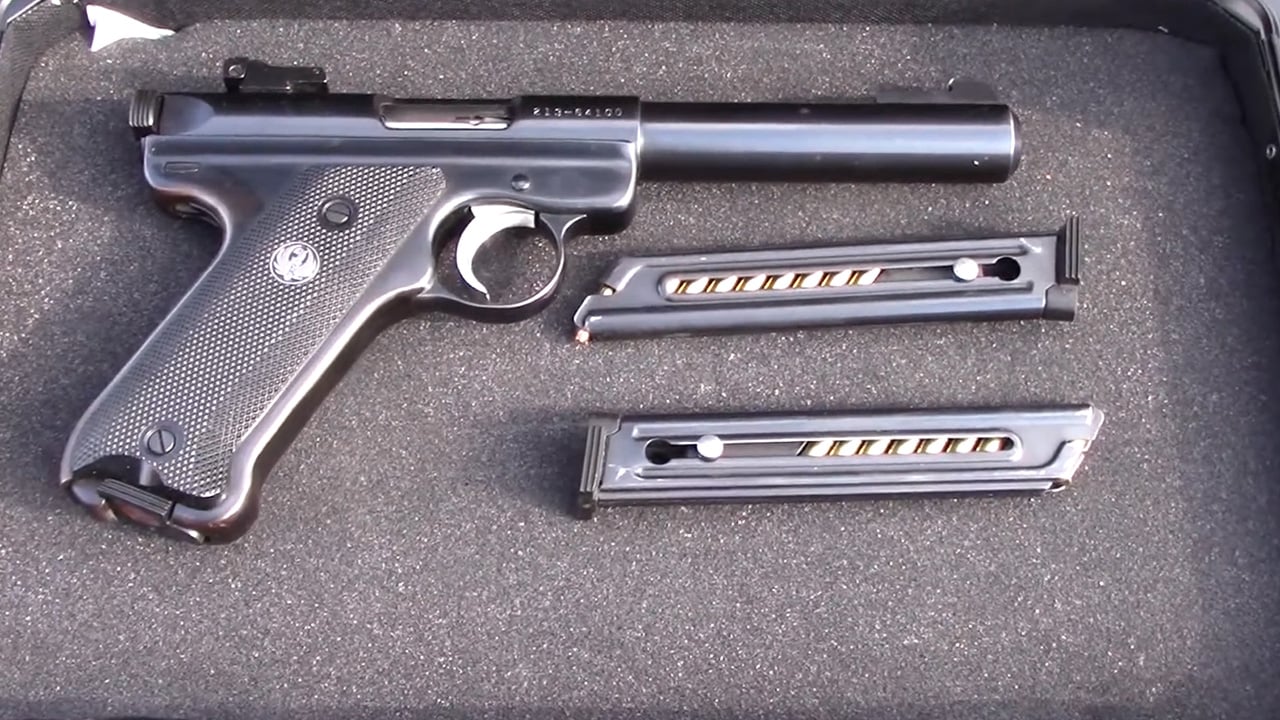
The Mark II has that old-school, overbuilt feel. Steel, weight, and a steady balance that makes hitting small targets feel like you’re cheating. When someone says, “I should’ve never sold that .22 pistol,” a Mark II is often what they mean.
Yes, the takedown can be annoying. Ask me how I know. But the flip side is these things just keep going, and a good one will outshoot plenty of newer rimfire handguns without trying.
5. Ruger GP100 (4-inch)
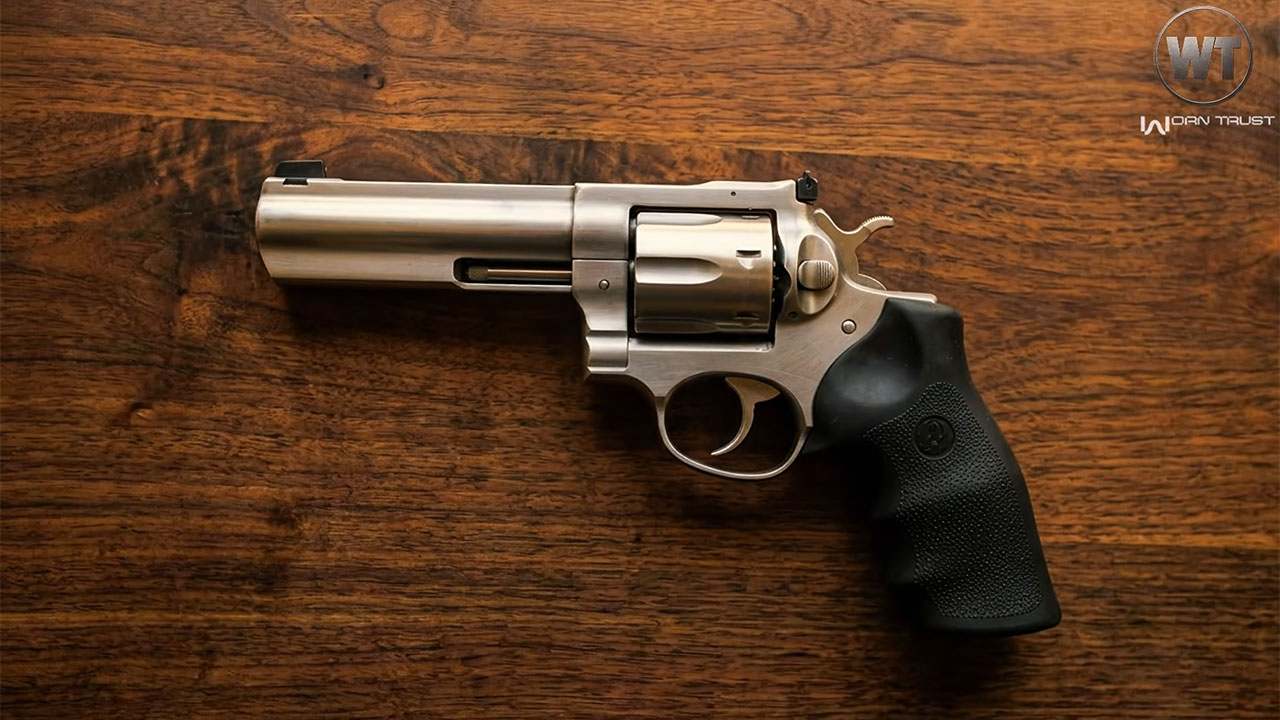
The GP100 is the revolver you hand to somebody who wants a .357 they can actually shoot a lot, not just pose with. It soaks up recoil better than the lighter carry revolvers, and it has the kind of lockup that makes you trust it.
It’s not a dainty gun, and it’s not meant to be. In the woods, as a trail gun, it’s a comfort piece—especially for folks who like simple manual-of-arms and don’t want to worry about magazine issues.
6. Ruger SP101 (2.25-inch)
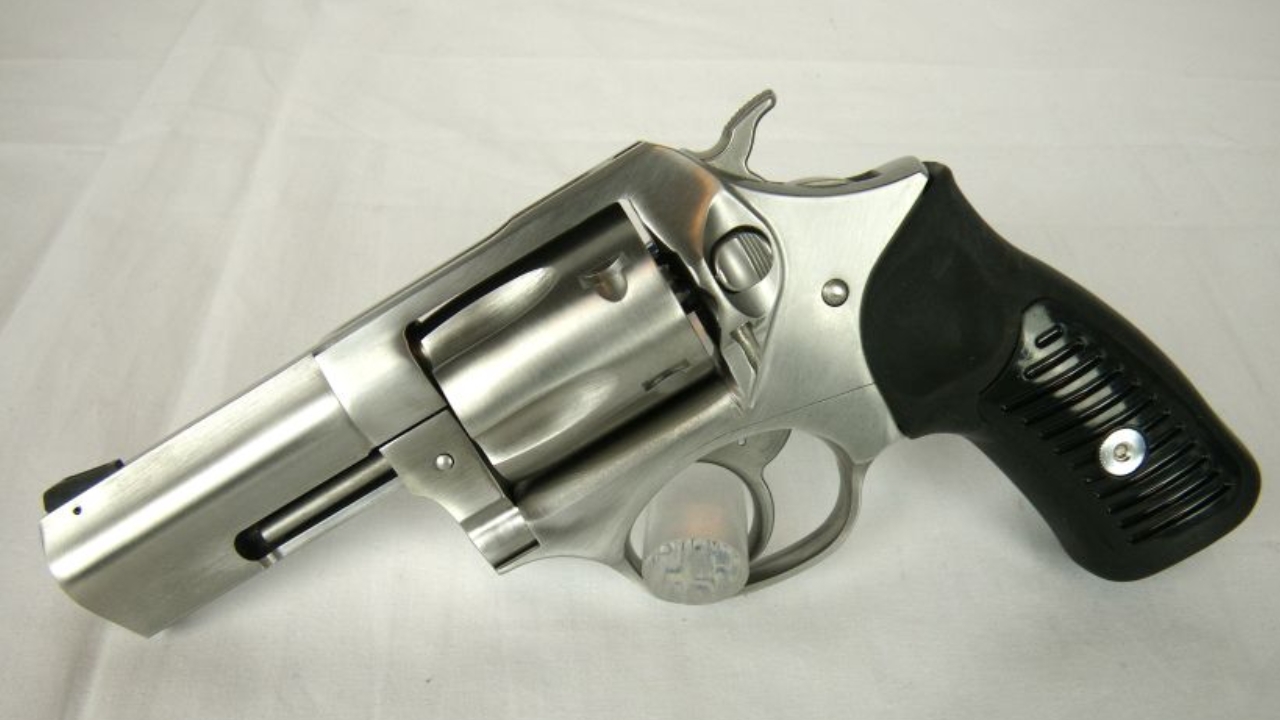
The SP101 built its reputation by being small enough to carry and stout enough to shoot. A lot of small revolvers feel like they’re punishing you for your choices. The SP101 feels like it’s actually on your side.
It’s still a compact revolver, so full-house .357 loads aren’t “fun,” but it’s manageable. For many outdoorsmen, .38 +P is the sweet spot, and the gun will digest it forever.
7. Ruger LCR .38 Special +P

The LCR is one of those guns that doesn’t win beauty contests, but it keeps ending up in pockets for a reason. It’s light, it carries easy, and the trigger is better than it has any right to be for a little defensive revolver.
It’s also a gun that gets carried more than it gets shown off. If you’re honest about what you’ll actually keep on you on a hot day or while running errands in work clothes, the LCR makes a lot of sense.
8. Ruger LCRx (3-inch)

The LCRx in a 3-inch configuration is a nice compromise for woods carry. You get a bit more sight radius, a bit more velocity, and a little more control, without turning it into a belt-anchor.
It’s also easier to shoot well than the ultra-short models, especially if you’re trying to hit something small at an honest distance. Not everyone needs it, but it’s a smart setup for folks who want a light revolver they can still aim.
9. Ruger Blackhawk (Single-Action)
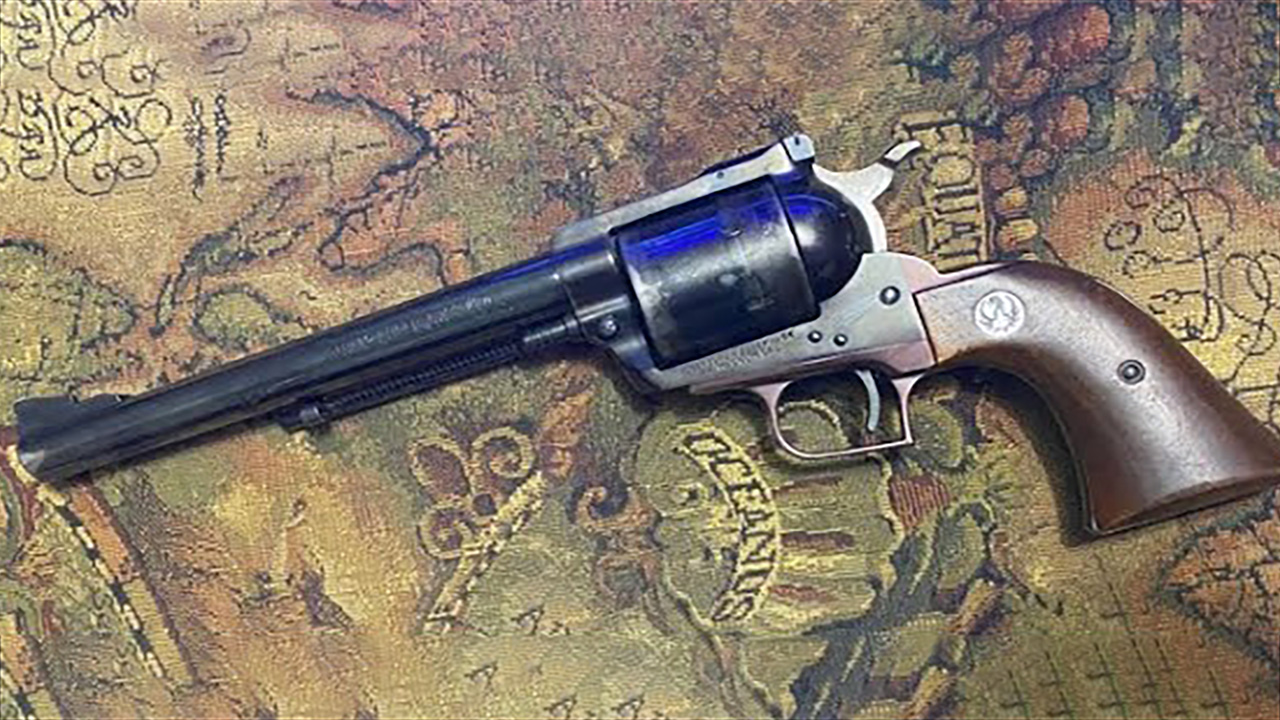
There are single-actions that are more “cowboy,” and there are ones that are more “hunting tool.” The Blackhawk leans hard toward tool. It’s strong, simple, and it’ll handle heavy loads in calibers that matter to handgun hunters.
It’s not fast like a modern defensive pistol, and that’s not the point. It’s a sidearm for the outdoors, and it’s earned respect because it holds up when used like one.
10. Ruger Super Blackhawk
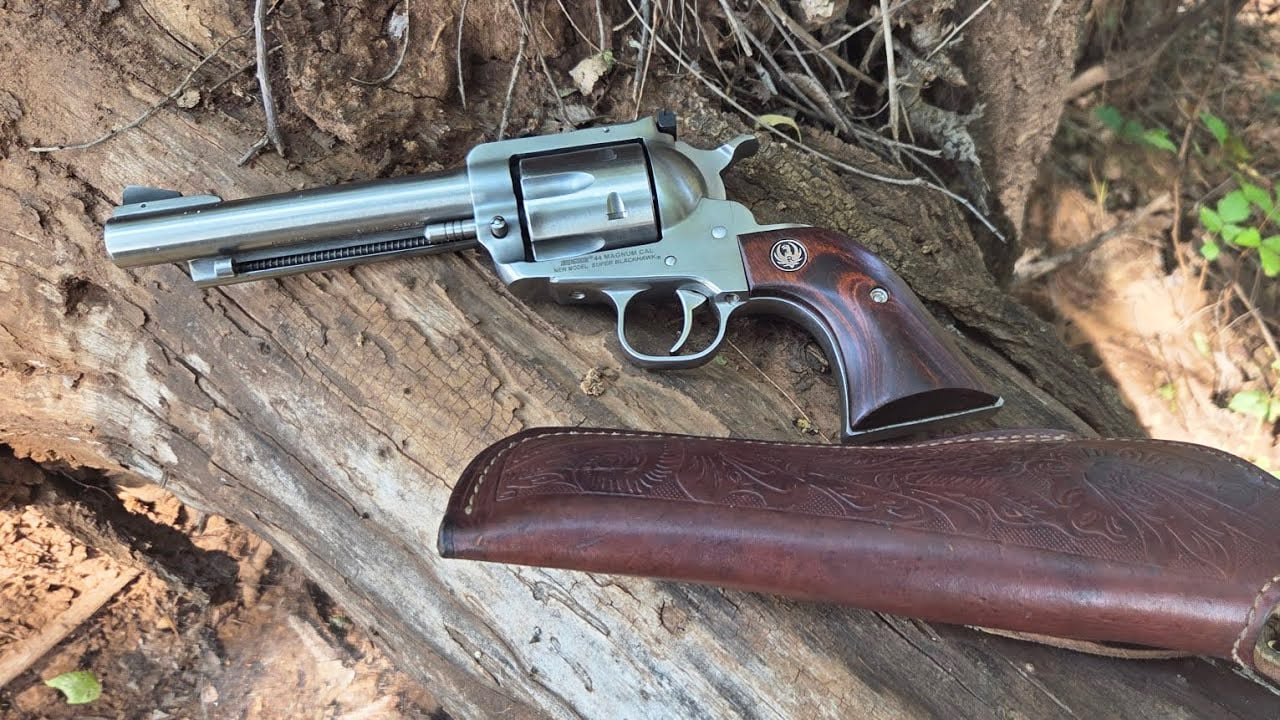
The Super Blackhawk has knocked over a lot of game and convinced a lot of people they didn’t need more recoil than that. It’s a serious revolver, and it feels like one the moment you pick it up.
It’s also the kind of gun that makes you pay attention to grip, stance, and follow-through. In exchange, it gives you a rugged hunting handgun that doesn’t feel like it’s living on borrowed time.
11. Ruger Redhawk
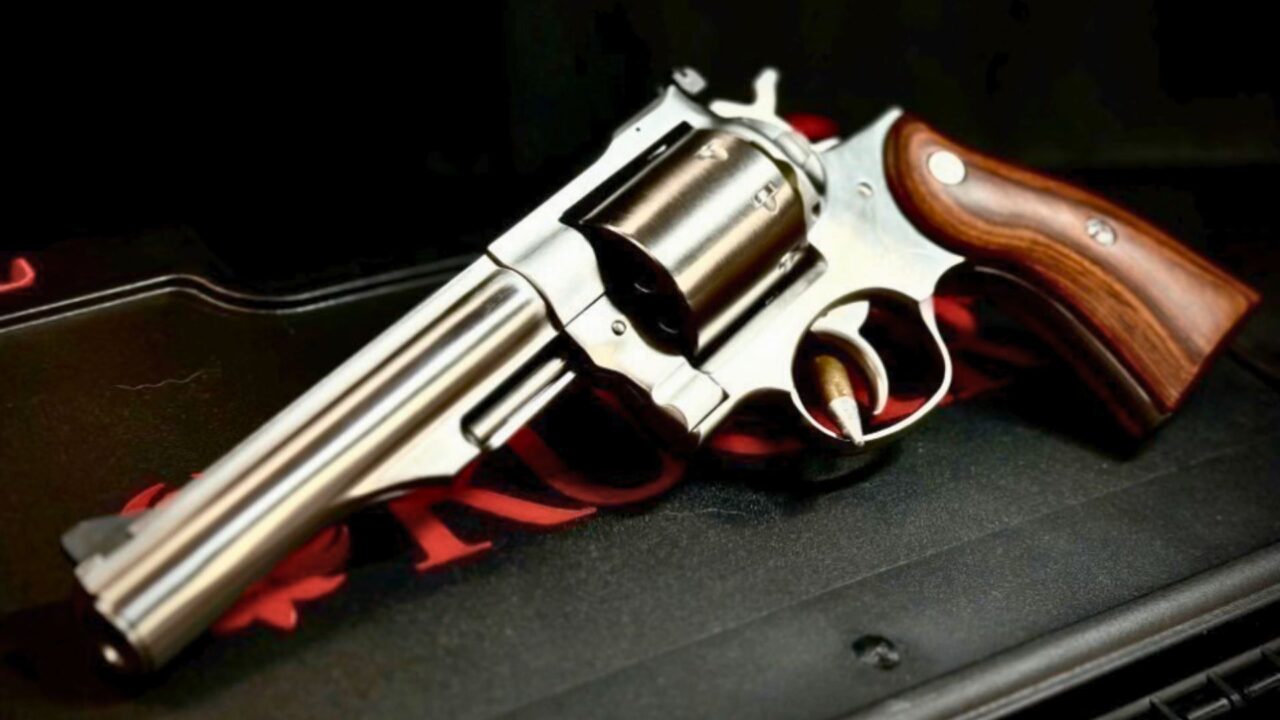
When Ruger folks start talking about “overbuilt,” the Redhawk shows up quick. It’s big, heavy, and not subtle. But it’s a revolver you can run hard, especially in heavy calibers, without feeling like the gun is the weak link.
For backcountry carry, it’s not for everyone—weight is weight. Still, if you’ve ever wanted a revolver that feels like it was made from bridge parts, this is the one.
12. Ruger Super Redhawk (Alaskan)

The Alaskan is the revolver equivalent of carrying a fire extinguisher. It’s short, chunky, and meant for a very specific kind of peace of mind. In bear country, that reputation gets talked about in a different tone.
It’s not a range toy. Recoil is real, muzzle blast is real, and practice matters. But the platform is tough, and for folks who choose a big-bore revolver for the backcountry, Ruger’s name is on a lot of holsters for a reason.
13. Ruger Security Six

The old Security Six series helped cement Ruger as a working-man’s revolver company. These guns rode in duty holsters, sat in glove boxes, and got used hard without being babied. They aren’t fancy, and they never tried to be.
If you find one in good shape, you’ll understand the loyalty. They balance well, they shoot well, and they’ve got that older Ruger feel—solid, practical, and ready.
14. Ruger Mini-14 Ranch Rifle
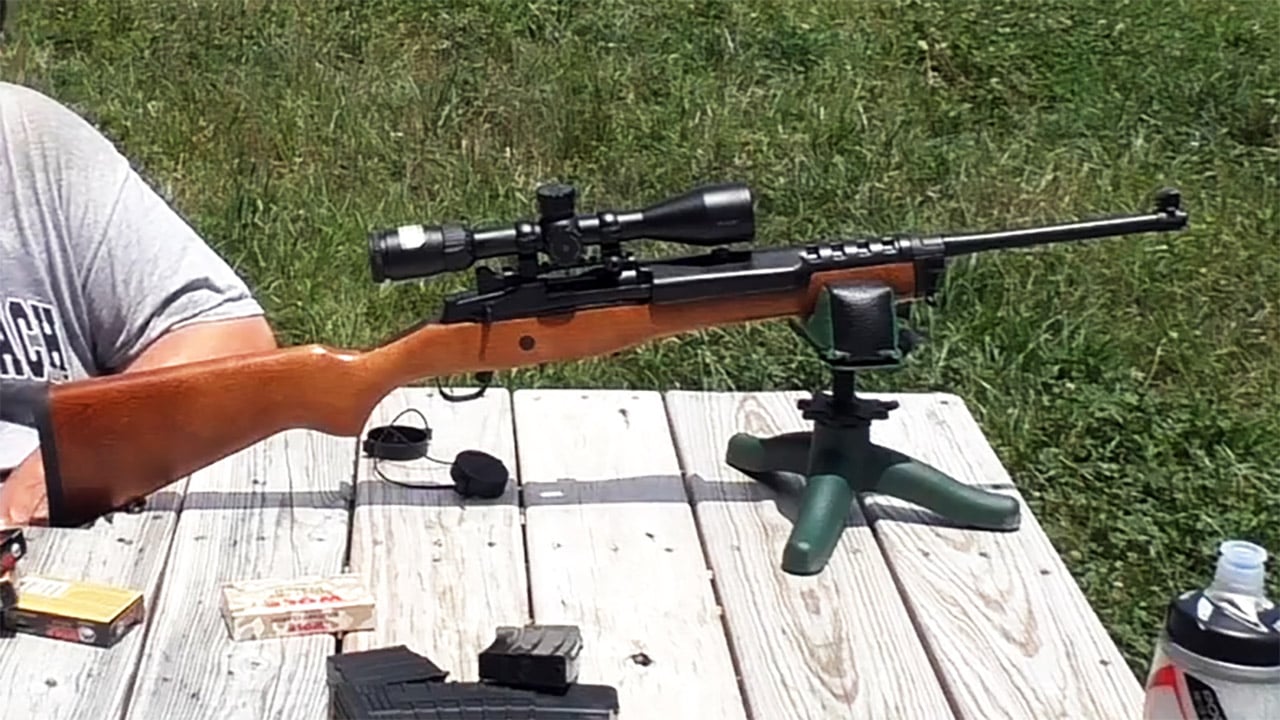
The Mini-14 has taken plenty of heat online, usually from people who want it to be something it isn’t. It’s not an AR, and it doesn’t need to be. It’s a handy, quick-pointing rifle that carries well and works for ranch chores, predators, and general utility.
Modern Minis are better than the early thin-barrel reputation suggests, but even the older ones earned their place. With good magazines and realistic expectations, it’s a rifle that just fits a lot of rural lives.
15. Ruger Mini-30

The Mini-30 is the Mini-14’s cousin with a different appetite, and it’s a rifle that makes sense if you like a classic layout and want a little more thump than .223. It’s also one of those guns where ammunition choice matters more than people want to admit.
Feed it decent brass-cased ammo and good mags, and it can be a reliable field rifle. For hogs or closer-range deer work in the right hands, it’s not a joke.
16. Ruger American Rifle (Standard)
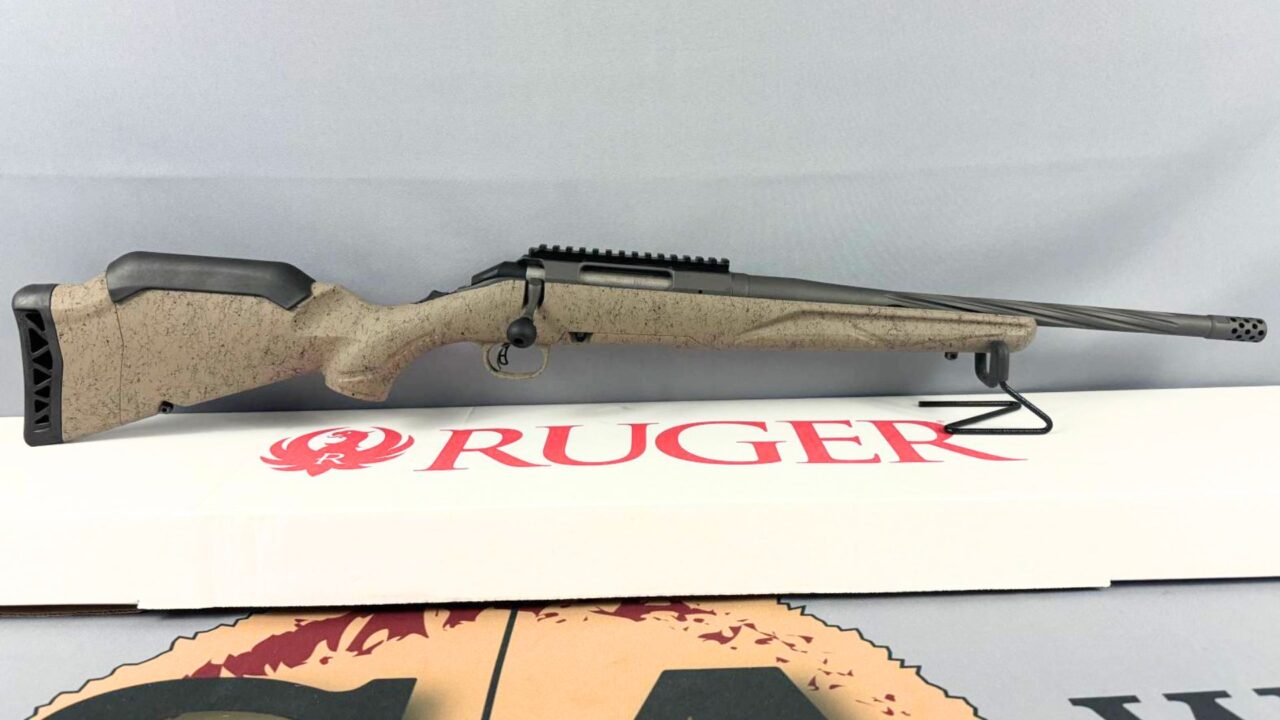
This is the “boring” one that quietly fills freezers. The Ruger American isn’t flashy, and the stock won’t make you stare at it on the couch. But they tend to shoot, they tend to hold up, and they don’t cost the kind of money that makes you afraid to hunt in nasty weather.
The reputation comes from value that holds over time. Plenty of hunters bought one as a “for now” rifle and then never felt the need to upgrade.
17. Ruger American Predator

The Predator version earned its name by being a practical setup for coyotes and farm-country work. Threaded barrels, useful chamberings, and an overall package that doesn’t feel delicate. It’s the kind of rifle you don’t mind leaning in a corner of the shop while you fix a gate.
Pair it with a sensible optic and a sling, and it’s ready for the real world. There’s nothing fancy about it, and that is kind of the point.
18. Ruger Gunsite Scout Rifle
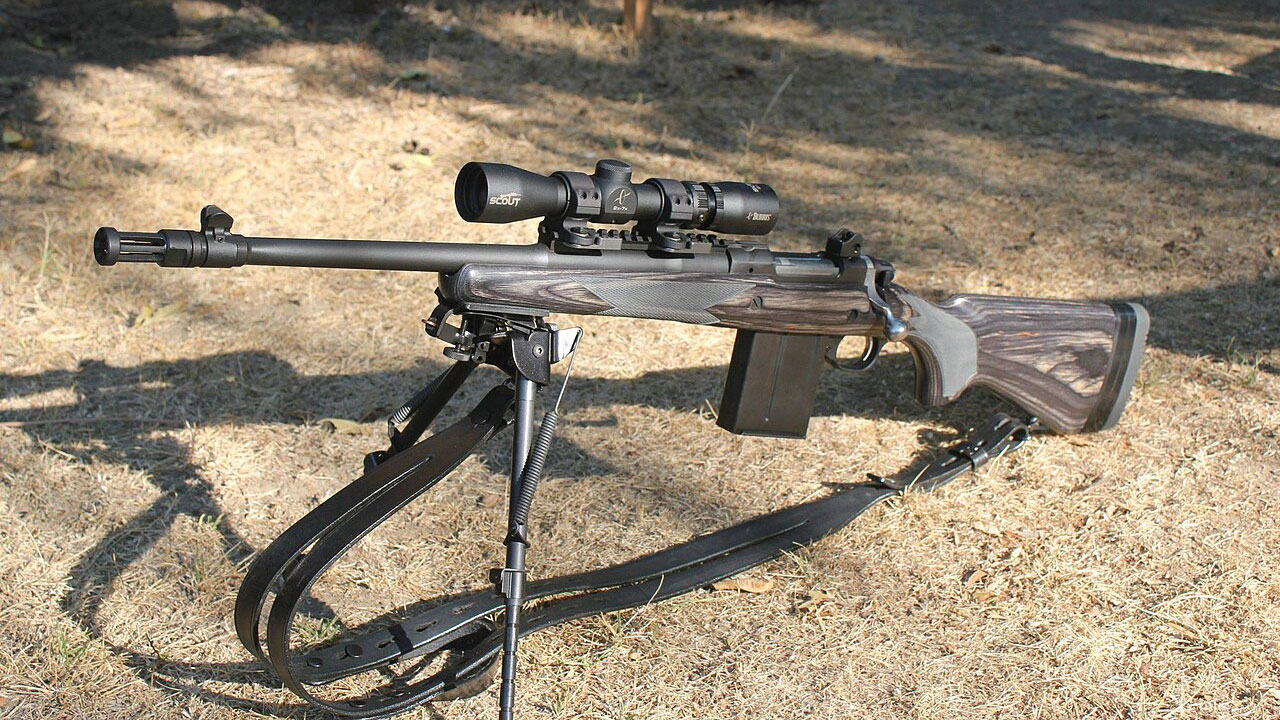
This one has a “type” of owner, and you probably know who I’m talking about. The Gunsite Scout is built around a certain idea: a handy, do-it-mostly-all rifle that carries well and is quick to run. It’s a niche, but it’s a useful niche.
It’s not the lightest option, and the forward optic concept isn’t everybody’s favorite. Still, it’s rugged, practical, and it feels like it belongs behind a truck seat heading toward a lease road.
19. Ruger Hawkeye (M77)
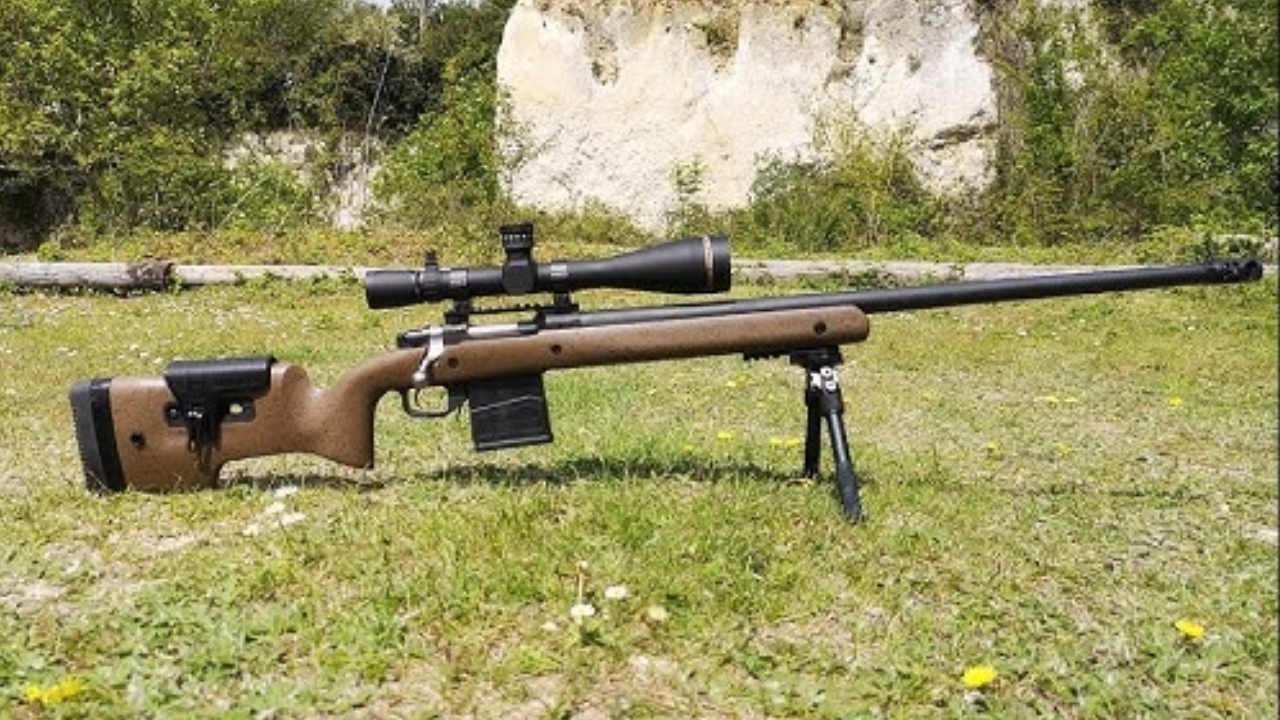
The Hawkeye is for the hunter who likes controlled-round feed and a rifle that feels like it was built to be handed down. The action has a certain confidence to it when you run the bolt. It’s not the slickest in the store, but it feels trustworthy.
These rifles show up in deer camps year after year, often with worn bluing and a scope that’s been “good enough” for a long time. The reputation isn’t about trends. It’s about seasons.
20. Ruger No. 1
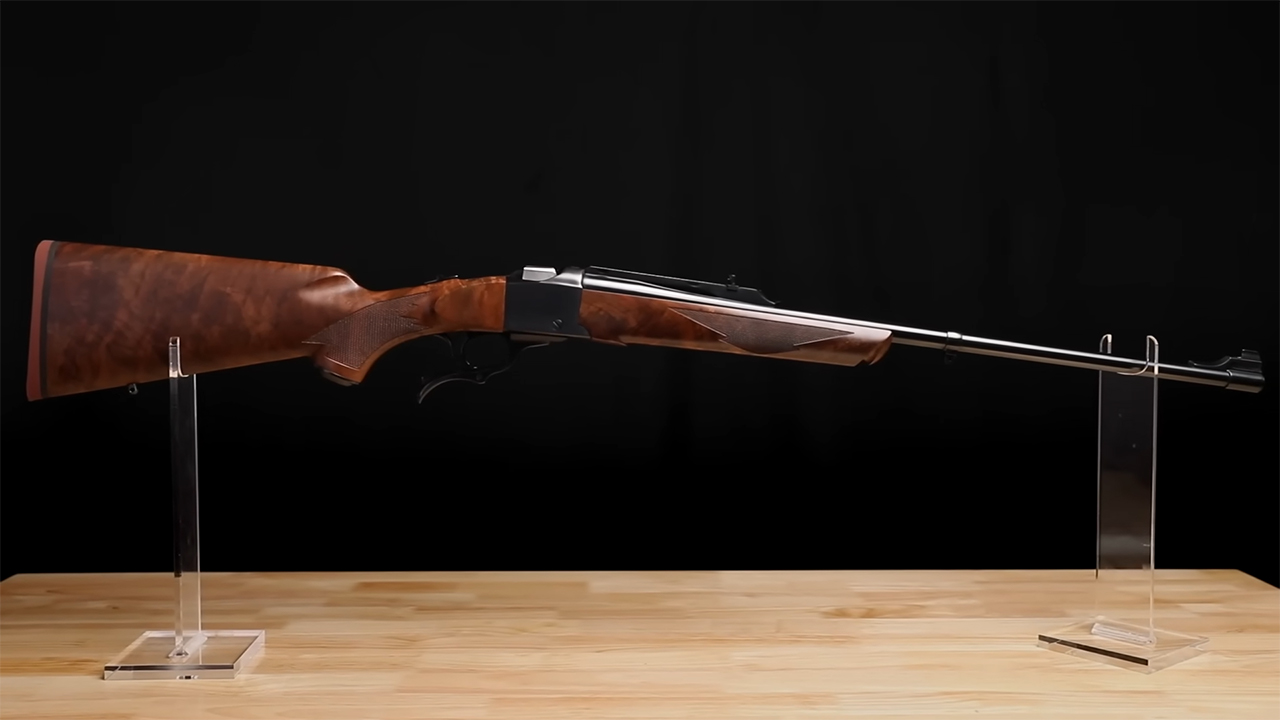
The Ruger No. 1 is proof that “practical” isn’t the only reason to own a gun. It’s a single-shot, falling-block rifle with class and attitude, and it makes you slow down in a good way. One careful shot, one clean action, and a rifle that feels like it was made when craftsmanship still mattered.
It’s not for everybody, and it doesn’t need to be. But if you’ve ever carried one in the woods, you get why they have a following that doesn’t go away.
Ruger’s reputation wasn’t built by safe queens. It was built by guns that got tossed in scabbards, carried in rain, shot on cold mornings, and kept around because they did what they were supposed to do. Not every Ruger is perfect, and not every Ruger is for every job, but these 20 earned their spot the honest way—by being useful when it counts.
Like The Avid Outdoorsman’s content? Be sure to follow us.
Here’s more from us: