Photo credit: Savage Arms
Some rifles do not make their best impression under fluorescent lights. You pick them up at the counter, work the bolt a few times, maybe shoulder them for three seconds, and move on because nothing about them jumps out. Then hunting season starts, the miles add up, the weather gets ugly, and that same rifle suddenly makes a whole lot more sense. That happens more often than people admit. A rifle can feel ordinary in a store and still turn into exactly the kind of tool you want when shots are real, time is short, and conditions are less than friendly.
A lot of that comes down to what actually matters once you leave the parking lot behind. Carry weight matters. Balance matters. Reliability matters. So does the way a rifle comes to the shoulder when you are breathing hard, wearing layers, and trying to settle in before an animal disappears into cover. These are the rifles that tend to improve once you stop judging them like display pieces and start using them like hunting tools.
Tikka T3x Lite
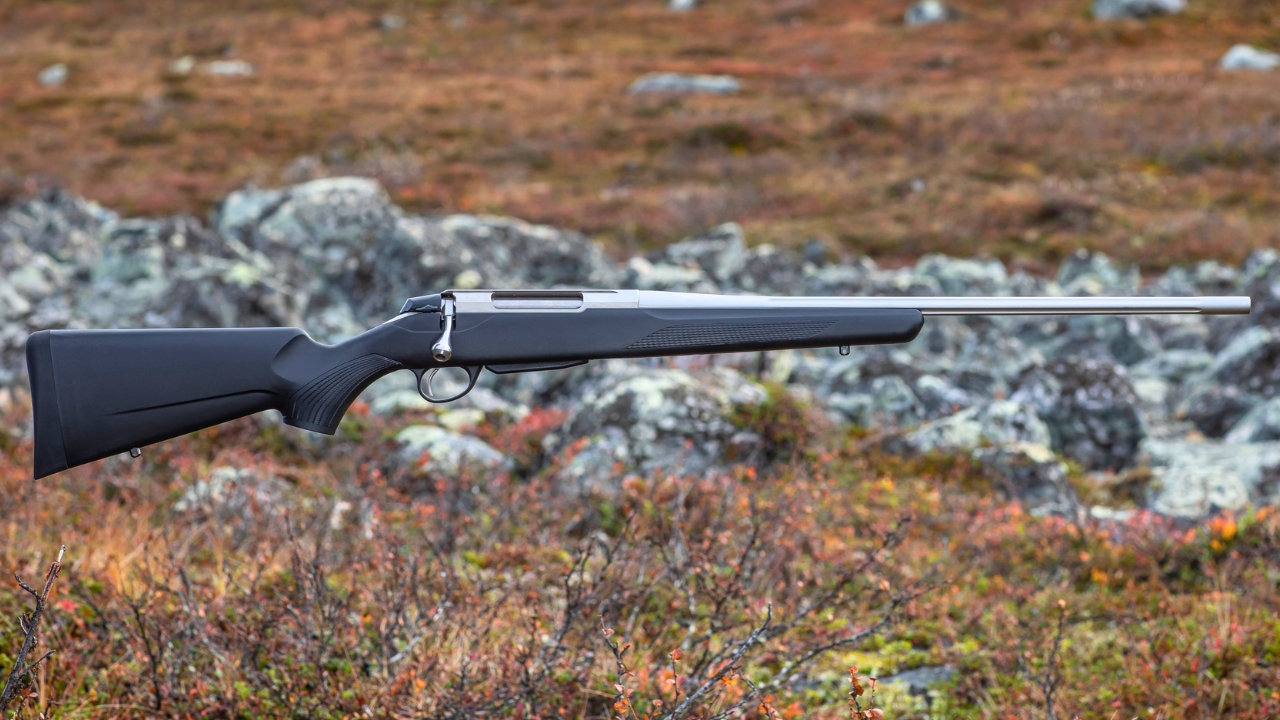
The Tikka T3x Lite can feel a little plain at the counter because it is not trying very hard to charm you. The stock is simple, the look is clean but not flashy, and nothing about it screams for attention unless you already know what you are looking at. But once you get it into steep country or carry it all day through broken terrain, the appeal shows up fast. It is light without feeling flimsy, and the smooth bolt starts mattering a lot more when you are working from an awkward position or trying to stay quiet.
That is where the rifle earns its reputation. The trigger is usually very good, the accuracy tends to be there without much drama, and the overall handling feels better the longer the hunt goes on. At the counter, it can seem almost too understated. In the field, that understatement starts to look a lot more like smart design.
Ruger American Predator

The Ruger American Predator rarely wins any beauty contests at first glance. It looks like what it is: a practical hunting rifle built with a budget in mind. At the counter, that can make it feel easy to dismiss if you are comparing it to prettier rifles or more expensive names. But once it starts doing real work, the conversation changes. The rifle carries easily enough, tends to shoot better than people expect, and does not make you nervous about bumps, weather, or hard use.
That is why a lot of hunters end up liking it more after a season than they did in the store. It has that useful, no-frills quality that matters when your rifle is bouncing in a truck, riding in a blind, or getting carried through brush. It may not have much showroom romance, but it often has exactly the kind of field usefulness people end up respecting.
Browning X-Bolt Hunter

The Browning X-Bolt Hunter is a rifle that can come across as nice but maybe not unforgettable when you first handle it at the counter. It is clean, well put together, and clearly not junk, but it does not always create that instant emotional pull some rifles do. Then you hunt with it. Once you start carrying it through timber or setting up for a quick shot across a clearing, the balance and overall handling begin to stand out in a more practical way.
That is where it earns you. The short bolt lift feels useful instead of interesting, the safety setup feels like it was made by people who actually hunt, and the rifle comes to the shoulder cleanly when it matters. Some rifles are easier to admire than to use. The X-Bolt Hunter tends to work the other way around, and that is a big reason hunters stay loyal to them.
Winchester Model 70 Featherweight

The Model 70 Featherweight can be easy to underappreciate if you are only handling it for a minute at the gun counter. It feels trim and classic, but it may not seem dramatically different from a lot of other sporting rifles sitting nearby. Then you spend a few days walking with one, especially in rough country, and you start noticing how nicely it carries and how naturally it shoulders when a shot comes together in a hurry.
That is the sort of thing a field rifle needs to do well. The Featherweight earns its keep through balance more than spectacle. It is lively in the hands, easy to manage over long stretches, and still feels like a serious rifle instead of a stripped-down compromise. At the counter, it can seem merely tasteful. In the field, it starts feeling exactly right.
Savage 110 Hunter

The Savage 110 Hunter does not always flatter itself in the store. It has a practical, workmanlike look that leaves some buyers cold if they are chasing polish or old-school elegance. But a lot of rifles that feel better in the field start out that way. Once you put rounds through it, sling it over your shoulder, and let it ride with you through a real hunt, the important things start becoming clearer. It tends to shoot well, the trigger is easy to appreciate, and the overall rifle makes a lot more sense when results matter more than first impressions.
That is why so many hunters warm up to Savages after real use. They are often better as tools than as showroom objects. The 110 Hunter especially has a way of turning skepticism into respect because it keeps doing the practical things right. Accuracy has a way of making a rifle look better over time.
Weatherby Vanguard
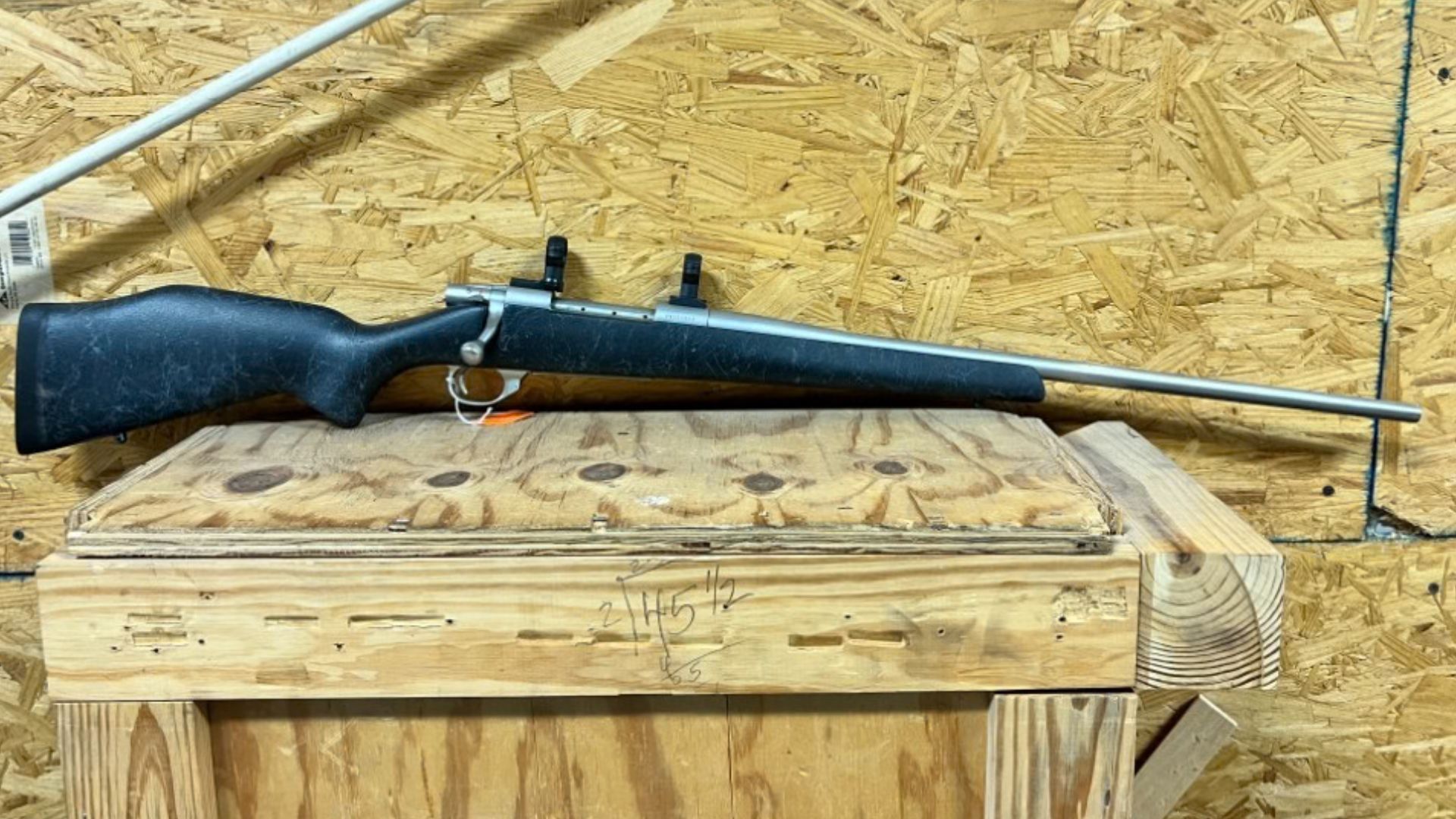
The Weatherby Vanguard can feel a little more ordinary at the counter than the Weatherby name might make some people expect. It does not always carry that dramatic first impression buyers imagine. Then it gets into the field and starts showing why hunters stick with them. The rifle feels solid, tends to shoot well, and has the kind of dependable personality that matters more on day three of a hunt than anything you noticed in a bright retail rack.
That is really the theme with a rifle like this. It becomes more convincing through repetition. The action, stock shape, and overall steadiness all start to add up once you are shooting from field positions instead of simply cycling the bolt in a store aisle. It may not be the rifle that sells itself in thirty seconds, but it often becomes one that owners trust more with every season.
CZ 600 Alpha

The CZ 600 Alpha does not necessarily leap out at you if you are the type who shops with your eyes first. It is functional, modern, and pretty restrained. At the counter, that can make it blend into the sea of synthetic-stock hunting rifles. In the field, though, that same restraint works in its favor. It is easy to carry, handles cleanly, and feels like a rifle meant to be used hard instead of admired carefully.
That is where it starts winning people over. The stock shape, practical finish, and overall simplicity make more sense after a few long days outdoors than they do during a quick look indoors. A hunting rifle does not need to be dramatic to be good, and the 600 Alpha makes that point pretty clearly once the terrain and weather start testing it.
Howa 1500 Hunter
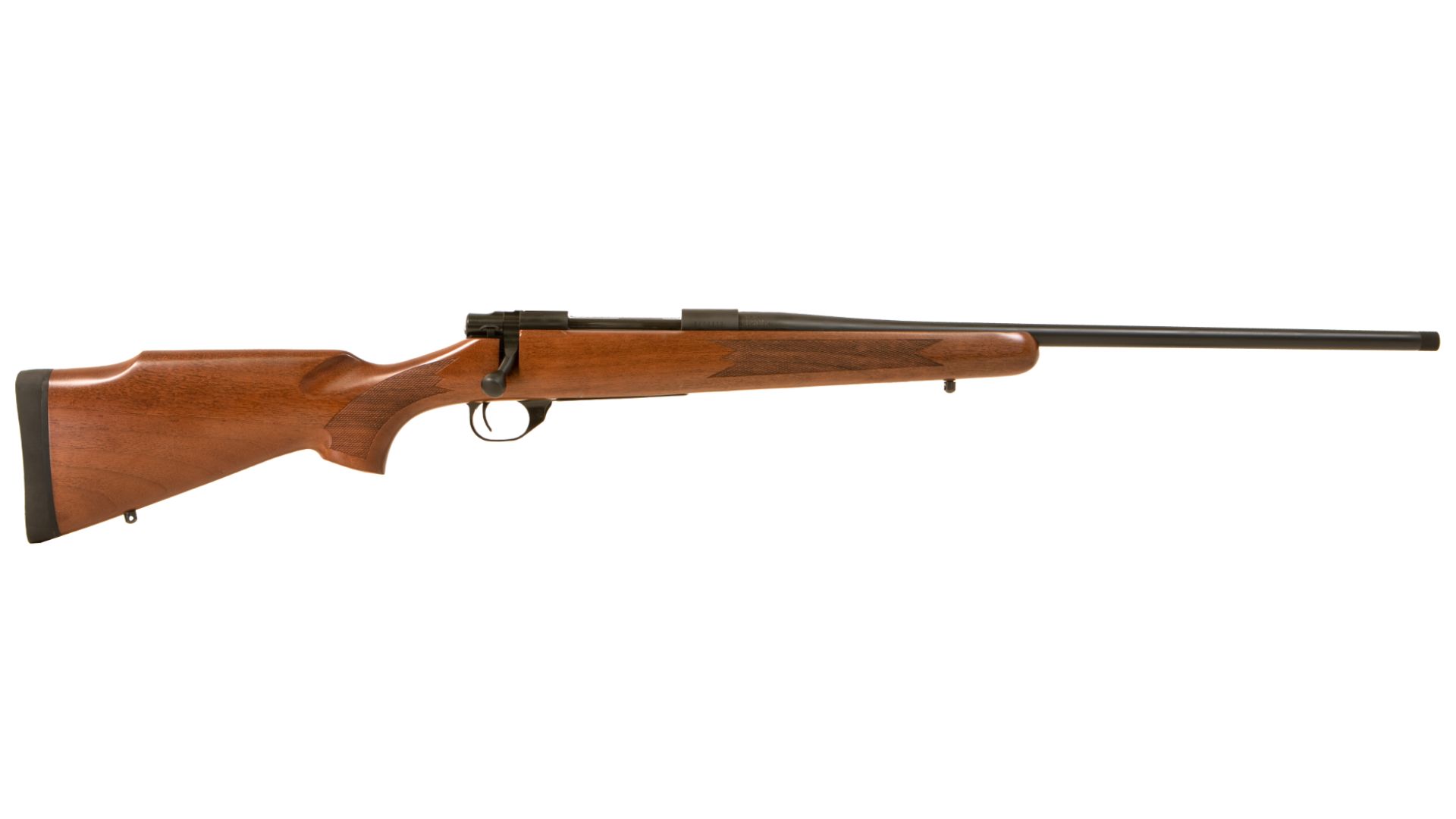
The Howa 1500 Hunter can come off as sturdy but slightly forgettable when you first encounter it at the counter. It usually does not have the instant name recognition or polish that makes people stop mid-step. But once it gets outside and starts doing what a hunting rifle is supposed to do, it becomes much easier to appreciate. It has a solid feel, tends to behave predictably, and inspires more trust than excitement, which is often exactly what you want in camp.
That kind of trust grows quietly. The rifle may not wow people in a casual shop visit, but it often wins them over after a few hunts where it simply feeds, fires, and prints where it should. That sort of reliability feels better in the field than it ever can under retail lighting, and that is why rifles like the Howa tend to hold onto owners longer than people expect.
Bergara B-14 Hunter

The Bergara B-14 Hunter is one of those rifles that can seem nice but not immediately special when handled at the counter, especially if you are expecting something dramatic because of the brand’s accuracy reputation. It is well made, but it saves its strongest argument for later. Once you hunt with it, the balance, consistency, and overall confidence it gives you start to matter more than whatever flashier detail another rifle used to grab your attention.
It helps that the rifle tends to shoot well enough to remove doubt from the equation. A rifle always feels better in the field when you trust what it is going to do before the shot even comes. The B-14 Hunter builds that kind of trust pretty fast. It is not all about looks or first impressions. It is about whether you are glad to have it in your hands when the opportunity shows up. Usually, with this one, you are.
Ruger Hawkeye
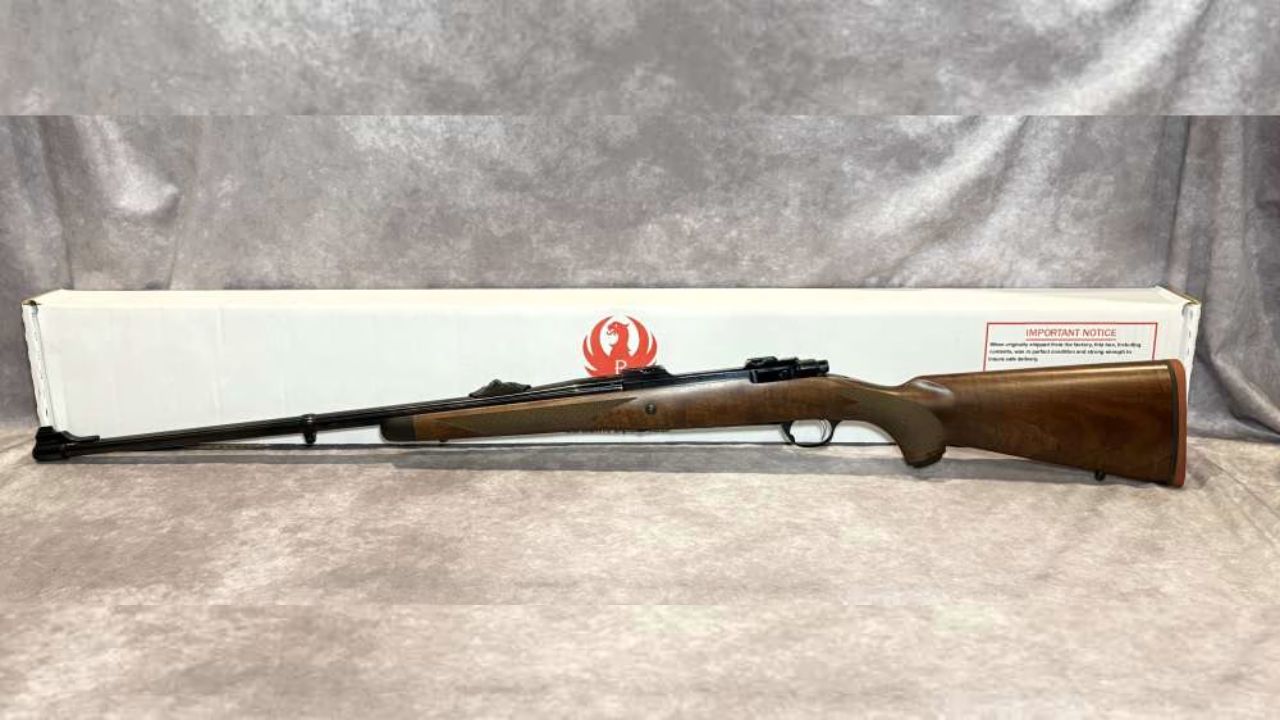
The Ruger Hawkeye can feel a little old-school and almost too straightforward when you first handle it at a counter. It does not beg to be noticed, and in a lineup full of modern stocks and features, that can make it feel a bit reserved. Then you hunt with it and realize reserved is not the same thing as unremarkable. The rifle feels rugged, steady, and ready for the kind of abuse that real hunting sometimes hands out.
That matters more than showroom appeal ever will. The controlled-feed action, solid construction, and general toughness of the Hawkeye start to feel like real assets once weather and terrain turn ugly. It is the sort of rifle that may not get much praise from people who only handle it briefly, but it gets a lot more respect from hunters who spend real time carrying it.
Remington Model Seven

The Remington Model Seven often feels a little smaller and plainer than some buyers expect when they first pick it up at a counter. That can actually work against it in the store because compact rifles sometimes get mistaken for compromised rifles. In the field, that impression tends to disappear quickly. The Model Seven is handy, quick to shoulder, and well suited for the kind of fast, imperfect shooting situations hunters actually face in timber, brush, and broken terrain.
That quickness is hard to appreciate until you need it. When a deer slips through an opening or a shot comes together faster than expected, the rifle’s size and liveliness suddenly make a lot more sense. Some rifles impress you by feeling substantial. Others impress you by staying out of your way. The Model Seven is usually the second kind, and that plays a lot better in the field than it does at the counter.
Mossberg Patriot

The Mossberg Patriot is another rifle that can feel pretty ordinary in the shop. It does not carry much prestige, and it is easy for buyers to look past it if they are focused on brand image or finish details. But rifles like this often do better in actual use than in conversation. The Patriot is light enough to carry, practical enough for real hunting, and usually accurate enough to do its job without asking for a bunch of excuses.
That is why hunters sometimes end up respecting it more after they own it than before. The rifle is easier to like once it starts putting meat in the freezer or showing up season after season without trouble. It may not have much counter appeal, but it can build real field loyalty by being the sort of rifle that keeps life simple when you need it simple.
Kimber 84M Hunter
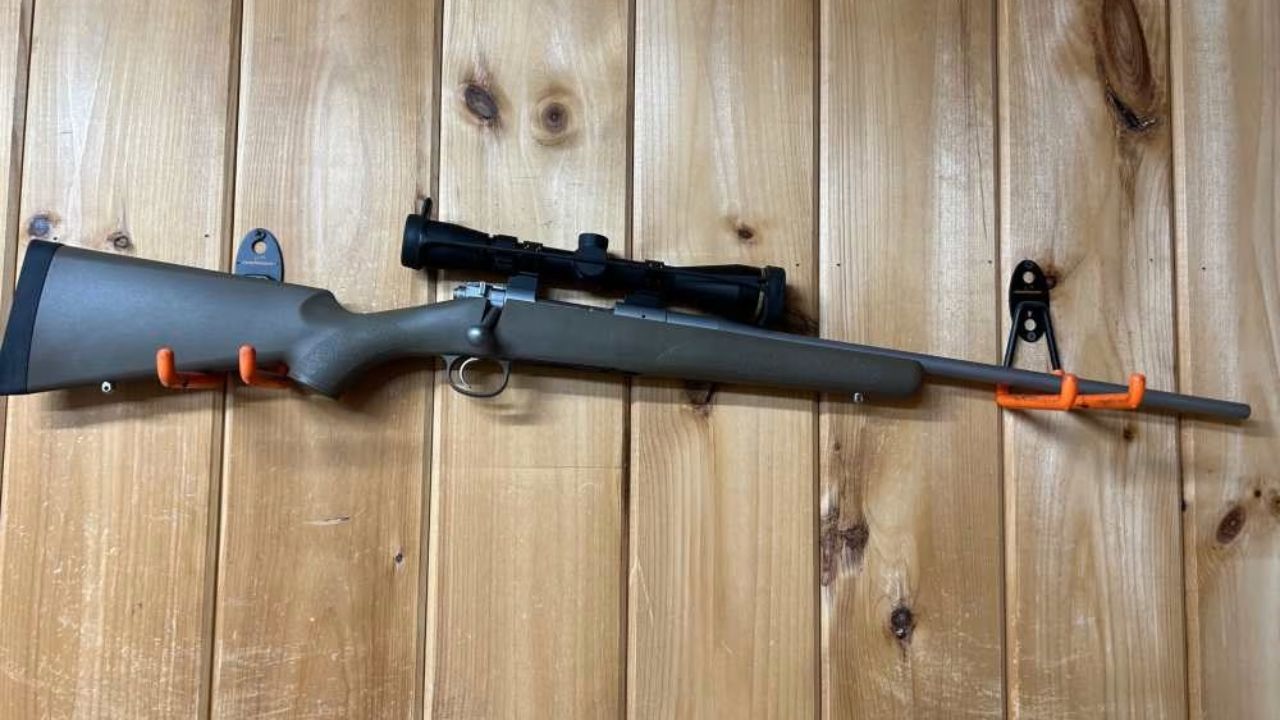
The Kimber 84M Hunter can be one of those rifles that feels almost too light when you first pick it up in a store. Some buyers associate weight with substance, so a rifle like this can create hesitation before it ever gets the chance to prove itself. Then it goes into the mountains or across big country and starts making perfect sense. Light rifles become a lot more appealing once you have carried them for hours instead of shouldering them for ten seconds.
That is where the 84M Hunter starts to win people over. It is handy, easy to live with, and built around the kind of portability that matters to hunters who actually move. In a store, the lack of heft can make it feel less impressive. In the field, the lack of heft can feel like one of the smartest things about it.
Sako 85 Hunter
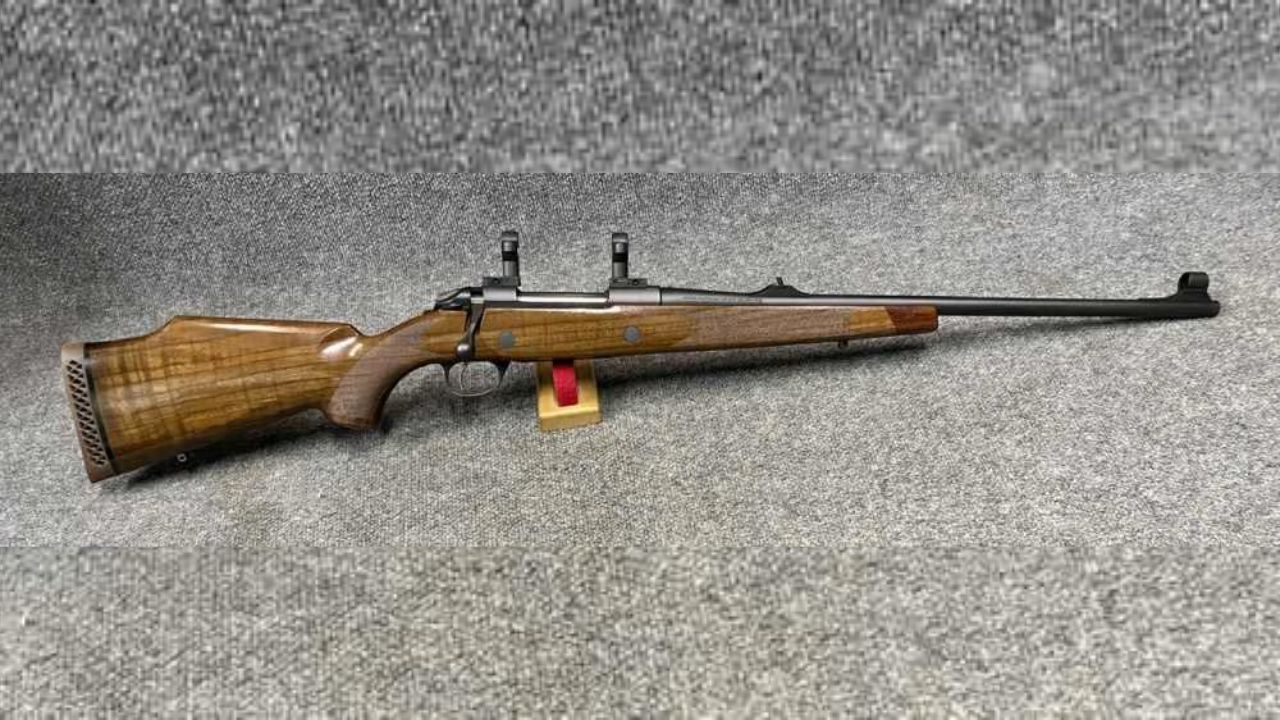
The Sako 85 Hunter usually looks and feels quality right away, but even then, it can still make a better impression in the field than at the counter. In a store, it may register as simply a nice rifle with a nice price tag. Outdoors, it starts showing what that quality actually buys you. The action feels smooth in a useful way, the balance helps it come to the shoulder naturally, and the whole rifle carries itself like something built by people who understand hunting instead of merely manufacturing.
That difference matters. Plenty of rifles can feel polished in a store. Fewer feel truly natural after long hours in the field. The Sako tends to get better the more real use it sees, and that is not always true of expensive rifles. It is one of those rare guns where the refinement actually translates into hunting comfort and confidence instead of ending at appearance.
Marlin XS7

The Marlin XS7 never had much counter glamour. It looked like a practical budget bolt gun, and that is exactly why many buyers never expected much from it at first glance. But once it got into the field, a lot of hunters started seeing it differently. It carried well enough, shot better than expected, and had a trigger that helped it punch above what people assumed its price point meant.
That is the kind of rifle people end up talking about with more affection after ownership than before. It did not rely on branding, flash, or showroom polish. It relied on doing its job. In a hunting rifle, that often ends up mattering more than any first impression ever could. The XS7 is a good reminder that a rifle can feel a lot better at sunrise in the woods than it ever did leaning under a store tag.
T/C Compass

The T/C Compass is one of those rifles that many people dismissed too quickly because it looked like a plain, affordable hunting tool. At the counter, it was easy to lump it in with other budget rifles and move on. But once hunters actually took them afield, a lot of those quick judgments softened. The rifle carried easily, tended to shoot honestly, and often delivered better practical performance than people expected from something that did not make much effort to impress on the rack.
That is why rifles like the Compass end up getting remembered fondly. Not because they dazzled anybody early, but because they were more useful than they looked. A rifle that does the real work well eventually earns respect, even if it never had much counter charisma to begin with.
Like The Avid Outdoorsman’s content? Subscribe to our newsletter so you never miss an article.
Here’s more from us: