Photo credit: 1957Shep/YouTube
Some pistols disappear and barely leave a mark. Others stop production and somehow keep getting brought up year after year. Usually that happens because the gun filled a role well, had real character, or offered something shooters still do not feel like they fully got back once it was gone. In a lot of cases, owners are not talking about them because they were perfect. They are talking about them because the pistol had a feel, balance, trigger system, or overall usefulness that still stands out long after the catalog moved on. The Browning Hi-Power, Walther P99, and SIG P239 are all examples of pistols that were discontinued yet still get discussed constantly by shooters who miss them.
That is usually how these followings survive. A discontinued pistol has to leave behind more than nostalgia. It has to leave behind owners who still compare newer guns to it, still look for clean used examples, and still think the company quit on a good thing too early. Some of these were duty guns. Some were carry guns. Some were range favorites that slowly became cult classics. What they have in common is simple: people did not stop caring when production stopped.
Walther P99

The Walther P99 still comes up because it felt different in a way that mattered. The grip shape, the trigger system, and the overall balance made it one of those pistols that felt more refined than a lot of polymer guns from its era. It was not merely another striker-fired pistol trying to follow the market. It had its own identity, and shooters who liked it usually liked it for very specific reasons.
That is why people still talk about it after Walther ended production in 2023. The company even gave it a formal sendoff with a Final Edition, which told you plenty about how strong the affection still was. Owners remember that the P99 was smart, comfortable, reliable, and a little more distinctive than the sea of lookalike polymer pistols that followed it.
Browning Hi-Power

The Browning Hi-Power has stayed in the conversation because it offered a blend of history, handling, and real-world shootability that still feels hard to replace. Plenty of shooters can pick one up and immediately understand why the design endured for so long. The grip shape is excellent, the steel frame has real presence, and the whole pistol feels alive in the hand in a way many modern designs do not.
Even after Browning listed the classic Hi-Power as no longer in production, owners never really stopped talking about it. That is because the appeal was never limited to collector value alone. People actually enjoyed shooting them. A lot of discontinued guns get remembered. The Hi-Power gets missed.
SIG Sauer P239

The SIG P239 still gets brought up because it was one of those carry pistols that made sense to people who wanted a slimmer handgun without dropping into tiny-gun territory. It had SIG’s familiar DA/SA feel, solid construction, and the kind of practical seriousness that appealed to shooters who valued reliability over trend-chasing. It was never the lightest option, but it felt substantial in a good way.
That is part of why owners still talk about it after SIG dropped it around 2018. The P239 had a very loyal crowd, especially among people who actually carried one and learned its rhythm. It felt like a real fighting pistol in a more compact package, and a lot of shooters still do not think the market fully replaced what it offered.
HK P7 PSP

The HK P7 PSP still gets talked about because it was unlike almost anything else. The squeeze-cocker system, low bore axis, and overall precision of the design gave it a feel that never blended into the background. It was compact, accurate, and mechanically fascinating, but it was not some fragile oddball. It was a serious pistol with a very particular personality.
Owners still talk about it because once production ended, there really was no direct replacement. The cost and complexity of making the P7 helped push it out of the market, but that same complexity is part of what makes it memorable now. People who owned them tend to remember them as one of the most distinctive pistols they ever shot.
Smith & Wesson 5906

The Smith & Wesson 5906 still has fans because it came from that era of all-steel service pistols that felt like they could survive anything. It was heavy, steady, and built with the sort of rugged practicality that a lot of shooters still appreciate once they spend enough time around handguns. It did not feel sleek by current standards, but it felt dependable in a way that mattered more.
That is why owners still talk about it. The 5906 was not trying to win anybody over with novelty. It won people over by lasting, running, and shooting in a calm, planted way. Plenty of former service pistols fade into history. This one still gets remembered because it felt like the kind of gun you could trust and never really wear out.
Colt Mustang Pocketlite

The Colt Mustang Pocketlite still gets remembered because it gave shooters a small .380 that felt more polished and more grown-up than many pocket pistols that came later. It had genuine Colt appeal, clean lines, and a layout that a lot of shooters found easy to like. It was compact, but it did not feel disposable.
Owners still talk about it because it sat in a sweet spot between practical carry gun and classy little pistol. A lot of tiny handguns get replaced fast once something newer shows up. The Mustang tended to hold onto people longer than that. When a small pistol has character and usefulness at the same time, it usually gets remembered.
Beretta 84FS Cheetah

The Beretta 84FS still gets brought up because it was one of those .380 pistols that felt far more serious and substantial than people expected from the caliber. It had great lines, good ergonomics, and the kind of soft-shooting behavior that made range time genuinely enjoyable. It looked classy, but it also worked.
That combination is why owners never really stopped talking about it after the older 84-series guns left the stage. The market moved toward smaller polymer .380s, but many of those did not replace the Cheetah so much as take a different route entirely. Shooters who liked the old Beretta style still remember the 84FS as one of the nicest guns of its type.
SIG Sauer P225 / P6
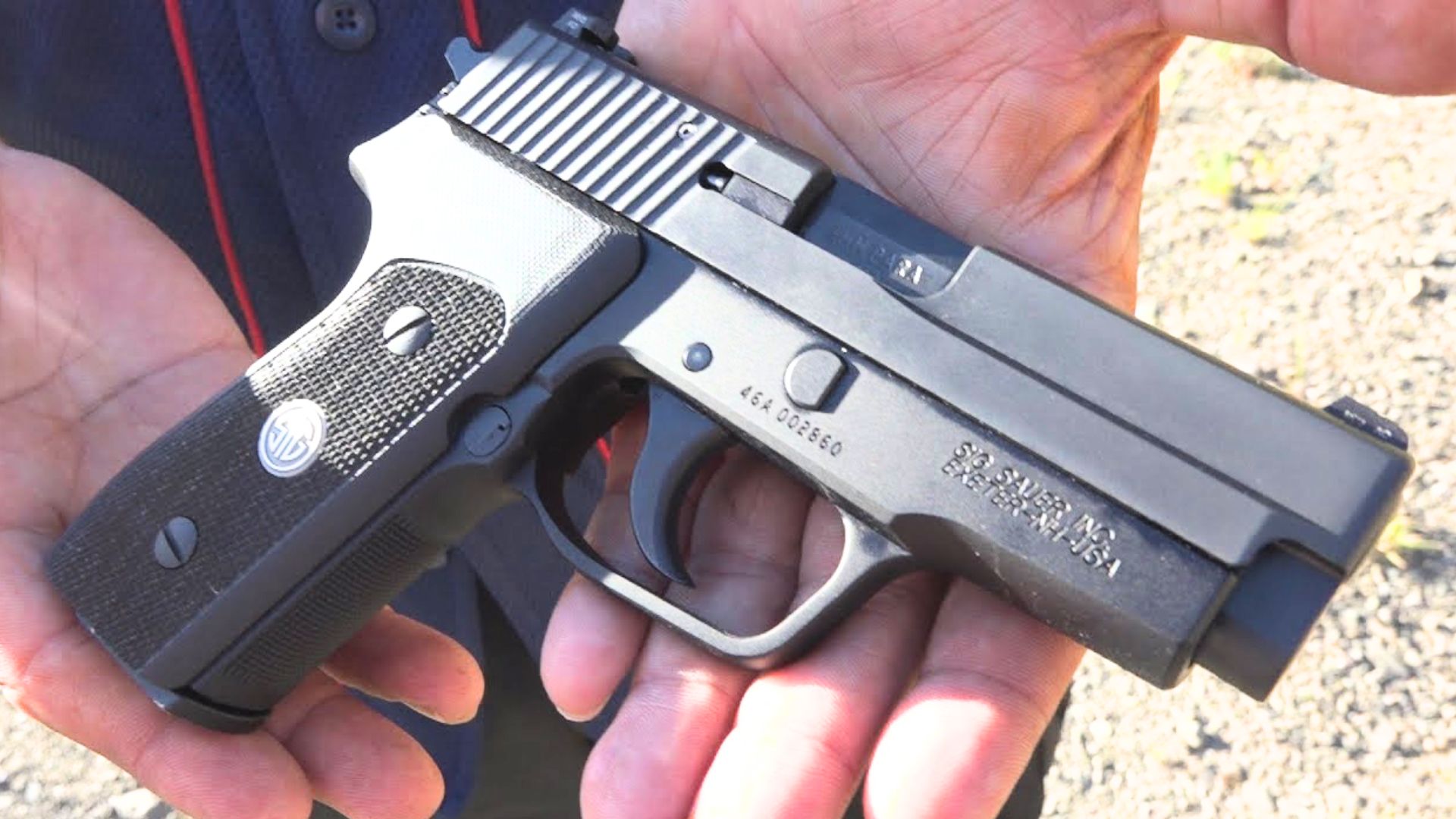
The P225 and surplus P6 still come up because they delivered that classic slim SIG feel in a single-stack package that made a lot of sense. The guns were straightforward, well balanced, and more than accurate enough to keep owners satisfied. They had an understated competence that often grows on people over time.
Owners still talk about them because they were the sort of pistols that did not need much explaining once you shot them. They pointed naturally, carried well enough, and felt like serious sidearms rather than temporary solutions. Even when newer carry guns arrived, the P225 kept a reputation for being one of those pistols that was easy to respect once you knew it.
Ruger P89

The Ruger P89 still gets remembered because it was big, blocky, and far more dependable than many people gave it credit for. It never had the slick look of more refined service pistols, but that was not really the point. The gun had a strong reputation for durability and for taking abuse without complaint, which counts for a lot once enough rounds go through it.
That is why owners still talk about it. The P89 earned affection the hard way. It was not glamorous, but it was honest. A lot of shooters who owned one remember that it simply worked, and there is a certain kind of loyalty that comes from a pistol doing exactly what you asked of it for years.
Star BM

The Star BM still comes up because it offered a compact, steel-framed 9mm with a lot of personality for the money. For many owners, it was one of those guns that felt better than expected the moment they handled it. It had old-school charm, decent shootability, and enough practical value to keep it from being a pure curiosity.
Owners still talk about it because pistols like that are hard to replace once they disappear. The BM was never the most advanced handgun on the shelf, but it had the kind of simple appeal that makes people remember it fondly. When a discontinued pistol keeps coming up in conversations years later, that usually means it gave people more than they paid for.
Colt Woodsman

The Colt Woodsman still gets talked about because it was one of those rimfire pistols that combined elegance and usefulness in a way that feels increasingly rare. It was beautifully made, genuinely practical, and easy to admire without being reduced to a display piece. Plenty of shooters learned that a good rimfire can earn just as much loyalty as a centerfire carry gun, and the Woodsman is proof of that.
Owners still talk about it because the quality was obvious and the shooting experience backed it up. It was not merely a pretty old Colt. It was a pistol people actually enjoyed using. That matters when it comes to lasting reputation. Good rimfires stick in people’s memory longer than many companies seem to realize.
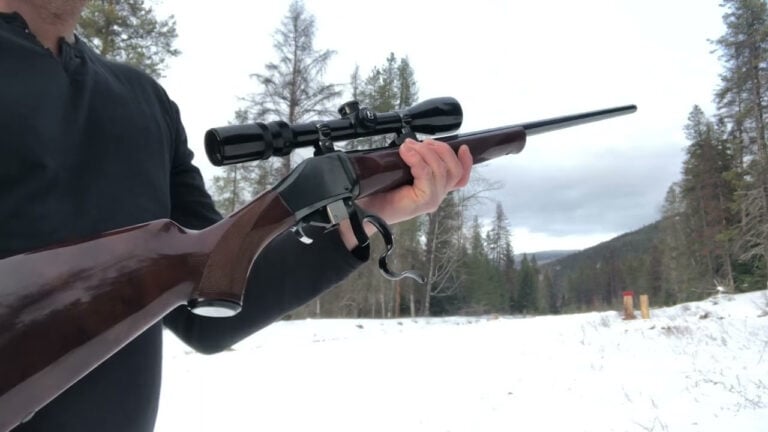
Remington XP-100

The Remington XP-100 still gets brought up because it was strange in a way shooters could not ignore. A bolt-action pistol is never going to be a mainstream idea, but the XP-100 had enough accuracy and enough sheer personality to make owners remember it long after production ended. It was one of those guns that carved out its own lane and stayed there.
That is why people still talk about it. The XP-100 was not a universal pistol, but it gave a certain type of shooter something memorable and genuinely rewarding. Guns that far outside the norm usually disappear fast unless they actually deliver. This one delivered enough to build a real following.
Springfield Armory EMP
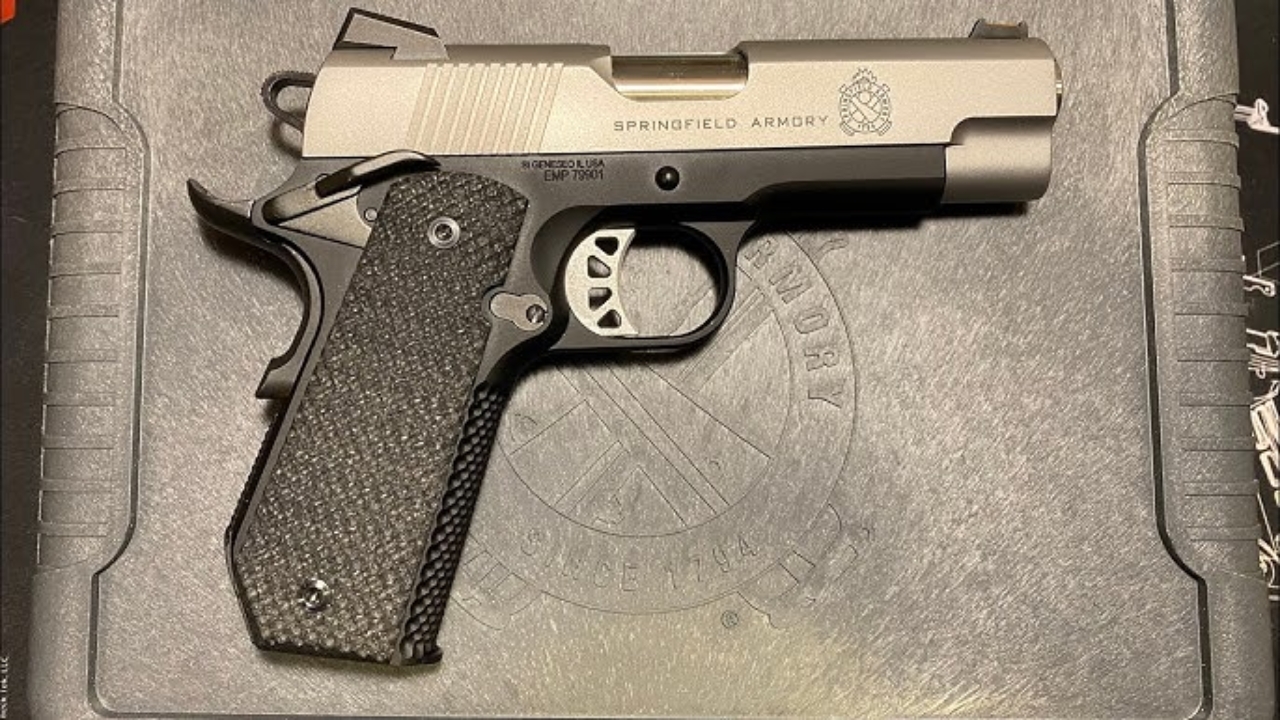
The original Springfield EMP still gets remembered because it tried to give shooters a more compact 1911 that felt purpose-built rather than merely chopped down. For owners who wanted the 1911 feel in a carryable size, that mattered. When the gun ran well, it offered a package that felt more intentional than many short 1911 experiments.
Owners still talk about it because it occupied a very specific space in the market, and shooters who liked that space do not feel like every newer pistol answers the same need. It had the kind of appeal that felt personal once somebody started carrying and shooting it regularly, and that usually keeps conversation alive long after production changes.
Browning BDA .45

The Browning BDA .45 still gets mentioned because it combined SIG roots with Browning branding in a way that made it feel a little unusual from the start. It had real quality, serious-service-pistol feel, and the kind of solid DA/SA personality that a lot of experienced shooters still appreciate. It was not common enough to become boring, but it was good enough to be respected.
That is why owners still talk about it. Pistols like the BDA .45 are easy to overlook until they are gone and people realize how few guns like them are left. It had enough substance to stay memorable, and that is usually what keeps a discontinued pistol alive in conversation.
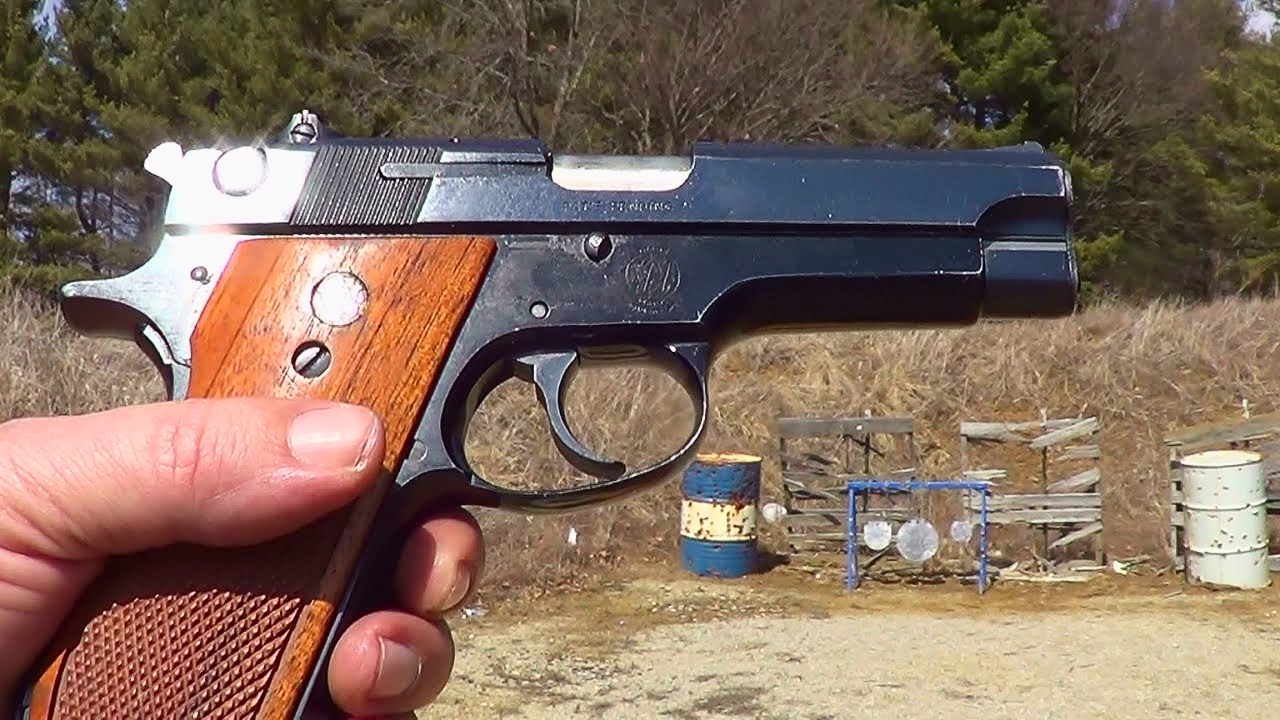
Smith & Wesson Model 39-2

The Model 39-2 still gets brought up because it represents a period of American semi-auto design that still matters to a lot of shooters. It was slim, elegant, and easy to appreciate if you like older DA/SA pistols that feel more refined than overbuilt. It did not need to dominate the market forever to leave an impression.
Owners still talk about it because it handled well, carried well, and had a kind of classic appeal that never completely wears off. Once a pistol becomes the gun people remember as smoother, trimmer, or more enjoyable than expected, it usually keeps a place in the conversation long after production ends.
Walther PPQ M2

The PPQ M2 still gets discussed because it made a lot of shooters rethink what a striker-fired pistol could feel like. The trigger, ergonomics, and overall shootability gave it a following that was based on actual performance, not merely marketing. It felt like a gun designed to be shot a lot, and that left an impression.
Owners still talk about it because when Walther moved on, many of them did not feel like the affection for the PPQ simply disappeared with it. The PPQ had a specific feel and rhythm that made it easy to shoot well and easy to miss once it was gone. That is the kind of discontinued pistol people keep bringing up for good reason.
Like The Avid Outdoorsman’s content? Subscribe to our newsletter so you never miss an article.
Here’s more from us: