Photo credit: Muddy River Tactical/YouTube
Some pistols shoot great with one load and scatter shots with another. It’s not always a dealbreaker, but it’s something you need to know before trusting the gun for carry or serious range time. Barrel fit, feed ramp angle, recoil spring tuning—it all plays a role. And if you’re switching between cheap range ammo and high-dollar defense loads, some platforms just don’t play nice with both. If you’ve noticed wide group shifts or cycling issues across brands, these are the pistols that tend to struggle with ammo versatility.
Taurus G2C
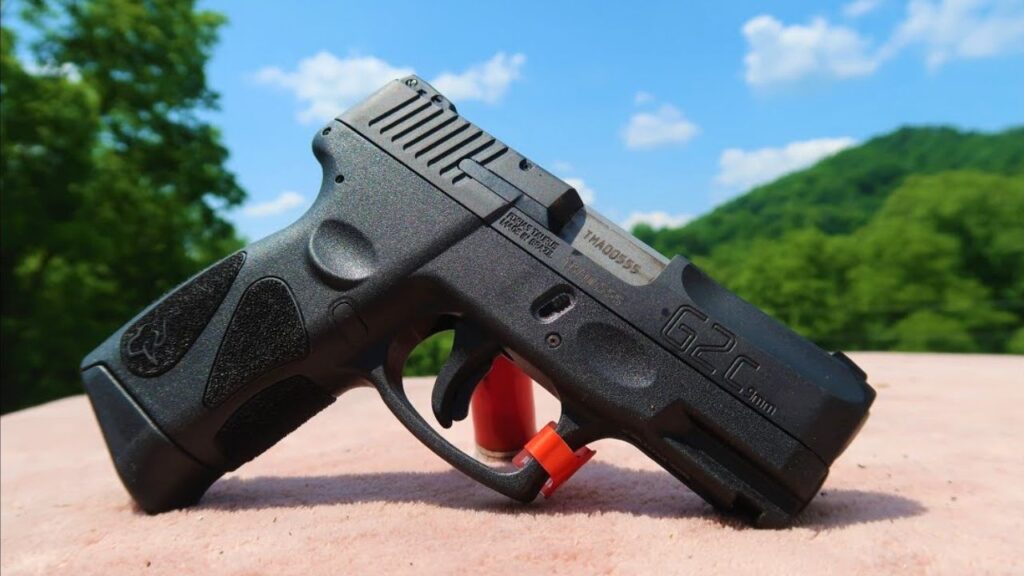
The Taurus G2C might feel good in the hand and cycle most rounds, but accuracy is hit or miss depending on what you feed it. Some shooters get tight groups with 124-grain loads, only to see them open up with 115-grain.
It doesn’t help that barrel lockup isn’t especially tight, and you’ll sometimes notice erratic ejection patterns. It’ll run, but if you care about consistent point of impact or group size across multiple loads, it’s one of those guns that’ll keep you chasing your zero.
KelTec PF9
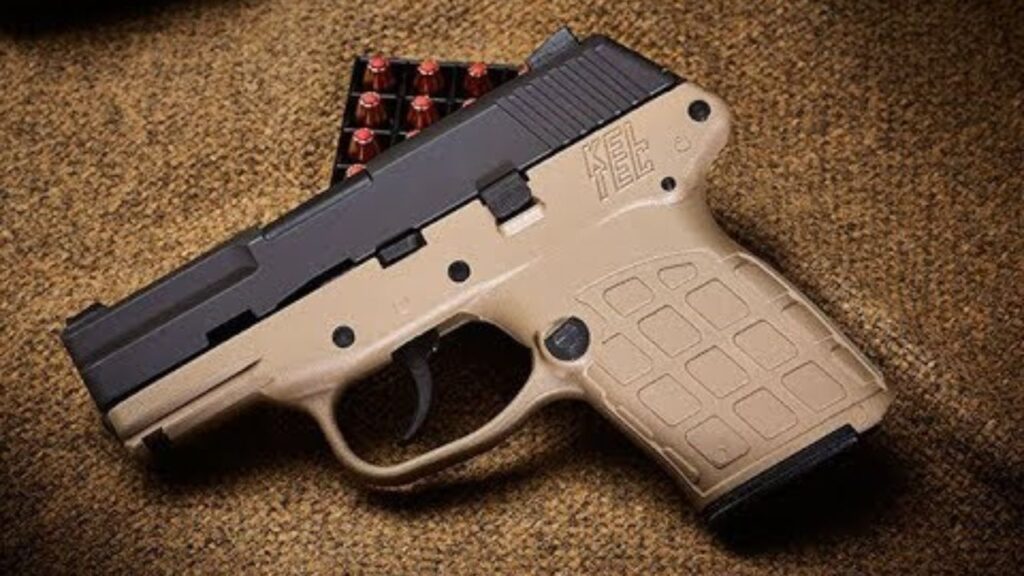
The PF9 is known for being lightweight and affordable, but ammo consistency isn’t its strong suit. You’ll often see one load printing two inches high while another dips low and left.
It’s a snappy, minimal pistol with tolerances that aren’t exactly tuned for precision. And the trigger pull doesn’t help—long, gritty, and inconsistent shot to shot. If you’re sticking to one carry load and live with the quirks, it can work. But if you switch ammo often, expect unpredictable results.
SCCY CPX-2
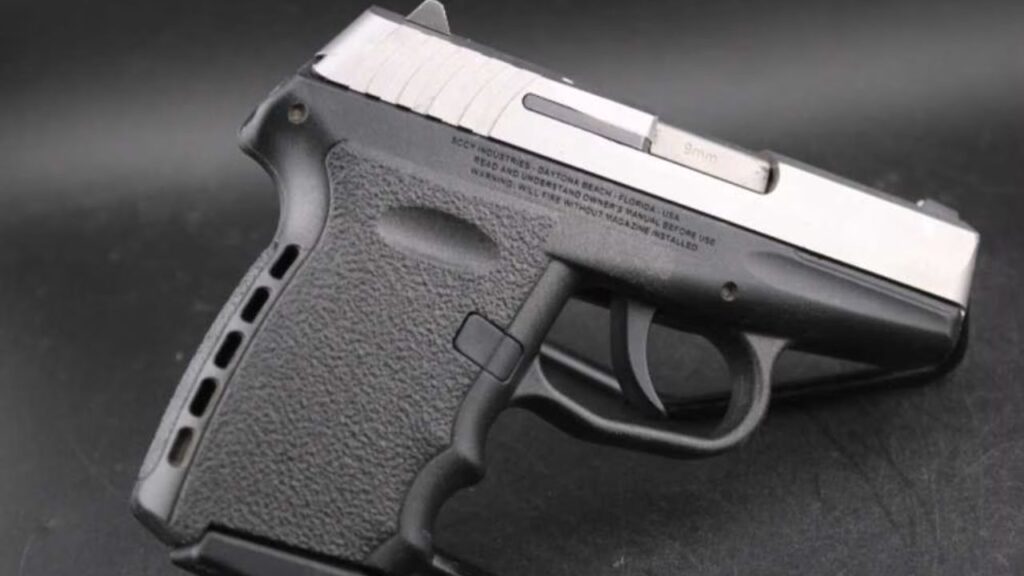
The SCCY CPX-2 is another budget 9mm that varies wildly depending on what ammo you throw in it. Some brands cycle great but shoot loose groups, while others feed rough or fail to eject cleanly.
The trigger and short sight radius make things harder, but the real issue is inconsistent barrel fit. You may shoot five brands of ammo and get five different points of impact at 7 yards. For some shooters, that’s not worth the guesswork.
Remington R51
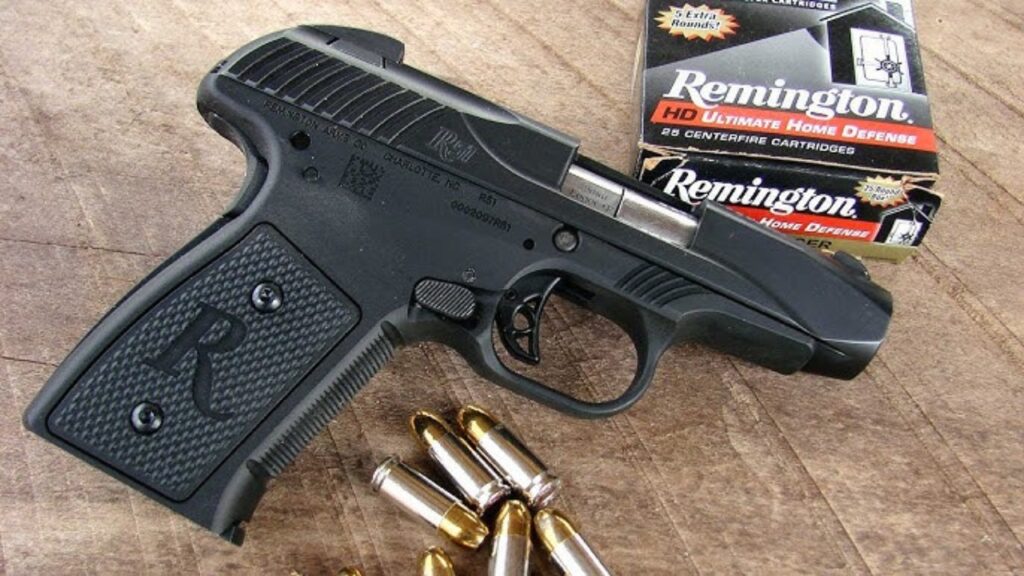
The R51’s troubled history is no secret, but even in its updated form, it’s still fussy with ammo. Lighter bullets tend to give it trouble cycling, and heavier ones may group better but still shift point of aim.
Remington’s delayed-blowback system is unique, but it hasn’t proven consistent. You can expect feeding quirks and accuracy that moves load to load. If you’re committed to testing every type until one works, go for it—but many shooters move on.
Beretta Nano
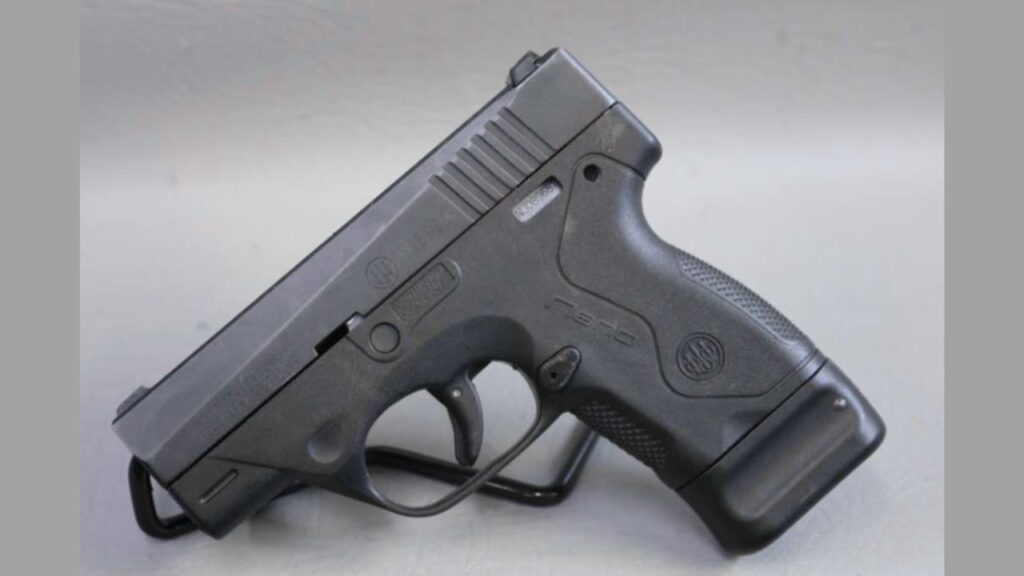
The Beretta Nano was supposed to be a streamlined concealed carry gun, but ammo sensitivity is one of its bigger drawbacks. It struggles to group consistently across common 9mm options, and some loads cause extraction issues.
Because it lacks an external slide lock and the internals are tightly packed, any variance in pressure or recoil impulse shows up in reliability or group size. It’s decent when you find the right round, but if you switch brands, don’t be surprised by sudden shifts on paper.
Hi-Point C9

You already know you’re sacrificing refinement when you pick up a Hi-Point, but ammo consistency is another tradeoff. These pistols can be surprisingly accurate with one specific load and absolutely scattershot with another.
The fixed barrel helps, but poor sights, heavy slide movement, and cheap tolerances make consistent performance tough. If you’re rotating between steel case, brass, hollow points, or subsonics, expect major variance in both function and accuracy.
Walther CCP
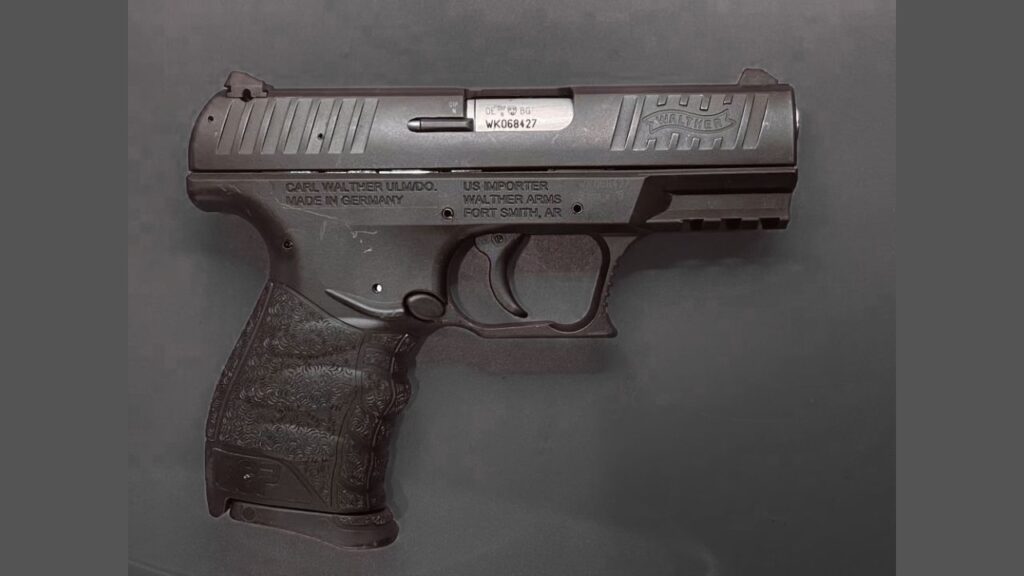
The Walther CCP uses a gas-delayed blowback system, which adds another layer of sensitivity when you start changing ammo types. Low-pressure loads sometimes short-stroke, and hotter rounds shift the feel and point of aim.
It’s soft-shooting and ergonomic, but its unique design isn’t forgiving. Accuracy can be solid with the right ammo, but it takes trial and error to find the right match. If you don’t stick to one brand, you’ll probably notice grouping and reliability fluctuate more than you’d like.
FMK 9C1 G2
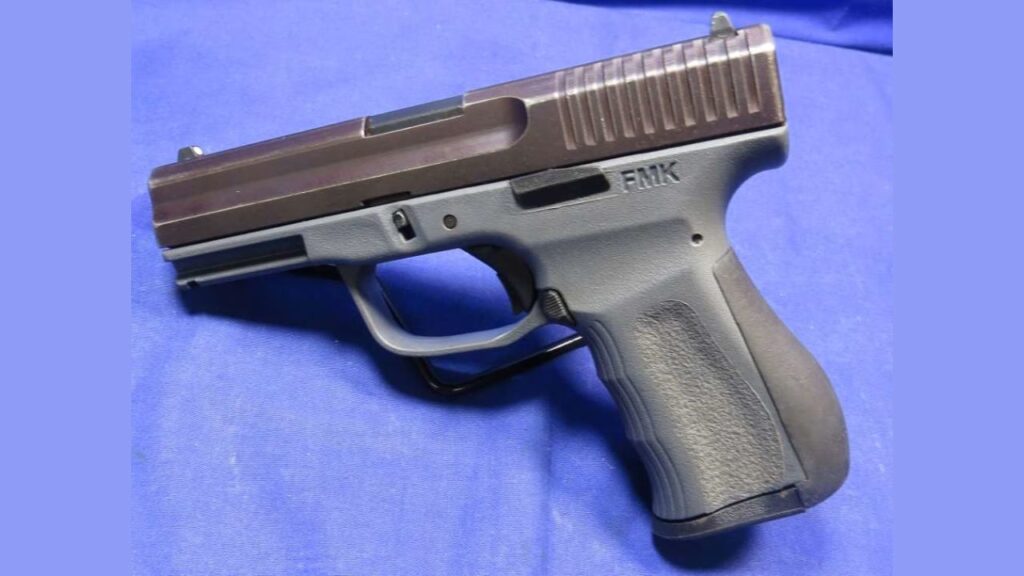
The FMK 9C1 G2 looks decent on paper, but real-world performance varies. Many shooters report inconsistent accuracy across different brands and weights of ammo. One box might group fine, and the next is all over the place.
Part of that comes from inconsistent barrel lockup and questionable machining in key areas. Add in a stiff, uneven trigger, and you’ve got a pistol that’s hard to shoot well unless you baby it with specific loads.
Ruger LC9s
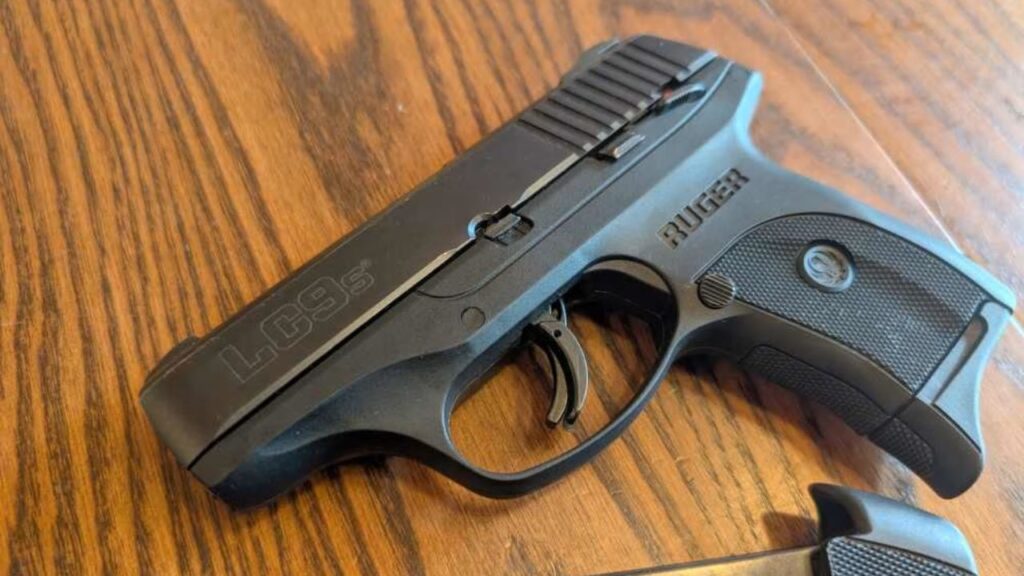
The LC9s is an upgrade over the original LC9, but ammo consistency is still a weak point. The short barrel and light frame amplify the effects of different pressures and bullet weights.
You’ll see group shifts and different recoil characteristics with almost every ammo switch. Some shooters dial in one defensive load and leave it at that. But if you bounce between hollow points, FMJs, and different grains, you’ll likely be chasing your point of impact every time.
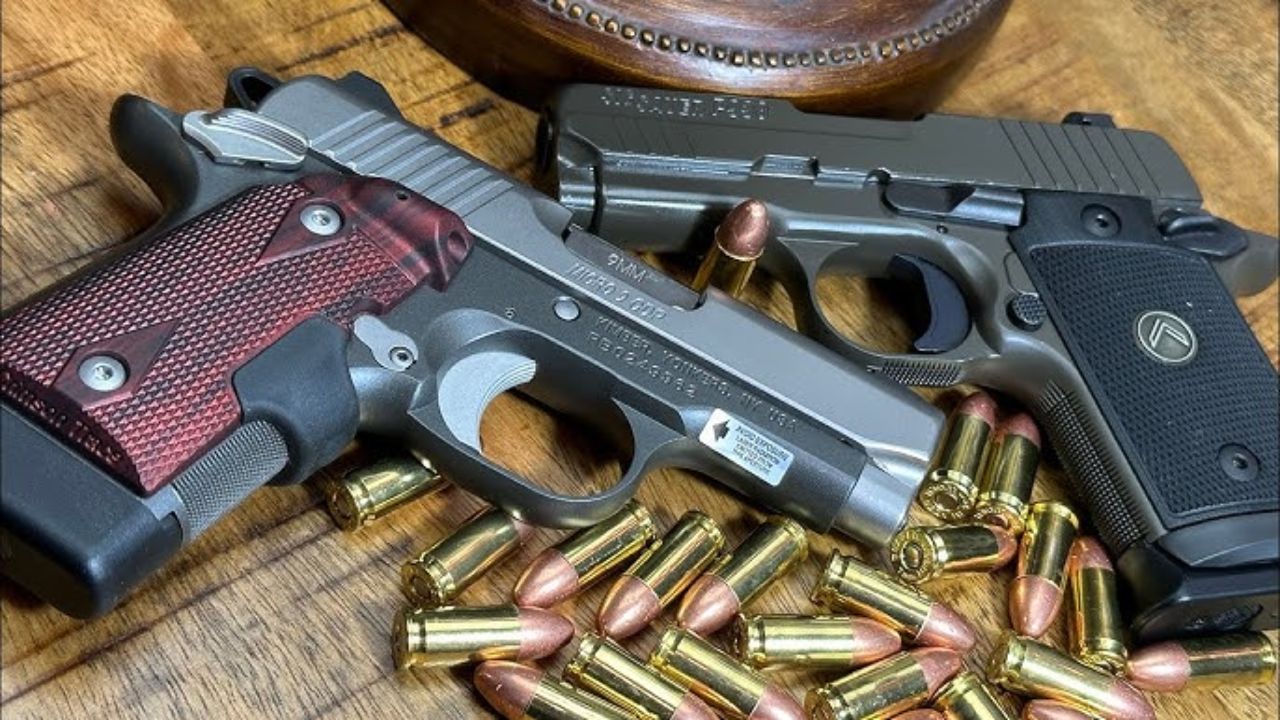
Kimber Micro 9

The Kimber Micro 9 is built like a mini 1911, and with that comes some finickiness. The tolerances are tight, but they’re not always forgiving. Different ammo types cycle differently and can shoot high, low, or left depending on the pressure and velocity.
Some shooters report solid groups with premium defensive ammo but poor results with cheap range stuff. The short sight radius makes it worse. If you want tight groups, you’ll need to stick with one ammo and hope it runs clean.
*This article was developed with AI-powered tools and has been carefully reviewed by our editors.