Photo credit: TheGearTester/YouTube
A serious hunting camp does not need rifles that look trendy for one season and feel dated by the next. It needs rifles people trust when weather turns ugly, when the shot comes fast, when a scope gets bumped in the truck, and when the whole trip costs too much to be gambling on gear that only looked good in the store. That is why the rifles that really matter in camp are usually the ones that keep making sense after the launch buzz burns off.
This list stays away from the same recycled handful of names and leans into rifles that still feel like real camp rifles now. Some are classic walnut-and-blue hunting guns. Some are modern synthetic workhorses. What they have in common is that they still look like serious answers for people who actually hunt, not people who mainly compare rifles online.
Winchester Model 70 Featherweight

The Model 70 Featherweight still belongs in serious hunting camps because it carries exactly the way a hunting rifle should. The current Featherweight keeps the classic walnut stock, Schnabel fore-end, and controlled-round-feed setup that made the line matter in the first place, but it is still being sold as a practical, field-ready rifle rather than a museum piece. That matters. A camp rifle should feel alive in the hands, not just admired in the rack.
What keeps it camp-worthy is that it does not ask the hunter to choose between tradition and usefulness. It still handles like a proper woods-and-mountain rifle, and the current Model 70 family remains one of Winchester’s flagship bolt-action lines. When a rifle still makes this much sense after decades of market churn, it absolutely still belongs around a fire ring full of hunters.
Tikka T3x Lite

The T3x Lite still belongs because it remains one of the cleanest examples of a modern hunting rifle that does not overcomplicate the job. Tikka still markets the T3x Lite as an “impressive all-rounder,” and that phrase fits because the rifle’s whole appeal is practical balance: manageable weight, familiar handling, and a reputation for honest accuracy instead of drama.
In a real hunting camp, that matters more than having the loudest rifle in the rack. Camp rifles get judged by whether people trust them enough to carry them all day and shoot them cleanly under pressure. The T3x Lite still fits that expectation very well, which is exactly why it keeps showing up in real camps instead of only in product launches.
Ruger Hawkeye Hunter
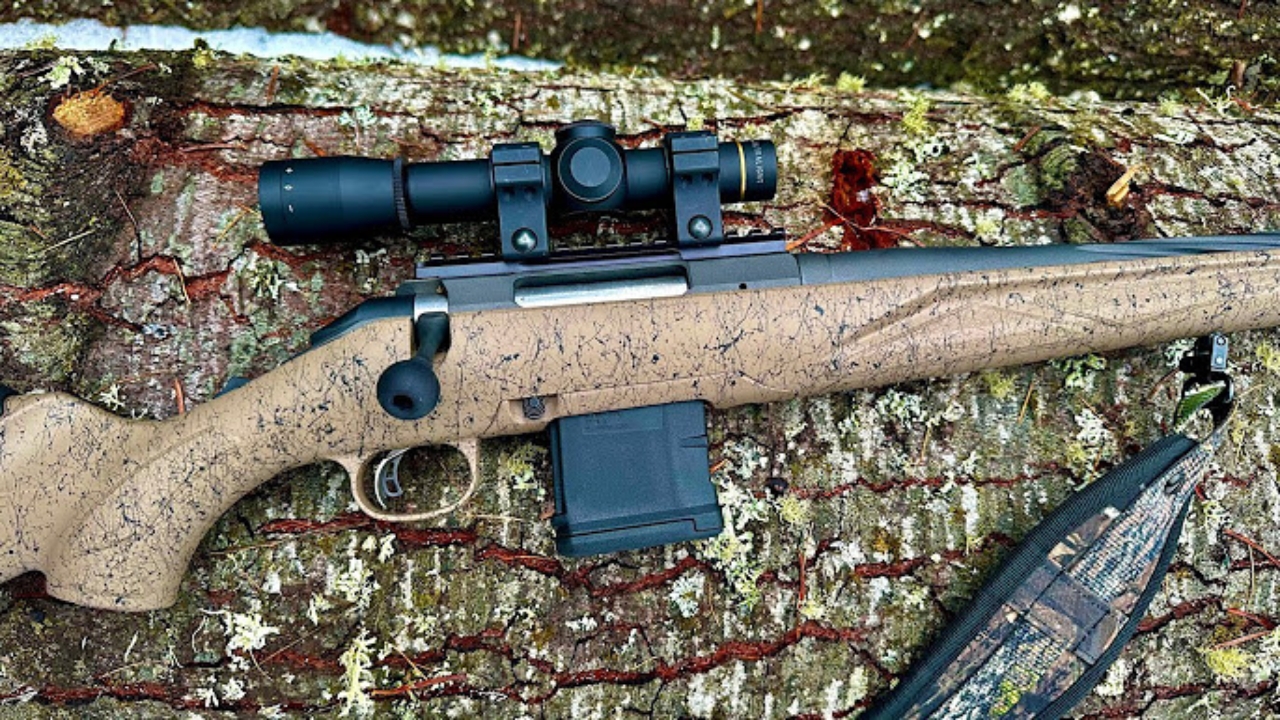
The Hawkeye Hunter belongs in serious camps because Ruger still builds the Hawkeye line around ruggedness and hunting use, not just surface-level appeal. The current 77-series and Hawkeye materials emphasize cold hammer-forged barrels, controlled features, and a durable platform meant for the sporting market. That is still exactly what a lot of hunters want when camp talk turns serious.
The Hawkeye also belongs because it still feels like a hunter’s rifle instead of a rifle trying to impress a different audience. In camp, there is a lot of respect for guns that do not need explaining. A Hawkeye in capable hands still says the owner came to hunt, not to audition for attention, and that is why rifles like this keep surviving trend shifts.
Bergara B-14 Hunter

The B-14 Hunter still belongs because Bergara has kept the line centered on hunting use instead of turning it into a style exercise. The official B-14 Hunter material describes a molded synthetic stock and a barrel/action combination aimed squarely at serious big-game hunters. That is a very grounded pitch, and it lines up with what hunting camps actually value: a rifle that can be hauled around and trusted when it counts.
What makes it feel especially camp-worthy is that it lives in the practical middle ground. It is not a bargain-bin compromise, and it is not trying to be some theatrical premium status object either. It is the sort of modern bolt gun a hunter can zero, carry, and rely on without constantly fussing over it, which is a big part of what keeps a rifle welcome in serious camps.
Howa Superlite GEN 2
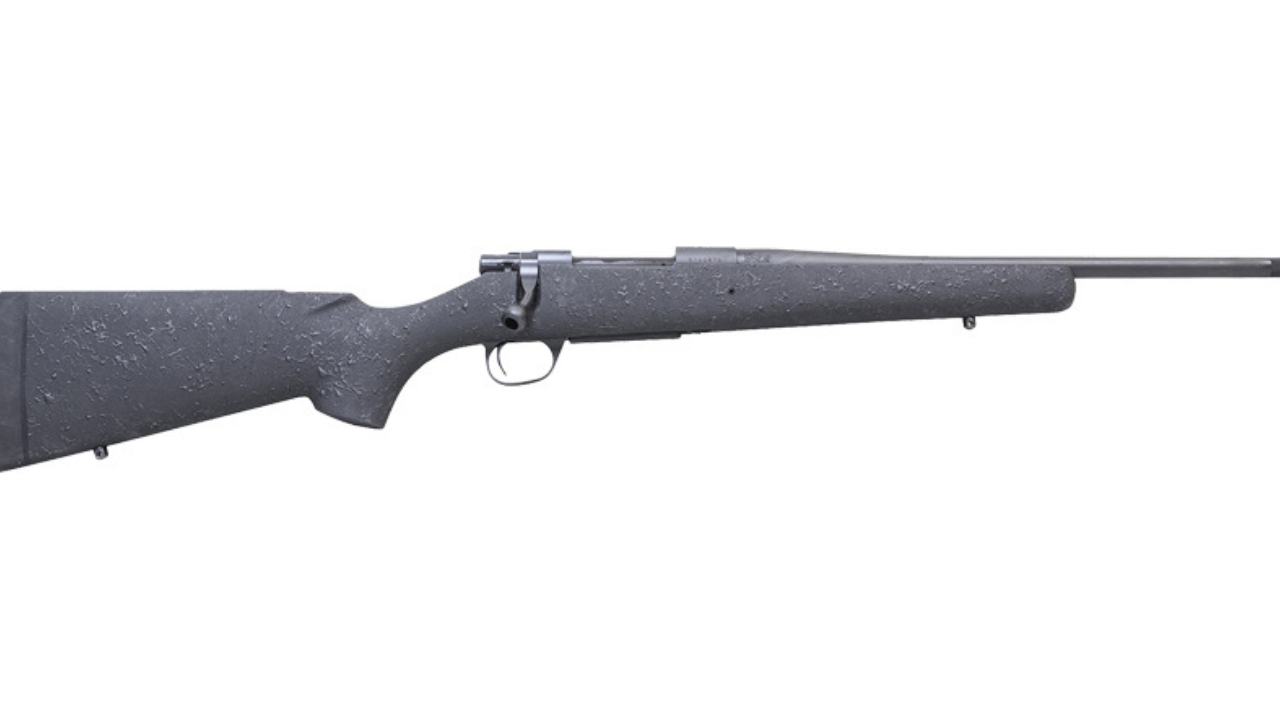
The Howa Superlite GEN 2 belongs because the whole concept is built around real carry weight and field practicality. Howa’s own description calls it an accurate, lightweight, affordable option and specifically frames it as a mountain rifle or compact tree-stand setup. That is exactly the kind of honest positioning that makes sense in hunting camps where ounces and fatigue are not theoretical issues.
A serious camp always has room for a rifle that people actually want to carry for long hours. Lightweight rifles only belong there if they still inspire confidence, and that is where this one earns its spot. It is not a camp rifle because it sounds modern. It is a camp rifle because it is trying to solve a very old hunting problem well: how to carry a rifle a long way and still trust it when the moment comes.
Benelli Lupo
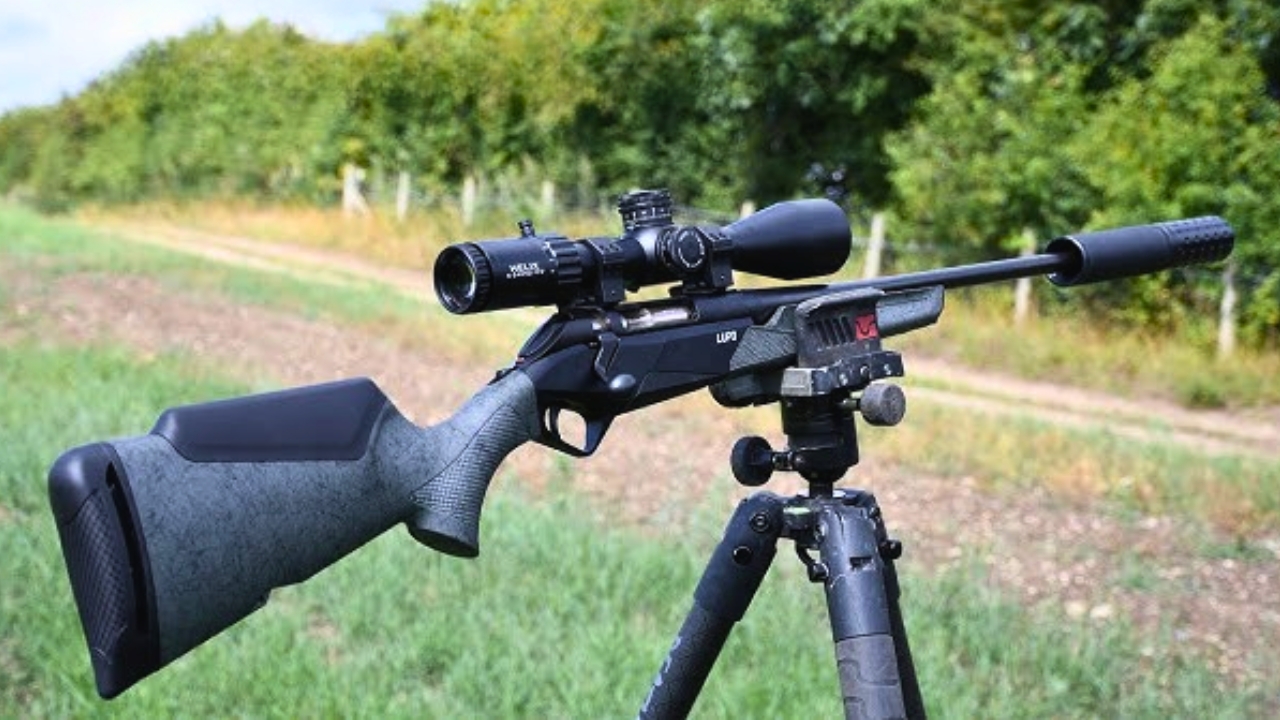
The Lupo still belongs because Benelli has framed it not as a novelty bolt gun, but as a serious hunting rifle built around fit, ergonomics, and sub-MOA expectations. The company’s current rifle pages emphasize custom-fit adjustability, comfort, and field-tested performance, which puts it in exactly the right conversation for real hunting use.
That matters in camp because good camps are full of hunters who know an awkward rifle becomes a bad companion fast. A rifle that fits well, carries well, and shoots honestly earns space in camp much quicker than one that merely looks new. The Lupo still looks like a rifle built to be lived with in the field, not just admired on release day.
Weatherby Mark V Hunter
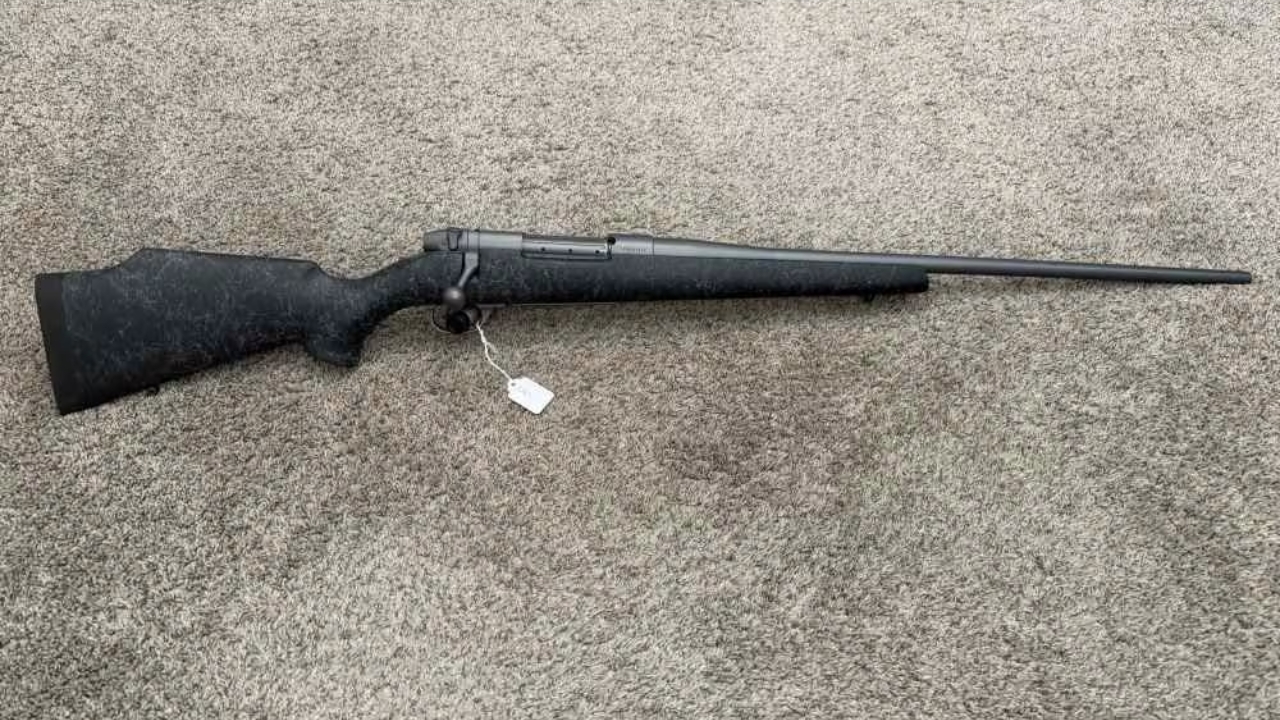
The Mark V Hunter still belongs because Weatherby continues to anchor the rifle around the Mark V action itself, including the short 54-degree bolt throw and the company’s long-standing emphasis on strength and smooth lockup. That is not just branding residue. It is a continuation of a rifle identity that still makes practical sense for hunters who want a refined but serious field rifle.
A serious hunting camp benefits from having at least a few rifles that still feel like “big hunt” rifles in the old sense — not precious, but substantial. The Mark V Hunter still fills that lane. It looks like the sort of rifle a hunter brings because they trust it on important trips, and that is exactly the kind of energy a real camp rifle ought to carry.
Browning BLR Lightweight ’81 Stainless Takedown
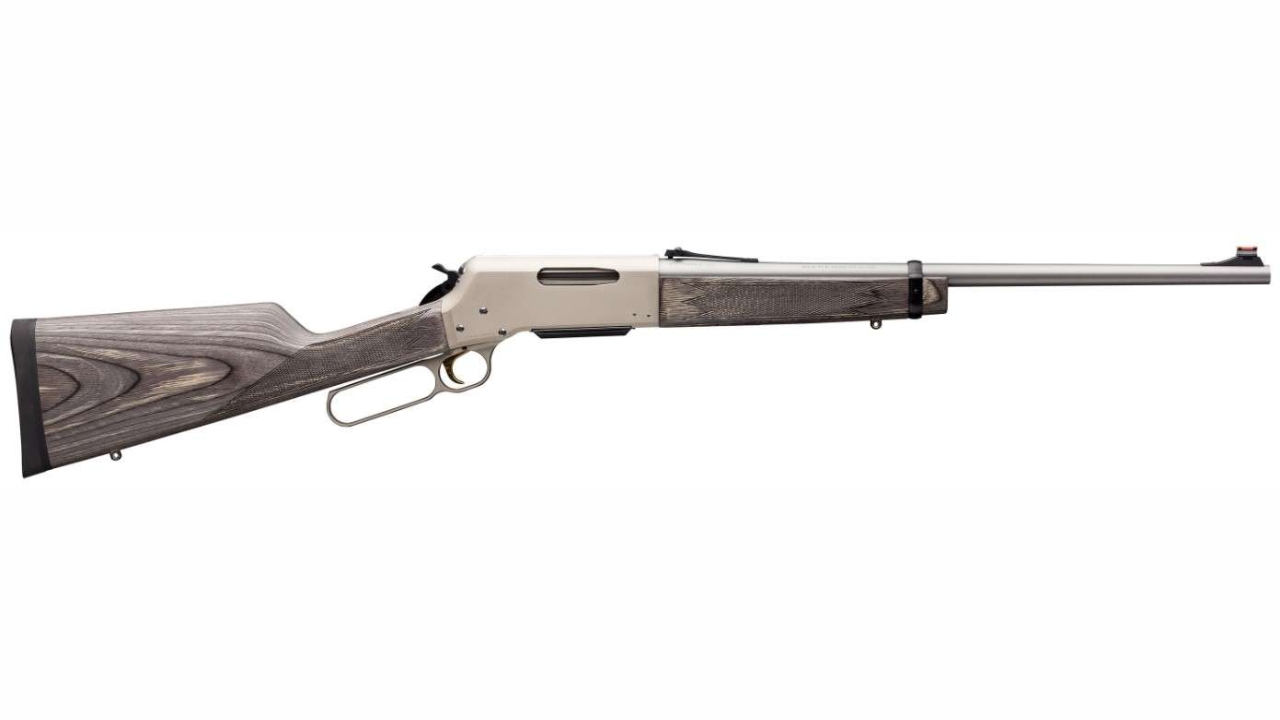
The BLR Lightweight ’81 Stainless Takedown still belongs because it fills a role many camps still appreciate: a fast-handling lever rifle that is not trapped in old chambering logic. Browning still promotes the BLR line for modern caliber choices, and the stainless takedown version adds a travel-friendly angle without giving up the rifle’s hunting identity.
That makes it especially useful in camps where hunters may be traveling, packing tight, or simply want a lever rifle that still behaves like a modern hunting arm. A serious camp does not need every rifle to look the same. It needs rifles that earn their place. A BLR like this earns it by staying quick, practical, and much more capable than many people first assume.
Browning BAR MK 3
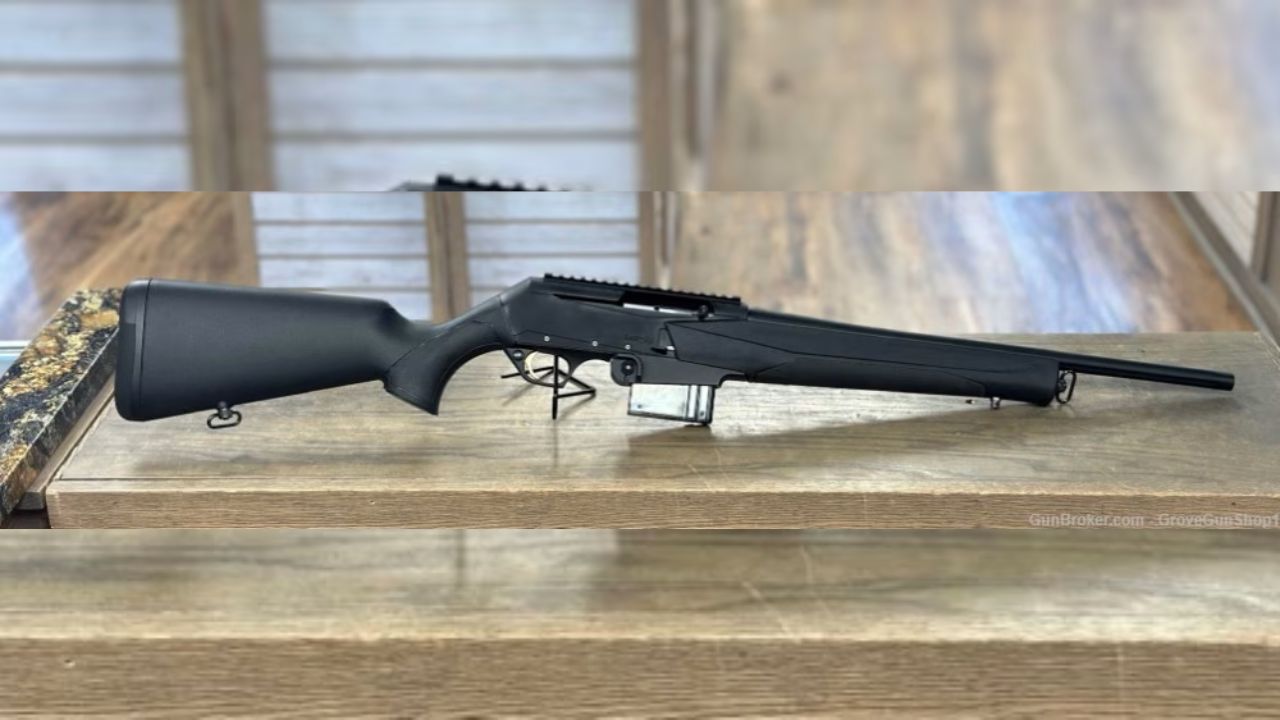
The BAR MK 3 still belongs because a semiauto hunting rifle with real field legitimacy still has a place in camp when it is done right. Browning continues to describe the BAR as a semi-auto with the strength for magnum cartridges and accuracy that rivals some bolt-actions, while the MK 3 variant keeps the line in a traditional hunting format with walnut and blue steel.
What makes it camp-worthy is not novelty, but maturity. There are hunters who simply shoot a semiauto hunting rifle very well, especially when follow-up shots matter on moving or tougher game. In a serious camp, a rifle like the BAR MK 3 still looks exactly like what it is: not a gimmick, but a long-settled hunting answer that never really left.
CZ 600+ Lux

The CZ 600+ Lux belongs because it still carries the kind of traditional European hunting-rifle feel that many camps quietly respect even when the market is leaning hard toward polymer and Cerakote everything. CZ’s current 600+ materials describe the Lux as a modern centerfire rifle with traditional European design, which is a very direct statement of what it is trying to preserve.
That traditional feel still matters in camp because many serious hunters do not want every rifle to feel interchangeable. A rifle that shoulders well, carries some real character, and still comes from a current production line gives a hunting camp more than nostalgia. It gives it continuity, and that still counts for something.
CZ 600 Alpha
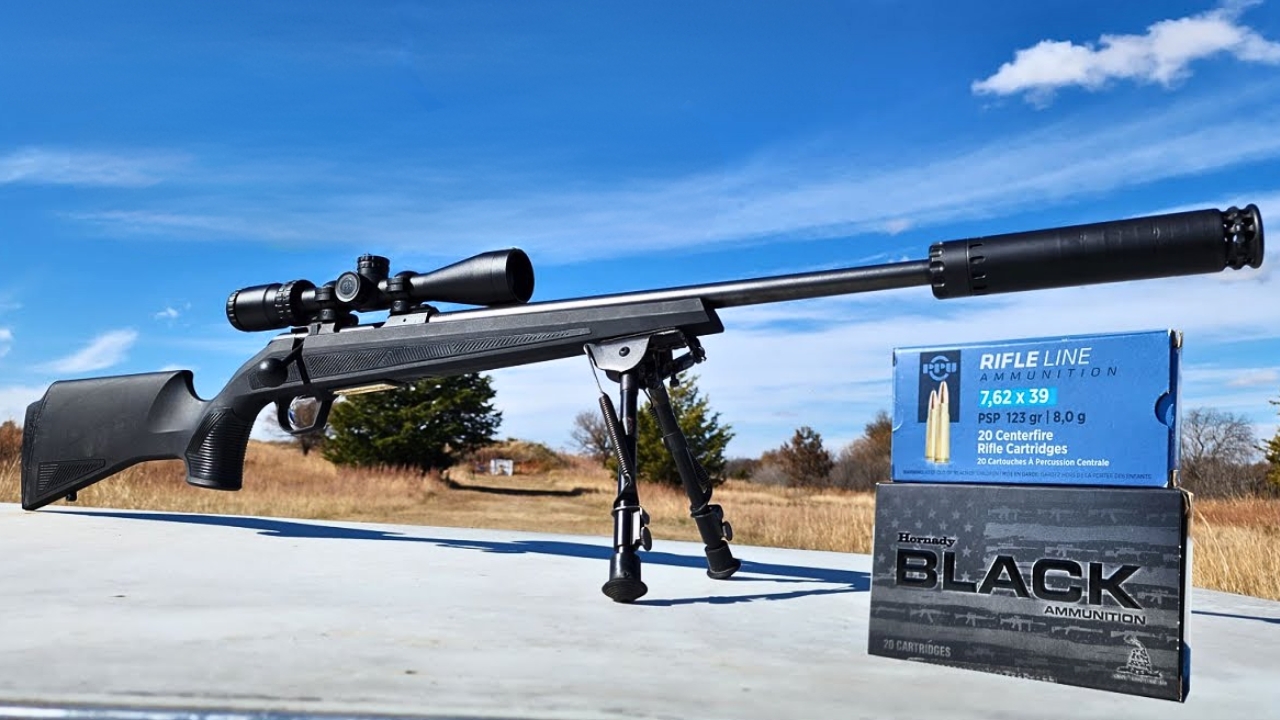
The CZ 600 Alpha still belongs because it covers the opposite side of the same camp equation. Where the Lux leans traditional, the Alpha leans durable and everyday-practical. CZ’s materials position it as a durable rifle for everyday use, which is exactly the kind of language that plays well in camps where rifles get leaned against walls, carried in rough weather, and judged by whether they stay zeroed and stay useful.
A serious hunting camp does not need every rifle to be pretty. It needs some rifles that look like they can take abuse without becoming a source of worry. The 600 Alpha still feels like one of those rifles — the kind a hunter can pack hard and not overthink all week.
Ruger American Gen II Scout
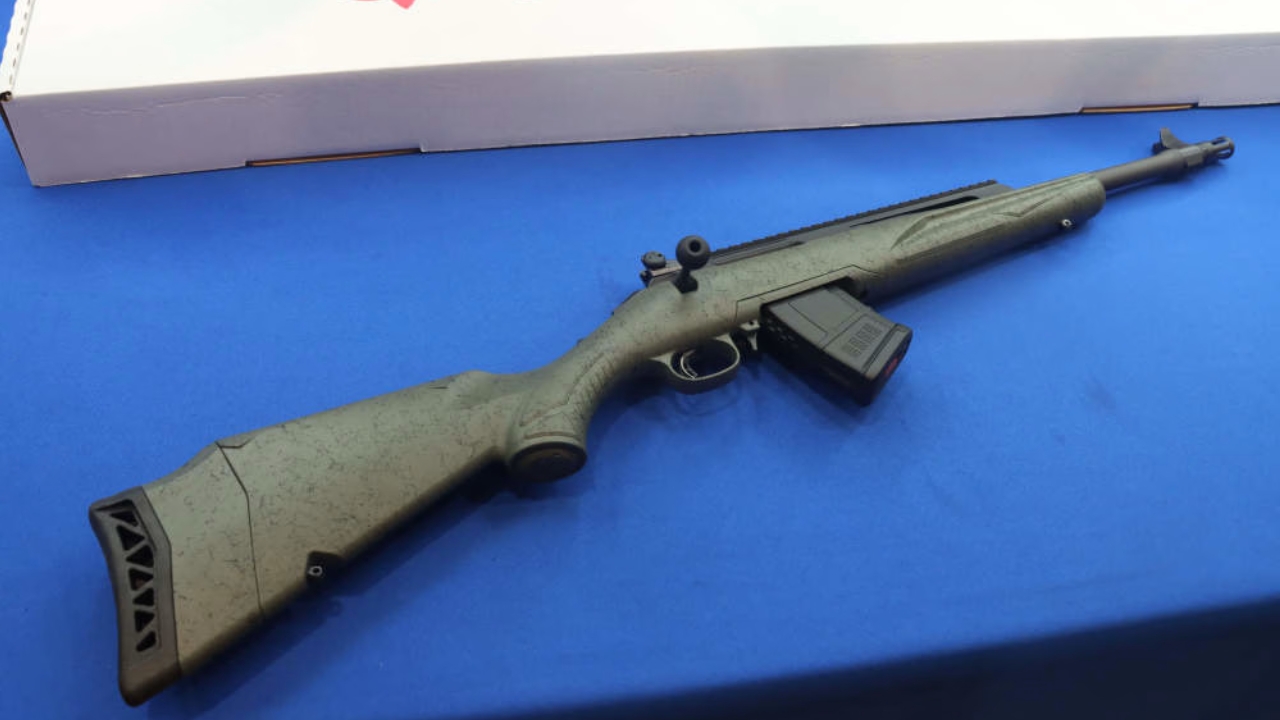
The American Gen II Scout belongs because it is one of the clearer examples of a current production rifle still being built around portability and practical field use. Ruger’s current Scout listing emphasizes the short 16.1-inch barrel and hunter-friendly magazine setups, while the broader Gen II line is explicitly framed around durability and performance in a hunting rifle.
That makes it fit very naturally in camp. Some camps favor rifles that are easy to move through brush, easy to stash in vehicles, and quick to shoulder when things happen fast. A compact scout-style rifle in that environment still makes a lot of sense, and this one keeps that old logic alive in a way that feels practical instead of theatrical.
Ruger American Gen II Ranch

The American Gen II Ranch belongs because compact ranch-style rifles still solve real hunting-camp problems. Ruger’s current Ranch page highlights the shorter 16-inch barrels and the lighter, more compact overall concept, which is exactly the sort of rifle that can ride easily in trucks, move through brush, and still serve as a very legitimate camp rifle.
That is why rifles like this keep making the cut. A serious hunting camp is not only about high-country elk rifles and traditional walnut deer rifles. It is also about practical camp guns that stay handy and useful all week. The Gen II Ranch still looks like a rifle built with that real-world usefulness in mind.
Howa Mini Action Rifle
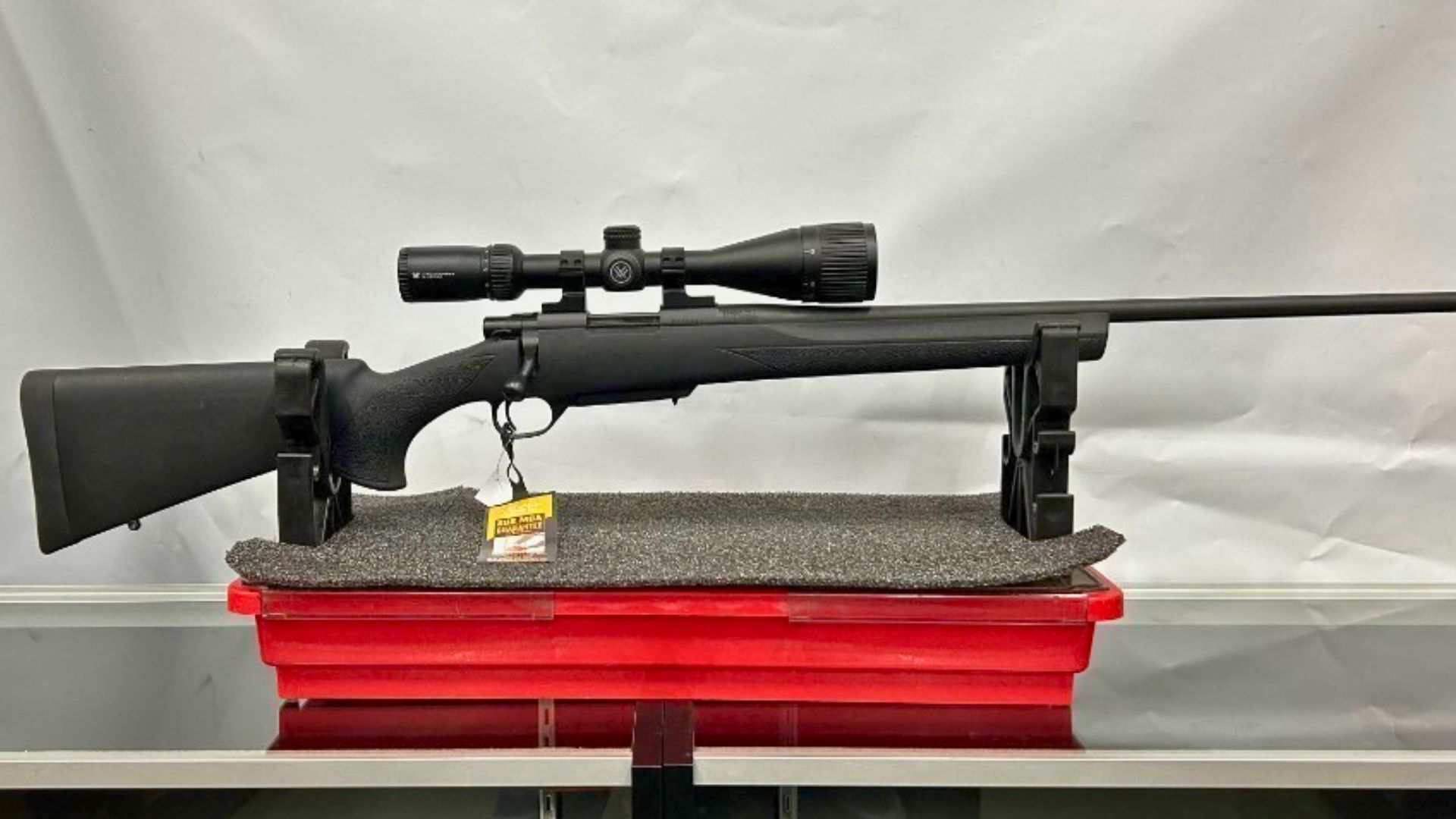
The Howa Mini Action still belongs because compact actions built around compact cartridges are one of those ideas that start looking smarter the longer you think about real hunting use. Howa continues to market the Mini Action in cartridges like 6.5 Grendel and 7.62×39, emphasizing an accurate and affordable platform that is distinct from full-size short actions.
That matters in camp because rifles do not always need to be oversized to be serious. Sometimes the smart camp rifle is the one that is easier to carry, easier to shoot well, and properly matched to the cartridge it is chambered for. The Mini Action still feels like a rifle for hunters who have thought the whole setup through rather than just followed habit.
Winchester Model 70 Alaskan

The Model 70 Alaskan still belongs because some hunting camps still revolve around bigger country, tougher weather, and animals that can turn a “good enough” rifle into a bad memory fast. Winchester continues to describe the Alaskan around controlled-round-feed reliability and chamberings intended for moose, caribou, and big bruins. That is serious camp-rifle territory by any standard.
A rifle like this keeps a spot in camp because it does not need explaining. It looks and sounds like a rifle for hunters who intend to go where things are large, wet, cold, and occasionally unfriendly. Every serious camp may not need one, but camps that do still need exactly this sort of rifle.
Like The Avid Outdoorsman’s content? Subscribe to our newsletter so you never miss an article.
Here’s more from us: