Photo credit: Tom Tietz/Shutterstock.com
Hunters love talking calibers, and every few years one catches fire and takes over camp conversations. Sometimes the buzz is deserved—but a lot of the time, it isn’t. Deer aren’t hard to kill if you put the bullet where it needs to go, yet some cartridges get promoted like they’ll rewrite everything you know about whitetail hunting. The truth is simpler: plenty of these rounds either duplicate what older cartridges were already doing, or they come with drawbacks that get glossed over when the excitement is high. There’s nothing wrong with using them if they work for you, but the marketing and message boards turned several of these calibers into something they’re not. These are the ones that got way more attention than their real-world performance justified.
6.5 Creedmoor

The 6.5 Creedmoor became a cultural phenomenon, but its performance on deer isn’t revolutionary. It’s accurate, mild to shoot, and consistent—but so are several older cartridges that never got crowned as the next big thing. Many hunters learned the hard way that shot placement matters more with lighter bullets, especially when deer are quartering.
It’s still a fine deer round, but the hype turned it into something mythical. The Creedmoor didn’t suddenly make hunters shoot better or deer fall faster. It’s simply a well-designed cartridge that got marketed harder than anything in recent history. If you treat it like a normal mid-capacity hunting round rather than a miracle, it performs exactly as expected.
.300 Blackout

The .300 Blackout surged in popularity thanks to its compatibility with AR platforms and its subsonic capabilities. But for deer hunting, especially beyond tight distances, it’s often oversold. With supersonic loads, it’s workable at close range, but you’re dealing with limited penetration and modest energy. Past 150 yards, performance drops fast.
Many hunters buy into the hype expecting it to behave like a .308 or 7mm-08 inside the same ranges, and it simply doesn’t. It can be ethical when used with discipline, but it’s far from the versatile deer round the marketing suggests. If you’re hunting thick woods or feeders at bow-range distances, it makes sense. Outside that, its limitations show quickly.
7mm Remington Ultra Magnum
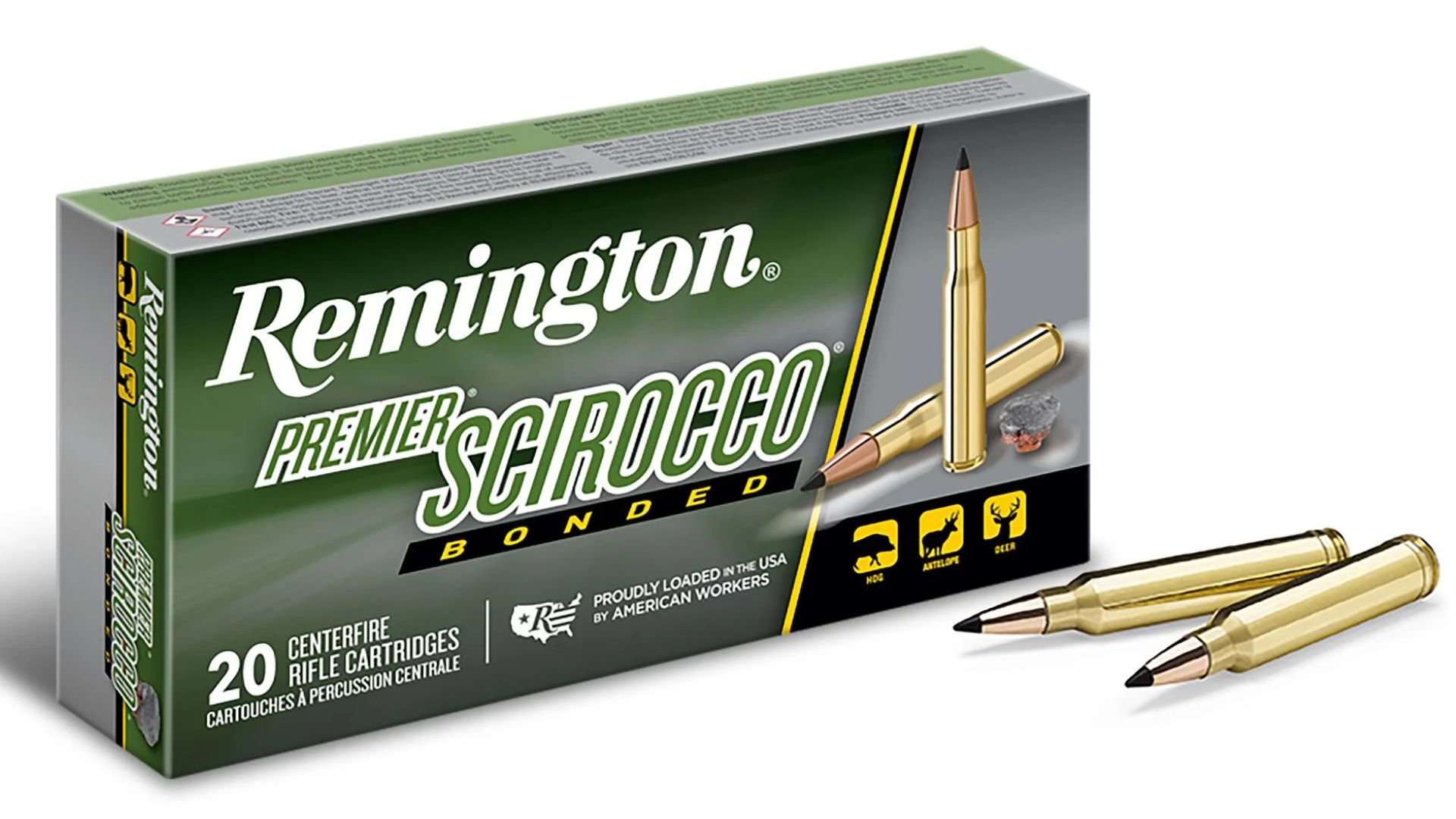
The 7mm RUM was supposed to be the answer for long-range hunting, but it burns barrels fast, recoils aggressively, and offers far more power than you need for deer. Many hunters discovered that the extreme velocity caused erratic bullet behavior, especially with lighter projectiles.
Most whitetail hunting happens well inside 300 yards, and the RUM brings drawbacks without delivering practical benefits for that style of hunting. It hits hard, no question, but so do plenty of calmer cartridges that don’t demand specialized bullets and extra recoil management. It’s impressive on paper, but the real-world return doesn’t justify the punishment or cost for most deer hunters.
.338 Federal

The .338 Federal promised big-bore authority in an AR-10-sized package, but in the deer woods it doesn’t offer anything you can’t get from simpler, cheaper cartridges. It kicks more than mid-weight .308-based rounds while adding little practical advantage on deer-sized game.
Ammo availability has always been spotty, and rifles chambered for it remain limited. Even though it performs well at close and medium ranges, it never lived up to the idea of being a breakthrough. Most hunters who tried it realized quickly that a traditional .308 or .30-06 handled the same tasks with fewer downsides.
.30 T/C
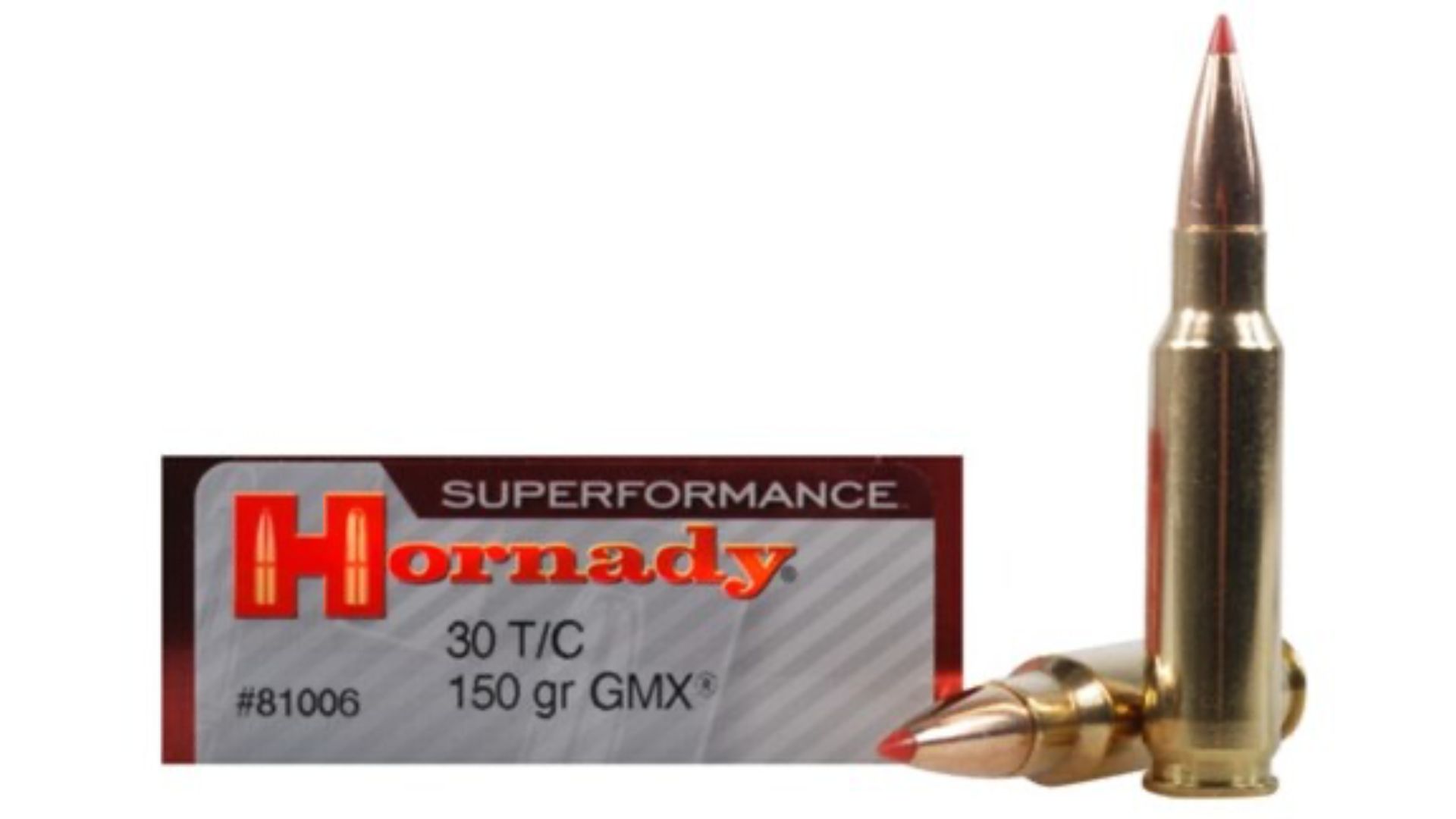
The .30 T/C arrived with big claims about efficiency and velocity, but it didn’t surpass established .30-caliber deer rounds in any meaningful way. In practice, its performance fell close to the .308 Winchester, which was already easier to find, easier to load for, and available in more rifles.
Hunters who bought into the early excitement soon discovered there wasn’t much point in owning a caliber with limited ammo availability and no real ballistic edge. The .30 T/C isn’t a bad round—it’s just an answer to a question nobody really asked, and its short life in the market reflects that.
.350 Legend

The .350 Legend exploded with the rise of straight-wall regulations, and it performs well inside those constraints. But outside that niche, it gets oversold as a versatile deer cartridge. Its velocity drops quickly, and penetration varies depending on bullet design. In heavier-bodied deer or quartering angles, its limitations become clear.
Many hunters mistake its mild recoil for broad capability. While it’s great for recoil-sensitive shooters and states that require straight-wall rounds, it’s far from a do-everything deer caliber. The hype painted it as something broader than it really is.
.450 Bushmaster

In straight-wall states, the .450 Bushmaster fills a real need. But outside that bubble, it’s often treated like a powerhouse that dominates deer hunting—which isn’t accurate. Recoil is stout, trajectory is arched, and long-range shots require careful holds. It absolutely hits hard, but most hunters don’t need that kind of punch for typical deer.
Its popularity came from regulations, not performance superiority. When compared to traditional centerfire calibers used in rifle states, the .450 feels more like a specialized tool—effective but hardly the universal deer round some claim it to be.
.243 Winchester (for the wrong reasons)
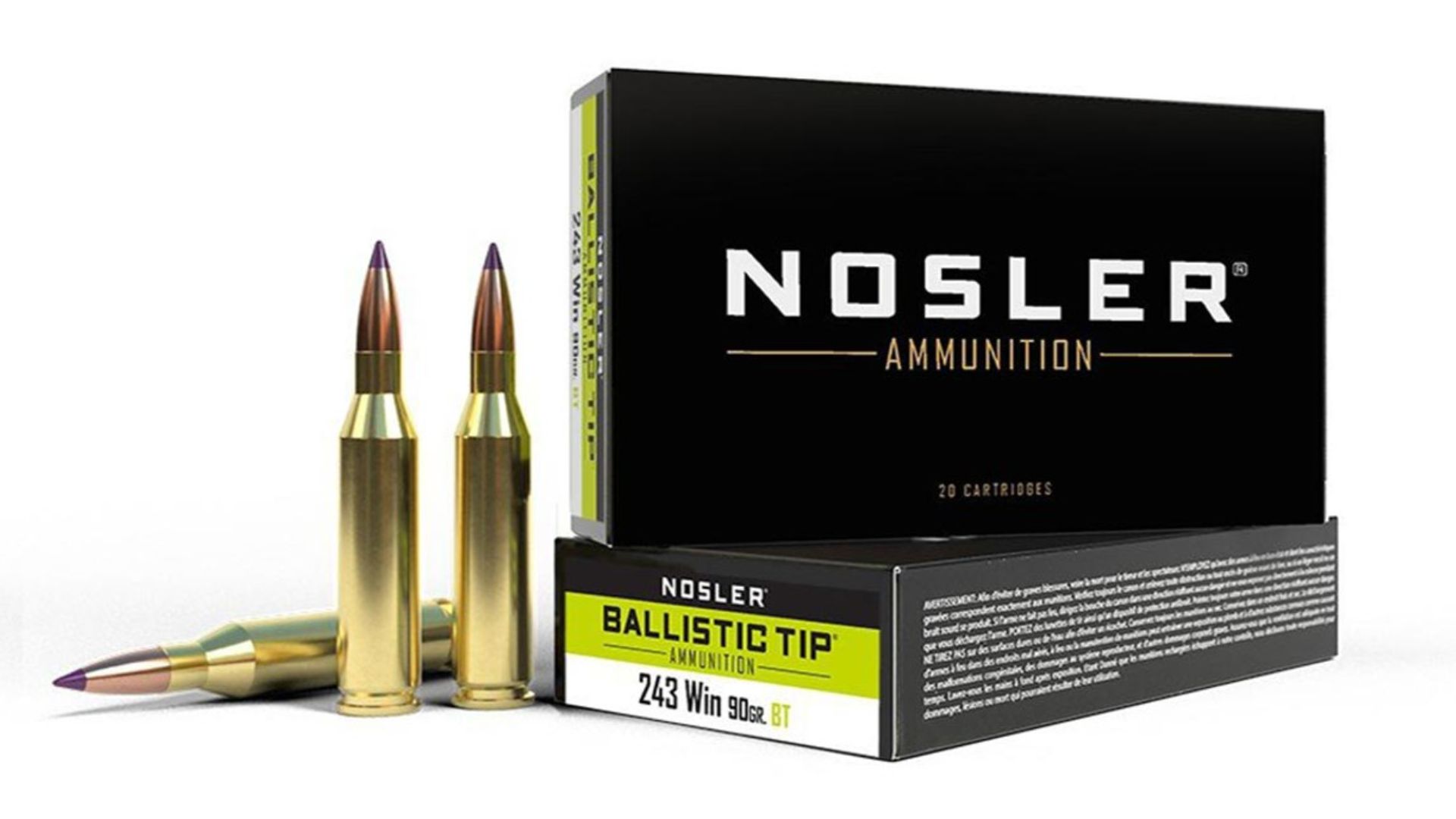
The .243 Winchester isn’t overhyped because it’s ineffective—it’s overhyped because it gets treated as a flawless beginner’s deer cartridge. While it works extremely well with good shot placement and proper bullets, it’s less forgiving on angled shots than heavier rounds. Many new hunters learn that the hard way.
It’s accurate and low-recoil, but calling it the perfect deer round oversells what it does. The .243 is great when used correctly, but the way it gets promoted makes it sound foolproof, and it’s not. A lot of lost deer come from overconfidence in what a light bullet can actually muscle through.
6.8 SPC

The 6.8 SPC was pitched as a superior AR-15 hunting round, but its real-world performance doesn’t set it apart much from other mid-weight options. Velocity is modest, bullet selection is limited, and energy falls quickly beyond 200 yards.
While it works on deer, it never delivered the breakthrough performance the early marketing suggested. Hunters often discover that more common cartridges like the .243, 6mm Creedmoor, and .308 offer stronger performance with better availability. The SPC earned a loyal niche following but never reached the hype level its launch promised.
.257 Weatherby Magnum

The .257 Weatherby Magnum is blisteringly fast, but that speed can be a double-edged sword. At close ranges, many bullets struggle to hold together, especially older designs. At longer ranges, wind drift becomes an issue due to lighter bullet weights.
Weatherby fans love this cartridge, but the hype makes it sound like a perfect deer round across all conditions. In truth, it requires specific bullets and thoughtful shot choices. It’s powerful, yes—but far from the universal solution it’s sometimes sold as.
.280 Ackley Improved
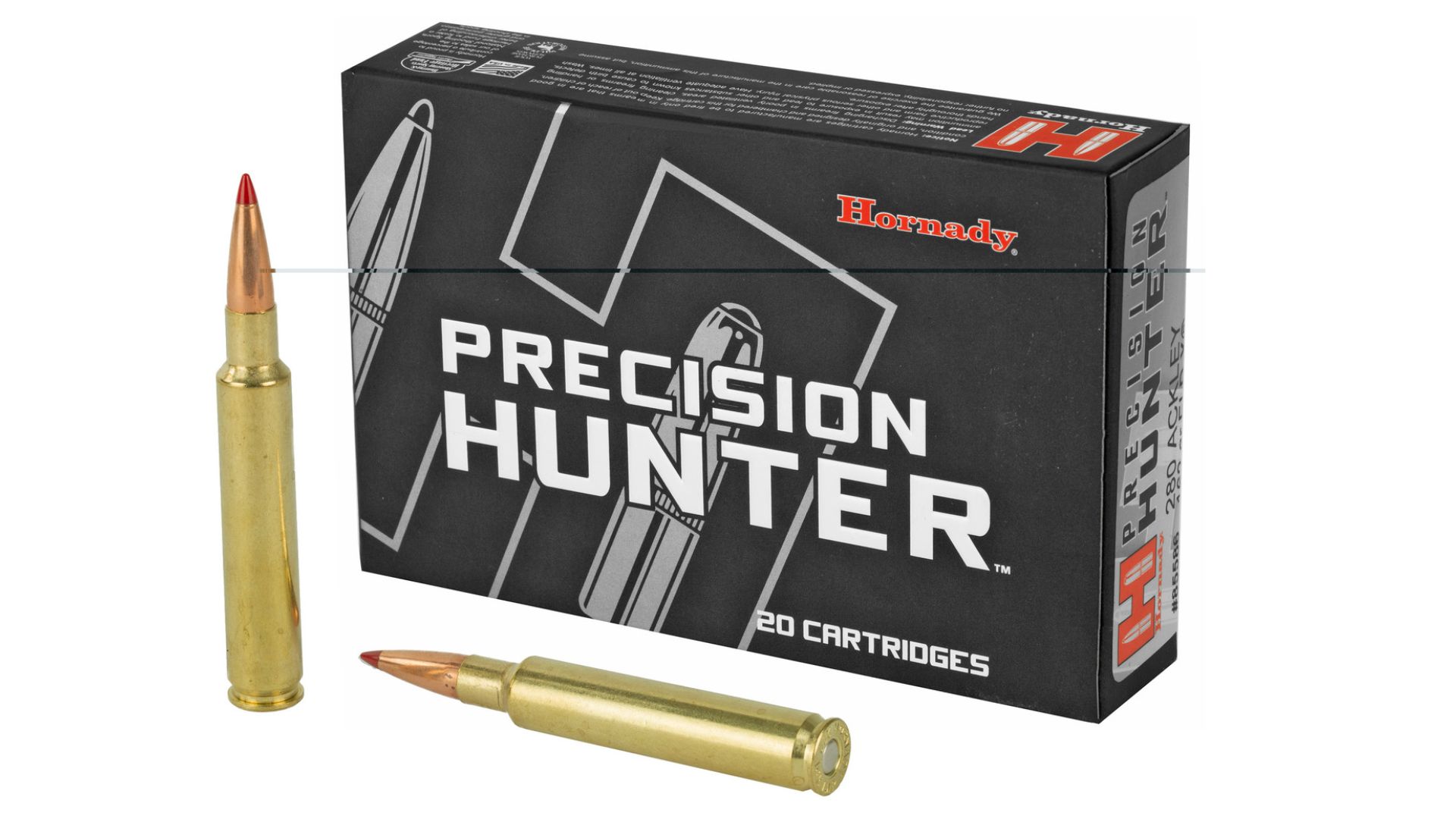
The .280 AI has become a modern darling, often described as the ideal deer cartridge. But much of the excitement comes from rifle enthusiasts—not average hunters. In practice, its real-world performance sits close to the .270 Win and .30-06, both of which were already doing excellent work decades earlier.
It’s accurate and efficient, but it’s not redefining deer hunting. The hype often inflates what is, at its core, a solid but not revolutionary cartridge. It shines more in long-range steel shooting than in typical deer scenarios.
.300 Winchester Magnum (for deer)
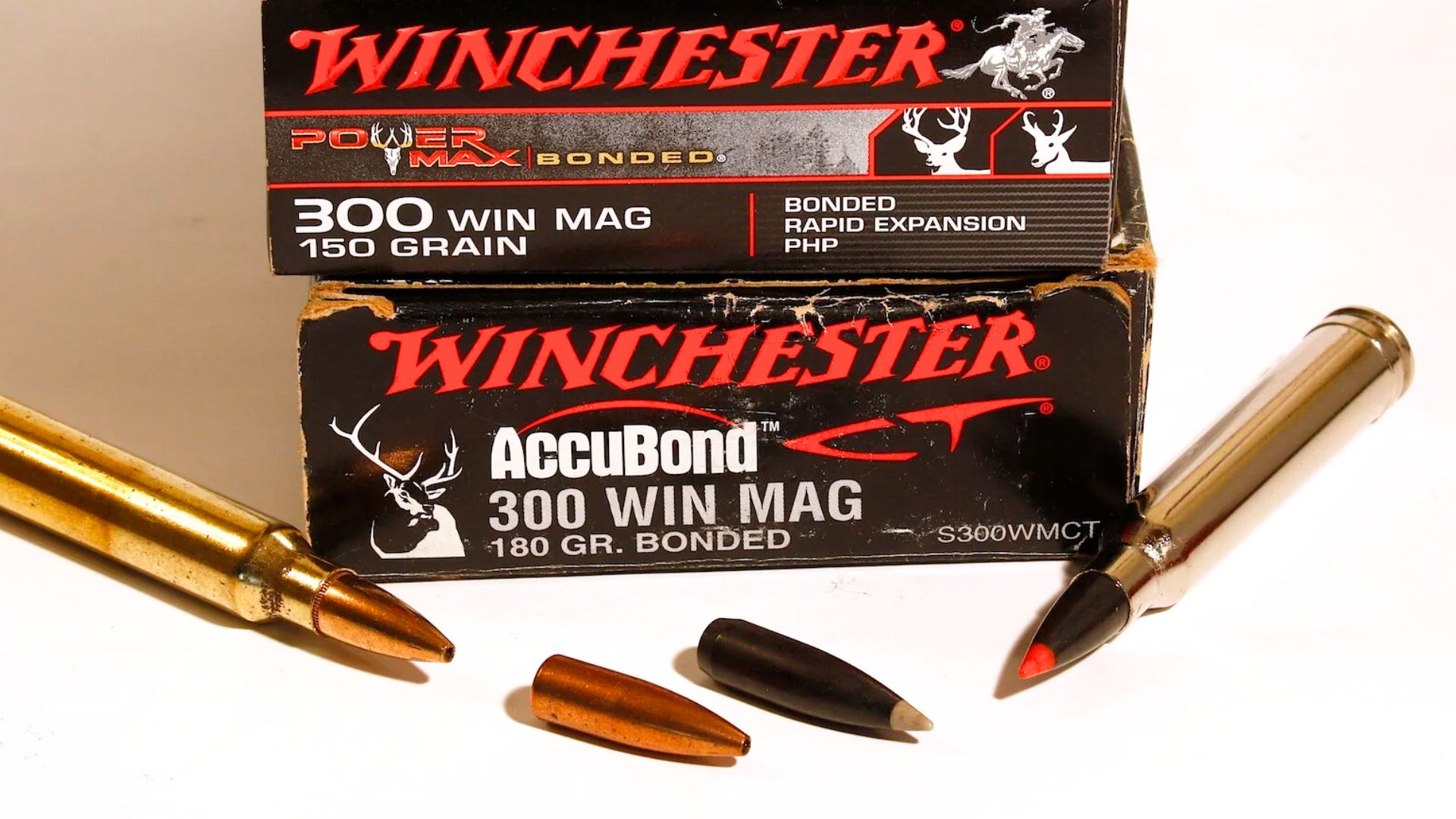
The .300 Win Mag is powerful, capable, and proven—but on deer-sized game at normal hunting ranges, it’s often oversold. The recoil can make field shooting harder for many hunters, and lighter bullets sometimes create excessive damage.
Hunters buy into the idea that a magnum guarantees cleaner kills, but that’s simply not the case. Most whitetail hunting doesn’t justify the extra recoil, cost, or rifle weight. The magnum is great when you need long-range performance, but as a primary deer round, it’s often more hype than necessity.
.264 Winchester Magnum
The .264 Win Mag had one of the strongest marketing pushes of its era, billed as a flat-shooting deer and antelope round that outperformed everything else. But barrel life was short, recoil was sharper than expected, and bullet selection at the time didn’t do the cartridge any favors.
It performs better today with modern bullets, but it never lived up to the early promises. Plenty of cartridges now duplicate its performance without the drawbacks. Its reputation remains tied more to failed expectations than field results.
8mm Remington Magnum
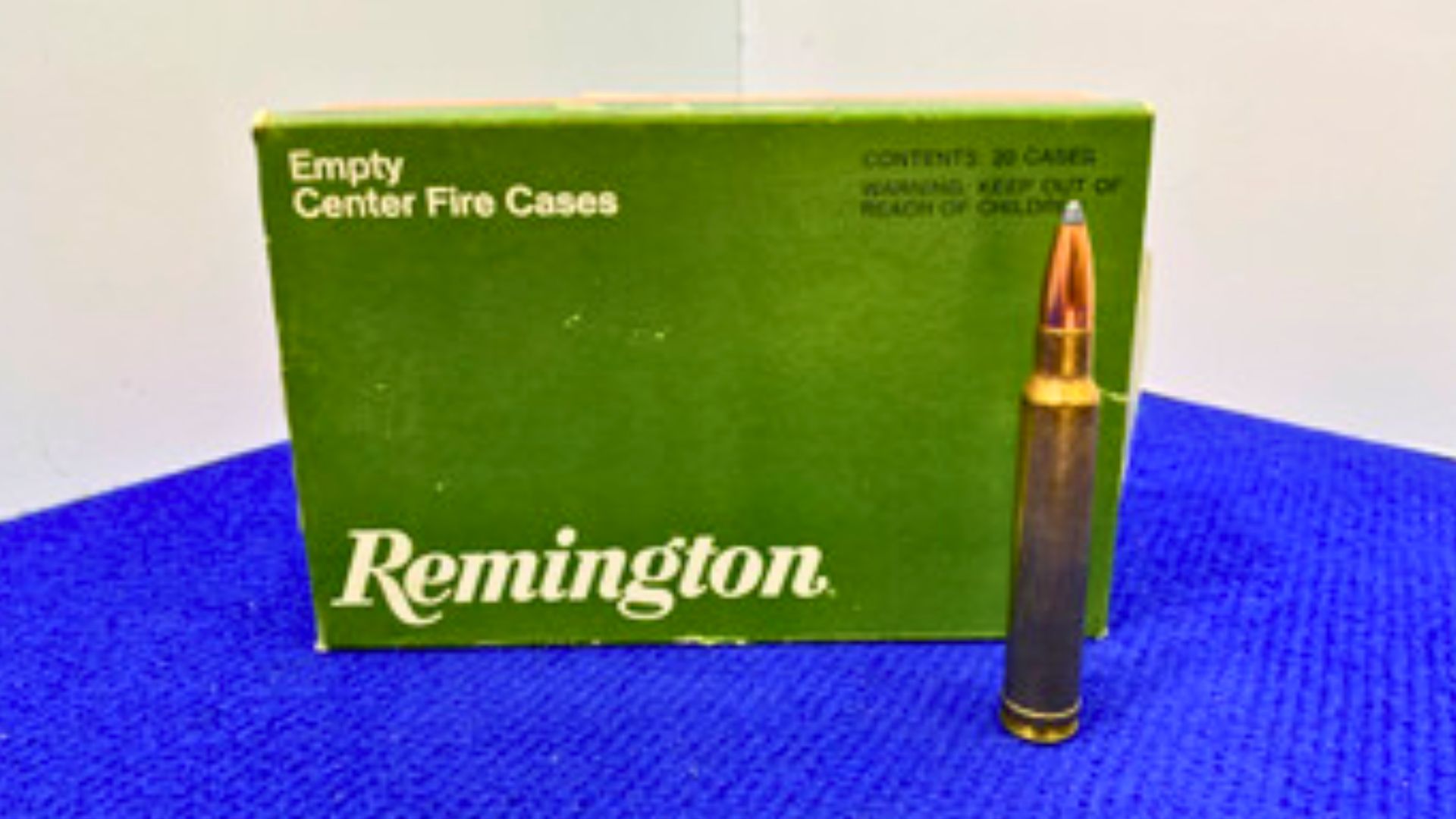
This caliber came out swinging with claims of unrivaled long-range power, but hunters quickly realized it’s far more cartridge than you need for whitetails. Recoil is punishing, rifles are heavy, and ammo has always been rare.
The hype painted it as a long-range deer powerhouse, but most hunters found it impractical for real-world whitetail conditions. It’s an interesting cartridge, but hardly the landmark it was advertised to be.
.22-250 Remington (for deer)

The .22-250 is a phenomenal varmint round, but its deer reputation is wildly overstated by some shooters. While certain bullet designs make it capable with perfect shot placement, it’s unforgiving when angles aren’t ideal. Hunters sometimes promote it like it performs on the same level as mid-weight rounds, and that’s where the overhype comes in.
It’s extremely accurate and flat-shooting, but the margin for error is slim on bigger deer. It’s not ineffective—it’s oversold as something broader than it should be. Used with discipline, it works. Pushed beyond that lane, it creates problems.
Like The Avid Outdoorsman’s content? Be sure to follow us.
Here’s more from us:
The worst deer rifles money can buy
Sidearms That Belong in the Safe — Not Your Belt
*This article was developed with AI-powered tools and has been carefully reviewed by our editors.