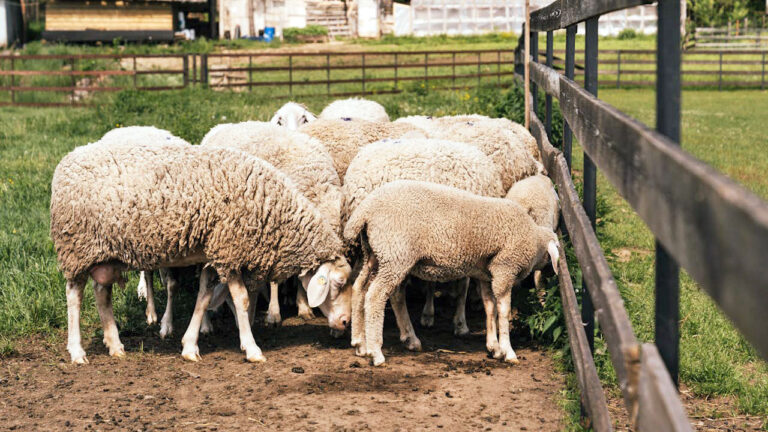
Photo credit: Sue Thatcher/ShutterStock.com
A lot of modern dogs live soft, comfortable lives, and there is nothing wrong with that. But some breeds still make the most sense when they have real work to do. That might mean gathering cattle, guarding sheep, trailing rabbits, pulling freight, locating birds, or handling the kind of farm chores that wear out a weak-nerved dog in a hurry. AKC breed histories and standards still describe many of these dogs in straight working terms, which says a lot. These are not breeds that were built mainly for looks. They were built to solve problems, cover ground, and stick with a job until it was done.
Border Collie
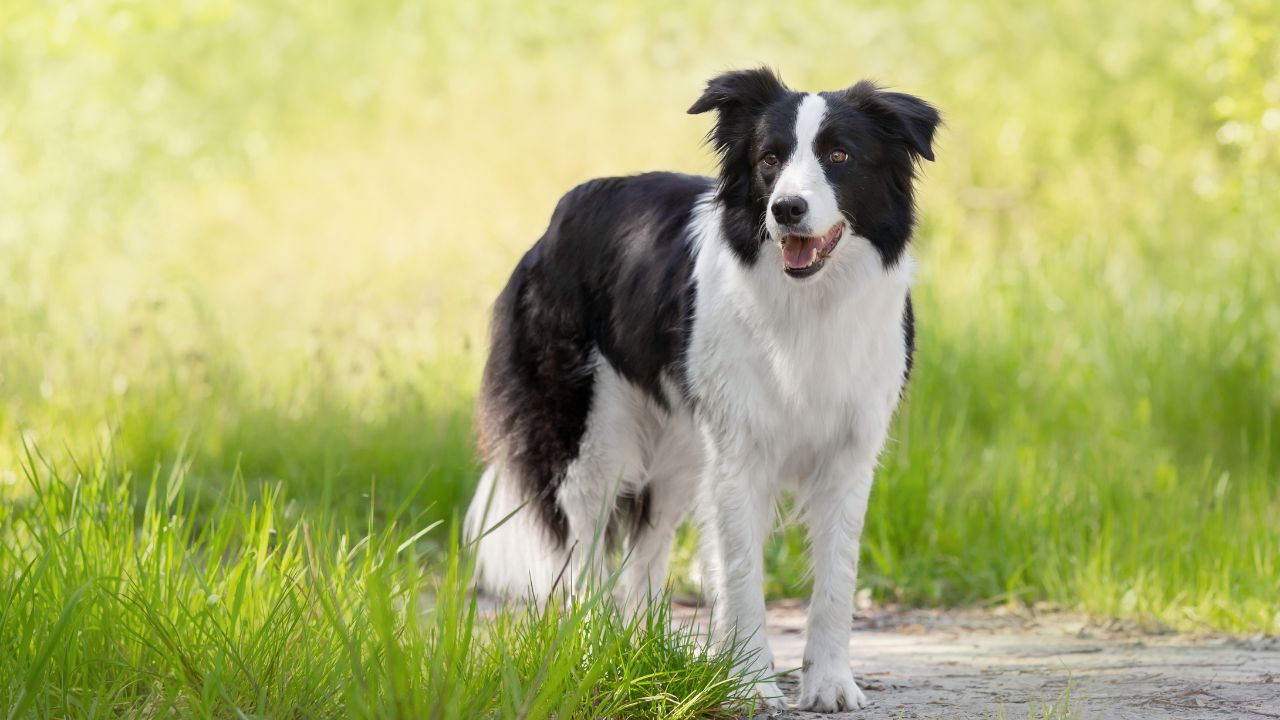
The Border Collie is still one of the clearest examples of a dog that lives to work. AKC describes the breed as a nimble herder developed through selective breeding for gathering and fetching stock with wide outruns, control, and that hard-eyed focus handlers simply call “eye.” That is not decorative talent. It is practical, repeatable livestock control, and it still matters on ranches and sheep operations where a smart dog can save a person a lot of steps and a lot of time. A Border Collie without a job usually goes looking for one, and that is exactly why they still earn their keep instead of just taking up space on the porch.
Australian Cattle Dog

Australian Cattle Dogs were built for hard country and hard-headed stock, and you can still see that in the breed today. AKC’s standard describes them as strong, compact working dogs with the ability and willingness to carry out an allotted task however arduous, while breed-history material explains they were developed in Australia for rough, unfenced cattle country that demanded endurance and grit. That is a useful dog, not a fragile one. Around cattle, on big properties, or anywhere a handler needs a dog that can take pressure and keep moving, the breed still makes perfect sense. They are not everybody’s dog, but in the right hands they absolutely still pull their weight.
Australian Shepherd

The Australian Shepherd still has real ranch-dog credibility because the breed never drifted too far from the work that made it valuable in the first place. AKC describes the Aussie as a lean, tough ranch dog closely tied to cowboy life and the rodeo circuit, and also calls the breed smart, work-oriented, and exuberant. That combination is exactly why good Aussies are still useful on livestock and horse properties. They have enough brains to learn fast, enough motor to keep going, and enough natural stock sense to stay handy instead of becoming a burden. A lot of dogs can look athletic. Aussies still prove they can be useful, and that is a big difference.
German Shepherd Dog

The German Shepherd Dog remains one of the most dependable all-purpose working breeds on the planet. AKC flat-out calls it dogkind’s finest all-purpose worker, and the breed’s history in police, military, messenger, guarding, and herding work backs that up. This is a dog with enough intelligence to learn difficult tasks, enough steadiness to handle pressure, and enough athleticism to stay effective in real-world jobs. That is why German Shepherds are still trusted in roles that require discipline and nerve instead of just noise and flash. When somebody needs one dog that can protect, track, patrol, and still stay connected to a handler, the German Shepherd still earns serious respect.
Belgian Malinois
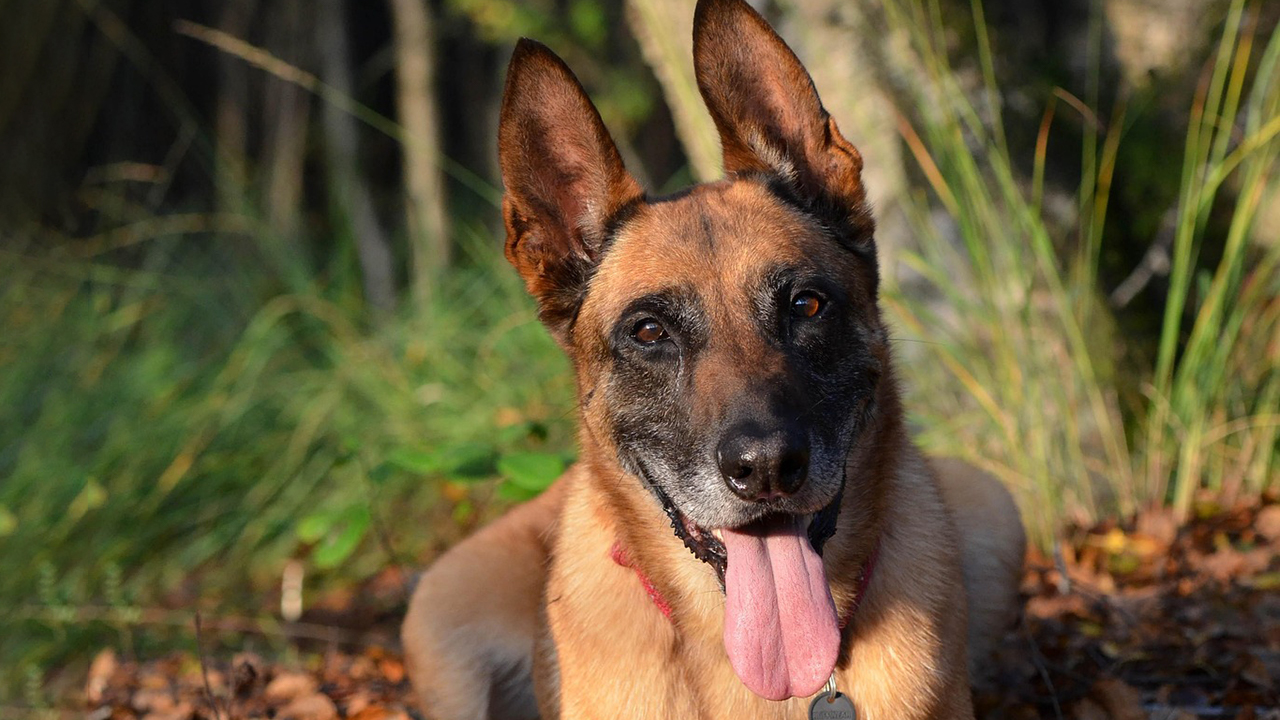
The Belgian Malinois is what happens when drive, stamina, and intensity all get packed into one working frame. AKC calls the breed a world-class worker and notes its deep bond with a human partner, while breed history material points to its established role as a police and military K-9. Nobody serious pretends this is a casual dog for casual owners. The reason Malinois still earn their keep is simple: they bring speed, courage, trainability, and relentless work ethic to demanding jobs. When a dog needs to search, pursue, detect, or stay switched on for long stretches, the Malinois still makes a lot of sense. That usefulness is exactly why working people keep coming back to them.
Great Pyrenees

The Great Pyrenees is still a real working dog because predator control on stock operations is still a real problem. AKC says the breed was developed to guard livestock and protect flocks from wolves, bears, and human threats, and its history emphasizes that these dogs were valued for staying with stock and working without constant human direction. That independent judgment is a big reason they remain useful on farms and ranches today. A good Pyrenees does not need to be micromanaged every second. It watches, patrols, settles stock, and responds when something is wrong. That kind of steady guardian work still matters a whole lot more than people sitting in town sometimes realize.
Anatolian Shepherd Dog

The Anatolian Shepherd Dog still earns its place because it was built for one job and built to do it under tough conditions: guarding livestock from predators. AKC describes the breed as a rugged, imposing flock guardian and says it was developed for a purely utilitarian purpose as a working guard dog without equal. That language is not subtle, and neither is the breed’s value on ground where coyotes, stray dogs, wolves, or other predators create constant pressure. Anatolians are not there to entertain anybody. They are there to watch territory, stay calm until they need not be, and keep stock safe. In that role, they still make all kinds of practical sense.
Catahoula Leopard Dog

The Catahoula Leopard Dog is still one of the handiest all-around working breeds in the country if the owner actually needs a dog with grit and versatility. AKC describes the breed as a multi-purpose worker and specifically notes its use as a stock dog, bay dog, tree dog, watchdog, and hog dog. That is a serious résumé. On rough country, around hogs, or on farms where one dog may need to do a little of everything, that kind of flexibility still counts for a lot. A good Catahoula is not soft, and it is not meant to be. It is meant to handle pressure, think independently, and stay useful where softer dogs fall apart.
Labrador Retriever
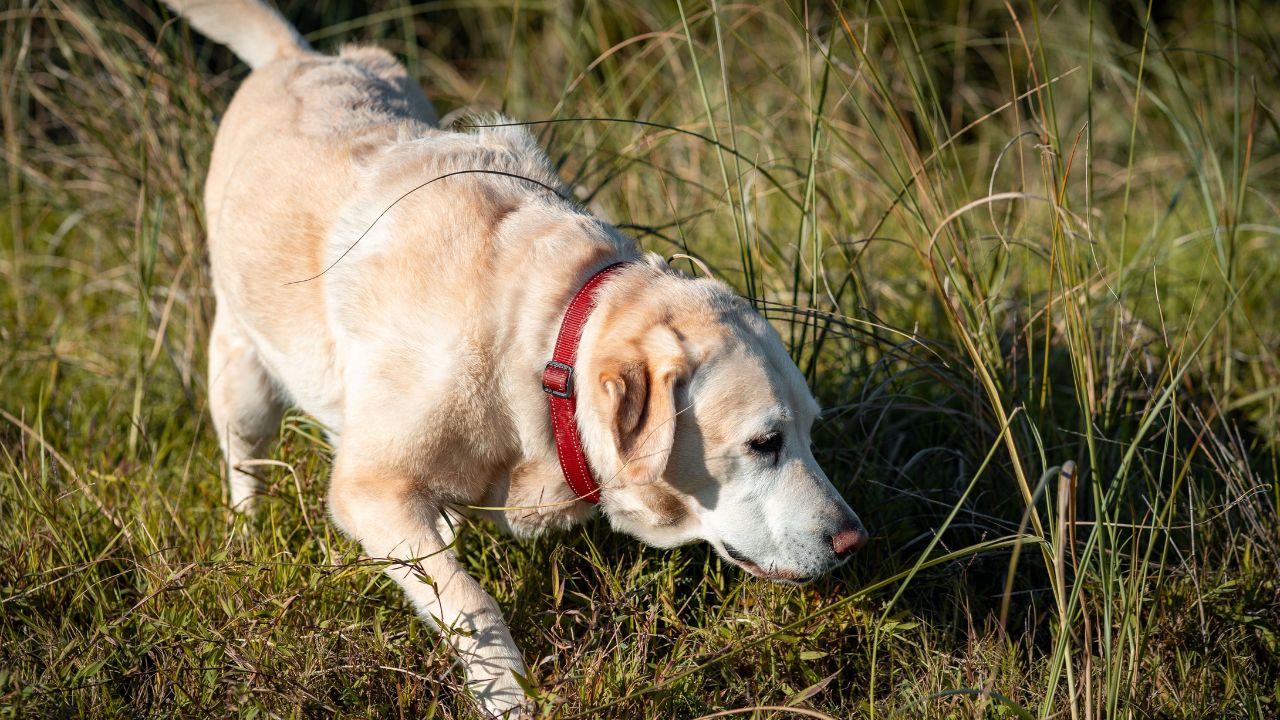
A lot of people forget the Labrador Retriever was not created to be just a friendly family dog. AKC describes the Lab as the traditional waterdog of Newfoundland, used as both a duck retriever and a fisherman’s helper, and its breed standard explicitly says the dog must be built to function as a retrieving gun dog for long hours under difficult conditions. That is still exactly why the Lab earns its keep in duck blinds, dove fields, upland cover, and service roles. Labs combine steadiness, trainability, endurance, and a natural willingness to work with people. That makes them more than popular. It makes them useful in a way that still matters every hunting season.
Chesapeake Bay Retriever
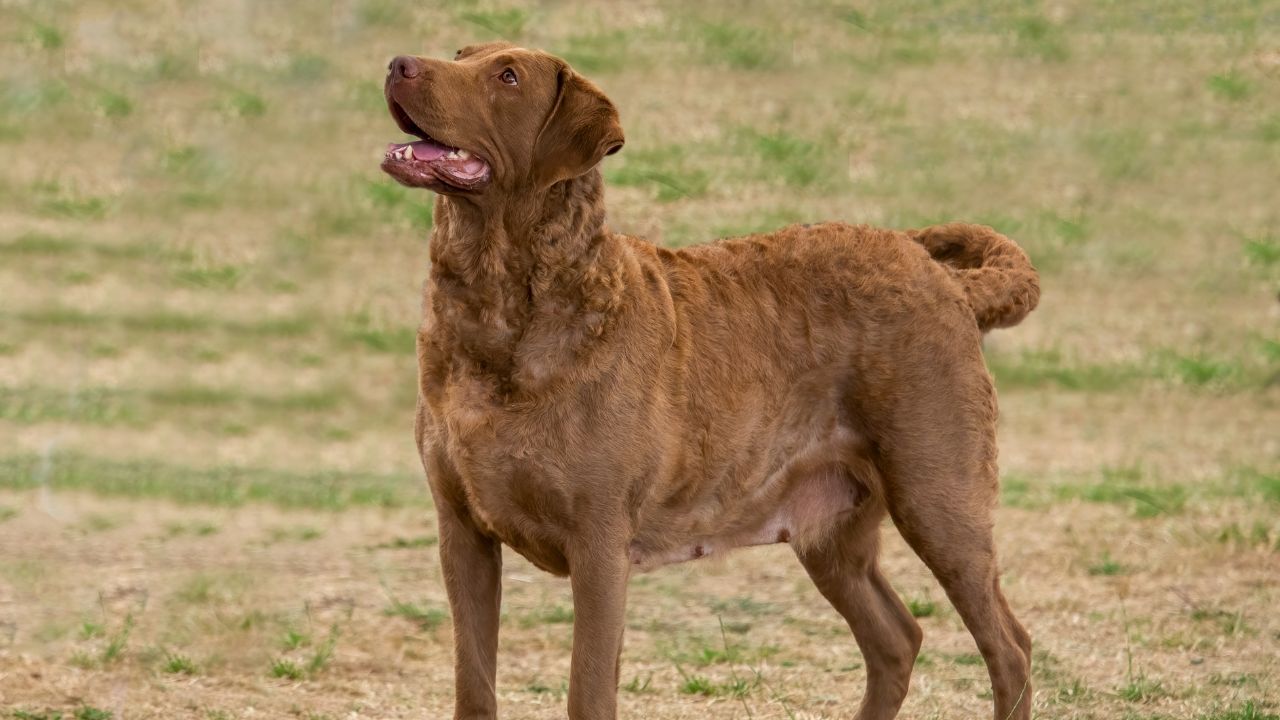
The Chesapeake Bay Retriever remains a hard-working dog for people who need a retriever that can take rough conditions without folding. The AKC and American Chesapeake Club materials describe the breed as developed along the Chesapeake Bay to hunt waterfowl under harsh weather and water conditions, often breaking ice during strenuous multiple retrieves. That is a whole different kind of assignment than fetching a tennis ball in a backyard. Chessies are valued for toughness, sense, and durability, and those traits still matter to hunters who spend late-season mornings in ugly water. They are not built to be delicate. They are built to get the job done when the weather and water both turn mean.
German Shorthaired Pointer

The German Shorthaired Pointer still earns its feed because it was bred to do almost everything a bird hunter might ask of one dog. AKC calls it a versatile hunter and an all-purpose gun dog, and later breed material says GSPs were built to hunt, point, and retrieve all kinds of game. That kind of range is why they remain so useful instead of becoming one-note specialists. A good GSP can cover ground, handle birds, work with a gun, and stay eager about the whole business. That matters for hunters who want one dog that can do real field work instead of just looking sharp in photos. There is still plenty of honest usefulness in that breed.
Wirehaired Pointing Griffon
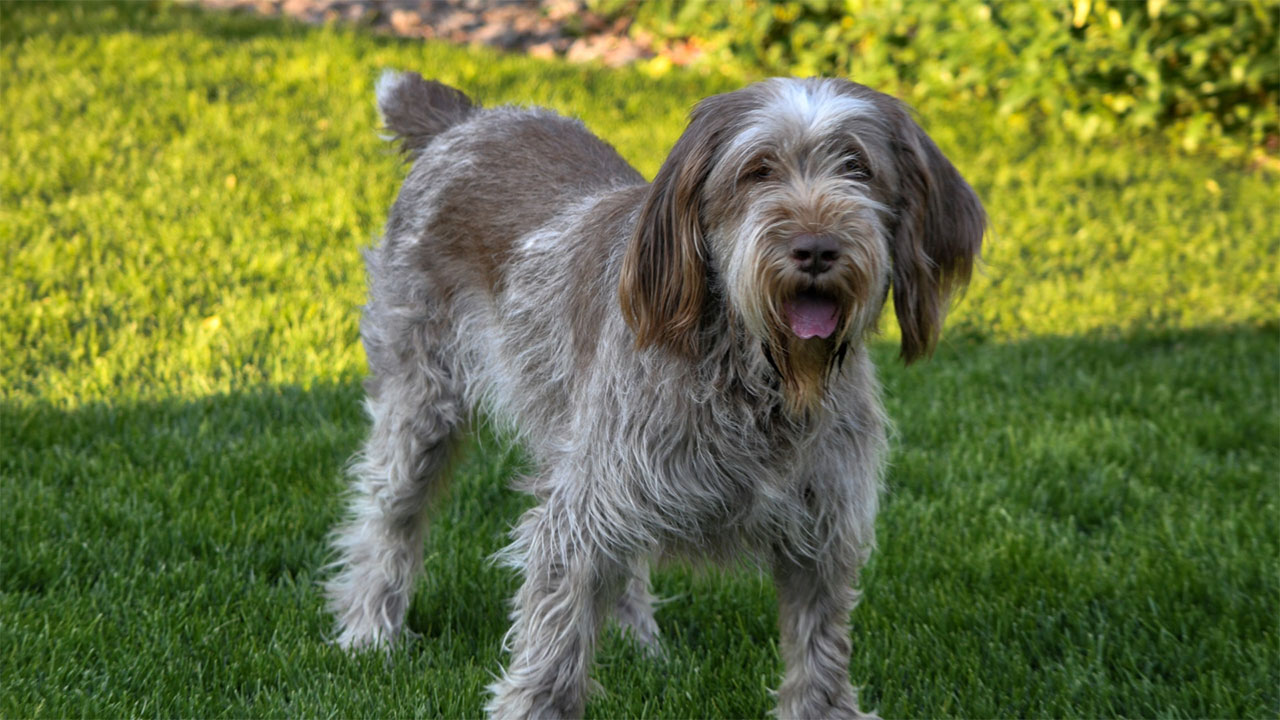
The Wirehaired Pointing Griffon is one of those breeds that keeps proving its worth to hunters who want a true all-terrain gun dog. AKC calls the Griffon a versatile gundog that excels in upland birds, waterfowl, and furred game, and club material says they can track, point, mark falls, and retrieve on both land and water. That kind of flexibility is hard to fake. The breed still earns its keep because it can handle a lot of situations without needing a whole kennel of specialists behind it. For the hunter who wants one dog that can stay useful across different covers and seasons, the Griffon still brings honest working value instead of just novelty.
Beagle
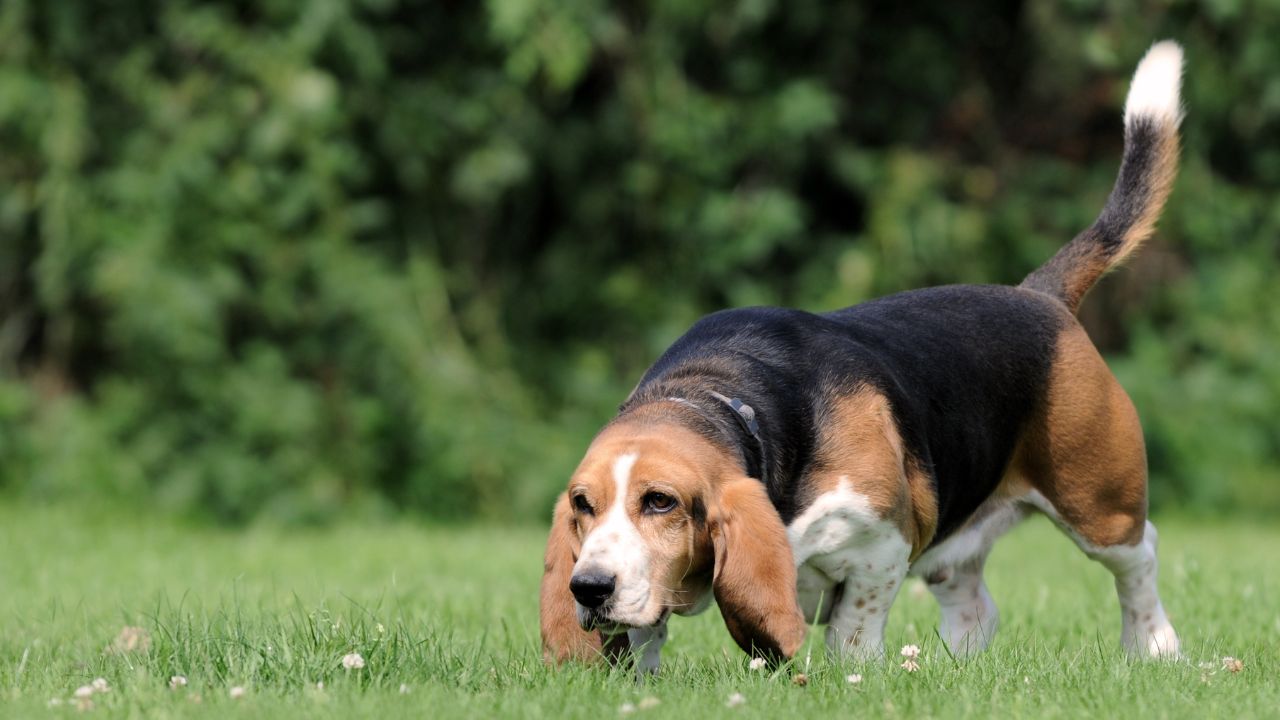
The Beagle still works because rabbits still run, scent still matters, and a good nose still beats a lot of guesswork. AKC describes the Beagle as an excellent hunting dog bred to hunt in packs, and its field-trial materials still revolve around dogs finding, trailing, and controlling rabbits or hares under real hunting-style conditions. That tells you the breed’s practical purpose never disappeared. A solid Beagle brings nose, endurance, determination, and pack sense to the job, and that still makes the breed useful in country where small-game hunting remains part of life. Plenty of dogs are entertaining. A Beagle that can search, strike, and keep a rabbit moving is actually earning its groceries.
Treeing Walker Coonhound
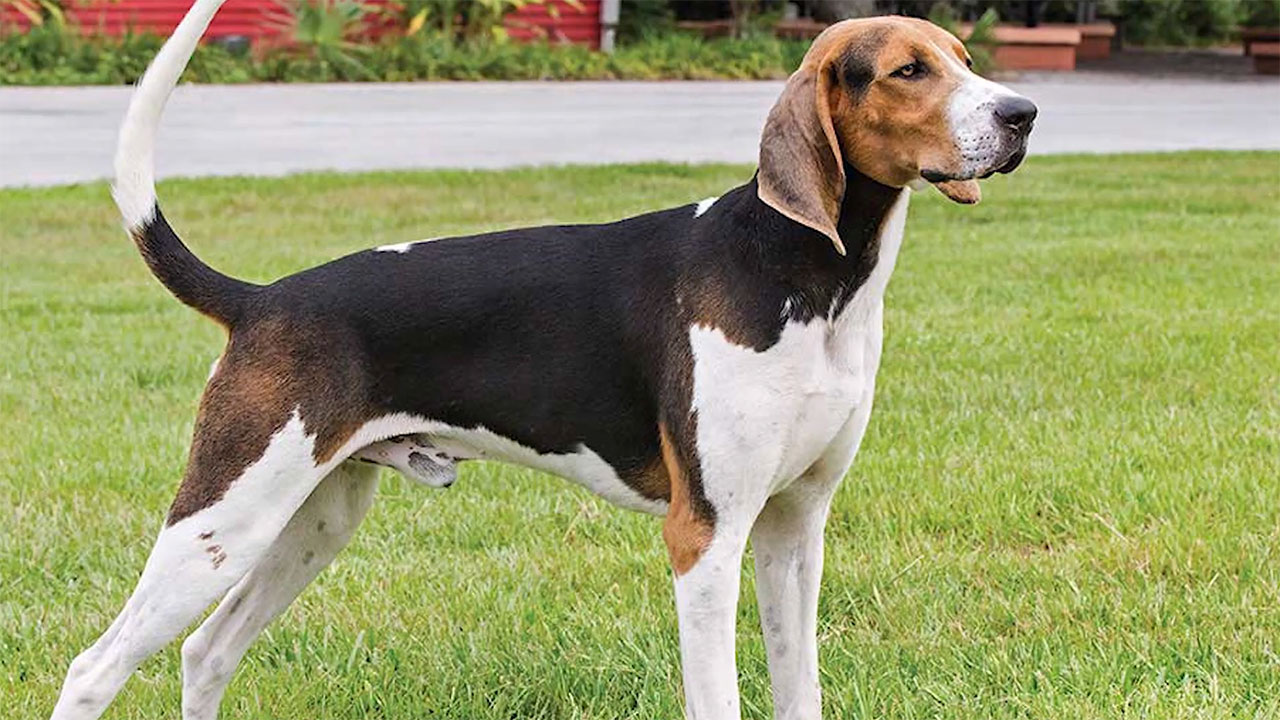
The Treeing Walker Coonhound still makes a lot of sense for hunters who need a dog that can move fast, cover country, and get game up a tree in a hurry. AKC calls the breed a smart, brave, sensible hunter and notes that these dogs can cover a lot of ground quickly, while breed materials describe them as versatile enough to hunt alone or with a pack. That is why they still matter to coonhunters and others who need a dog that can strike hot, trail honestly, and keep pressure on game. These dogs were developed for American hunting conditions, and they still fit that work. They are not ornaments. They are hunters.
Siberian Husky

The Siberian Husky still earns respect as a working breed because it was built to pull light loads over long distances with endurance and efficiency. AKC describes the breed as a pack-working sled dog developed for moderate-speed travel across vast frozen country, and breed-history material still ties Huskies to serious sled work, including the 1925 serum relay that made the breed famous. That background matters because it explains what the breed is actually for: motion, teamwork, stamina, and repeatable performance. A Husky with a real job to do makes more sense than a Husky treated like a couch ornament. Their usefulness came from work, and that working design is still obvious today.
Alaskan Malamute

The Alaskan Malamute still stands out because it was built for power instead of speed. AKC describes the breed as an immensely strong, heavy-duty worker, and breed guides emphasize that the Malamute was designed as a working sledge dog meant to haul heavy loads over long distances at a moderate pace. History pieces add that Malamutes also packed supplies and worked under brutal northern conditions. That makes the breed useful in a very specific, very old-school way. This is not a dog built for flashy bursts and then quitting. It is built for weight, endurance, and serious hauling. That kind of working identity is still strong enough that you can see it just watching them move.
Airedale Terrier
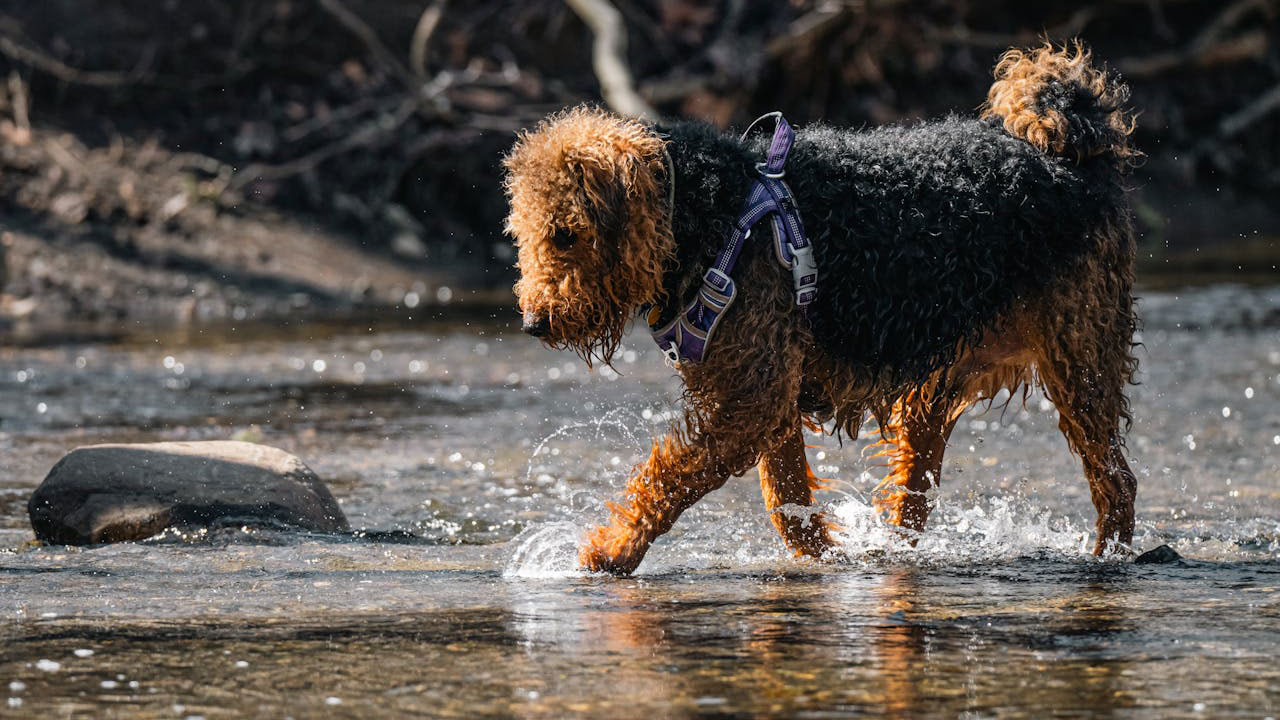
The Airedale Terrier still earns its keep because it has always been more than a one-purpose terrier. AKC notes the breed has been used for wartime guard and messenger duty, rodent control, and hunting birds and game, while breed history points to its usefulness in tracking, police work, and other demanding roles. That is a broad working résumé for one dog, and it is exactly why the breed still deserves respect. Airedales bring toughness, brains, and enough versatility to switch between jobs without acting confused about it. On the right place, a dog that can help with vermin, hunt, and still act like a real watchdog is not outdated. It is practical.
Standard Schnauzer
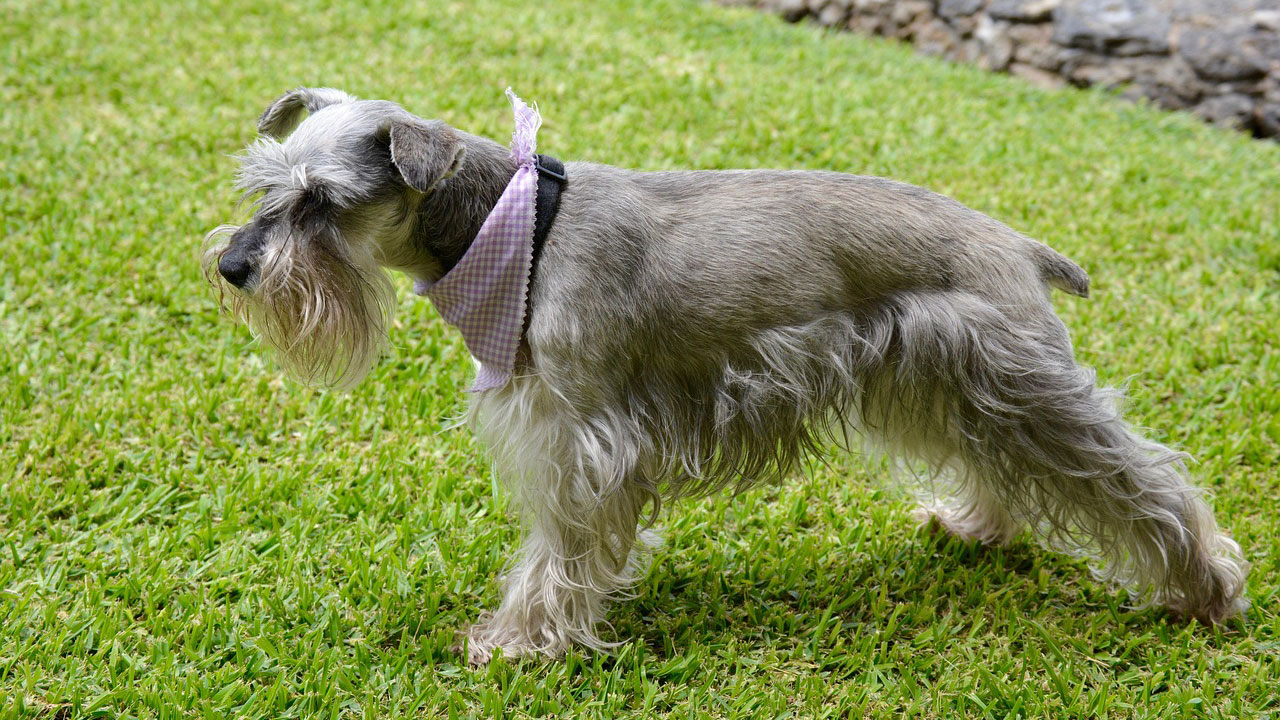
The Standard Schnauzer is still one of the more underrated working farm dogs around. AKC calls it a high-spirited farm dog from Germany, and breed-club material says the Standard was bred to herd, guard property, kill vermin, protect family and livestock, and even accompany owners to market. That is a lot of practical usefulness packed into one medium-sized dog. On a working place, versatility counts, and the Standard Schnauzer has plenty of it. A dog that can sound the alarm, clean up rats, and still move livestock is not just some old European relic. It is a dog with the kind of job description farmers have appreciated for a very long time.
German Wirehaired Pointer
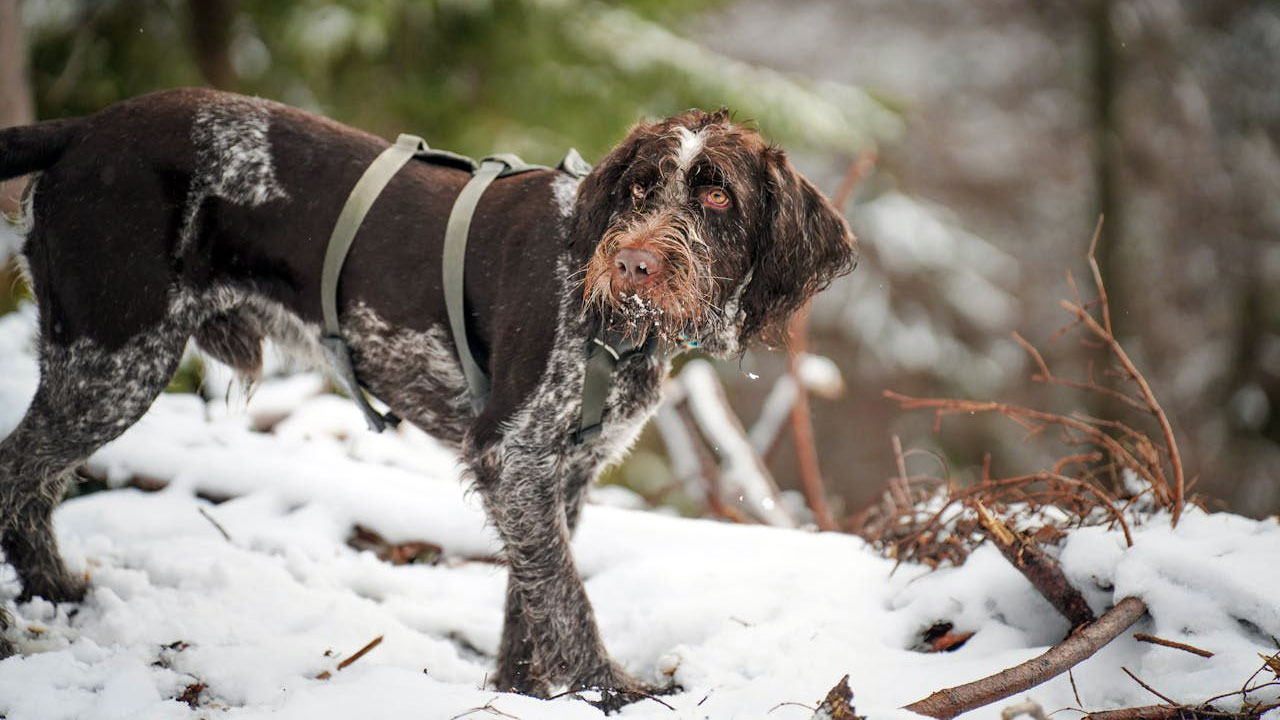
The German Wirehaired Pointer still earns its place because rough cover and rough weather still exist. AKC describes the breed as a versatile, medium-sized griffon-type gundog that was built to hunt feather and fur on any terrain and in water. That kind of coat, toughness, and hunting range still matters to people who do not want a delicate dog falling apart after a hard day in brush, cold, and wet ground. The breed’s usefulness comes from not being overly specialized. A good German Wirehaired Pointer can point, track, retrieve, and keep hunting when conditions get unpleasant. That kind of all-weather field value is the whole reason working hunters still keep them around.
Bloodhound

The Bloodhound still earns its keep because scent work remains one of the most useful jobs any dog can do. AKC’s Scent Hound group description notes that these breeds were developed to trail game and other quarry by scent, and the Bloodhound remains the best-known example of that kind of nose-driven work. In practical terms, that still translates to search work, trailing, law-enforcement tracking, and recovery situations where a strong nose matters more than speed or flash. A lot of dogs can act intense. A Bloodhound can actually stay on odor and move a trail with purpose. That is a very real kind of usefulness, and it has not gone out of style.
Like The Avid Outdoorsman’s content? Subscribe to our newsletter so you never miss an article.
Here’s more from us: