Photo credit: TEX MEX/YouTube
Some guns stay because they still shoot well. Others stay because the owner already knows what happens if they let one go and try to buy back in later. Prices climb, supply gets thin, older production starts carrying more weight, and the same firearm that once felt easy to replace suddenly turns into something that would take real money and real patience to recover. That is when a gun stops looking like trade material and starts looking like something you leave right where it is.
A lot of the firearms in this category were not treated seriously enough when they were easier to find. They sat in used racks, rode around in closets, or got lumped in with more ordinary options until buyers finally noticed what they had. By then, the price tags had changed. These are the guns people hold onto because replacing them now hurts.
HK P7
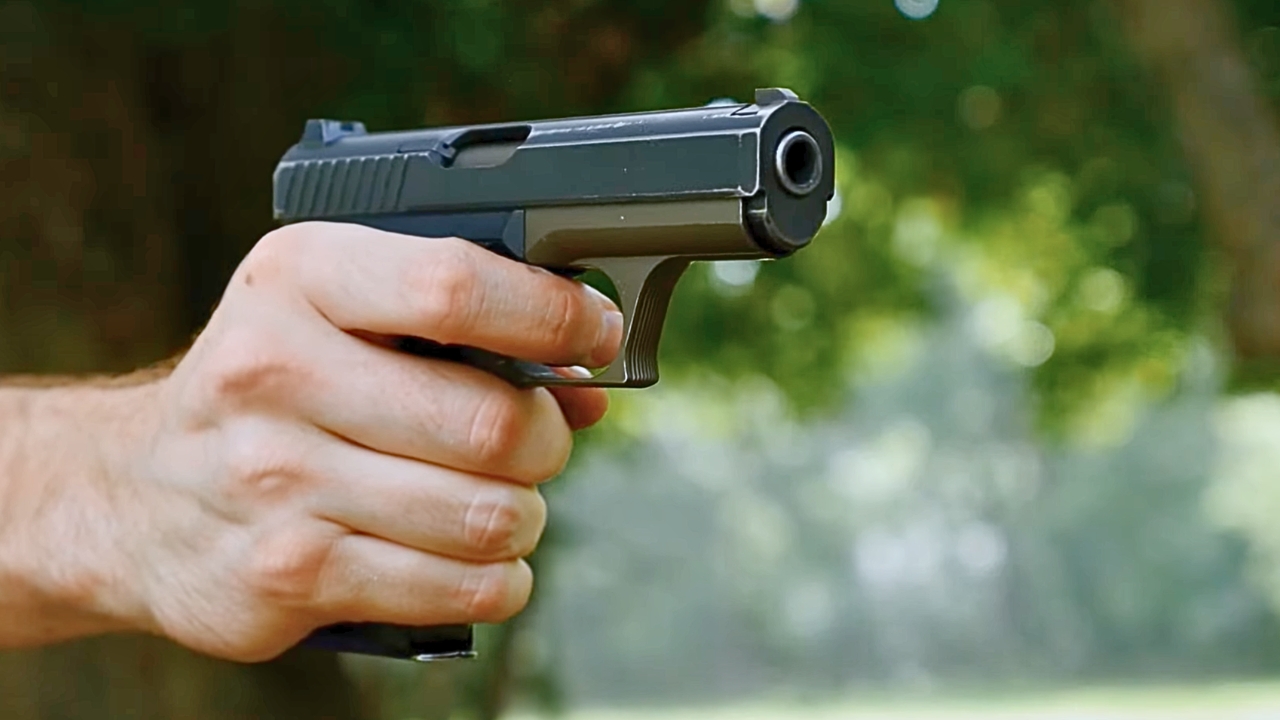
The HK P7 is one of those pistols owners rarely let go without thinking about it for a long time. It already had a loyal following when prices were lower, but once cleaner examples started drying up, the whole conversation changed. What used to feel like an expensive but reachable oddball became a pistol people hesitated to even price seriously. That squeeze-cocker system, slim frame, and very specific shooting feel are not something you replace with a random substitute.
That is what makes selling one feel risky. You are not just moving an older pistol. You are giving up a gun with real character and a format that does not have an easy stand-in. Owners know that if they ever want another one, they will probably pay more and have fewer good choices.
Colt Python

The Colt Python is the kind of revolver people used to admire and delay. They told themselves they would get one later, maybe after prices cooled or after another project was out of the way. That strategy aged badly. Once older Pythons started climbing harder, buyers realized they were no longer dealing with a “nice old Colt.” They were dealing with a revolver that had moved into a completely different price bracket.
That is why owners who already have one tend to hold tight. A good Python is not only expensive to replace. It is also hard to match for finish, barrel length, condition, and overall feel. Once you know what the market is doing, letting one go can feel less like a smart sale and more like volunteering to pay a penalty later.
Browning Hi-Power Belgian models

Belgian Hi-Powers stayed affordable long enough to fool people into thinking they always would be. Buyers appreciated the history, liked the slim grip, and respected the design, but a lot of them still pushed the purchase down the road. Once production realities changed and the cleaner Belgian guns got more attention, that easygoing market disappeared. The pistol suddenly became one of those guns people talked about with regret.
Owners hang onto them now because replacing one means paying for more than a steel-frame 9mm. You are paying for the country of origin, the right era, the right finish, and a level of fit and feel that many shooters still prefer. When a pistol already shoots well and now costs real money to buy back, it becomes a lot easier to justify keeping.
Marlin 39A

The Marlin 39A spent years being treated like a very nice rimfire without enough urgency behind it. That kept plenty of buyers from acting when prices were still reasonable. Then the market started looking at older lever-action .22s with more respect, and the 39A stopped being just a pleasant classic. It became one of those rifles owners realized would be a lot more painful to replace than they had assumed.
That hurts because the 39A is not only collectible. It is also one of those rifles people genuinely enjoy owning and shooting. It has quality, balance, and the kind of rimfire charm that gets harder to find once you leave older production behind. Owners know that if they sell one now, they may spend a long time wishing they had kept the rifle they already trusted.
Winchester Model 88

The Winchester Model 88 lived in a weird middle space for years. It was too different for some lever-gun buyers and too unconventional for some bolt-gun buyers. That made it easy to admire without buying. Once the market woke up to how handy, useful, and distinctive the rifle really was, those comfortable entry prices stopped being comfortable. Now a good Model 88 tends to sting a little when it shows up with a tag on it.
That is why owners usually keep them. Replacing one now means chasing an older Winchester that already has limited supply, a particular following, and condition-sensitive pricing. On top of that, the rifle still fills a real field role well. When a gun is both genuinely useful and noticeably harder to buy back, owners tend to leave it in the safe.
SIG Sauer P228
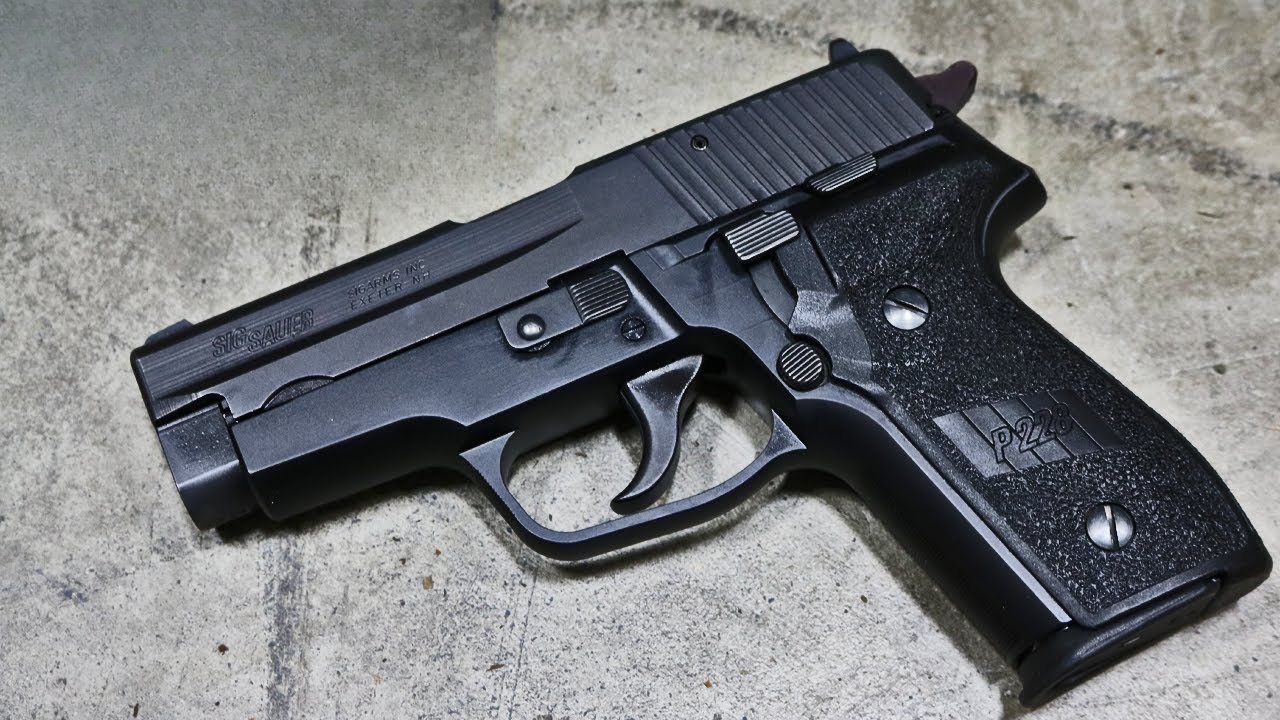
The P228 is one of those pistols people once treated like a used duty-style SIG they could always find again. That was true for a while, especially when older SIGs did not yet have the same collector and enthusiast pull they do now. Once surplus dried up, cleaner German guns got more attention, and buyers started chasing classic SIGs harder, the price picture changed fast.
Owners know the pain point now. A P228 is not impossible to replace, but replacing a nice one without overpaying or settling is a different story. The balance, the feel, and the overall maturity of the pistol make it the kind of handgun people miss specifically once it is gone. That is usually enough to keep a good one from getting sold off lightly.
Ruger No. 1
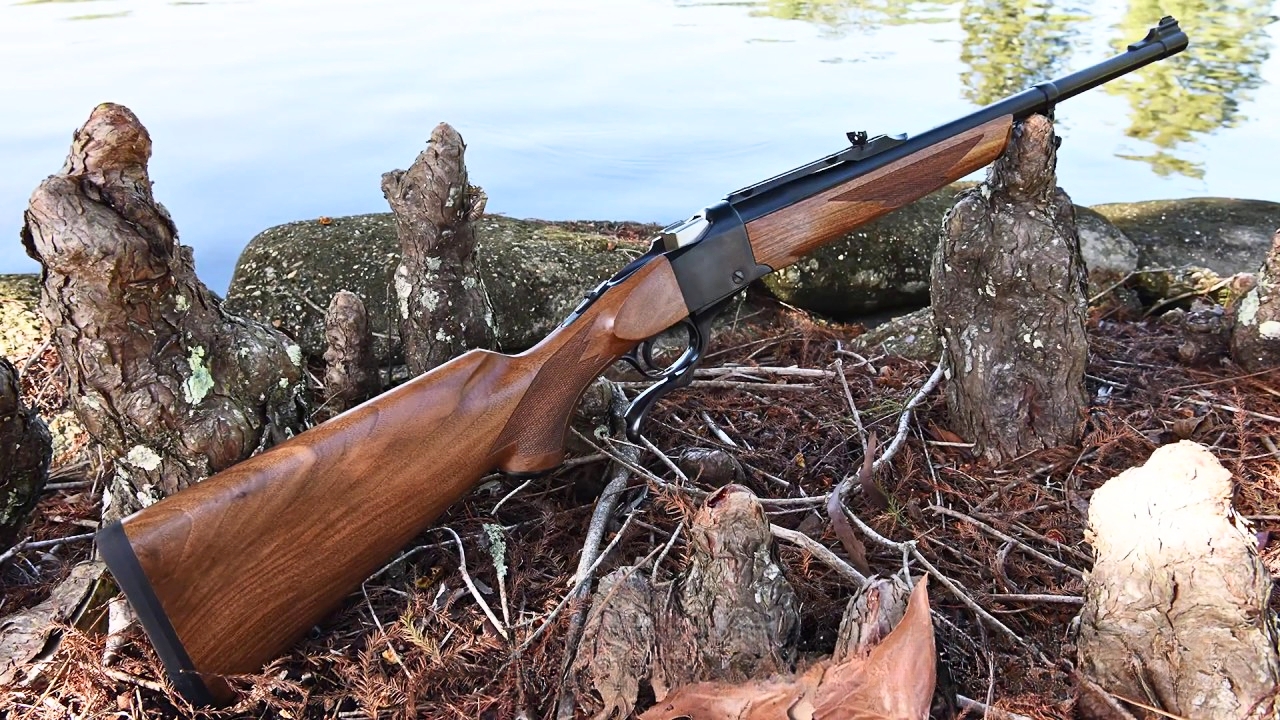
The Ruger No. 1 always had admirers, but for a long time admiration did not always translate into buying pressure. It was a single-shot, which made some buyers treat it like a luxury or side-interest rifle rather than something worth prioritizing. Then certain chamberings got scarcer, nice examples got more expensive, and the market began appreciating how little else really offers the same mix of looks, feel, and identity.
That is why owners hold onto them. Replacing one is not just about finding another No. 1. It is about finding the right variation, the right wood, and the same overall character. Once prices move up and availability tightens, selling starts to feel like trading away something that will take more money and more compromise to get back than most owners want to admit.
Smith & Wesson 3rd Generation autos
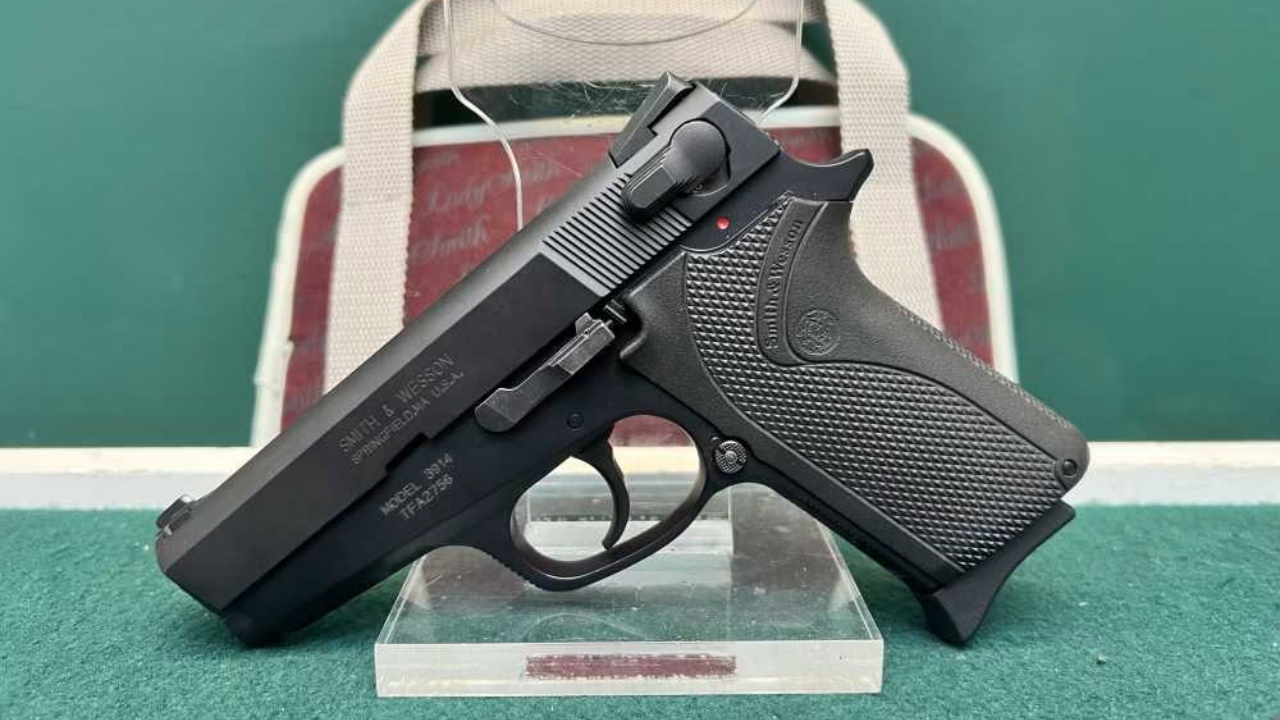
Older Smith & Wesson 3rd Generation pistols sat in the shadow of the polymer era for a long time. That kept prices modest and made a lot of buyers assume they could always dip back into the market later if they changed their mind. Then 5906s, 4506s, 3913s, and other models started getting more respect from shooters who appreciated durable metal-frame pistols. Once that happened, the easy days started fading.
Owners know what that means now. These guns are no longer throwaway old service pistols in the market’s eyes. They are dependable, increasingly appreciated, and harder to replace in strong condition without paying noticeably more. If somebody already has one that shoots well and still looks right, they usually understand there is not much upside in selling it just to relearn that lesson later.
CZ 527

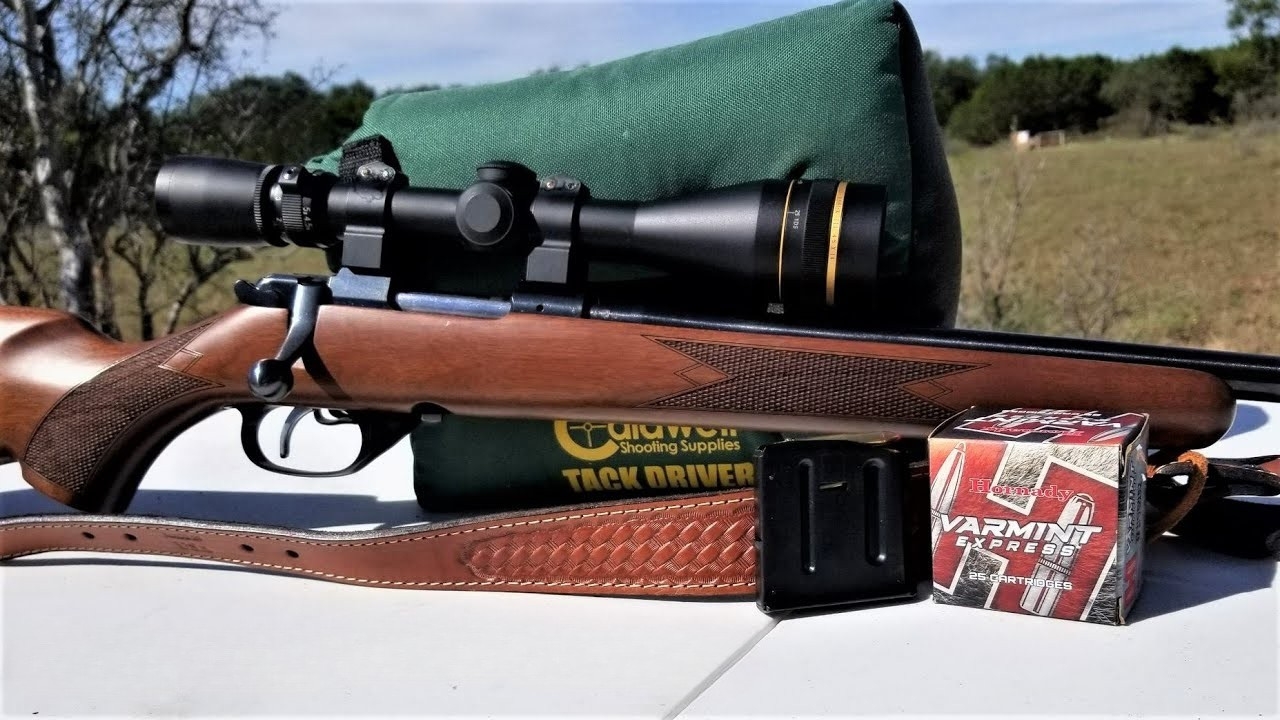
The CZ 527 is exactly the kind of rifle people regret underestimating once it disappears. For years, it was appreciated by the right crowd without becoming a market frenzy. Buyers liked the compact action, the handling, and the accuracy, but many still treated it like a rifle they could always circle back to later. Discontinuation changed that. Once supply dried up, the market stopped acting relaxed about the little CZ.
Owners tend to hang onto them because there are not many true substitutes. The 527 has too much personality and too much practical field appeal to shrug off once you already own one. Buying back into that same compact, controlled, clever package now usually means paying more than expected for a rifle people once left sitting around without much drama.
Springfield M1 Garand

The M1 Garand stayed reachable long enough to make buyers comfortable. That is part of why so many owners are careful with theirs now. People remember when getting one felt like a project you could put off for a little while without too much pain. Then easier routes dried up, prices climbed, and the market got less forgiving. Suddenly the rifle that once felt obtainable started feeling like something you were lucky to already have.
That is what keeps a lot of Garands in collections. Owners know replacing one is not only about money. It is also about finding a rifle with the right maker, decent condition, a good barrel, and the kind of feel that makes ownership satisfying. Once you know what that hunt looks like today, the rifle in your safe becomes much easier to keep.
Colt Woodsman

The Colt Woodsman caught a lot of buyers napping because it was “just a rimfire” for too long in their minds. That label kept people from treating it with any urgency, even though it had the lines, craftsmanship, and Colt appeal to eventually outgrow that casual treatment. Once older Colts of all kinds got pricier and cleaner Woodsmans got harder to find, owners realized they were holding something much more annoying to replace than expected.
That matters because the Woodsman is not only collectible. It is genuinely enjoyable, well balanced, and full of the kind of detail shooters notice once they spend time with one. Replacing a nice example means more than matching a dollar figure. It means finding one with the same series, condition, and feel. That is enough to keep a lot of owners from ever letting theirs go.
FN FAL imports

The FN FAL and quality import variants once lived in that category of admired but delayed purchases. Buyers respected them, but a lot of them still found reasons to wait. The rifles were heavy, magazines and parts mattered, and there always seemed to be some cheaper semi-auto alternative competing for attention. Then the FAL market tightened, imports became a bigger factor, and suddenly buyers started realizing how expensive “later” had become.
That is why current owners tend to hold on. Replacing a good FAL now means stepping into a market that understands exactly what the rifle is and charges accordingly. On top of that, the FAL still offers a full-power battle-rifle feel that plenty of newer guns do not really duplicate. Once owners know that, selling one starts to feel like signing up for a costly mistake.
Savage 99

The Savage 99 was respected for years without enough urgency behind it. Buyers liked it, older hunters loved it, and a lot of younger shooters still walked right past it because they were focused on bolt guns or more modern-looking rifles. That left a lot of 99s sitting in plain sight for too long. Once buyers started appreciating the balance, the handling, and the unique place the rifle holds, prices got less friendly.
Owners hold onto them now because replacing one is no longer a casual move. Chambering, condition, and configuration can swing the whole experience, and finding one that feels right is not as easy as it once was. The Savage 99 is one of those rifles that becomes much more expensive emotionally and financially the moment it leaves your hands.
HK SP89 and older roller guns

Older HK roller guns got treated like expensive toys by some buyers for years, which kept plenty of people from acting when they still had the chance. Once the supply side got tighter and prices kept climbing, that attitude changed. The same guns people once admired from a distance started feeling like locked gates. At that point, ownership became something people guarded a lot more carefully.
That is why current owners usually keep them. Replacing one now means entering a market with very little sympathy for regular buyers. You are paying for the design, the name, the era, and the very specific appeal that roller guns carry. Once a person already has one, it usually makes more sense to hang on than to sell and later discover just how painful the buyback would be.
Winchester 9422

The Winchester 9422 is a perfect example of a rifle people once saw as a nice lever-action .22 and not much more. That kept it attainable longer than it should have been. Then buyers started paying closer attention to older Winchester rimfires, cleaner rifles got scarcer, and the 9422 moved into that uncomfortable zone where replacing one now feels much less fun than it sounds.
Owners know the issue is not only price. It is also condition, smoothness, and that overall Winchester feel people expect from a rifle like this. Once somebody already has a good 9422, the upside in selling it gets pretty thin. The downside, on the other hand, is easy to picture: paying more later for a rifle you already should have kept the first time.
Browning Auto-5 Belgian guns

Belgian Browning Auto-5 shotguns spent years as respected old humpbacks that a lot of buyers still thought they could always find later. That was true until it was not. Once buyers started chasing Belgian production harder and recognizing that older Browning quality was not just nostalgia talking, the market got a lot less relaxed. Clean guns, desirable gauges, and nicer configurations started carrying real sting.
That keeps owners from moving them lightly now. A Belgian Auto-5 is not just another old shotgun. It is a shotgun with real identity, proven utility, and a style that still stands apart the moment you pick it up. Replacing one later usually means spending more and accepting fewer good options. Owners understand that, which is why a lot of them decide the smarter move is simply to keep the one they already have.
Like The Avid Outdoorsman’s content? Subscribe to our newsletter so you never miss an article.
Here’s more from us: