Photo credit: Ultimate Reloader/YouTube
When you shoot slow, a lot of problems stay hidden. You can take a perfect stance, build a careful grip, press the trigger like you’re squeezing a grape, and reset your hands between shots. Almost any decent gun will look “accurate” that way. Speed changes the rules. Now the trigger has to reset clean, the sights have to return predictably, and the gun has to track without beating your hands into a weaker grip. That’s where certain models start feeling stubborn.
Some guns fight you with sharp recoil in a small frame. Some fight you with a long trigger, a long reset, or controls that demand too much hand movement. Others feel great for one shot, then get jumpy when you’re trying to run a real cadence. None of this means the gun is bad. It means the design has a rhythm, and your goal is to know that rhythm before you bet your skill on it.
These are the guns that often feel easy on slow fire and noticeably tougher once you try to shoot fast and stay clean.
Walther PPK
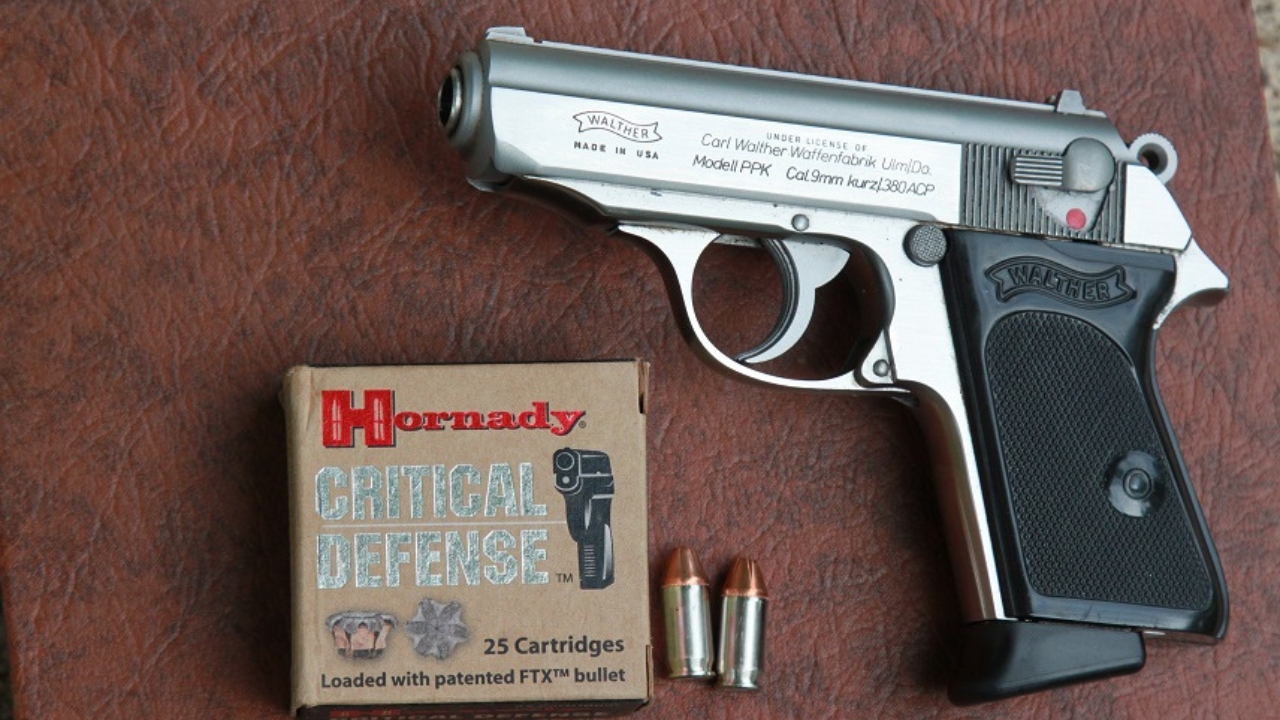
Slow fire with a PPK can feel smooth and precise. The sights are usable, the gun points naturally, and at a measured pace you can make it look impressive on paper. That’s what fools people—everything feels tidy until you try to speed it up.
When you run it faster, the blowback recoil impulse feels sharp for the caliber, and the small grip can start shifting in your hand. The DA pull is also a real commitment, and the transition to SA takes focus if you’re trying to keep hits tight on the move. It’s a classic carry shape, but fast shooting often turns into grip management more than marksmanship.
Ruger LCP II

The LCP II can feel great in the store because it disappears in your hand and carries like nothing. On slow fire, you can concentrate on a careful press and surprise yourself with decent accuracy at realistic distances.
When you pick up the pace, the tiny frame and light weight make recoil feel abrupt, even in .380. Your support hand runs out of real estate, and the gun can start hopping and rotating, which costs time between shots. The short sight radius and small sights don’t help once you’re trying to confirm a fast front sight return. It’s a serious pocket option, but speed demands more grip strength and more discipline than most people expect.
Smith & Wesson Bodyguard .380

The Bodyguard .380 often feels like a smart choice when you first handle it. It’s compact, the controls are familiar, and slow shooting can be perfectly workable if you focus on a clean press and accept the small sights.
Fast strings are where it gets challenging. The grip is short, the recoil has a quick snap, and the trigger feel can make it harder to run a consistent cadence. Many shooters find the gun wants to squirm in the palm, which forces grip adjustments that steal time. You can shoot it well, but it asks for more effort than its mild caliber suggests, especially when you’re trying to keep everything in the A-zone at speed.
SIG Sauer P365

The P365 feels nearly perfect in the hand for its size. Slow fire is easy to make look good, and the sights and trigger are good enough that you can settle in and stack hits without drama.
Speed is where the micro-compact reality shows up. The gun is light, the slide is busy, and the recoil impulse tends to be snappy with noticeable muzzle rise. If your grip isn’t locked in, the gun starts returning to a slightly different place each shot, and you end up chasing the dot or front sight. The P365 can be run fast, but it rewards strong grip pressure and smart recoil management more than many first-time buyers plan for.
Springfield Hellcat

In the hand, the Hellcat feels like it was designed by someone who understands carry. Slow shooting can feel controlled, and the pistol is accurate enough that it builds confidence quickly, especially when you’re shooting carefully and resetting your grip between strings.
Run it hard and the gun feels lively. The short frame and lighter mass mean recoil comes back fast, and the muzzle can climb more than you’d guess from a quick showroom fondle. The trigger and reset are workable, but speed exposes how much the gun wants to move inside your hands. When you’re trying to shoot fast and stay accountable, you’ll feel the difference between “carry small” and “shoot big.”
Glock 43

The Glock 43 feels familiar and straightforward, and slow fire is easy to keep respectable. The trigger press is consistent, the sights are usable, and at a deliberate pace you can shoot it with confidence.
Pick up the tempo and the slim grip becomes the whole story. There’s less surface area to clamp down on, and recoil tends to drive the gun up and back in a way that breaks your support-hand contact. That makes your follow-up shots slower than you want, especially if your hands are medium or large. The gun is reliable and honest, but it often demands a more aggressive grip and more practice to run fast than people expect from a 9mm.
Glock 27 (.40 S&W)

Slow fire with a subcompact .40 can feel surprisingly controlled. You take your time, you let the sights settle, and the gun can print solid groups if you do your part. In the store, it feels like a compact powerhouse that still fits your life.
Then you shoot fast, and the caliber-to-weight ratio shows up. The recoil is snappy, the muzzle flip is abrupt, and the gun can start bouncing out of your grip under pace. That makes it harder to track the front sight and harder to keep split times consistent without pulling shots. You can learn it, but it’s a gun that punishes sloppy grip more than most, and it turns speed into work.
Ruger SP101 (2.25-inch, .357)

The SP101 feels solid and confidence-inspiring, and slow shooting can be very satisfying. The weight and balance make it feel controllable, and you can take your time and place shots well with either .38 +P or .357.
Speed is another deal. In double action, the trigger pull is long, and a short-barrel .357 has blast and muzzle rise that can disrupt your cadence. Even with .38s, shooting fast means managing that long stroke without yanking shots off line. Reloads also take time unless you practice with speedloaders and carry them correctly. The SP101 works, but it asks you to earn speed with repetition, not optimism.
Smith & Wesson 642 / 442

A lightweight J-frame can shoot slow surprisingly well. You settle into the trigger, accept the small sights, and at a measured pace you can keep hits where they belong at defensive distance. In the store it feels like the perfect “always” gun.
Fast work is where it bites. The light weight makes recoil feel sharp, the short grip gives you limited leverage, and the long double-action pull magnifies every small mistake. When you push the cadence, the gun wants to shift in your hand, and that turns into slower sight recovery and more thrown shots. A J-frame is carry-friendly and dependable, but it makes you pay for speed with practice.
Beretta 92FS

Slow fire with a 92FS is easy to love. The gun is soft shooting for a service 9mm, the sight picture is clear, and the weight helps you hold steady. At a calm pace, it can feel like it wants to help you shoot well.
Shooting fast introduces the DA/SA reality. The first shot is a long press, then the gun shifts into a lighter single-action feel, and that transition can add time unless you’ve trained it hard. The slide-mounted safety and the size of the gun can also force subtle hand adjustments for some shooters. None of that ruins the pistol, but it does mean speed comes from skill and consistency, not natural talent.
SIG Sauer P229 (.40 S&W)

The P229 feels like a serious pistol the moment you pick it up. Slow fire is often excellent, and the gun has the stability and accuracy that make you feel like you chose well. It’s easy to shoot clean when you’re taking your time and pressing smoothly.
Speed gets trickier, especially in .40. The recoil has more snap than many expect, and the higher slide mass can make the gun feel like it’s cycling hard in your hands during rapid strings. Add the DA/SA transition and you’ve got another layer of timing to manage. You can run it fast, but you don’t get it for free. You earn it with grip consistency and reps, especially if you’re trying to keep tight hits under a timer.
1911 Officer-size .45
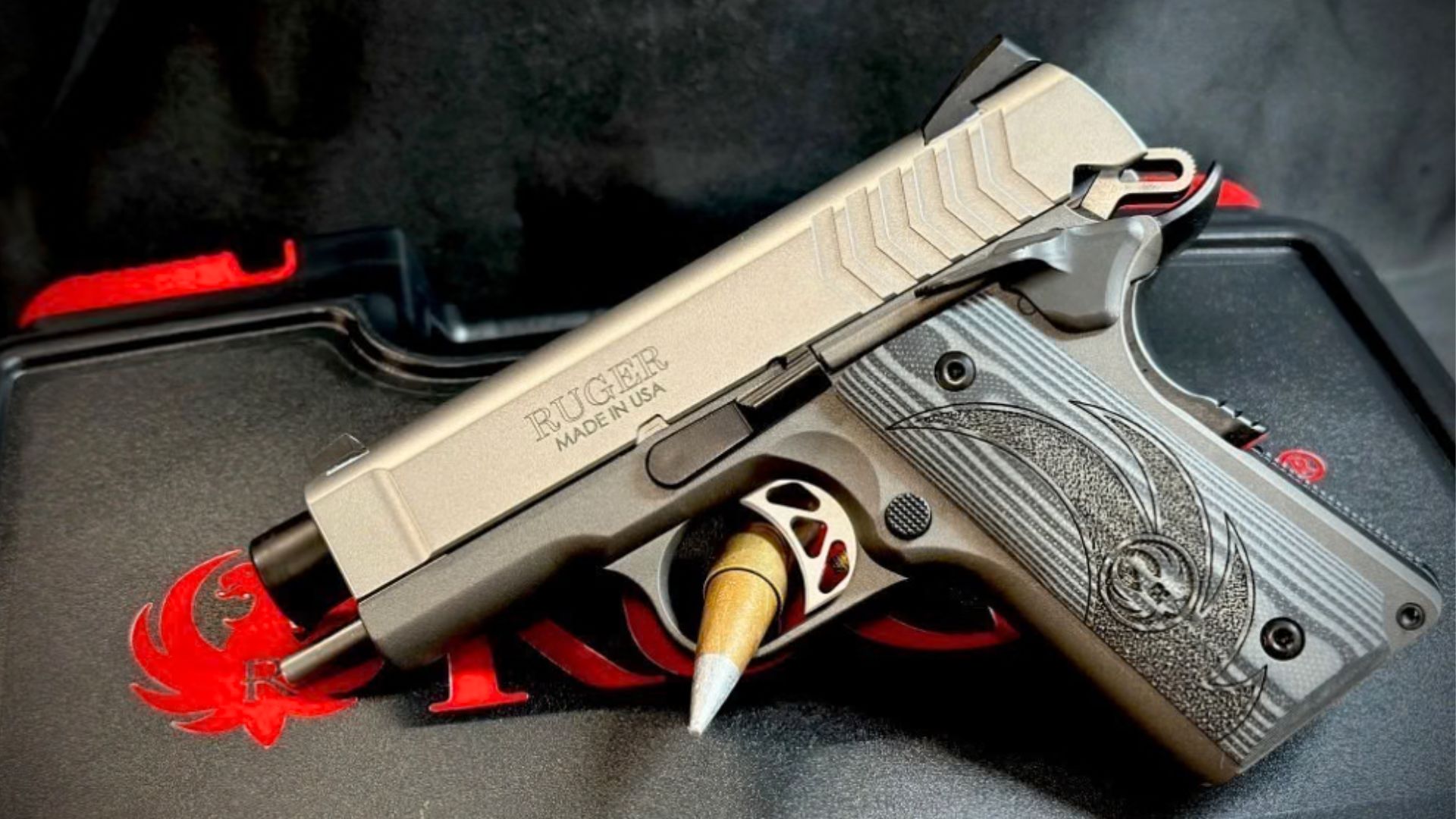
A small 1911 can feel perfect at the counter. The trigger is crisp, the controls are familiar, and slow fire can be extremely accurate because the gun rewards a clean press. It feels like a refined tool that wants to shoot small groups.
Speed changes the mood. In a shorter, lighter .45, recoil and muzzle rise show up fast, and the gun can start moving in your hands if your grip isn’t locked in. The shorter sight radius also makes it easier to lose the front sight under recoil. Some compact 1911s can be more sensitive to limp grip or inconsistent support-hand pressure, which can turn fast strings into a rhythm problem. They can run great, but they often demand more attention than a full-size gun.
CZ 75 Compact (alloy or steel)

The CZ 75 Compact tends to feel “right” when you handle it. Slow fire is often excellent, and the gun’s ergonomics make it easy to hold steady and press the trigger without disturbing the sights. It’s a pistol that can make you feel confident quickly.
Fast shooting introduces the DA/SA transition and the controls. If the first shot DA pull isn’t trained, your cadence can stumble right at the start. The gun also sits low and tracks well, but you still have to manage reset and return with consistency if you want clean speed. Some shooters find the shorter grip on compact variants changes how the gun returns compared to the full-size. It’s a great platform, but speed comes after you’ve built a repeatable trigger and grip routine.
Remington 870 with buckshot

An 870 can feel easy when you’re shooting slow. You mount the gun, take a careful bead or sight picture, press off a shot, then run the pump with intention. On that pace, it’s controlled, predictable, and you can keep patterns where they need to be.
Try to shoot it fast and the shotgun becomes a different animal. Recoil stacks, the gun can start sliding on your shoulder, and short-stroking becomes a real risk if your pumping motion gets sloppy. Managing the safety, the pump stroke, and recoil recovery at the same time takes more practice than most people admit. You can run an 870 quickly, but it’s a skill, not an accessory. Slow is easy. Fast is a system.
Lever-action .45-70 (Marlin 1895 class)

A .45-70 lever gun can be very comfortable when you shoot it slow. You take your time, let the sights settle, and enjoy the way the rifle handles. One shot at a time, it feels controlled and steady, and the heavy bullet performance is part of the appeal.
Speed is where recoil and cycling work against you. Heavy loads lift the muzzle, the gun comes off target, and you have to re-find your sight picture while running the lever without breaking your cheek weld. Many shooters also short-stroke when they try to go too fast, especially under recoil. The rifle can absolutely be run quickly in trained hands, but it demands timing and follow-through. Slow feels natural. Fast takes deliberate practice and honest load selection.
Like The Avid Outdoorsman’s content? Be sure to follow us.
Here’s more from us: