Photo credit: James Mirakian/Pexels.com
A lot of deer hunters grew up with the idea that more acreage automatically meant better hunting. Sometimes that is still true, but not nearly as often as people think. In plenty of states, the trend is moving the other direction. Hunters are learning that a well-placed 20, 40, or 80 acres can hunt bigger than a sloppy chunk ten times that size. Between development, land prices, leasing pressure, habitat fragmentation, and the way deer adapt to people, smaller properties are starting to matter more than they used to.
That does not mean tiny ground is easy. In a lot of ways, it is less forgiving. One bad entry route, one mistimed hunt, or one neighbor with poor habits can burn the place up fast. But when the property is in the right location and hunted carefully, small-acre deer ground can be extremely productive. In many parts of the country, hunters are putting more focus on overlooked parcels, timber fingers, creek-bottom pockets, overgrown corners, and ag edges that punch way above their size. These are 15 states where deer hunting is increasingly trending toward smaller properties.
Iowa
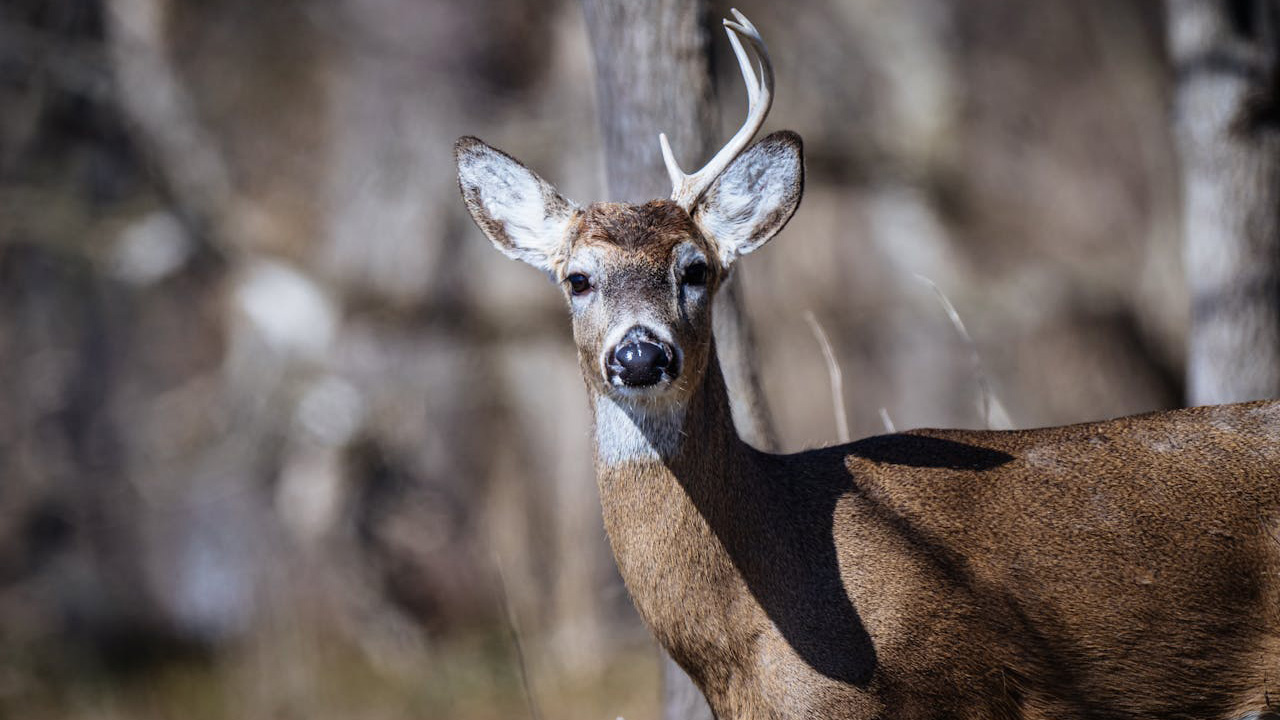
Iowa still has the reputation for big whitetails, but it is also a place where hunters have learned that the right small farm can be worth more than a huge block of average ground. Deer use cover, food, and travel routes in ways that make certain smaller parcels incredibly effective, especially when they connect bedding and feeding in a tight, predictable pattern. A forty with a creek crossing, a nasty bedding point, and a clean access route can produce far better than a bigger place that lets deer move too loosely.
That trend shows up because good big tracts are expensive, limited, and often tied up. Hunters are adapting by hunting smaller, more surgical properties where the layout does half the work. The best ones tend to be the kind most people underestimate from the road. They do not look massive or glamorous, but they force movement. In Iowa, a small property with the right pinch, cover, and pressure control can feel a whole lot bigger than it actually is, and more hunters are figuring that out every season.
Illinois

Illinois is another state where smaller deer properties keep proving themselves. In farm country especially, deer movement often gets compressed into timber strips, creek-bottom cover, brushy draws, and overlooked pockets between agriculture and roads. That creates a setup where a hunter does not always need hundreds of acres to kill a good buck. He needs the right acres. A smaller parcel that controls a known travel line or a secluded bedding edge can be a killer piece of ground if it is hunted with discipline.
That matters because land costs and competition have pushed more hunters to think smaller and smarter. Instead of dreaming only about giant farms, more guys are looking for tracts they can actually manage or afford without giving up quality. In Illinois, the best little deer properties are often the ones that act like a choke point in a much bigger neighborhood. Deer do not care what the deed says. If the property sits in the right place and offers security, it can become the piece that matters most.
Kansas

Kansas has plenty of wide-open appeal, but some of its best deer hunting happens on smaller properties that sit in the right corridor. A little creek-bottom timber, a weedy draw between fields, or a brushy parcel tucked near food and bedding can do serious work. The open nature of much of the surrounding landscape actually helps smaller spots stand out. When cover is limited, any little parcel that provides security and connects movement starts hunting bigger than its acreage.
Hunters are also turning toward smaller properties in Kansas because bigger whitetail farms are not exactly sitting around waiting to be picked up cheap. Access can be tough, prices can climb, and the competition for quality ground stays real. That pushes deer hunters toward smaller tracts they can lease, buy, or get permission on. In Kansas, a modest parcel with the right cover and low intrusion can become the kind of place a mature buck uses naturally, especially if neighboring pressure helps funnel him into it.
Missouri

Missouri has a lot of deer ground, but it is also one of those states where smaller properties can shine if they sit right. Brushy fence lines, timbered creek bottoms, overgrown ditches, corners of cattle ground, and narrow transitions between bedding and food all give smaller parcels real value. A deer does not need a giant sanctuary to feel secure during daylight. Sometimes he just needs a pocket nobody bothers correctly. That is why smaller tracts keep gaining attention among serious Missouri deer hunters.
The appeal is practical too. More hunters can afford or access smaller ground than a full-scale dream farm, and that reality changes how people think. Instead of waiting forever for the perfect large tract, they are learning how to maximize smaller ones with better access, better timing, and smarter stand placement. In Missouri, that can pay off in a hurry. A little parcel that catches deer moving between larger surrounding properties can produce above its size, especially once the neighbors start adding pressure.
Kentucky

Kentucky’s blend of timber, ag country, and rolling terrain gives smaller properties more value than people sometimes realize. A small parcel with a secluded hollow, a narrow ridge connection, or a good inside corner near agriculture can become an excellent deer setup. Mature bucks often use these kinds of places as daytime transition zones, especially where the surrounding area forces predictable movement. In a state with good deer quality and a lot of huntable-looking country, the well-positioned small tract can separate itself quickly.
That trend is also helped by the way hunters are adjusting their expectations. Big acreage is still nice, but more people are realizing that control matters more than size alone. If a hunter can slip into a smaller Kentucky property without blowing it up, he may get more consistent daylight encounters than he would on larger ground with sloppier pressure. Smaller properties are gaining traction because they are realistic, manageable, and often better matched to how deer actually move through the landscape than people once thought.
Indiana

Indiana whitetail hunting has always rewarded guys who pay attention to how deer use edges, funnels, and overlooked cover. That is a big reason smaller properties are becoming more important there. A strip of timber between ag, a creek-bottom crossing, a nasty bedding pocket behind development, or a little ditch system by cut beans can turn into a reliable setup fast. In many parts of the state, deer are not using giant blocks of wilderness. They are navigating a patchwork, and that patchwork gives smaller tracts plenty of relevance.
Hunters are responding to that reality by chasing position over acreage. A smaller parcel with the right access and layout can be more consistent than a bigger property that is harder to hunt cleanly. Indiana bucks, especially in pressured areas, often prefer tight secure pockets that let them survive close to people without being exposed. That means the best little properties are not just leftovers. In a lot of cases, they are the exact kind of ground mature deer lean on once the bigger, more obvious areas start getting pressured.
Ohio
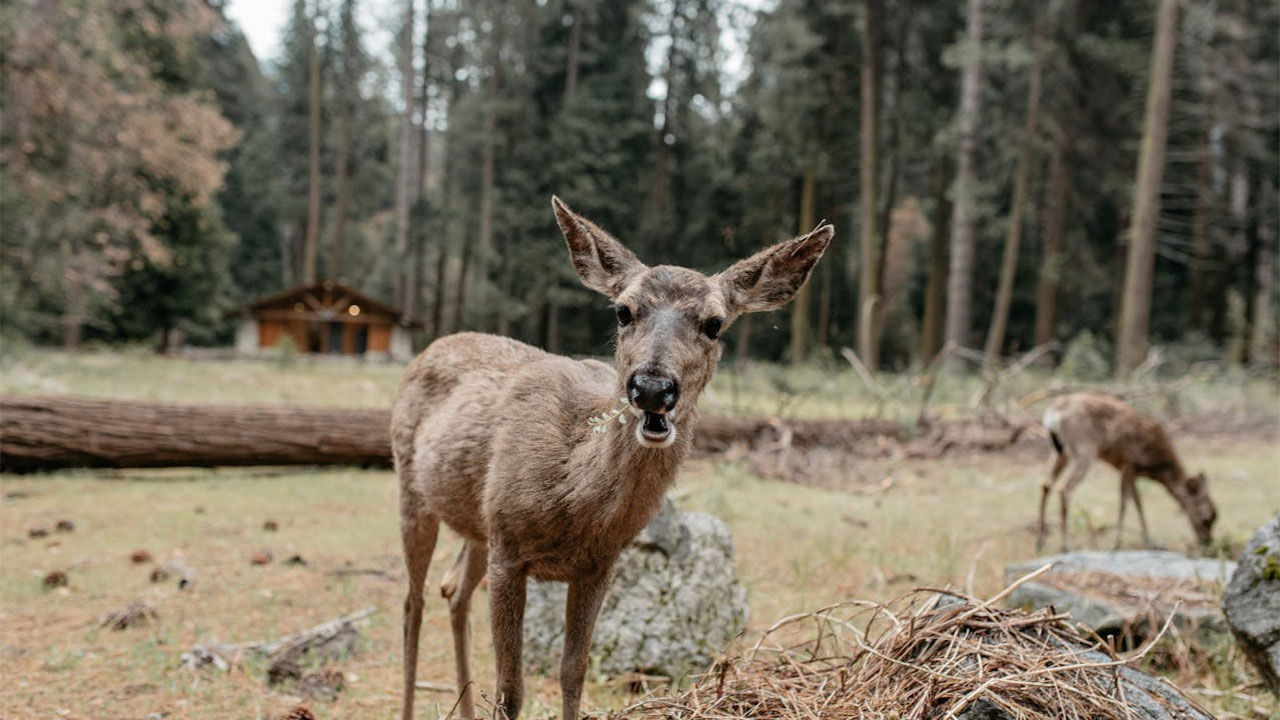
Ohio keeps showing up in conversations about smaller deer properties because its mix of agriculture, timber, suburb edges, and broken terrain creates a lot of opportunity on modest acreage. A small property in the wrong place is nothing special, but a small property in the right place can absolutely be a problem for mature bucks. Creek bends, brush-choked drains, thin timber fingers, and edge habitat near food sources often give a hunter enough to work with if he keeps pressure low and hunts it carefully.
That is why more Ohio hunters are putting serious effort into smaller parcels instead of waiting on some giant farm to fall into their lap. The state has enough deer, enough structure, and enough pressure from surrounding ground to make these places matter. A smart hunter does not need to own the whole neighborhood. He just needs to own or access the one piece deer must use. In Ohio, that is often a lot smaller than people used to think, and the trend is only getting more obvious.
Wisconsin

Wisconsin still has plenty of big-country deer hunting, but smaller properties have become more important in a lot of the state, especially where agriculture and cover break the landscape into usable pieces. A few acres of thick bedding cover, a narrow timber strip, or a low-pressure parcel between feeding areas can become a very serious bowhunting setup. Deer in pressured country get used to using overlooked spaces, and that helps smaller properties produce in ways that surprise people who still think strictly in terms of acreage.
Another part of the trend is simple economics. A lot of hunters cannot chase giant farms, but they can chase a smaller property that actually fits how deer move locally. In Wisconsin, smaller parcels are often easier to enter quietly, easier to learn thoroughly, and easier to manage without too much intrusion. That matters once the season starts grinding on and mature bucks start living by survival rules. The hunter with the right little piece may be in a much better position than the guy sitting on a lot more average land.
Minnesota

Minnesota is often thought of in terms of bigger woods and bigger acreage, but smaller deer properties have carved out real value there too, especially in the southern and more agricultural parts of the state. A small woodlot, cattail pocket, creek edge, or transition line between cover and food can be all it takes to make a property matter. When deer are moving through a farm-country patchwork, the size of a parcel matters less than how it fits into that daily movement.
That is why hunters are paying more attention to these modest pieces. They are not trying to force a giant-northwoods strategy onto areas where deer are living tighter and more structurally. In the right part of Minnesota, a little sanctuary close to food can produce excellent movement if it stays quiet. Smaller parcels also fit modern hunting realities better for many people. They are more attainable, easier to hunt intentionally, and often better suited to bowhunting than sprawling ground that is harder to control once pressure starts spreading.
Tennessee
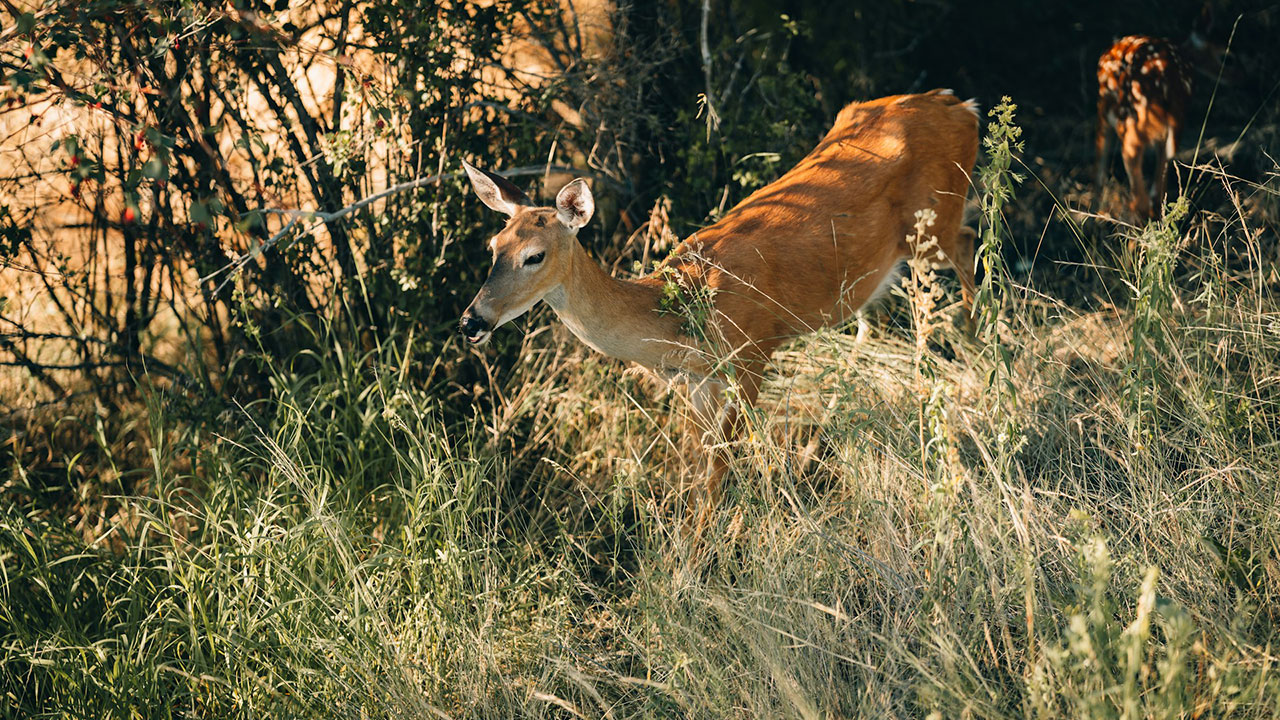
Tennessee’s broken terrain, creek systems, and mix of timber and openings make it a good example of a state where smaller deer properties can punch hard. A little ridge pinch, a brushy creek crossing, or a tucked-away piece of cover near ag or mast can become a dependable stop for deer moving through the neighborhood. Because the terrain naturally guides movement in many areas, a small tract does not need to do everything. It just needs to own one meaningful part of the route.
That is the lesson more Tennessee hunters are leaning into. Instead of thinking they need vast acreage, they are learning how to exploit structure. Smaller properties that would get laughed at by someone looking only at a map can be extremely effective if they sit on the right side of bedding, food, or terrain movement. Tennessee deer do not always need giant uninterrupted blocks to survive. Often they need steep, overlooked, nasty little places. That is exactly why smaller properties are trending upward in relevance there.
Arkansas
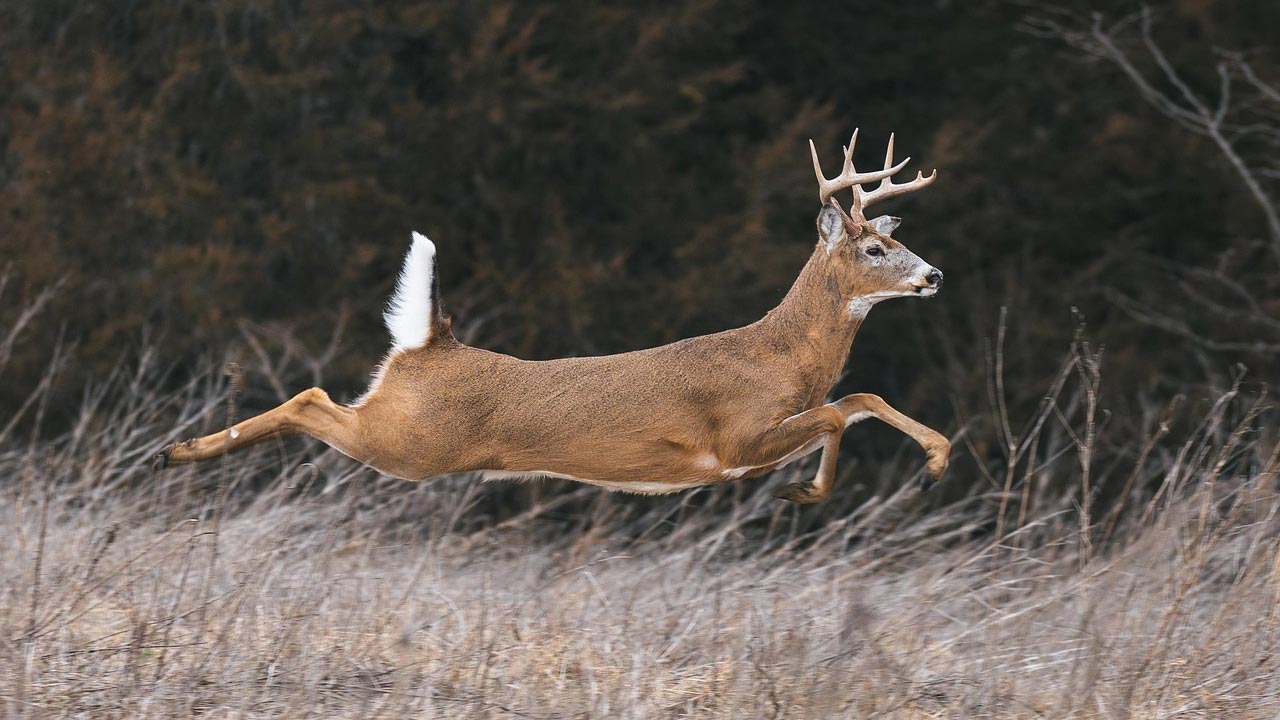
Arkansas deer hunting can vary a lot by region, but smaller properties are increasingly part of the story, especially where timber, ag, and broken cover create natural funnels. A modest piece of land with a crossing, a thick bedding edge, or a travel corridor between feeding areas can hunt much bigger than it looks. Deer in these settings often move predictably once pressure starts building around them, and that can give a smaller parcel real power if it offers security and a clean way in and out.
Hunters are also adapting to what is realistic. Not everybody is going to secure giant tracts, and in a lot of Arkansas country they do not need to. A smaller place with strong cover and low disturbance can become the spot deer slip into once bigger, easier-to-access properties start getting hunted harder. That trend is especially useful for bowhunters who do not need the entire world in front of them. They need one tight setup that holds together when the rest of the neighborhood gets shaky.
Pennsylvania

Pennsylvania is known for pressure, tradition, and a whole lot of deer hunters, which is exactly why smaller properties can become so important there. In heavily hunted regions, deer often learn to use overlooked parcels, odd corners, steep cuts, suburban edges, and ugly little pieces of cover that most people dismiss. A small property that gives deer security during daylight can be far more useful than a larger tract that gets pounded every weekend and walked all over once rifle season opens.
That has pushed more hunters toward a smaller-property mindset. In Pennsylvania, success is often less about owning a giant block and more about finding the one place deer still trust when everything else starts falling apart. A little overgrown parcel with the right access can become a sanctuary quickly. That makes smaller acreage not just relevant, but sometimes ideal. The more pressure deer feel across the broader landscape, the more valuable those overlooked little pockets become to hunters who understand how survival changes whitetail behavior.
Michigan
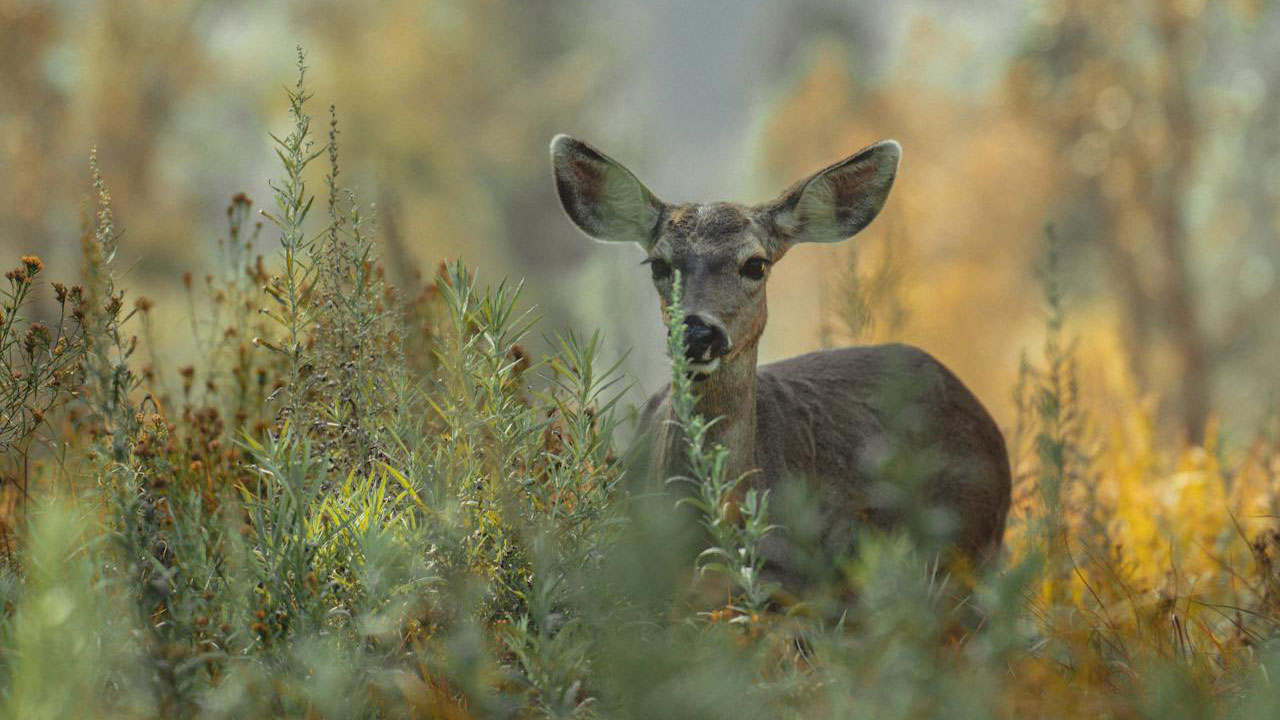
Michigan is another state where smaller deer properties are gaining traction, especially in the southern half where habitat is chopped up and deer live around a mix of farms, subdivisions, woodlots, marsh edges, and overlooked cover. In those areas, a hunter does not need giant acreage to intercept movement. He needs a parcel that sits between bedding and food or gives deer a safe place to stage before dark. A small property with those ingredients can stay productive year after year.
This trend also makes sense because many Michigan hunters are balancing work, family, and limited time. Smaller properties are easier to scout, easier to understand, and easier to hunt with purpose. That does not make them foolproof. Blow one out and the whole thing can unravel. But when managed carefully, these little tracts fit the reality of how a lot of Michigan deer are living now. Instead of roaming huge wild blocks, many are surviving in fragments, and hunters are adjusting their strategy to match.
Georgia
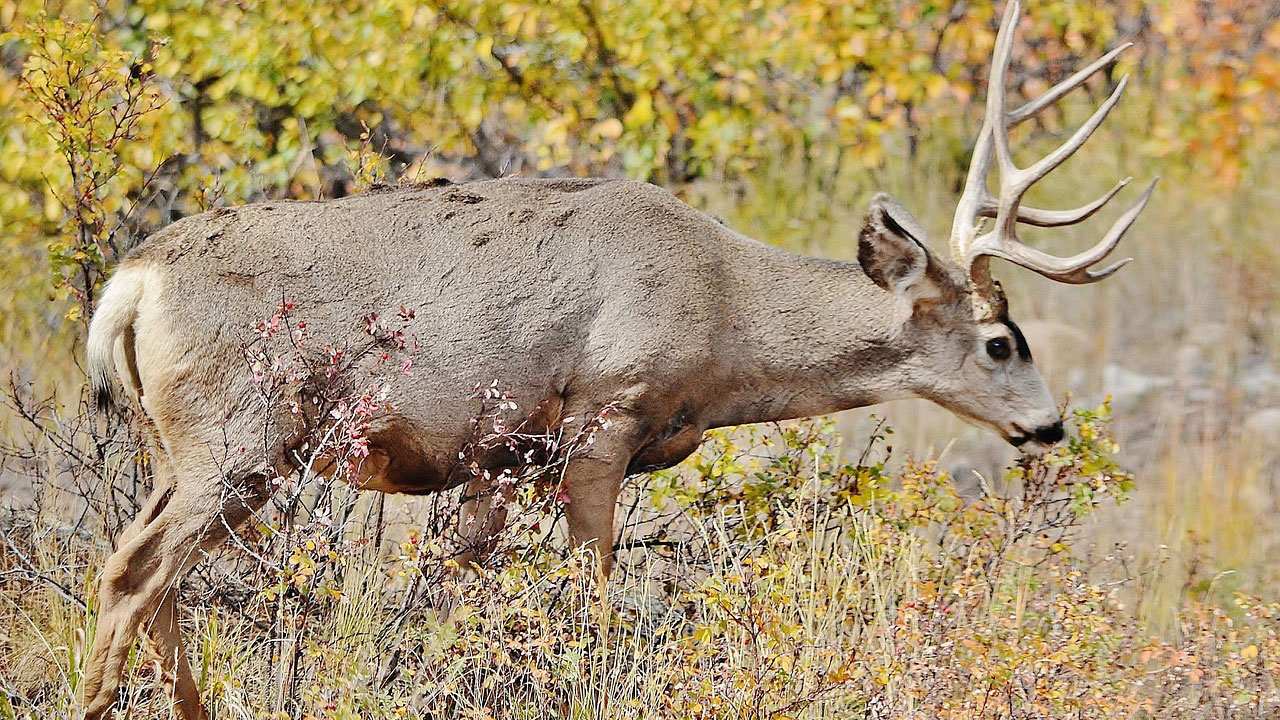
Georgia may not always be the first state people mention in this kind of conversation, but smaller deer properties have real value there. Pine edges, creek bottoms, cutover transitions, hardwood drains, and small pieces of thick cover around food can all create productive hunting on modest acreage. In many parts of Georgia, deer do not need giant tracts to move predictably. They need cover, food, and pressure relief, and a smaller parcel can provide that if it is located where the local movement naturally pinches.
Hunters are increasingly recognizing that a small Georgia property can be very workable, especially for bowhunting and early-to-midseason setups. These places often become even better once surrounding activity picks up and deer start tightening their routines. A little tract with a secure bedding pocket or a clean route to acorns and ag can suddenly feel much more important than its size suggests. Georgia is a good reminder that smaller-property deer hunting is not just a Midwest trend. It works in a lot of southern ground too.
Alabama

Alabama rounds out this list because it has plenty of country where smaller parcels can matter more than people assume. Deer there often use creek systems, cutovers, hardwood bottoms, and edges of food sources in tight, repeatable ways. A smaller tract that controls one of those movement lines can be very huntable, especially when the surrounding land gets pressured by gun season traffic, dog activity in some areas, or just too much sloppy intrusion. Deer in Alabama often survive by favoring little secure places over broad exposure.
That is why more hunters are valuing smaller acreage if it comes with the right habitat features. You may not need hundreds of acres if the parcel holds bedding, a travel corridor, or a solid transition into a food source. In Alabama, the big mistake is assuming size equals quality by default. Plenty of modest properties hold together better through the season because they are easier to hunt quietly and easier for deer to trust. That is a trend more hunters are catching onto every year.
Like The Avid Outdoorsman’s content? Subscribe to our newsletter so you never miss an article.
Here’s more from us: