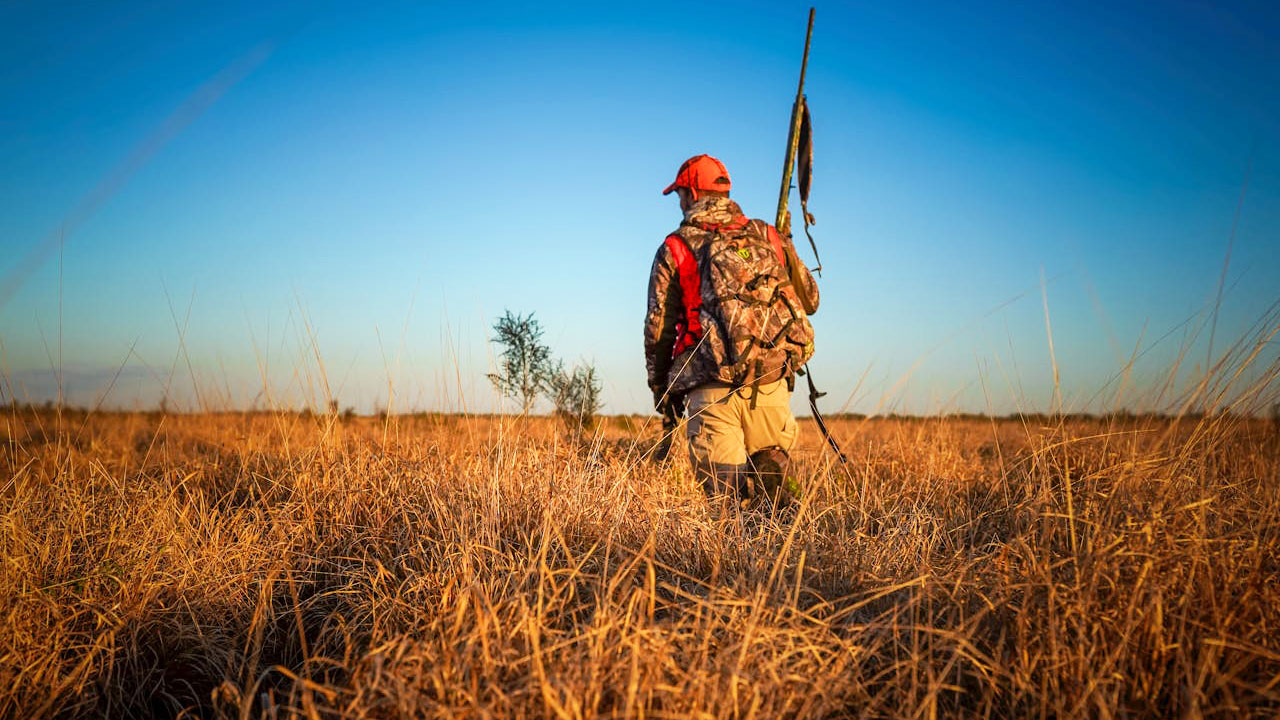
Photo credit: Arian Fernandez/Pexels.com
Hunters do not pack up and move just because they got bored. Most of the time, it comes down to access, tag odds, cost of living, pressure, seasons, or the simple fact that the hunting where they live no longer matches the way they want to spend their fall. Some guys are tired of fighting crowds. Some are tired of paying more every year for less ground, fewer tags, and worse odds. Others just want to live where hunting is still part of the culture instead of something squeezed into the margins.
That does not mean every move works out. A state can look great on paper and still be hard to hunt if the land is tied up, the draws are brutal, or the local pressure is worse than expected. But there are still places pulling hunters in because the mix of opportunity, lifestyle, and room to breathe is better than what they are leaving behind. These are 15 states that keep coming up when hunters start talking seriously about relocating for a better shot at the kind of hunting life they actually want.
Montana
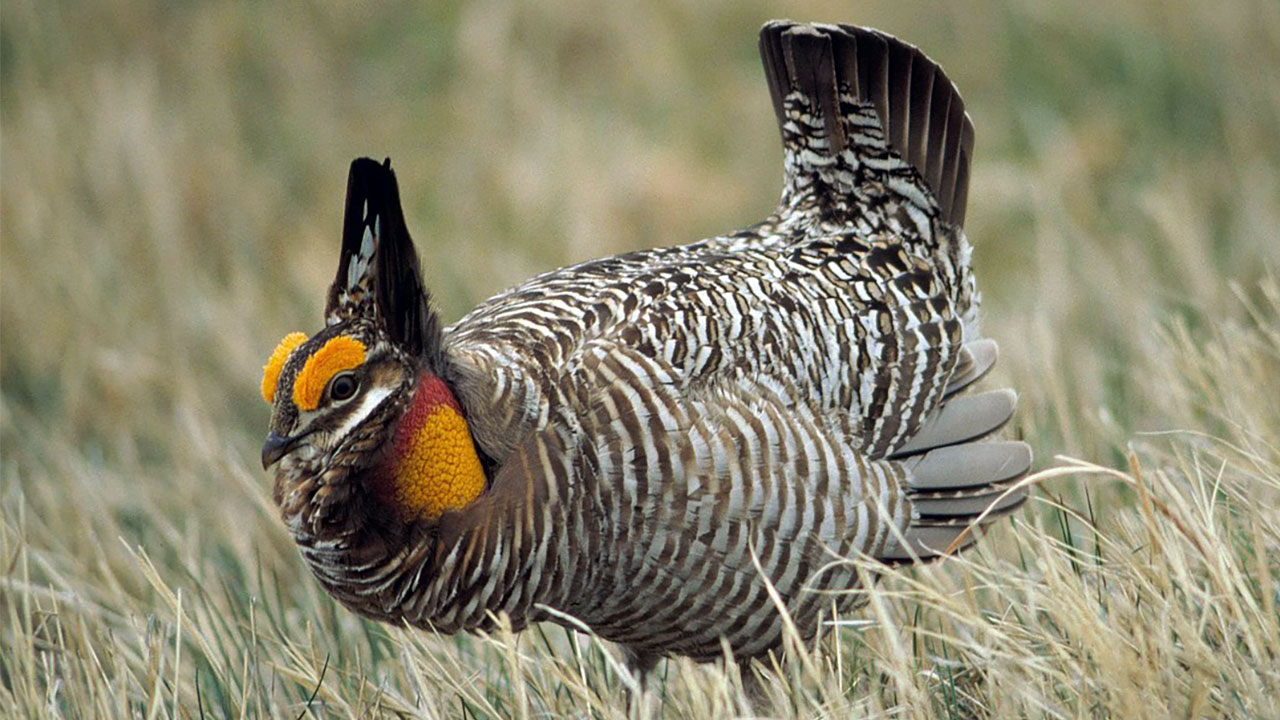
Montana pulls in hunters because it still offers something a lot of places have lost: the feeling that hunting is woven into everyday life. There is big country, a strong resident hunting culture, and real variety if a guy wants to chase deer, elk, antelope, upland birds, and predators without feeling boxed into one narrow season. For people coming from states with crowded access and limited public ground, Montana looks like a place where hunting can still shape how you live instead of the other way around.
That said, Montana is not some cheat code. Good areas still get pressure, winters can be hard, and housing in the wrong part of the state can surprise people. But hunters keep relocating there because the upside is still real. A resident can build a whole year around multiple species, plenty of scouting, and a landscape that gives him room to work. For a lot of hunters, Montana feels like one of the last places where the lifestyle still matches the dream closely enough to make a move worth considering.
Idaho
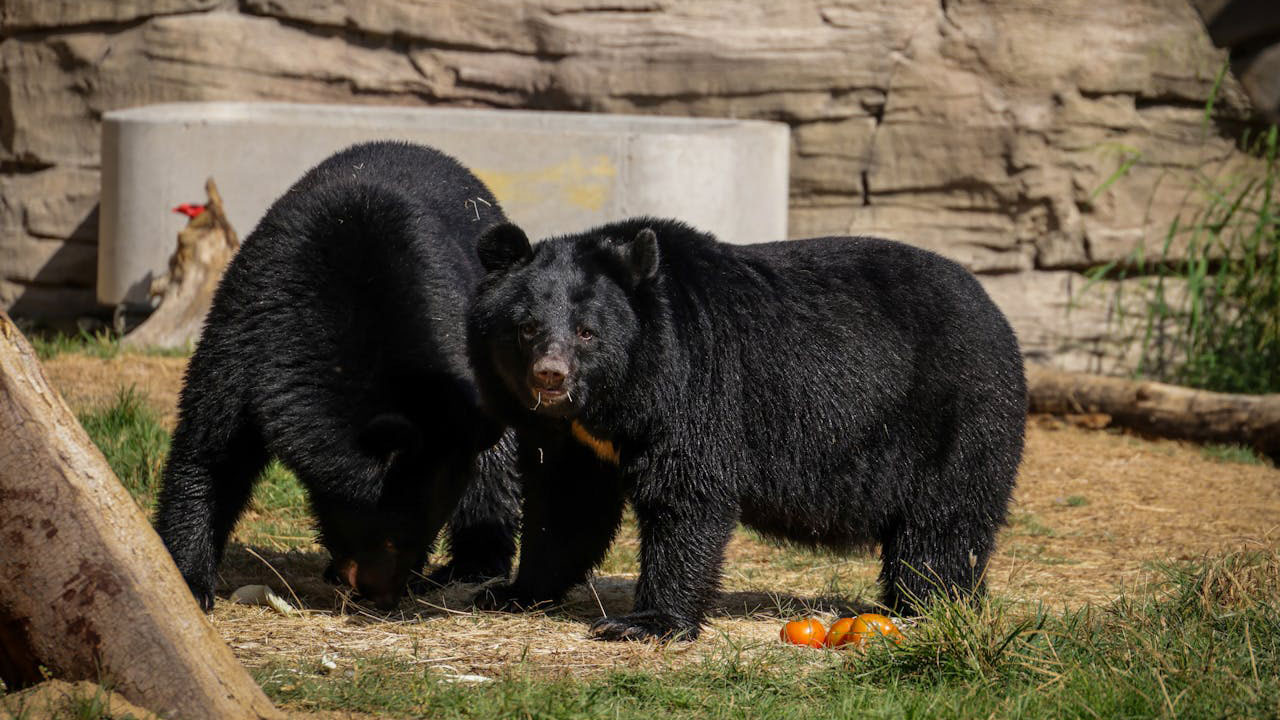
Idaho has a strong pull for hunters who want a state where opportunity still feels broad enough to matter. Deer, elk, bears, mountain lions, upland birds, and backcountry hunting all factor into that appeal. It is also a place that attracts people who are tired of the heavy draw dependence in other western states. Idaho is not easy, and it does not hand anything to you, but it gives a resident enough different ways to hunt that the move can feel justified if hunting is a serious part of life.
A lot of hunters like Idaho because it still rewards effort more than status. You can put in miles, learn country, and build your own system without needing to wait forever on a dream tag. The state has grown, and pressure is real in some places, but plenty of hunters still see Idaho as a better bet than staying somewhere with fewer animals, less access, and higher competition for every decent season. For the guy who values do-it-yourself hunting and a lot of annual opportunity, Idaho keeps making the list.
Wyoming
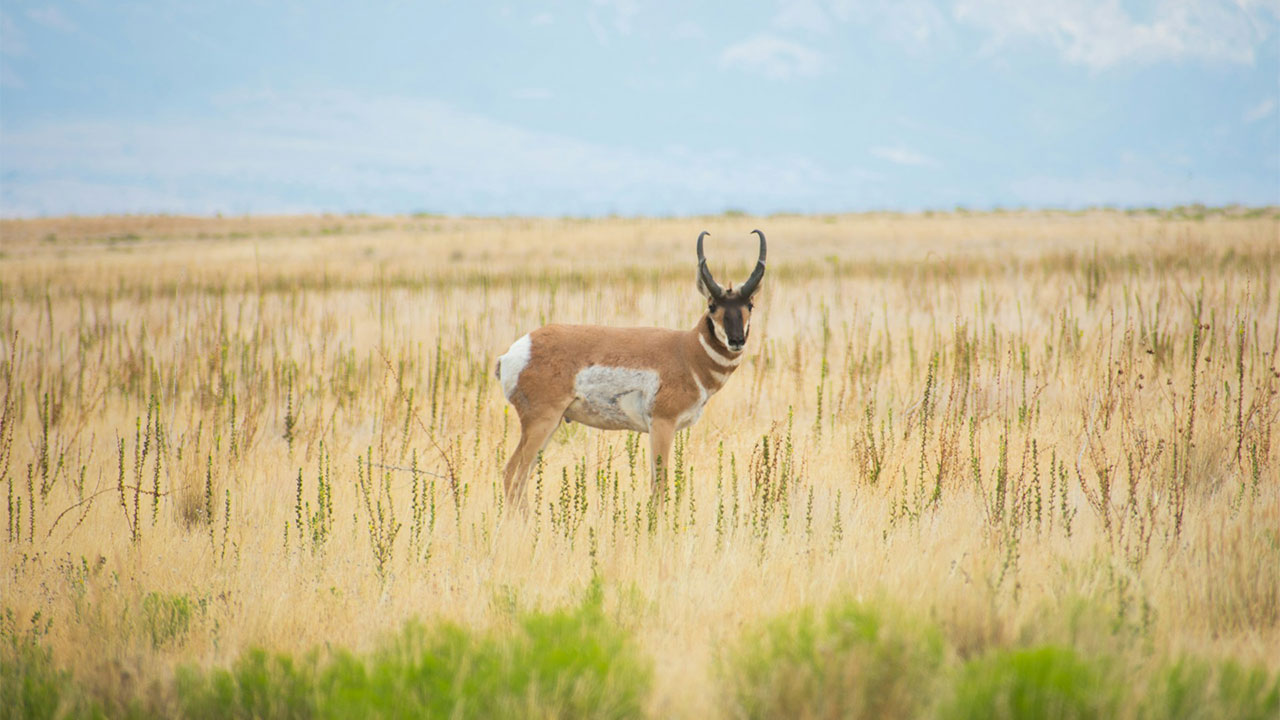
Wyoming attracts hunters who want western opportunity without quite the same resident competition and sprawl they picture in some neighboring states. There is a lot of appeal in a place where antelope, mule deer, elk, birds, and predator hunting all stay part of the conversation. Hunters relocating there are usually looking for exactly that mix: room, species variety, and a state where the culture still understands what hunting means to families and rural communities.
The flip side is that Wyoming can be tough if a person moves there with fantasy-level expectations. Wind, winter, access issues, and point systems still shape the experience. But for many hunters, it still looks better than trying to scratch out a season in a crowded eastern state with shrinking access and overpressured public land. Wyoming keeps drawing serious outdoorsmen because it offers a cleaner line between effort and reward. If a hunter wants to live where scouting, shooting, glassing, and land knowledge still matter a lot, Wyoming makes sense.
South Dakota
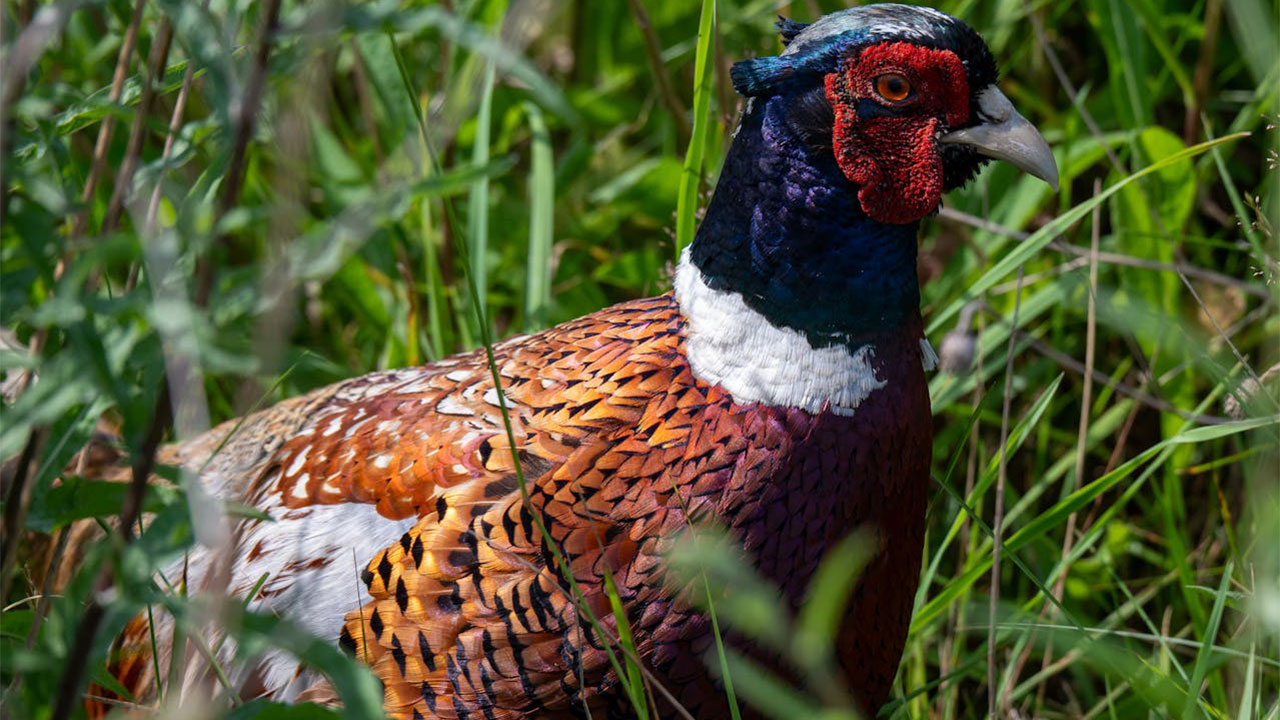
South Dakota is a quieter relocation choice than some western states, but hunters pay attention to it for good reason. It offers strong deer potential, excellent pheasant reputation, respectable predator opportunity, and enough variety in terrain to keep things interesting. For someone leaving a state where access is shrinking and hunting pressure feels constant, South Dakota can feel more manageable. It still has real hunting culture, and in the right parts of the state, a guy can build a pretty full season without fighting the same level of chaos he sees elsewhere.
It also appeals to hunters who are not chasing some glamorous mountain fantasy. South Dakota makes sense for practical people. The state offers opportunity without forcing every hunt into a brutal draw or a once-a-year event. That matters. A lot of relocations happen because hunters want more reps, not more bragging rights. South Dakota gives them a place where deer, birds, and predators can all still fit into a regular life, and that balance is exactly what plenty of hunters are after when they start looking to move.
North Dakota
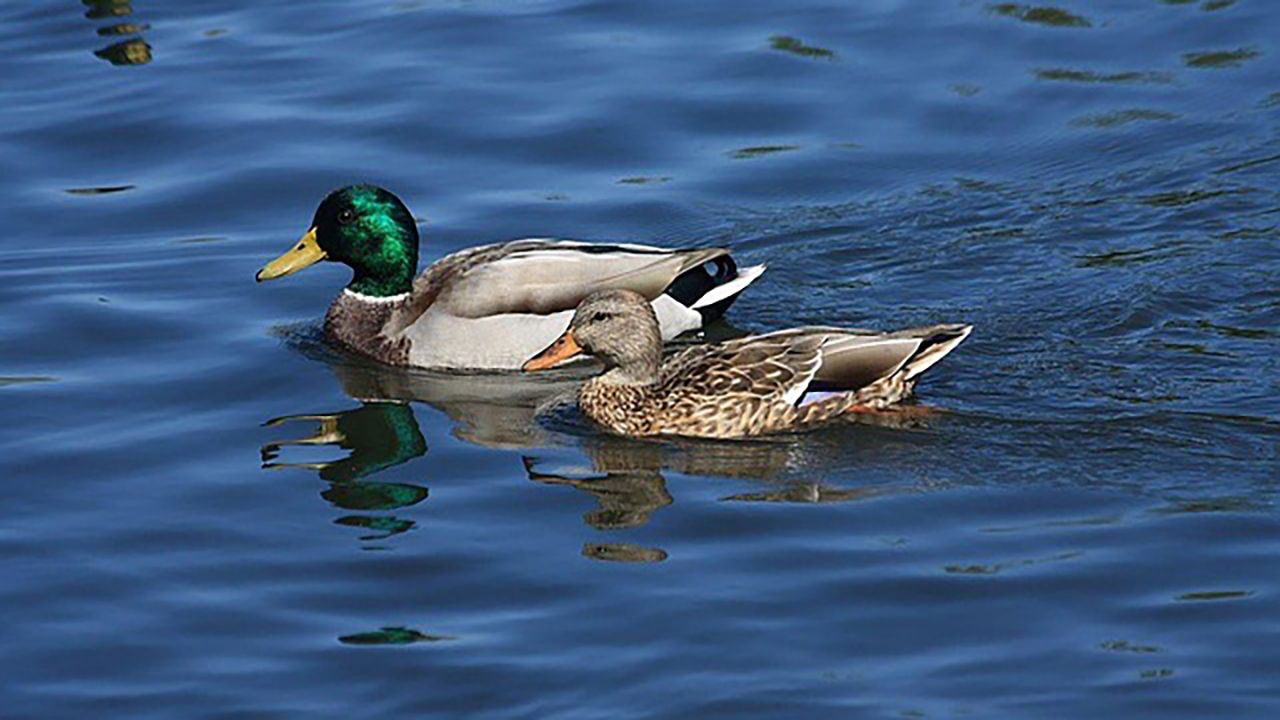
North Dakota is not always the first state people say out loud, but plenty of hunters look hard at it when they want space, less crowding, and a simpler hunting lifestyle. Deer, waterfowl, upland birds, and predators all help make the case. The state appeals to hunters who are tired of feeling like every patch of decent ground has three trucks parked on it before daylight. It may not have the western glamour factor, but it has something many hunters want more: room and less nonsense.
That is really why relocation conversations keep landing here. North Dakota tends to attract hunters who value elbow room and realistic annual opportunity more than image. Winters are no joke, and not everybody wants that trade, but the people who do often see it as worth it. If a guy can handle the weather, he may get a hunting life that feels a lot less crowded and a lot more grounded. For many serious hunters, that is a better deal than staying in a prettier state that has become harder to actually enjoy.
Kansas

Kansas draws hunters for one big reason first: whitetail potential. Even people who never intend to move there pay attention to what Kansas can produce. But relocation interest is not only about big deer. Hunters also look at the mix of rural ground, agricultural edges, and a hunting culture that still values deer season in a big way. For someone leaving a place where the quality of hunting keeps slipping or the pressure is unbearable, Kansas can look like a reset button.
Of course, access matters a lot there, and that is where some people get the hard truth after moving. It is not enough for a state to have big deer if the best land is tough to secure. Still, Kansas keeps attracting hunters because the upside remains strong if they build local relationships, secure the right property situation, or settle in a less hammered part of the state. For hunters who care most about whitetails and want to live closer to that opportunity year after year, Kansas still has real pull.
Iowa

Iowa has long had a reputation that makes deer hunters pay attention. Big-bodied whitetails, quality age structure, and the idea of hunting a state where mature bucks are still part of the normal conversation all add to its pull. Hunters relocating to Iowa usually are not doing it for species variety or western adventure. They are doing it because they want to live in a place where deer hunting still feels central and where the ceiling on whitetail quality is high enough to change how they think about every season.
The challenge is that Iowa’s reputation brings competition, and good ground is not free or easy. But for the dedicated deer hunter, that does not necessarily kill the dream. It just changes the plan. A lot of relocations are not about convenience. They are about putting yourself in better country and accepting the tradeoffs that come with it. Iowa remains one of those places where a hunter may decide the hassles are worth it because the overall chance to live around top-tier whitetail country is still that appealing.
Missouri
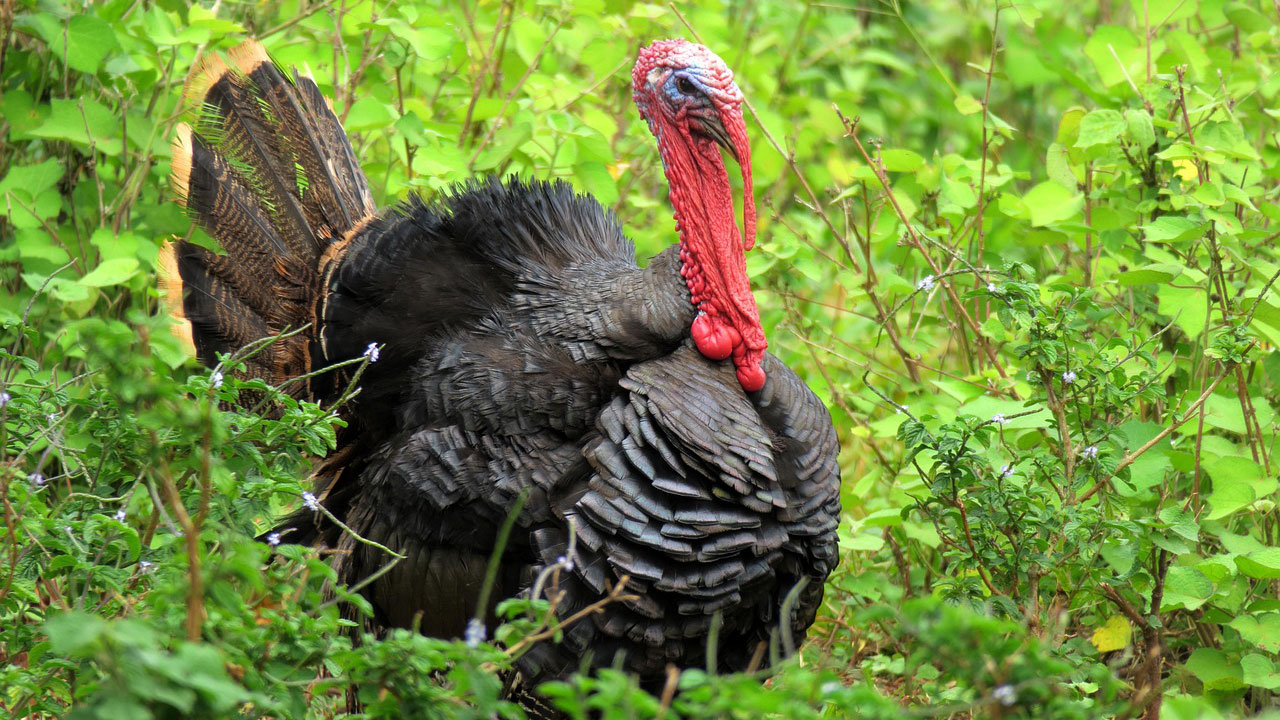
Missouri attracts hunters who want a balanced life with plenty of deer, a strong turkey tradition, and a cost structure that feels more attainable than some better-known destination states. It is one of those places that does not always dominate fantasy hunting talk, but it makes a lot of sense when people start looking at a map with real-life concerns in mind. A hunter can settle there and still build a season around whitetails, spring gobblers, predators, and plenty of rural ground without needing a western-state paycheck.
That matters more than people admit. A lot of relocations happen because hunters want better opportunity that they can actually afford to live around. Missouri offers that to a lot of people. It is not perfect, and pressure can be heavy in some areas, but it still gives hunters enough options to feel like the move improves their everyday life. For the person who wants a practical state with strong deer and turkey hunting and a culture that still understands both, Missouri keeps earning serious consideration.
Arkansas
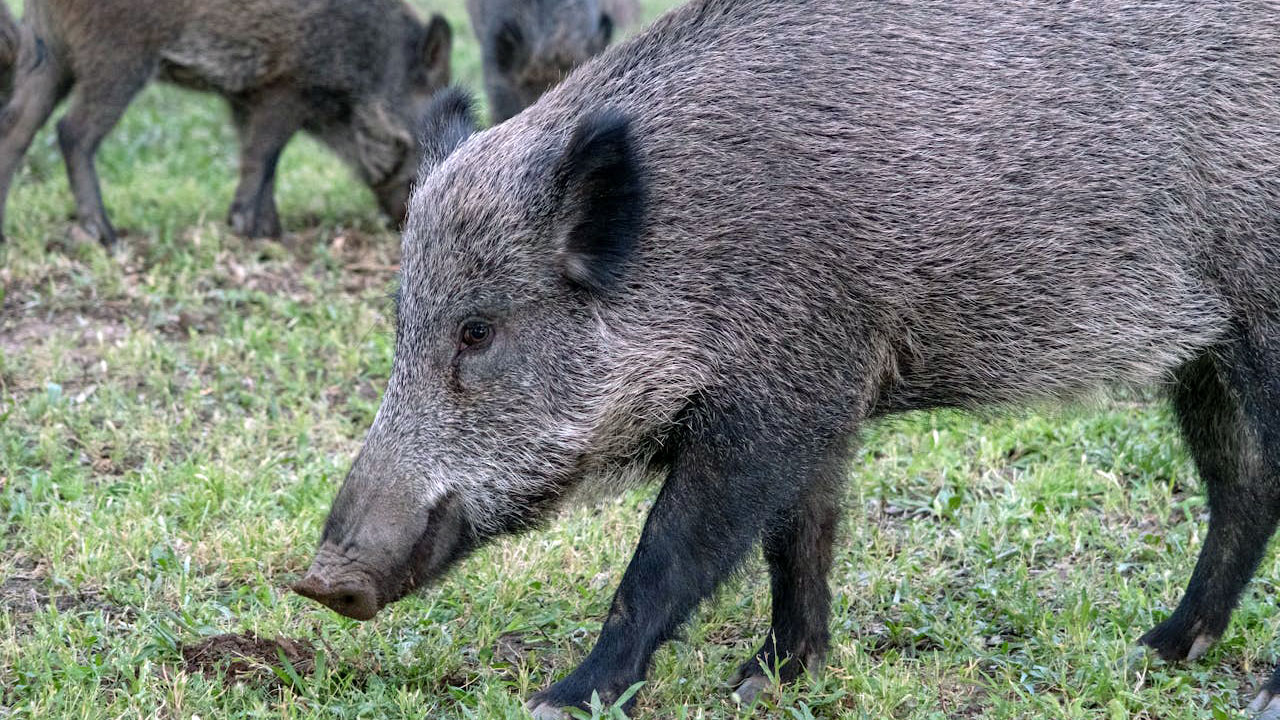
Arkansas appeals to hunters who want more than one type of season to care about. Deer, ducks, turkeys, hogs, and small game all contribute to the state’s draw. Hunters relocating there often like the fact that the outdoor culture runs deep and the hunting calendar can stay busy. A guy leaving a state with thin opportunity may look at Arkansas and see a place where he can chase several different species without needing to reinvent his whole lifestyle or budget.
Duck hunting is a big part of the pull for some folks, but it is not the whole story. Arkansas also makes sense for hunters who like the idea of living where public-land culture still matters and where the outdoors is part of normal life, not a niche hobby. Pressure exists, no doubt, especially where the ducks are famous, but the overall hunting identity of the state still attracts people. For a hunter who wants variety, tradition, and enough opportunity to stay engaged across multiple seasons, Arkansas holds its ground well.
Tennessee

Tennessee has become more interesting to relocating hunters because it offers a solid mix of deer, turkeys, and a generally manageable lifestyle. It is not usually treated like a trophy destination, but that can be part of its advantage. A lot of hunters are not moving to chase a magazine cover. They are moving because they want better access to decent hunting and a place where seasons still feel like part of community life. Tennessee checks a lot of those boxes without forcing a person into western costs or extreme winters.
There is also something to be said for a state that feels livable first and huntable second. That combination matters when a move has to work for a whole family, not just a deer stand. Tennessee keeps coming up in relocation talk because it balances real hunting opportunity with a lifestyle many people can picture long term. It may not have the flashiest reputation in the country, but plenty of hunters would rather have steady deer, good turkey woods, and a workable everyday life than chase a bigger name that delivers less.
Kentucky
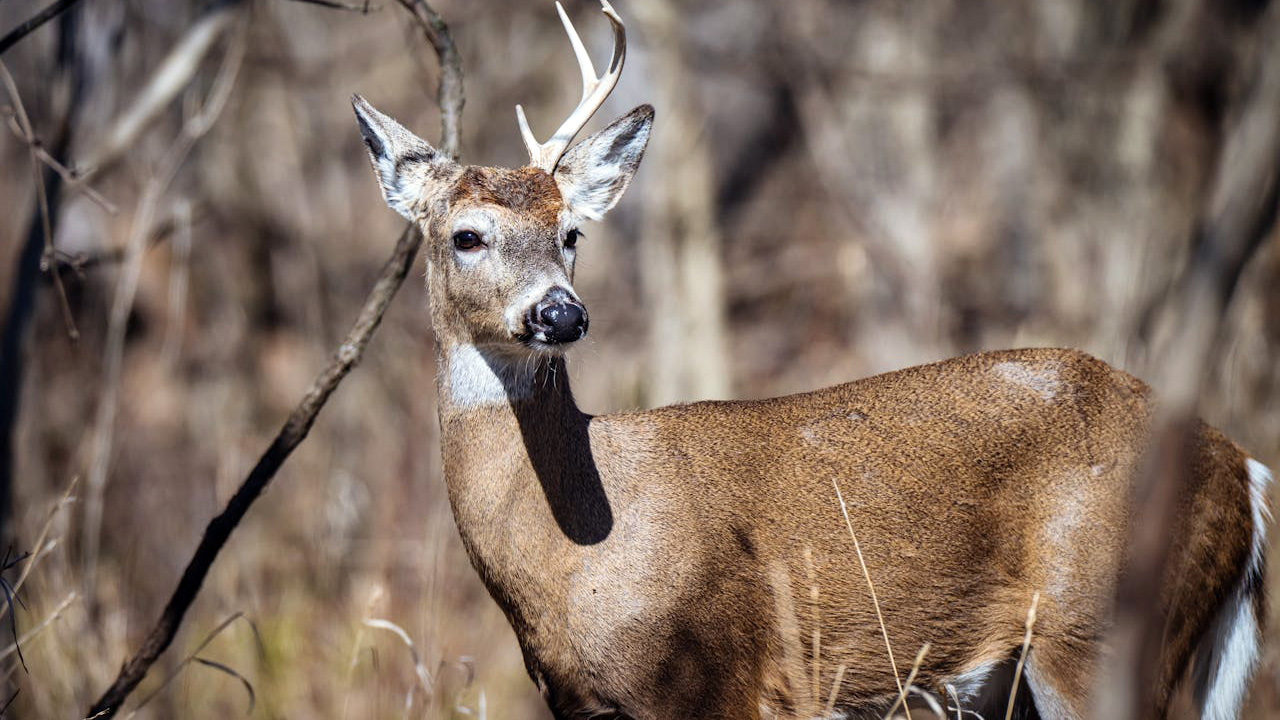
Kentucky has earned a strong reputation among deer and turkey hunters, and that reputation has made it a serious relocation target for some outdoorsmen. There is enough whitetail quality there to get people’s attention, but the state also offers a broader hunting culture that feels accessible. Hunters relocating to Kentucky often want a place where they can chase good deer without paying the same price they might face in more heavily hyped states. In that sense, Kentucky can look like a smarter move than flashier destinations.
It also helps that Kentucky feels grounded. It is a state where a hunter can still picture building connections, learning country, and putting together a reliable annual season without every conversation revolving around points, premium tags, or once-in-a-lifetime odds. That is a big deal for serious hunters who want consistency more than fantasy. Kentucky keeps drawing interest because it offers enough deer quality to matter and enough practicality to make the move feel realistic for people who actually intend to stay and hunt there year after year.
Wisconsin

Wisconsin still pulls deer hunters because the state has a long, serious whitetail tradition and enough quality ground to keep people dreaming about a move. The culture matters here. In some states, hunting feels like a side hobby that fewer people understand every year. In Wisconsin, deer camp still means something. Hunters who relocate there often want that atmosphere as much as they want the deer themselves. They are looking for a place where the season still feels like part of the local identity.
The weather and hunting pressure can both be factors, and not every area is equal, but Wisconsin keeps showing up in relocation talk for a reason. It gives people a real deer-hunting state, not just a state where deer happen to live. That difference matters. For hunters who care about whitetail culture, family tradition, and being surrounded by people who still take the season seriously, Wisconsin has a lot going for it. A move there is often about belonging to that world as much as improving hunting opportunity.
Minnesota
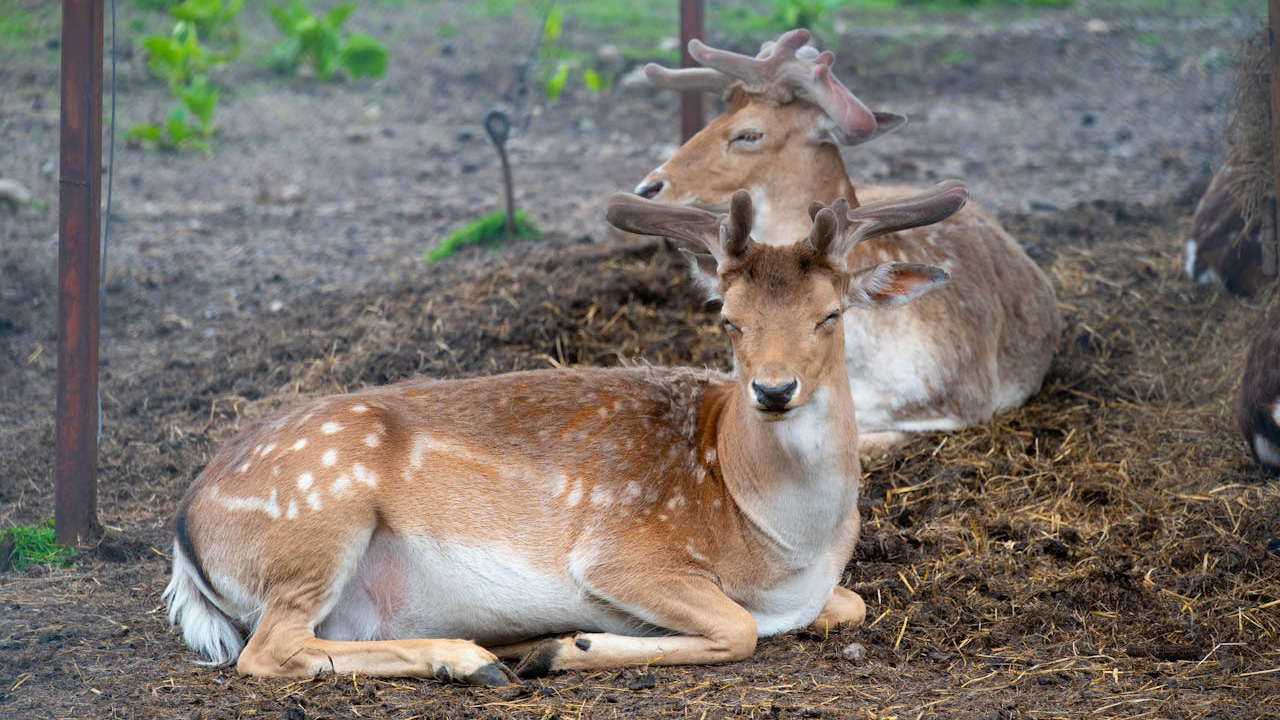
Minnesota is another state that appeals to hunters who want strong deer tradition, solid public opportunity in the right areas, and a culture where hunting still carries real weight. It tends to attract outdoorsmen who do not mind weather and who value living in a place where people understand the rhythm of a hunting season. The state also offers variety beyond deer, which adds to the appeal for those who want more than one reason to stay outside through the year.
The cold is part of the deal, and not everybody wants it, but hunters who move to Minnesota usually know that going in. What they are buying into is a broader outdoor life, one where deer season matters and access to woods and water still shapes how people spend their time. In that way, Minnesota is less about instant payoff and more about long-term fit. For a hunter who wants better opportunity and a place where the lifestyle still feels normal, Minnesota keeps making good sense.
Oklahoma

Oklahoma attracts hunters who want a practical middle-ground state with decent deer hunting, turkey opportunity, predators, and a manageable cost of living in many areas. It may not dominate relocation fantasies, but it shows up often when hunters start thinking seriously instead of romantically. A move to Oklahoma can put a person closer to a better hunting life without demanding the same financial leap some western states require. For a lot of families, that matters more than giant antlers in a brochure.
The hunting itself is part of the draw, but so is the balance. Oklahoma gives hunters a place where rural living, work, and outdoor time can still fit together pretty naturally. Pressure is not gone, and not every county is equal, but the state remains attractive because it feels doable. Some relocations are built on chasing the absolute best. Others are built on finding a place where hunting is better, life is workable, and a guy can stay for the long haul. Oklahoma fits that second group really well.
Nebraska
Nebraska gets hunters’ attention because it offers more than people expect if they bother to look closely. There is deer hunting, turkey hunting, upland opportunity, and enough habitat diversity to keep things interesting. Hunters relocating there often see a state that does not get overrun by hype the same way others do, which can actually make it more appealing. Sometimes the best move is not to the loudest state on the board. It is to the one that quietly offers enough opportunity to improve your hunting life every year.
Nebraska is especially attractive to hunters who like practical math. They look at land, cost, species, pressure, and lifestyle and decide it adds up better than where they are now. It is not a fantasy destination for most people, and that works in its favor. Hunters who move there are usually not buying an image. They are buying access to a steadier, more realistic outdoor life. That can be a better deal than relocating somewhere famous only to learn the opportunity is harder to touch than it looked.
Like The Avid Outdoorsman’s content? Be sure to follow us.
Here’s more from us: