Photo credit: Volodymyr Burdiak/ShutterStock.com
Wild hogs are built like tanks wrapped in armor. Their hide is thick, tough, and layered with gristle that can stop or deflect weak bullets. Add in mud-caked hair and a shield of scar tissue around the shoulder, and you’ve got one of the toughest animals to penetrate in North America. Hunters often underestimate how much power and bullet construction matter until their “perfect shot” barely makes it past the surface. Small, fast rounds might work on paper, but in real life, they fragment or slow before reaching vital organs. When you’re chasing hogs, you need enough sectional density and retained energy to break through—not just make a mark. These calibers might work on varmints or deer, but against a thick-skinned boar, they’ll leave you frustrated and empty-handed.
.22 Long Rifle
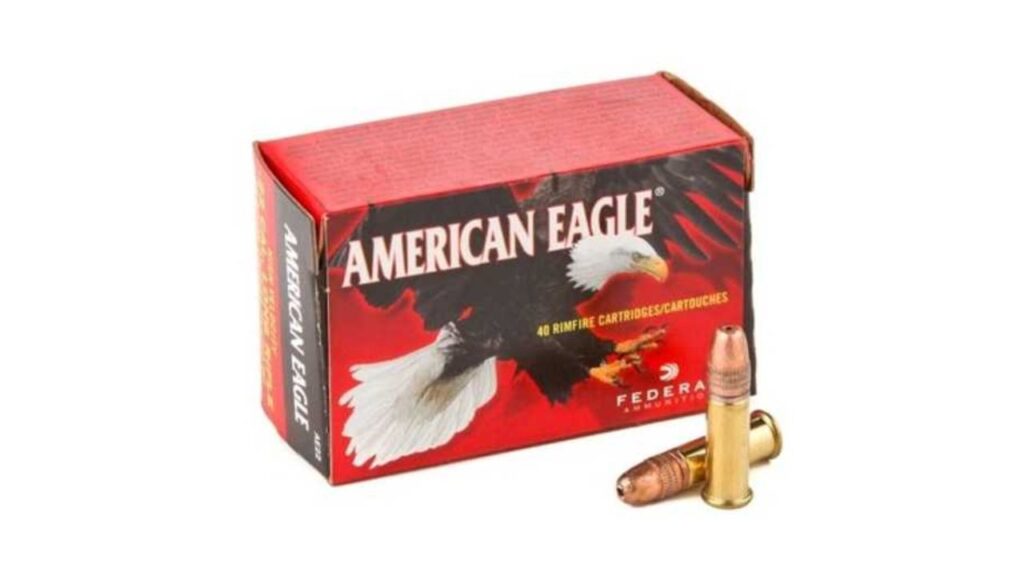
The .22 LR has put down plenty of small game, but hogs aren’t squirrels. Its light bullets and low velocity make it nearly useless for penetrating thick hide. Even with high-velocity rounds, the energy drops too fast to reach vitals on anything larger than a shoat.
At close range, a precise shot behind the ear can work—but that’s a gamble when you’re dealing with a moving animal. If your angle’s off by an inch or two, the bullet will flatten against bone or stay lodged in the fat. Hogs shrug off poor shots, and a wounded one becomes dangerous fast. The .22 LR simply doesn’t generate enough power for ethical, reliable kills. It’s great for varmints, but if you try it on a 200-pound boar, you’ll see firsthand how tough that hide really is.
.22 Magnum
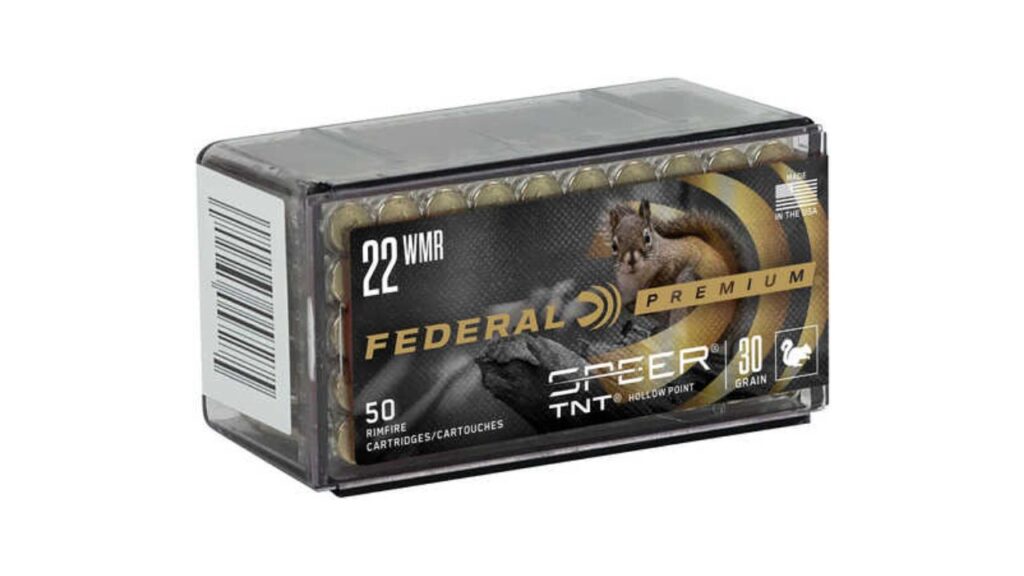
The .22 Magnum carries more punch than the .22 LR, but it’s still far too light for consistent penetration on mature hogs. Its higher velocity helps on thin-skinned targets, but the small, fragile bullets tend to fragment instead of drive deep. Even solid points can pancake on the gristle shield before hitting anything vital.
At best, it’s a finishing round for trapped or wounded hogs. At worst, it’s a wounding tool that sends animals running into the brush. Hunters who’ve tried it quickly learn that hogs absorb energy like body armor, and velocity alone doesn’t fix poor sectional density. The .22 Mag is fun to shoot and deadly on varmints, but for hogs, it’s a lesson in underestimating how much bullet mass you really need.
.17 HMR
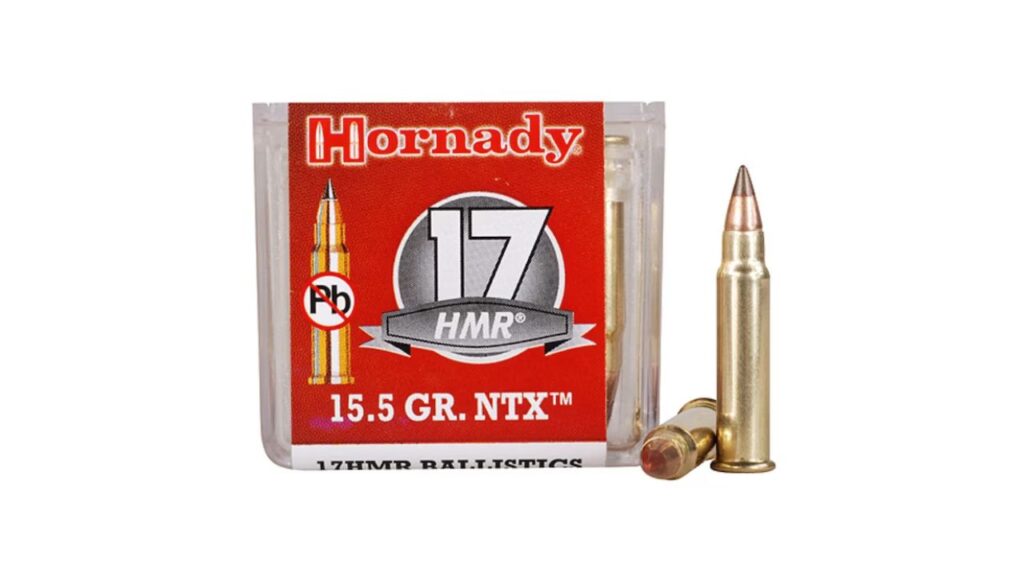
The .17 HMR is known for speed and accuracy, but it’s one of the worst choices for hogs. That tiny 17-grain bullet zips out fast but loses energy almost instantly. When it hits tough hide, it fragments before making it halfway through the shield. On smaller pigs, it might create a surface wound, but on boars, it’s like throwing gravel at a tire.
The cartridge’s flat trajectory gives hunters false confidence, but terminal performance simply isn’t there. You might see impressive groups on paper, but you won’t get adequate penetration or expansion when it counts. Even with precise placement, the margin for error is too small. The .17 HMR belongs in the prairie dog fields, not in the oak flats chasing hogs. It’s a great round for varmints, but when hide, fat, and bone get involved, it falls apart—literally.
.204 Ruger
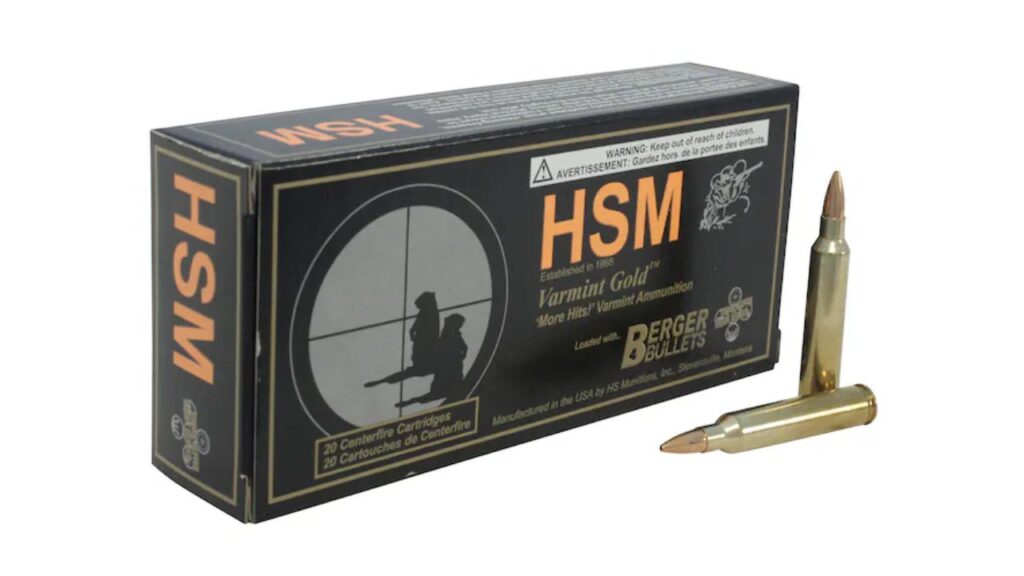
The .204 Ruger delivers blistering speed, but light bullets don’t translate into penetration. At over 4,000 fps, it looks impressive on a chronograph, yet it lacks the sectional density needed to push through heavy muscle and hide. Those lightweight varmint bullets are designed to expand rapidly, not to drive deep.
When you hit a hog with a .204, the result is often shallow fragmentation. The wound looks dramatic but rarely reaches vitals. Even full-metal-jacket rounds tend to deflect off ribs or flatten in the shoulder shield. It’s one of those calibers that works brilliantly on coyotes and prairie dogs but fails miserably on animals built to take a hit. The .204 Ruger is fast, accurate, and fun—but hogs don’t care about speed; they care about energy transfer and depth, and the .204 simply doesn’t deliver enough of either.
.17 WSM
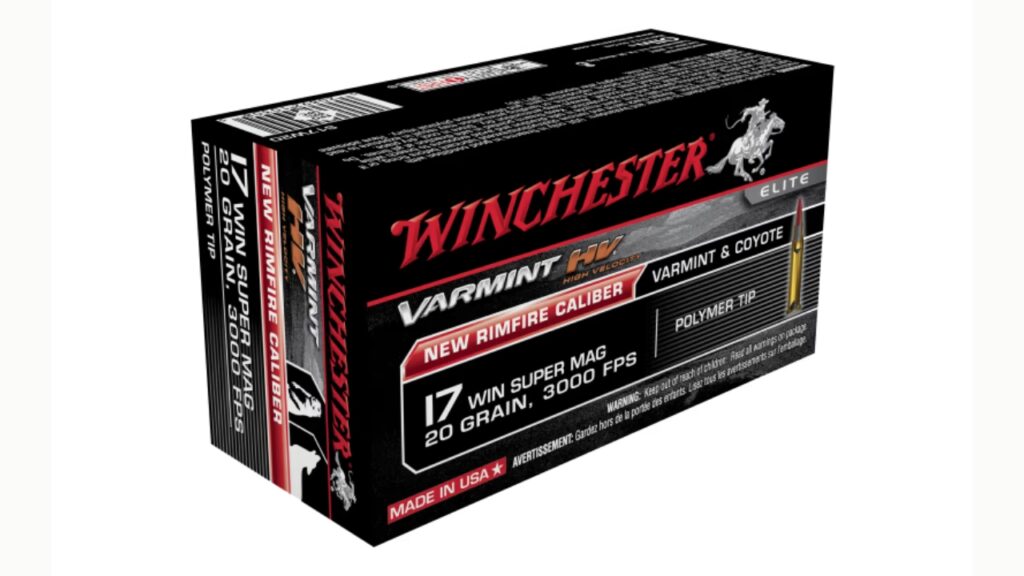
The .17 Winchester Super Magnum was hailed as the king of rimfires, but its energy still falls short for hogs. It shoots flat and fast, but the lightweight bullets can’t hold together on impact. Hitting a boar with one often results in surface splatter or shallow entry wounds that clot quickly, giving the animal plenty of time to disappear.
Even when using polymer-tipped ammo, penetration is inconsistent. The cartridge performs better than a .22 LR but still nowhere near centerfire options designed for medium game. Hunters who’ve tested it quickly realize that hogs are too tough, too thick, and too unpredictable for rimfire calibers. The .17 WSM has its place for small game or pest control, but it’s severely outclassed once you’re chasing boars that can shrug off minor hits and keep running.
.22 Hornet
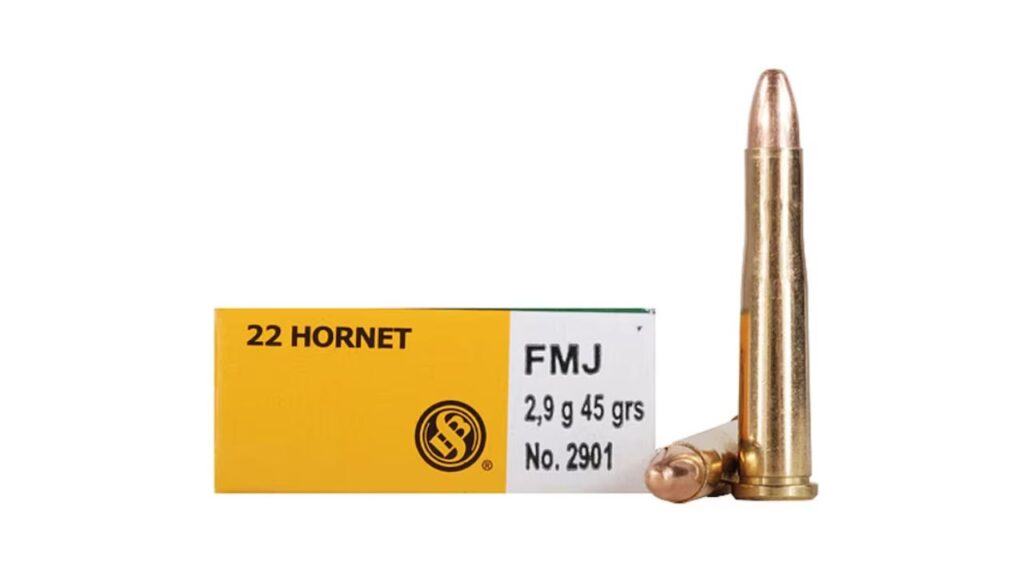
The .22 Hornet is a nostalgic favorite, but nostalgia doesn’t stop a charging hog. With modest velocity and lightweight bullets, it lacks the penetration to reach vital organs consistently. Even well-placed shots struggle to pass through the dense shoulder shield, especially on boars over 150 pounds.
Soft-point bullets often expand too early, and full-metal-jackets pass through without enough energy dump. Either way, you end up with a wounded hog and a long tracking job. The .22 Hornet can drop small deer or varmints in ideal conditions, but hog hide laughs at it. Hunters who’ve tried it in the field usually move on quickly to something with more energy. It’s a charming old cartridge—but charm won’t punch through half an inch of scar tissue and fat.
.221 Fireball
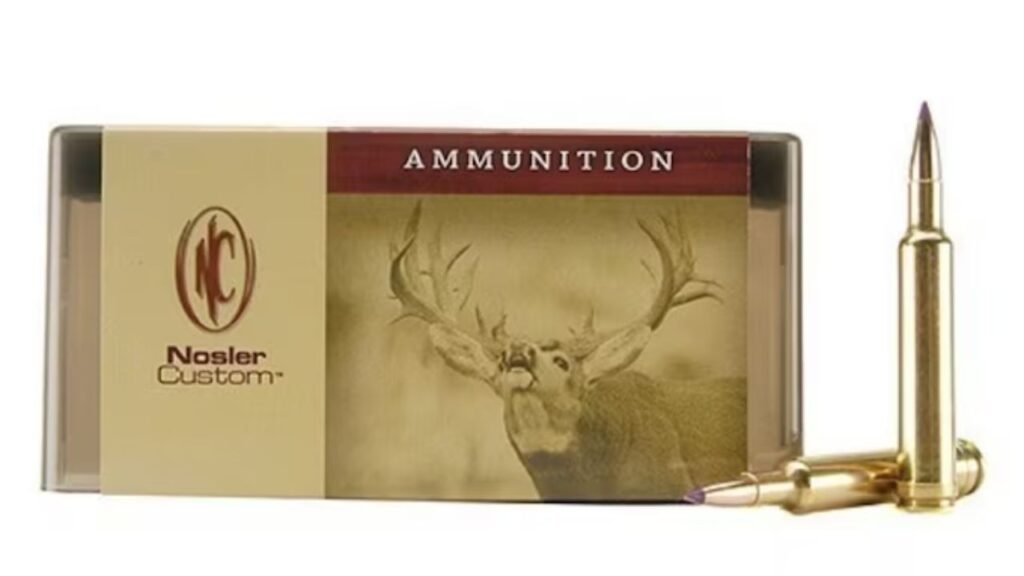
The .221 Fireball was designed for varmint work, and that’s exactly where it shines—and stops. Its light bullets and modest powder charge make it accurate but weak against thick-skinned targets. In cold weather or at longer distances, the round loses enough velocity that even soft points can’t reliably penetrate hog hide.
The Fireball’s short case limits powder capacity, which means it can’t push heavier bullets fast enough to matter. While it’s quiet and efficient, it doesn’t deliver the kind of terminal energy needed for deep penetration. On small pigs, maybe—but on mature boars, you’ll be dealing with shoulder hits that stop short. It’s a great small-game and target round, but for hogs, it’s simply out of its league.
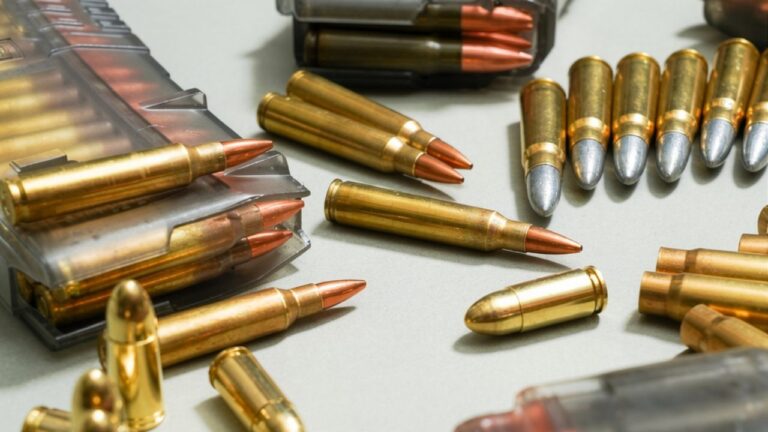
5.7x28mm
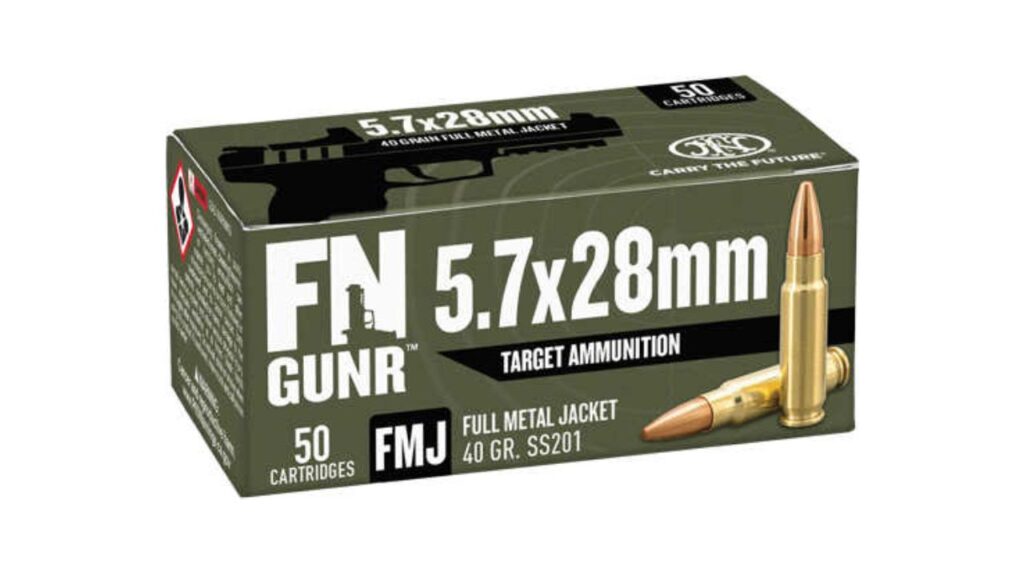
The 5.7x28mm gained attention for its speed and low recoil, but in the field, it fails where it matters most—penetration. Designed for lightweight armor-piercing roles, most commercial loads feature light, fast bullets that fragment on contact. Against a hog’s shield, that means shallow wounds that stop before they do damage.
Even full-metal-jacket variants don’t perform well on flesh and bone. The small diameter and limited case pressure translate into poor energy transfer. In short, the 5.7mm looks tactical but behaves like a rimfire on heavy game. It’s fine for varmints or home defense, but hogs demand something that can break bone and keep moving. Many hunters learned the hard way that the flashy numbers on the box don’t mean much when the bullet pancakes on a boar’s shoulder.
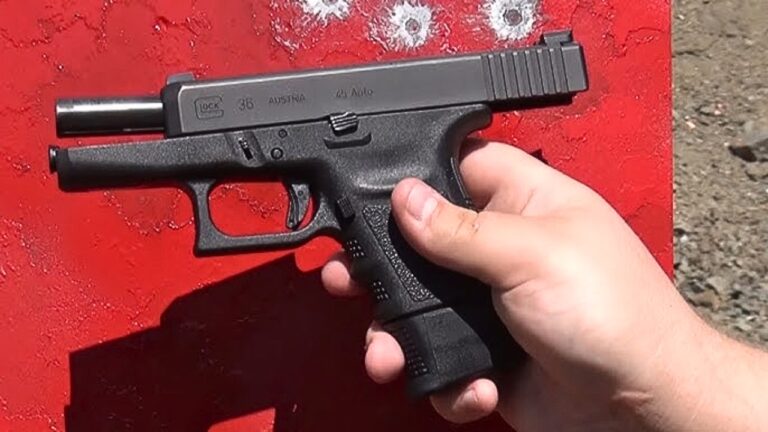
9mm Luger
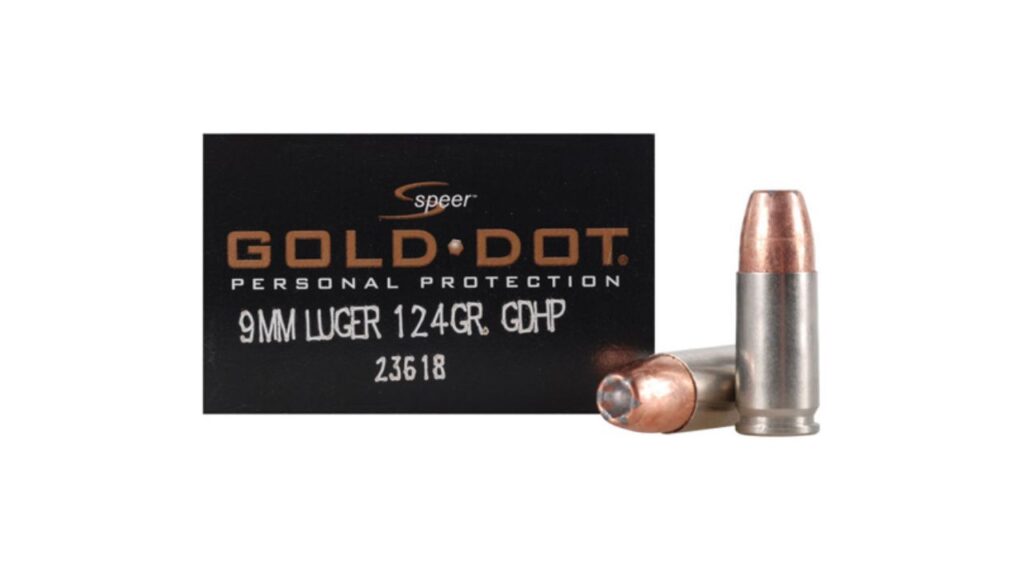
The 9mm Luger is one of the most popular handgun rounds in the world—but it’s not a reliable hog caliber. Even with +P loads, most bullets lack the sectional density and velocity needed to punch through the hide and reach vitals. Hollow points expand too soon, and FMJs often pass through soft tissue without creating lethal damage.
Some hunters use 9mm carbines on small pigs, but when it comes to adult boars, you’re rolling the dice. A clean, well-placed headshot might work, but body shots rarely do more than slow them down. Hogs are built tougher than most realize, and handgun rounds that work on deer or coyotes don’t translate. The 9mm is convenient and familiar, but in the hog woods, it’s the round most hunters only try once before upgrading to something with real penetration.
.380 ACP
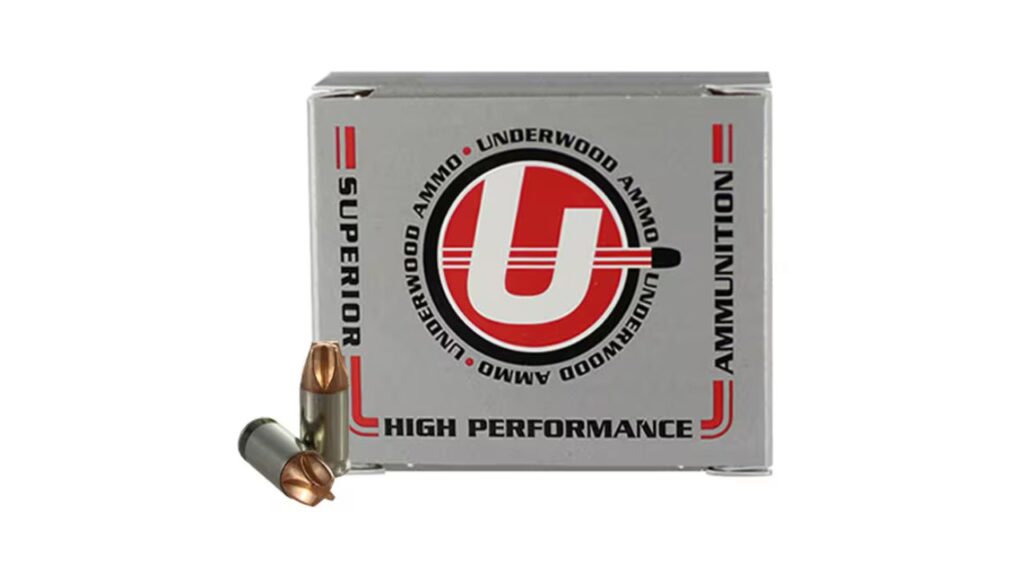
The .380 ACP barely makes sense for self-defense against humans, let alone hogs. Its slow, light bullets simply don’t carry the energy to push through thick hide and bone. Expansion is unpredictable, and many bullets stop within an inch or two of entry. Even FMJs struggle to reach vitals unless the shot is perfectly placed and close-range.
Hunters who’ve tried carrying small pistols for finishing shots learn quickly that hogs are too dense for the .380 to be effective. It’s a round built for convenience, not performance. If you’re in the brush with hogs, the last thing you want is to rely on a caliber that stops at the skin. It’s fine for snakes or dispatching trapped animals, but on a charging boar, you might as well throw the gun instead.
.32 ACP
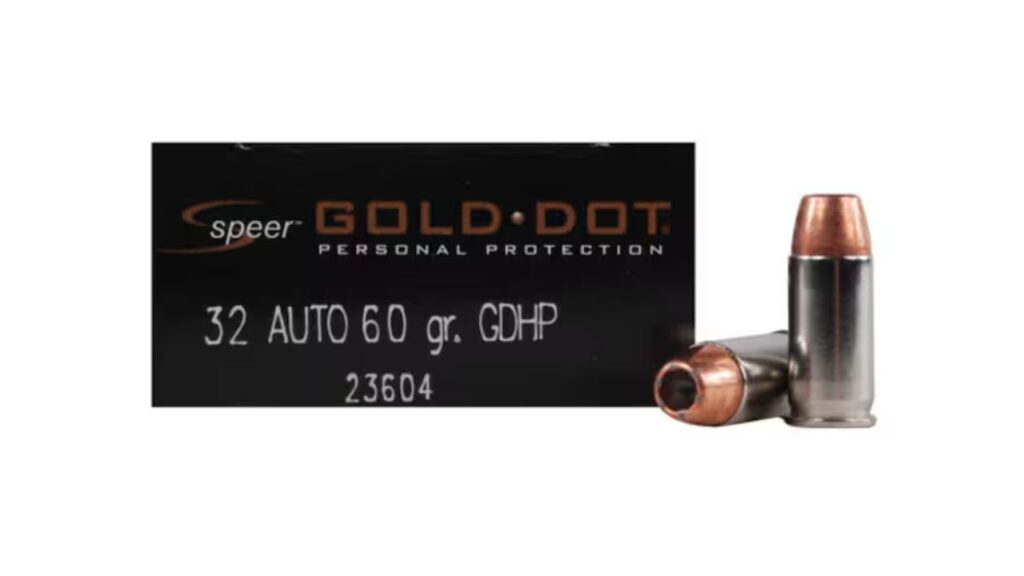
The .32 ACP has a reputation for mild recoil and decent penetration on small targets—but it fails miserably on hogs. The bullet weight is too light, and the velocity too low to make a meaningful impact on something as tough as a mature boar. Even FMJs tend to deform or stop in the first few inches of tissue.
At close range, it might cause superficial damage, but you won’t reach the vitals unless the shot is surgically precise. Hogs can soak up damage that would drop a deer, and the .32 ACP doesn’t deliver enough power to get through that shield. It’s a small, polite round better suited for pocket pistols and pests—not wild game that can weigh 300 pounds and keep charging through pain.
.38 Special
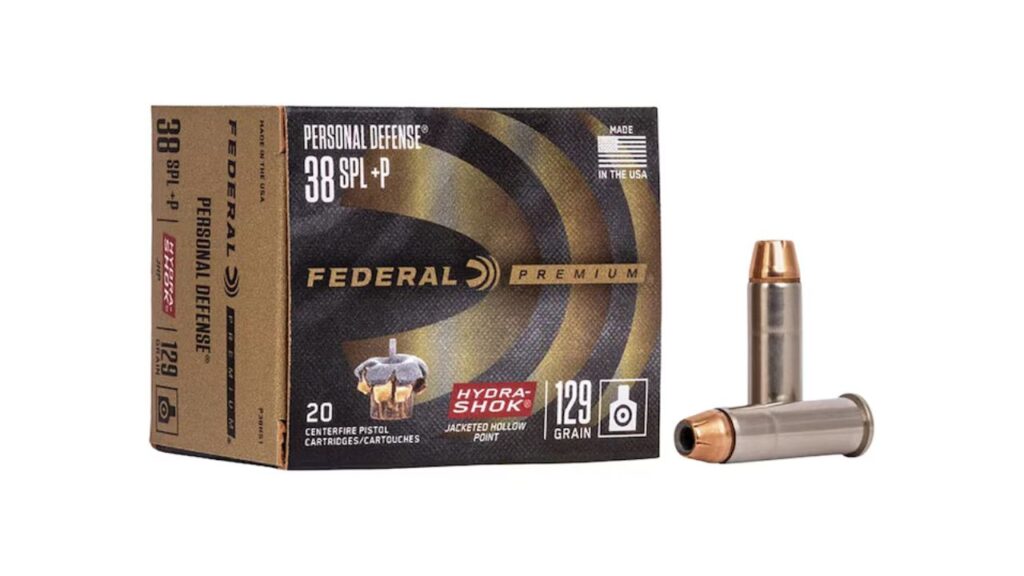
The .38 Special has an old-school following, but its slow-moving bullets struggle with penetration, especially against thick hide. Standard-pressure loads expand early and fail to drive deep. Even +P rounds barely make it through both sides of a hog’s shield, and hard-cast loads lose steam fast after hitting bone.
It’s a great defensive round for two-legged threats but unreliable on wild pigs. You might see decent results at very close range with the right load, but most of the time, it’s an underwhelming performer. The .38 Special shines for personal defense or target practice—not for hunting one of the toughest animals in North America. A hog’s hide is nature’s body armor, and this old revolver round simply doesn’t carry enough muscle to punch through it.
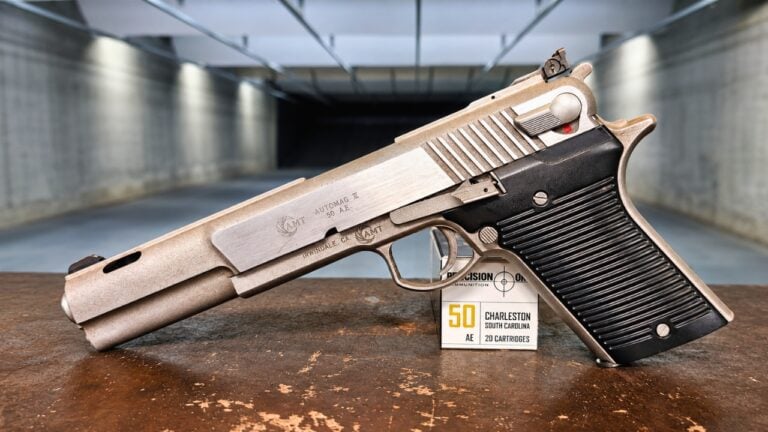
10mm Auto (Weak Loads)

The 10mm Auto can be a powerhouse—but not all ammo is created equal. Many commercial 10mm loads are watered down to near-.40 S&W levels, and those weaker versions lack the velocity and bullet integrity to penetrate hog hide.
With light jacketed bullets or soft points, they mushroom too soon and lose depth fast. Against a mature boar, that means shoulder hits that stop short or underpenetrate the vitals. The full-strength hunting loads perform beautifully, but most off-the-shelf ammo won’t cut it. Hunters who assume “10mm is 10mm” often learn the hard way that energy numbers on paper don’t tell the whole story. If you’re packing a 10mm for hogs, you need heavy, hard-cast, or bonded bullets. Otherwise, you’re shooting a .40-caliber pistol at a tank.
*This article was developed with AI-powered tools and has been carefully reviewed by our editors.