
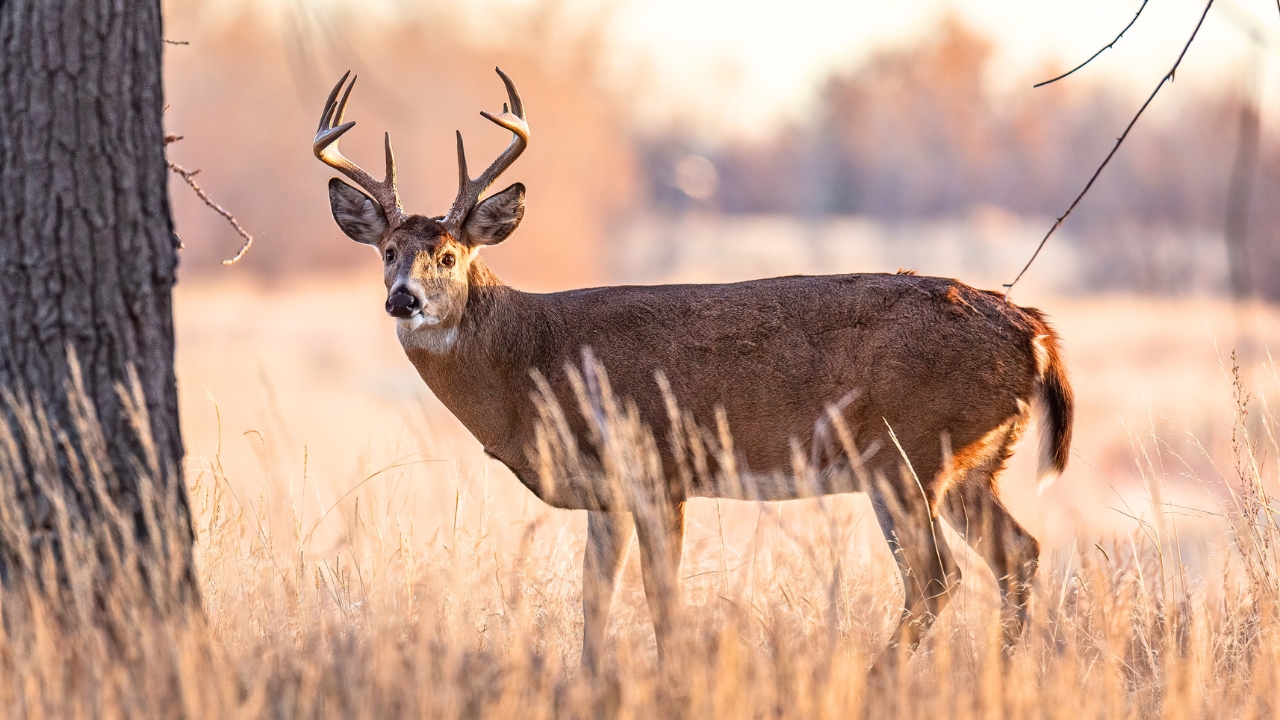
Photo credit: Wirestock Creators/Shutterstock.com
We may earn revenue from products featured on this page through affiliate links.
Most “lost deer” stories aren’t caused by bad luck. They’re caused by predictable shot placement mistakes that hunters repeat every season because they don’t want to admit what really happened. The woods don’t care what you meant to do. They care where the bullet went, what it hit, and whether the animal’s body shut down quickly or had enough left in it to run into thick cover and turn your night into a tracking job. Clean kills come from boring fundamentals: calm trigger press, good angle, and a bullet through the right parts. The errors that cost clean kills usually happen when hunters rush, shoot at the wrong angle, aim at the wrong “spot,” or don’t understand what the bullet is going to do after it hits bone.
Shooting too far back because you aimed at “brown” instead of anatomy
The most common shot placement mistake is the classic “too far back” hit. It happens because hunters aim for a general area instead of a specific anatomical target. They see a deer’s side, they see a big brown section, and they send it. The problem is deer aren’t shaped like targets, and the lungs sit farther forward than a lot of people think, especially on bigger-bodied deer with heavy shoulders. When you hit too far back, you’re often clipping liver, guts, or back lung, which can still kill the deer but usually doesn’t kill it quickly. That’s where long tracks, poor blood, and lost animals come from. A clean kill requires both lungs or the heart, and that means aiming tight behind the shoulder, not halfway down the rib cage because it “looks centered.” The fix is simple: pick a spot, not an area. Visualize the shoulder line, aim just behind it at mid-height for lungs, and don’t let nerves push you into “center mass” thinking. Also, understand that “deer posture” changes where that shoulder sits. A deer with its near leg forward opens the pocket; a deer with its leg back shifts the shoulder and changes your window. If you don’t account for that, you can think you aimed right and still end up too far back.
Taking steep quartering shots without respecting what the bullet has to travel through
Quartering shots are where good hunters stay disciplined and average hunters get themselves in trouble. A steep quartering-to shot demands that your bullet break heavy shoulder structure, penetrate dense muscle, and still reach vitals that may be tucked behind bone. A steep quartering-away shot can be excellent if you understand entry-to-exit lines, but it becomes a gut shot fast if you aim “behind the shoulder” like it’s a broadside. The reason these shots cost clean kills is that many hunters don’t visualize the path to the vitals. They aim at the spot that works on a broadside deer and forget the vitals are now deeper and offset. The fix is treating quartering shots like geometry. On quartering away, you often want to aim farther back than broadside so the bullet angles forward into the chest, targeting the opposite shoulder area internally. On quartering-to, you should be extremely selective; if you can’t confidently drive through shoulder and reach vitals, wait. Bullet construction matters here too. A fast-fragmenting bullet may kill a broadside deer cleanly and then fail to reach vitals on a hard-angle shot. If you routinely take quartering shots, you should be choosing bullets built for controlled expansion and penetration, not thin-jacket “explosive” designs.
Shooting high because you aimed at hairline and ignored where the spine actually is
A high hit is one of the most frustrating “almost” mistakes. Hunters aim high because they don’t want to hit low, they don’t want to hit brisket, or they think a high shot is “safer” because it’s still in the chest. Then they clip the top of the lungs or hit above them, and now you’ve got poor blood and an animal that can go farther than you expect. The spine sits higher than many people realize, but it’s also narrower than people think, and relying on a spine hit is a gamble unless you’re extremely close and extremely steady. The bigger issue is that a lot of hunters aim based on visible hairline instead of internal anatomy. Deer hair and shoulder lines can make the chest look deeper than it is, and if you’re shooting at a slight downhill angle, your high aim becomes even higher relative to the vitals. The fix is aiming mid-height in the chest for lung shots, not high. If you’re trying to “anchor” deer, don’t do it by gambling on the spine. Do it by putting a bullet through the lungs where the animal shuts down on oxygen loss and blood loss quickly, and only take higher-risk “breakdown” shots if you truly understand the tradeoffs.
Hitting shoulder wrong because you wanted to drop the deer instead of kill it cleanly
A lot of hunters aim for the shoulder because they want the deer to drop. Sometimes that works beautifully. Sometimes it turns into a mess. The shoulder shot is not just a “hit the shoulder” plan. It’s a “break shoulder and still reach vitals” plan, and that demands the right bullet and the right placement. If you hit too far forward, you can break bone and fail to reach the heart-lung area. If you hit too far low, you can shatter bone and cause a non-lethal wound that looks dramatic but doesn’t end the animal quickly. If you hit too far back on the shoulder, you might ruin meat without actually anchoring anything. The shoulder shot is a higher-stakes shot because it relies on bullet integrity. That’s why serious hunters who take shoulder shots tend to favor bonded or monolithic bullets that hold together through bone. The fix is not never shooting shoulder. It’s respecting that shoulder is a system: bone, muscle, and then vitals, and you need a bullet that can make that trip reliably.
Rushing the shot and letting adrenaline pick the moment instead of you
This is the mistake that creates most of the others. You get excited, you see antlers, you feel like you’re running out of time, and you take a shot before you’re steady. That’s how you end up too far back, too high, or on an angle you shouldn’t have taken. New hunters think experienced hunters don’t get buck fever. They do. The difference is experienced hunters have a routine that slows them down. They build the rest first, then settle the reticle, then breathe, then press. They don’t slap the trigger because the deer “might leave.” If the deer is leaving, a rushed shot doesn’t magically become ethical. It becomes a story you hate telling. The fix is practicing the exact moment that causes mistakes: shooting from field positions with a time constraint. If you want to reduce misses and bad hits, you need a stable rest that you can deploy quickly. That’s why simple tools like the Primos Trigger Stick Gen 3 keep earning a place in real hunting kits; it gives you fast stability from awkward positions without turning the hunt into a tripod operation. The point is not buying skill. It’s giving your skill a chance to show up when adrenaline is trying to sabotage you.
Not understanding where the deer was when you shot, and losing the track immediately
A big percentage of lost animals happen after the shot, not because the shot was instantly fatal or not. Hunters shoot, watch the deer run, then climb down and walk to “where they think it was” without marking it, then they’re suddenly unsure where the deer stood and which direction it went. Now you’re starting a blood trail with bad information, and everything gets harder. The fix is a simple post-shot habit: lock your eyes on the exact spot the deer was standing, pick a landmark behind it, and pick a landmark along the direction it ran. If you have a rangefinder, range that spot. If you have flagging tape or a phone GPS marker, mark it. You don’t need to be fancy. You just need to remove guesswork. A perfect lung shot can still turn into a lost deer if you blow the first 30 minutes of tracking by walking through sign and contaminating the area because you were impatient.
The clean kill mindset is boring for a reason
A clean kill is the result of doing boring things right and refusing to gamble when the situation isn’t right. Aim for anatomy, not hair. Respect angles. Don’t chase “drop them in their tracks” fantasies unless you understand what you’re trading for that result. Use bullets that match your shot choices. Practice from field positions so adrenaline doesn’t run the show. And after the shot, handle the recovery with discipline instead of excitement. The hunters who consistently get clean kills aren’t lucky. They’re consistent. They make the same right choices over and over, and that’s why their deer go down fast and their nights end early.
Like The Avid Outdoorsman’s content? Subscribe to our newsletter so you never miss an article.
Here’s more from us:


